


 English
 русский
 Español
 عربى
عربى

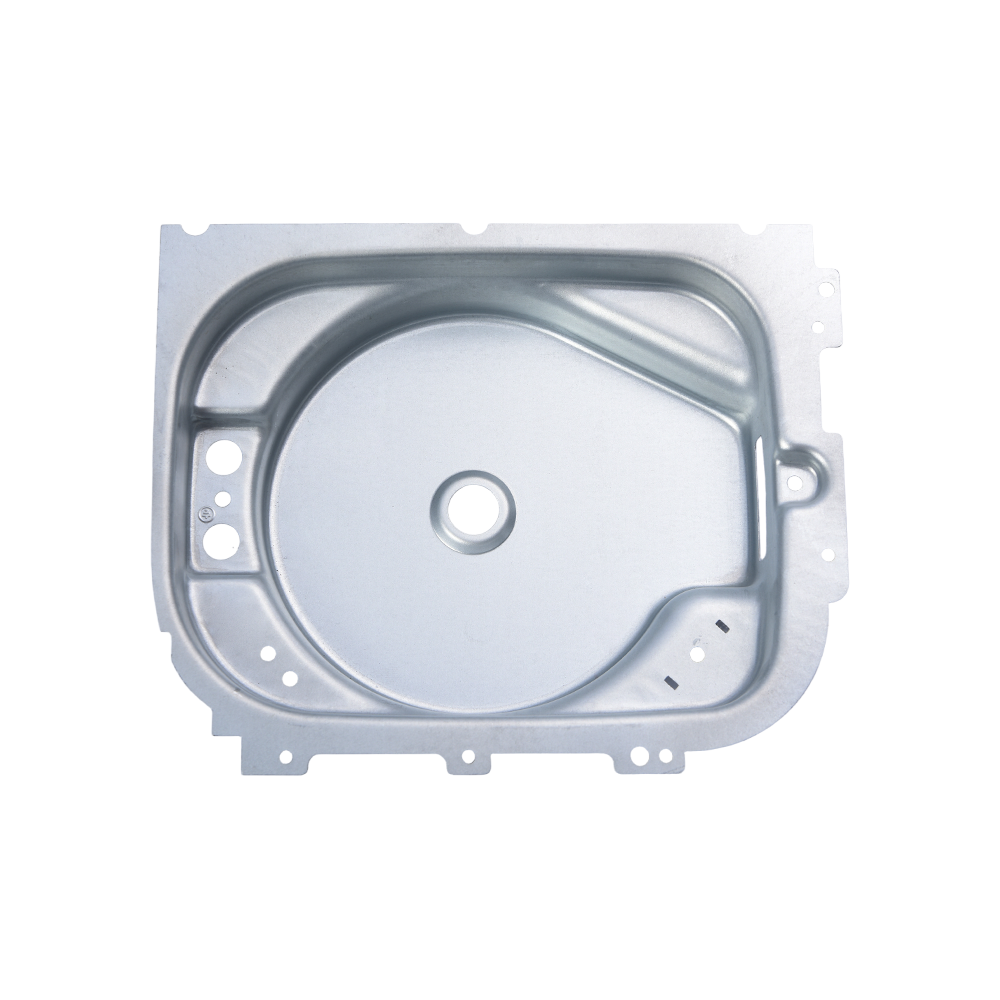
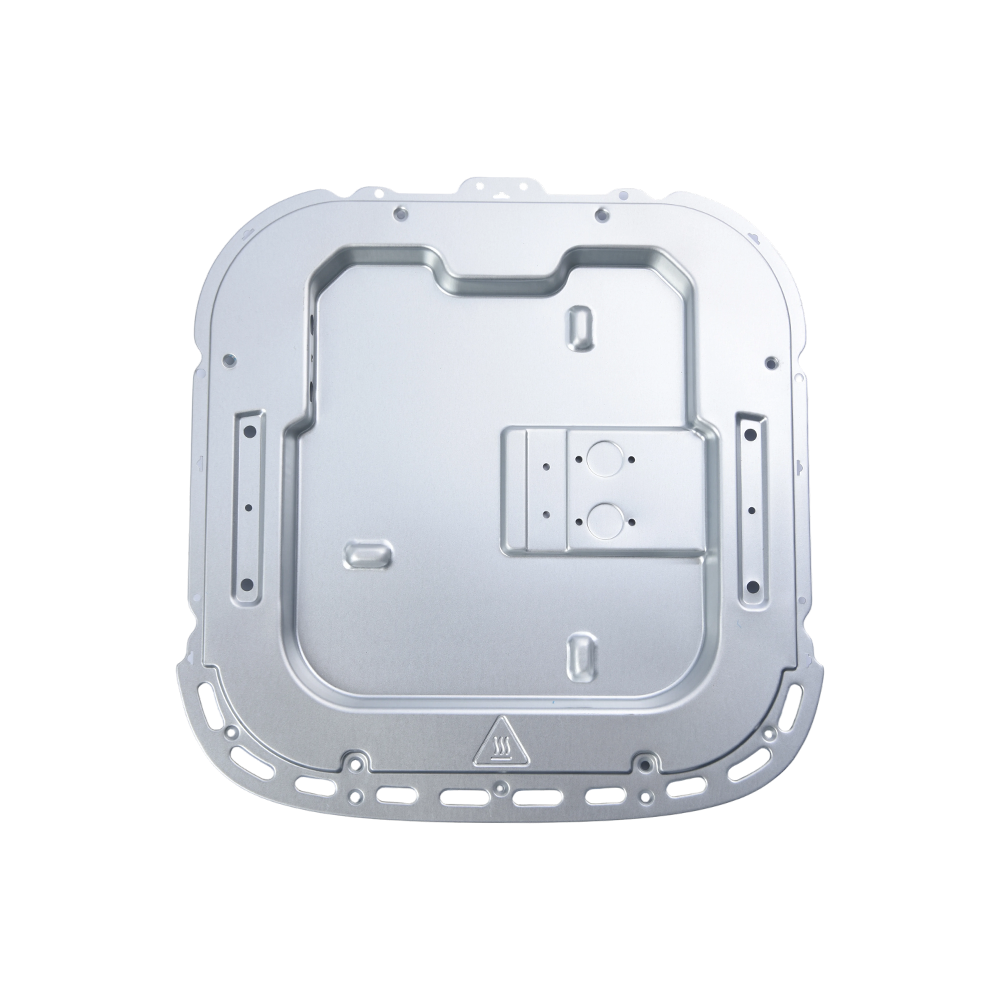
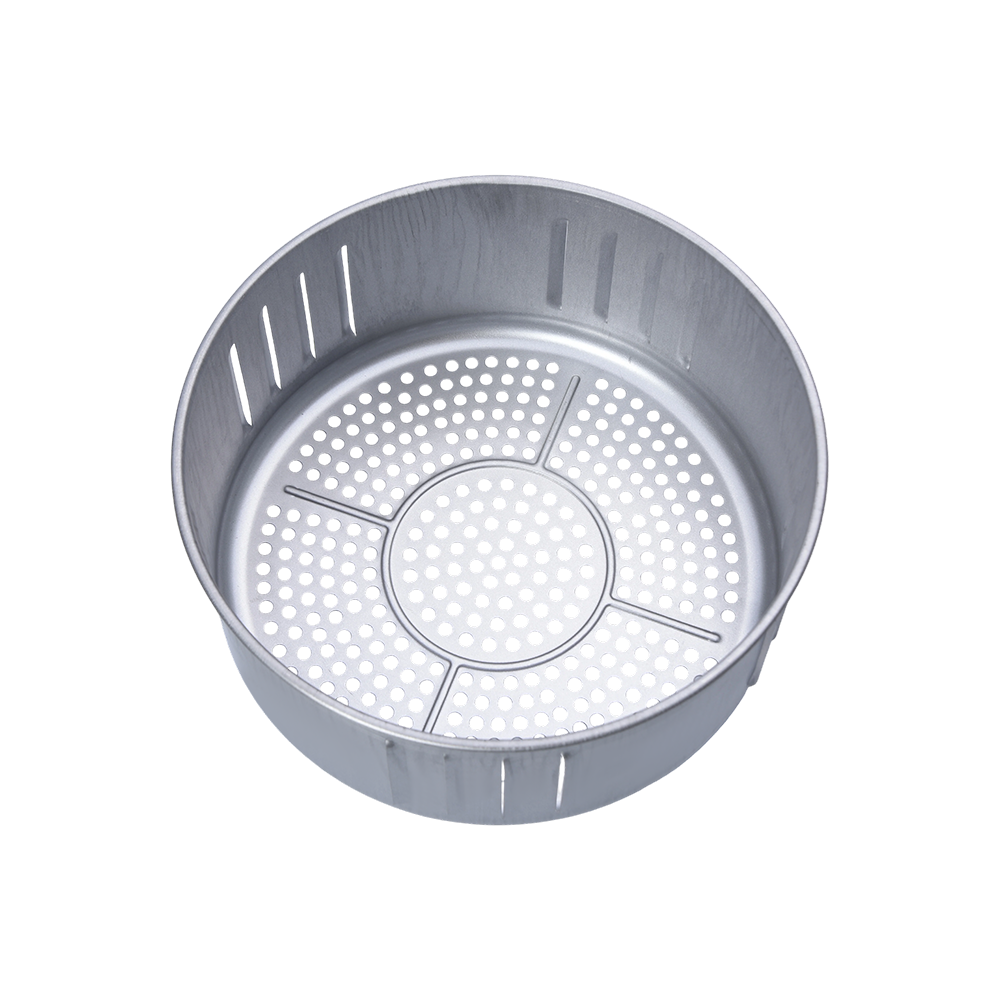
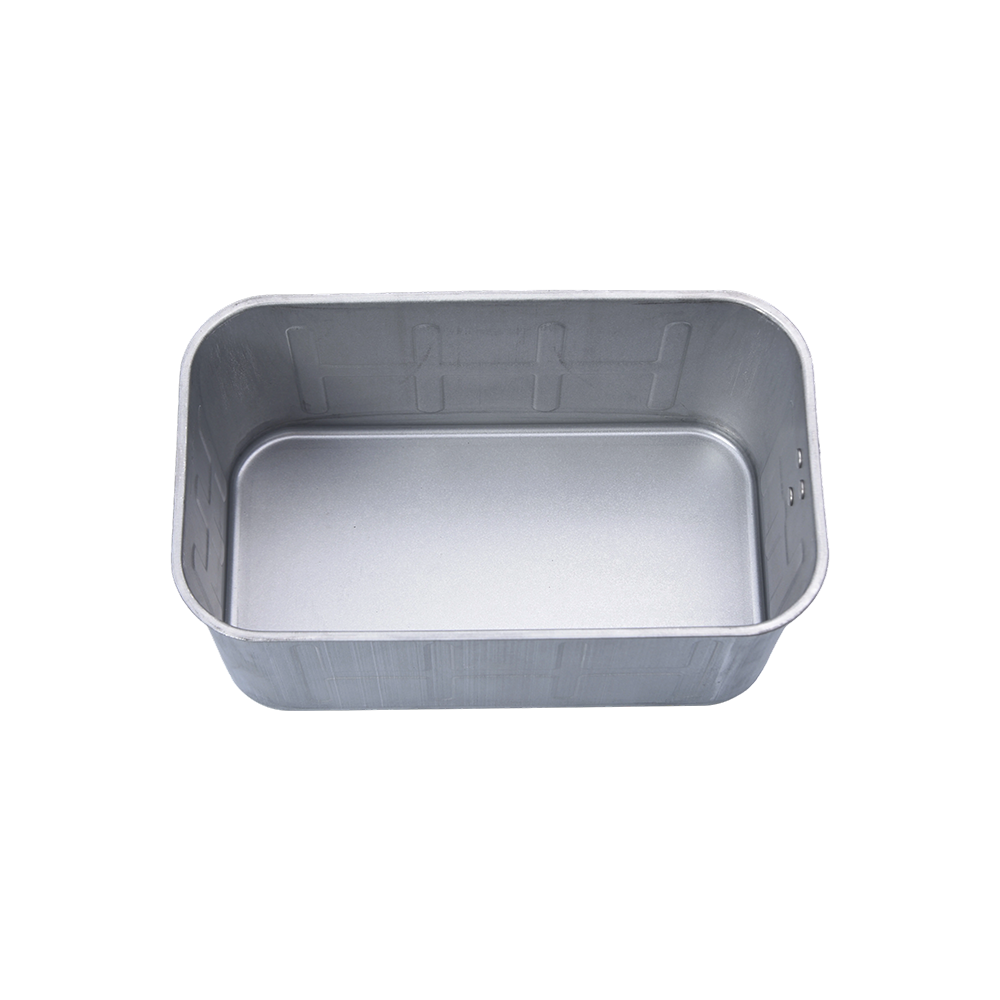
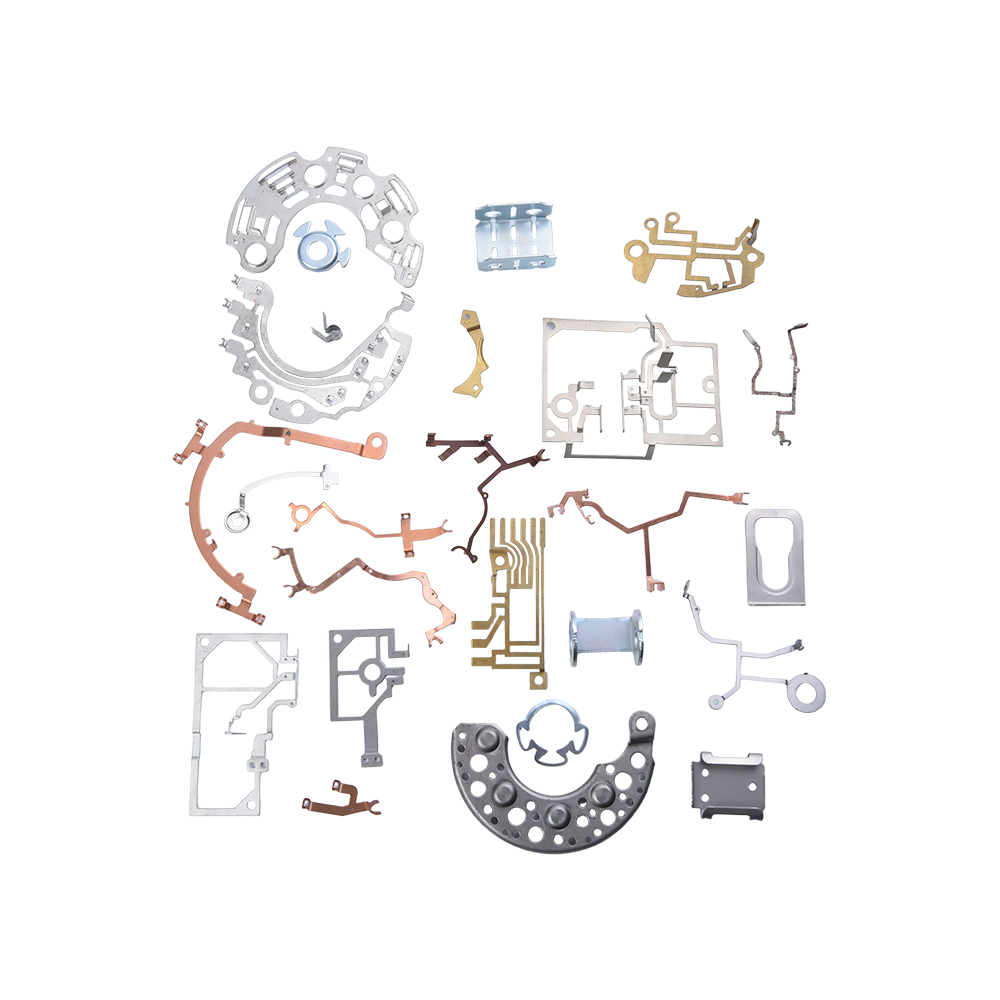
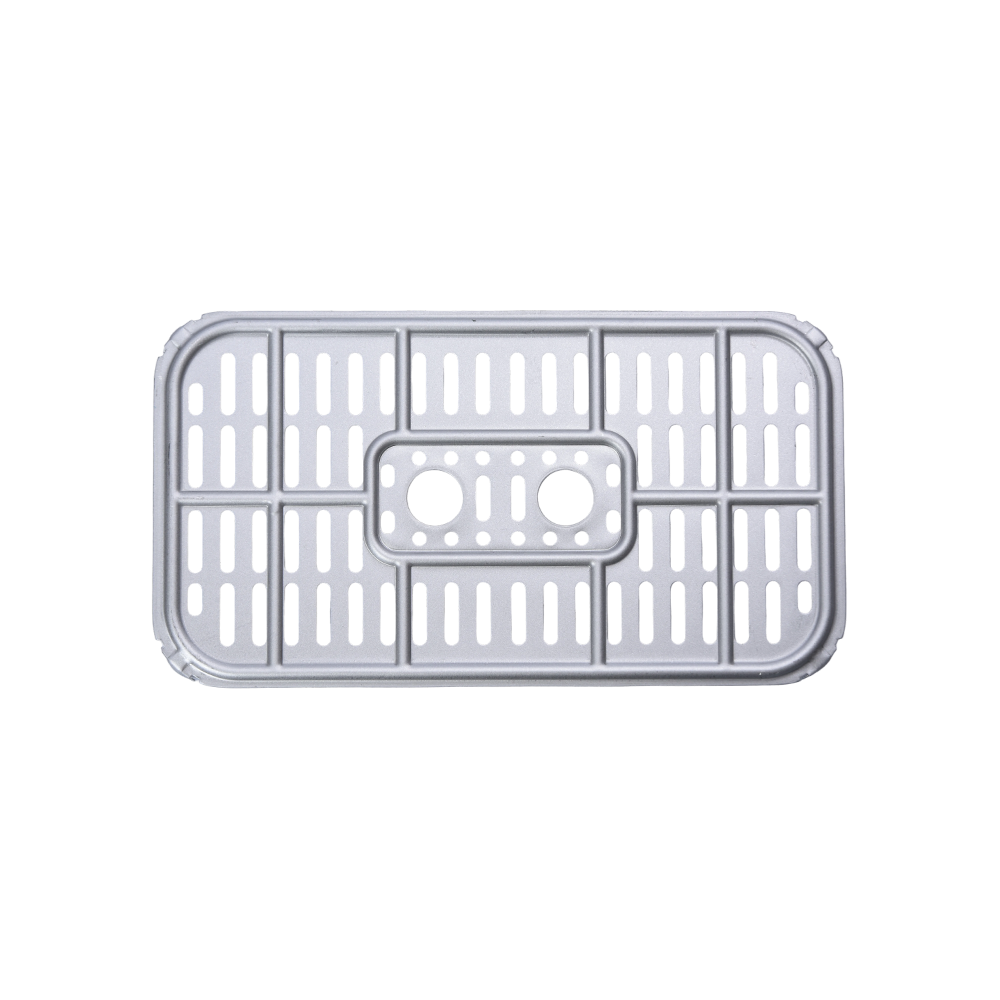
What Are Stamped Parts? Stamped parts are metal components produced by pressing flat sheet metal between a die and a punch to cut, bend, or...
READ MORE

News
Home / Author / Chen Ruoxi — Overseas Product Sales Manager / High-Performance Kitchen Sink Components for Durable, Hygienic, and Modern Kitchen Systems
High-Performance Kitchen Sink Components for Durable, Hygienic, and Modern Kitchen Systems
2026-05-22
Kitchen sink components may appear simple at first glance, but they play a decisive role in the long-term performance, hygiene, safety, appearance, and usability of a kitchen. In both residential and commercial environments, the sink is exposed every day to water, heat, detergents, food residue, impact, abrasion, and repeated cleaning. Components that are poorly designed or manufactured from inferior materials can rust, deform, loosen, stain, or become difficult to clean. By contrast, precision-manufactured kitchen sink components provide strength, stability, corrosion resistance, and a polished appearance that supports dependable kitchen use for years.
Modern kitchen sink components are expected to do more than simply fit into place. They must resist heat from hot cookware, tolerate impact from utensils and containers, maintain their surface quality under frequent cleaning, and preserve structural accuracy after long-term exposure to moisture. They should also be easy to install, compatible with different sink designs, and attractive enough to match contemporary kitchen interiors. For manufacturers, contractors, appliance brands, distributors, and project buyers, choosing the right component supplier can directly affect product reliability, installation efficiency, after-sales cost, and end-user satisfaction.
Yuyao Hongli Optoelectronics Co., Ltd. provides kitchen sink components backed by more than 20 years of manufacturing experience in metal stamping, deep drawing, bending, hardware processing, appliance accessories, and related custom production. Located in Yangming Science and Technology Industrial Park in Yuyao City, Zhejiang Province, China, the company has developed into a comprehensive manufacturing enterprise with a 5,000-square-meter modern factory, multiple stamping workshops, more than 60 employees, and strong production capabilities. Its experience in deep-drawn parts, stamped parts, bending parts, kitchen appliance accessories, and automotive stamping parts enables it to deliver kitchen sink components with reliable dimensional precision, robust mechanical performance, and consistent surface quality.
The following article explains the importance of high-quality kitchen sink components, their main advantages, how advanced manufacturing processes contribute to performance, and why a professional production partner can offer clear value over ordinary competitors. It also includes practical selection guidance, technical comparisons, a Q&A section, and references for further reading.
The Role of Kitchen Sink Components in Modern Kitchens
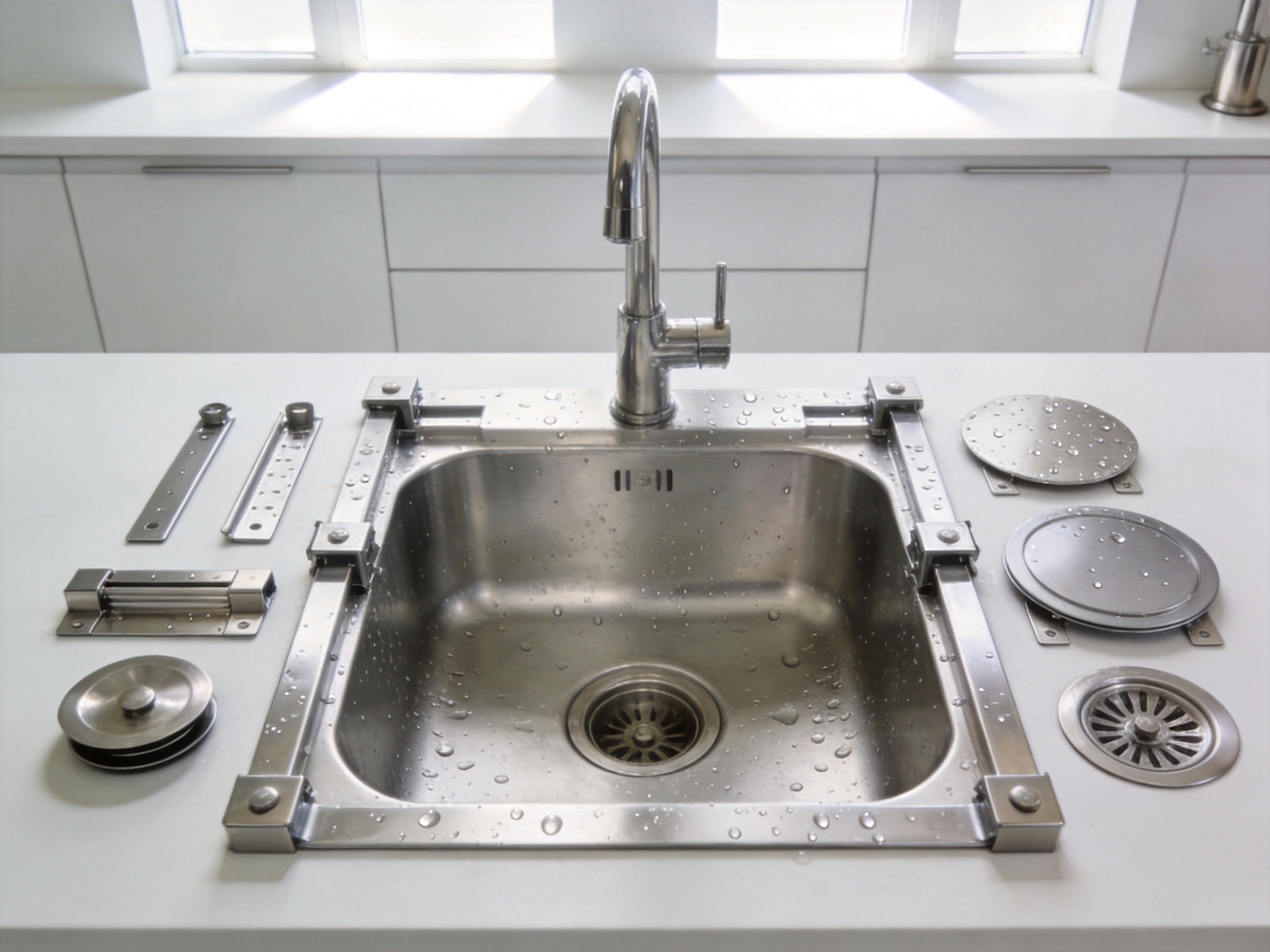
A kitchen sink is not a single object but a functional system made up of several interconnected components. These may include bowls, panels, brackets, mounting parts, reinforcement elements, strainers, support accessories, decorative covers, and other metal or plastic fittings depending on the sink design and application. Each component must work together to ensure drainage, stability, sealing, cleanliness, and user comfort. When one small component fails, the entire sink system can be affected.
In residential kitchens, end users usually value appearance, ease of cleaning, resistance to stains, and a comfortable daily experience. In commercial kitchens, performance demands are even higher. Components must withstand frequent washing, heavy cookware, strong cleaning chemicals, moisture, temperature variation, and continuous operation. For both markets, durability is not optional. It is a requirement that determines whether the sink remains attractive and functional after years of service.
High-performance kitchen sink components improve the entire sink system in several ways. They help maintain structural integrity, reduce the risk of leakage, improve installation accuracy, preserve hygienic surfaces, and extend service life. A smooth, well-formed, corrosion-resistant component is easier to disinfect and less likely to trap dirt or bacteria. A precisely stamped or deep-drawn part fits more securely, reducing assembly problems and installation delays. A properly finished surface resists rust, staining, and visible wear, improving customer satisfaction over time.
Kitchen design has also evolved. Contemporary kitchens increasingly emphasize clean lines, integrated appliance systems, compact layouts, and durable materials. As a result, sink accessories and components must meet both technical and aesthetic requirements. They need to perform under difficult conditions while also supporting a modern appearance. Components with rough edges, uneven surfaces, inconsistent dimensions, or poor resistance to corrosion can undermine the value of an otherwise well-designed kitchen product.
Core Product Advantages
The kitchen sink components supplied by Yuyao Hongli Optoelectronics Co., Ltd. are designed to deliver a combination of durability, rust resistance, heat resistance, impact resistance, stain resistance, ease of installation, and simple maintenance. These advantages are especially important because sink areas are among the most heavily used zones in any kitchen. The components must withstand repeated exposure to water and cleaning agents without losing function or appearance.
One of the key advantages is superior rust resistance. Kitchen sink components remain in contact with moisture for long periods, and some may also be exposed to salt, acidic food residue, alkaline cleaners, or disinfectants. If the metal surface is not properly selected, formed, and finished, corrosion can appear quickly. Corrosion not only affects appearance but can also weaken the component and create hygiene concerns. By applying controlled production methods and strict quality checks, the company helps ensure that components maintain stable performance in humid and demanding kitchen environments.
Another important advantage is impact resistance. Sinks are often used for washing heavy pots, pans, bowls, trays, and utensils. Accidental impacts are common. Components that bend, crack, dent excessively, or loosen under impact can reduce the usability of the sink. Precision metal stamping and forming processes help create components with sufficient strength and accurate geometry. When combined with suitable material selection and proper structural design, these parts can absorb everyday mechanical stress more effectively than lower-grade alternatives.
Heat resistance is also essential. Hot water, boiling liquids, heated cookware, and thermal cleaning processes can expose sink components to high temperatures. A quality component should maintain shape, surface condition, and assembly stability under normal kitchen heat exposure. Poorly made products may warp, discolor, lose mechanical strength, or suffer from coating failure. Properly manufactured metal components provide a more stable and reliable solution for long-term kitchen use.
Stain resistance and easy cleaning are equally valuable. A smooth and refined surface reduces the chance of residue accumulation and makes cleaning more efficient. In both homes and commercial kitchens, easy maintenance saves time and supports hygiene. Stain-resistant sink components help preserve the appearance of the kitchen and reduce the need for replacement or heavy cleaning treatments. This is particularly important for customers who want long-lasting value and a consistently clean visual effect.
Installation convenience is another practical benefit. Components with accurate dimensions, stable tolerances, and well-controlled edges are easier to assemble and install. Contractors and appliance manufacturers benefit from reduced rework, faster installation, fewer compatibility issues, and more consistent final results. For OEM and ODM customers, this consistency is especially valuable because even small dimensional deviations can affect production efficiency across large batches.
Advantages Over Ordinary Competing Products
Many kitchen sink components available in the market may look similar, but their performance can vary greatly. Differences in material quality, forming accuracy, tooling design, surface treatment, process control, and inspection methods can determine whether a component performs reliably for years or fails prematurely. Compared with ordinary competing products, well-manufactured kitchen sink components from an experienced stamping and forming enterprise offer several clear advantages.
First, dimensional consistency is stronger. Competitors with less mature processes may produce parts that vary between batches. Even small variations in hole position, flange height, edge curvature, or mounting dimensions can cause installation problems. Advanced stamping and deep-drawing capabilities help maintain repeatable geometry. For customers, this means smoother assembly, fewer rejected parts, and more stable product quality.
Second, the balance between strength and appearance is better controlled. Some low-cost products focus only on thin material and simple forming to reduce production expense. As a result, they may deform easily or show uneven surfaces. Other products may be strong but poorly finished, with burrs, marks, or rough details. A professional manufacturer can optimize tooling, forming pressure, bending sequence, trimming, and finishing to achieve both mechanical durability and a clean, modern appearance.
Third, corrosion and stain resistance are more reliable. Ordinary products may use inconsistent raw materials or inadequate surface control, which increases the risk of rust spots, discoloration, or pitting. High-quality production requires attention from material selection to final inspection. The result is a component that withstands water, detergents, and prolonged kitchen exposure more effectively.
Fourth, customization flexibility is stronger. Many competitors only offer standard parts or limited design changes. In contrast, Yuyao Hongli Optoelectronics Co., Ltd. supports OEM and ODM customization, rapid prototyping, and efficient production conversion. Customers can request adjustments in shape, thickness, size, hole position, mounting method, finish, and packaging according to project requirements. This flexibility is valuable for appliance brands, distributors, engineering projects, and manufacturers seeking differentiated products.
Fifth, quality control and delivery stability are more dependable. A supplier with multiple stamping workshops, experienced staff, and an established factory system can better support batch production, urgent orders, and long-term cooperation. Stable delivery helps customers manage inventory, meet project deadlines, and reduce supply chain uncertainty.
| Performance Factor | High-Quality Kitchen Sink Components | Common Low-Grade Alternatives | Customer Benefit |
|---|---|---|---|
| Rust Resistance | Designed for prolonged exposure to water and cleaning agents | May rust, discolor, or pit after extended use | Longer service life and better hygiene |
| Dimensional Accuracy | Controlled stamping, bending, and forming tolerances | Inconsistent fitting and assembly problems | Faster installation and fewer rejects |
| Impact Resistance | Stable structure for daily kitchen use | Prone to deformation or loosening | Reliable performance under frequent use |
| Surface Quality | Smooth, clean, and easier to maintain | Rough edges, stains, or visible defects | Improved appearance and easier cleaning |
| Customization | OEM and ODM support with rapid prototyping | Limited sizes and fixed designs | Better match for specific sink systems |
| Production Stability | Experienced factory with strong batch manufacturing capacity | Unstable quality or delivery timing | Lower procurement risk and dependable supply |
Advanced Manufacturing Processes Behind Reliable Components
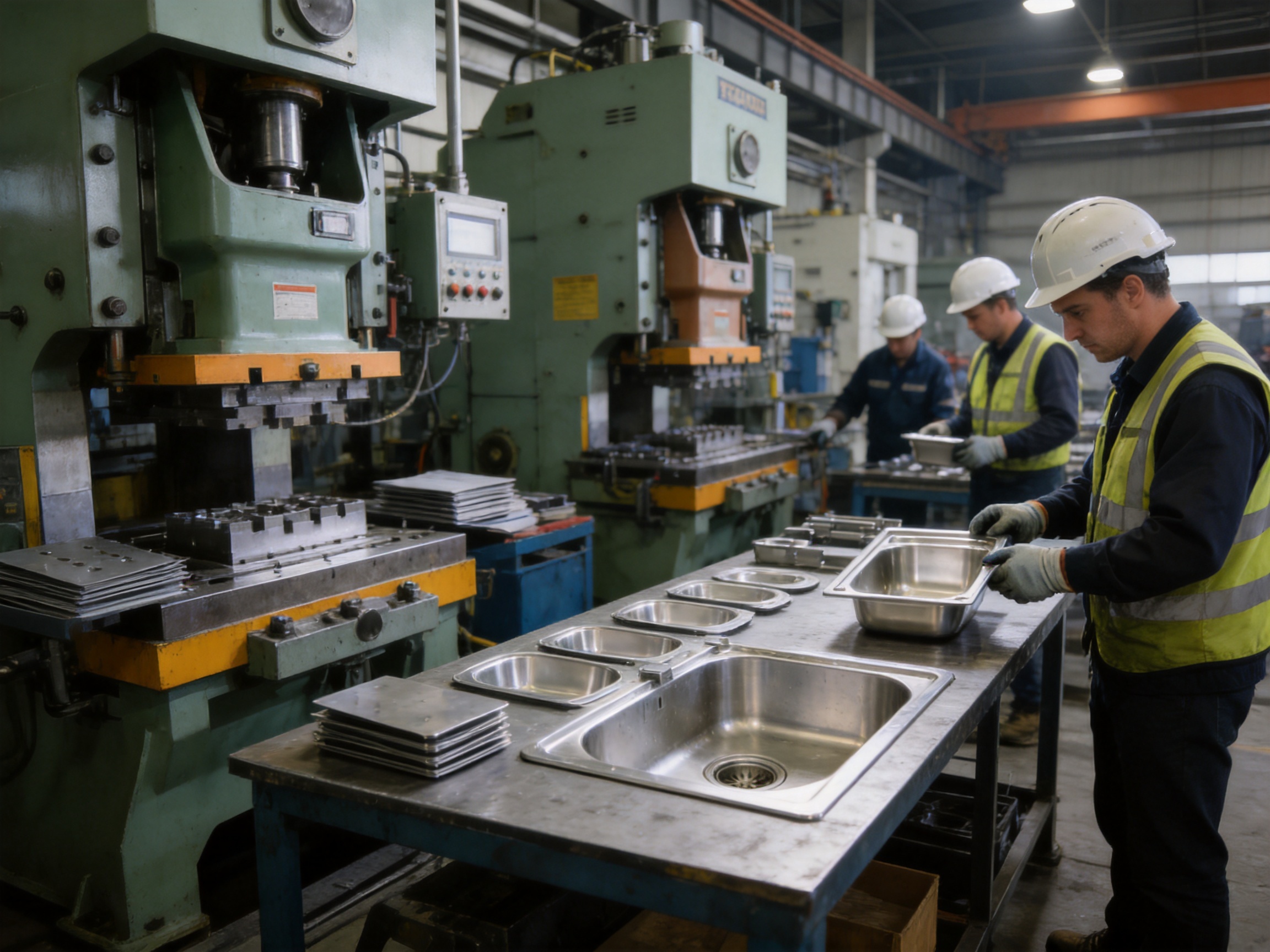
The performance of kitchen sink components is closely related to manufacturing quality. Even excellent materials can fail if tooling, forming, trimming, finishing, or inspection are poorly controlled. Yuyao Hongli Optoelectronics Co., Ltd. has long-term experience in metal stamping, deep drawing, and bending, which provides a strong technical foundation for producing stable and durable kitchen appliance accessories.
Material Selection and Preparation
Reliable production begins with appropriate material selection. Kitchen sink components often require metals that can resist corrosion, tolerate forming, maintain strength, and support a smooth surface finish. The material must be compatible with stamping, deep drawing, bending, and finishing requirements. During preparation, sheets or coils must be checked for surface quality, thickness consistency, and suitability for the planned forming process.
Material consistency is crucial because variations can lead to cracks, wrinkles, springback, uneven surfaces, or dimensional deviations. A professional manufacturer evaluates material properties before production and uses suitable process parameters to reduce risk. This careful approach helps ensure that the final component performs well in humid, high-use kitchen environments.
Precision Stamping
Stamping is one of the core processes used to create accurate metal parts efficiently. In stamping, a sheet of metal is shaped, cut, pierced, or formed using dies and presses. For kitchen sink components, stamping may be used to create mounting holes, brackets, flat panels, formed edges, reinforcement structures, or decorative parts. The precision of the die and the stability of the press operation directly affect the final part quality.
Advanced stamping offers several advantages. It supports high repeatability, efficient production, controlled tolerances, and clean part geometry. For large production batches, repeatability is especially important. Customers need every part to fit the same way, perform the same way, and maintain the same appearance. Properly controlled stamping reduces variability and supports stable assembly in downstream production.
Deep Drawing
Deep drawing is a forming process used to create deeper or more complex shapes from sheet metal. It is widely applied in kitchenware, appliance parts, automotive components, and hardware products. For sink-related components, deep drawing can help form bowls, cups, recessed structures, covers, and other shaped parts that require smooth curves and continuous surfaces.
The deep-drawing process requires strong technical knowledge. If the drawing ratio, lubrication, blank holder force, die radius, material thickness, or forming sequence is not properly controlled, defects such as tearing, wrinkling, thinning, or surface scratches can occur. The company’s experience with deep-drawn parts allows it to manage these challenges and produce components with stable shape and good surface integrity.
Bending and Forming
Bending is used to create angles, flanges, support edges, brackets, mounting lips, and structural reinforcements. Kitchen sink components frequently require precise bends to ensure proper fit and installation. Poor bending control can cause inaccurate angles, springback, cracks, or uneven edges. Experienced production teams account for material behavior, bend radius, tooling selection, and required tolerance to achieve the desired geometry.
Well-executed bending contributes to product strength. Flanges and formed edges can increase rigidity without adding unnecessary weight. This makes the component more resistant to deformation during use or installation. In addition, accurate bending helps ensure that parts align correctly with sink bodies, countertops, accessories, and fasteners.
Trimming, Deburring, and Edge Control
After stamping or forming, parts often require trimming and deburring. This step is essential for safety, appearance, and assembly. Sharp burrs can injure installers, scratch nearby surfaces, interfere with fit, or create corrosion-prone points. Clean edges reflect professional manufacturing quality and improve the user experience.
Edge control is particularly important for kitchen products because users may touch or clean the components directly. A smooth, safe edge reduces handling risk and improves perceived quality. It also helps support hygienic maintenance by eliminating rough areas where residue could accumulate.
Surface Treatment and Finishing
Surface quality affects both durability and appearance. Kitchen sink components must resist rust, stains, water marks, and cleaning chemicals while maintaining a clean visual finish. Depending on customer requirements, surface treatment may include polishing, cleaning, protective finishing, or other processes suitable for the part’s application.
A good surface finish makes components easier to clean and more attractive. It also reduces the likelihood of local corrosion caused by scratches, embedded contaminants, or uneven processing. For OEM and ODM projects, consistent surface appearance is important because the component must match the customer’s final product design.
Inspection and Quality Control
Strict quality control is a major difference between professional manufacturing and ordinary low-cost production. Quality inspection may include dimensional measurement, visual inspection, surface checks, fit testing, structural assessment, and packaging verification. The goal is not merely to detect defects after production but to control the process so defects are prevented as much as possible.
Yuyao Hongli Optoelectronics Co., Ltd. emphasizes stable quality, reliable delivery, and comprehensive after-sales service. By combining experienced workers, established production processes, and inspection systems, the company helps customers receive kitchen sink components that meet expected performance standards across repeated orders.
Factory Strength and Production Capacity
A high-quality kitchen sink component depends not only on design but also on the strength of the manufacturer behind it. Yuyao Hongli Optoelectronics Co., Ltd. was founded in 2000 and has more than two decades of industry experience. Over time, the company has developed from its earlier foundation into a professional manufacturing enterprise specializing in metal stamping parts and related products.
The company operates a 5,000-square-meter modern factory in Yangming Science and Technology Industrial Park, Yuyao City, Zhejiang Province, China. This industrial location supports manufacturing efficiency, logistics access, and supply chain cooperation. Multiple stamping workshops and a team of more than 60 employees provide the company with practical production strength for both standard and customized orders.
The company’s product and service scope is broad. It includes educational instruments, optical instruments, household electric heaters, small household appliances, auto parts, hardware products, plastic products, deep-drawn parts, stamped parts, bending parts, kitchen appliance accessories, and automotive stamping parts. This wide experience is important because it means the company understands different application standards, material requirements, forming challenges, and customer expectations.
Experience in automotive stamping parts, for example, supports discipline in dimensional control, repeatability, and structural strength. Experience in appliance accessories supports attention to appearance, user safety, and assembly compatibility. Experience in deep-drawn and bending parts supports technical flexibility for complex kitchen sink component designs. These capabilities combine to create a strong manufacturing foundation for customers seeking dependable kitchen sink accessories.
In addition to manufacturing, processing, wholesale, retail, import, and export services, the company supports OEM and ODM customization. This is especially valuable for customers who require components for specific sink models, private-label products, regional market demands, or unique installation systems. Instead of forcing customers to adapt to a fixed catalog, the company can work according to drawings, samples, technical requirements, or design concepts.
Rapid prototyping is another important strength. In product development, customers often need to test fit, function, surface appearance, and assembly process before committing to mass production. A supplier with rapid prototyping capability can shorten development cycles and reduce design uncertainty. Once the prototype is approved, efficient production conversion helps move from sample stage to batch manufacturing with fewer delays.
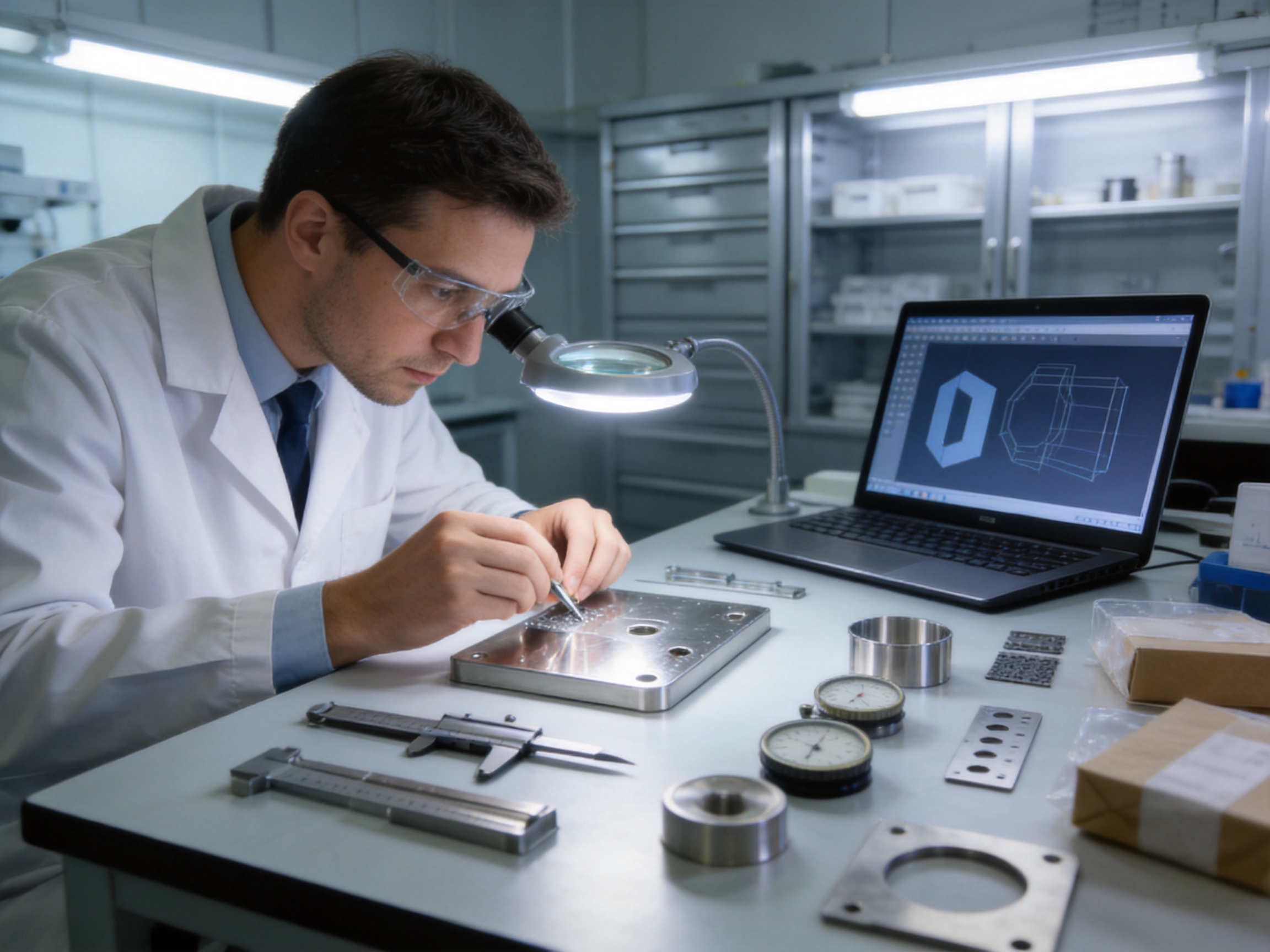
Design Considerations for Kitchen Sink Components
High-performance sink components require careful design. The design must address function, appearance, manufacturability, safety, cost, and long-term durability. A component may look attractive in a drawing, but if it cannot be manufactured consistently or if it fails under real kitchen conditions, it will not deliver value. Professional manufacturing knowledge helps transform a design concept into a practical product.
Functional Fit
Every component must match the sink system for which it is intended. Mounting parts must align with holes and support points. Decorative covers must sit flush and stable. Reinforcement elements must provide strength without interfering with other assemblies. Drain-related parts must support proper water flow and sealing. Dimensional accuracy is therefore not only a production issue but a design requirement.
During customization, the manufacturer can work with customers to understand fit requirements, tolerance needs, assembly sequence, and performance expectations. This reduces the risk of producing a component that appears correct but fails during installation.
Strength and Material Thickness
Material thickness affects strength, weight, forming difficulty, cost, and appearance. Thicker material may provide more rigidity but can be harder to form and more expensive. Thinner material may reduce cost but can deform more easily. The correct choice depends on the component’s function, load conditions, shape, and installation method.
Professional metal forming experience helps determine practical thickness ranges and forming strategies. Reinforcing ribs, flanges, bends, and shaped profiles can improve strength without excessive material use. This allows customers to obtain a component that is both durable and economically efficient.
Hygienic Surface Design
Kitchens require hygienic surfaces. Components should avoid unnecessary crevices, sharp internal corners, rough textures, or difficult-to-clean details. Smooth surfaces and well-controlled edges reduce residue accumulation and make disinfection easier. This is important in homes and essential in food service environments.
Stain resistance also contributes to hygiene because stained or corroded surfaces may appear dirty even after cleaning. A clean appearance supports user confidence and improves the overall value of the kitchen system.
Heat and Chemical Exposure
Kitchen sink components are frequently exposed to hot water, steam, detergents, disinfectants, acidic food residues, and alkaline cleaning agents. Design and material selection must consider these exposures. Components should maintain their shape, finish, and structural reliability under normal kitchen conditions.
Inferior products may suffer from discoloration, coating damage, corrosion, or deformation when exposed to strong cleaning agents. Durable metal components with suitable surface quality provide better long-term resistance and reduce the need for replacement.
Aesthetic Integration
Modern kitchens often combine appliances, cabinetry, countertops, and sink systems into a unified visual style. Components must therefore look clean, precise, and modern. Uneven edges, visible tool marks, stains, or inconsistent finishes can reduce the perceived quality of the entire kitchen.
High-quality stamped and formed components support a polished appearance. They can be designed to blend with stainless steel sinks, contemporary kitchen appliances, or custom project requirements. For OEM customers, consistent appearance helps strengthen final product competitiveness.
Applications in Residential and Commercial Kitchens
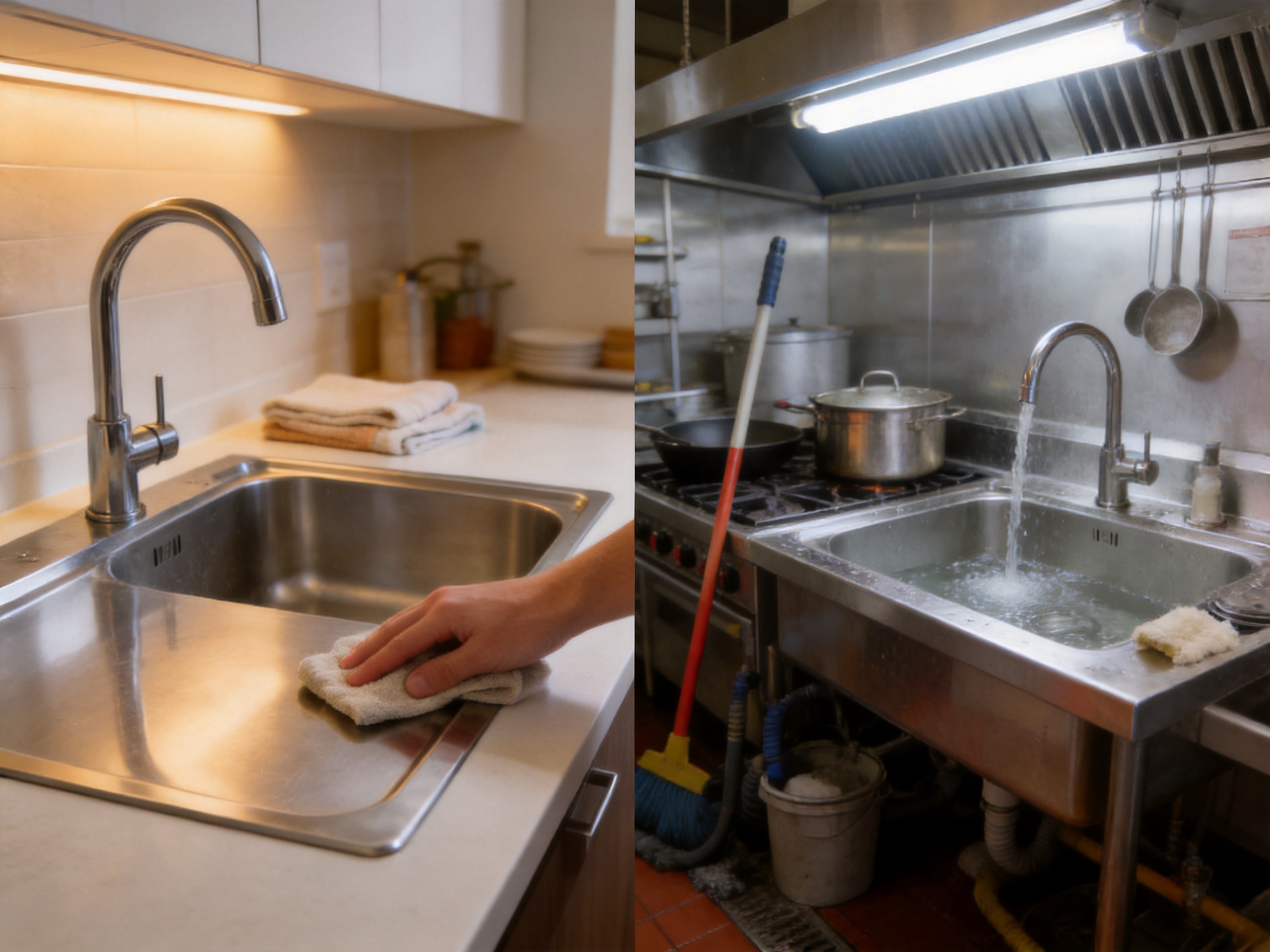
Kitchen sink components are suitable for a wide range of residential and commercial applications. In homes, they support everyday tasks such as washing dishes, preparing food, cleaning utensils, rinsing produce, and maintaining kitchen hygiene. Homeowners increasingly value products that are durable, easy to clean, and visually attractive. A sink system with high-quality components reduces maintenance concerns and improves the daily kitchen experience.
In apartments and housing projects, consistent component quality is also important. Developers and contractors need products that can be installed efficiently across many units. Accurate dimensions and stable supply help reduce installation delays and after-sales maintenance. Durable components also reduce complaints from occupants and support long-term property value.
In restaurants, hotels, cafeterias, bakeries, catering facilities, and institutional kitchens, sink components must perform under heavier use. Commercial kitchens wash large volumes of cookware and utensils, use stronger cleaning chemicals, and operate for long hours. Components that rust, loosen, or deform can interrupt operations and increase maintenance costs. Heat resistance, impact resistance, corrosion resistance, and hygiene become critical performance factors.
For appliance manufacturers and sink brands, component quality directly affects final product reputation. A beautifully designed sink can still fail customer expectations if its accessories or structural components are unreliable. By sourcing from an experienced manufacturer with stamping, deep-drawing, and bending expertise, brands can improve product consistency and reduce quality risk.
OEM and ODM Customization Value
Customization is a major advantage for customers who want sink components tailored to specific technical or market requirements. OEM production allows the manufacturer to produce according to customer drawings, specifications, samples, or product standards. ODM cooperation can go further by supporting design improvement, manufacturability review, and development of new component solutions.
Customers may require changes in component size, shape, thickness, mounting design, hole layout, edge treatment, surface finish, packaging, or labeling. They may also need components that fit a particular sink model, countertop system, appliance assembly, or regional installation standard. A flexible supplier can help convert these requirements into practical production plans.
Rapid prototyping helps customers evaluate designs before mass production. A prototype can reveal whether the component fits correctly, whether the installation method is convenient, whether surface appearance meets expectations, and whether structural strength is sufficient. Early testing reduces the chance of costly changes after production tooling has been finalized.
Efficient production conversion is equally important. After approval, customers need the supplier to move quickly from sample to batch production while maintaining consistency. The company’s workshop capacity, experienced team, and processing knowledge help support this transition. For buyers operating in competitive markets, shorter development cycles can create meaningful commercial advantages.
Quality Control as a Competitive Advantage
Quality control is not merely a final inspection step. It is a system that begins with understanding customer requirements and continues through material selection, tooling, production, surface finishing, inspection, packing, and delivery. For kitchen sink components, quality control must focus on both visible and hidden performance factors.
Visible factors include surface smoothness, color consistency, clean edges, absence of scratches, and overall appearance. Hidden factors include dimensional accuracy, material integrity, internal stress, structural strength, corrosion resistance, and assembly compatibility. A product can look acceptable at first but still fail if these hidden factors are not properly controlled.
A professional manufacturer uses production experience to identify risk points. For example, deep-drawn parts may require attention to thinning and wrinkling. Stamped parts may require burr control and hole accuracy. Bending parts may require angle control and springback compensation. Surface finishing may require consistent cleaning and handling to prevent contamination. Packaging must protect parts from scratches or deformation during transport.
Stable quality reduces total cost for customers. A low unit price is not valuable if parts cause installation problems, rework, replacement, complaints, or delayed deliveries. High-quality components help customers reduce hidden costs and maintain stable market reputation. This is one of the strongest advantages over competitors that compete only on price.
Ease of Installation and Maintenance
Installation efficiency matters to manufacturers, contractors, distributors, and end users. Components that fit correctly and have clean edges are easier and safer to handle. Accurate hole positions, controlled dimensions, and stable shapes reduce the need for adjustment during assembly. This is especially important in batch production or large construction projects where small installation delays can multiply into significant labor costs.
Maintenance is also simple when components are designed and finished properly. Smooth surfaces can be wiped clean quickly. Rust-resistant materials and finishes reduce the need for special treatment. Stain resistance helps preserve appearance. Impact resistance reduces the chance of damage from daily use. These features create a better long-term user experience and support stronger customer satisfaction.
In commercial kitchens, easy maintenance can also support food safety practices. Components that are easy to clean and disinfect help reduce contamination risk. Smooth, corrosion-resistant surfaces are preferable to rough or damaged surfaces that can trap residue. Durable components also reduce downtime for repair or replacement.
Sustainability and Long-Term Value
Durability is an important part of sustainability. Products that last longer reduce replacement frequency, material waste, and maintenance burden. Kitchen sink components with strong rust resistance, impact resistance, and stable surface quality provide long-term value by remaining functional and attractive over extended use.
Efficient metal forming processes can also support responsible production by reducing waste through accurate tooling and controlled material use. Proper design can improve strength without unnecessary material consumption. Stable quality reduces scrap, returns, and rework. For customers and end users, a durable component is often the more economical and environmentally responsible choice over time.
Long-term value also includes dependable cooperation. A supplier with more than 20 years of experience, established production facilities, and export service capability can support customers beyond a single order. Stable communication, after-sales service, and continuous improvement help create reliable business relationships. For companies building product lines or serving long-term projects, supplier stability is a major advantage.
How to Choose the Right Kitchen Sink Component Supplier
Choosing a supplier should involve more than comparing quotations. Buyers should evaluate manufacturing experience, process capabilities, quality control, customization support, delivery reliability, communication, and after-sales service. Kitchen sink components are small compared with complete appliances, but they can significantly affect final product performance.
A strong supplier should have experience in relevant processes such as stamping, deep drawing, bending, trimming, and finishing. It should be able to understand drawings and samples, advise on manufacturability, maintain consistent tolerances, and support prototype development. It should also have the production capacity to handle batch orders while maintaining stable quality.
Buyers should ask whether the supplier can support OEM and ODM requirements. Custom sink components often require close cooperation during development. A supplier that can respond quickly, produce samples, adjust tooling, and scale to production will help reduce project risk. Communication is especially important when components must meet specific installation or appearance standards.
Quality assurance should be verified through inspection processes, sample evaluation, production consistency, and packaging methods. Buyers should pay attention to surface quality, edge control, dimensional accuracy, corrosion resistance, and actual fit. A good supplier should be willing to discuss technical requirements clearly and provide practical solutions.
Yuyao Hongli Optoelectronics Co., Ltd. offers many of these supplier strengths. Its long manufacturing history, modern factory, multiple stamping workshops, more than 60 employees, broad product experience, OEM and ODM support, rapid prototyping, efficient production conversion, strict quality control, stable delivery, and after-sales service make it a dependable partner for kitchen sink component procurement.
Company Manufacturing Strengths Supporting Product Excellence
The company’s broader manufacturing background strengthens its ability to produce reliable kitchen sink components. Its experience with educational instruments and optical instruments supports attention to precision and detail. Its work with household electric heaters and small appliances supports knowledge of appliance assembly and user-facing product quality. Its production of auto parts and automotive stamping parts supports discipline in strength, tolerance, and repeatable manufacturing. Its hardware and plastic product experience supports multi-material understanding and integrated accessory solutions.
This cross-industry capability is useful because kitchen sink components often require a combination of features. They need the precision of instrument components, the appearance quality of appliance accessories, the durability of hardware parts, and the structural reliability associated with stamping experience. A manufacturer with narrow experience may struggle with complex requirements, but a comprehensive enterprise can draw from broader technical knowledge.
The company’s business philosophy of integrity, excellence, innovation, and sharing also aligns with long-term customer cooperation. Integrity supports honest communication and dependable service. Excellence supports quality-focused manufacturing. Innovation supports customization, prototype development, and design improvement. Sharing supports cooperative growth with customers and partners worldwide.
For international customers, export service capability is another advantage. Buyers often require clear communication, stable delivery, suitable packaging, and consistent quality across repeated shipments. A manufacturer engaged in import and export services can better support global procurement expectations.
Practical Performance Benefits for Buyers
For sink manufacturers, using high-quality components can reduce assembly problems and improve final product consistency. Components with accurate tolerances fit better into production lines, reducing the need for manual adjustment. Stable surface quality improves the finished product’s appearance. Stronger corrosion resistance reduces warranty risks.
For distributors and wholesalers, reliable kitchen sink components improve market acceptance. Products that are easy to install, durable, and attractive are easier to recommend to customers. Reduced defect rates also mean fewer returns and complaints. Stable supply helps distributors maintain inventory and serve customer demand more efficiently.
For contractors and project buyers, installation speed and long-term reliability matter most. In large housing, hotel, or commercial kitchen projects, inconsistent components can create delays and additional labor costs. Quality components help installations proceed smoothly and reduce maintenance after project completion.
For end users, the benefits are visible in daily life. The sink area remains cleaner, more attractive, and easier to maintain. Components resist rust and stains, tolerate normal impact and heat, and continue to function reliably. This improves the kitchen experience and protects the value of the sink system.
Q&A Section
Q1: What makes high-quality kitchen sink components different from ordinary low-cost parts?
High-quality kitchen sink components offer better rust resistance, dimensional accuracy, impact resistance, surface smoothness, and long-term durability. Ordinary low-cost parts may look similar at first, but they often have inconsistent tolerances, rough edges, weaker material performance, or inadequate corrosion resistance. These issues can lead to installation problems, staining, rust, deformation, and shorter service life.
Q2: Why is rust resistance so important for kitchen sink components?
Kitchen sink components are exposed to water, cleaning agents, food residue, and moisture for long periods. If a component rusts, it can weaken structurally, look unattractive, and become harder to clean. Rust-resistant components maintain better hygiene, appearance, and durability, making them more suitable for both residential and commercial kitchens.
Q3: How do stamping and deep drawing improve component quality?
Stamping provides efficient and repeatable production of precise metal parts, while deep drawing allows the creation of deeper and more complex shapes with smooth surfaces. When these processes are well controlled, they produce components with stable dimensions, good strength, clean appearance, and reliable fit. This improves installation efficiency and final product performance.
Q4: Can the components be customized for specific sink designs?
Yes. Yuyao Hongli Optoelectronics Co., Ltd. supports OEM and ODM customization. Customers can request customized sizes, shapes, thicknesses, hole positions, mounting methods, surface finishes, and packaging. The company also supports rapid prototyping, allowing customers to test and confirm designs before mass production.
Q5: Are these kitchen sink components suitable for commercial kitchens?
Yes. Their heat resistance, impact resistance, rust resistance, stain resistance, and easy-clean surface make them suitable for demanding commercial environments such as restaurants, hotels, cafeterias, and institutional kitchens. Commercial users benefit from durable components that can withstand frequent washing and strong cleaning routines.
Q6: How does quality control reduce customer costs?
Strict quality control reduces defects, installation issues, product returns, rework, and after-sales complaints. Although higher-quality components may not always be the cheapest option at the beginning, they often reduce total cost over time by improving reliability, extending service life, and protecting the reputation of the final product.
Q7: What should buyers consider when selecting a kitchen sink component supplier?
Buyers should consider manufacturing experience, stamping and forming capability, customization support, sample development speed, quality inspection, delivery stability, surface finishing ability, and after-sales service. A supplier with strong technical experience and stable production capacity is more likely to provide dependable long-term value.
Q8: Why is easy cleaning an important feature?
Kitchen sink areas are exposed to food residue, water, grease, and cleaning chemicals. Components with smooth surfaces and clean edges are easier to wipe, disinfect, and maintain. Easy cleaning supports better hygiene, improves appearance, and reduces maintenance effort for both home and commercial users.
Conclusion
Kitchen sink components are essential parts of a reliable, hygienic, and attractive kitchen system. Their quality affects installation, daily use, cleaning, appearance, durability, and long-term value. Components with strong heat resistance, impact resistance, rust resistance, stain resistance, smooth surfaces, and accurate dimensions provide clear advantages over ordinary low-grade alternatives.
Advanced manufacturing processes such as precision stamping, deep drawing, bending, trimming, deburring, surface finishing, and strict inspection are central to achieving dependable performance. These processes require experience, equipment, technical knowledge, and quality discipline. Yuyao Hongli Optoelectronics Co., Ltd. combines more than 20 years of manufacturing experience with a 5,000-square-meter modern factory, multiple stamping workshops, skilled employees, OEM and ODM support, rapid prototyping, efficient production conversion, stable delivery, and after-sales service.
For manufacturers, distributors, project buyers, and end users, the choice of kitchen sink components should not be based only on initial price. The better choice is a component that performs reliably, installs easily, resists corrosion, remains hygienic, and preserves its appearance over many years. With strong manufacturing capability and a commitment to integrity, excellence, innovation, and sharing, Yuyao Hongli Optoelectronics Co., Ltd. offers practical, durable, and customizable kitchen sink component solutions for customers seeking long-term value.
References
ASM International. Sheet Metal Forming: Fundamentals and Applications. Materials Park: ASM International.
Kalpakjian, S., and Schmid, S. Manufacturing Engineering and Technology. Pearson Education.
Dieter, G. E. Mechanical Metallurgy. McGraw-Hill Education.
Groover, M. P. Fundamentals of Modern Manufacturing: Materials, Processes, and Systems. Wiley.
Schuler GmbH. Metal Forming Handbook. Springer.
American Welding Society and related industry publications on stainless steel fabrication and corrosion resistance.
Food service equipment hygiene guidelines and general principles for cleanable metal surfaces in kitchen environments.
Previous Post
Precision Circular Stamped Parts with Central Holes for Reliable Industrial Assemblies
Next Post
No next article
News
-
-
What Is Deep Drawing Process and What Are Deep-Drawn Parts The deep drawing process is a sheet metal forming operation in which a flat meta...
READ MORE -
Manufacturing & Materials Engineering Why Deep Draw Components Outperform Fabricated Sheet Metal Parts in Leak-Proof Applications Seam...
READ MORE -
A flat mounting plate with three punched holes and a rectangular container with a fitted lid can come off presses in the same workshop, yet...
READ MORE
Get Fresh Updates Via Email
We promise we will never disclose your email address, and you can opt out at any time.
-
Quick Links
Home About Us Products Service News Contact Us -
Product list
Deep-drawn parts Stamped parts Bending parts Kitchen appliance accessories Automotive stamping parts -
About Us
Factory Honour FAQ -
News
Company News Industry News -
Contact Us
Address: South side of Shunke Road, Yangming Science and Technology Industrial Park, Yuyao City, Zhejiang Province, China Tel: +86-13905842349/+86-13738485724 Email: hongli@hl-stamping.com
Copyright © Yuyao Hongli Optoelectronics Co., Ltd. All Rights Reserved.
Custom Precision-Sheet/Sheet Metal Stamping Manufacturers
