


 English
 русский
 Español
 عربى


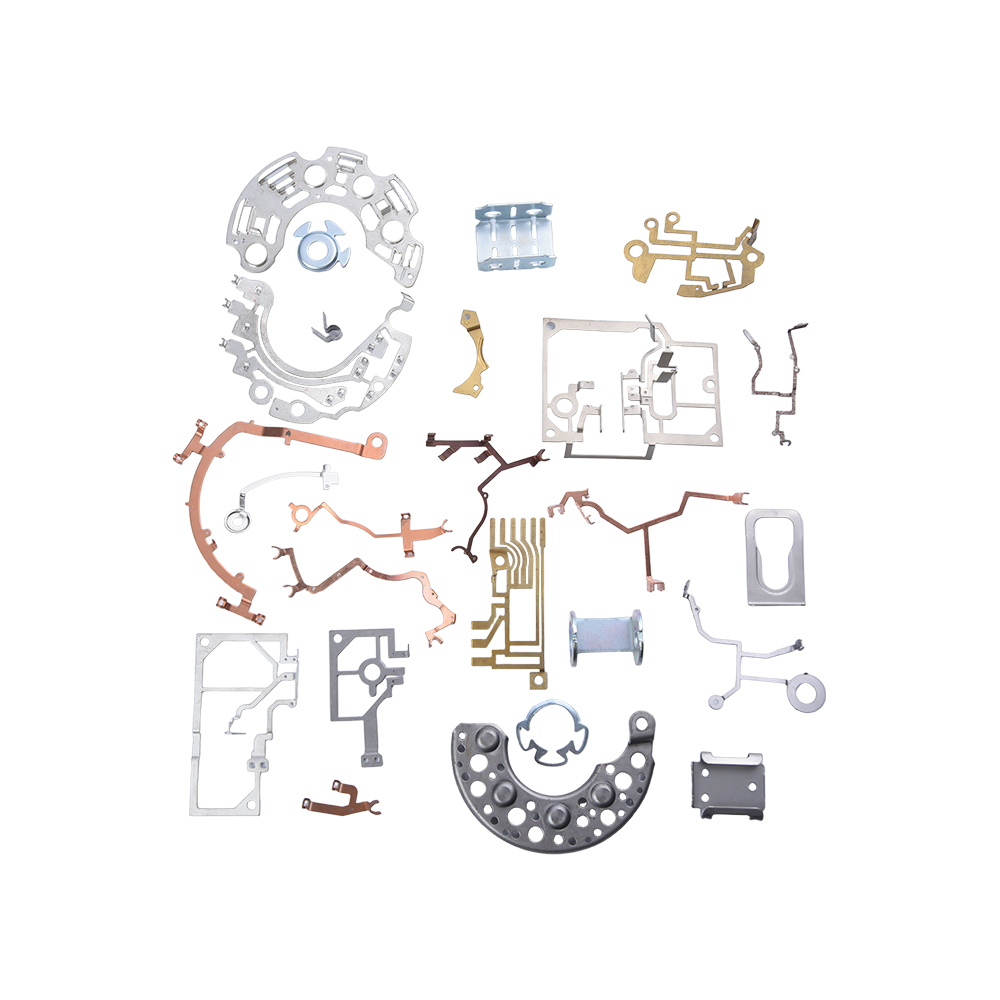
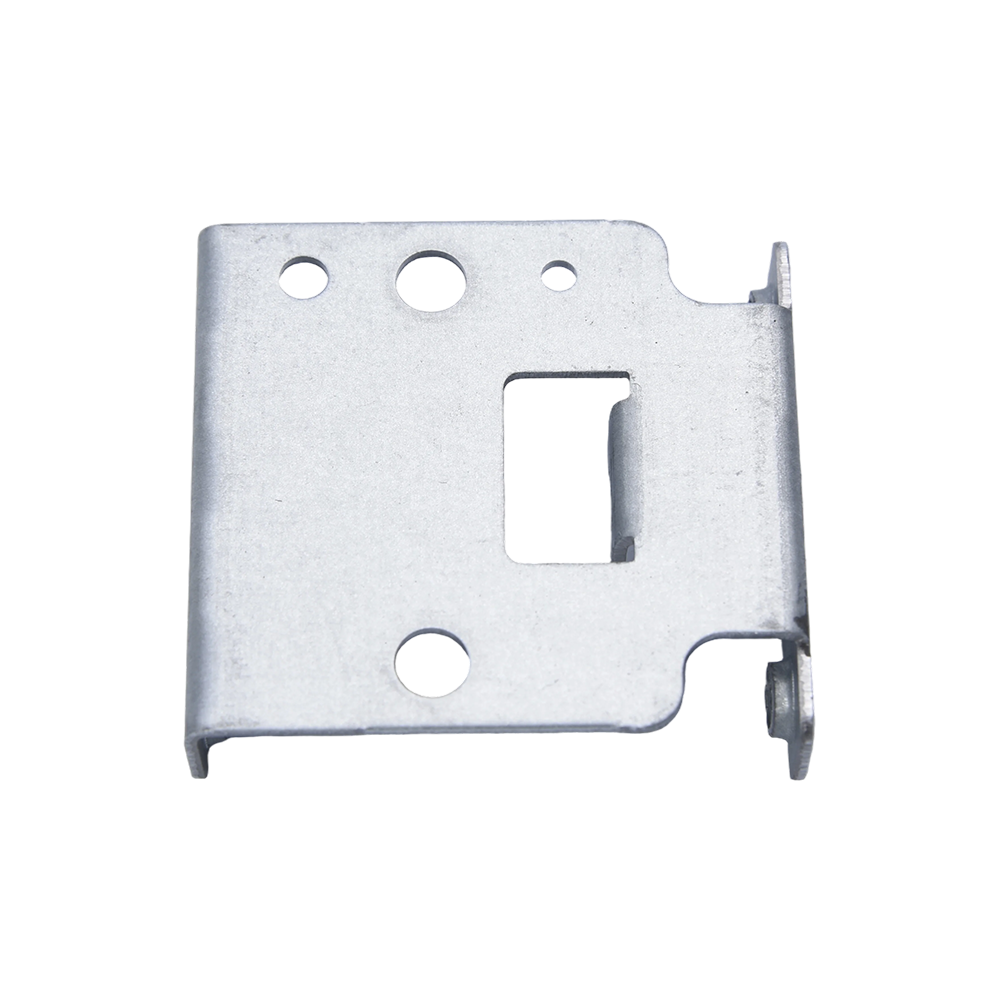
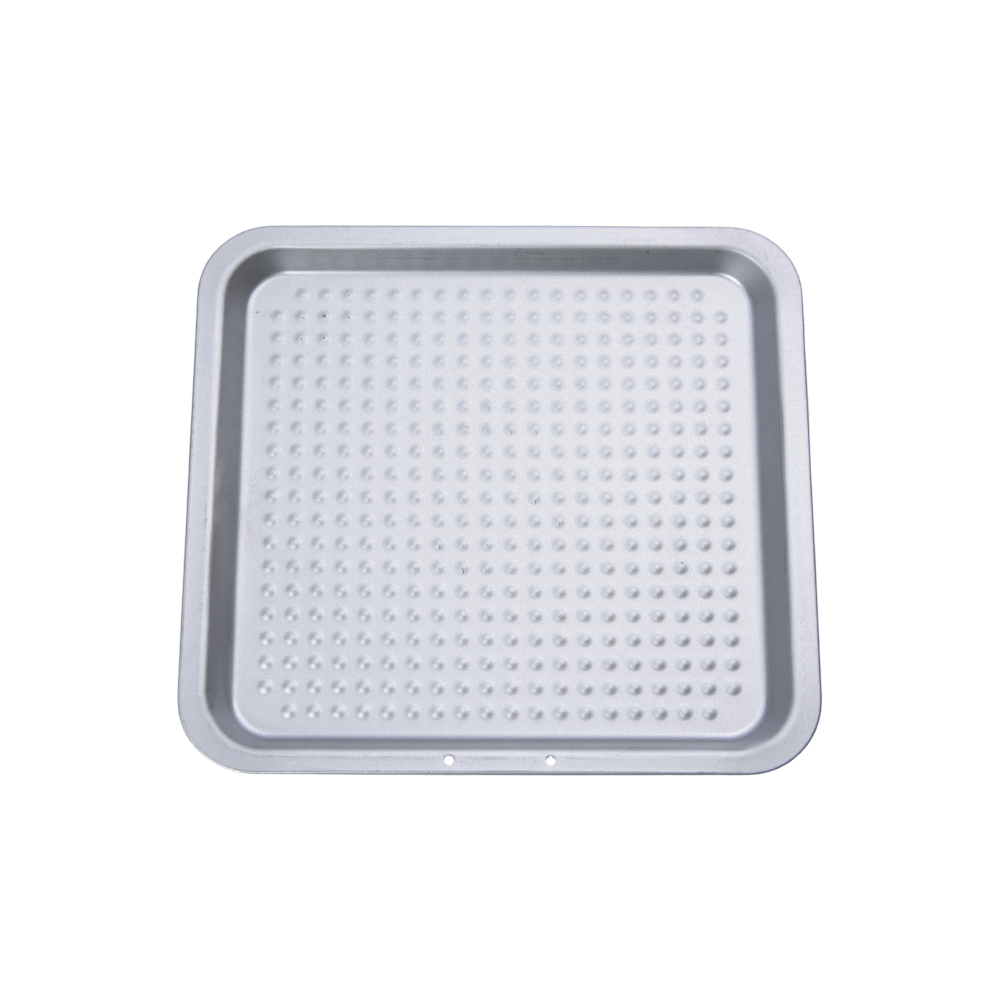
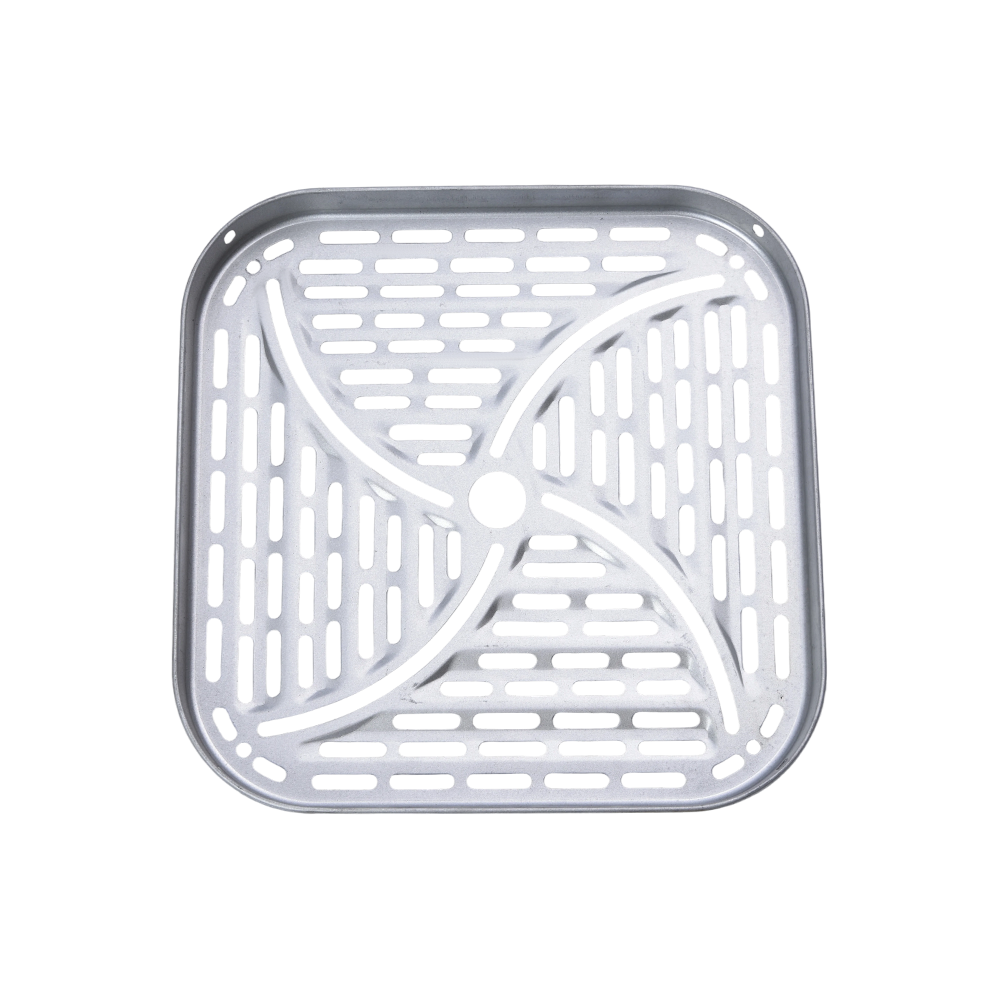
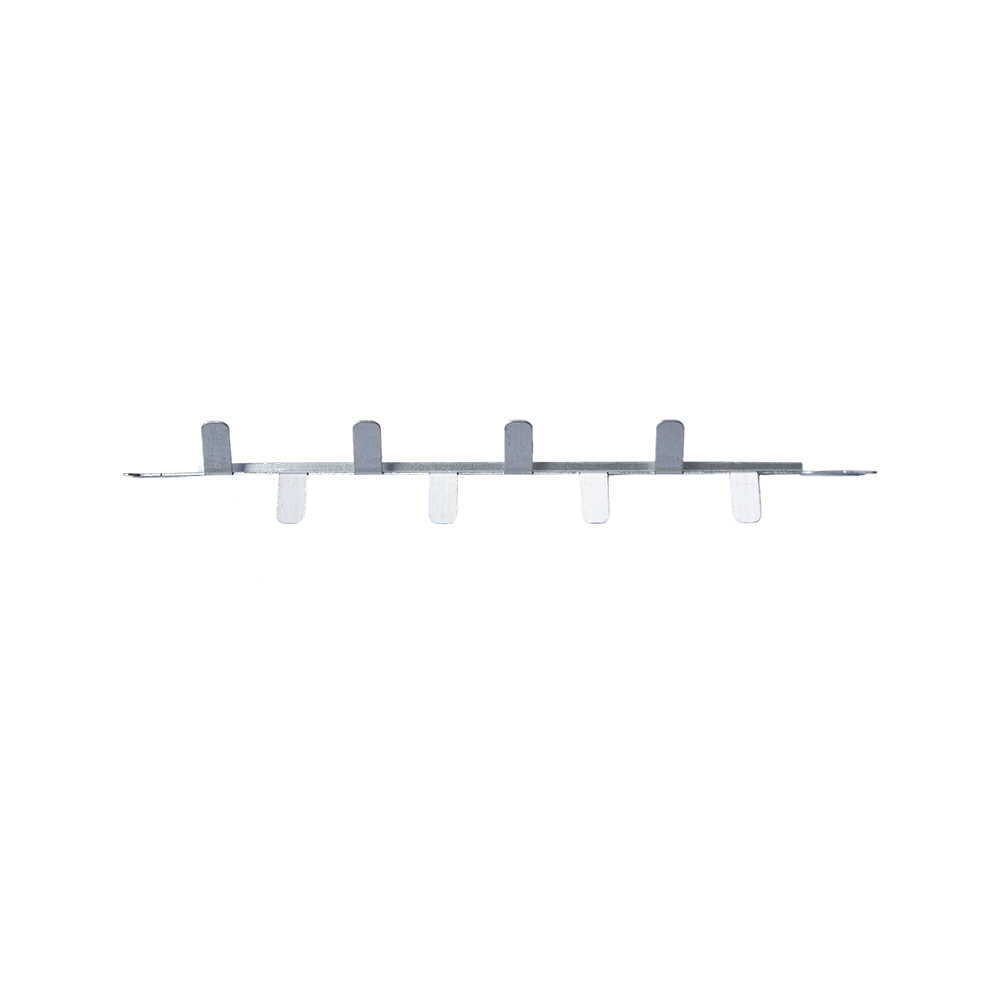
What Are Stamped Parts? Stamped parts are metal components produced by pressing flat sheet metal between a die and a punch to cut, bend, or...
READ MORE

News
Home / Author / Chen Ruoxi — Overseas Product Sales Manager / Precision Stamped Part Extension Covers for Reliable Protection and Custom Industrial Performance
Precision Stamped Part Extension Covers for Reliable Protection and Custom Industrial Performance
2026-09-12
Introduction
A stamped part extension cover is a practical metal component designed to protect, enclose, reinforce, or extend the functional area of a mechanical assembly. Although its appearance may be simple, the quality of this type of component has a direct effect on equipment reliability, installation efficiency, service life, and overall product presentation. A well-designed extension cover must combine accurate dimensions, consistent forming, clean edges, suitable material performance, and dependable surface protection.
The Stamped Part Extension Cover is manufactured for applications that require a secure and precise protective structure. Produced through advanced sheet metal stamping and forming processes, it can be adapted to different assemblies, equipment housings, industrial products, automotive components, household appliances, electronic devices, and other manufactured systems. Its design can include extended flanges, mounting holes, openings, reinforcement areas, bends, or interlocking features according to the requirements of the final application.
Yuyao Hongli Optoelectronics Co., Ltd. provides customized metal stamping solutions for customers requiring deep-drawn parts, precision sheet metal stamping, bending parts, kitchen appliance accessories, automotive stamping parts, and related hardware products. With more than 20 years of manufacturing experience, a modern factory in Yuyao, Zhejiang Province, and a production team supporting OEM and ODM projects, the company is positioned to supply stamped extension covers for both standard and application-specific requirements.
This article explains the construction, manufacturing process, performance advantages, customization options, inspection methods, and application value of stamped part extension covers. It also examines why a specialized manufacturer can provide more consistent results than low-cost, low-control suppliers.
Understanding the Stamped Part Extension Cover
A stamped part extension cover is generally produced from a flat sheet of metal that is cut, pierced, formed, bent, or drawn into a three-dimensional component. The term “extension cover” describes a cover that not only shields a specific area but also extends over an adjacent section, connection point, mounting region, or structural interface.
Depending on the application, the part may function as a protective shield, an equipment enclosure, a connector cover, a mounting transition piece, a reinforcement cover, or an external housing component. It may be installed inside machinery, beneath an automotive assembly, around a small appliance structure, or on an industrial product where protection from contact, dust, moisture, heat, and mechanical interference is required.
The component can be manufactured in several shapes. Some versions are shallow covers with straight walls and a simple flange. Others include multiple bends, formed corners, offset sections, ventilation openings, slots, and fastening points. Deep-drawn designs may include greater wall depth and curved profiles, while precision-stamped designs may prioritize flatness, hole location, and dimensional repeatability.
The main purpose of the cover is not limited to physical enclosure. It can also help guide cables, separate moving parts, protect sensitive components, reduce the possibility of accidental contact, improve product appearance, and create a stable mounting interface. In many products, the cover is an important part of the assembly even though it may not be visible after final installation.
Core Advantages of the Product
Accurate and Repeatable Dimensions
Precision is one of the most important characteristics of a stamped extension cover. The cover must fit correctly around the mating component and align with mounting holes, fasteners, brackets, or adjacent panels. Inaccurate dimensions may cause assembly delays, gaps, vibration, interference, or premature wear.
Stamping dies and controlled forming procedures allow the same geometry to be reproduced across large production quantities. Once the tooling has been properly developed and verified, each production cycle can create parts with consistent dimensions. This repeatability is especially valuable for automotive parts, electrical equipment, household appliances, and industrial products that require predictable assembly performance.
Reliable Protection Against External Conditions
The extension cover creates a physical barrier between protected components and external conditions. Depending on the design and surface treatment, it can help reduce exposure to dust, debris, splashing water, moisture, oil, handling damage, and accidental impact. It may also prevent contact with hot, moving, or electrically sensitive components.
The level of protection depends on the final design, material, joining method, and installation environment. For example, a cover used in an indoor electronic assembly may require clean edges and accurate openings, while an automotive component may require greater resistance to vibration, road contaminants, temperature variation, and corrosion. The design can be adjusted to address the specific risks of each application.
Efficient Material Utilization
Sheet metal stamping is an efficient process for producing repeated components from coils, strips, or individual sheets. With appropriate nesting and blank development, material waste can be reduced compared with some machining-based manufacturing methods. This can improve production efficiency and help control the cost of high-volume orders.
Efficient material usage is particularly important when the cover is manufactured from stainless steel, coated steel, aluminum, or other value-added materials. A properly engineered stamping layout can balance material savings with part strength, grain direction, forming requirements, and edge quality.
Strong and Stable Construction
Formed sheet metal can provide a favorable balance between weight and strength. Bends, flanges, ribs, return edges, and drawn walls may increase rigidity without requiring a thick solid block of material. This allows the extension cover to remain relatively lightweight while retaining structural stability during installation and use.
For applications exposed to vibration, the design can include additional bends, fastening points, or reinforcement features. For applications where appearance is important, the outer surfaces can be formed with smooth transitions and controlled radii. These features help improve both mechanical performance and product quality.
Flexible Customization
The Stamped Part Extension Cover can be customized in dimensions, thickness, material, hole pattern, surface finish, forming depth, bend angle, and attachment method. This makes it suitable for customers who cannot use a standard catalog part or who need a component to fit a specific assembly.
Customization may begin with a technical drawing, three-dimensional model, sample, physical component, or written specification. The manufacturer can review the design, identify forming challenges, recommend practical modifications, and develop tooling for the required production quantity.
Clean Appearance and Easy Installation
A carefully manufactured cover can have smooth edges, consistent bends, accurate openings, and a uniform surface. These characteristics improve the appearance of the finished product and reduce the risk of cutting, snagging, or interference during installation.
Precise openings also help installers position the part quickly. Mounting holes, slots, and access areas can be placed to match screws, clips, rivets, studs, or other fastening systems. When installation is simple and repeatable, assembly time can be reduced and the possibility of operator error can be minimized.
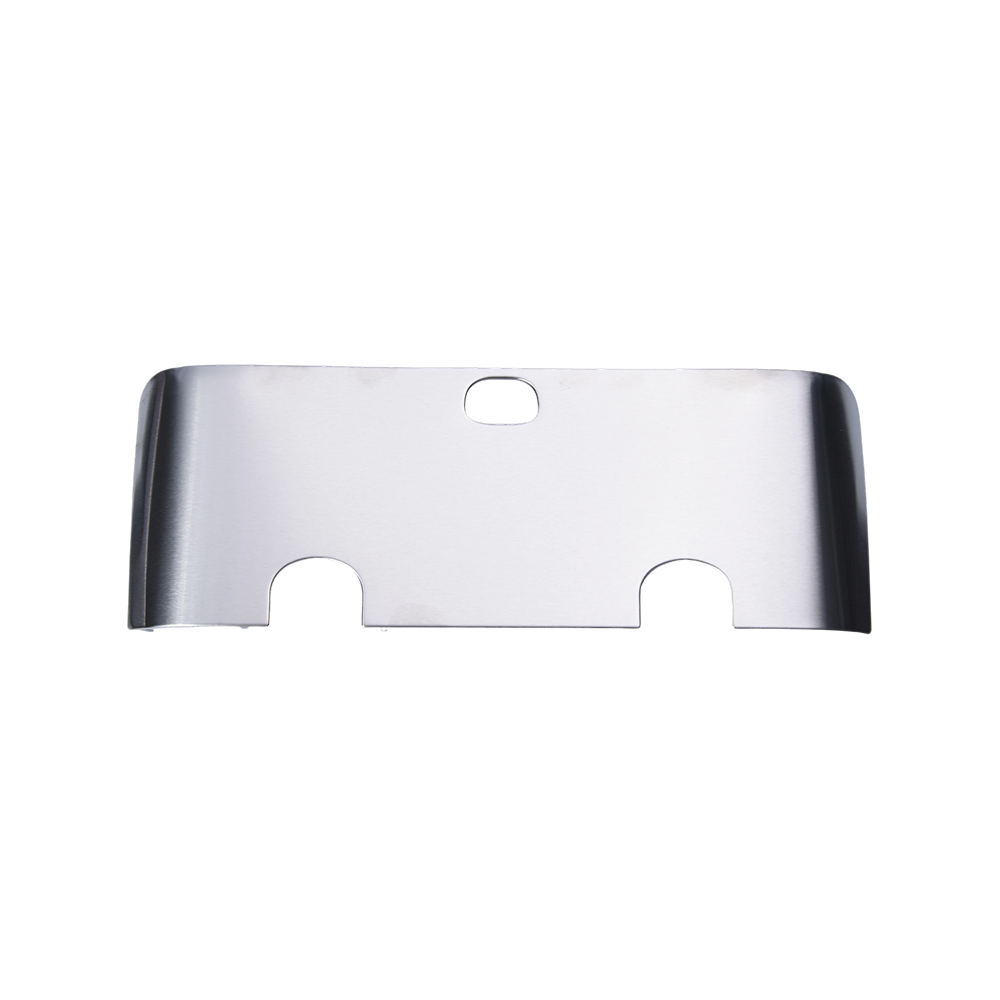
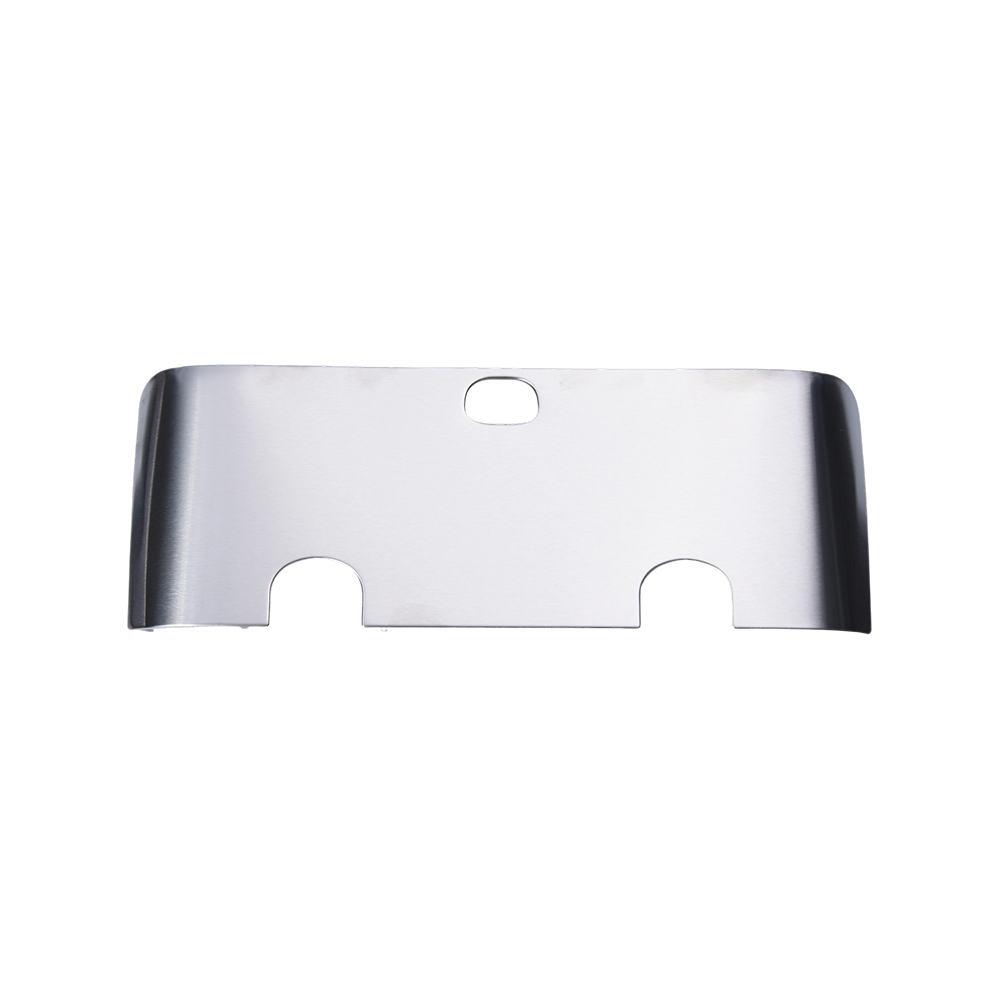
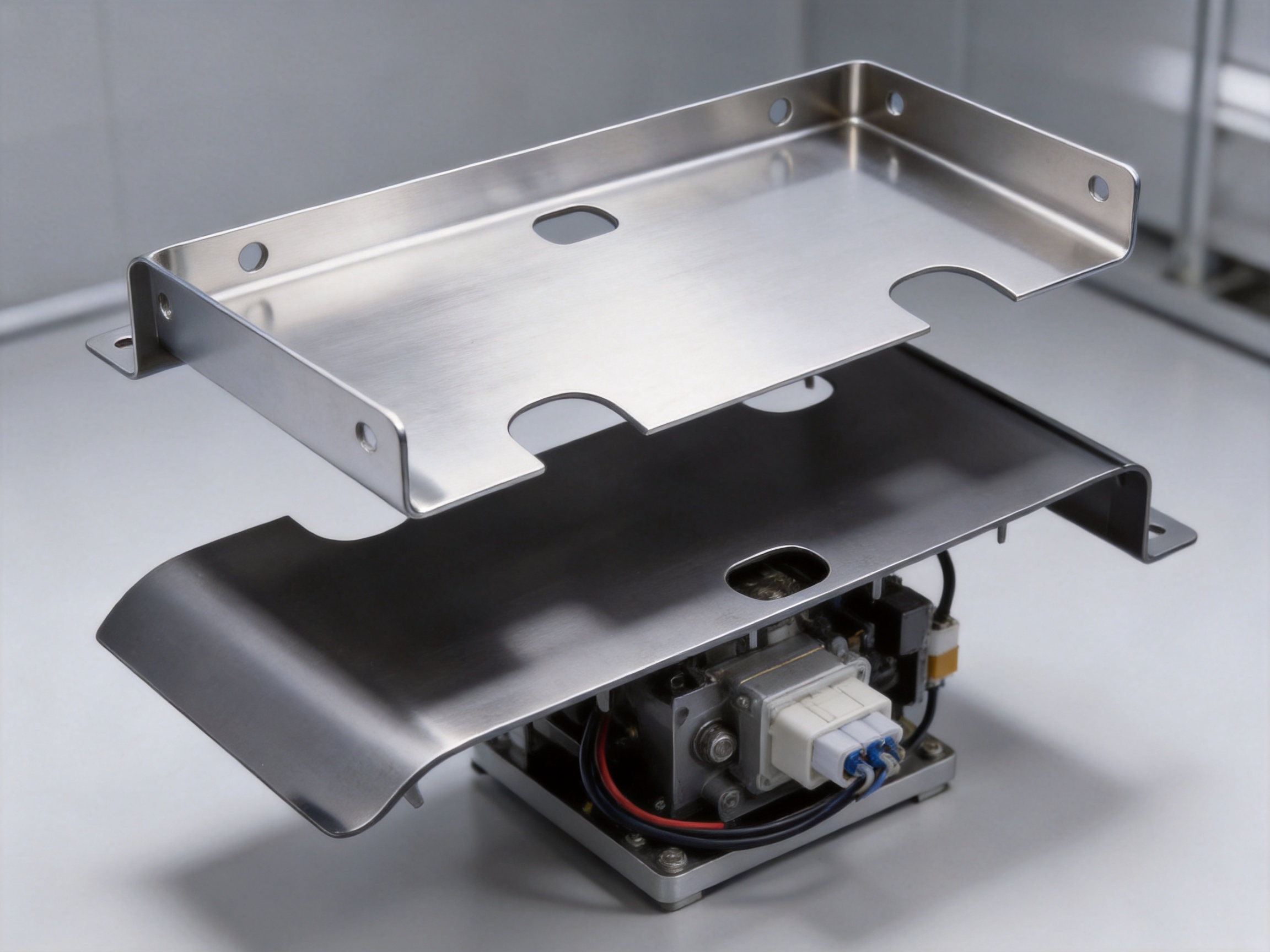
Stamped part extension cover
Materials Available for Stamped Extension Covers
Material selection affects strength, formability, corrosion resistance, surface appearance, weight, and cost. The appropriate material should be selected according to the product environment and the forming requirements of the design.
| Material Type | Typical Characteristics | Potential Applications |
|---|---|---|
| Carbon steel | Good strength, economical cost, suitable for many forming operations | Industrial equipment, brackets, general protective covers |
| Stainless steel | High corrosion resistance, clean appearance, good durability | Kitchen appliances, food-related equipment, exposed assemblies |
| Aluminum | Lightweight, corrosion resistant, easy to handle | Electronic equipment, transportation components, lightweight housings |
| Galvanized steel | Steel strength with enhanced protection against corrosion | Equipment enclosures, utility products, general outdoor applications |
| Specialty sheet metal | Selected for specific heat, electrical, wear, or appearance requirements | Customized industrial and automotive applications |
Carbon steel is often selected when strength and cost efficiency are the primary considerations. It can receive powder coating, plating, painting, or other surface treatments to improve corrosion resistance and appearance. Stainless steel is suitable when the component must withstand humidity, cleaning processes, or demanding visual requirements. Aluminum is useful when reducing total assembly weight is important.
The exact material grade and thickness should be confirmed during technical review. Factors such as bend radius, draw depth, hole proximity, grain direction, springback, and required flatness may influence the final selection. A material that appears suitable in a basic drawing may need to be adjusted after forming analysis or prototype testing.
Advanced Manufacturing Process
1. Technical Drawing and Requirement Review
Manufacturing begins with an examination of the customer’s technical requirements. The review may include part drawings, three-dimensional files, material specifications, dimensional tolerances, surface finish requirements, annual demand, packaging instructions, and application conditions.
At this stage, the manufacturer evaluates whether the proposed geometry can be stamped, bent, drawn, or produced through a combination of processes. Important considerations include the number of forming operations, minimum bend radii, hole placement, material flow, corner design, flange width, draw depth, and potential deformation.
A professional review can identify issues before tooling begins. For example, a hole located too close to a bend may distort during forming, while a sharp internal corner may increase the possibility of cracking. Early design communication can reduce later revisions and support a smoother transition from prototype to mass production.
2. Material Preparation
After the material and thickness are confirmed, sheet or coil stock is prepared for production. Incoming material should be checked for specification, surface condition, thickness, width, and visible defects. Proper storage helps prevent rust, scratches, contamination, or deformation before processing.
Material preparation also considers the direction of the rolling grain. For certain bending and deep-drawing operations, grain direction can influence cracking, springback, and final appearance. Controlling the orientation of blanks can improve consistency from one production batch to another.
3. Tooling and Die Development
Tooling is central to the performance of a stamped part. The die determines the shape, dimensions, hole locations, bend positions, and forming sequence. Depending on production requirements, the manufacturer may use a simple single-operation die, a progressive die, a compound die, or a series of dedicated forming tools.
Tooling design must account for material thickness, springback, clearance, cutting force, forming force, wear, maintenance access, and production volume. A well-designed die can improve cycle efficiency and reduce burrs, distortion, and dimensional variation.
For customized extension covers, tooling may include piercing stations for mounting holes, blanking stations for the external profile, forming stations for side walls, and additional operations for offsets or strengthening features. Where the part has a deeper profile, drawing operations may be added to gradually form the material without excessive thinning or wrinkling.
4. Blanking and Piercing
Blanking separates the basic outline of the part from the sheet, while piercing creates holes, slots, access openings, or other internal features. These operations must be carefully sequenced to maintain part stability and dimensional accuracy.
Hole location is often critical because the openings may align with screws, studs, connectors, or adjacent components. The tooling must provide sufficient support around each feature to prevent deformation. Burr control is also important, especially where the part will be handled manually or installed near cables, seals, or sensitive surfaces.
5. Bending and Forming
Bending transforms a flat blank into the required three-dimensional shape. The process may involve several bends at different angles, including side walls, mounting flanges, return edges, and offset sections. Controlled bending ensures that the final cover maintains its designed profile.
Springback is a common consideration in sheet metal forming. After the forming force is removed, the material may partially return toward its original shape. Tool compensation, material selection, forming sequence, and process parameters can be adjusted to achieve the required final angle.
For components with several bends, the order of operations affects the final result. If the sequence is not carefully planned, previously formed areas may interfere with the tooling or become distorted. Experienced process engineers select a sequence that protects critical surfaces and maintains access to all required features.
6. Deep Drawing Where Required
Some extension covers require a deeper enclosure or curved wall profile. In such cases, deep-drawing techniques may be used. Deep drawing pulls the sheet into a die cavity to create a cup-like or housing-like shape. Depending on the depth and material, multiple drawing stages may be needed.
Important deep-drawing controls include blank-holder pressure, punch radius, die radius, lubrication, material flow, and drawing ratio. These factors influence the possibility of wrinkles, tearing, thinning, and uneven walls. A controlled process produces a more stable profile and improves the consistency of subsequent trimming or piercing operations.
7. Trimming, Deburring, and Edge Control
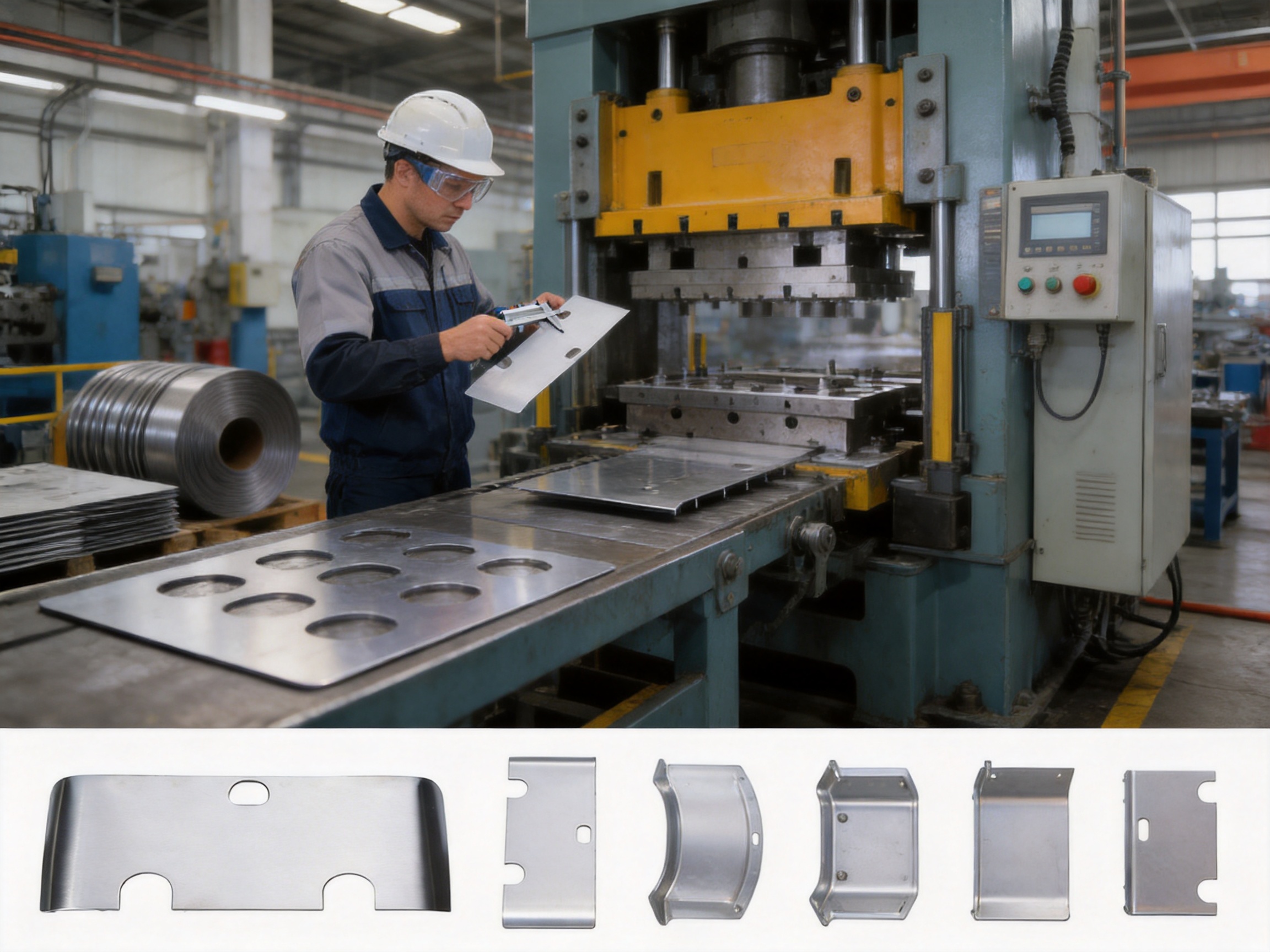
After forming, excess material may be trimmed to achieve the final outline. Cut edges and openings are then inspected for burrs, sharp points, or unwanted deformation. Depending on the design, deburring may be performed mechanically, through tumbling, brushing, grinding, or other suitable methods.
Edge quality is important for both safety and assembly. A rough edge can damage wires, seals, adjacent components, protective coatings, or the hands of assembly workers. Smooth and controlled edges also contribute to a more professional finished appearance.
8. Surface Treatment
Surface treatment is selected according to the material and operating environment. The Stamped Part Extension Cover can be supplied with a natural metal finish or customized with powder coating, anodizing, plating, painting, passivation, or other compatible treatments.
Powder coating can provide an attractive and durable finish in a wide range of colors. Anodizing is commonly associated with aluminum components and can improve surface hardness and appearance. Plating may be used to improve corrosion resistance, conductivity, or visual quality. Stainless steel parts may receive polishing, brushing, passivation, or other finishing processes.
Before treatment, the surface should be properly cleaned and prepared. Oil, scale, dust, and forming residues can reduce coating adhesion or create visual defects. Consistent pretreatment helps improve the uniformity and service life of the final finish.
Manufacturing Strengths of an Experienced Supplier
More Than Two Decades of Industry Experience
Yuyao Hongli Optoelectronics Co., Ltd. was founded in 2000 and has developed from its earlier business in educational instruments into a comprehensive manufacturing enterprise specializing in metal stamping parts and related products. More than 20 years of experience provide a strong foundation for handling different materials, forming methods, product categories, and customer requirements.
Experience is valuable not only because it increases production familiarity but also because it improves problem-solving. Stamped components often require practical decisions that are not fully visible in a two-dimensional drawing. An experienced team can recognize potential issues involving material flow, tool access, springback, tolerance accumulation, surface protection, and assembly conditions.
Modern Production Facility
The company operates a 5,000-square-meter factory in Yangming Science and Technology Industrial Park, Yuyao, Zhejiang Province, China. The facility includes multiple stamping workshops and supports the production of stamped parts, deep-drawn parts, bending parts, kitchen appliance accessories, automotive stamping parts, and other customized hardware products.
A dedicated manufacturing site supports better coordination between engineering, tooling, production, inspection, packaging, and shipment. It also provides the capacity required for customers who need both prototype quantities and repeat production orders.
OEM and ODM Capability
OEM and ODM services allow the customer to receive a component developed around a specific product rather than a generic part selected from a standard range. The supplier can work from drawings, samples, models, or functional requirements and help convert those inputs into a manufacturable stamped cover.
OEM production is suitable when the customer already has a defined design and needs reliable manufacturing. ODM support is useful when the customer needs assistance with structure, material selection, tooling, or production optimization. In both cases, clear technical communication helps ensure that the final part meets its intended purpose.
Rapid Prototyping and Production Conversion
Prototype development helps verify fit, function, appearance, and installation before large-scale production. A prototype may reveal that a bend needs to be adjusted, an opening must be enlarged, or an edge requires additional clearance. Resolving these issues early can reduce production risk.
After prototype approval, the manufacturing process can be converted to repeat production through finalized tooling, documented process controls, approved samples, and defined inspection standards. This transition is important because a prototype made through a temporary method must still be translated into a stable and economical high-volume process.
Flexible Product Range
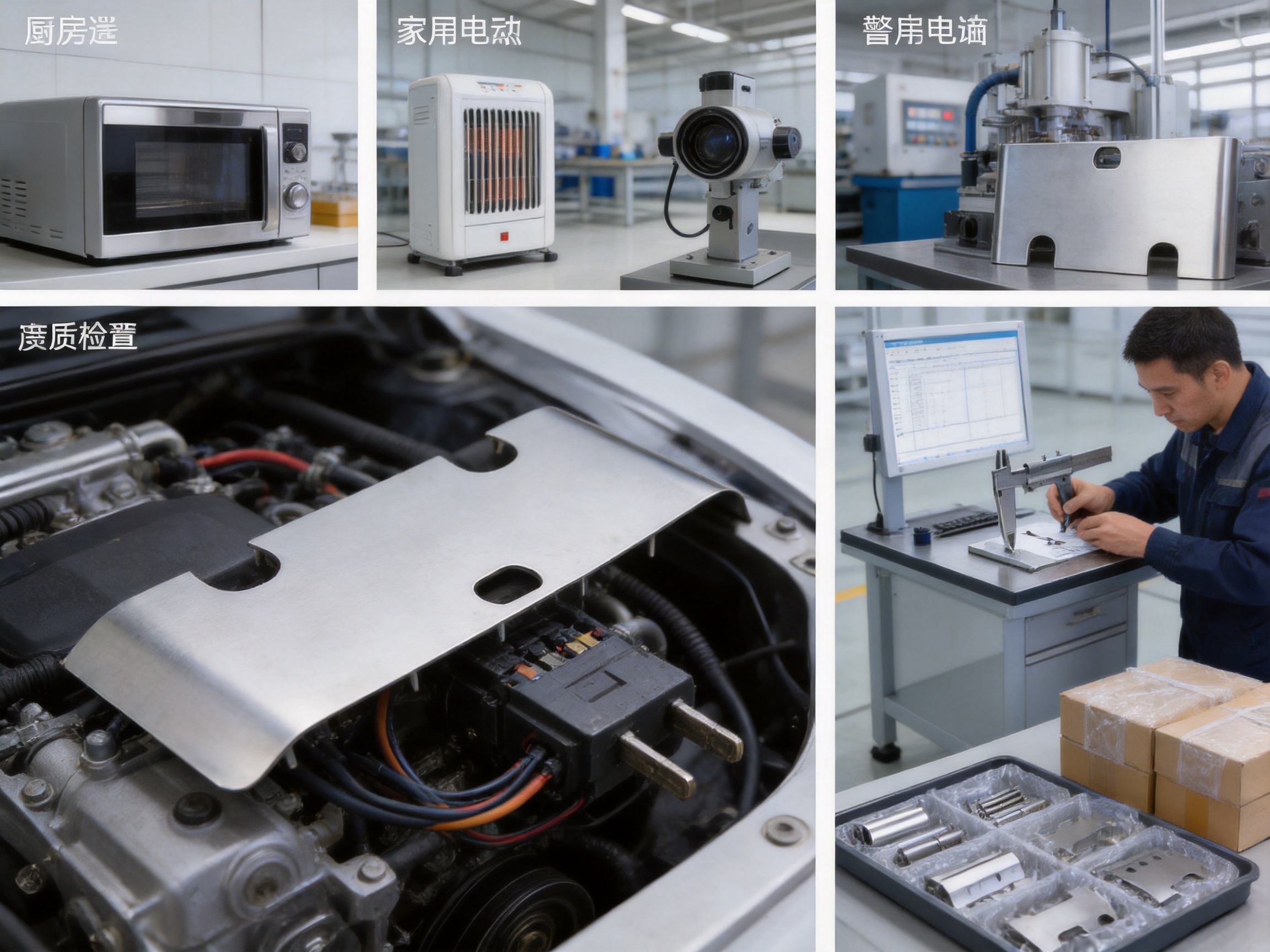
The company’s product experience covers educational instruments, optical instruments, household electric heaters, small household appliances, auto parts, hardware products, plastic products, deep-drawn parts, stamped parts, bending parts, kitchen appliance accessories, and automotive stamping parts. This broad range supports cross-industry knowledge and flexible manufacturing planning.
A supplier that works across several product sectors may be better prepared to adapt a stamping solution to different requirements. For example, an automotive cover may prioritize vibration resistance and repeatability, while a kitchen appliance cover may place greater emphasis on corrosion resistance, cleanability, and visible surface quality.
Quality Control and Delivery Stability
Stable quality requires more than final inspection. It begins with material verification, continues through tooling and process control, and concludes with dimensional inspection, appearance review, packaging, and shipment documentation.
Quality control may include checks of critical dimensions, hole positions, bend angles, flatness, wall depth, burr condition, surface defects, coating condition, and assembly fit. The inspection plan should focus especially on features that affect the customer’s assembly or final product performance.
Stable delivery also depends on production planning, material availability, tooling condition, process organization, and communication. A supplier with established workshops and an experienced team can support more predictable production scheduling than a supplier that relies entirely on temporary or subcontracted capacity.
Competitive Advantages Compared with Generic Alternatives
Better Fit than Off-the-Shelf Covers
Generic covers may appear inexpensive, but they often require modifications, additional brackets, oversized clearances, or manual drilling before installation. A customized stamped extension cover is designed around the actual interface and can reduce these extra operations.
A better fit can improve appearance and reduce movement during operation. It may also help protect against the entry of dust and debris through unnecessary gaps. When the cover is integrated into the original product design, the assembly can be more compact and visually consistent.
Greater Consistency than Manually Fabricated Parts
Low-volume manually cut or bent parts can be useful for temporary prototypes, but they may show variation in dimensions, angle, edge condition, and surface appearance. As order quantities increase, manual fabrication can also become slower and more expensive.
Stamping provides a repeatable process for producing large numbers of similar covers. Once the die and process have been validated, production can achieve more consistent results with less dependence on individual operator technique.
More Efficient than Extensive Machining
Machining a cover from a solid block or thick plate can provide high accuracy, but it may involve substantial material removal, longer cycle times, and higher costs for larger quantities. Stamping forms the component directly from sheet material and can therefore be more efficient for suitable geometries.
Machining may still be appropriate for certain complex prototypes or low-volume parts. However, for repeated production of formed covers, stamping often offers a better balance of cost, speed, weight, and consistency.
Higher Protection than Basic Flat Plates
A flat plate may block direct contact in one direction, but it may not provide adequate coverage around corners, sides, connection points, or extended areas. A formed extension cover can wrap around the protected structure and include flanges or walls that improve enclosure performance.
The additional geometry can also create a more rigid structure. Rather than relying on material thickness alone, the cover uses formed shapes to increase stiffness and maintain its position during installation and use.
More Adaptable Surface Finishes
A basic untreated metal part may meet a short-term functional need but may not provide sufficient resistance in humid, corrosive, or highly visible applications. Customized surface treatment improves the ability of the cover to match the final product environment.
Color, gloss, texture, and protective performance can be considered together. This is useful for consumer products, kitchen appliances, vehicle components, and equipment enclosures where the cover is visible to users or exposed to frequent handling.
Applications Across Multiple Industries
Automotive Components
Automotive stamping parts must often tolerate vibration, temperature changes, moisture, road dust, oil, and repeated assembly conditions. An extension cover may protect wiring, brackets, sensors, connectors, engine-related components, or other areas requiring a formed shield.
Automotive applications commonly require repeatable hole positions, stable mounting, controlled burrs, and appropriate corrosion protection. Material thickness and reinforcement features may be selected to prevent unwanted movement during vehicle operation.
Kitchen Appliances
Kitchen appliance accessories require a combination of practical performance and clean appearance. A stamped cover may protect internal wiring, heating elements, controls, structural joints, or other parts within an appliance.
Stainless steel, coated steel, or aluminum may be selected depending on the appliance design. Smooth edges, corrosion resistance, cleanability, and consistent surface finish are important considerations for products used in kitchens and other environments where moisture and regular cleaning are present.
Household Electric Heaters
Heating equipment may require covers that separate users from hot surfaces, protect internal electrical elements, or guide airflow. The design must consider temperature exposure, ventilation openings, thermal expansion, mounting stability, and surface treatment.
The cover should be developed with the complete appliance assembly in mind. Openings must support the intended airflow or access function without weakening the structure or creating unnecessary exposure to internal components.
Small Household Appliances
Small appliances often use compact stamped covers to protect motors, switches, wiring, internal mechanisms, or structural interfaces. Because these products are produced in high quantities, cost control and repeatability are important.
A well-engineered cover can help simplify assembly by integrating several functions into one formed component. It may combine protection, mounting, alignment, and appearance requirements in a single part.
Optical and Educational Instruments
Optical and educational instruments may contain sensitive components that require protection from accidental contact, dust, and impact. Stamped covers can provide a lightweight protective structure while maintaining access to controls, lenses, adjustment points, or mounting features.
In these applications, dimensional accuracy and surface appearance may be especially important. The cover must fit neatly without interfering with precision mechanisms or creating unwanted reflections, scratches, or loose movement.
Industrial Machinery and Equipment
Industrial equipment may use extension covers to shield moving parts, protect control assemblies, cover service openings, or create transitions between structural sections. The operating environment may include vibration, dust, oil, moisture, and frequent maintenance activities.
Designers can include removable fasteners, access slots, service openings, and reinforced mounting areas to make maintenance more convenient. A properly designed cover protects the equipment while allowing authorized technicians to inspect or replace internal components.
Design Considerations for Better Results
Define the Protective Function
Before finalizing the design, the customer should identify what the cover must protect against. The required protection may involve dust, moisture, impact, heat, abrasion, electrical contact, moving parts, or visual shielding. Understanding the primary function helps determine wall height, opening size, material, thickness, and surface treatment.
Allow Practical Bend Radii
Very sharp bends can increase the risk of cracking, surface damage, or inconsistent forming. Practical bend radii should be selected according to the material, thickness, grain direction, and forming method. Slightly adjusted radii can often improve production stability without affecting the intended function.
Position Holes Away from Forming Features
Holes placed too close to bends or drawn walls may become distorted. Adequate spacing allows the material to form without pulling the opening out of shape. If a close hole location is unavoidable, the tooling and forming sequence must be evaluated carefully.
Consider Fastening and Service Requirements
The cover should be designed around the selected fastening method. Screws, rivets, clips, welds, studs, and snap features each require different clearances and support conditions. If the part will be removed during maintenance, the fastening method should allow repeated access without damaging the cover.
Control Tolerance Accumulation
A cover may have several dimensions that collectively affect final fit. Individual tolerances should be reviewed as a system rather than considered separately. Critical features should receive appropriate tolerance attention, while noncritical cosmetic areas may use more practical tolerances to control cost.
Plan for Surface Treatment
Surface treatment can change dimensions slightly, especially around holes, edges, and mating surfaces. Coating thickness, masking requirements, and contact areas should be considered during design. If electrical grounding or conductivity is required, the treatment plan should identify the relevant contact surfaces.
Inspection and Quality Assurance
Inspection requirements should be established before mass production. A typical inspection program may include material verification, first-piece approval, in-process checks, final dimensional inspection, visual inspection, and packaging review.
Dimensional inspection can verify overall length, width, height, wall depth, bend angle, flange position, hole diameter, hole spacing, and flatness. Depending on the product, gauges, calipers, micrometers, height gauges, templates, coordinate measurement equipment, or dedicated fixtures may be used.
Visual inspection checks for scratches, dents, cracks, wrinkles, excessive burrs, discoloration, coating defects, contamination, and other conditions that may affect function or appearance. For visible consumer product components, cosmetic standards should be clearly agreed upon before production.
Functional inspection may involve trial assembly with mating components. This is often the most practical way to confirm that the cover fits correctly and does not interfere with adjacent parts. It can also reveal whether fasteners can be installed easily and whether access openings are correctly positioned.
Packaging is another part of quality protection. Stamped covers can be separated with paper, plastic film, trays, bags, or custom partitions to reduce scratches and deformation during handling and transportation. Packaging should be selected according to part size, surface finish, shipping distance, and customer unloading procedures.
From Prototype to Mass Production
A successful project usually progresses through several stages. The first stage is requirement collection, during which the customer provides drawings, samples, models, material information, and expected quantities. The second stage is engineering review, which evaluates manufacturability and identifies potential improvements.
Next, prototype parts or initial samples are produced. These samples allow the customer to check physical fit, assembly, appearance, and basic performance. If modifications are necessary, the design or tooling can be adjusted before final approval.
After approval, production tooling and process documents are finalized. Production operators follow the defined sequence, while quality personnel monitor critical features. If the order is recurring, production history can be used to improve efficiency, reduce setup time, and maintain consistency across future batches.
This structured approach is more reliable than moving directly from an unverified drawing to a large production run. It gives both the customer and supplier an opportunity to identify practical issues before they become costly problems.
Why Choose a Customized Manufacturing Solution
A customized stamped extension cover can contribute to the performance of the complete product. It can reduce the number of separate brackets, minimize manual modifications, improve installation speed, and provide a more professional appearance. It can also help designers use available internal space more efficiently.
Customization is especially valuable when the product has limited clearance or unusual mounting conditions. Instead of forcing a standard cover into an unsuitable location, the customer can specify the exact height, width, angle, opening pattern, and fastening arrangement required for the assembly.
For international customers, working with a manufacturer capable of handling design review, sampling, production, finishing, inspection, and export preparation can simplify supplier management. A unified manufacturing process can improve communication and reduce the risk of inconsistent results between different subcontractors.
Q&A About Stamped Part Extension Covers
What is a stamped part extension cover?
It is a formed sheet metal component used to protect, enclose, extend, reinforce, or cover part of a mechanical, electrical, automotive, appliance, or industrial assembly. It is produced through operations such as blanking, piercing, bending, forming, and, when required, deep drawing.
Can the cover be customized according to a drawing?
Yes. The component can be manufactured according to a two-dimensional drawing, three-dimensional model, physical sample, or detailed technical specification. Dimensions, material, thickness, holes, bends, surface treatment, and packaging can be discussed during the engineering review.
Which materials can be used?
Common choices include carbon steel, stainless steel, aluminum, galvanized steel, and other suitable sheet metals. The best material depends on strength, corrosion resistance, weight, forming depth, appearance, operating temperature, and cost requirements.
Is the product suitable for automotive applications?
Yes. The cover can be designed for automotive protection, mounting, shielding, and enclosure functions. Automotive projects should clearly define vibration conditions, environmental exposure, material requirements, corrosion protection, dimensional tolerances, and validation procedures.
Can the cover receive a special surface finish?
Yes. Available options may include powder coating, anodizing, plating, painting, polishing, brushing, passivation, or other compatible treatments. The finish should be selected according to the material, appearance requirements, corrosion environment, and assembly conditions.
How can burrs and sharp edges be controlled?
Burrs can be controlled through suitable die clearance, tool maintenance, cutting sequence, trimming, and deburring operations. The required edge condition should be defined according to handling safety, cable protection, sealing, and assembly requirements.
Can prototypes be produced before mass production?
Prototype or initial sample production can be arranged to verify fit, function, dimensions, and appearance. Prototype evaluation helps identify design changes before final production tooling and larger-volume manufacturing are completed.
What information should be provided when requesting a quotation?
Useful information includes drawings or models, material and thickness, estimated order quantity, surface finish, critical tolerances, application environment, inspection requirements, packaging expectations, and target delivery schedule. Samples or photographs can also help explain the required shape and function.
What makes a stamping supplier competitive?
A competitive supplier combines technical design support, suitable tooling, stable production capacity, experienced personnel, effective quality control, material and surface treatment knowledge, dependable delivery, and responsive communication. Low unit price alone does not guarantee a reliable total result.
How should the cover be packaged?
Packaging depends on the size, weight, surface finish, and risk of scratching or deformation. Protective separators, trays, bags, cartons, and customized partitions may be used to keep parts organized and protected during shipment.
Conclusion
The Stamped Part Extension Cover is a versatile and practical solution for protecting and supporting mechanical assemblies, equipment housings, automotive components, household appliances, optical instruments, and industrial products. Its value comes from the combination of accurate forming, reliable protection, efficient production, flexible customization, and compatibility with a wide range of surface treatments.
Compared with generic covers, manually fabricated pieces, or heavily machined alternatives, a precision-stamped design can provide better repeatability, lower production waste, easier installation, improved appearance, and stronger integration with the final product. The success of the component depends on more than the stamping operation itself. It also requires careful material selection, tooling design, process sequencing, edge control, surface treatment, inspection, and packaging.
Yuyao Hongli Optoelectronics Co., Ltd. supports these requirements through more than 20 years of manufacturing experience, a 5,000-square-meter production facility, multiple stamping workshops, OEM and ODM capability, rapid prototyping, customized production, and quality-focused delivery management. Its experience in deep-drawn parts, stamped parts, bending parts, kitchen appliance accessories, automotive stamping parts, and related products allows it to serve customers across multiple industries.
For customers seeking a dependable supplier for custom precision sheet metal stamping, a properly engineered extension cover can become an important improvement to product protection, assembly efficiency, service life, and overall manufacturing quality.
References
1. Sheet Metal Stamping and Forming Principles, manufacturing engineering reference materials.
2. Fundamentals of Die Design for Blanking, Piercing, Bending, and Deep Drawing.
3. General Guidelines for Sheet Metal Design, Formability, Bend Radii, and Tolerance Control.
4. Industrial Surface Treatment Practices for Steel, Stainless Steel, and Aluminum Components.
5. Quality Control Methods for Precision Metal Stamping and Formed Sheet Metal Parts.
6. Manufacturing Process Planning for OEM and ODM Metal Components.
7. Materials Selection Handbook for Industrial Enclosures, Protective Covers, and Automotive Hardware.
8. Engineering Considerations for Corrosion Protection, Deburring, Packaging, and Assembly of Stamped Parts.
Product: Stamped part extension cover
Previous Post
Precision Circular Stamped Parts with a Central Hole for Reliable Industrial Assembly
Next Post
Precision Stamped Small Square Parts for Reliable Industrial Assembly
News
-
-
What Is Deep Drawing Process and What Are Deep-Drawn Parts The deep drawing process is a sheet metal forming operation in which a flat meta...
READ MORE -
When you need a metal component whose depth clearly exceeds its width, such as a one-piece battery enclosure, an air-fryer inner container,...
READ MORE -
Steel is the backbone of modern manufacturing, yet it is never a single, uniform material. When engineers and buyers ask, "How can you clas...
READ MORE
Get Fresh Updates Via Email
We promise we will never disclose your email address, and you can opt out at any time.
-
Quick Links
Home About Us Products Service News Contact Us -
Product list
Deep-drawn parts Stamped parts Bending parts Kitchen appliance accessories Automotive stamping parts -
About Us
Factory Honour FAQ -
News
Company News Industry News -
Contact Us
Address: South side of Shunke Road, Yangming Science and Technology Industrial Park, Yuyao City, Zhejiang Province, China Tel: +86-13905842349/+86-13738485724 Email: hongli@hl-stamping.com
Copyright © Yuyao Hongli Optoelectronics Co., Ltd. All Rights Reserved.
Custom Precision-Sheet/Sheet Metal Stamping Manufacturers
