


 English
 русский
 Español
 عربى


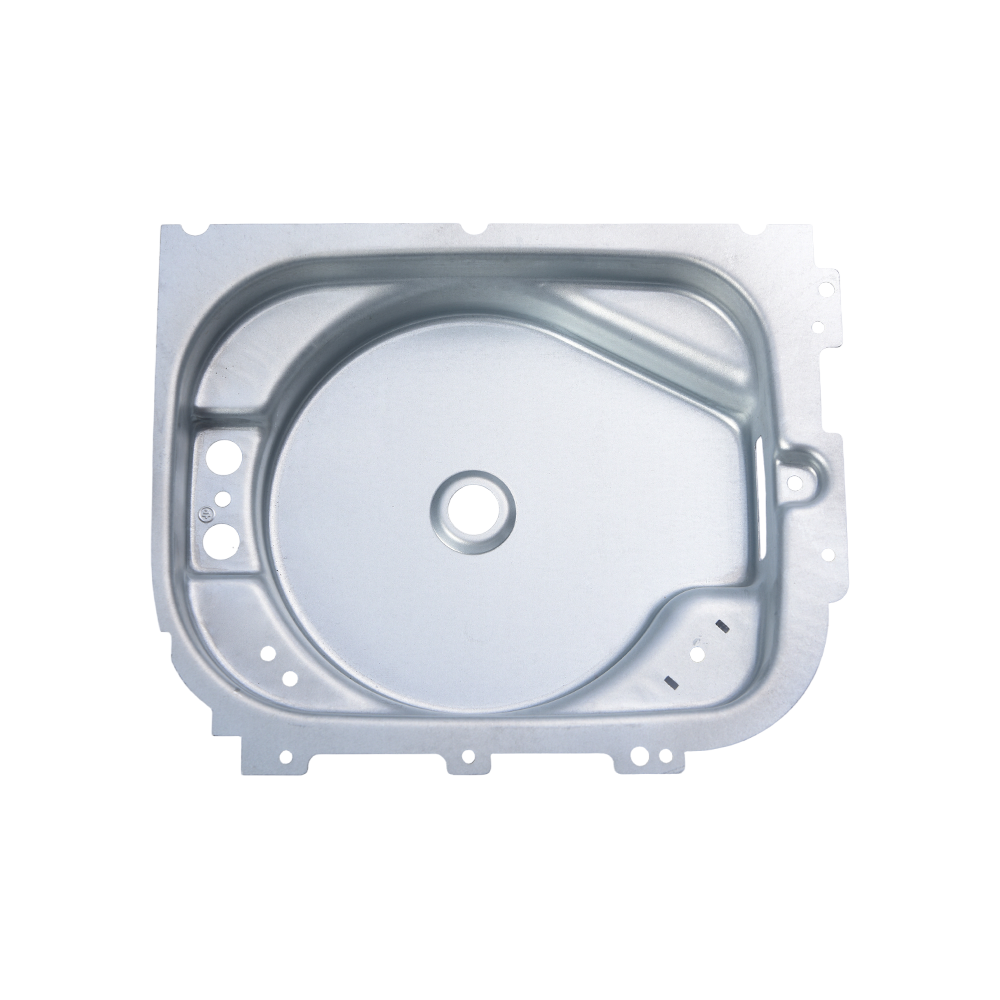
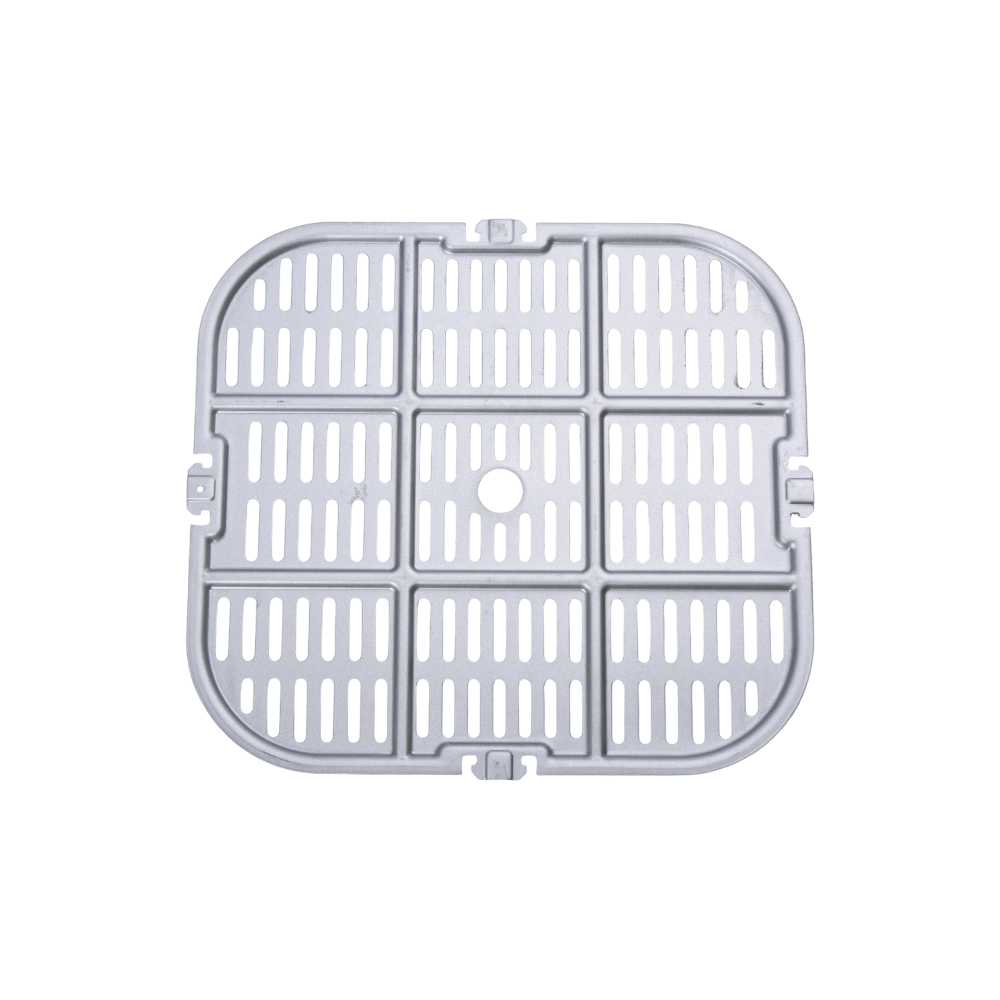
Sheet metal bending is one of the most fundamental processes in metal fabrication. It turns a flat sheet of steel, aluminum, or copper into...
READ MORE

News
Home / Author / Chen Ruoxi — Overseas Product Sales Manager / Air Fryer Base: Precision Metal Engineering for Safer, More Durable Kitchen Appliances
Air Fryer Base: Precision Metal Engineering for Safer, More Durable Kitchen Appliances
2026-09-08
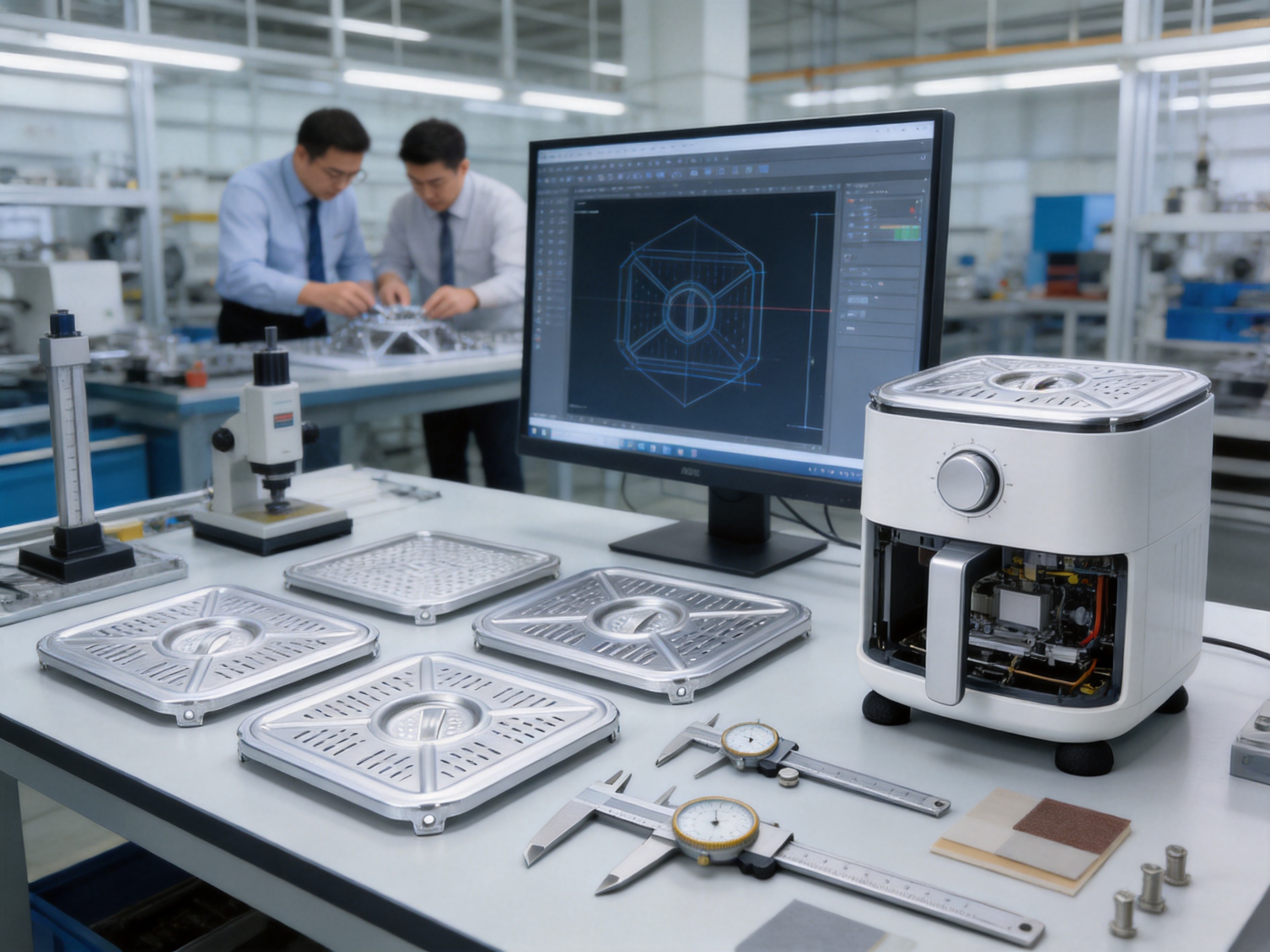
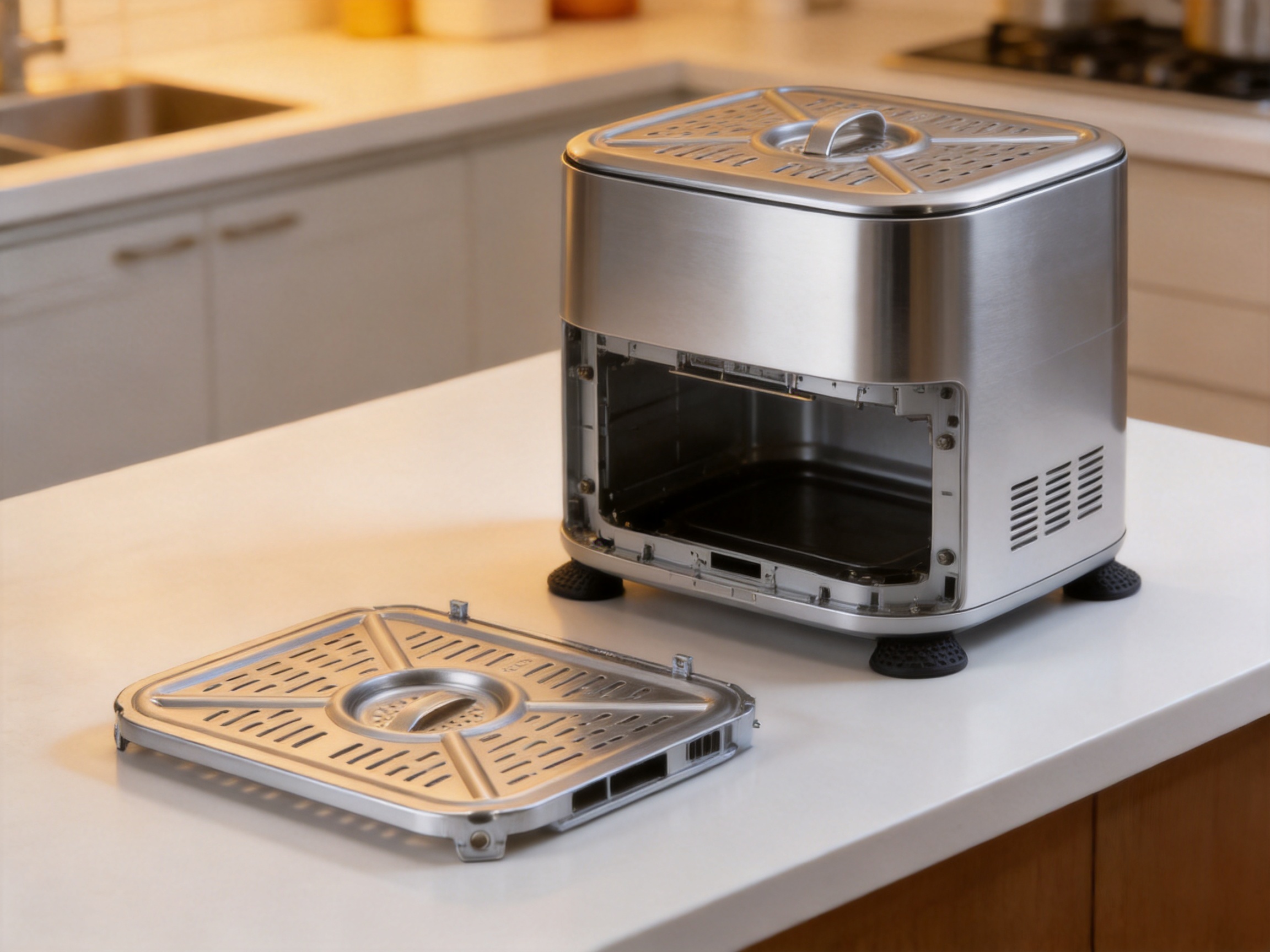
The air fryer base is a foundational component that influences the stability, durability, appearance, and everyday usability of an air fryer. Although it is positioned at the bottom of the appliance and may not receive as much attention as the cooking basket or control panel, its engineering quality has a direct effect on the user experience. A well-designed base supports the appliance body, helps maintain a stable position during operation, contributes to heat management, and protects internal and external components from the effects of repeated cooking and cleaning.
Modern consumers expect kitchen appliances to be compact, attractive, safe, easy to maintain, and reliable over many years. Meeting these expectations requires more than a simple metal plate. The base must be accurately formed, dimensionally consistent, resistant to corrosion, compatible with assembly requirements, and capable of withstanding the thermal and mechanical conditions associated with regular cooking. It must also be manufactured efficiently enough to support competitive pricing and large-volume production.
Precision sheet metal stamping, deep drawing, bending, trimming, piercing, forming, and surface treatment provide the manufacturing foundation for producing dependable air fryer bases. Through these processes, manufacturers can create components with controlled geometry, smooth edges, repeatable dimensions, and strong structural performance. The result is a part that supports the complete appliance while also contributing to its visual quality and long-term value.
Yuyao Hongli Optoelectronics Co., Ltd. has more than 20 years of experience in metal stamping and related manufacturing services. Its capabilities include drawn metal products, deep-drawn metal parts, precision sheet metal stamping, bending parts, kitchen appliance accessories, and automotive stamping parts. Supported by a modern factory, multiple stamping workshops, experienced employees, and OEM/ODM production capabilities, the company provides customized solutions for customers requiring stable quality and dependable delivery.
Understanding the Role of an Air Fryer Base
An air fryer base performs several functions at the same time. First, it supports the weight of the appliance housing, cooking chamber, fan assembly, heating system, control components, and removable cooking accessories. Second, it creates a stable contact area between the appliance and the countertop. Third, it can help organize the relationship between the outer shell, internal structure, ventilation openings, feet, fasteners, and other components.
The base may also influence how heat is distributed and controlled within the appliance. While the main heating elements and airflow system are responsible for cooking performance, the base forms part of the appliance’s overall thermal structure. Appropriate material selection, thickness control, forming accuracy, and clearance design help reduce unwanted deformation and maintain the intended relationship between internal and external components.
In addition, the base must tolerate repeated handling. Users may move an air fryer across a countertop, lift it for cleaning, install or remove accessories, and wipe the surrounding surfaces after cooking. The component should therefore resist bending, distortion, surface degradation, and loosening under normal use. A robust base helps prevent wobbling, tipping, or unwanted movement during operation.
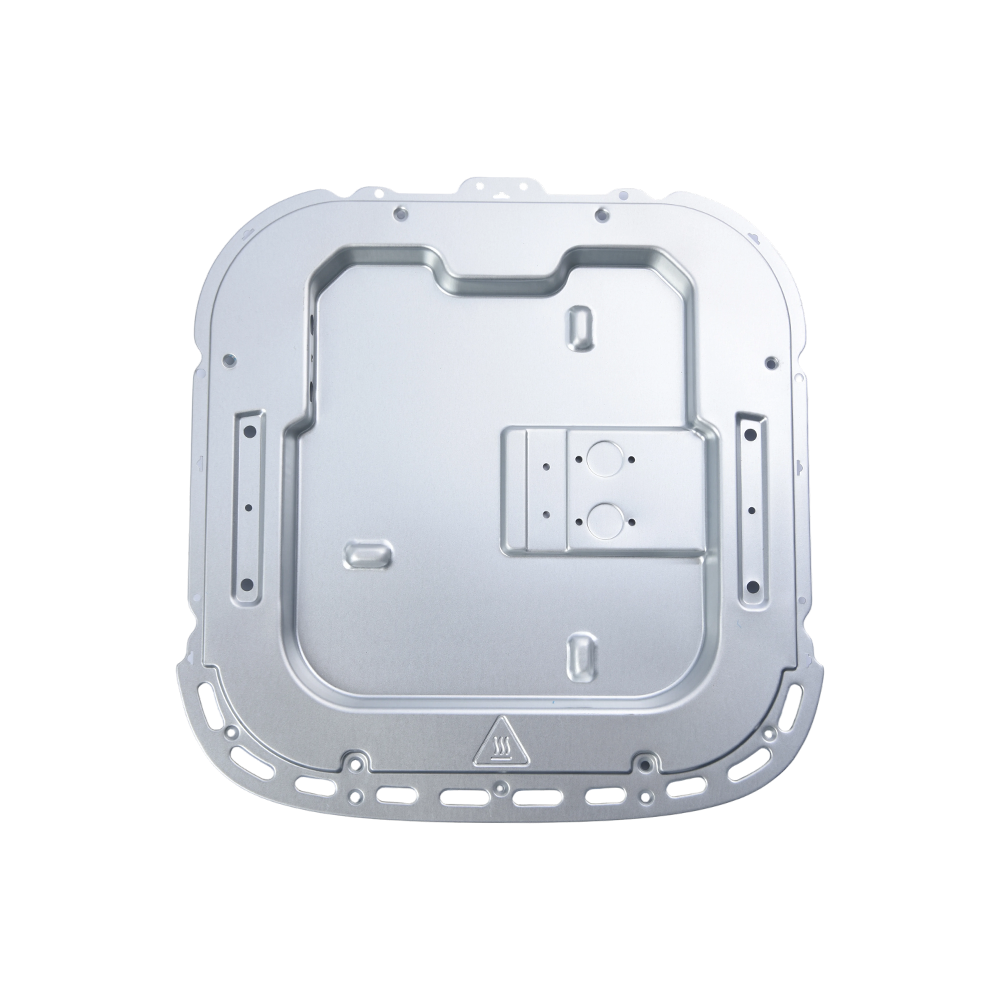
From a product-development perspective, the base is also an important connection point. It may include formed recesses, mounting holes, ventilation features, fixing points, locating structures, or interfaces for plastic and rubber components. The accuracy of these details affects assembly efficiency and the final appearance of the finished air fryer.
Key Performance Advantages
Structural Strength and Stability
The first advantage of a precision-manufactured air fryer base is structural stability. A properly formed metal base can provide a strong supporting platform without adding unnecessary weight. Through controlled stamping and forming, the material can be shaped with ribs, flanges, curved sections, or recessed areas that improve rigidity.
Compared with a flat, poorly supported component, a properly engineered base is less likely to flex under the weight of the appliance. It can help maintain the alignment of the outer housing and reduce movement during operation. A stable base is especially important when the appliance contains a removable basket or drawer that is frequently pulled outward and pushed back into place.
Dimensional accuracy also contributes to stability. If the base is uneven, warped, or inconsistent from one production batch to another, the appliance may sit improperly on a countertop. Precision tooling and process control help ensure that the supporting surfaces remain within the required tolerances.
Resistance to High Temperatures
Air fryers operate in a heated environment, and their components may be exposed to elevated temperatures over many cooking cycles. A suitable metal base must retain its shape and functional performance under these conditions. Material selection, thickness, forming design, and surface treatment should be evaluated according to the appliance’s intended operating environment.
Metal is widely used for appliance structures because it offers a useful combination of strength, thermal resistance, and formability. When the base is designed correctly, it can withstand normal temperature fluctuations without excessive deformation. It also provides a durable platform for components that must remain securely positioned during heating and cooling cycles.
Thermal performance is not based on material alone. The geometry of the base, the location of ventilation openings, the distance from heat-producing elements, and the interfaces with insulation or plastic parts all influence performance. An experienced manufacturer can review these factors during design and production planning.
Rust and Corrosion Resistance
Kitchen appliances are frequently exposed to humidity, steam, grease, food residue, and cleaning agents. If an untreated metal surface is not suitable for the environment, corrosion may affect the appearance and service life of the product. The air fryer base therefore benefits from a material and finish selected for the expected conditions.
Corrosion resistance can be supported through appropriate metal selection, protective coatings, plating, painting, or other surface treatments. The preferred solution depends on the design, operating temperature, appearance requirements, cost target, and compatibility with surrounding parts. A properly treated base is easier to maintain and less likely to show premature staining or surface deterioration.
For manufacturers and brand owners, corrosion resistance is also important for product consistency. A base that retains its appearance after repeated cleaning helps preserve the perceived quality of the complete appliance. This is especially valuable for products sold in competitive retail markets, where consumers often associate clean surfaces and solid construction with reliability.
Easy Cleaning and Maintenance
The lower area of a kitchen appliance can collect grease, dust, crumbs, and moisture. An air fryer base with a smooth, appropriately finished surface is easier to wipe and maintain. Reduced surface roughness, well-controlled edges, and the absence of unnecessary recesses can help prevent the accumulation of residue.
Ease of cleaning is a practical advantage for consumers. It reduces the time needed for routine maintenance and supports better kitchen hygiene. It also helps the appliance retain its appearance after repeated use. For this reason, surface quality should be considered together with forming accuracy rather than treated as a final cosmetic issue only.
A well-designed base should also avoid sharp or poorly finished edges that could catch cleaning cloths or create a handling hazard. Trimming, deburring, edge rounding, and inspection are essential steps when producing metal components intended for household appliances.
Reliable Positioning and Safety
An air fryer must remain stable on a countertop while the fan, heating system, and user-operated drawer are in motion. The base provides a platform for anti-slip feet or other supporting elements. Correct positioning of these features helps distribute the appliance’s weight evenly.
Stable support can reduce wobbling and help prevent accidental tipping. It may also protect the countertop by keeping hot or rigid metal surfaces appropriately positioned. Depending on the appliance design, the base may include ventilation paths that assist in maintaining suitable airflow around lower components.
Safety depends on the complete appliance design, but a precision base is an important part of that system. Accurate forming and assembly reduce the risk of misalignment, loose connections, and interference with adjacent components. Reliable manufacturing therefore contributes not only to appearance and durability but also to the safe operation of the finished product.
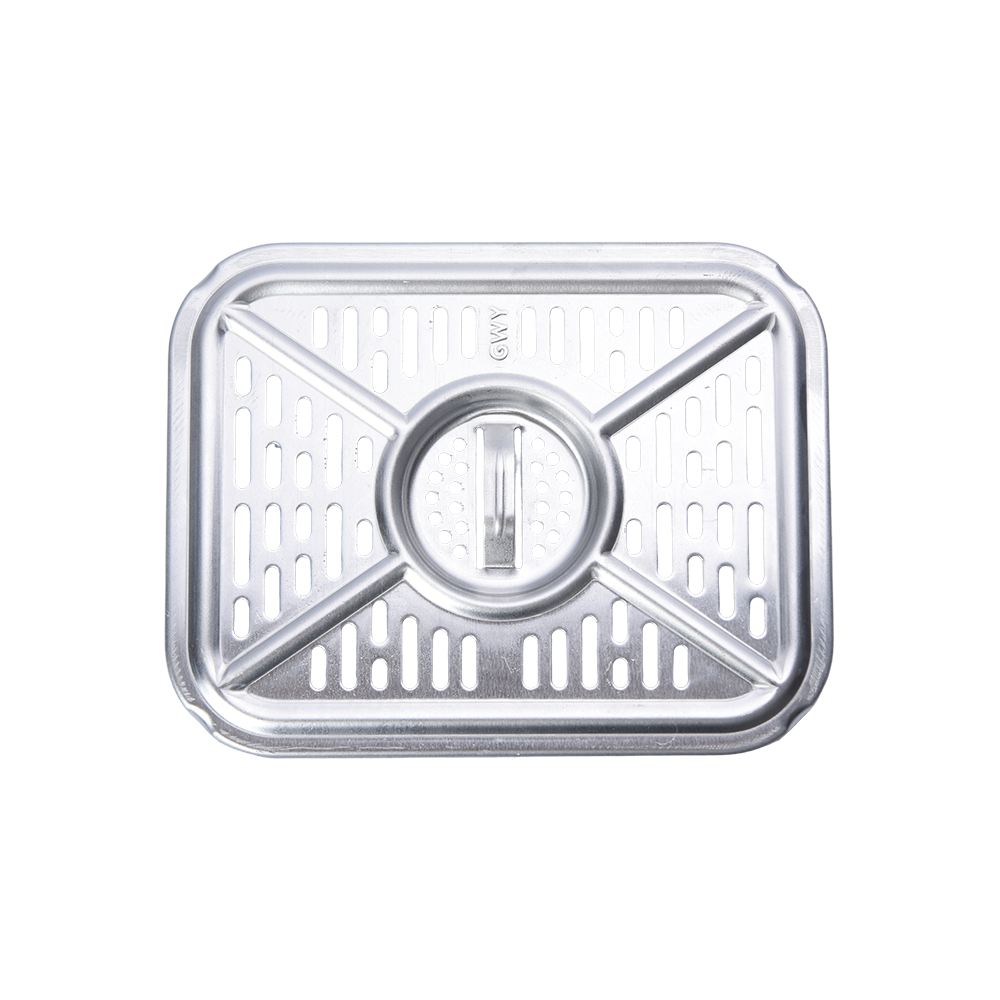
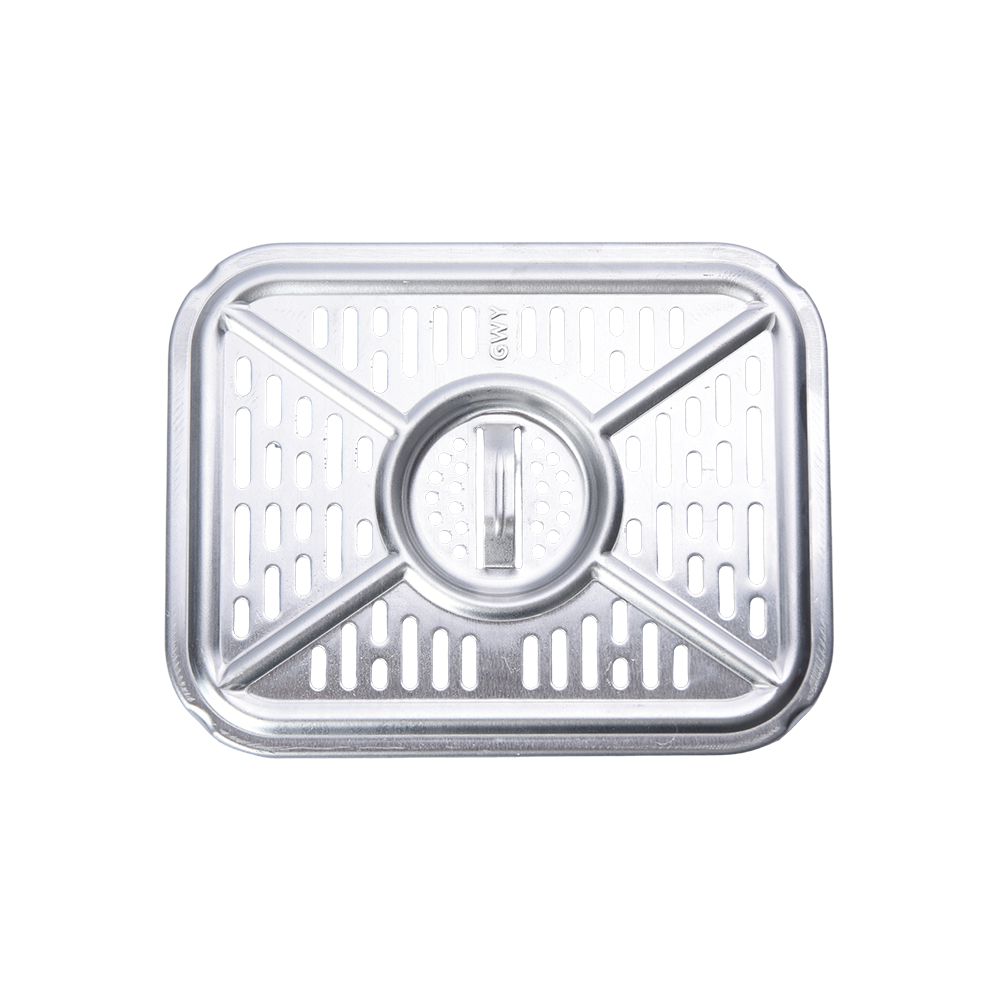
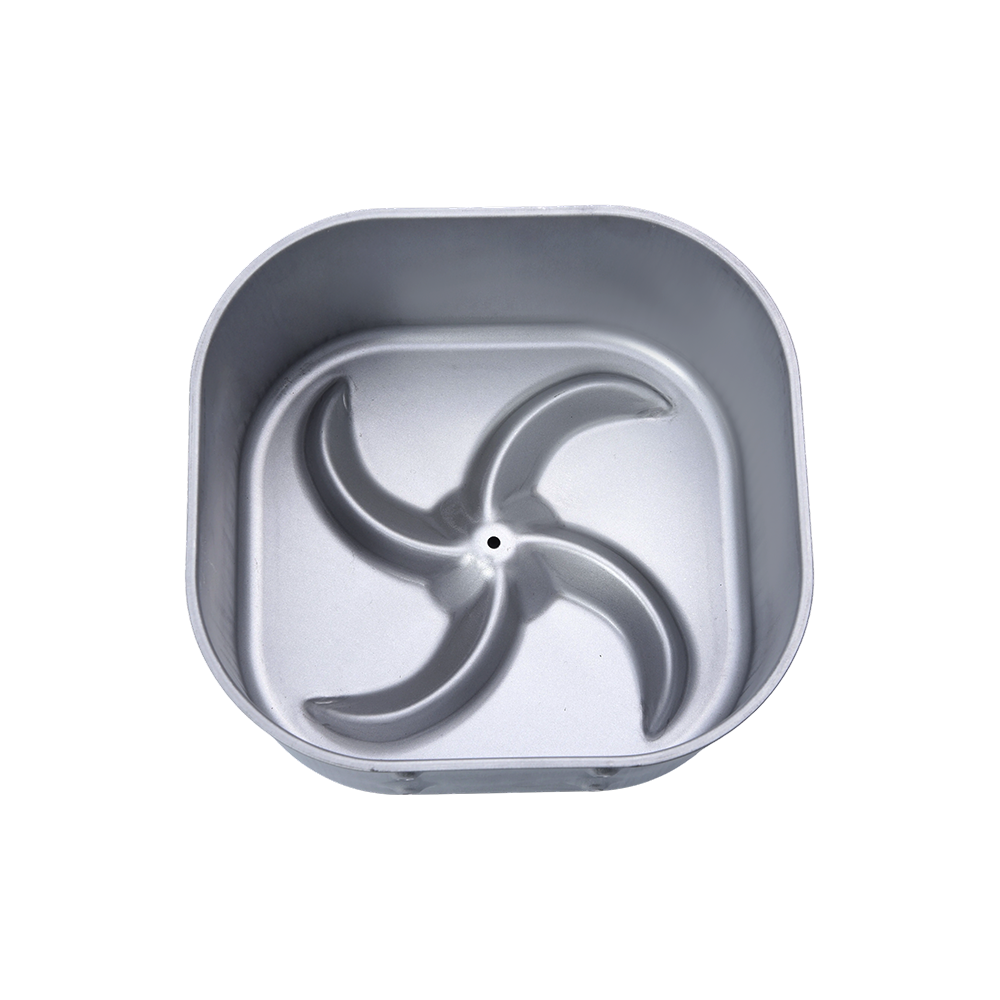
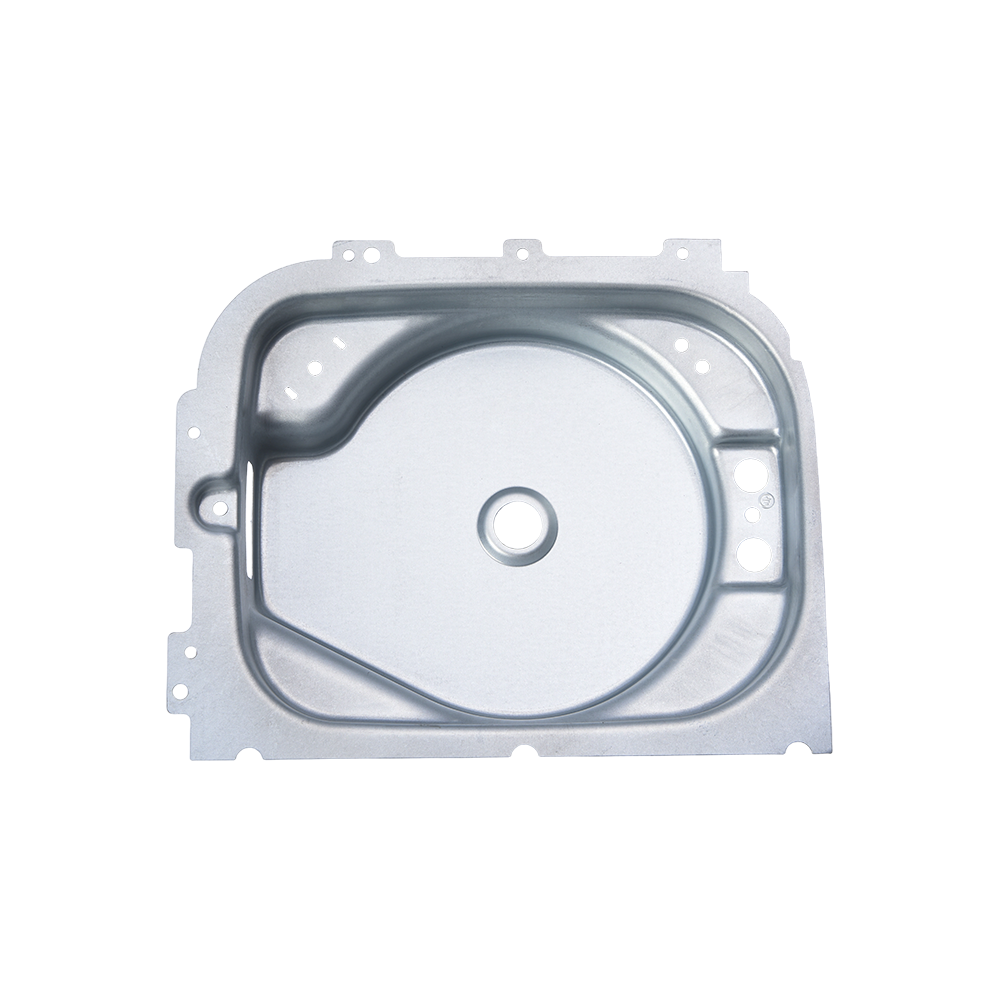
Air Fryer Base
Why Precision Stamping Is Suitable for Air Fryer Bases
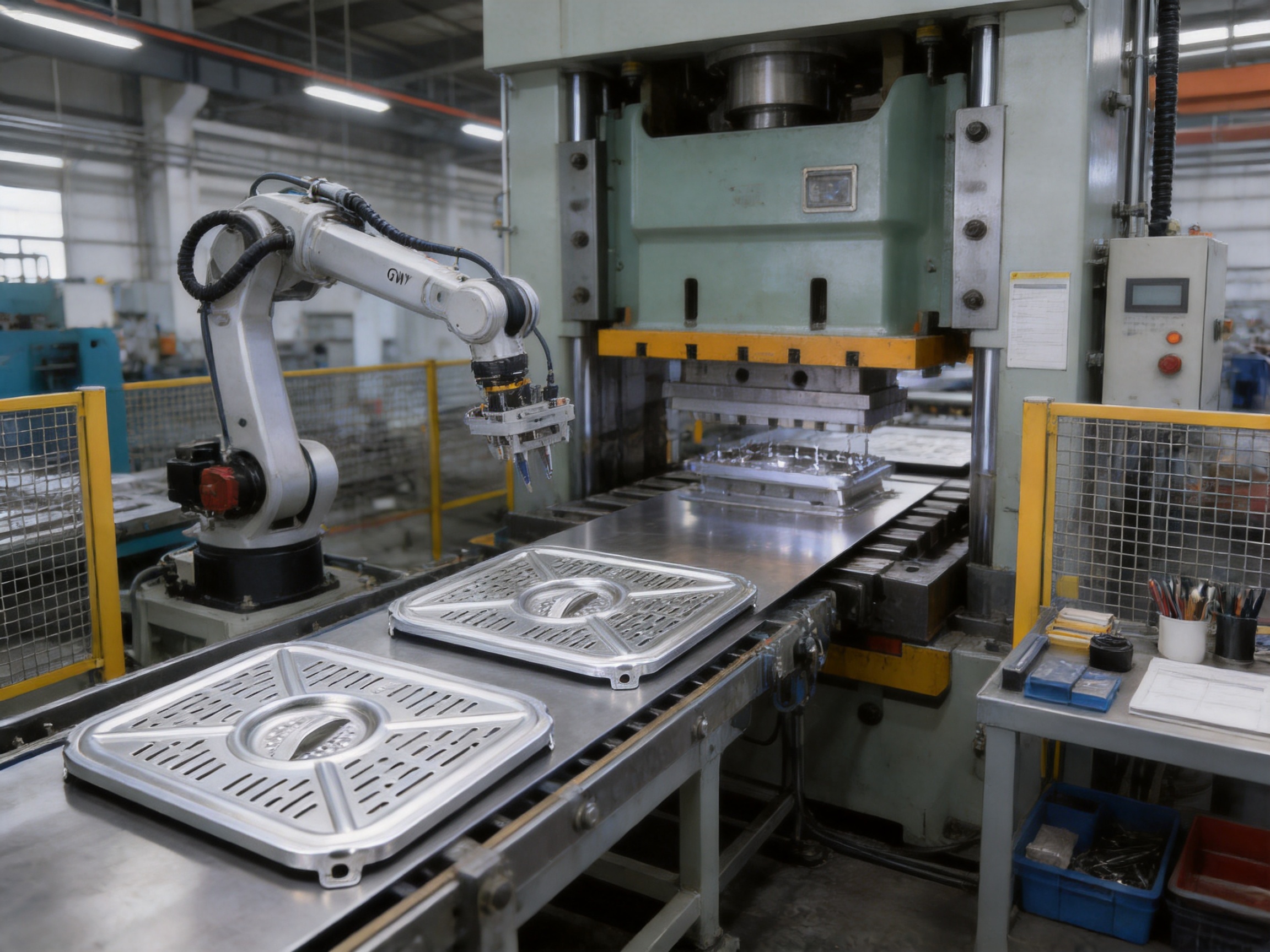
Precision stamping is an efficient method for manufacturing large quantities of consistent metal components. It uses dies and presses to cut, form, bend, draw, pierce, or emboss sheet metal into a specified shape. When tooling and process parameters are properly developed, stamping can achieve repeatable results across extensive production runs.
For air fryer bases, stamping offers several important benefits. It supports fast production, controlled dimensions, efficient material use, and integration of multiple features into a single component. Depending on the design, operations such as blanking, piercing, bending, drawing, flanging, and trimming can be arranged as separate steps or combined into a progressive or compound process.
Stamping also provides design flexibility. A base can be created with mounting holes, reinforcing ribs, raised sections, recessed areas, ventilation details, and folded edges. These features can improve rigidity and assembly performance without requiring a large number of separate parts.
Compared with manual fabrication, precision stamping provides greater consistency. Manual cutting and bending may be suitable for prototypes or very small quantities, but high-volume appliance production requires repeatable geometry. Consistency helps reduce assembly difficulties, improve interchangeability, and maintain a stable appearance across finished products.
Blanking and Material Preparation
The manufacturing process commonly begins with the selection and preparation of sheet material. Material type, thickness, width, surface condition, and mechanical properties should be checked before production. The blanking operation then cuts the required outline from the sheet or coil.
Efficient nesting and material utilization can reduce waste and support competitive production costs. At the same time, the blank shape must provide sufficient material for subsequent forming. Inadequate allowance can lead to tearing, cracking, distortion, or incomplete features during drawing and bending.
Careful preparation also helps maintain product quality. Material with scratches, uneven thickness, or unsuitable mechanical properties may cause defects later in the process. Incoming inspection and material traceability provide an important foundation for stable manufacturing.
Deep Drawing and Forming
Deep drawing is used when a flat metal blank must be transformed into a three-dimensional shape. The process uses a punch and die to move the material into a cavity while controlling flow and deformation. Depending on the shape and depth of the part, several drawing stages may be required.
For an air fryer base, drawing or forming may create a shallow tray, recessed structure, raised support, or other three-dimensional geometry. These forms can add rigidity and provide space for components without requiring thicker material throughout the entire part.
Successful deep drawing requires attention to corner radii, draw ratios, material properties, lubrication, die clearance, and blank-holder pressure. If these factors are not properly controlled, the part may develop wrinkles, splits, excessive thinning, or dimensional variation. Experienced production engineers can optimize the forming sequence to achieve a balanced result.
Bending, Flanging, and Edge Formation
Bending operations create angular or curved sections that connect the base to other appliance components. Flanges can improve rigidity, provide attachment surfaces, or create locating references for assembly. Folded edges may also help protect the user from exposed sharp sheet metal.
The bend radius must be selected according to the material and thickness. A radius that is too small may cause cracking, while an unsuitable bend sequence may produce interference or distortion. Springback must also be considered because sheet metal may partially return toward its original shape after forming.
Accurate bending is particularly important when the base must align with a plastic housing, motor support, fan structure, or decorative outer panel. Even small deviations can affect the fit of multiple components. Controlled tooling and inspection help maintain the required shape from the first production batch through continuing orders.
Piercing, Trimming, and Secondary Operations
Piercing creates holes for screws, clips, feet, wiring paths, ventilation, or locating pins. Hole size and position must be controlled carefully because these features often determine how the base connects with other components.
Trimming removes excess material and establishes the final outline. After trimming, deburring or edge treatment may be necessary to improve handling safety and assembly quality. Depending on the specified finish, additional operations can include tapping, riveting, welding, polishing, coating, plating, or installation of auxiliary components.
The production route is selected according to the product drawing, required quantity, material, tolerances, surface requirements, and total cost target. A manufacturer with experience in multiple metalworking processes can help simplify the design and identify opportunities to combine operations.
Manufacturing Quality Control
Quality control for an air fryer base should cover the entire manufacturing cycle rather than relying only on final inspection. Preventive control begins with design review and continues through material purchasing, tooling preparation, production, surface treatment, assembly, packaging, and shipment.
Design and Tooling Review
Before production begins, engineers can review the part drawing for manufacturability. Important considerations include material thickness, corner radii, hole locations, forming depth, tolerance requirements, surface finish, and assembly interfaces. Early review may identify features that are difficult to stamp or unnecessarily expensive to produce.
Tooling design must match the required production volume and part complexity. Dies should be designed for reliable material flow, appropriate clearance, convenient maintenance, and stable operation. Properly maintained tooling helps reduce burrs, dimensional drift, scratches, and unplanned downtime.
In-Process Inspection
In-process inspection verifies that the part remains within specification while production is underway. Operators and quality personnel may check dimensions, flatness, hole position, forming depth, edge condition, and visual appearance. Inspection frequency can be adjusted according to the risk and importance of each feature.
Monitoring during production allows problems to be corrected before a large quantity of nonconforming parts is produced. It also helps identify gradual changes caused by tool wear, material variation, press conditions, or handling practices.
Final Inspection and Functional Verification
Final inspection confirms that completed bases meet the customer’s requirements. This may include dimensional measurement, surface evaluation, coating inspection, fit checks, and verification of mounting features. Sample assembly with related plastic, rubber, or metal components can reveal issues that are not visible during isolated part inspection.
Functional verification may include checking the base’s stability, support surfaces, fastener engagement, and compatibility with the appliance housing. Where required, environmental or durability testing can assess resistance to heat cycles, cleaning exposure, corrosion, and mechanical loading.
Traceability and Documentation
Production records support consistency and accountability. Material records, inspection results, tooling information, process instructions, and shipment details can help the manufacturer and customer review the product history. Clear documentation is especially valuable for OEM and ODM projects involving recurring orders or design revisions.
Traceability also supports continuous improvement. If a quality concern occurs, production records can help determine the affected batch, investigate the root cause, and implement corrective action. This structured approach is more reliable than attempting to solve problems through informal inspection alone.
Material and Surface Treatment Considerations
The appropriate material for an air fryer base depends on the required strength, thermal environment, corrosion resistance, appearance, forming characteristics, and cost. Common options for appliance metal parts may include carbon steel, stainless steel, coated steel, aluminum, or other materials selected according to the product specification.
Carbon steel can provide strong structural performance and good formability. It may require a protective surface treatment when the part is exposed to humidity or cleaning conditions. Stainless steel offers strong corrosion resistance and a clean appearance, although material cost and forming requirements may be different.
Aluminum is lightweight and can provide useful corrosion resistance, but its strength, springback, and forming behavior must be considered during tooling development. The best material is not necessarily the most expensive option. It is the material that provides the required performance while remaining compatible with manufacturing, assembly, and commercial objectives.
Coating and Finishing Options
Surface finishing can improve corrosion resistance, appearance, cleanability, and compatibility with other parts. Depending on the application, possible treatments may include painting, powder coating, plating, passivation, polishing, or other protective processes.
The selected finish must be suitable for the expected temperature and cleaning environment. It should also provide consistent coverage without interfering with holes, fasteners, grounding requirements, or assembly clearances. Surface treatment parameters should be controlled to avoid peeling, uneven color, contamination, or excessive thickness.
Edges and corners deserve special attention because they can be more difficult to coat uniformly. Proper pretreatment, part orientation, and inspection help improve the quality of the final finish. If the base is concealed inside the appliance, functional protection may be more important than decorative appearance; if it remains visible, both characteristics should be considered.
Advantages Compared with Less Specialized Alternatives
Air fryer bases can be produced through various methods, but a specialized precision stamping approach offers advantages in consistency, efficiency, and structural integration.
| Evaluation Area | Precision Stamped Base | Basic Manual Fabrication | Low-Control Generic Part |
|---|---|---|---|
| Dimensional consistency | High repeatability with controlled tooling | Dependent on operator skill | May vary between batches |
| Production efficiency | Suitable for medium and high volumes | Generally slower | May be inconsistent or inefficient |
| Feature integration | Holes, ribs, flanges, and recesses can be formed efficiently | Often requires multiple operations | Limited by available processes |
| Assembly compatibility | Controlled interfaces and locating features | Potential for alignment variation | Fit may require adjustment |
| Surface consistency | Can be managed through controlled finishing | May vary with handling and processing | Quality depends on supplier controls |
| Customization | Suitable for OEM/ODM designs and tooling development | Possible but difficult to scale | Often limited to standard dimensions |
The main competitive advantage is not simply the use of a metal press. It is the combination of suitable tooling, experienced process planning, controlled materials, inspection discipline, and the ability to adjust production to the customer’s design. A base that is inexpensive at the purchasing stage may create higher total costs if it causes assembly delays, rework, field failures, or inconsistent appearance.
Precision manufacturing also supports product differentiation. A customer may require a unique base shape, special mounting pattern, improved ventilation arrangement, thinner material, reinforced geometry, or a particular surface treatment. A capable supplier can evaluate these requirements and convert them into a repeatable production process.
Design Support for OEM and ODM Projects
OEM and ODM customers often need more than a component supplier. They need a manufacturing partner that can communicate effectively during product development, review drawings, evaluate manufacturability, and support production changes. For an air fryer base, early collaboration can prevent costly changes after tooling has been completed.
Design support may begin with a two-dimensional drawing or three-dimensional model. Engineers can examine the shape and identify possible problems related to draft, corner radii, material flow, hole position, bend sequence, access for tooling, and assembly clearance. Recommendations can then be made without compromising the product’s functional requirements.
Prototyping is useful when the design is new or when several geometries are being compared. A prototype can help confirm fit, appearance, stability, and interaction with surrounding components. Once the design is approved, production tooling can be developed with greater confidence.
Rapid production conversion is another important capability. Kitchen appliance markets can change quickly, and customers may need to move from prototype quantities to initial production and then to larger orders. A supplier with established workshops, equipment, and process knowledge can support this transition more efficiently than a supplier that only performs a single manufacturing operation.
Design changes should be managed through controlled documentation. Revised drawings, material specifications, inspection standards, and packaging instructions need to be communicated clearly to prevent old and new versions from being mixed. Good change management supports stable quality throughout the product life cycle.
Factory Capabilities and Manufacturing Strengths
Yuyao Hongli Optoelectronics Co., Ltd. is located in Yangming Science and Technology Industrial Park, Yuyao, Zhejiang Province, China. Founded in 2000, the company has developed from its former educational-instrument business into a comprehensive manufacturing enterprise specializing in metal stamping parts and related products.
The company operates a modern factory of approximately 5,000 square meters and employs more than 60 people. Multiple stamping workshops support production across several application areas, including educational instruments, optical instruments, household electric heaters, small household appliances, automotive parts, hardware products, plastic products, deep-drawn parts, stamped parts, bending parts, kitchen appliance accessories, and automotive stamping parts.
This broad product experience is valuable for air fryer base production. Knowledge gained from automotive stamping can support attention to dimensional control and structural reliability. Experience with household appliances can support awareness of heat, cleaning, appearance, and assembly requirements. Experience with deep-drawn and bending parts provides a foundation for producing three-dimensional metal structures efficiently.
The company’s manufacturing services include production, processing, wholesale, retail, import, and export. Its OEM/ODM support allows customers to request components based on drawings, samples, functional requirements, or customized specifications. This flexibility is useful for appliance brands, distributors, contract manufacturers, and product-development companies seeking a reliable source for metal accessories.
Integrated Production Experience
An integrated manufacturing approach can reduce communication gaps between design review, tooling, production, quality control, and delivery. When these activities are coordinated by an experienced supplier, technical information can move more efficiently through the project.
Integrated experience also helps manufacturers identify the relationship between individual components and the complete appliance. An air fryer base is not an isolated metal object. It must fit with the enclosure, feet, fasteners, insulation, wiring, ventilation structure, and internal frame. Understanding these interfaces helps reduce avoidable assembly problems.
Capacity and Delivery Stability
Stable delivery depends on more than nominal production capacity. It requires suitable equipment, organized workshops, reliable material supply, trained personnel, preventive maintenance, and production planning. Multiple stamping workshops provide a foundation for managing different products and order requirements.
For customers, delivery stability supports inventory planning and product launches. It reduces the risk of interruptions caused by inconsistent process capability or insufficient production resources. A supplier that can maintain quality while increasing volume provides additional value during periods of market growth.
Customer Service and After-Sales Support
Technical communication is essential when producing customized metal parts. Customers may need support with drawings, samples, tolerances, packaging, inspection requirements, and design changes. Clear communication before production helps reduce uncertainty and creates a more efficient project workflow.
After-sales service is also important. If a customer identifies a concern after delivery, the supplier should be able to review production information, analyze the issue, and cooperate on corrective action. Long-term cooperation is built through responsiveness, transparency, and consistent attention to quality.
Application Value in Modern Kitchen Appliances
The air fryer market includes compact household models, family-size appliances, commercial units, multifunction cooking systems, and integrated countertop products. Each type may use a different base design, but all require appropriate stability and structural support.
For compact appliances, weight reduction and space efficiency may be important. The base can be formed to provide sufficient rigidity with minimal material. For larger models, stronger support and improved load distribution may be required. Commercial or frequently used appliances may require enhanced corrosion resistance, heavier construction, and more demanding durability criteria.
Designers may also use the base to support a particular visual identity. Some appliances expose a metal lower section as part of a premium appearance, while others conceal the base within a molded plastic housing. In both cases, dimensional accuracy and surface quality influence the final product.
As smart and multifunctional appliances become more common, the base may need to accommodate additional wiring, sensors, cooling paths, electronic modules, or structural brackets. Early cooperation between the appliance designer and metal component manufacturer can help integrate these requirements efficiently.
Recommended Purchasing and Specification Checklist
When sourcing an air fryer base, customers should provide as much technical information as possible. A clear specification helps the manufacturer evaluate the project and prepare an accurate quotation.
Product drawings or three-dimensional models.
Required material type and material thickness.
Target production quantity and expected annual demand.
Critical dimensions and tolerance requirements.
Operating temperature and environmental conditions.
Required corrosion resistance and cleaning exposure.
Surface finish, color, coating, or plating requirements.
Hole patterns, mounting points, and assembly interfaces.
Packaging, labeling, and shipment requirements.
Inspection standards and sample approval procedures.
If the final design is not complete, the customer can provide a physical sample, concept drawing, photographs, or functional description. An experienced manufacturer may be able to assist with the transition from concept to production-ready component.
It is also useful to identify critical-to-function features. Not every dimension requires the same tolerance. By separating essential features from general dimensions, the design can achieve the required performance without creating unnecessary manufacturing cost.
Production and Sustainability Considerations
Efficient metal stamping can contribute to responsible manufacturing by reducing processing time and improving material utilization. Proper nesting, optimized blank design, and controlled forming can decrease scrap. Scrap material may also be collected and recycled according to the applicable production system.
Durable components support sustainability by helping appliances remain functional for longer periods. A base that resists deformation, corrosion, and repeated handling may reduce the need for premature replacement. Product durability should therefore be considered part of the environmental value of the component.
Surface treatment should be selected responsibly, with attention to process control, worker safety, waste management, and applicable regulations. Suppliers and customers should communicate any material restrictions or compliance requirements before production begins.
Packaging can also be optimized. Protective packaging should prevent scratches, bending, and moisture exposure while avoiding excessive material use. Correct stacking and separation methods help preserve quality from the factory to the customer’s assembly line or warehouse.
Q&A: Air Fryer Base Manufacturing
What is the main purpose of an air fryer base?
The base supports the air fryer body, provides stability on the countertop, helps maintain the alignment of internal and external components, and may contribute to thermal and ventilation management. It can also provide mounting points for feet, fasteners, brackets, or other parts.
Why is metal commonly used for an air fryer base?
Metal can offer a useful balance of strength, heat resistance, formability, and durability. Through stamping, drawing, and bending, it can be shaped into a rigid three-dimensional structure with integrated holes, ribs, flanges, and recessed features.
Can the base be customized for a specific air fryer model?
Yes. The base can be customized according to the appliance’s dimensions, mounting pattern, ventilation arrangement, material requirements, surface finish, and assembly method. OEM and ODM projects can be developed from drawings, samples, or functional specifications.
What manufacturing processes may be used?
Depending on the design, the production route may include blanking, piercing, deep drawing, bending, flanging, trimming, deburring, welding, riveting, coating, plating, or other secondary operations. The specific process is selected according to the part geometry and production volume.
How does deep drawing improve the component?
Deep drawing creates a three-dimensional form from sheet metal. It can produce recessed or raised structures that improve rigidity and provide space for other components without requiring excessive material thickness throughout the part.
How is corrosion resistance achieved?
Corrosion resistance may be supported through suitable material selection and surface treatment. Options can include stainless steel, protective coatings, plating, passivation, painting, or other finishes. The correct choice depends on temperature, humidity, cleaning exposure, appearance, and cost requirements.
What quality checks are important?
Important checks may include material verification, dimensional inspection, flatness, hole position, forming depth, edge condition, surface appearance, coating quality, and assembly fit. Testing can also be performed when the project requires heat-cycle, corrosion, or durability verification.
Can the manufacturer support prototype development?
Prototype and sample development can be supported through design review, tooling evaluation, and initial production. Sample approval allows the customer to confirm fit, appearance, function, and assembly compatibility before larger-volume production.
What information should be included in an inquiry?
An inquiry should ideally include drawings or samples, material and thickness, dimensions and tolerances, surface requirements, order quantity, application conditions, packaging needs, and delivery expectations. The more complete the information, the more accurately the project can be evaluated.
What makes a supplier suitable for long-term cooperation?
Important factors include manufacturing experience, process capability, quality control, communication, production capacity, delivery reliability, customization support, and after-sales service. A supplier that can support both technical development and repeat production is better positioned to provide long-term value.
Conclusion
The air fryer base is a small but essential component that affects the stability, safety, durability, cleanability, and overall quality of a modern kitchen appliance. Its performance depends on appropriate material selection, accurate forming, reliable surface treatment, and careful integration with the complete product design.
Precision stamping, deep drawing, bending, piercing, trimming, and secondary finishing provide an efficient way to manufacture bases with consistent dimensions and strong structural performance. Compared with less specialized alternatives, controlled stamping offers better repeatability, more efficient feature integration, improved assembly compatibility, and greater potential for OEM/ODM customization.
Yuyao Hongli Optoelectronics Co., Ltd. combines more than two decades of industry experience with a 5,000-square-meter factory, multiple stamping workshops, a skilled workforce, and broad expertise in deep-drawn parts, stamped parts, bending parts, kitchen appliance accessories, and automotive stamping parts. Its manufacturing and service capabilities support customers from design review and prototyping through production, inspection, delivery, and after-sales cooperation.
For appliance manufacturers seeking a dependable air fryer base, the most important consideration is not simply the appearance of the individual component. The stronger value comes from a complete manufacturing system that combines engineering knowledge, suitable tooling, controlled processes, stable quality, efficient production, and responsive customer support. A well-produced base helps create a more reliable air fryer and contributes to a better experience for both appliance brands and end users.
References
1. General principles of sheet metal forming, stamping, bending, and deep-drawing process design.
2. Manufacturing quality-control practices for precision metal components and appliance assemblies.
3. Material selection and corrosion-resistance considerations for household appliance metal parts.
4. Product design principles for thermal management, structural stability, and countertop appliance safety.
5. Industry practices for OEM/ODM product development, prototype approval, tooling management, and production traceability.
6. Company-provided manufacturing information concerning Yuyao Hongli Optoelectronics Co., Ltd., its factory, product categories, capabilities, and service philosophy.
Product: Air Fryer Base
Previous Post
Precision Stamped Small Square Parts for Reliable Industrial Assembly
Next Post
How High-Quality Air Fryer Parts Improve Cooking Performance and Product Life
News
-
-
If you have ever asked yourself, “How do I find a reputable metal fabricator?” you are not alone. As a manufacturer with more than 20 years...
READ MORE -
Steel is the backbone of modern manufacturing, yet it is never a single, uniform material. When engineers and buyers ask, "How can you clas...
READ MORE -
Bend allowance is one of those numbers that quietly determines whether a sheet metal part fits the first time or becomes rework on the shop...
READ MORE
Get Fresh Updates Via Email
We promise we will never disclose your email address, and you can opt out at any time.
-
Quick Links
Home About Us Products Service News Contact Us -
Product list
Deep-drawn parts Stamped parts Bending parts Kitchen appliance accessories Automotive stamping parts -
About Us
Factory Honour FAQ -
News
Company News Industry News -
Contact Us
Address: South side of Shunke Road, Yangming Science and Technology Industrial Park, Yuyao City, Zhejiang Province, China Tel: +86-13905842349/+86-13738485724 Email: hongli@hl-stamping.com
Copyright © Yuyao Hongli Optoelectronics Co., Ltd. All Rights Reserved.
Custom Precision-Sheet/Sheet Metal Stamping Manufacturers
