


 English
 русский
 Español
 عربى


Manufacturing & Materials Engineering Why Deep Draw Components Outperform Fabricated Sheet Metal Parts in Leak-Proof Applications Seam...
READ MORE

News
Home / Author / Chen Ruoxi — Overseas Product Sales Manager / High-Performance Air Fryer Containers for Reliable Everyday Cooking
High-Performance Air Fryer Containers for Reliable Everyday Cooking
2026-10-22
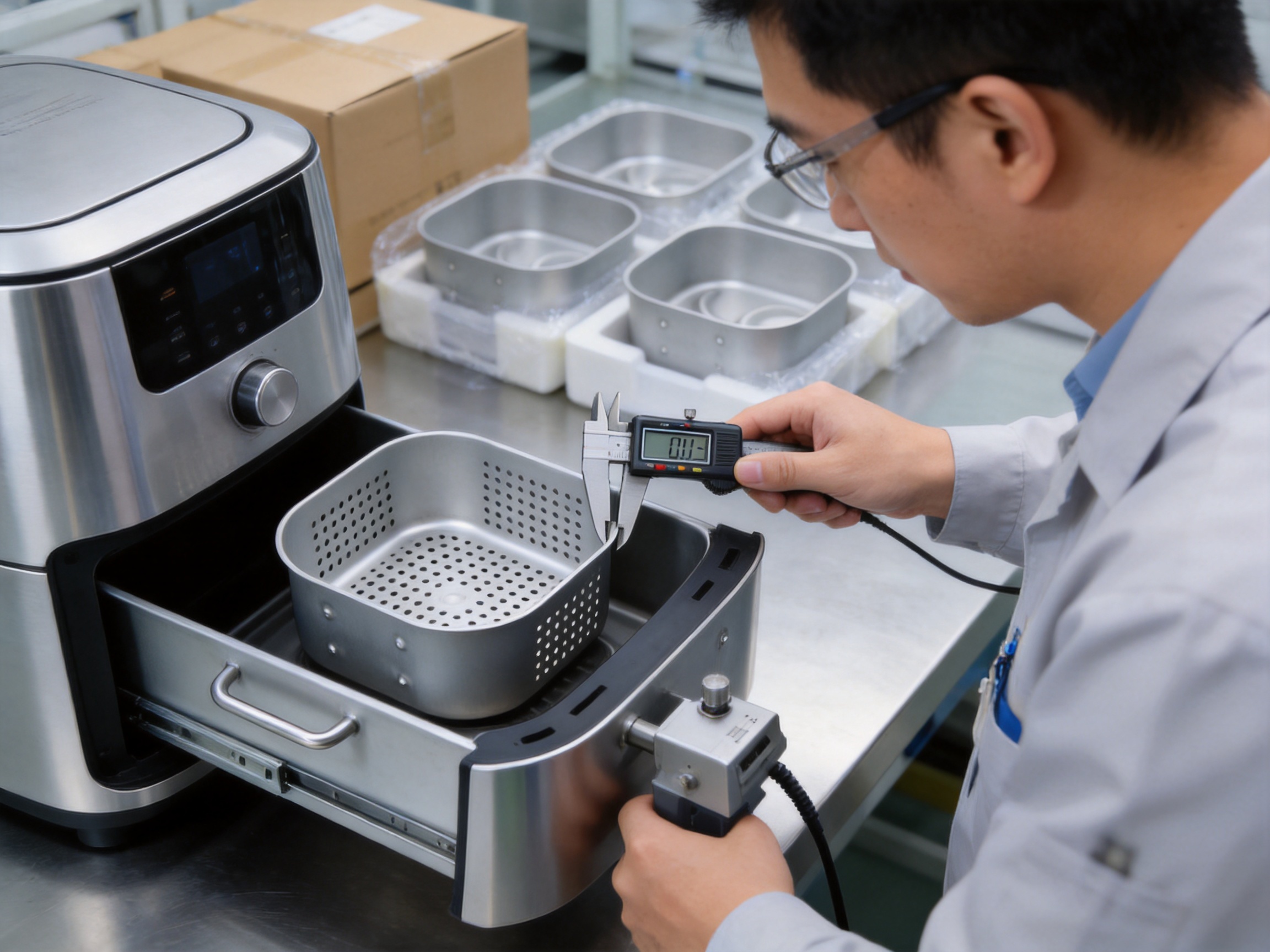
Air fryer containers have become an increasingly important component in modern kitchen appliances. Although the outer housing and heating system receive much of the attention, the inner container directly influences cooking consistency, cleaning convenience, service life, and the overall user experience. A well-designed container must withstand repeated heating and cooling cycles, support safe food preparation, allow efficient hot-air circulation, and remain structurally stable during daily use.
The air fryer container described in this article is designed as a durable inner pot and cooking basket component for air fryer equipment. It combines practical geometry, dependable metal forming, high-temperature performance, and application-oriented quality control. The product can be supplied for different air fryer configurations and customized according to appliance dimensions, capacity requirements, surface specifications, hole patterns, mounting features, and production needs.
As a specialized manufacturer of drawn metal products, deep drawn metal parts, precision sheet metal stamping, bending parts, and kitchen appliance accessories, Yuyao Hongli Optoelectronics Co., Ltd. applies more than two decades of manufacturing experience to the production of air fryer containers. Its capabilities include tooling development, sheet metal processing, deep drawing, stamping, bending, assembly support, inspection, and OEM/ODM production.
The purpose of this article is to explain the structure, performance advantages, manufacturing process, customization possibilities, inspection methods, and application value of air fryer containers. It also compares the product’s practical advantages with common low-quality or poorly matched alternatives and answers frequently asked questions from appliance manufacturers, importers, distributors, and professional buyers.
Understanding the Role of an Air Fryer Container
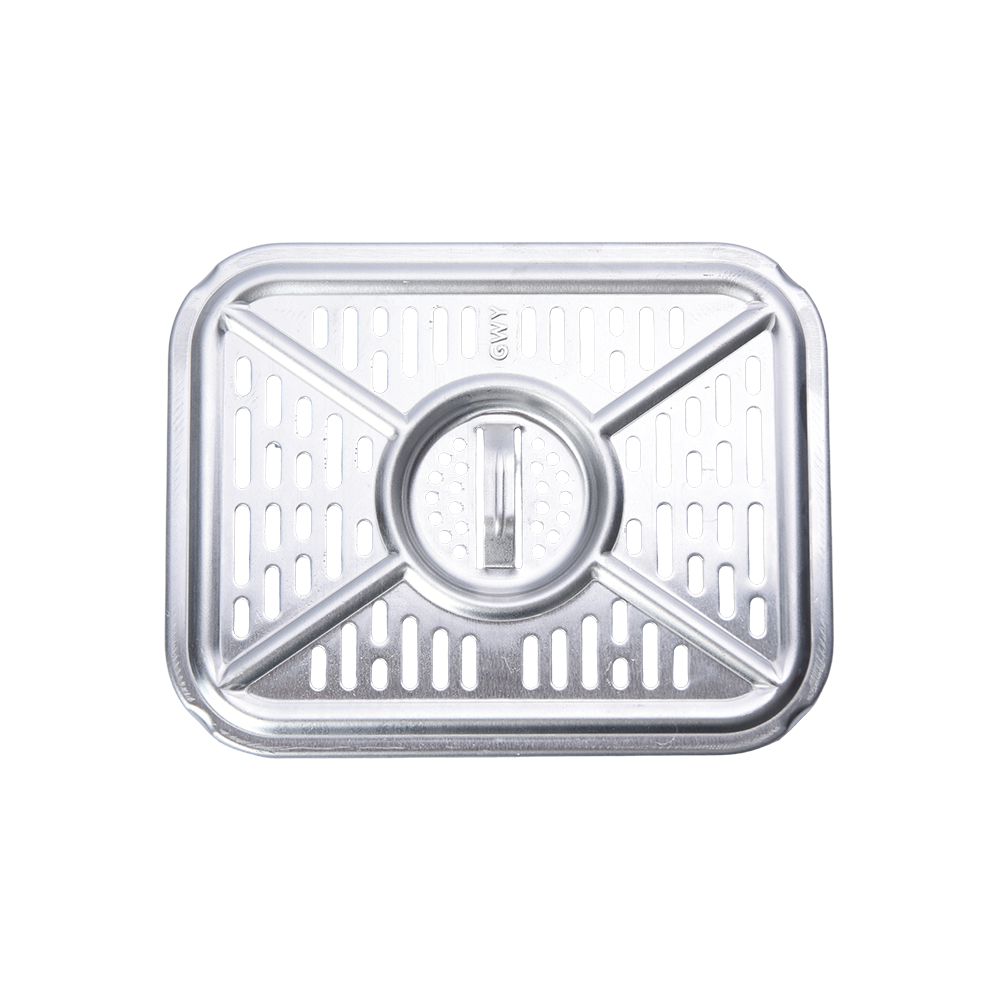
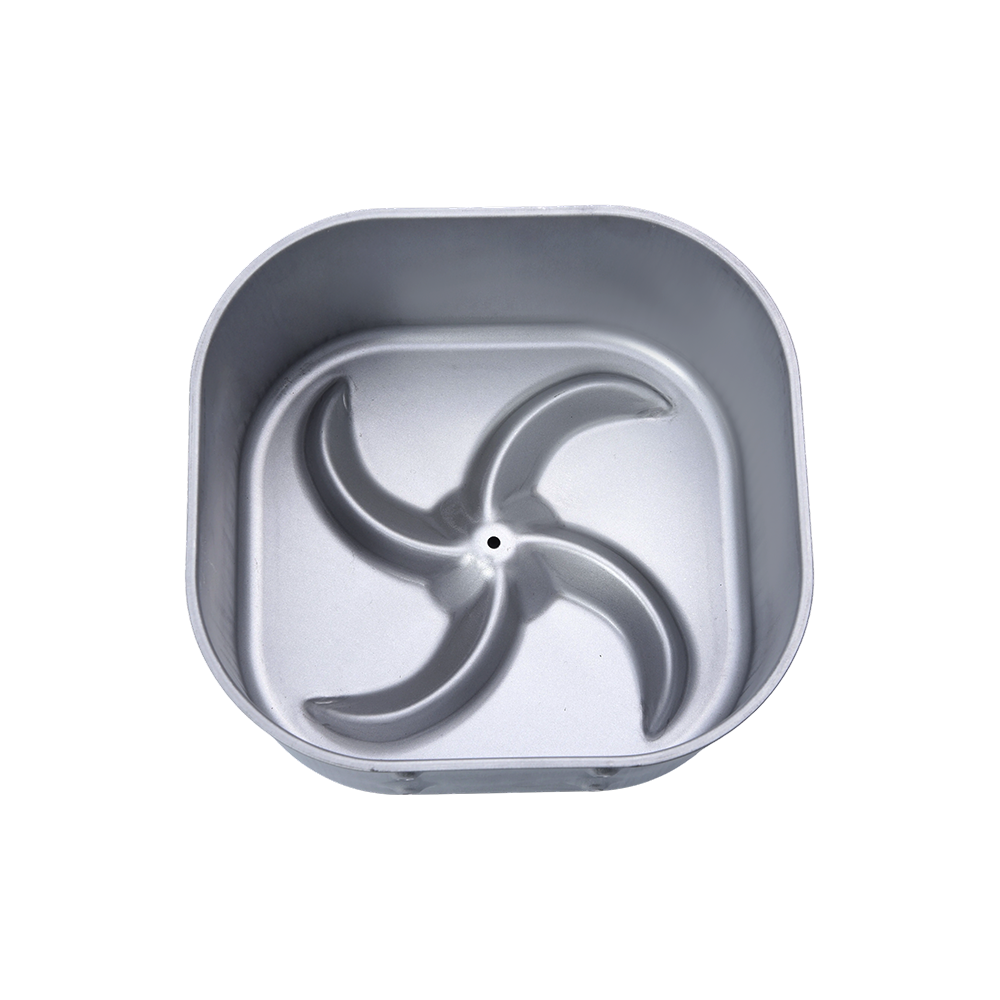
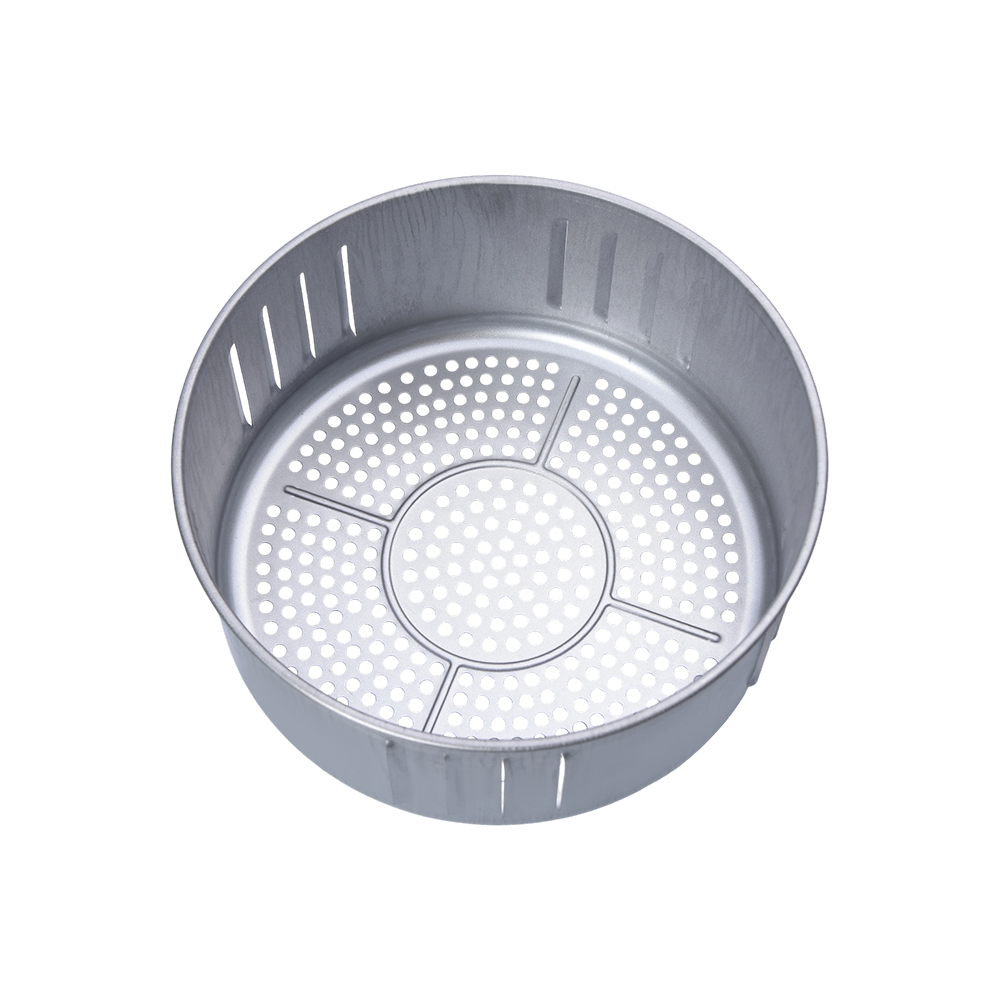
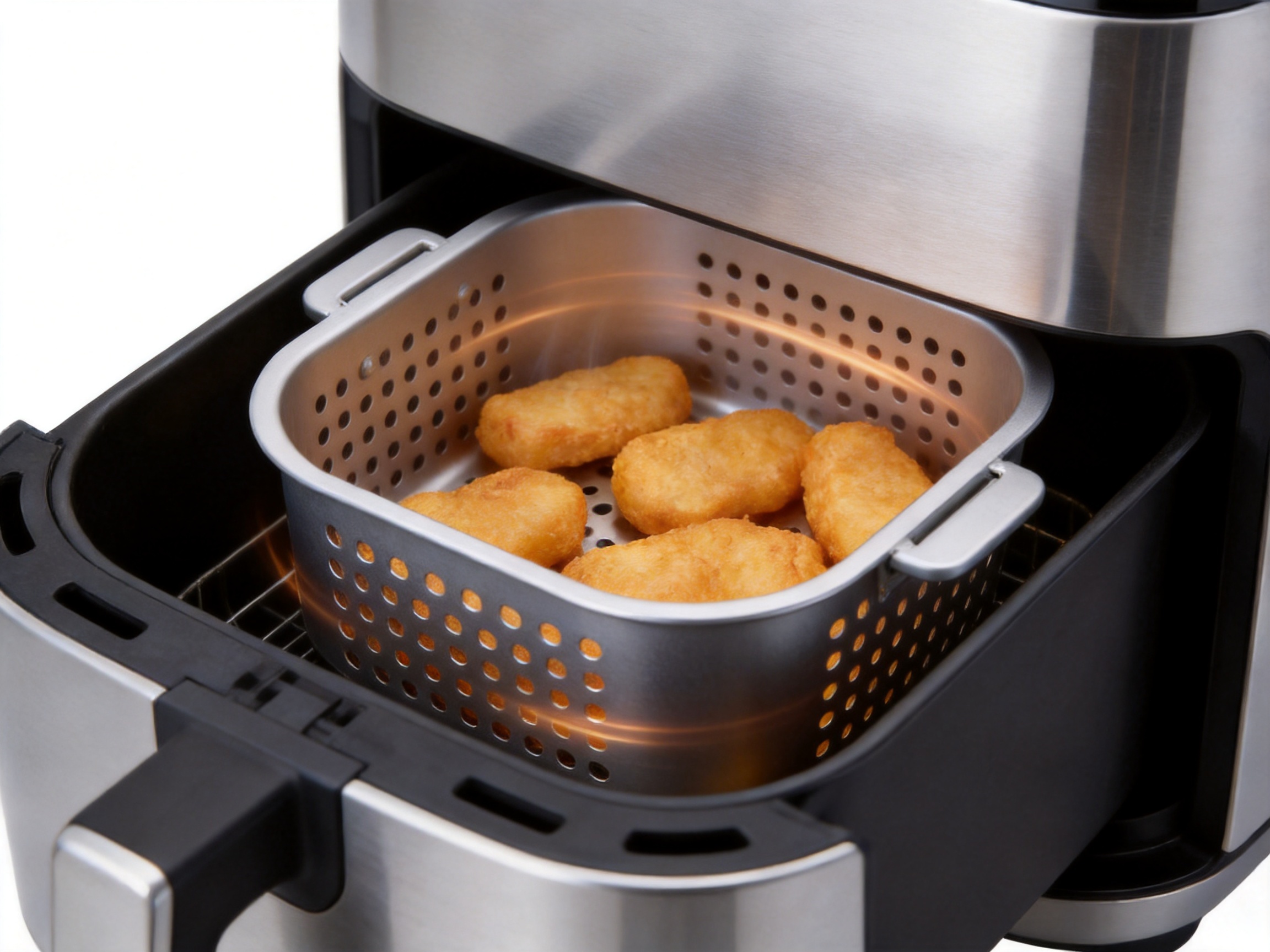
An air fryer container is the inner cooking component installed inside an air fryer. Depending on the appliance design, it may be referred to as an inner pot, cooking basket, food basket, fryer basket, tray, or container assembly. Its primary purpose is to hold food securely while allowing heated air to circulate around the food during cooking.
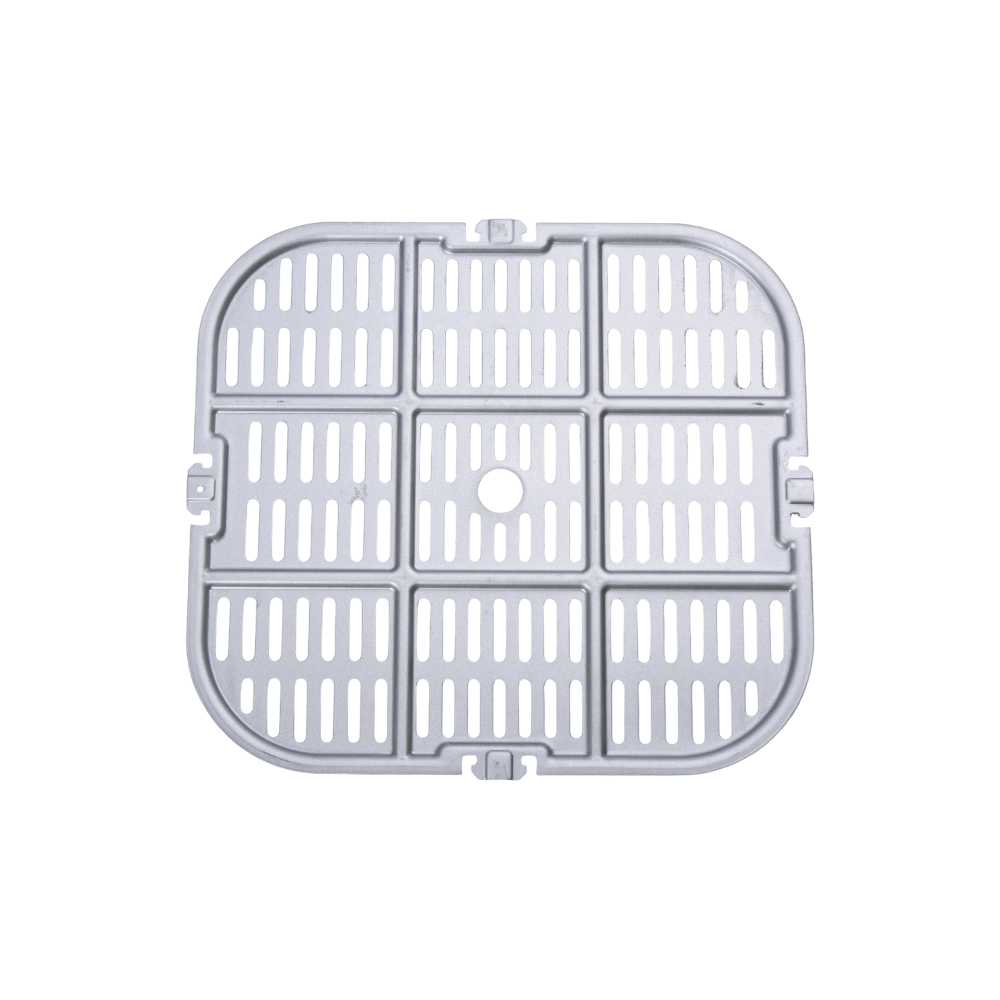
Unlike a simple solid bowl, an air fryer container often incorporates perforations, slots, mesh openings, raised support areas, or other airflow features. These elements help hot air reach multiple sides of the food. Better circulation can contribute to more even heating, improved crispness, and more consistent cooking results.
The container must also cooperate with the outer drawer, heating chamber, handle assembly, and support structure of the air fryer. Dimensional accuracy is therefore essential. A container that is too large may be difficult to insert or remove, while a container that is too small may move during operation or reduce the usable cooking volume.
In addition to functional performance, the container must provide a stable food-contact surface. It should be easy to clean, resistant to ordinary cooking residues, and able to maintain its shape after repeated use. These requirements make the component more technically demanding than its relatively simple appearance may suggest.
For appliance manufacturers, the container is also an important product differentiation element. Its capacity, visual finish, hole pattern, edge treatment, surface quality, and compatibility with accessories can affect the perceived quality of the complete air fryer. A precisely manufactured container can support a more reliable and professional final appliance.
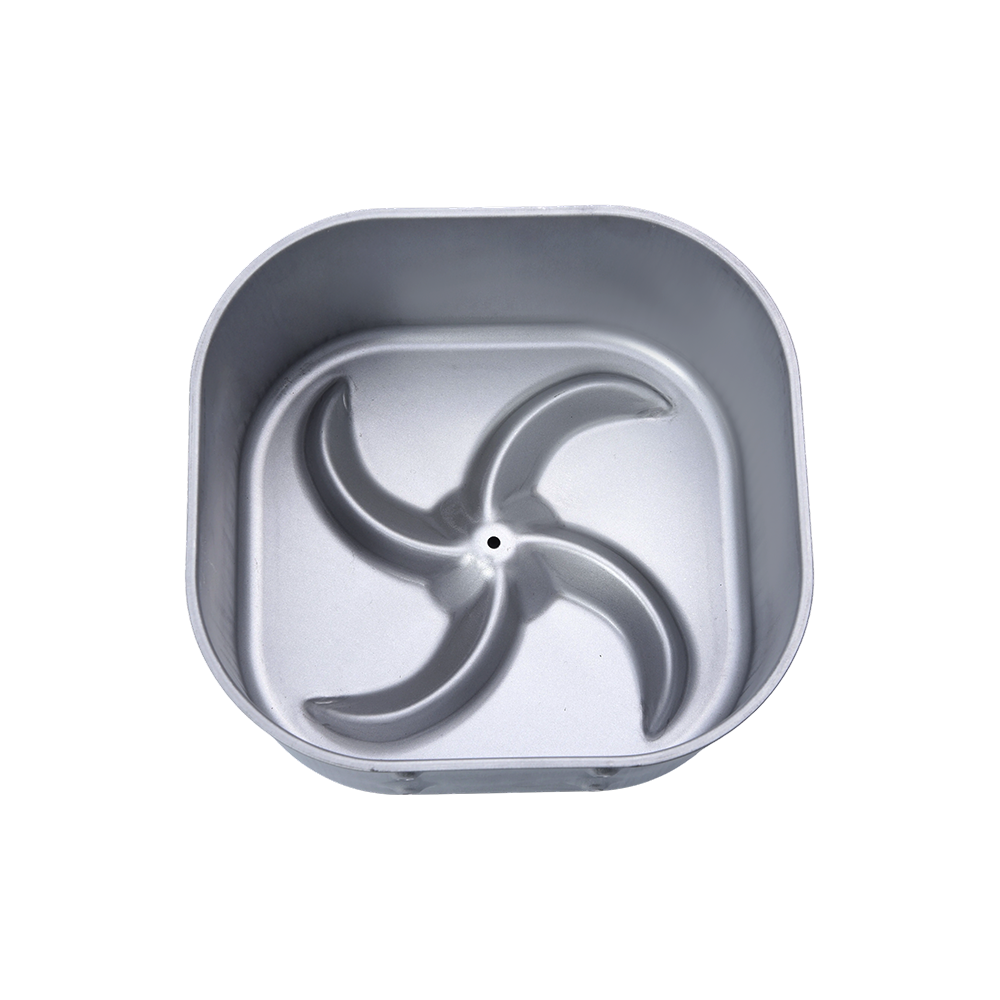
Air Fryer Container
Key Product Features
High-Temperature Service Capability
Air fryers operate through heated air, and the inner container is exposed to elevated temperatures during every cooking cycle. A suitable container must be manufactured from a material and finished according to the intended operating conditions. It must resist deformation, surface deterioration, and loss of dimensional stability under normal use.
The product is developed for high-temperature kitchen appliance applications. Its construction is intended to maintain reliable performance during repeated heating and cooling cycles. Correct material selection, controlled forming, and suitable surface treatment work together to support long-term service.
High-temperature performance is especially important around the upper rim, bottom area, corners, and perforated sections. These regions may experience different thermal conditions during cooking. A carefully engineered forming process helps distribute stress and reduce the risk of local distortion.
Rust and Corrosion Resistance
Kitchen appliance components are frequently exposed to steam, moisture, oil, salt, acidic food residues, and cleaning agents. If a container has insufficient corrosion resistance, its surface may discolor, stain, or deteriorate over time. Corrosion can also make the product more difficult to clean and may negatively affect user confidence.
The air fryer container is intended to provide strong resistance to rust and ordinary corrosion conditions associated with kitchen use. The selected material and surface specification can be adjusted according to the requirements of the appliance manufacturer, target market, food-contact expectations, and cleaning method.
Maintaining corrosion resistance requires more than selecting an appropriate sheet material. The production process must avoid damaging the surface unnecessarily. Drawing, punching, trimming, deburring, cleaning, and finishing operations must be coordinated so that the finished component remains uniform and suitable for its intended application.
Perforated or Mesh-Based Airflow Design
Air circulation is one of the main functional requirements of an air fryer container. Perforated openings allow heated air to pass through the bottom and sides of the container. This can improve the contact between circulating air and the food surface, supporting a crisp exterior while helping retain moisture inside the food.
The opening pattern can be designed according to the air fryer’s heating system, food capacity, structural requirements, and desired cooking behavior. Hole diameter, spacing, distribution, edge distance, and open-area ratio may all influence airflow and mechanical strength.
A properly balanced design avoids excessive openings that could weaken the container or allow small food pieces to fall through. It also avoids insufficient openings that could restrict circulation. The final pattern should be developed in cooperation with the appliance’s airflow layout and cooking objectives.
Stable Shape and Reliable Fit
The container must fit correctly inside the air fryer housing. Dimensional accuracy is important at the rim, base, side walls, support points, and handle connection areas. A stable fit helps prevent unwanted movement, noise, interference, or difficulty during insertion and removal.
Deep drawing and precision stamping provide a practical way to create consistent container geometry. Properly developed dies can control wall shape, corner radii, bottom formation, and flange dimensions. Production monitoring helps maintain repeatability across large quantities.
A stable container also supports safer handling. If the component sits correctly inside the drawer or cooking chamber, the user can remove it more confidently. The container should not tilt unexpectedly or make contact with surrounding components during normal operation.
Easy Cleaning
Food residue, oil, seasoning, and grease are common by-products of air frying. A container that is difficult to clean can reduce the convenience of the appliance. Smooth surfaces, carefully treated edges, suitable perforation design, and minimized residue-collecting areas can make routine maintenance easier.
The product is designed with cleaning practicality in mind. Its surface can resist ordinary stains and food residue when the appropriate material and finish are selected. Rounded transitions and controlled forming can reduce sharp internal corners where grease or particles might accumulate.
Cleaning requirements vary by product design. Some customers may specify a surface coating, while others may prefer an uncoated or mechanically finished metal surface. The manufacturing process can be adjusted to meet the required appearance, cleaning method, and market positioning.
Advantages Compared with Ordinary Alternatives
More Consistent Dimensions
One of the main differences between a professionally manufactured air fryer container and a low-quality alternative is dimensional consistency. Inconsistent dimensions can lead to poor fit, uneven gaps, unstable positioning, or difficulty in assembly.
Controlled stamping and deep-drawing operations support repeatable dimensions from one production batch to another. Tooling is developed around the customer’s approved drawings or samples, and critical dimensions can be monitored during production. This is particularly valuable for appliance manufacturers that need to assemble thousands of units efficiently.
Consistent geometry also simplifies downstream operations. Handles, racks, dividers, support plates, and outer drawers can be matched more accurately when the container dimensions remain within the defined tolerance range.
Improved Airflow Performance
Some basic containers rely on a limited number of openings or an unsuitable hole arrangement. Such designs may restrict airflow and create uneven heating. A professionally developed perforated design considers both air movement and mechanical durability.
The opening pattern can be customized for the appliance’s internal airflow path. The bottom and side openings may be configured differently where necessary. This allows the design to balance cooking performance, structural strength, food retention, and cleaning convenience.
Better Resistance to Daily Use
Air fryer containers are often inserted, removed, washed, and stored repeatedly. They may be exposed to contact with metal racks, cooking utensils, food ingredients, and cleaning tools. A robust container should withstand these ordinary activities without easily bending or losing its shape.
Deep-drawn metal construction can provide a strong integrated form with fewer separate joints. Depending on the design, this may reduce weak connection points and improve the overall stability of the container. Controlled edge treatment also helps reduce sharp areas that could cause handling problems.
More Reliable Surface Quality
Surface quality affects both appearance and functionality. Visible scratches, dents, uneven edges, or poorly finished openings can reduce the perceived quality of the complete appliance. They may also make cleaning more difficult.
Professional production includes surface inspection and process control. Defect prevention begins with suitable raw material handling and continues through forming, trimming, punching, cleaning, finishing, and packaging. The objective is to deliver a component that is consistent in appearance as well as performance.
Flexible OEM and ODM Support
Standard containers may not fit every air fryer design. Appliance brands often require different capacities, depths, handle positions, hole patterns, edge profiles, or surface treatments. A manufacturer with tooling and metal-forming capabilities can develop a component around the customer’s product architecture.
OEM production allows the customer to provide drawings, specifications, samples, or a complete appliance design. ODM support can assist customers that need help converting a concept into a manufacturable metal component. This flexibility can shorten development time and reduce the difficulty of coordinating multiple suppliers.
| Evaluation Factor | Professionally Manufactured Container | Basic or Poorly Matched Alternative |
|---|---|---|
| Dimensional consistency | Controlled through tooling, sampling, and in-process inspection | May vary between batches or suppliers |
| Airflow design | Perforations can be developed for circulation and strength | May use a fixed pattern without appliance-specific optimization |
| Fit inside the appliance | Designed around approved dimensions and interfaces | May cause movement, interference, or assembly difficulty |
| Surface quality | Managed through forming, finishing, cleaning, and inspection | May contain scratches, burrs, stains, or uneven edges |
| Customization | Supports OEM/ODM dimensions, finishes, and configurations | Usually limited to standard sizes |
| Production support | Includes tooling development, prototyping, and batch manufacturing | May provide limited technical assistance |
| Quality consistency | Supported by documented production and inspection procedures | May depend heavily on manual variation |
Materials and Surface Considerations
Material selection should be based on the air fryer’s operating temperature, food-contact expectations, structural requirements, target cost, surface appearance, and cleaning conditions. The exact material grade should be confirmed through the customer’s technical specification and intended market regulations.
Metal sheet for the container must have suitable formability for deep drawing and stamping. If the material is too difficult to form, it may crack, wrinkle, or develop excessive thinning during production. If it is too soft for the application, the finished container may be more vulnerable to dents or deformation.
Surface requirements may include a natural metal finish, polished appearance, brushed appearance, protective treatment, or an appropriate coating system. Each option has different implications for appearance, cleaning, abrasion resistance, production cost, and process control.
Edges require particular attention. A container with punched openings or trimmed flanges should be properly deburred and finished. Smooth edges improve handling comfort and reduce the possibility of food residue collecting around rough areas. They also support a more professional appearance when the component is visible to the end user.
Customers should define whether the container will be washed by hand, placed in a dishwasher, cleaned with abrasive tools, or used with specific detergents. These conditions can influence the recommended material and surface specification.
Advanced Manufacturing Process
1. Technical Review and Product Definition
Production begins with a review of the customer’s drawings, samples, three-dimensional data, or appliance requirements. Engineers evaluate the container’s overall dimensions, wall shape, bottom design, openings, flange, corner radii, handle interface, and assembly relationships.
This stage identifies potential forming difficulties before tooling is produced. The team may review material thickness, draw depth, blank size, punch geometry, die clearance, trimming allowance, and opening distribution. Early technical communication helps avoid costly modifications later in the project.
For customers without complete drawings, the product can be developed from a sample or functional description. Important information includes appliance model, internal space, expected capacity, cooking temperature, food types, surface preferences, and estimated annual volume.
2. Material Preparation
Sheet material is prepared according to the approved specification. Incoming material may be checked for thickness, surface condition, flatness, and general conformity. Proper storage and handling help prevent scratches, contamination, and deformation before forming begins.
Material traceability is useful for production control. It allows the manufacturer to associate finished batches with the relevant material records and process documentation. This is particularly important for customers operating formal quality systems or supplying regulated markets.
3. Tooling and Die Development
Deep drawing and stamping depend heavily on suitable tooling. The die must guide the sheet accurately while controlling material flow during forming. Tool design may include blank holders, drawing radii, punches, trimming sections, piercing features, and forming stages.
The correct number of forming stages depends on the container’s depth, shape, material, thickness, and geometry. A shallow component may be formed in fewer operations, while a deeper or more complex container may require multiple stages to reduce stress and maintain dimensional accuracy.
Tooling quality directly affects production stability. Well-maintained dies can support repeatable dimensions, reduce surface marks, and minimize unplanned downtime. Tool maintenance schedules can be established according to production volume and wear conditions.
4. Deep Drawing
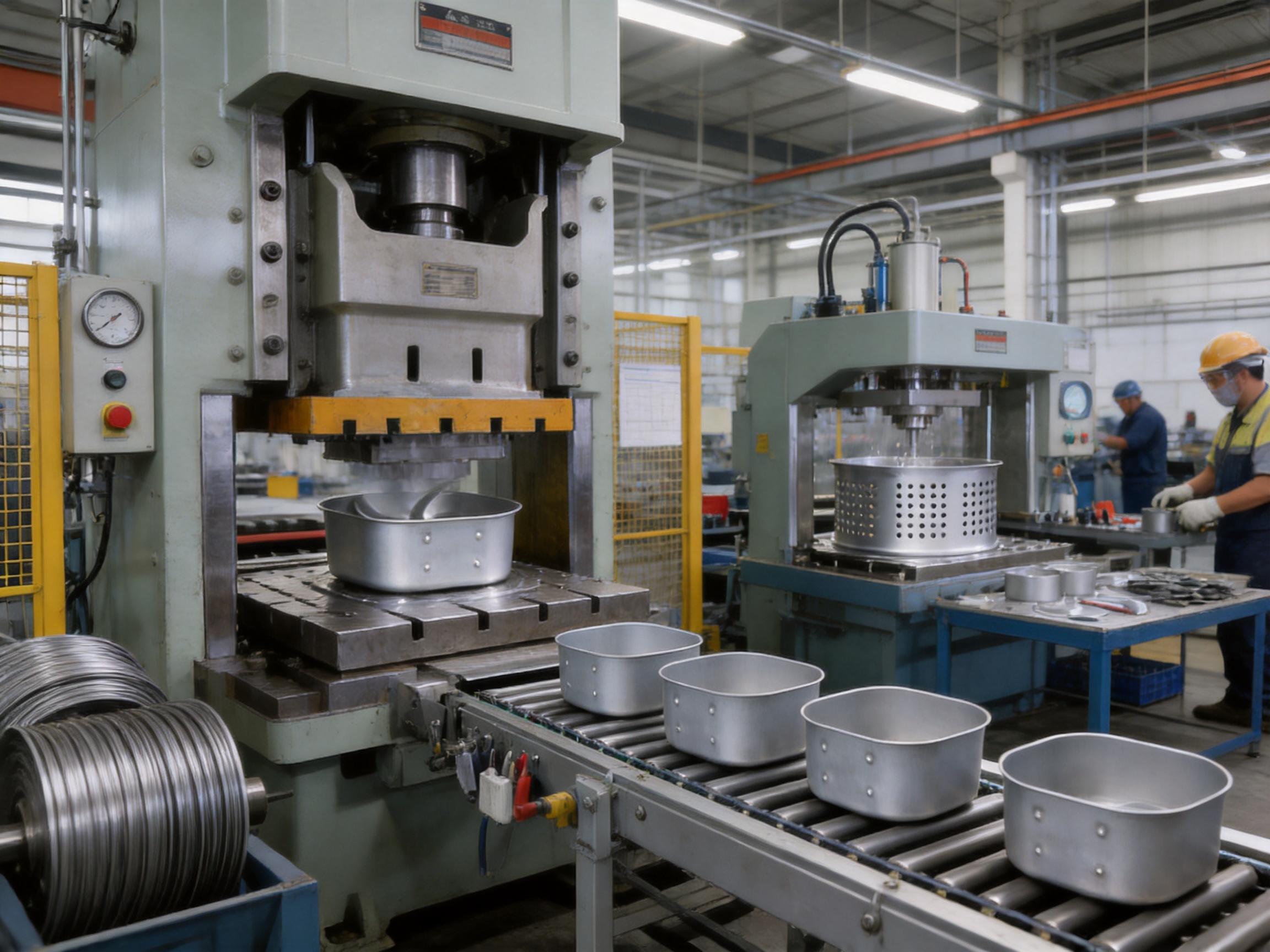
Deep drawing transforms a flat sheet blank into a three-dimensional container. The sheet is drawn over or into a forming tool to create the bottom and side walls. This process is well suited to inner pots and containers because it can produce an integrated structure with controlled depth and smooth continuous walls.
Process parameters may include press force, drawing speed, lubrication, blank-holder pressure, tool radius, and stage sequence. These parameters must be controlled to prevent wrinkles, tearing, excessive thinning, or dimensional deviation.
The forming process is optimized according to the approved product design. A design with generous and appropriate radii is generally easier to form than one with abrupt corners or excessively tight transitions. Engineering review can identify design changes that improve manufacturability without reducing product function.
5. Stamping and Perforation
After the primary container shape is formed, stamping operations may create the airflow holes, slots, mounting points, positioning features, and other details. Depending on the design, some openings may be produced before drawing, after drawing, or through a combination of processes.
The timing of perforation is important. Openings produced too early may distort during forming, while openings produced too late may be difficult to position accurately. Process planning therefore considers both the container geometry and the required hole pattern.
Press tooling can be designed for efficient repeated production. Appropriate punch clearance helps create clean holes and reduce burr formation. Tool alignment and maintenance are monitored to keep the opening pattern consistent across the batch.
6. Trimming and Edge Formation
The container may require trimming to achieve the final height, rim profile, or flange shape. Accurate trimming helps the component fit correctly into the air fryer assembly. It also provides a consistent edge for handling and further processing.
Flanges and rolled edges can contribute to rigidity and user comfort. The selected edge design depends on the appliance structure, available space, cleaning expectations, and required appearance. Edge formation must be controlled carefully to prevent unevenness or sharp sections.
7. Deburring and Surface Treatment
After stamping and trimming, the component is processed to remove undesirable burrs and sharp projections. The specific method depends on the geometry, material, volume, and surface requirements. Deburring improves safety, cleanliness, and the overall quality of the finished part.
Surface treatment may include cleaning, polishing, brushing, protective processing, or an approved coating system. The selected treatment should be compatible with the intended temperature, food-contact requirements, cleaning conditions, and visual standard.
8. Inspection and Functional Verification
Inspection is carried out throughout production rather than only at the end. Operators and quality personnel may check key dimensions, hole positions, edge condition, surface finish, forming quality, and fit against reference gauges or approved samples.
Functional verification may include trial assembly with the air fryer drawer or housing. This can confirm insertion, removal, seating, handle clearance, stability, and compatibility with related parts. Where appropriate, customers may define additional tests for temperature exposure, cleaning resistance, corrosion performance, or repeated-use durability.
9. Cleaning, Packaging, and Shipment
Finished containers are cleaned to remove production residues and prepared for packaging. Packaging should protect the surface from scratches, impact, moisture, and contamination during transportation and storage.
Packaging design can be adjusted for domestic delivery, export shipment, container loading, warehouse storage, or customer assembly lines. Protective separators, bags, cartons, pallets, and labeling may be specified according to the customer’s logistics requirements.
Manufacturing Strengths of the Supplier
Yuyao Hongli Optoelectronics Co., Ltd. is located in Yangming Science and Technology Industrial Park, Yuyao, Zhejiang Province, China. Established in 2000, the company has more than 20 years of experience in metal stamping and related manufacturing services.
The company operates a modern factory of approximately 5,000 square meters and has more than 60 employees. Its manufacturing scope covers metal stamping parts, deep-drawn parts, bending parts, kitchen appliance accessories, automotive stamping parts, optical instrument components, educational instruments, household electric heater parts, small appliance parts, hardware products, and related plastic products.
This product diversity is valuable because it develops experience across different material behaviors, shapes, tolerances, production volumes, and application environments. Knowledge gained from automotive stamping, hardware production, appliance components, and deep-drawn products can contribute to better process planning for air fryer containers.
The company supports manufacturing, processing, wholesale, retail, import, and export services. This enables it to work with different types of customers, including appliance manufacturers, product development companies, trading organizations, distributors, and international buyers.
OEM and ODM customization are central capabilities. Customers can request a component based on drawings, samples, design concepts, or complete product requirements. The supplier can support prototype development, tooling coordination, process conversion, batch production, quality control, and after-sales communication.
Rapid prototyping and efficient production conversion are particularly useful for emerging kitchen appliance brands. Air fryer models may change quickly as brands introduce new capacities, digital controls, cooking programs, and visual designs. A responsive metal component supplier can help customers move from concept to production with fewer delays.
Quality Control for Air Fryer Containers
Quality control begins with clearly defined customer requirements. These may include material, thickness, dimensions, tolerances, hole pattern, surface appearance, edge condition, fit, packaging, and applicable testing standards. A detailed specification reduces ambiguity and supports consistent production.
Incoming material inspection helps confirm that the sheet material is suitable for the planned process. During forming, operators monitor the appearance of drawn surfaces and watch for defects such as cracks, wrinkles, dents, scratches, excessive thinning, or incomplete formation.
Perforation quality is also important. Openings should be located correctly and formed cleanly. Burrs, deformation, blocked holes, or inconsistent spacing can affect airflow, appearance, cleaning, and safety.
Dimensional inspection may use calipers, height gauges, plug gauges, templates, coordinate measurement equipment, or dedicated fixtures. The appropriate inspection method depends on the tolerance requirements and production volume.
Sample assembly provides an additional level of verification. The container should be checked inside the intended appliance structure to confirm seating, clearance, handle operation, and removal. A component that meets isolated dimensions may still need assembly verification because several interfaces work together in the final product.
Final inspection can include visual examination, quantity confirmation, packaging review, and documentation. Customers may request inspection reports, first-article approval, sample retention, batch records, or other quality documents according to their internal procedures.
Design Customization Options
Capacity and Dimensions
The container can be developed for different air fryer capacities and internal layouts. Width, depth, height, wall angle, bottom area, and rim dimensions can be adjusted to match the complete appliance.
Hole Pattern and Airflow Area
Customers may specify round holes, elongated slots, grouped openings, or other patterns. The final design should preserve the required strength and food retention while supporting the appliance’s airflow objectives.
Rim and Edge Profile
The rim may be designed for increased rigidity, improved handling, or compatibility with a drawer or frame. Edge geometry can also influence cleaning and the visual appearance of the finished appliance.
Handle and Assembly Interface
The container can be prepared for a handle, support bracket, removable rack, divider, or other accessory. Hole positions, mounting surfaces, and clearances should be coordinated with the complete assembly.
Surface Finish
Surface appearance can be selected according to the customer’s brand positioning and technical requirements. Options may include a natural metal appearance, brushed finish, polished finish, protective treatment, or suitable coating specification.
Packaging and Labeling
Packaging can be customized for individual retail products, bulk industrial shipments, replacement parts, or assembly-line delivery. Product labels, batch identification, carton marks, and shipping instructions may also be incorporated.
Application Value for Different Buyers
For air fryer manufacturers, a reliable container supplier helps stabilize assembly and reduce quality problems in the finished appliance. Consistent dimensions and predictable surface quality can reduce rework and support efficient production scheduling.
For kitchen appliance brands, customized containers can support differentiated product designs. A unique capacity, hole pattern, rim profile, or surface finish may help a product achieve a distinct market position while retaining efficient metal manufacturing methods.
For distributors and importers, dependable production and packaging support can reduce the risks associated with inconsistent batches. A supplier with export experience can help coordinate product specifications, order quantities, documentation, and shipment preparation.
For replacement-part suppliers, accurate dimensions are essential for compatibility. Customers purchasing replacement containers expect the part to fit the intended appliance and provide comparable functionality to the original component.
For product development teams, early manufacturing consultation can identify design risks before mass production. This may include excessive draw depth, difficult corners, unsuitable hole spacing, insufficient edge clearance, or finishing requirements that increase cost unnecessarily.
Product Selection and Purchasing Guidance
Before ordering an air fryer container, buyers should prepare the most complete technical information possible. Useful materials include two-dimensional drawings, three-dimensional files, physical samples, photographs, appliance model information, target volume, and intended market.
The buyer should also define the operating environment. Important points include expected cooking temperature, heating cycle frequency, food types, cleaning method, dishwasher exposure, surface appearance, and whether the component will be sold as part of a complete appliance or as a replacement part.
Fit requirements should be confirmed carefully. The container must be evaluated together with the drawer, outer housing, heating element, rack, handle, and any removable accessories. A supplier can provide better technical feedback when these relationships are clearly documented.
Sample approval is recommended before mass production. A prototype or pre-production sample allows the customer to check fit, appearance, handling, airflow-related design features, and assembly sequence. Any required changes can then be incorporated into the tooling or process plan.
Buyers should also ask about production capacity, lead time, tooling ownership, inspection procedures, packaging, minimum order quantity, and after-sales support. These commercial details can affect the total project cost and supply continuity as much as the unit price.
Environmental and Operational Considerations
Durable kitchen appliance components can support longer product service life by reducing premature replacement. A container that maintains its shape and surface condition through repeated use may contribute to a more sustainable appliance experience.
Efficient material utilization is another consideration in stamped and drawn metal production. Blank layout, tooling design, and process planning can influence scrap generation. Manufacturers may evaluate these factors when developing high-volume products.
Packaging can also be optimized. Protective packaging is necessary to prevent damage, but excessive packaging may increase material consumption and logistics costs. The appropriate approach depends on transportation conditions, product sensitivity, stacking method, and customer requirements.
Environmental compliance should be addressed according to the destination market and product specification. Material declarations, coating information, chemical restrictions, food-contact requirements, and packaging regulations may apply depending on how the container is used and sold.
Q&A: Air Fryer Container Manufacturing and Use
What is the main function of an air fryer container?
The main function is to hold food inside the air fryer while allowing heated air to circulate around it. The container also supports safe handling, stable positioning, cooking consistency, and convenient cleaning.
Why does the container need perforations?
Perforations help hot air move through and around the food. This can support more even heating and a crispier surface. The hole pattern must be balanced with structural strength and the need to retain smaller food pieces.
Can the container be customized for a specific air fryer model?
Yes. The dimensions, depth, capacity, opening pattern, rim, edge profile, mounting points, handle interface, and surface finish can be customized according to the appliance design and customer requirements.
Is deep drawing suitable for air fryer inner pots?
Deep drawing is well suited to many inner pot designs because it can create a three-dimensional container from sheet metal with continuous walls. The exact process depends on the depth, geometry, material, thickness, and required production volume.
What information is needed for a quotation?
Useful information includes drawings or samples, material requirements, dimensions, estimated order quantity, surface finish, hole pattern, packaging requirements, target delivery schedule, and destination market. Photographs and appliance interface details are also helpful.
Can the manufacturer provide prototypes?
Prototype and sample development can be supported according to the project requirements. A prototype allows the customer to evaluate fit, appearance, handling, and functional relationships before committing to full-scale production.
How can buyers confirm that the container will fit?
Buyers should provide complete interface dimensions or an appliance sample. The container should be checked with the drawer, rack, handle, and surrounding housing. Trial assembly and sample approval are recommended before mass production.
What surface finishes are available?
Available finishes depend on the selected material, application, and customer specification. Possible options include natural metal, brushed, polished, protective treatment, or an appropriate coating system. The finish should be evaluated for temperature, cleaning, abrasion, and food-contact conditions.
How are sharp edges and burrs controlled?
Edge quality is controlled through suitable tooling, trimming, deburring, cleaning, and inspection. The specific method depends on the container shape and opening design. Finished components should meet the customer’s requirements for handling safety and surface quality.
Can the container be supplied in large quantities?
The supplier has stamping workshops, production personnel, tooling capabilities, and a modern manufacturing facility intended to support both development projects and batch production. Capacity planning should be confirmed according to the required annual volume and delivery schedule.
Is the container suitable for replacement-part programs?
It can be developed for replacement applications when the required dimensions and interfaces are available. Accurate model information, samples, or drawings are important for ensuring compatibility with the intended appliance.
What makes a professionally manufactured container better than a low-cost alternative?
The primary advantages are more consistent dimensions, better fit, controlled airflow openings, improved edge quality, stronger process control, customization support, and more reliable batch-to-batch performance. These factors can reduce assembly problems and improve the end-user experience.
Conclusion
The air fryer container is a critical functional component rather than a simple metal accessory. Its design affects airflow, cooking consistency, handling, cleaning, durability, and compatibility with the complete appliance. A high-quality container must combine suitable material selection, precise forming, clean perforations, stable dimensions, smooth edges, and dependable surface performance.
The product described here is developed for kitchen appliance applications requiring high-temperature resistance, rust resistance, corrosion resistance, reliable fit, and convenient cleaning. Its perforated or mesh-style design supports hot-air circulation, while deep drawing, stamping, bending, trimming, and finishing processes provide a practical route to consistent production.
Yuyao Hongli Optoelectronics Co., Ltd. contributes more than 20 years of experience in metal stamping and related products. With a 5,000-square-meter factory, more than 60 employees, multiple stamping workshops, OEM/ODM capability, rapid prototyping support, and broad experience in deep-drawn and precision sheet metal parts, the company can support customers from initial design review through mass production and delivery.
For appliance manufacturers, importers, distributors, and product developers, selecting the correct container supplier can improve product reliability and reduce manufacturing risk. A well-engineered air fryer container supports the performance of the entire appliance and creates a better experience for the final user.
Customers requiring customized air fryer containers, deep-drawn metal parts, stamped components, bending parts, or precision sheet metal solutions can provide drawings, samples, specifications, or project requirements for technical evaluation and quotation.
References
1. General principles of sheet metal forming, deep drawing, stamping, and bending process control.
2. Technical guidance on the design of perforated cooking baskets and hot-air circulation components.
3. Manufacturing quality management practices for stamped and deep-drawn metal components.
4. General material selection considerations for high-temperature kitchen appliance parts.
5. Industrial recommendations for deburring, edge finishing, surface treatment, and metal component inspection.
6. Product development principles for OEM and ODM kitchen appliance components.
7. General packaging and shipment practices for precision metal parts and appliance accessories.
Product: Air Fryer Container
Previous Post
No previous article
Next Post
Precision Stamped Circular Parts with Holes for Demanding Industrial Applications
News
-
-
If you have ever asked yourself, “How do I find a reputable metal fabricator?” you are not alone. As a manufacturer with more than 20 years...
READ MORE -
Steel is the backbone of modern manufacturing, yet it is never a single, uniform material. When engineers and buyers ask, "How can you clas...
READ MORE -
Sheet metal bending is one of the most fundamental processes in metal fabrication. It turns a flat sheet of steel, aluminum, or copper into...
READ MORE
Get Fresh Updates Via Email
We promise we will never disclose your email address, and you can opt out at any time.
-
Quick Links
Home About Us Products Service News Contact Us -
Product list
Deep-drawn parts Stamped parts Bending parts Kitchen appliance accessories Automotive stamping parts -
About Us
Factory Honour FAQ -
News
Company News Industry News -
Contact Us
Address: South side of Shunke Road, Yangming Science and Technology Industrial Park, Yuyao City, Zhejiang Province, China Tel: +86-13905842349/+86-13738485724 Email: hongli@hl-stamping.com
Copyright © Yuyao Hongli Optoelectronics Co., Ltd. All Rights Reserved.
Custom Precision-Sheet/Sheet Metal Stamping Manufacturers
