


 English
 русский
 Español
 عربى


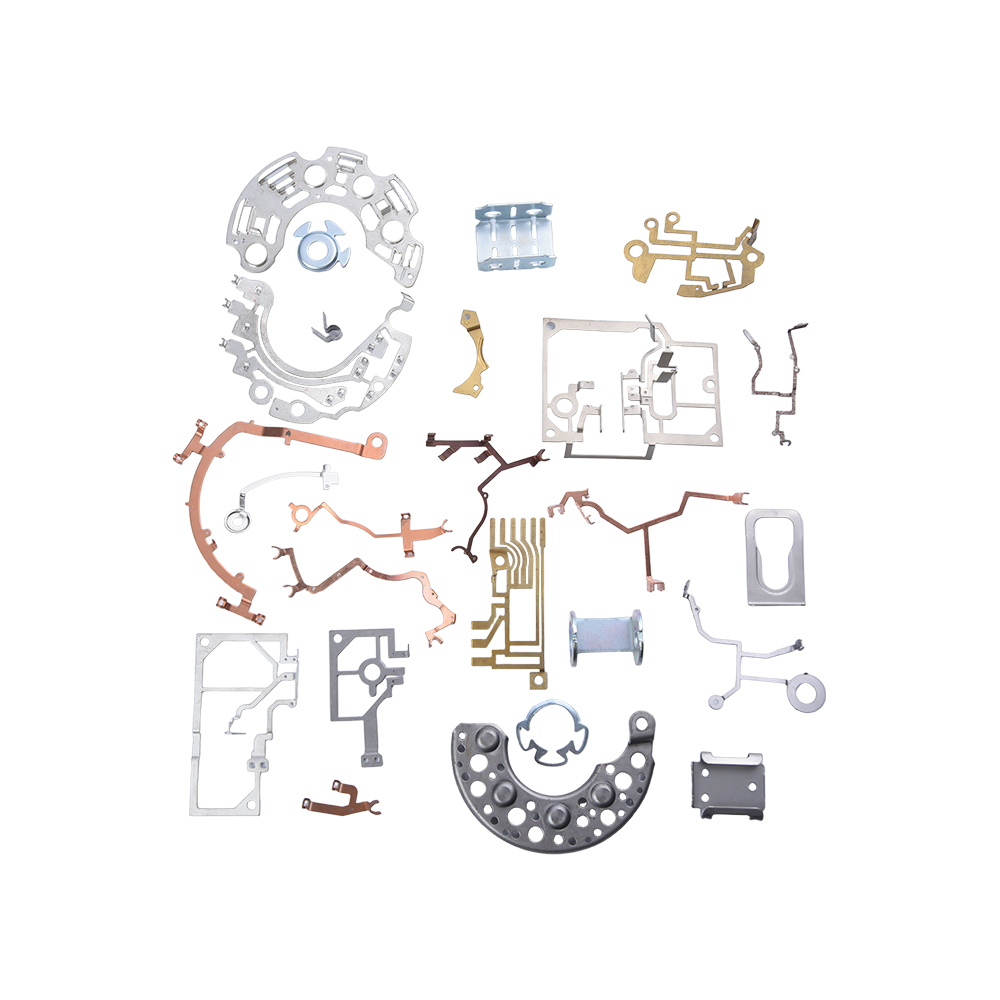
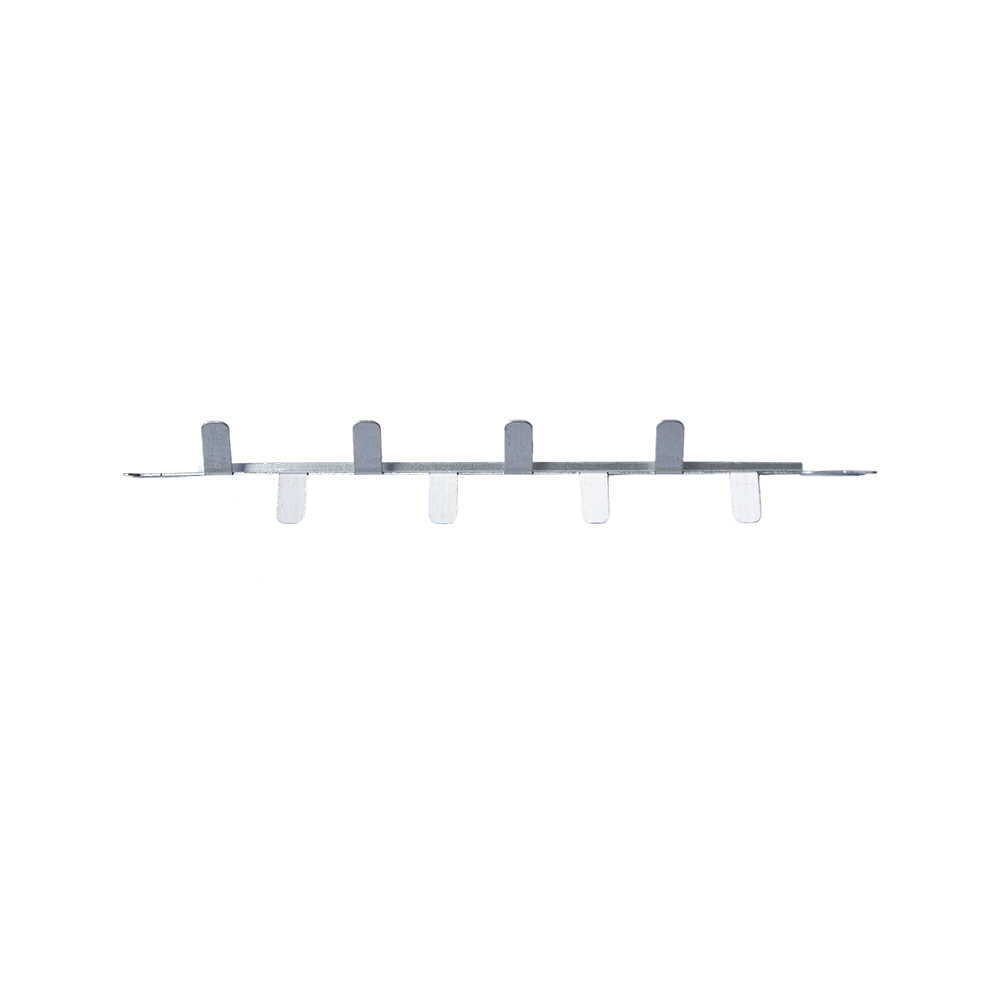
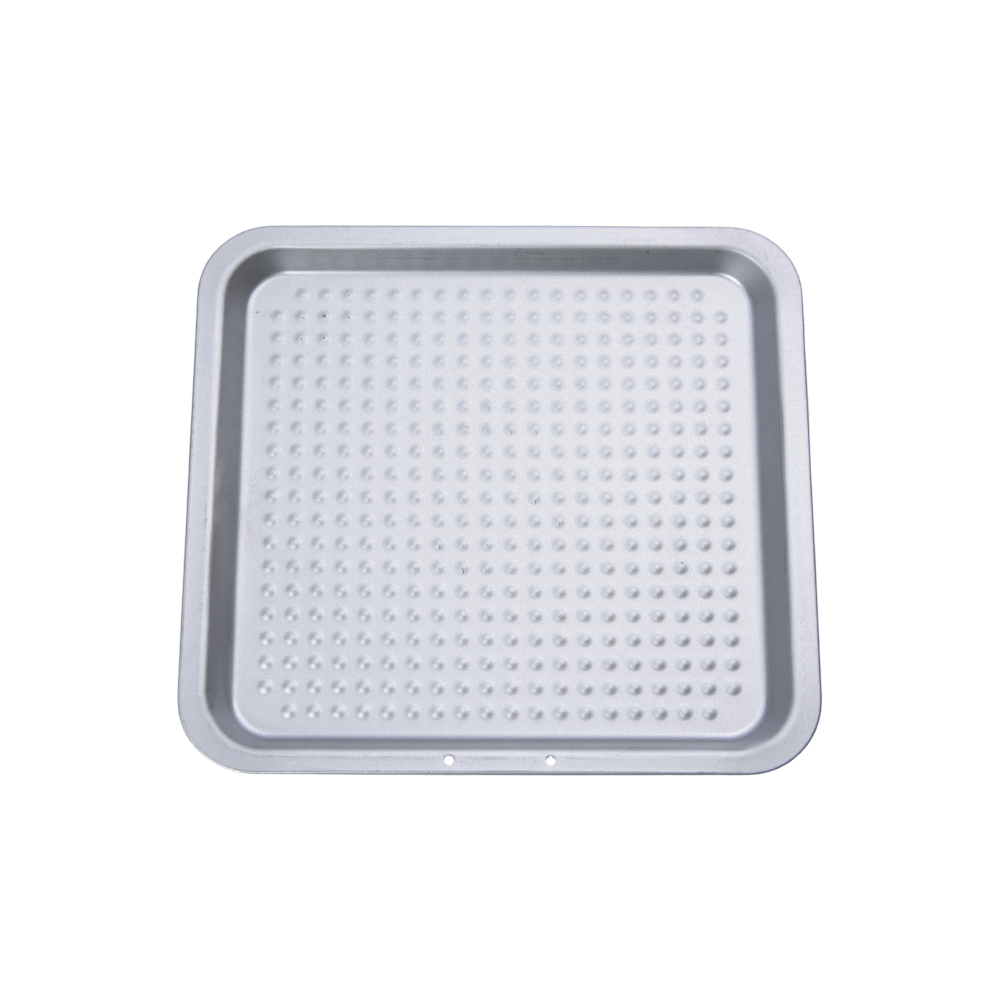
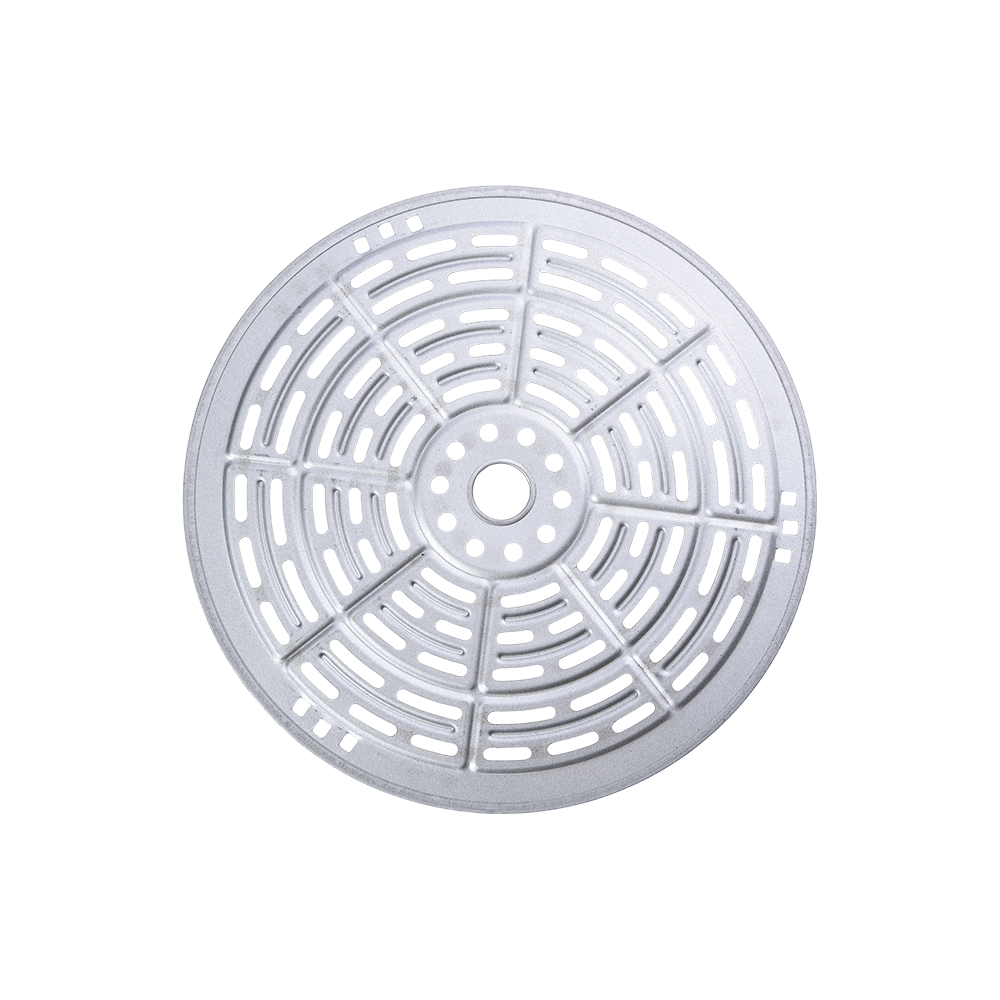
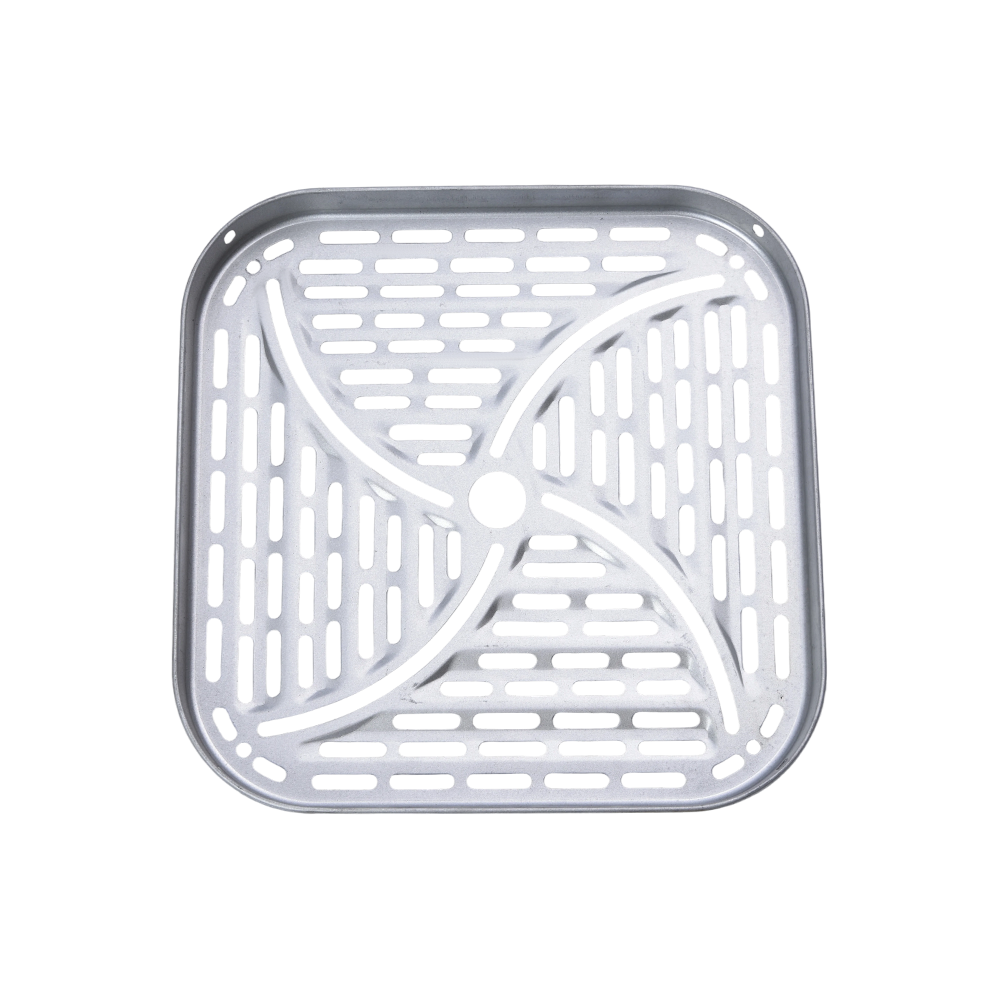
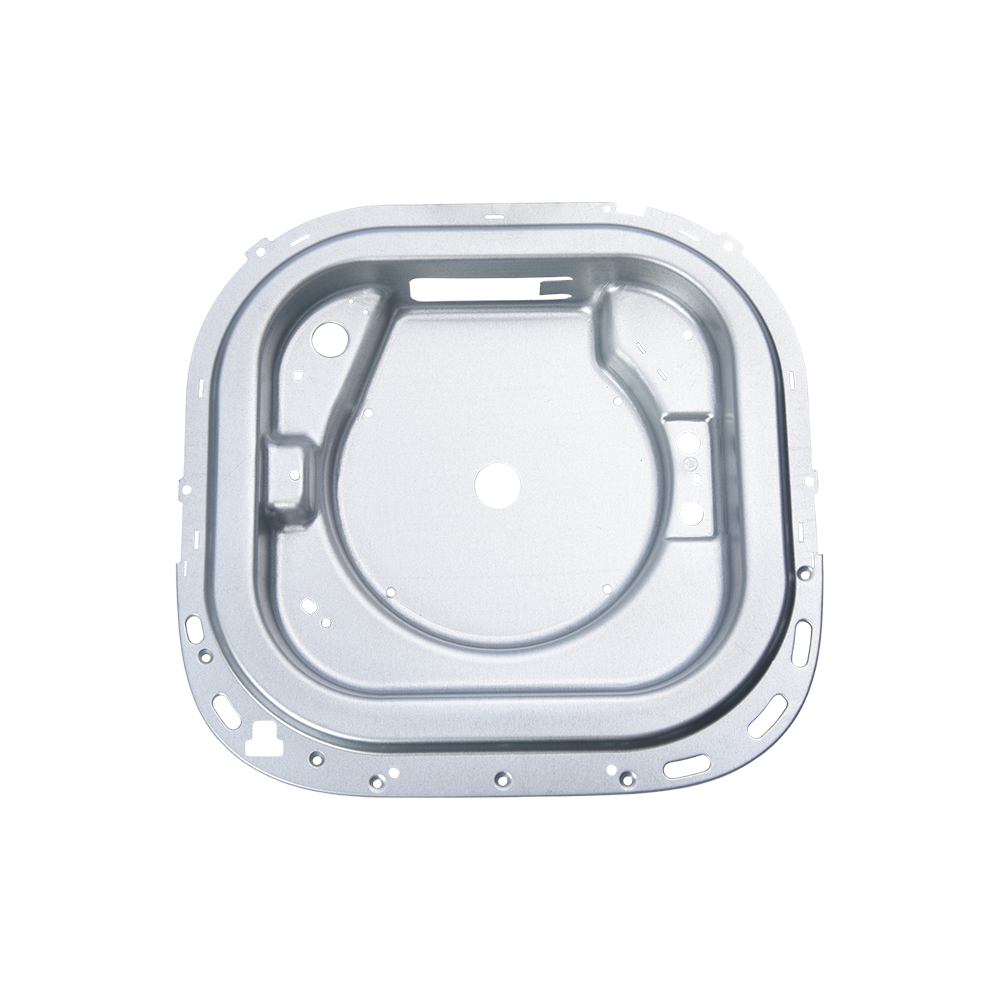
What Are Stamped Parts? Stamped parts are metal components produced by pressing flat sheet metal between a die and a punch to cut, bend, or...
READ MORE

News
Home / Author / Chen Ruoxi — Overseas Product Sales Manager / Precision Stamped Miniature Parts for Demanding Industrial Applications
Precision Stamped Miniature Parts for Demanding Industrial Applications
2026-10-18
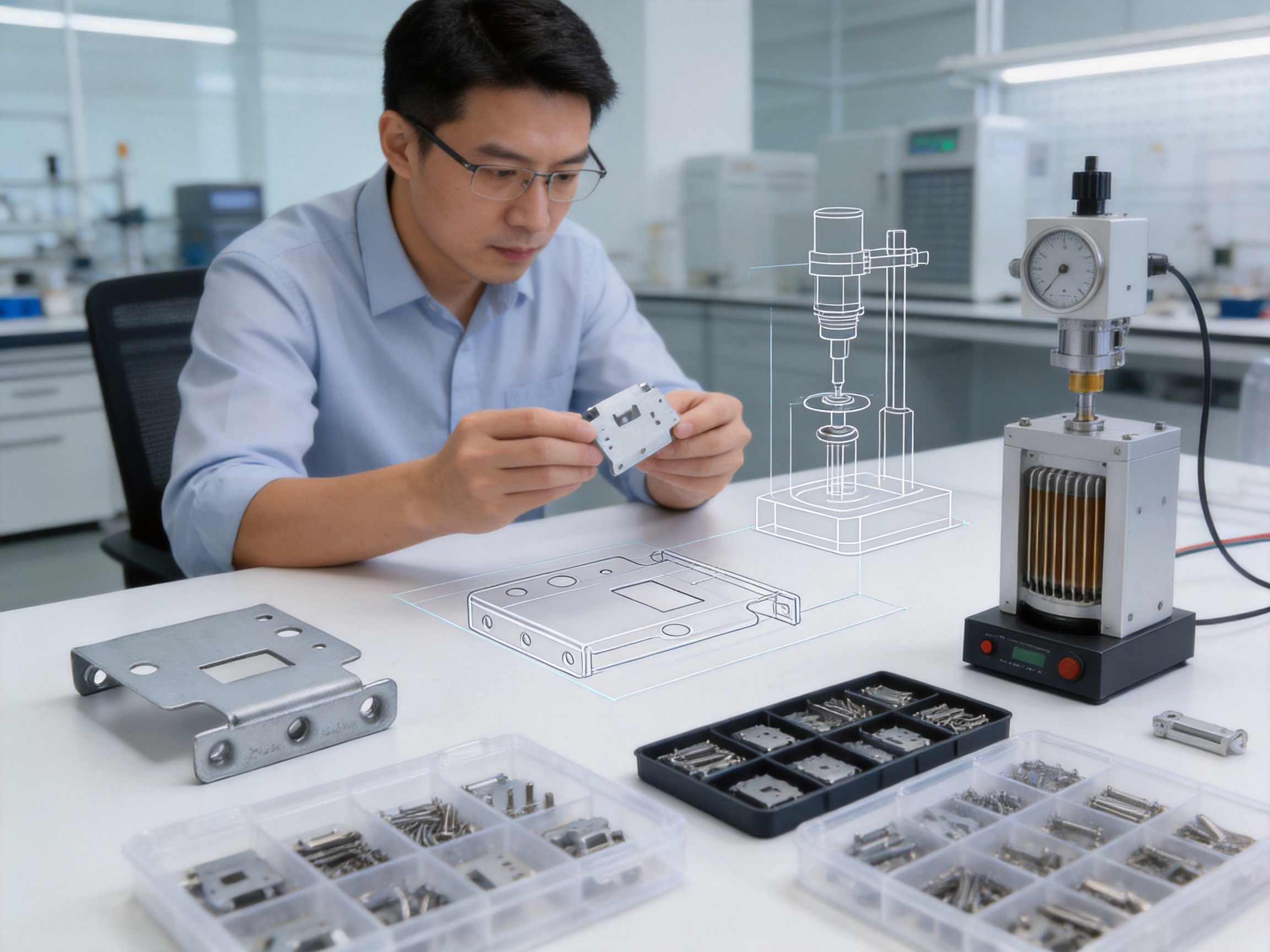
Stamped miniature parts are small metal components manufactured through controlled forming, cutting, piercing, and shaping operations. Although their dimensions may be compact, their role in an assembly can be essential. A miniature stamped part may serve as a retaining element, connector, shield, bracket, spring feature, fastening component, support, contact, or precision interface. In applications where available space is limited and assembly accuracy is critical, the quality of each small component can directly influence the performance, service life, and reliability of the finished product.
Modern manufacturers increasingly require miniature metal parts that combine dimensional accuracy, mechanical strength, corrosion resistance, stable surface quality, and repeatable production. These requirements are especially important for optical instruments, educational equipment, household electric heaters, small household appliances, automotive systems, hardware products, and other products that contain dense or space-constrained assemblies. Stamping is a highly effective production method because it can produce consistent shapes at an efficient rate while supporting customization of size, geometry, thickness, and finish.
Yuyao Hongli Optoelectronics Co., Ltd. manufactures customized stamped miniature parts for customers requiring dependable metal forming, consistent tolerances, and responsive production support. With more than 20 years of industry experience, the company combines stamping expertise, practical engineering knowledge, modern production facilities, and quality-oriented manufacturing management. Its capabilities cover prototype development, OEM and ODM production, customized processing, wholesale supply, and export service.
What Are Stamped Miniature Parts?
Stamped miniature parts are compact metal components formed from sheet or strip material using dies and stamping equipment. Depending on the design, the production process may include blanking, piercing, bending, embossing, coining, forming, drawing, or a combination of several operations. The selected process depends on the material, component geometry, required thickness, dimensional tolerance, production volume, and intended application.
Unlike manually fabricated small components, precision stamped parts are produced through repeatable tooling and controlled machine operations. Once the die and process parameters have been properly developed, a large number of identical components can be manufactured with stable dimensions. This consistency is valuable for automated assembly, replacement parts, and products that require predictable mechanical or electrical performance.
The word “miniature” generally refers to a component with compact overall dimensions or very small functional features. A miniature part may include narrow slots, small holes, thin walls, tight bends, tabs, embossed areas, or precisely positioned contact surfaces. Such details require careful attention to material behavior, die clearance, press alignment, feeding accuracy, and burr control.
Miniature stamped components may be flat, three-dimensional, bent, drawn, or partially formed. Some designs are manufactured as individual pieces, while others are supplied in strip form for high-speed automated assembly. The most appropriate delivery format is determined by the customer’s assembly method and production requirements.
Key Advantages of Precision Stamped Miniature Parts
High Dimensional Accuracy
One of the most important benefits of precision stamping is the ability to maintain consistent dimensions across repeated production runs. Hongli’s stamped miniature parts are typically produced with precision of approximately ±0.1 mm, depending on the material, design, thickness, and process requirements. This level of accuracy supports reliable fitting, alignment, fastening, and assembly.
For a small component, even a minor dimensional deviation can have a significant effect. A hole that is slightly misplaced may prevent assembly. A bend angle that is inconsistent may reduce spring force or cause interference. A tab that is too long may obstruct a neighboring component. Through controlled tooling and process management, precision stamping helps reduce these risks.
Excellent Strength-to-Size Performance
Miniature stamped parts are often required to carry loads, resist vibration, maintain contact pressure, or support other components despite their small size. The stamping process can produce geometries that use material efficiently, including formed ribs, flanges, bends, and reinforced edges. These features can improve rigidity and mechanical performance without requiring a large increase in material consumption.
Material selection also contributes to performance. Depending on the application, customers may specify materials with high strength, improved hardness, electrical conductivity, heat resistance, or corrosion resistance. The appropriate material can be selected according to the part’s operating environment and functional requirements.
Corrosion and Rust Resistance
Small parts used in appliances, automotive systems, instruments, and industrial equipment may be exposed to moisture, temperature variation, chemicals, condensation, or airborne contaminants. Corrosion can weaken a component, affect its appearance, increase friction, or interfere with electrical and mechanical contact.
Stamped miniature parts made from suitable premium materials can provide strong resistance to rust and environmental deterioration. In addition, surface treatments or finishes may be selected to further protect the component. The final solution depends on the material, intended service conditions, required appearance, and compatibility with adjacent parts.
Wear Resistance and Long Service Life
Some miniature components are repeatedly inserted, removed, flexed, contacted, or actuated. In these situations, wear resistance is essential. A properly designed stamped part can offer stable contact areas, smooth edges, controlled spring features, and suitable material hardness.
Wear resistance is influenced by several factors, including material grade, forming method, surface condition, contact pressure, lubrication, environmental exposure, and operating frequency. By considering these factors during development, manufacturers can help customers achieve reliable performance over extended service periods.
Efficient Production for Repeated Requirements
Stamping is well suited to repeated production because the forming operation can be standardized after tooling has been completed. Compared with individually machining every small component, stamping can reduce processing time and material waste for many shapes. It can also provide a consistent production rhythm, which supports stable delivery schedules.
For customers requiring ongoing supply, the repeatability of stamping is particularly valuable. Consistent tooling, controlled material feeding, and documented production procedures help reduce variations between batches. This supports efficient downstream assembly and simplifies inventory planning.
Customizable Geometry and Surface Finish
Stamped miniature parts are not limited to one standard shape. Their dimensions, thickness, hole pattern, bending structure, edge design, and surface finish can be customized. Customers may provide drawings, samples, three-dimensional models, or functional requirements for review.
Customization may include different materials, special bends, small openings, embossed marks, mounting tabs, slots, countersunk features, drawn sections, or protective finishes. This flexibility allows one manufacturing partner to support several product families and different application environments.
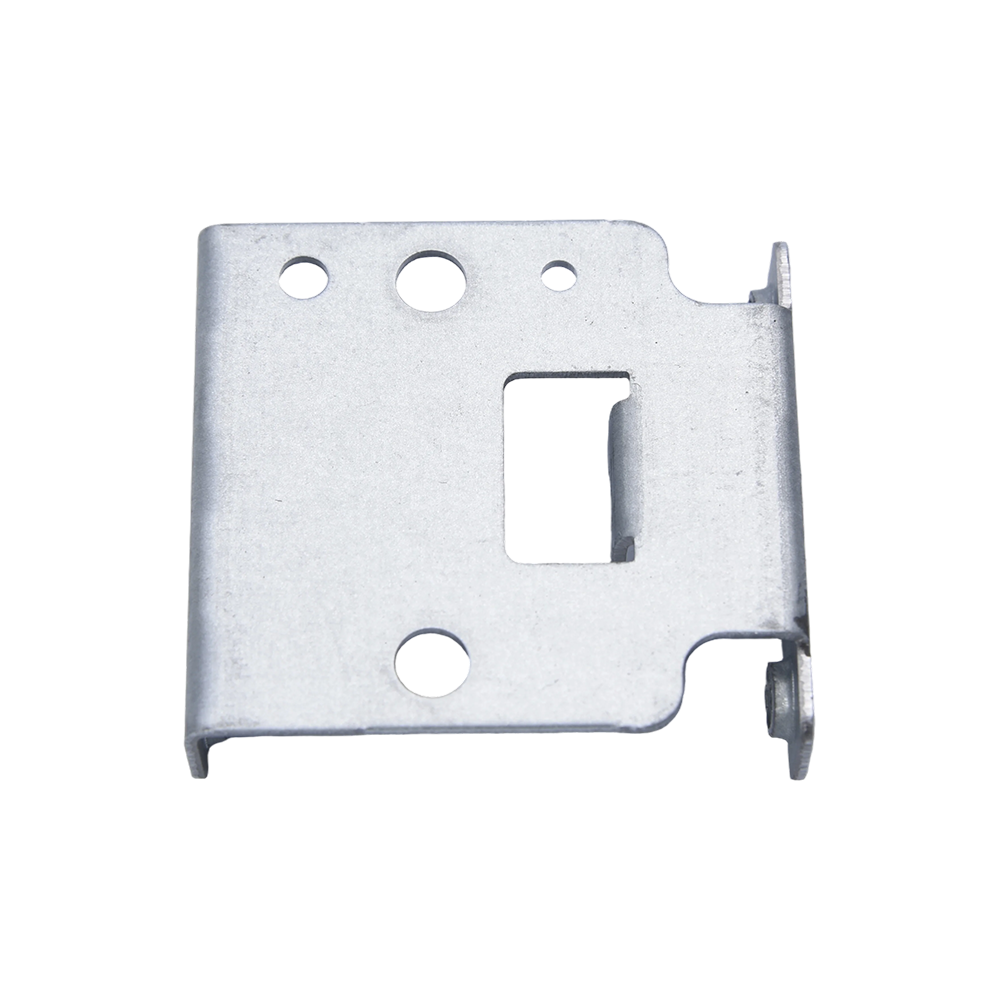
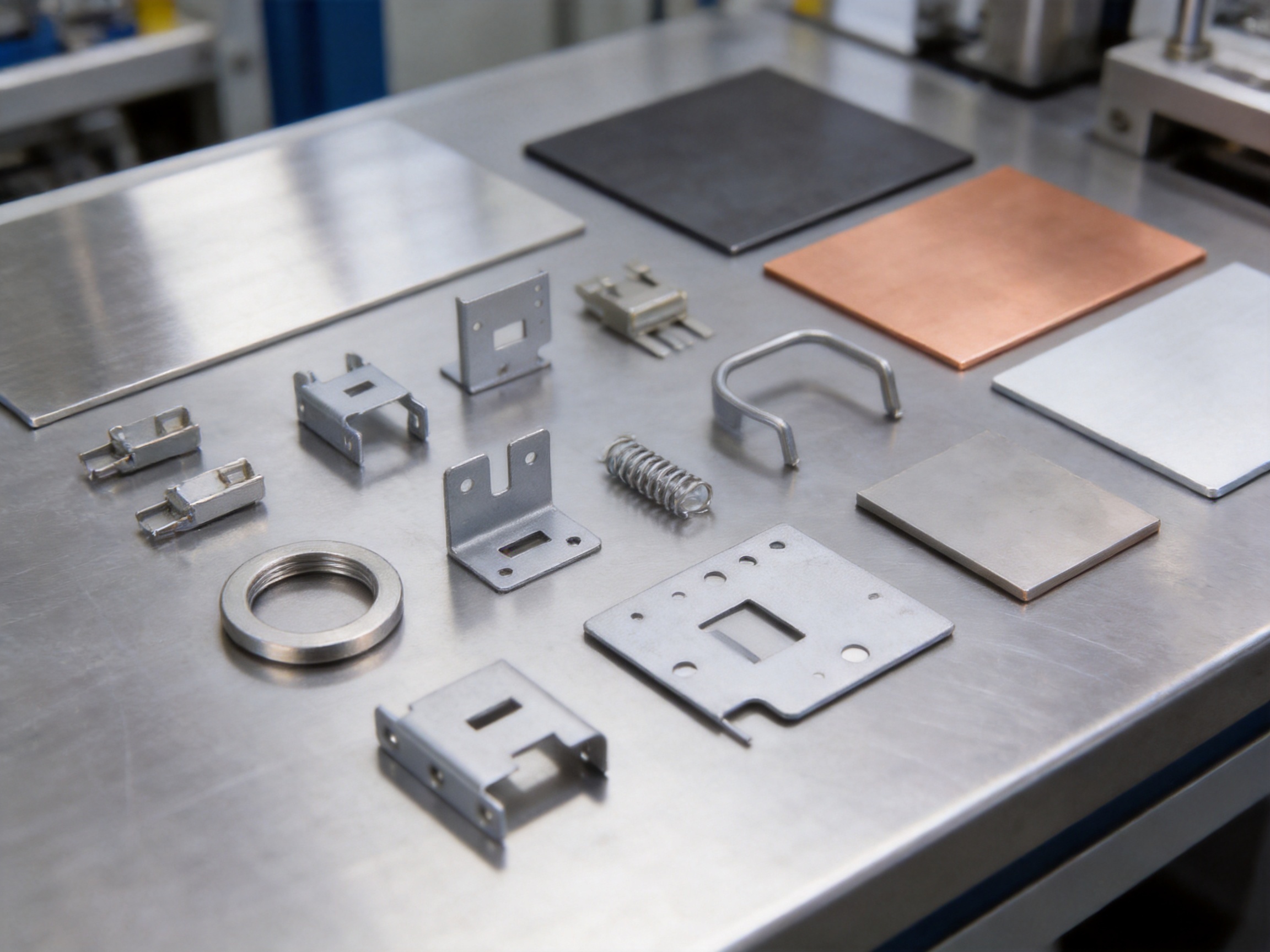
Stamped miniature parts
Materials Used for Miniature Stamping
The selected material has a direct effect on stamping behavior and final product performance. A suitable material must be compatible with the part geometry, forming method, operating environment, required strength, and surface requirements. Material thickness is also important because it affects bending, rigidity, weight, springback, and dimensional stability.
Stainless Steel
Stainless steel is frequently selected when corrosion resistance, strength, cleanliness, or elevated-temperature performance is important. It is suitable for many appliance, automotive, hardware, and instrument applications. Stainless steel miniature parts can provide a durable surface and reliable performance in environments where ordinary steel may rust more quickly.
Different stainless steel grades have different forming characteristics and mechanical properties. The selected grade should be matched to the required bending radius, hardness, corrosion conditions, and final use. Process settings may need to be adjusted to control springback and prevent surface damage.
Carbon Steel
Carbon steel provides useful strength and cost efficiency for many structural, fastening, support, and general hardware components. It can be stamped into flat parts, bent parts, brackets, clips, and other compact forms. When additional protection is required, the finished component may receive a suitable coating or surface treatment.
Carbon steel is especially practical when the application requires mechanical stability but does not involve severe corrosion exposure. The material grade and thickness can be selected according to the expected load and forming requirements.
Copper and Copper Alloys
Copper and copper alloys may be used for miniature electrical contacts, conductive connectors, terminals, and components requiring a combination of conductivity and formability. Their performance depends on the specific alloy, temper, thickness, and contact design.
For electrical applications, surface condition and contact reliability are important. The geometry must provide the required contact pressure and alignment while avoiding excessive deformation during assembly. Where necessary, a compatible surface finish may be considered to improve contact performance or environmental stability.
Aluminum and Other Lightweight Materials
Aluminum can be useful when low weight, corrosion resistance, and good formability are required. Lightweight stamped parts may be suitable for equipment where mass reduction is important. However, aluminum’s forming behavior differs from steel, so tooling clearance, bend radius, surface protection, and springback must be considered carefully.
Other metals and alloys may also be considered when the application calls for special electrical, thermal, mechanical, or environmental properties. Material selection should be confirmed during technical review before mass production begins.
Advanced Manufacturing Process
Technical Review and Design Assessment
The manufacturing process begins with a review of the customer’s drawing, sample, model, or technical description. Engineers examine the required dimensions, material, thickness, tolerance, bend locations, hole positions, surface finish, production quantity, and intended use.
This review helps identify features that may affect manufacturability. For example, a very narrow slot may require a specialized punch. A small bend close to an edge may need a carefully designed forming sequence. A deep drawn section may require several operations rather than one forming step. Early technical assessment can reduce tooling changes and improve the stability of the final production process.
Material Preparation
Material must be prepared in a consistent and controlled condition before stamping. The incoming sheet or strip should meet the specified thickness, width, surface condition, and material grade. Material storage and handling are also important because scratches, contamination, moisture, and deformation can affect appearance and production performance.
For high-volume or automated work, coil or strip material may be prepared for continuous feeding. For smaller batches or larger individual blanks, sheet material may be cut into suitable sizes before forming. The chosen preparation method depends on the design and order requirements.
Die and Tooling Development
The die is one of the most important elements in precision stamping. It determines the component’s basic geometry and influences dimensional accuracy, edge quality, burr formation, and production life. Tooling may include cutting sections, forming stations, guide systems, positioning features, and protective elements.
For miniature components, the die must be designed with particular attention to small features and narrow clearances. Punches and inserts must be properly aligned, and the die structure must be sufficiently rigid to resist unwanted movement during operation. Tool wear must also be monitored because even small changes can affect the dimensions of miniature parts.
Depending on the product, the company may use single-operation tooling, progressive tooling, compound tooling, or a combination of forming stages. Progressive tooling can perform several operations as the strip moves through multiple stations. This approach can improve productivity and maintain positional consistency between features.
Stamping and Forming
During stamping, the material is positioned and formed under controlled press movement. The operation may cut the external profile, create internal holes, bend tabs, form channels, or produce drawn sections. The sequence is selected to prevent distortion and maintain the required dimensions.
For miniature components, press speed, feeding accuracy, lubrication, die clearance, and material alignment must be controlled carefully. Excessive force may damage the material or shorten tool life, while insufficient forming force may result in incomplete shapes. Stable machine operation helps maintain repeatability throughout the production run.
Bending and Secondary Forming
Many miniature stamped parts require one or more bends after the initial blanking operation. Bending can create mounting legs, retaining clips, spring arms, right-angle connectors, brackets, or folded edges. The bend angle and radius must be controlled because they influence the final assembly position and mechanical behavior.
Metal springback is a common consideration. After the forming force is removed, the material may recover slightly toward its original shape. Tooling and process parameters can be adjusted to compensate for this behavior. Material type, hardness, thickness, bend radius, and forming direction all influence the amount of springback.
Deep Drawing and Formed Sections
Some miniature components include cup-shaped, tubular, recessed, or curved sections. These features may be manufactured through deep drawing or controlled drawing operations. Deep-drawn parts can provide seamless or highly integrated structures while reducing the need for multiple individual pieces.
Drawing requires careful control of blank size, forming depth, punch geometry, die radius, material flow, and lubrication. If these factors are not properly balanced, the component may develop wrinkles, cracks, thinning, or dimensional variation. A staged drawing process may be required for more demanding shapes.
Deburring and Edge Control
Cutting operations can create small burrs along the edges of a stamped component. Although a burr may appear minor, it can interfere with assembly, damage adjacent parts, create a safety concern, or affect electrical contact. Deburring and edge control are therefore important parts of the finishing process.
The appropriate method depends on the component’s size, geometry, material, and required edge condition. Production controls should prevent excessive rounding or deformation while removing unwanted sharp projections. Particular attention is needed around small holes, narrow slots, and formed edges.
Surface Treatment and Finishing
Surface treatment may be used to improve corrosion resistance, appearance, wear resistance, conductivity, or compatibility with the customer’s assembly process. The selected finish should be suitable for the base material and intended operating environment.
Finishing requirements may include cleaning, polishing, protective coating, plating, passivation, or other specified treatment. The exact treatment should be confirmed according to technical drawings and application needs. Consistent surface preparation is essential for obtaining a stable result.
Quality Control for Miniature Stamped Components
Quality control begins before stamping and continues through material inspection, tooling preparation, production, finishing, and final shipment. Because miniature parts contain small features and may be installed in precise assemblies, inspection must focus on both overall dimensions and functional details.
Incoming Material Inspection
Incoming materials should be checked against the required grade, thickness, width, surface condition, and quantity. Material certificates or supplier documentation may be reviewed when required by the customer. Visual inspection can help identify scratches, rust, dents, edge damage, or other conditions that could affect production.
First-Piece Approval
Before a production run proceeds fully, first-piece samples can be inspected to confirm that the tooling and process are producing the intended shape. Important dimensions may include overall length and width, hole diameter, hole position, bend angle, formed height, wall thickness, and critical functional features.
First-piece approval provides an opportunity to identify problems early. Adjustments may be made to tooling alignment, feeding position, forming sequence, or machine settings before a larger quantity is produced.
In-Process Inspection
In-process inspection helps monitor stability during production. Operators and quality personnel may check samples at defined intervals or after a specified number of strokes. Checks can focus on dimensions that are most likely to change because of material variation, tool wear, machine movement, or temperature.
For miniature parts, visual inspection is also important. Components should be checked for cracks, deformation, excessive burrs, scratches, oil contamination, incomplete forming, and surface defects. Consistent inspection reduces the likelihood of defective parts reaching later assembly stages.
Dimensional Measurement
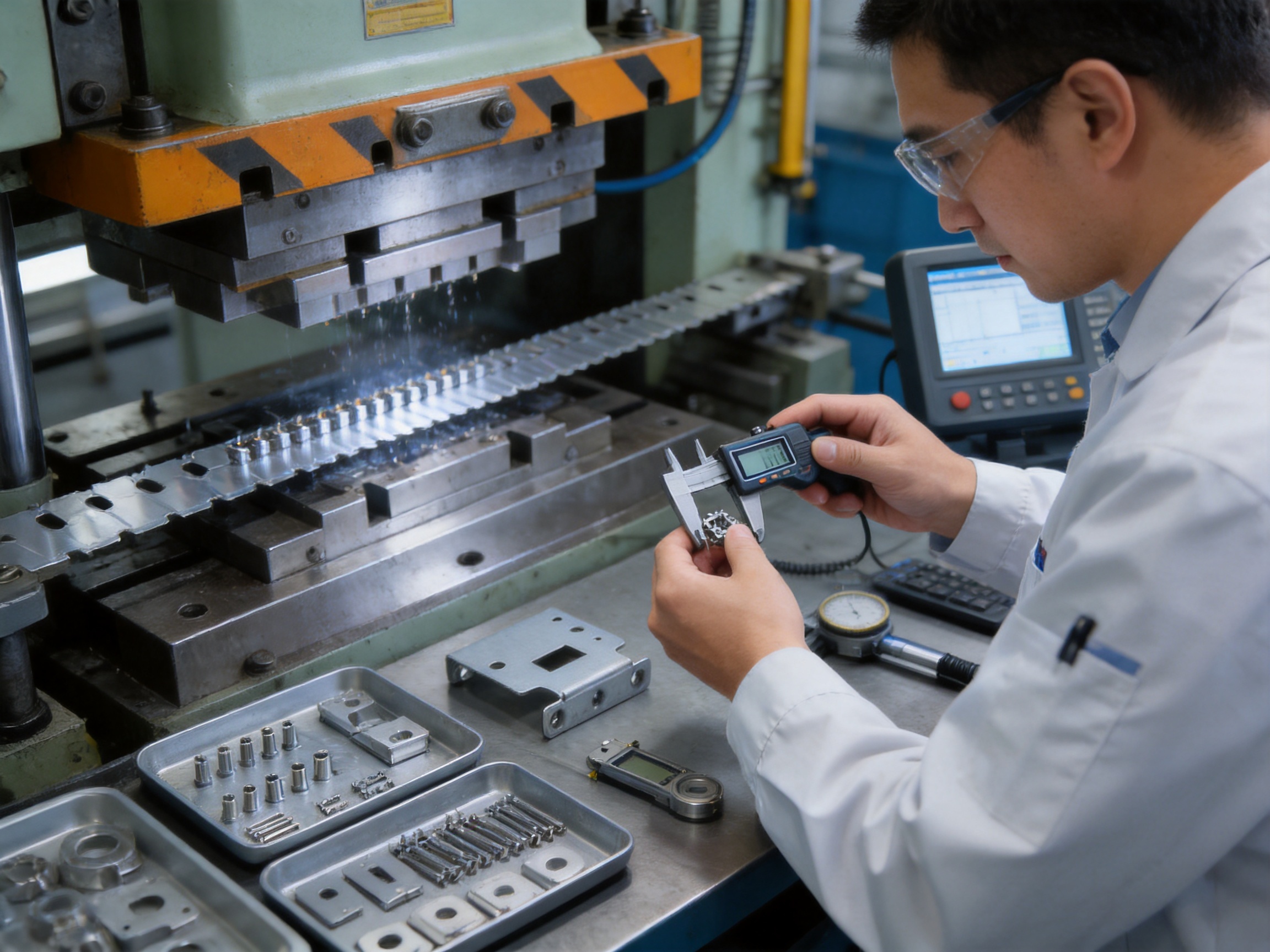
Measurement methods depend on the component’s size and complexity. Calipers, micrometers, gauges, height measurement tools, optical inspection, and customized fixtures may be used as appropriate. Critical features should be measured using methods that are repeatable and suitable for the required tolerance.
A measurement plan can identify which dimensions are critical, which are reference dimensions, and which characteristics require functional testing rather than simple measurement. This approach helps focus quality resources on the features that most directly affect customer performance.
Functional Verification
Some stamped miniature parts must be tested in a functional fixture or sample assembly. A retaining clip may need to hold a specified component securely. A spring contact may need to provide the correct pressure. A bracket may need to fit a mating structure without interference. Functional verification can reveal issues that are not obvious from dimensional inspection alone.
Where appropriate, customers may define additional tests related to load, insertion force, contact resistance, heat exposure, corrosion resistance, or repeated movement. Testing requirements should be agreed during the technical review stage.
Applications Across Multiple Industries
Optical Instruments
Optical instruments often contain compact structures where alignment and stability are essential. Miniature stamped parts may be used as supports, retainers, shields, mounting pieces, clips, or positioning elements. Their small size allows designers to use available internal space efficiently while maintaining a secure assembly.
For optical equipment, surface cleanliness and dimensional consistency may be especially important. Components should be manufactured and handled in a manner that minimizes contamination and protects visible or functional surfaces.
Educational Instruments
Educational instruments may require durable mechanical components for classroom use, demonstrations, laboratory equipment, and training devices. Stamped miniature parts can provide cost-effective support for switches, housings, brackets, adjustment mechanisms, and internal assemblies.
Because educational equipment may be handled frequently, components should offer suitable strength and wear resistance. Stable production also helps manufacturers maintain consistent replacement-part availability.
Household Electric Heaters
Household electric heaters may include compact metal brackets, clips, shields, supports, terminals, and fastening components. Parts used near heat sources must be selected and finished for the expected temperature and environmental conditions.
Miniature stamped components can help organize internal structures while reducing assembly complexity. Their repeatable shape supports efficient installation and consistent positioning of heating, protective, or control elements.
Small Household Appliances
Small appliances often require many compact components in a limited internal space. Stamped parts may be used in switches, handles, support structures, covers, fasteners, motor assemblies, and control mechanisms.
Manufacturers benefit from customized stamping because the part can be designed around the appliance’s available space rather than adapted from a generic component. This can support lighter assemblies, simplified fastening, and more efficient use of materials.
Automotive Components
Automotive systems require parts that can withstand vibration, temperature variation, repeated movement, and demanding service environments. Stamped miniature parts may be used in interior mechanisms, electrical systems, sensors, brackets, clips, terminals, and other assemblies.
Automotive applications also place strong emphasis on repeatability and traceable quality. A consistent component helps reduce assembly interruptions and supports stable performance throughout the vehicle’s service life. Material and surface treatment must be selected according to the specific location and operating conditions.
Hardware and General Industrial Products
Hardware products may include clips, brackets, washers, retainers, supports, connecting pieces, and formed metal accessories. Stamping provides a practical way to manufacture these parts in a wide range of shapes and sizes.
For general industrial products, the main advantages may include reliable supply, flexible customization, reasonable production efficiency, and the ability to combine cutting and forming operations in one manufacturing program.
Why Customized Stamping Can Outperform Standard Components
Standard components are useful when their dimensions and performance match the application. However, many modern products have unique spatial, mechanical, or environmental requirements. A standard clip may be too large, a generic bracket may require additional machining, or a conventional part may not provide the correct contact pressure.
Customized stamped miniature parts are designed around the customer’s actual assembly. This can eliminate unnecessary material, reduce the number of secondary operations, and improve the fit between connected components. Customization may also allow the part to combine several functions, such as positioning, fastening, shielding, and grounding in one formed piece.
Compared with individually machined small parts, stamping can offer advantages in production consistency and cycle efficiency for suitable geometries. Compared with manually bent parts, die forming can provide better repeatability and more controlled dimensions. Compared with cast or molded alternatives, stamped metal may provide a favorable combination of thin-wall design, mechanical strength, and compactness.
The best process depends on the product. Stamping is particularly competitive when the part is made from sheet or strip material, has repeated geometry, requires moderate to high production quantities, and benefits from integrated holes, bends, or formed features.
Manufacturing Strengths and Production Capacity
Yuyao Hongli Optoelectronics Co., Ltd. is a comprehensive manufacturing enterprise founded in 2000. The company has more than 20 years of industry experience and operates from Yangming Science and Technology Industrial Park in Yuyao, Zhejiang Province, China.
The company has a modern factory covering approximately 5,000 square meters, multiple stamping workshops, and a workforce of more than 60 employees. This production foundation supports the manufacture and processing of metal stamping parts, deep-drawn parts, bending parts, kitchen appliance accessories, automotive stamping parts, and related products.
Its experience across educational instruments, optical instruments, household electric heaters, small household appliances, automotive parts, hardware products, plastic products, and other product categories provides a broad understanding of practical component requirements. This cross-industry experience is useful when a customer needs a small stamped part that must fit into a complex product or operate under demanding conditions.
The company supports OEM and ODM cooperation, rapid prototyping, customized production, wholesale, retail, import, and export services. Customers can work with the manufacturer from initial concept and sample development through production conversion and ongoing supply.
| Capability | Customer Benefit | Typical Application Value |
|---|---|---|
| Precision stamping | Consistent dimensions and repeatable geometry | Reliable assembly and stable component performance |
| Deep drawing | Efficient production of recessed or tubular forms | Compact housings, cups, sleeves, and formed structures |
| Bending operations | Integrated tabs, brackets, clips, and support features | Space-efficient mechanical assemblies |
| Material customization | Selection based on strength, corrosion, heat, or conductivity needs | Performance matched to the operating environment |
| OEM and ODM service | Support from concept through production | Customized parts for unique product designs |
| Quality management | Reduced variation and dependable delivery | Lower assembly risk and improved supply continuity |
| Export experience | Support for customers in different markets | Coordinated international procurement and supply |
From Prototype to Mass Production
Prototype Development
Prototype development allows the customer and manufacturer to evaluate the proposed part before investing in full-scale production. A prototype can confirm basic dimensions, fit, material selection, forming feasibility, and functional performance.
For miniature parts, prototype evaluation is especially useful because small design changes may have a large effect on assembly. A slight change in bend angle, tab length, hole position, or material thickness can improve installation and reduce interference with nearby components.
Production Conversion
After the prototype is approved, the design can be converted into a stable production process. This stage may include final tooling design, process sequencing, material planning, inspection planning, packaging requirements, and production scheduling.
Efficient production conversion reduces the gap between a successful sample and a reliable manufacturing program. It also helps ensure that the approved prototype characteristics are maintained during larger-volume production.
Packaging and Delivery
Miniature parts require suitable packaging to prevent loss, deformation, scratching, contamination, and mixing between different specifications. Packaging may be selected according to the component’s size, surface finish, shape, and customer handling process.
For automated assembly, parts may need to be supplied in a specific orientation or format. Packaging and delivery requirements should therefore be discussed early, particularly when the parts are intended for high-speed or highly organized assembly lines.
How Customers Can Prepare for a Stamping Project
A clear technical package helps accelerate quotation, design review, and production preparation. Customers should provide drawings or samples whenever possible, together with the required material, thickness, surface finish, quantity, critical dimensions, tolerance, and intended application.
It is also useful to identify the most important functional requirements. These may include load capacity, insertion force, spring behavior, corrosion resistance, heat exposure, conductivity, appearance, or compatibility with a mating component.
If the customer does not yet have a finalized drawing, a sample, sketch, three-dimensional model, or detailed description may still support an initial engineering discussion. The manufacturer can then evaluate possible materials, manufacturing methods, tooling structures, and production considerations.
Customers should also communicate expected annual demand, initial order quantity, forecast changes, delivery schedule, inspection requirements, and packaging preferences. This information helps the manufacturer recommend a suitable production approach and avoid unnecessary changes later.
Environmental and Operational Reliability
A miniature component may operate for years inside a product without being visible or easily accessible. Reliability therefore depends on the material, forming quality, surface condition, dimensional stability, and suitability of the design for its working environment.
Premium materials and appropriate finishing can help resist rust, temperature variation, moisture, wear, and other demanding conditions. However, the final performance of a component is always related to its actual application. Designers should consider contact with water, salt, chemicals, heat sources, vibration, repeated loading, and neighboring materials.
Correct geometry is equally important. A part that is too thin may deform under load. A bend that is too sharp may produce cracking. A contact area that is too small may wear quickly. A mounting feature that lacks sufficient support may loosen under vibration. Engineering review helps address these issues before production.
Frequently Asked Questions
What are stamped miniature parts used for?
They are used in optical instruments, educational equipment, household electric heaters, small appliances, automotive systems, hardware products, electrical assemblies, brackets, clips, retainers, supports, terminals, shields, and other compact mechanisms.
What level of precision can be expected?
The typical stated precision for these miniature stamped parts is approximately ±0.1 mm. Actual achievable tolerance depends on the material, thickness, geometry, feature size, tooling design, and inspection method. Critical dimensions should be confirmed during technical review.
Can the parts be customized?
Yes. The size, shape, thickness, material, hole pattern, bend structure, surface finish, and packaging format can be customized according to the customer’s requirements. OEM and ODM cooperation is supported.
Which materials can be used?
Material selection may include stainless steel, carbon steel, copper alloys, aluminum, and other suitable metals. The final choice depends on required strength, corrosion resistance, heat resistance, conductivity, formability, appearance, and cost.
Can miniature parts include bends and drawn sections?
Yes. Stamping programs can combine blanking, piercing, bending, embossing, forming, and drawing operations. The appropriate process sequence depends on the part’s geometry and performance requirements.
How are burrs and sharp edges controlled?
Tooling design, die clearance, process control, and suitable deburring or finishing operations are used to manage burrs and edge conditions. The required edge quality should be specified according to the customer’s assembly and safety requirements.
Are samples available before mass production?
Prototype and sample development can be arranged for design verification, fit testing, material confirmation, and process evaluation. Sample requirements should be discussed with the manufacturer before tooling and production planning are finalized.
Can the company support international customers?
Yes. The company provides import and export services and supports customers worldwide with manufacturing, processing, customized production, and delivery coordination.
What information should be included in an inquiry?
An inquiry should ideally include drawings or samples, material, thickness, dimensions, tolerances, surface finish, quantity, application, delivery expectations, packaging requirements, and any special inspection or testing standards.
Why choose stamped parts instead of machined parts?
For suitable sheet-metal geometries and repeated quantities, stamping can provide consistent production, efficient cycle times, integrated holes and bends, favorable material usage, and competitive overall cost. Machining may remain more appropriate for complex solid shapes or very low-volume parts, so the best method depends on the design.
Conclusion
Stamped miniature parts provide an effective solution for products that require compact dimensions, stable accuracy, mechanical strength, corrosion resistance, wear resistance, and dependable service life. Their value extends beyond their small physical size: they can influence assembly efficiency, product reliability, operating safety, and long-term maintenance requirements.
Through controlled blanking, piercing, bending, forming, drawing, deburring, finishing, and inspection, precision stamping can produce repeatable components for demanding applications. Customization allows each part to be adapted to the customer’s available space, material requirements, assembly method, and operating environment.
Yuyao Hongli Optoelectronics Co., Ltd. combines more than two decades of manufacturing experience with a 5,000-square-meter facility, multiple stamping workshops, more than 60 employees, OEM and ODM capabilities, rapid prototyping, and quality-focused production management. Its experience in optical instruments, educational equipment, household appliances, heaters, automotive products, hardware, deep-drawn parts, bending parts, and related metal components supports practical solutions for a wide range of industries.
For customers seeking a reliable source of customized precision-sheet and sheet-metal stamping, the combination of engineering support, material flexibility, advanced forming capability, consistent inspection, and international supply service can provide a strong foundation for long-term cooperation.
References
1. Manufacturing Engineering and Technology, principles of sheet-metal forming, stamping, bending, and drawing.
2. ASM Handbook, Volume 14B: Metalworking—Sheet Forming.
3. ISO 2768, General tolerances for linear and angular dimensions without individual tolerance indications.
4. ISO 9001, Quality management systems—Requirements.
5. Tool and Manufacturing Engineers Handbook, sheet-metal processing and die design principles.
6. Fundamentals of Modern Manufacturing, metal forming processes and production systems.
Product: Stamped miniature parts
Previous Post
Precision Stamped Circular Parts with Holes for Demanding Industrial Applications
Next Post
Black Stamped Parts with Connectors: Precision, Protection, and Custom Integration
News
-
-
When you need a metal component whose depth clearly exceeds its width, such as a one-piece battery enclosure, an air-fryer inner container,...
READ MORE -
Steel is the backbone of modern manufacturing, yet it is never a single, uniform material. When engineers and buyers ask, "How can you clas...
READ MORE -
Sheet metal is one of those materials that quietly holds everyday life together. The tray inside your air fryer, the bracket behind a car b...
READ MORE
Get Fresh Updates Via Email
We promise we will never disclose your email address, and you can opt out at any time.
-
Quick Links
Home About Us Products Service News Contact Us -
Product list
Deep-drawn parts Stamped parts Bending parts Kitchen appliance accessories Automotive stamping parts -
About Us
Factory Honour FAQ -
News
Company News Industry News -
Contact Us
Address: South side of Shunke Road, Yangming Science and Technology Industrial Park, Yuyao City, Zhejiang Province, China Tel: +86-13905842349/+86-13738485724 Email: hongli@hl-stamping.com
Copyright © Yuyao Hongli Optoelectronics Co., Ltd. All Rights Reserved.
Custom Precision-Sheet/Sheet Metal Stamping Manufacturers
