


 English
 русский
 Español
 عربى
عربى

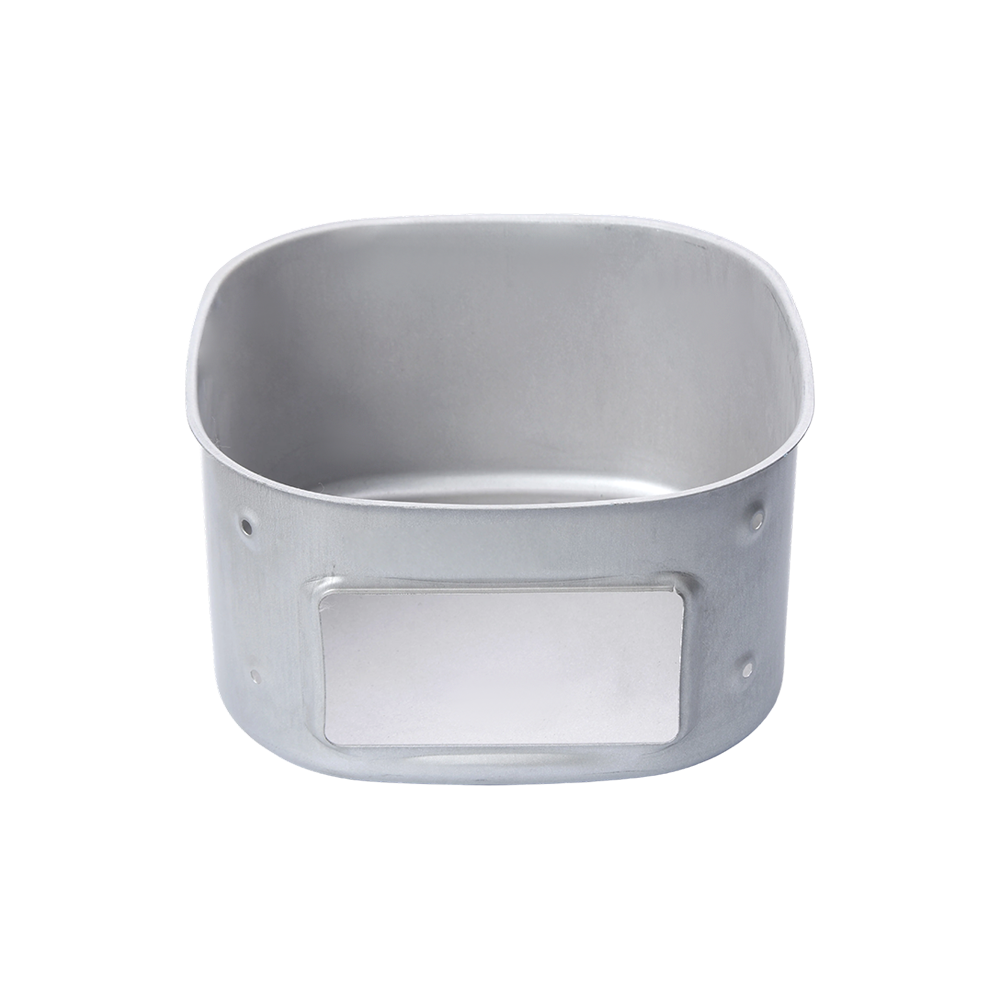
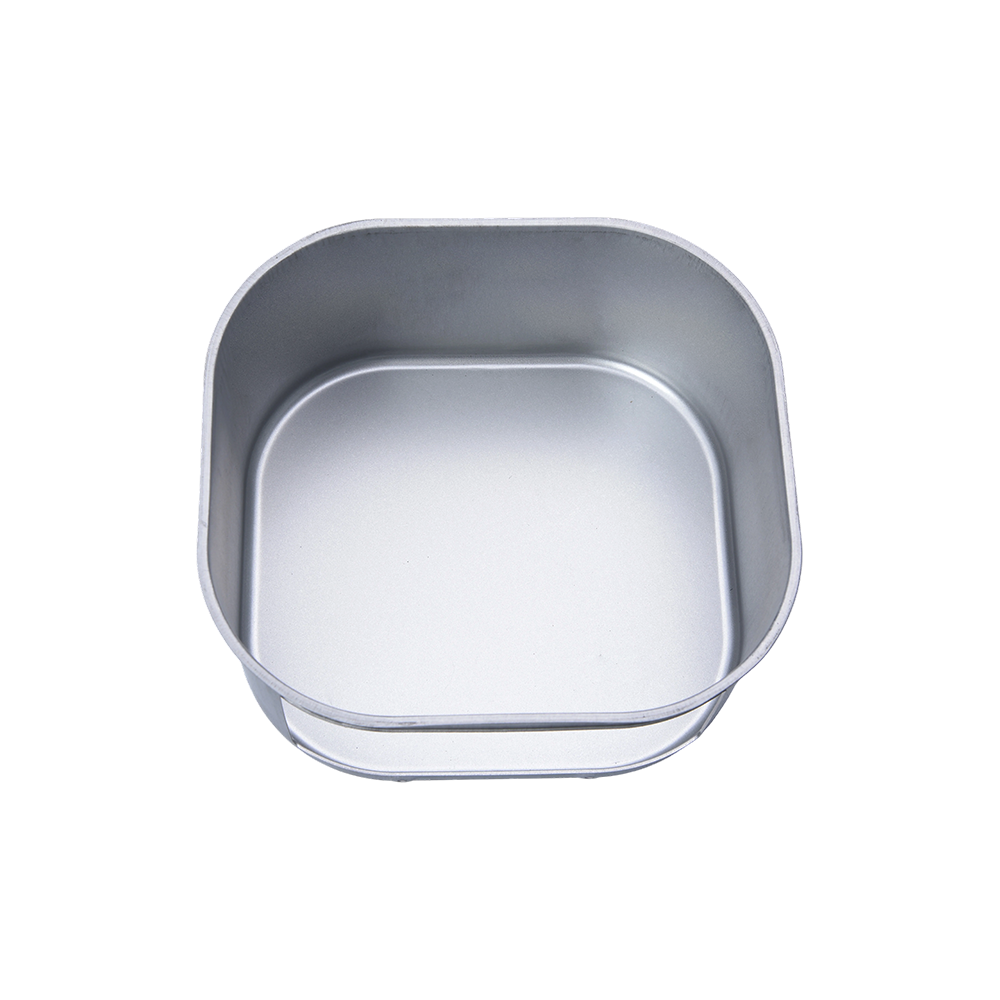
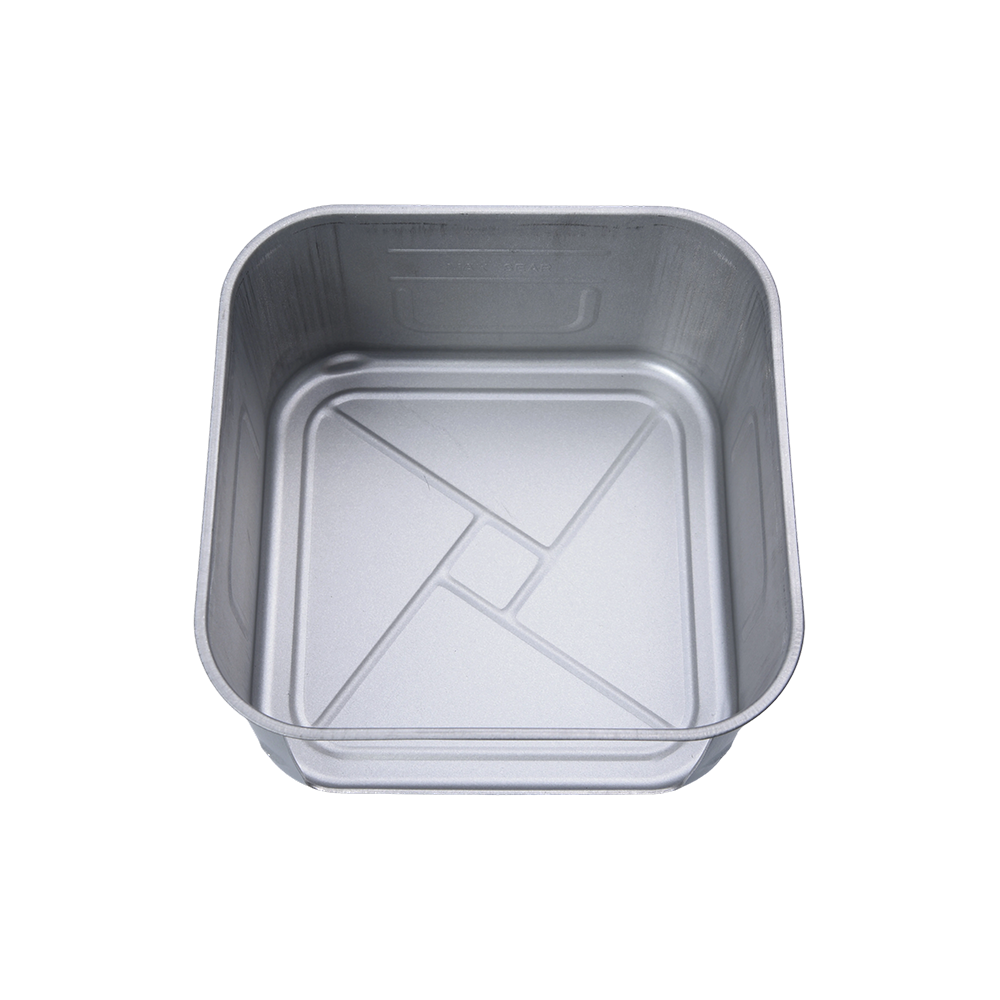
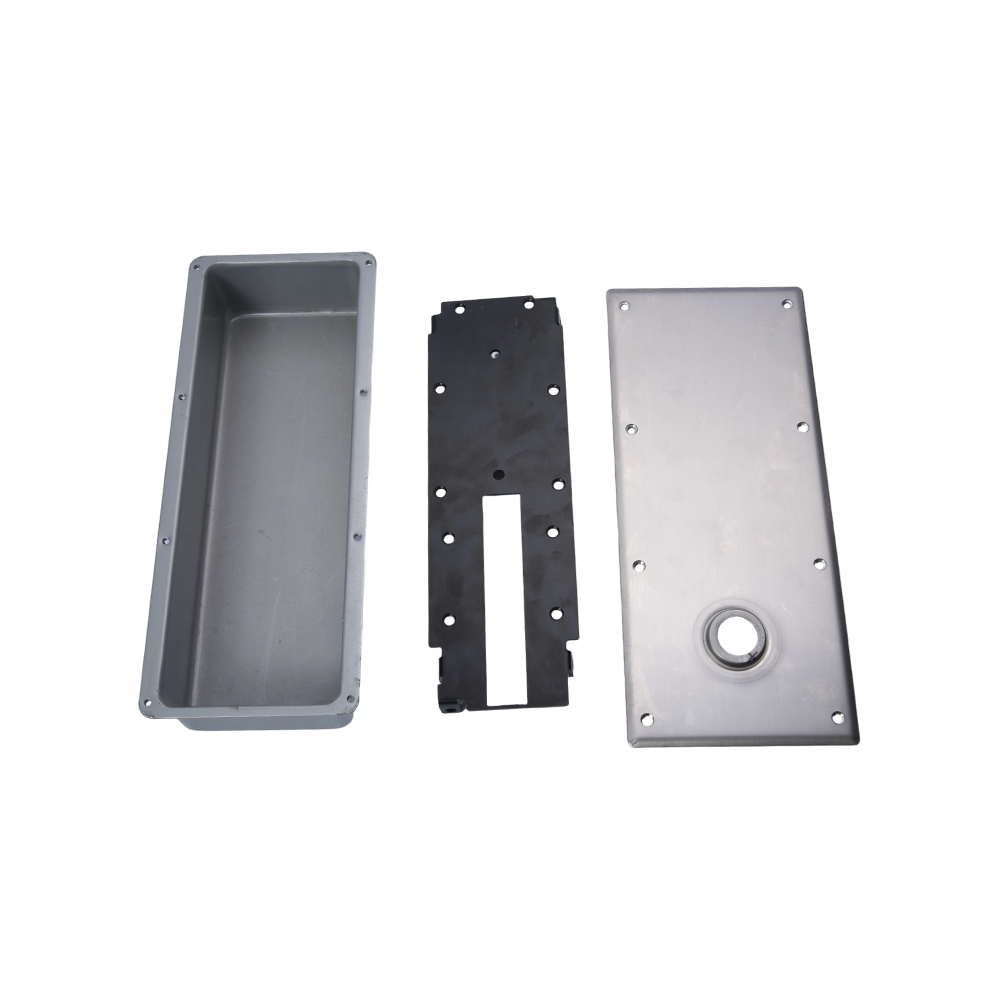
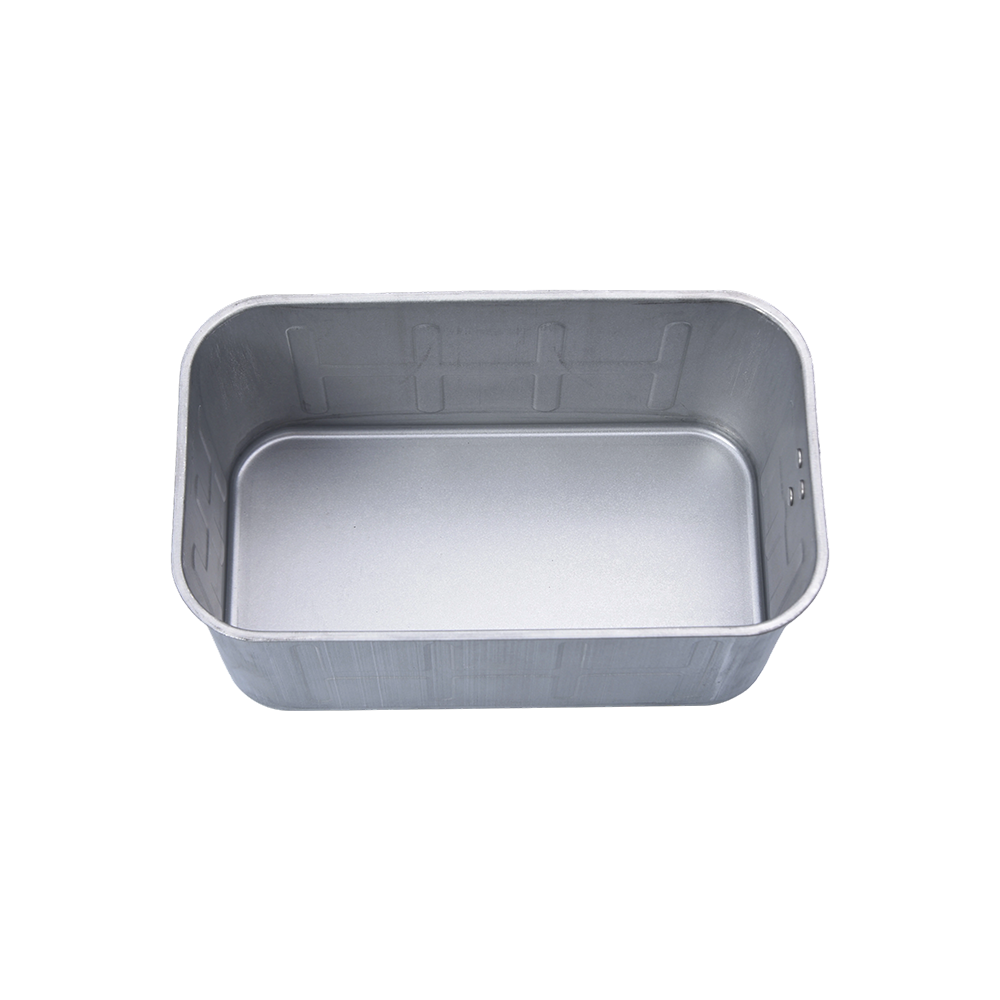
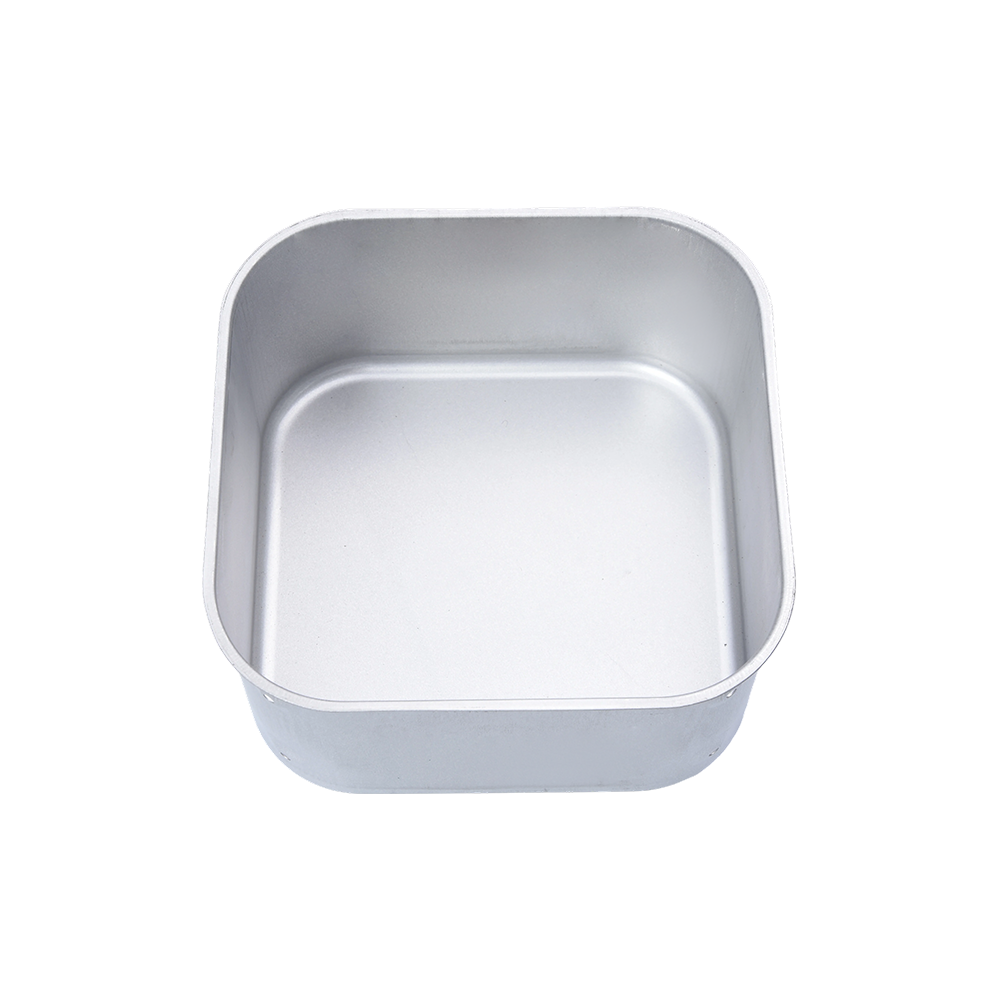
When you need a metal component whose depth clearly exceeds its width, such as a one-piece battery enclosure, an air-fryer inner container,...
READ MORE

News
Home / Author / Liu Yanan — Product After-Sales Service Specialist / Deep-Drawn Container with Cutouts for Precision Industrial Applications
Deep-Drawn Container with Cutouts for Precision Industrial Applications
2026-06-10
Modern manufacturing increasingly depends on components that combine structural strength, cleanliness, dimensional accuracy, design flexibility, and long-term reliability. The deep-drawn container with cutouts is one such component, offering a seamless metal body formed through precision deep-drawing technology and enhanced with customized openings for ventilation, drainage, wiring, fastening, assembly, positioning, or process-specific functions. Designed for industrial equipment, food processing systems, medical devices, electronics, mechanical assemblies, and customized OEM applications, this product reflects the advantages of advanced sheet metal forming when compared with welded, assembled, or conventionally fabricated containers.
Unlike containers made by welding multiple pieces together, a deep-drawn container is formed from a single sheet of metal. This one-piece structure improves strength, reduces leakage risks, eliminates weld seams, enhances hygiene, and creates a cleaner appearance. The addition of accurately formed cutouts further expands its usability, allowing engineers and purchasing teams to specify hole patterns, slots, notches, access windows, drainage openings, mounting features, or airflow channels according to the needs of their final products. The result is a practical, robust, and customizable part that supports both functional performance and efficient assembly.
Yuyao Hongli Optoelectronics Co., Ltd. manufactures this deep-drawn container with cutouts using its long-established stamping and metal-forming capabilities. With over 20 years of industry experience, a 5,000-square-meter modern factory, multiple stamping workshops, more than 60 employees, and strong OEM/ODM customization capability, the company supports customers requiring small-batch prototypes, medium-volume production, and large-scale stable supply. Its manufacturing background covers deep-drawn parts, stamped parts, bending parts, kitchen appliance accessories, automotive stamping parts, hardware products, small household appliance components, optical instrument parts, educational instrument accessories, and related metal products.
The deep-drawn container with cutouts is especially valuable in industries where reliability and cleanliness cannot be compromised. Food processing equipment often requires smooth, corrosion-resistant containers that are easy to clean and resistant to contamination. Medical and laboratory equipment may require precise shapes, smooth internal surfaces, and optional electropolishing. Electronics and mechanical equipment may require lightweight housings with cable slots, cooling vents, or mounting holes. Automotive and appliance applications may require high repeatability, impact resistance, and cost-efficient mass production. This product is designed to meet these diverse expectations through material control, mold precision, forming expertise, and finishing flexibility.
Deep-drawn container with cutouts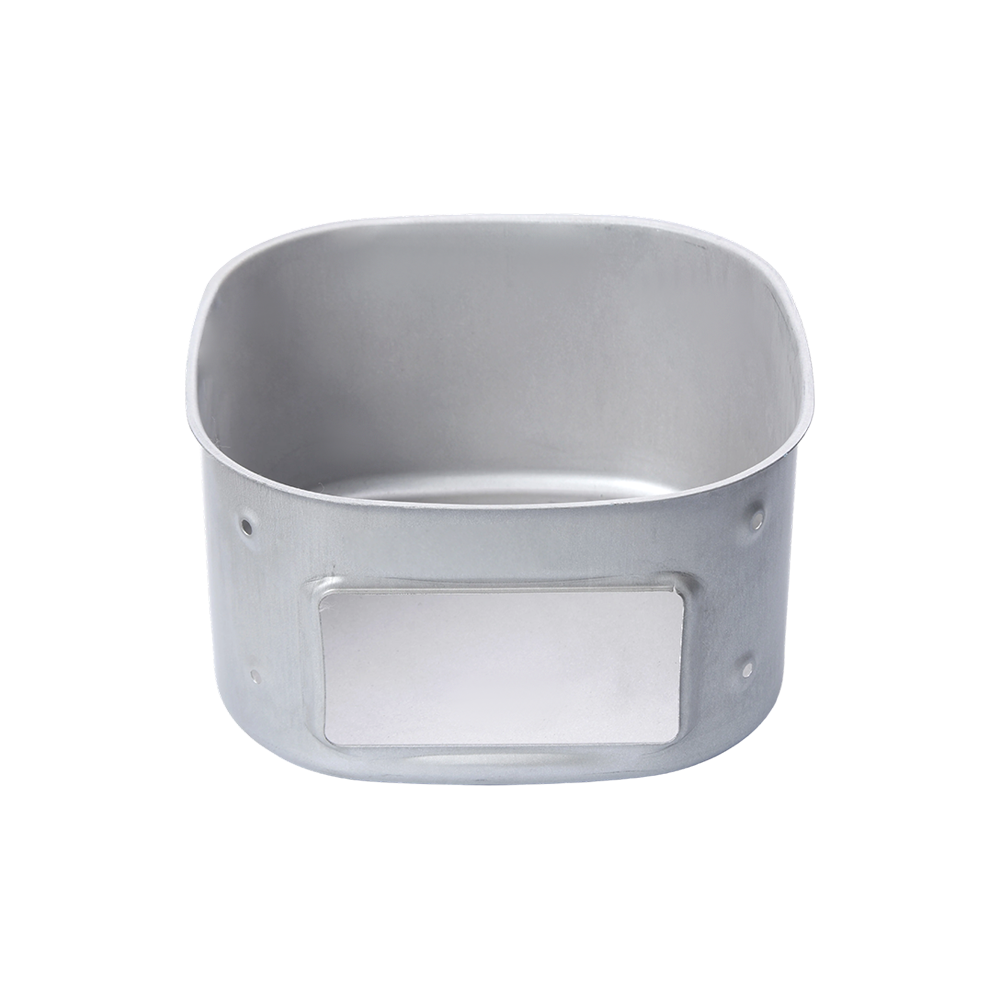
Product Overview
The deep-drawn container with cutouts is a precision-manufactured metal component produced by a deep-drawing process. In deep drawing, a flat metal blank is pressed into a die cavity by a punch, gradually forming it into a three-dimensional shape. This process allows the container to have continuous walls and a smooth bottom without welding. Compared with fabricated containers made from several welded plates, the deep-drawn structure offers better integrity, greater consistency, and improved resistance to deformation.
The product can be customized in material thicknesses from approximately 0.5 mm to 3.0 mm, depending on application requirements, load conditions, forming depth, dimensional size, and material selection. Surface finishes may include brushed, polished, sandblasted, and electropolished options. These finishing choices help meet requirements for aesthetics, cleanability, corrosion resistance, friction reduction, and industry-specific performance. For example, a brushed finish may be suitable for appliance and industrial appearance parts, while electropolishing may be preferred for hygienic or medical-related applications.
The defining feature of this product is the integration of cutouts. Cutouts may be created for multiple reasons, including liquid drainage, ventilation, cable routing, sensor placement, mounting, fastening, access, product positioning, assembly alignment, and weight reduction. These openings can be customized according to drawings or samples. Properly designed cutouts can significantly reduce downstream processing time because the component arrives ready for assembly or integration into a larger system.
Because the container is seamless, it minimizes weak points. Welded joints can become areas of corrosion, fatigue, leakage, or cleaning difficulty. A one-piece deep-drawn container avoids these common limitations. In addition, the deep-drawing process can improve work hardening in certain areas, increasing the component’s resistance to mechanical stress. This makes it suitable for environments involving repeated handling, vibration, equipment movement, pressure from attached parts, or long-term service use.
From a procurement perspective, the deep-drawn container with cutouts provides a balanced combination of performance and production efficiency. Once tooling is developed and validated, repeatability is high, cycle times are efficient, and unit consistency can be maintained across batches. This is important for customers who require stable long-term supply and consistent assembly performance. The company’s ability to support OEM/ODM customization also makes the product suitable for engineers who need a component tailored to a proprietary design.
Why Deep Drawing Is Superior for This Type of Container
Deep drawing is a metal-forming process especially suitable for producing hollow, seamless, cup-shaped, box-shaped, cylindrical, rectangular, or specially contoured parts. For containers that must withstand repeated use, cleaning, impact, or chemical exposure, deep drawing offers several advantages over welding, casting, machining, or plastic molding.
First, deep drawing provides a continuous grain structure in the formed metal. Instead of interrupting the material through welding seams or mechanical joints, the metal flows during forming. This continuity improves overall integrity and helps the container resist cracking or separation at joint areas. In many applications, this is a decisive advantage, especially where leakage prevention, cleanliness, or mechanical reliability are critical.
Second, deep drawing can produce smooth internal corners and continuous surfaces. Smoothness is important for food processing, medical, laboratory, and cleaning-sensitive applications because residue is less likely to accumulate in sharp seams or welded overlaps. When combined with polishing or electropolishing, the product can achieve a hygienic surface that supports easier cleaning and maintenance.
Third, deep drawing enables efficient volume production. Although tooling design and mold development require expertise, once the forming system is established, production can proceed with high repeatability. This makes deep drawing cost-effective for medium and large production runs. Compared with fabricating each container through cutting, bending, welding, grinding, and finishing, deep drawing reduces the number of assembly steps and supports consistent dimensional output.
Fourth, deep drawing supports lightweight strength. Because the container is formed as a continuous shell, it can provide significant rigidity without excessive material thickness. Engineers can choose suitable thicknesses from 0.5 mm to 3.0 mm according to load requirements. This helps reduce material consumption, shipping weight, and final equipment weight while maintaining dependable performance.
Fifth, the process integrates well with secondary operations such as trimming, punching, cutting, deburring, surface treatment, and inspection. For the deep-drawn container with cutouts, the manufacturer can coordinate forming and cutout creation in a controlled production flow. This reduces inconsistencies and helps ensure that openings are positioned accurately for final assembly.
Key Product Advantages
Seamless One-Piece Construction
The greatest advantage of the deep-drawn container with cutouts is its seamless one-piece construction. Because it is formed from a single metal blank, it does not rely on welded corners, welded bottoms, or mechanically joined seams. This enhances leak resistance, reduces cleaning difficulty, improves appearance, and increases durability. For applications involving liquids, powders, dust, food ingredients, medical consumables, or small mechanical parts, seam reduction is a meaningful benefit.
Competitor products made by welding multiple plates often require additional grinding, polishing, and inspection. Even with careful workmanship, welds may introduce discoloration, distortion, heat-affected zones, and uneven surfaces. Over time, weld seams may become points of corrosion or fatigue. The deep-drawn container avoids these problems by forming the body in a single operation or controlled series of drawing operations.
Custom Cutout Capability
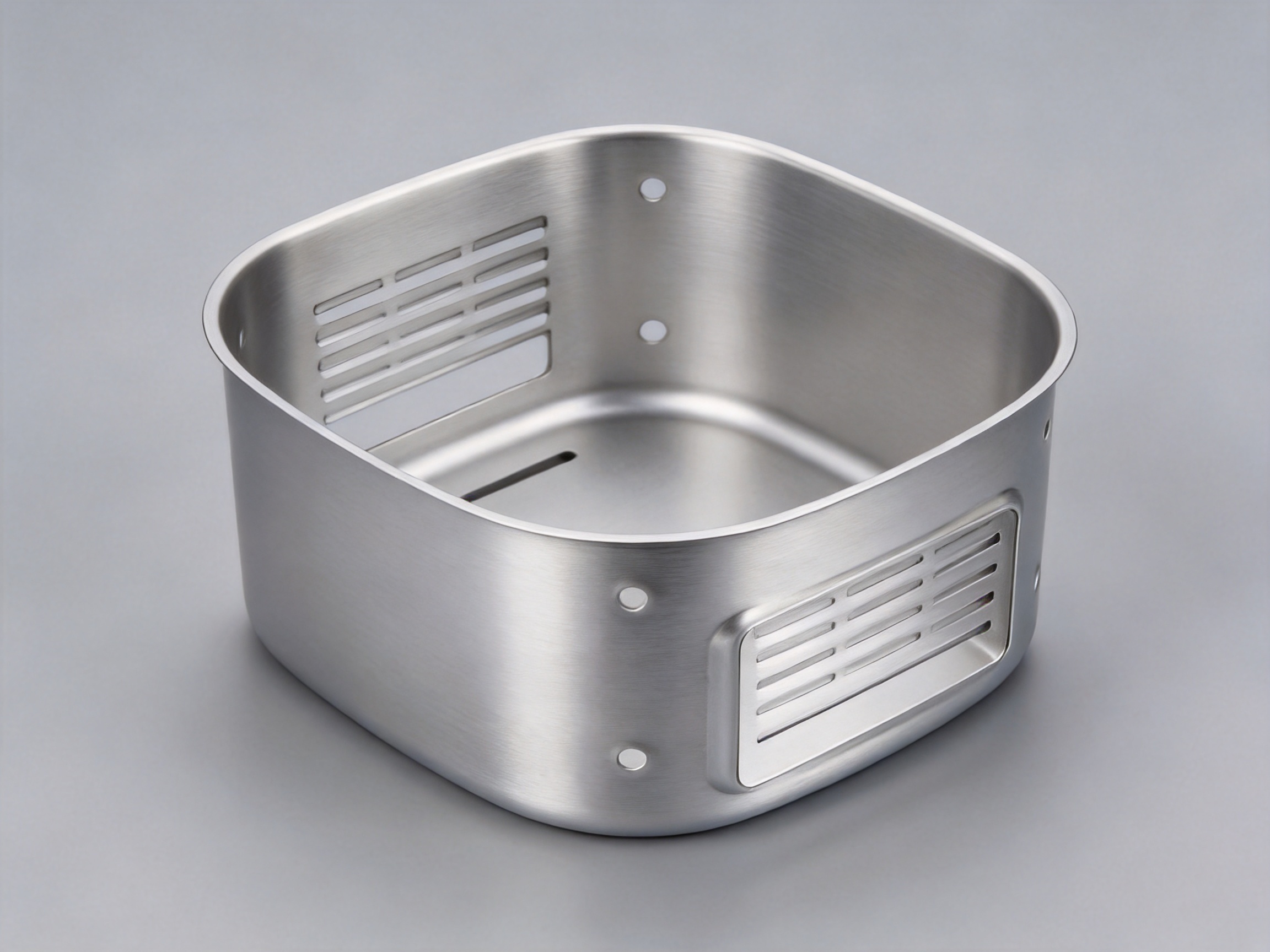
Cutouts transform the container from a simple shell into a functional engineered component. Customers may require round holes, rectangular slots, elongated openings, ventilation arrays, drainage patterns, assembly notches, wiring passages, sensor windows, screw holes, or customized geometries. By designing cutouts according to actual assembly needs, the component can reduce installation time and improve product integration.
The company can support cutout customization based on drawings, samples, or application descriptions. This flexibility allows customers to avoid unnecessary modifications after receiving the component. In industries where assembly efficiency matters, a ready-to-install container can reduce labor costs, minimize errors, and improve production line reliability.
High Durability Under Heavy-Duty Use
The container is designed for demanding use. Its deep-drawn metal structure resists impact, vibration, handling stress, and repeated cleaning better than many thin welded or plastic alternatives. Depending on material selection and thickness, the component can be suitable for industrial devices, machine housings, processing trays, appliance assemblies, support enclosures, or equipment modules.
Impact resistance is especially important when the part is used in manufacturing environments where tools, components, or operators may contact it repeatedly. The smooth shell structure distributes stress effectively and reduces the likelihood of joint failure. For applications requiring long service life, this durability can reduce replacement frequency and total ownership cost.
Corrosion Resistance and Hygienic Performance
When produced using corrosion-resistant materials and suitable surface finishing, the container performs well in clean and demanding environments. Surface treatments such as polishing, brushing, sandblasting, or electropolishing can be selected according to hygiene and appearance requirements. Electropolishing is particularly useful when a smoother, cleaner, and more corrosion-resistant surface is needed.
Food, medical, and laboratory-related applications often require components that are easy to wash and resistant to residue accumulation. The seamless design and optional smooth finishes help support these requirements. Compared with welded products, there are fewer crevices where contaminants may remain. This can improve maintenance efficiency and support cleaner operating conditions.
Dimensional Customization
Industrial customers rarely need only standard shapes. Equipment layouts, internal components, mounting positions, and workflow requirements often demand customized dimensions. This product can be manufactured according to customer specifications, including length, width, depth, corner radius, wall height, flange design, hole location, cutout shape, and surface finish. Such customization is valuable for OEMs developing proprietary equipment or upgrading existing assemblies.
The company’s OEM/ODM support allows customers to move from concept to prototype and then to production. Engineers can provide drawings, samples, or performance requirements, and the manufacturer can evaluate feasibility, tooling requirements, material behavior, forming depth, tolerance strategy, and finishing options. This collaborative process improves the likelihood that the final component will meet both technical and cost targets.
Flexible Production for Small and Large Orders
Not every customer requires the same volume. Some need sample parts for testing, while others need stable batches for mass production. The manufacturer supports flexible production arrangements, helping customers develop prototypes, verify designs, and scale up when ready. This is an important advantage for customers launching new products or adjusting existing equipment designs.
Once tooling is completed and the process is confirmed, production efficiency improves significantly. Repeatable tooling and controlled stamping operations enable consistent quality across batches. For large orders, this consistency supports supply chain planning and assembly line stability. For smaller orders, flexible manufacturing support helps reduce barriers to custom product development.
Manufacturing Strengths Behind the Product
The quality of a deep-drawn container depends not only on the design but also on the manufacturer’s experience, tooling capability, equipment control, material understanding, and inspection discipline. Yuyao Hongli Optoelectronics Co., Ltd. has more than two decades of experience in metal stamping and related manufacturing services. This experience is important because deep drawing requires careful control of blank size, lubrication, die clearance, punch radius, drawing ratio, material flow, forming sequence, and springback behavior.
The company operates from a modern 5,000-square-meter factory in Yangming Science and Technology Industrial Park, Yuyao, Zhejiang Province, China. Its production capabilities include multiple stamping workshops and a skilled workforce of more than 60 employees. These resources allow the company to serve customers in deep-drawn parts, stamped parts, bending parts, kitchen appliance accessories, automotive stamping parts, hardware products, appliance parts, optical instrument components, and other metal product categories.
Deep drawing is not simply a matter of pressing metal into shape. If the process is poorly designed, the part may wrinkle, crack, tear, distort, or fail to meet tolerance requirements. Experienced manufacturers understand how to balance pressure, material thickness, die design, and forming stages. They also know when secondary forming, trimming, annealing, or surface finishing may be necessary. This practical expertise helps the product achieve reliable quality.
Tooling is another central factor. A well-designed tool controls material flow and supports consistent dimensions. For containers with cutouts, tooling and process sequence must be carefully planned because openings can affect strength and deformation if introduced at the wrong stage. In many cases, the container is first drawn into shape, then trimmed and punched to create cutouts. The correct sequence depends on geometry, material behavior, and tolerance requirements.
The company’s manufacturing strengths also include its ability to provide processing, wholesale, retail, import, and export services. This broad capability supports domestic and international customers looking for a stable supplier. In global sourcing, buyers often need not only a manufacturer but also a partner who can communicate clearly, support documentation, manage production schedules, and provide after-sales assistance. The company’s philosophy of integrity, excellence, innovation, and sharing supports this cooperative approach.
Process Flow from Material to Finished Container
Design Review and Technical Communication
The process begins with understanding the customer’s requirements. These may include drawings, 3D files, samples, target dimensions, material preference, surface finish, expected application, operating environment, assembly method, and annual demand. During technical review, the manufacturer evaluates whether the proposed geometry is suitable for deep drawing and whether modifications may improve manufacturability or cost efficiency.
For containers with cutouts, the review considers opening size, distance from edges, relationship to formed corners, stress concentration risk, and deburring requirements. If a cutout is too close to a radius or deep wall transition, it may cause deformation or cracking. Experienced engineering review helps avoid these issues before tooling begins.
Material Selection
Material selection affects strength, corrosion resistance, surface appearance, formability, and cost. The product may be produced in suitable sheet metals depending on customer requirements. Thickness options from 0.5 mm to 3.0 mm allow design flexibility. Thinner materials may be suitable for lightweight housings or covers, while thicker materials may be selected for load-bearing or heavy-duty applications.
Good formability is essential in deep drawing. Materials must stretch and flow without tearing. The manufacturer evaluates material grade, hardness, thickness tolerance, surface condition, and mechanical properties. Proper material selection helps ensure that the container can achieve the required depth, corner radius, and wall quality.
Blanking and Preparation
Before drawing, the sheet metal is cut into blanks of controlled size. Blank dimensions influence final wall height, material distribution, trimming allowance, and forming stability. If the blank is too small, the part may not reach the desired height. If it is too large, excessive material may cause wrinkles or waste. Accurate blanking contributes to stable production.
Lubrication may be applied to reduce friction during drawing. Proper lubrication helps material flow smoothly between the punch and die, reducing tearing and surface damage. Clean handling is important when the final product requires a high-quality finish.
Deep Drawing
During deep drawing, the punch pushes the metal blank into the die cavity. The blank holder controls material flow to prevent wrinkling. Punch speed, pressure, die radius, and clearance are carefully controlled. Depending on the depth and geometry, the container may require one or more drawing stages. Multi-stage drawing can reduce strain and help maintain wall quality.
The deep-drawn container’s seamless structure is created in this stage. The bottom and walls become a continuous form. This is the fundamental reason for the product’s strength and cleanliness. Skilled process control ensures that the walls remain uniform and that corner areas are properly formed.
Trimming and Edge Formation
After drawing, excess material may be trimmed from the upper edge. Trimming ensures consistent height and prepares the container for assembly. Depending on design, the edge may remain straight, be flanged, rolled, deburred, or otherwise finished. Edge quality matters because sharp burrs can affect safety, assembly, and cleaning.
For containers used in frequent handling, a smooth edge can improve user safety. For containers integrated into equipment, accurate edge geometry supports fit and sealing. The manufacturer can tailor edge treatment according to the intended application.
Cutout Creation
Cutouts are created through punching, stamping, laser cutting, machining, or other suitable methods depending on geometry, tolerance, and production volume. For high-volume repeatable patterns, punching tools may provide efficient results. For complex or low-volume designs, flexible cutting methods may be considered. The goal is to create accurate openings with clean edges and minimal distortion.
Cutout quality is critical. Burrs must be controlled, locations must match the design, and openings must not weaken the container beyond acceptable limits. When necessary, reinforcing features, radius adjustments, or alternative layouts may be recommended. The manufacturer’s experience with stamped and deep-drawn parts helps ensure that cutouts are practical and reliable.
Deburring and Surface Finishing
After cutting and punching, edges are deburred to remove sharp projections. Surface finishing may then be performed according to customer requirements. Brushing provides a uniform directional texture. Polishing improves smoothness and appearance. Sandblasting creates a matte surface. Electropolishing can improve micro-smoothness and corrosion resistance.
Finishing is not merely cosmetic. It can affect cleanability, corrosion resistance, friction, and compatibility with application environments. Food and medical-related uses may require a smoother finish. Industrial equipment may prioritize durability and appearance. Appliance accessories may require consistent visual quality.
Inspection and Quality Control
Quality inspection verifies that the product meets customer specifications. Inspection may include dimensional measurement, visual inspection, cutout position verification, surface quality checks, edge condition assessment, and packaging review. For customized parts, inspection criteria can be aligned with drawings and agreed tolerances.
Stable quality control is especially important for customers using the container in assembly lines. If hole positions vary or dimensions shift, downstream assembly problems can occur. By controlling forming, trimming, punching, and finishing, the manufacturer helps customers maintain efficient production.
Comparison with Alternative Manufacturing Methods
The deep-drawn container with cutouts offers clear advantages over several competing product types. Welded containers, bent sheet assemblies, machined housings, cast components, and plastic containers may each have certain uses, but deep drawing provides a strong balance of cost, durability, cleanliness, and production repeatability.
| Manufacturing Method | Main Characteristics | Limitations Compared with Deep Drawing | Deep-Drawn Container Advantage |
|---|---|---|---|
| Welded Sheet Metal Container | Made from multiple cut and bent pieces joined by welding | Weld seams may corrode, leak, distort, or require grinding | Seamless one-piece body improves hygiene, strength, and appearance |
| Simple Bent Sheet Part | Formed by bending flat sheet into shape | Often requires joining at corners and may have lower enclosure integrity | Continuous walls and bottom provide better structural reliability |
| Machined Metal Housing | Cut from solid material by machining | High material waste and higher cost for hollow containers | Efficient sheet metal forming reduces waste and supports volume production |
| Cast Component | Produced by pouring molten material into a mold | May have porosity, rougher surfaces, and heavier weight | Sheet metal structure is lighter, smoother, and easier to finish |
| Plastic Container | Molded polymer component | Lower heat resistance, possible aging, lower impact performance in some uses | Metal construction provides better durability, heat resistance, and rigidity |
This comparison highlights why deep drawing is widely chosen for applications where a clean, strong, lightweight, and repeatable container is required. The addition of customized cutouts makes the product even more competitive because it can replace several downstream fabrication steps. Customers receive a more complete component, reducing the need for additional processing after delivery.
Applications Across Industries
Food Processing Equipment
Food processing environments require components that are easy to clean, corrosion resistant, and durable. The deep-drawn container with cutouts can be used in ingredient handling, drainage assemblies, equipment housings, collection trays, protective covers, and process modules. Cutouts can provide drainage, ventilation, or mounting points. The seamless body reduces residue accumulation and supports sanitary maintenance.
Compared with welded containers, the seamless design is more suitable for environments where cleaning time and hygiene standards are important. Surface finishes such as polishing or electropolishing can further improve cleanability. The product’s impact resistance also helps it withstand frequent handling in production areas.
Medical and Laboratory Devices
Medical and laboratory equipment often requires precision metal parts with smooth surfaces and reliable geometry. The deep-drawn container may be used in instrument enclosures, sample handling assemblies, sterilization-related equipment, trays, covers, or internal device modules. Custom cutouts can accommodate sensors, tubing, wires, airflow, or fastening systems.
The one-piece structure reduces crevices, while suitable finishing improves surface quality. For applications requiring strict cleanliness, electropolishing may be considered. Dimensional customization allows the part to fit specialized equipment layouts.
Electronics and Electrical Equipment
Electronics applications often require metal containers or housings that provide protection, support, and ventilation. Cutouts may be designed for cable routing, connectors, cooling airflow, switches, display elements, or mounting holes. The metal structure provides rigidity and may also contribute to shielding or heat dissipation depending on the design and material.
Compared with plastic housings, metal deep-drawn containers can offer higher durability and heat resistance. Compared with assembled sheet metal enclosures, a deep-drawn body can reduce seams and improve consistency. This is useful for equipment that must be compact, reliable, and easy to assemble.
Mechanical and Industrial Equipment
Industrial machinery and mechanical systems need parts that can withstand vibration, impact, oil, dust, and repeated maintenance. The deep-drawn container with cutouts can serve as a protective cup, collection shell, component holder, access module, machine cover, or internal support element. Openings can be customized for fastening, alignment, or process flow.
The product’s robust structure helps it maintain shape during service. Thickness selection allows engineers to balance strength and weight. Surface treatment options allow adaptation to different environments, from standard workshop use to cleaner production settings.
Kitchen Appliance Accessories
Kitchen appliances often require attractive, corrosion-resistant, and easy-to-clean metal components. The deep-drawn container can be adapted for appliance housings, internal holders, trays, heating-related parts, or decorative-functional accessories. Brushed or polished finishes can support a refined appearance, while cutouts can be used for assembly, airflow, drainage, or user interface integration.
Because the company also manufactures kitchen appliance accessories and small household appliance parts, it understands the balance between appearance, safety, cost, and repeatable production. This experience helps ensure that parts meet both functional and visual requirements.
Automotive and Transportation Components
Automotive applications require reliable metal parts with consistent quality. Deep-drawn and stamped parts are commonly used because they can be produced efficiently and repeatedly. The deep-drawn container with cutouts may be adapted for protective housings, brackets with enclosure features, covers, reservoirs for non-pressure uses, or specialized assemblies where a seamless metal form is preferred.
Cutouts can reduce weight, support mounting, allow drainage, or create access for wiring and fasteners. The company’s experience with automotive stamping parts supports the production discipline required by this market, including stable dimensions and batch consistency.
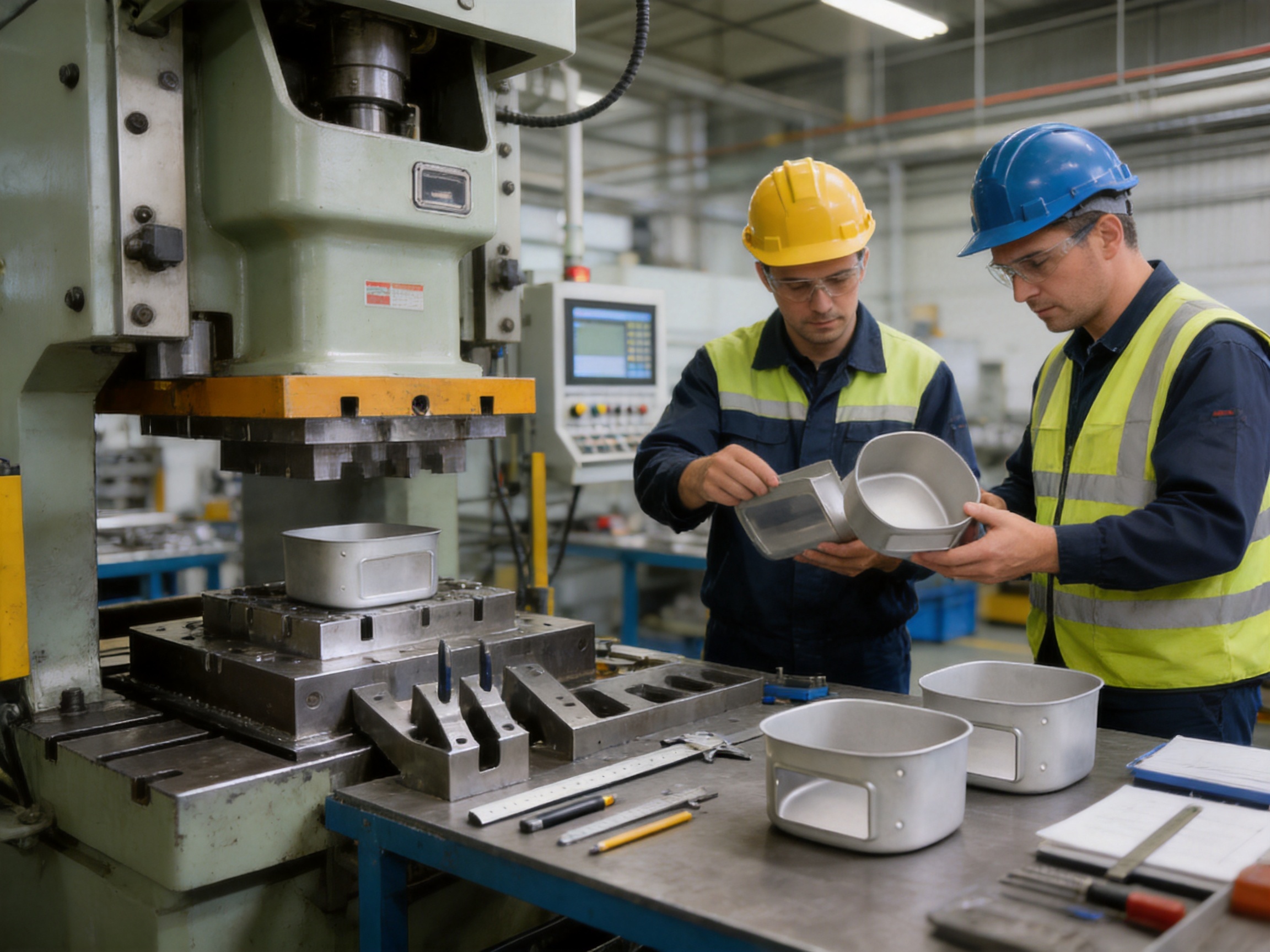
Design Considerations for Custom Projects
To obtain the best performance from a deep-drawn container with cutouts, customers should consider several design factors early in the development stage. These include material selection, thickness, drawing depth, corner radius, cutout location, surface finish, tolerance requirements, and production volume. Early communication with the manufacturer can prevent unnecessary tooling changes and improve project efficiency.
Corner radius is particularly important in deep drawing. Very sharp corners can increase strain and risk cracking. A suitable radius improves material flow and strengthens the formed part. Wall height and depth also matter because deeper draws may require multiple forming stages or special material selection. The manufacturer can review drawings and recommend practical improvements while preserving the intended function.
Cutout placement should be carefully evaluated. Holes or slots near high-strain areas may deform or reduce strength. Openings should generally be positioned with enough distance from corners, bends, and edges unless the tooling and material are specifically designed to support them. If openings must be close to formed features, the manufacturer may propose a process sequence that minimizes distortion.
Surface finish should be selected based on application rather than appearance alone. A brushed finish may hide minor handling marks and provide a consistent visual texture. A polished finish may be suitable for visible or hygienic components. Sandblasting may create a uniform matte appearance. Electropolishing may improve corrosion resistance and cleanability by smoothing microscopic peaks on the surface.
Tolerances should reflect functional needs. Overly tight tolerances can increase cost, especially for deep-drawn parts where forming behavior must be considered. However, critical dimensions such as mounting hole positions, interface edges, and assembly surfaces can be controlled with proper process planning. The best approach is to identify which dimensions are critical and which can follow standard manufacturing tolerances.
Production volume affects tooling strategy. For prototype or small-batch production, flexible methods may be used to validate the design. For large-scale production, dedicated tooling improves efficiency and consistency. The company’s flexible OEM/ODM support helps customers move through these stages smoothly.
Quality, Consistency, and Long-Term Supply Value
For industrial buyers, product quality is not only about receiving an acceptable sample. It is about receiving consistent parts batch after batch. The deep-drawn container with cutouts must maintain dimensional accuracy, clean openings, stable surface finish, and reliable packaging throughout production. A supplier with strong process control can reduce risks in the customer’s own assembly process.
Yuyao Hongli Optoelectronics Co., Ltd. emphasizes strict quality control, stable delivery, and comprehensive after-sales service. These strengths are especially important for customized metal parts because each customer may have unique requirements. A reliable supplier should not only manufacture parts but also understand drawings, communicate process limitations, solve production issues, and support continuous improvement.
Stable delivery is another competitive advantage. When a custom component becomes part of a customer’s production line, delays can affect the entire project schedule. The company’s production capacity, workshops, and experienced employees help support dependable supply. Its import and export service capability also benefits international customers requiring coordinated logistics and documentation.
After-sales support matters because custom parts may require adjustments after field testing or assembly verification. A manufacturer that can respond quickly to feedback can help customers improve product performance and reduce project delays. This is particularly valuable for new product development, where initial prototypes may lead to design refinements.
Advantages Over Typical Competitors
The deep-drawn container with cutouts stands out from typical competing products in several ways. First, it offers seamless construction rather than welded assembly. This gives it superior hygiene, appearance, and structural reliability. Second, it supports highly customized cutouts, allowing customers to integrate the component directly into their equipment without additional processing. Third, it offers multiple surface finishes, enabling adaptation to functional and aesthetic needs.
Another advantage is the manufacturer’s broad production background. Many suppliers may specialize only in simple stamping or only in welding, but this company has experience across deep-drawn parts, stamped parts, bending parts, kitchen appliance accessories, automotive stamping parts, hardware products, optical instrument parts, and appliance components. This wider capability helps when a customer’s project involves more than one type of metal part or requires process integration.
The company’s long experience also reduces technical risk. Deep drawing requires practical knowledge that is difficult to replace with equipment alone. A manufacturer must understand material flow, tooling behavior, defect prevention, and finishing effects. With more than 20 years of industry experience, the company can provide practical recommendations for manufacturability and cost optimization.
Competitors may offer standard containers with limited customization, forcing customers to modify parts after purchase. The deep-drawn container with cutouts is designed specifically for customization. This reduces secondary processing, improves assembly efficiency, and helps customers achieve better product integration. For OEM customers, this can be a major advantage because the part can be designed around the final product rather than forcing the final product to adapt to a generic container.
In addition, the product’s thickness range of 0.5 mm to 3.0 mm gives engineers flexibility. Thin-wall designs can reduce weight and cost, while thicker designs support heavier-duty applications. Surface finish options further improve versatility. This combination of customization, process strength, and supplier experience makes the product a strong choice for demanding buyers.
OEM and ODM Customization Support
OEM and ODM services are central to the value of this product. Many customers require a container that fits their own machines, devices, or systems. Standard products may not match the necessary dimensions, cutout patterns, or surface requirements. Through OEM/ODM customization, customers can specify the details needed for their application.
The customization process may begin with a drawing or sample. The manufacturer evaluates the design and discusses material, thickness, process feasibility, tooling, tolerance, finishing, and production quantity. If necessary, prototypes can be produced for testing. After approval, the process can be optimized for stable production. This development path helps customers reduce risk and confirm performance before committing to larger orders.
ODM support may also help customers who have functional requirements but not a complete design. For example, a customer may need a corrosion-resistant container with drainage holes for a food processing device, or a ventilated metal shell for an electronics assembly. The manufacturer can help translate those requirements into a practical part design.
Good customization requires communication. Customers should provide as much information as possible, including operating environment, load conditions, cleaning method, assembly method, and expected service life. With this information, the manufacturer can recommend suitable materials and finishing options. The final result is a component that is not only manufacturable but also aligned with real use conditions.
Surface Finish Options and Their Practical Benefits
Surface finishing is a key part of the deep-drawn container’s performance. A brushed finish provides a clean and consistent grain appearance, commonly used for appliance components and visible industrial parts. It can reduce the visibility of minor scratches and create a professional look. For products that are handled frequently, brushing may be a practical and attractive option.
Polishing improves reflectivity and smoothness. It is useful when the container must be visually refined or easier to wipe clean. A polished surface may be preferred for food processing, kitchen appliance, or laboratory equipment applications where cleanliness and appearance are both important.
Sandblasting creates a matte surface texture. This can reduce glare and provide a uniform appearance. It may also prepare the surface for subsequent treatments depending on the project. Sandblasted finishes are often selected for industrial components where a non-reflective, consistent surface is desired.
Electropolishing is a more specialized finish that can improve corrosion resistance and microscopic smoothness. It removes a thin layer of metal from the surface through an electrochemical process, reducing microscopic peaks and improving cleanability. This finish can be valuable for hygienic applications, medical-related parts, and environments where corrosion resistance is important.
The correct finish depends on the product’s environment and function. The manufacturer can help customers choose a finish based on cleaning requirements, appearance standards, corrosion exposure, and budget. Because the container is seamless, these finishes can be applied more effectively than on welded assemblies with irregular seams.
Packaging, Delivery, and International Cooperation
Custom metal parts must be protected during packaging and transportation. Surface-finished containers can be vulnerable to scratches if not packed properly. The manufacturer can package parts according to product size, finish sensitivity, shipping method, and customer requirements. Protective materials, separated stacking, cartons, or other packaging solutions may be used to help preserve quality during transit.
For international customers, communication and delivery coordination are essential. The company provides import and export services and supports cooperation with customers worldwide. Clear communication regarding drawings, samples, production schedules, inspection standards, and packaging requirements helps ensure that customers receive parts that meet expectations.
Long-term cooperation is often more valuable than a single purchase. As customers refine their products, they may need design changes, new cutout patterns, different surface finishes, or related stamped and bent parts. A supplier with broad metal processing capability can support these evolving needs. This reduces the complexity of managing multiple suppliers and helps maintain consistent quality across related components.
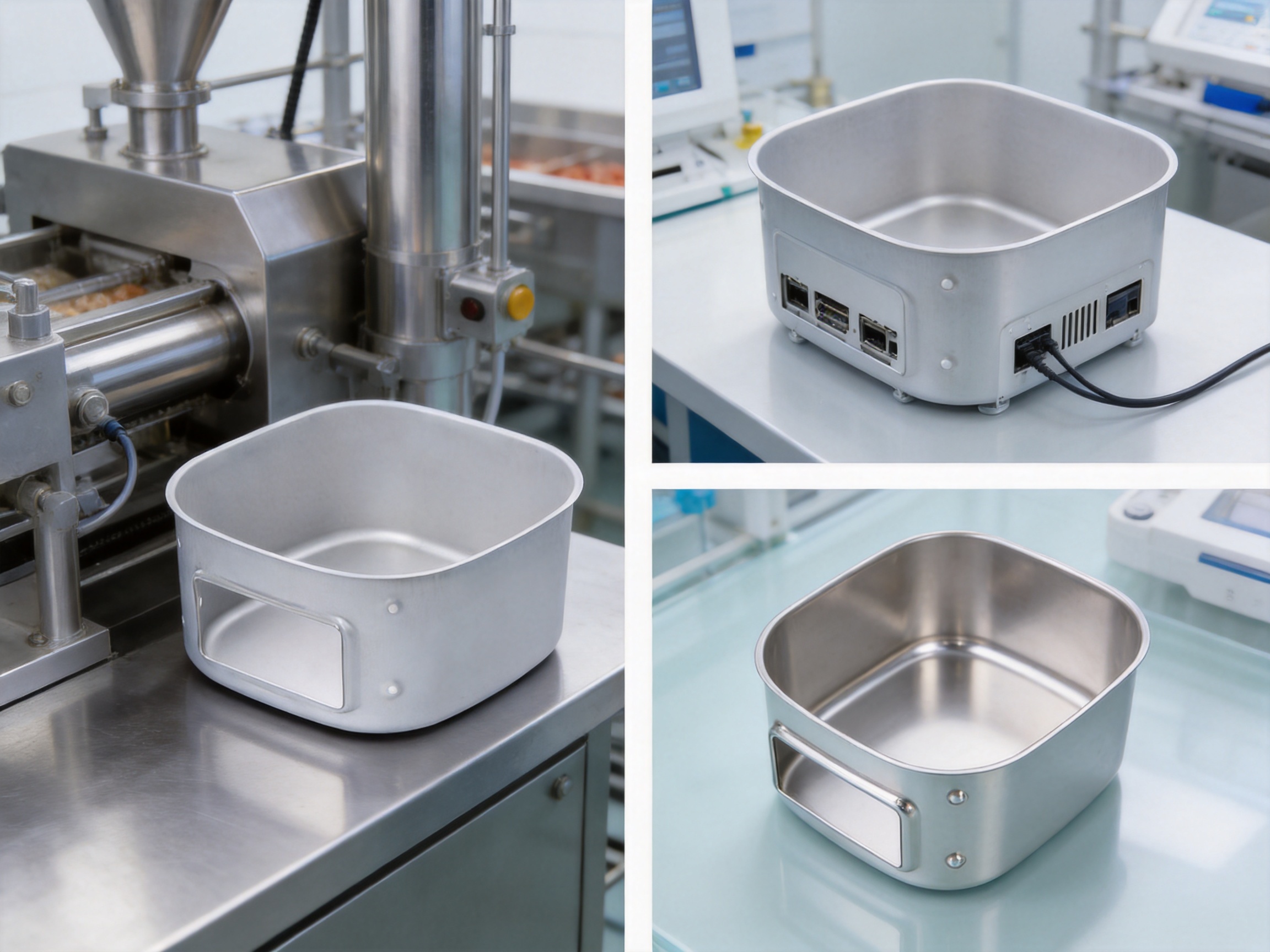
How to Specify a Deep-Drawn Container with Cutouts
When requesting a quotation or technical review, customers can improve efficiency by preparing key information. The first requirement is dimensional data, including length, width, depth, wall height, corner radius, edge design, and overall shape. Drawings are ideal, but samples or sketches can also be useful during early discussion.
The second requirement is material and thickness. If the customer is uncertain, the intended application can guide material selection. For example, food-contact or corrosion-sensitive environments may require corrosion-resistant materials and smoother finishes, while industrial protective components may focus on strength and cost.
The third requirement is cutout design. Customers should define the size, shape, position, quantity, and function of each opening. If a cutout is used for a fastener or connector, the matching component information may help confirm tolerance requirements. If holes are used for drainage or ventilation, flow requirements and cleaning concerns may influence the pattern.
The fourth requirement is surface finish. Customers should specify whether they need brushed, polished, sandblasted, electropolished, or another finish. They should also clarify whether the part is visible, frequently handled, exposed to chemicals, or used in hygienic environments.
The fifth requirement is order quantity and project stage. A prototype project may require different tooling and cost planning than mass production. Sharing estimated annual demand helps the manufacturer recommend the most economical production method.
The sixth requirement is inspection and packaging. Critical dimensions should be identified. Surface protection requirements should be communicated early. If the part will be used in an automated assembly line, tolerances and packaging orientation may be important.
Q&A Section
What is a deep-drawn container with cutouts?
It is a seamless metal container formed from sheet metal through a deep-drawing process and customized with openings such as holes, slots, vents, drainage patterns, or mounting features. The product combines the strength of one-piece construction with the functional flexibility of precision cutouts.
Why is a seamless deep-drawn container better than a welded container?
A seamless deep-drawn container eliminates weld seams, which can be weak points for corrosion, leakage, distortion, and contamination. The one-piece structure improves durability, cleanability, appearance, and long-term reliability, especially in food, medical, electronics, and industrial applications.
What thickness range is available?
The product can typically be manufactured in thicknesses from 0.5 mm to 3.0 mm, depending on material, shape, drawing depth, strength requirements, and customer specifications.
Can the cutouts be customized?
Yes. Cutouts can be customized for ventilation, drainage, wiring, assembly, fastening, sensors, access, positioning, or other functional needs. Customers can provide drawings, samples, or design requirements for evaluation.
What surface finishes are available?
Common surface finish options include brushed, polished, sandblasted, and electropolished finishes. The best choice depends on appearance needs, corrosion resistance, hygiene requirements, and operating environment.
Which industries use this product?
The container is suitable for food processing equipment, medical and laboratory devices, electronics, mechanical equipment, kitchen appliances, industrial machinery, and automotive-related applications. Its customization flexibility allows it to serve many specialized OEM projects.
Can the product be used for hygienic applications?
Yes, the seamless design and optional smooth finishes make it suitable for applications where cleanability is important. For stricter hygiene or corrosion resistance requirements, polishing or electropolishing may be recommended.
Does the manufacturer support prototypes?
Yes. The company supports OEM/ODM customization, rapid prototyping, and production conversion. Customers can test samples before moving to larger production quantities.
What information is needed for a quotation?
Useful information includes drawings or samples, dimensions, material, thickness, cutout pattern, surface finish, tolerance requirements, order quantity, application environment, and packaging expectations.
How does the product reduce assembly costs?
Because cutouts can be integrated during manufacturing, customers may avoid secondary drilling, cutting, or modification. Accurate openings and customized geometry allow the container to fit directly into the final assembly, saving labor and reducing errors.
Conclusion
The deep-drawn container with cutouts is a high-value component for manufacturers that require strength, cleanliness, precision, and customization. Its seamless one-piece construction provides advantages over welded and assembled alternatives, while its customizable cutouts allow it to meet specific functional requirements in a wide range of industries. With thickness options from 0.5 mm to 3.0 mm and surface finishes such as brushed, polished, sandblasted, and electropolished, the product can be adapted for demanding industrial, food processing, medical, electronics, appliance, and automotive-related uses.
Its competitive strength comes from both product design and manufacturing capability. Deep drawing requires experience in tooling, material behavior, forming control, trimming, punching, finishing, and inspection. Yuyao Hongli Optoelectronics Co., Ltd. brings more than 20 years of manufacturing experience, a modern 5,000-square-meter factory, multiple stamping workshops, skilled employees, OEM/ODM service capability, and a broad background in metal parts production. These strengths help customers receive not only a formed container but a complete customized solution supported by practical engineering and stable production.
For buyers seeking a reliable alternative to welded containers, generic stamped shells, or costly machined housings, the deep-drawn container with cutouts offers an excellent balance of performance, efficiency, and customization. It can reduce downstream processing, improve assembly fit, support hygienic design, and provide long-term durability. Whether used in a small batch of specialized equipment or as part of a large production program, this product represents a practical and technically advanced solution for modern manufacturing needs.
References
Kalpakjian, S., and Schmid, S. R. Manufacturing Engineering and Technology. Pearson Education.
Groover, M. P. Fundamentals of Modern Manufacturing: Materials, Processes, and Systems. Wiley.
Dieter, G. E., and Schmidt, L. C. Engineering Design. McGraw-Hill Education.
ASM International. ASM Handbook, Volume 14B: Metalworking: Sheet Forming. ASM International.
Altan, T., and Tekkaya, A. E. Sheet Metal Forming: Processes and Applications. ASM International.
Smith, W. F., Hashemi, J., and Presuel-Moreno, F. Foundations of Materials Science and Engineering. McGraw-Hill Education.
Product: Deep-drawn container with cutouts
Previous Post
Stamped Bendable Strip-Shaped Parts for Precision Applications
Next Post
Deep-Drawn Square Container with Custom Cutouts for Reliable Industrial Integration
News
-
-
What Is Deep Drawing Process and What Are Deep-Drawn Parts The deep drawing process is a sheet metal forming operation in which a flat meta...
READ MORE -
A flat mounting plate with three punched holes and a rectangular container with a fitted lid can come off presses in the same workshop, yet...
READ MORE -
Sheet metal bending is one of the most fundamental processes in metal fabrication. It turns a flat sheet of steel, aluminum, or copper into...
READ MORE
Get Fresh Updates Via Email
We promise we will never disclose your email address, and you can opt out at any time.
-
Quick Links
Home About Us Products Service News Contact Us -
Product list
Deep-drawn parts Stamped parts Bending parts Kitchen appliance accessories Automotive stamping parts -
About Us
Factory Honour FAQ -
News
Company News Industry News -
Contact Us
Address: South side of Shunke Road, Yangming Science and Technology Industrial Park, Yuyao City, Zhejiang Province, China Tel: +86-13905842349/+86-13738485724 Email: hongli@hl-stamping.com
Copyright © Yuyao Hongli Optoelectronics Co., Ltd. All Rights Reserved.
Custom Precision-Sheet/Sheet Metal Stamping Manufacturers
