


 English
 русский
 Español
 عربى
عربى

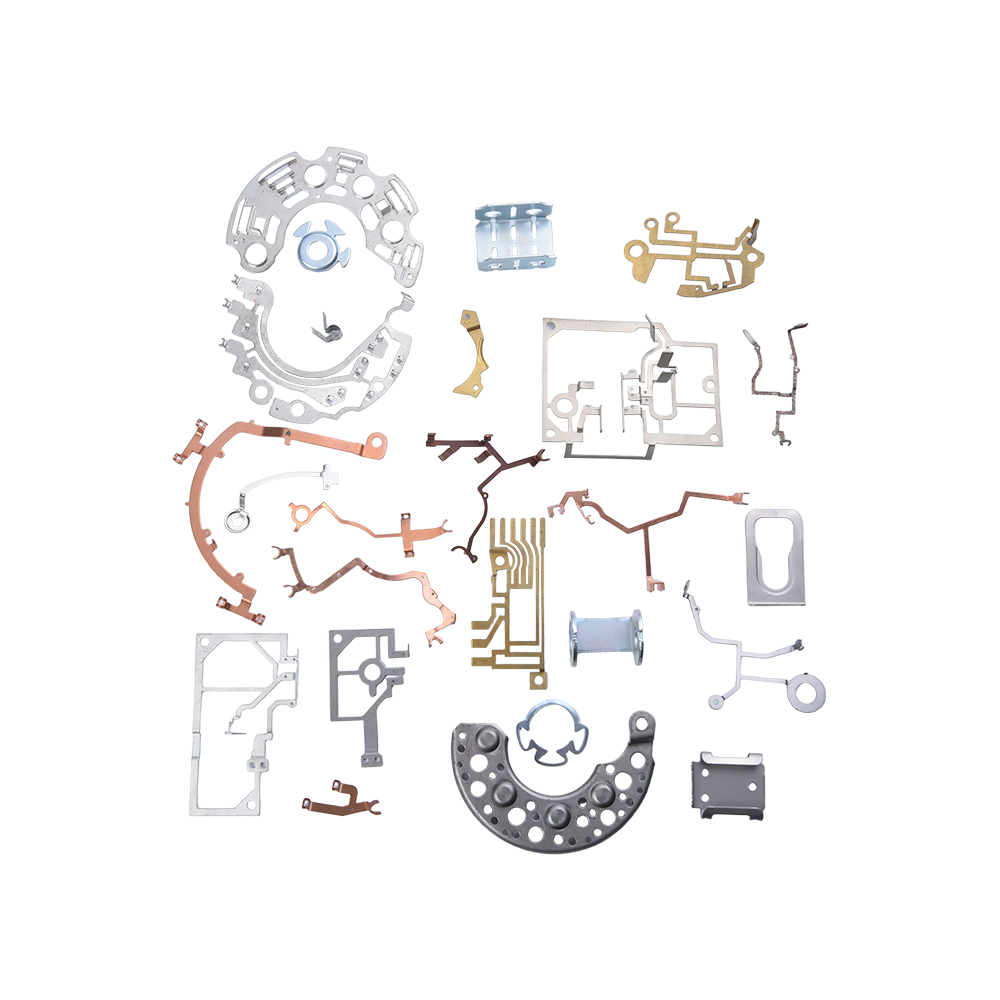

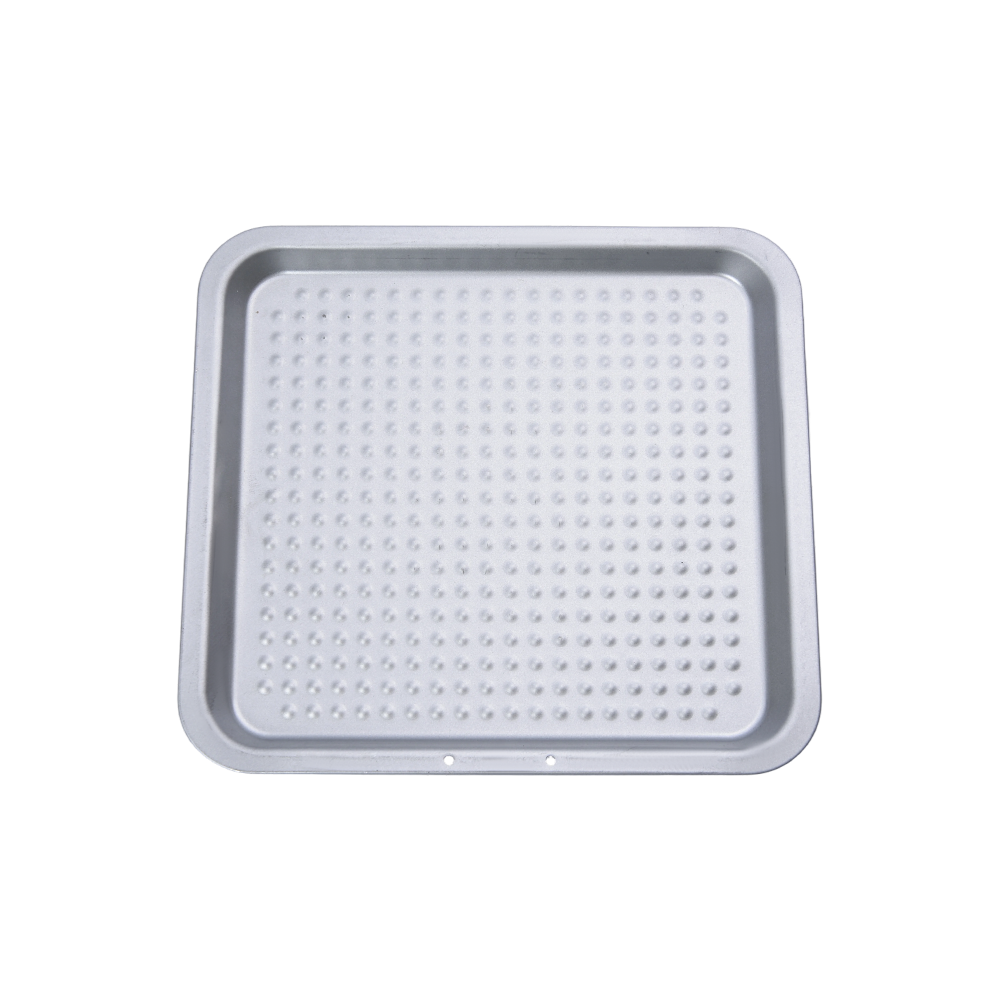
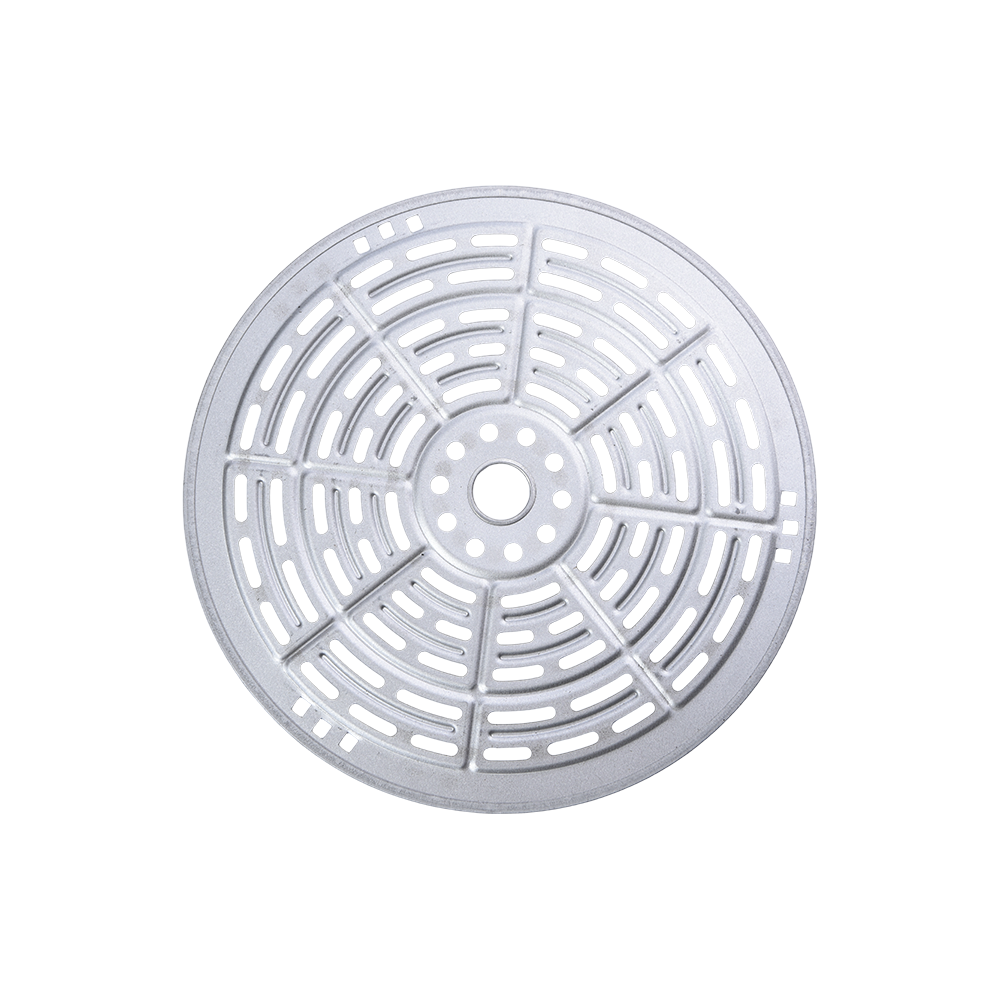
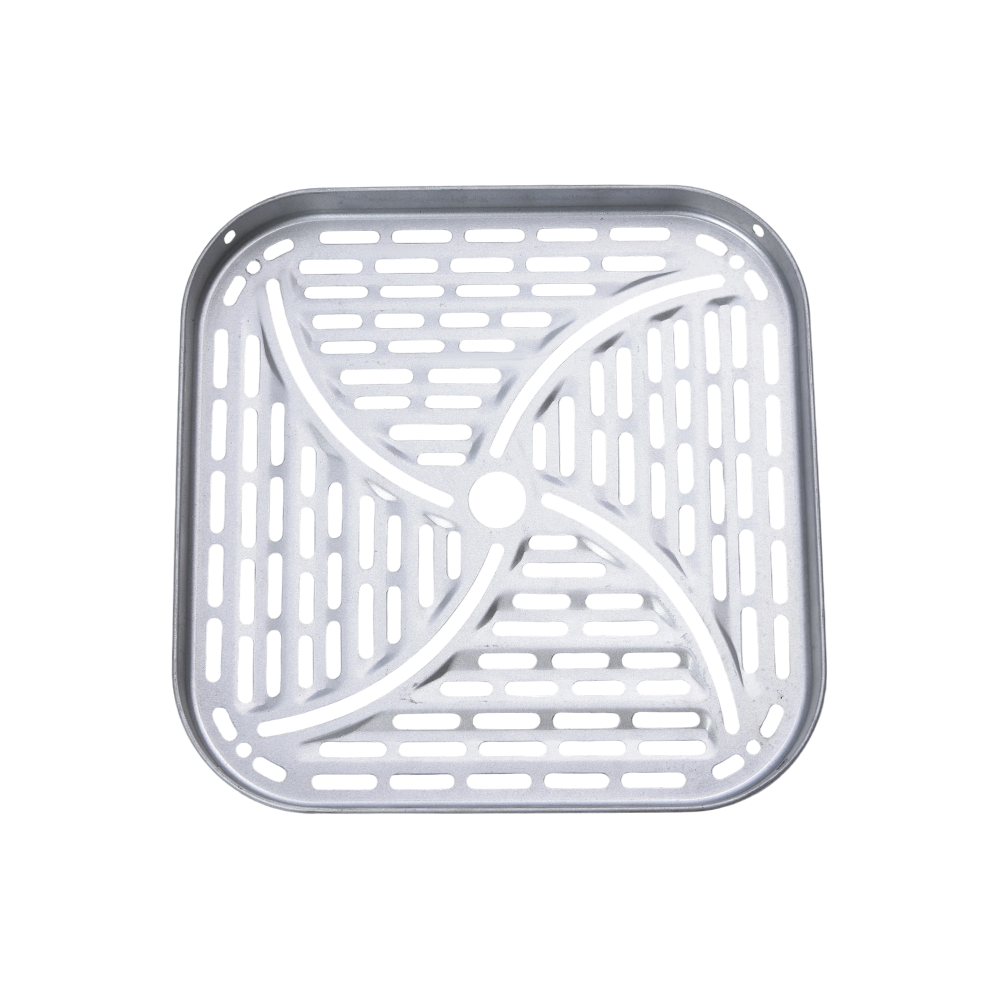
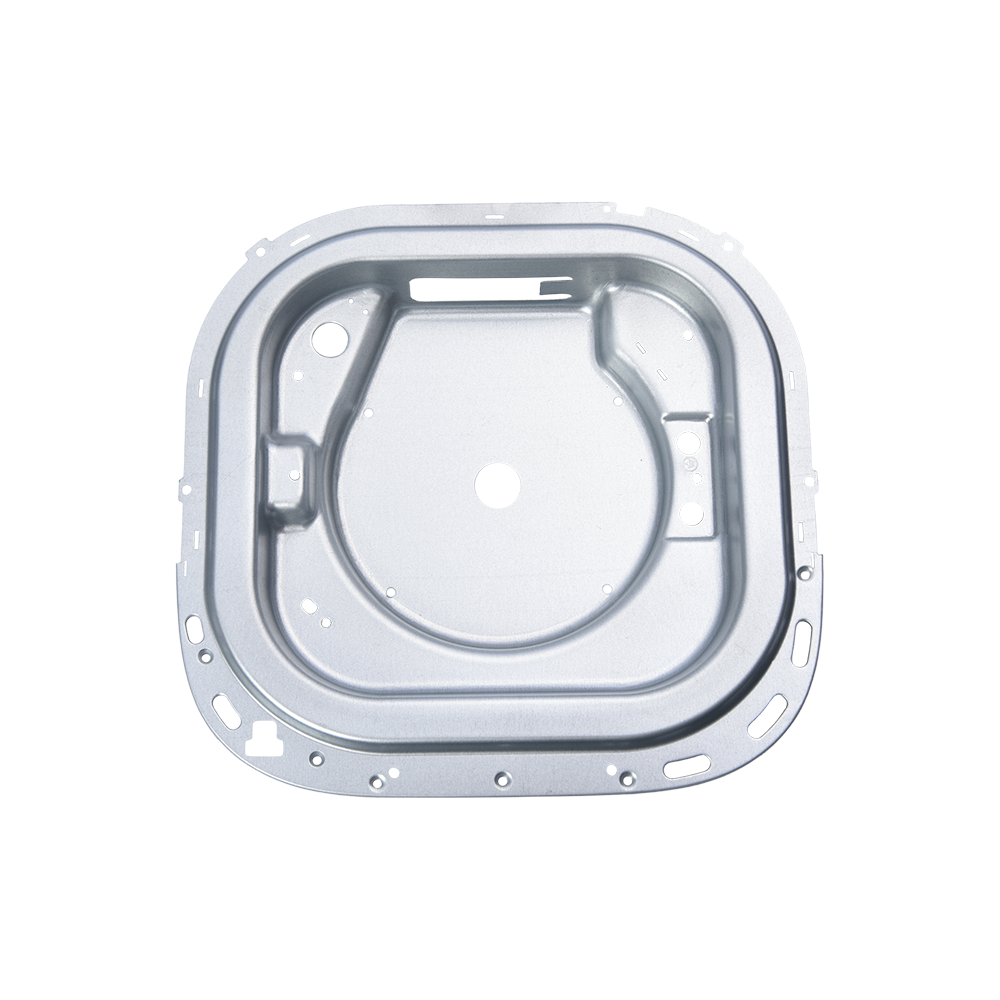
What Are Stamped Parts? Stamped parts are metal components produced by pressing flat sheet metal between a die and a punch to cut, bend, or...
READ MORE

News
Home / Author / Liu Yanan — Product After-Sales Service Specialist / Stamped Bendable Strip-Shaped Parts for Precision Applications
Stamped Bendable Strip-Shaped Parts for Precision Applications
2026-07-04
Stamped bendable strip-shaped parts are compact, narrow metal components engineered to deliver a rare combination of flexibility, dimensional accuracy, corrosion resistance, strength, and adaptable formability. In many modern products, the smallest metal part can determine whether an assembly performs reliably, installs smoothly, and survives long-term service in demanding environments. These strip-shaped stamped parts are designed for applications that require a slim profile, controlled bending performance, stable mechanical strength, and dependable surface quality.
Unlike ordinary metal strips that may be cut with limited dimensional control or formed without consistent repeatability, stamped bendable strip-shaped parts are produced through precision tooling and controlled stamping processes. This allows manufacturers to achieve stable length, width, thickness, hole position, edge condition, bend response, and surface finish across high-volume production. The result is a part that is not only simple in appearance but also highly functional in real-world applications such as appliances, heating devices, automotive assemblies, hardware systems, instrument structures, and custom industrial components.
Yuyao Hongli Optoelectronics Co., Ltd. manufactures these stamped parts with over 20 years of experience in metal stamping, deep drawing, bending, and related hardware production. Located in Yangming Science and Technology Industrial Park in Yuyao City, Zhejiang Province, China, the company operates a modern 5,000-square-meter factory with multiple stamping workshops, more than 60 employees, and strong capabilities for OEM and ODM customization. Its manufacturing foundation supports rapid prototyping, efficient production conversion, strict quality control, and stable delivery for customers requiring precision stamped parts and custom metal components.
Stamped bendable strip-shaped parts
Product Overview: What Makes a Bendable Strip-Shaped Stamped Part Valuable
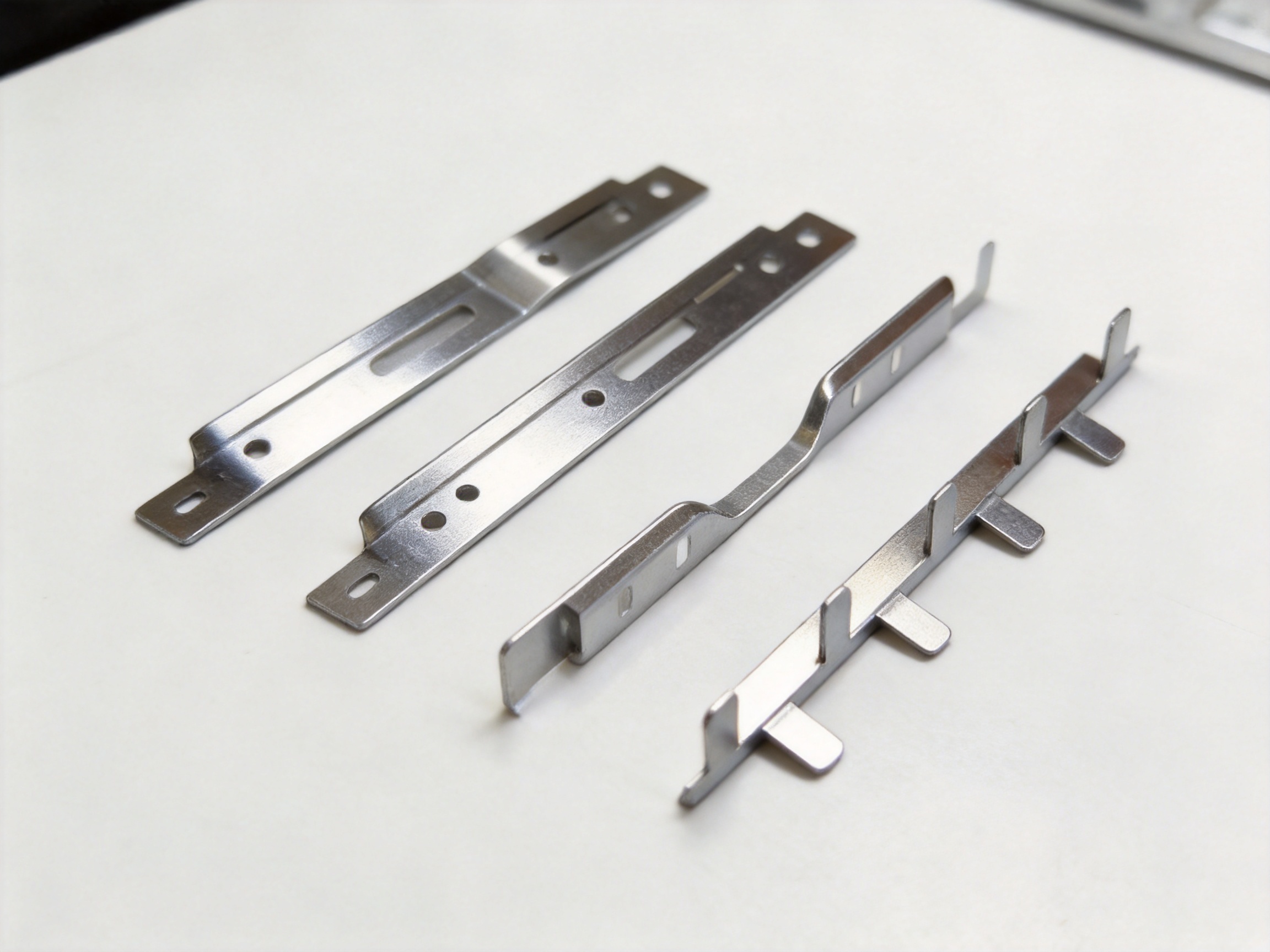
A stamped bendable strip-shaped part is typically a long, narrow component produced from sheet metal or strip metal through stamping, cutting, punching, bending, forming, trimming, and surface finishing processes. The defining feature is its strip-like geometry, which allows it to be used where space is limited or where a component must follow the shape of a larger assembly. At the same time, the part must retain enough strength to support, clamp, connect, reinforce, position, conduct, shield, or protect other elements.
The bendable characteristic does not mean the part is weak. On the contrary, effective bendable strip parts are designed to balance ductility with structural integrity. The metal must be able to bend or adapt to a specified shape without cracking, warping excessively, losing critical dimensions, or suffering surface damage. This balance depends on material selection, thickness control, grain direction, tool design, bend radius, stamping sequence, and final finishing.
These parts can be customized in length, thickness, width, contour, hole pattern, slot geometry, edge profile, surface finish, and forming angle. They may be produced as straight strips, curved strips, partially bent strips, stepped strips, perforated strips, tabbed strips, bracket-like strips, spring-like strips, or multi-featured precision parts. Because they are stamped, they are especially suitable for repeatable production, where each part must match the customer’s drawings and assembly expectations.
Applications often require resistance to rust, heat, corrosion, and mechanical fatigue. For example, a strip-shaped part used inside a kitchen appliance may be exposed to humidity, heat cycles, vibration, and cleaning agents. A part used in an automotive stamping application may encounter temperature fluctuation, road vibration, and environmental corrosion. A component used in an optical or educational instrument may require clean edges, stable dimensions, and an attractive finish. In all cases, the production method must convert a simple metal strip into a dependable engineered component.
Core Advantages Over Common Competing Solutions
Stamped bendable strip-shaped parts compete with several alternative solutions, including laser-cut strips, manually bent strips, cast small components, machined flat parts, and generic off-the-shelf metal bands. Each alternative has value in certain conditions, but precision stamping provides a superior balance of cost, accuracy, repeatability, and scalability when the product design is stable and volume production is required.
Compared with manually fabricated strips, stamped parts deliver far better consistency. Manual processes often depend on operator skill and can create variation in length, bend angle, hole position, edge condition, and surface appearance. In contrast, a stamping die controls the geometry during every cycle, reducing variation and supporting efficient inspection. This is especially important when the part must fit into an assembly with tight tolerances or when multiple parts must align with screws, rivets, slots, guides, clips, or housings.
Compared with machining, stamping generally reduces material waste and production cost for thin or medium-thickness sheet metal parts. Machining removes material gradually and may be inefficient for long, narrow parts that include simple holes, slots, tabs, or contours. Stamping forms the geometry quickly using dies and presses, enabling high throughput and stable production. For high-volume programs, the cost advantage can be significant because the cycle time is short and part-to-part consistency is high.
Compared with casting, stamping is usually more suitable for thin strip-like components. Casting can create complex three-dimensional shapes, but it is often less appropriate for precision thin metal strips requiring controlled flexibility. Cast parts may also require additional finishing and may not provide the same bendability as rolled sheet metal. Stamped strip-shaped parts preserve the beneficial characteristics of sheet metal, including ductility, smooth surface, predictable thickness, and reliable bending response.
Compared with generic off-the-shelf strips, custom stamped parts provide application-specific performance. A generic strip may not have the correct hole spacing, edge profile, material grade, thickness, surface treatment, or bending behavior. Custom stamping allows the part to be engineered for the exact product environment, whether the requirement is high-temperature resistance, corrosion resistance, controlled spring force, assembly alignment, or aesthetic surface appearance.
Key Product Features
Compact Strip-Like Geometry
The slim strip-shaped structure is one of the most important advantages of this product type. Many assemblies have very limited internal space, and a bulky component can interfere with surrounding parts. A strip-shaped stamped part can fit into narrow channels, along appliance walls, inside brackets, around curved structures, or between adjacent components. This makes it practical for compact appliances, automotive interiors, electrical housings, optical equipment, heating devices, and precision hardware.
The strip-like form also improves design flexibility. It can be used as a retaining element, positioning component, reinforcement band, flexible connector, mounting strip, shielding member, support plate, guide strip, or customized functional insert. Because the part can be designed with different cutouts, holes, tabs, and bends, a single strip can perform multiple functions in one assembly, reducing the need for additional components.
Bendable Yet Stable Performance
The product’s bendable nature allows it to adapt to different structures or installation conditions. A well-designed bendable strip can be formed during manufacturing or adjusted during assembly depending on the customer’s requirements. This flexibility is particularly useful when the strip must follow a curved surface, clamp around another component, absorb minor tolerance variation, or provide controlled spring-like contact.
However, bendability must be carefully controlled. If the material is too soft, the part may deform permanently under load and fail to maintain its position. If it is too hard or too brittle, it may crack during bending. The manufacturing process must select the correct material and thickness while designing the forming radius and bend sequence to protect both strength and flexibility. This is where experienced stamping engineering becomes essential.
Strength and Structural Support
Although these components are slim, they can provide meaningful structural support. Strength is influenced by material grade, work hardening, thickness, width, bending geometry, and surface treatment. A strip-shaped part may include ribs, flanges, offsets, or controlled bends to increase stiffness without greatly increasing weight or material usage. This ability to enhance strength through forming is one of the reasons stamping remains widely used in automotive, appliance, and hardware industries.
In some applications, the part must resist repeated vibration, insertion force, thermal expansion, or mechanical impact. Proper tool design and process control help ensure that edges are smooth, hole locations are stable, and bend areas are not weakened. This improves service life and reduces the risk of premature failure.
Rust, Heat, and Corrosion Resistance
Material and finish options allow stamped bendable strip-shaped parts to perform in harsh environments. Depending on the application, parts may be produced from stainless steel, carbon steel with protective coating, galvanized steel, aluminum, copper alloy, or other suitable metals. Surface finishing may include polishing, plating, passivation, coating, cleaning, deburring, or other treatments designed to improve corrosion resistance, appearance, and assembly performance.
For kitchen appliance accessories, corrosion resistance is important because parts may be exposed to moisture, heat, food-related residue, cleaning processes, and long-term temperature cycles. For automotive stamping parts, resistance to environmental exposure, vibration, and temperature changes is critical. For hardware and electrical applications, surface condition may affect conductivity, insulation clearance, friction, and assembly reliability.
High Customization Flexibility
Customers can specify length, thickness, width, material, surface finish, hole pattern, forming profile, tolerance requirements, packaging method, and inspection standards. This is a major advantage over standardized parts. A custom strip can be designed around the customer’s product rather than forcing the customer to redesign around a generic component.
Customization can begin with a drawing, sample, concept, or performance requirement. The manufacturer can support design review, manufacturability evaluation, prototype production, tooling development, trial stamping, inspection, and mass production. For customers launching a new product or improving an existing one, this support reduces development risk and shortens the path from concept to production.
Manufacturing Strength Behind the Product
The performance of a stamped bendable strip-shaped part is determined not only by its material but also by the manufacturing system behind it. Yuyao Hongli Optoelectronics Co., Ltd. has developed comprehensive production capabilities through more than two decades of experience. The company’s background covers metal stamping parts, deep-drawn parts, bending parts, kitchen appliance accessories, automotive stamping parts, optical instrument components, educational instrument components, small household appliance parts, electric heater components, hardware products, and related custom manufacturing.
This broad production experience is valuable because strip-shaped parts often appear simple but may require detailed process knowledge. For example, a narrow strip with several holes may twist during stamping if material stress is not controlled. A bendable strip may crack if the bend radius does not match the material characteristics. A part with a polished finish may be damaged if handling and packaging are not controlled. A strip with tight tolerances may require careful die clearance, press selection, and inspection methods.
The company’s 5,000-square-meter modern factory and multiple stamping workshops support both small-batch customization and stable production runs. With more than 60 employees, the production system can respond to various project requirements, including prototyping, tooling, batch manufacturing, inspection, packaging, and delivery. This is particularly important for international customers who need a supplier capable of turning drawings into repeatable parts with consistent quality.
Engineering Review and Design for Manufacturability
A successful stamped part begins before production. Engineering review helps determine whether the design can be stamped efficiently and whether the material, thickness, tolerances, hole locations, bend radii, and surface finish are appropriate. Design for manufacturability can prevent common problems such as tearing, burr formation, deformation, springback, poor flatness, tool wear, and assembly mismatch.
For bendable strip-shaped parts, manufacturability review may include several questions. Is the material ductile enough for the specified bend? Is the bend line too close to a hole or slot? Will the strip remain flat after punching? Is the edge clearance suitable for the selected thickness? Does the part require deburring after stamping? Is the surface finish compatible with the operating environment? Are the tolerances realistic for the production volume and cost target?
By addressing these questions early, the manufacturer can reduce tooling revisions, shorten development cycles, and improve the customer’s overall project efficiency. This is one of the practical advantages of working with an experienced stamping manufacturer rather than a supplier that only performs basic cutting or bending.
Tooling and Die Development
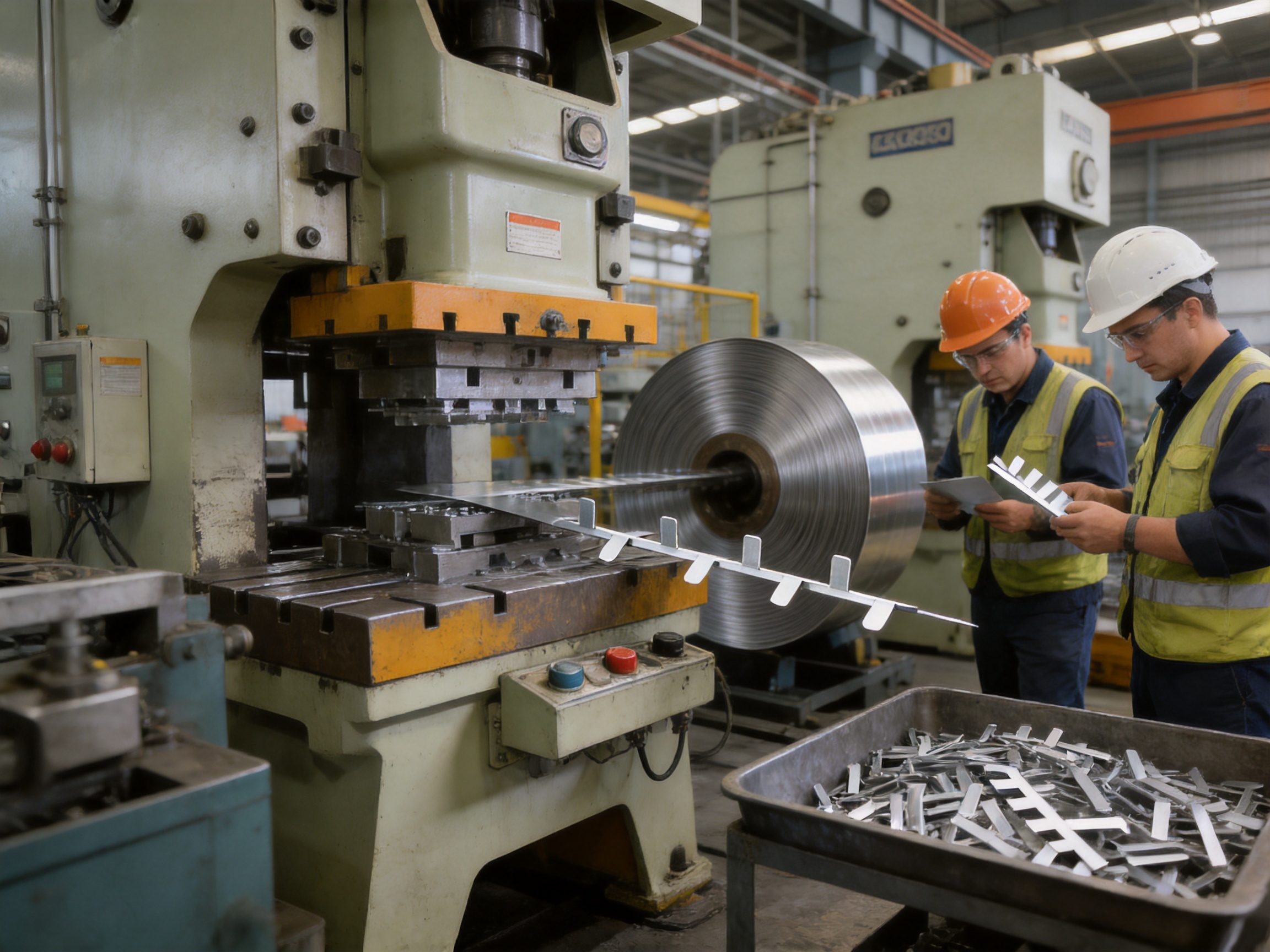
Tooling is central to precision stamping. A die must be designed to cut, punch, form, and control the strip accurately. Depending on the production requirement, tooling may include simple dies, compound dies, progressive dies, forming dies, bending fixtures, or custom tooling combinations. The choice depends on part complexity, expected volume, tolerance, material, and cost requirements.
For high-volume production, progressive die stamping can be especially efficient. The strip material moves through multiple stations, with each station performing a specific operation such as piercing, notching, trimming, forming, or cutoff. This method enables rapid production while maintaining consistent geometry. For lower-volume or more specialized parts, other tooling methods may be more economical and flexible.
Tool design must also consider burr direction, material feeding stability, pilot hole accuracy, strip layout, scrap control, and maintenance. A well-designed tool reduces waste, improves part quality, extends tool life, and supports reliable delivery. This is a major competitive advantage because poor tooling can lead to inconsistent parts, frequent downtime, and higher long-term cost.
Material Selection and Preparation
The material must match the function of the part. Stainless steel may be chosen for corrosion resistance and high-temperature performance. Carbon steel may be selected for strength and cost efficiency, often combined with a protective finish. Aluminum may be chosen for lightweight applications. Copper or copper alloys may be appropriate where conductivity or specific spring behavior is required. The final selection depends on the customer’s mechanical, environmental, aesthetic, and budget requirements.
Thickness selection is equally important. A thicker strip may provide higher stiffness and load capacity but may be harder to bend and may require larger forming forces. A thinner strip may be easier to form and lighter in weight but may need reinforcing features to achieve the required strength. Width and length also affect stiffness, handling, and assembly performance.
Material preparation includes ensuring correct coil or sheet condition, surface cleanliness, thickness consistency, and proper storage. If material has surface defects, uneven hardness, or poor flatness, these problems can appear in the finished part. Experienced manufacturers control incoming material quality to protect downstream production stability.
Stamping, Punching, and Forming Operations
The main production stage converts the metal into the desired part geometry. Stamping operations may include blanking, piercing, slotting, trimming, embossing, bending, coining, and forming. Each operation must be controlled so the part meets dimensional and functional requirements.
For strip-shaped components, maintaining straightness and flatness can be challenging. Narrow parts may distort if cutting forces are unbalanced. Holes and slots can create weak points if placed too close to edges or bend lines. Burrs can affect assembly, safety, electrical clearance, and appearance. A controlled stamping process addresses these issues through die design, press settings, lubrication, material feeding, and inspection.
Bending and forming require special attention because metals naturally spring back after forming. The die must compensate for springback so the final angle meets the drawing requirement. Material batch variation, thickness variation, and grain direction can all influence springback. Skilled stamping manufacturers use process experience and trial production data to stabilize the final part geometry.
Surface Treatment and Finishing
Surface treatment improves performance and appearance. Depending on the application, stamped bendable strip-shaped parts may require deburring, polishing, cleaning, plating, passivation, coating, or other finishing steps. Deburring is often necessary to remove sharp edges caused by punching or cutting. Smooth edges improve handling safety and prevent damage to adjacent parts during assembly.
Polishing or cleaning may be important for visible components or parts used in appliances and instruments. Corrosion-resistant finishes can extend service life in humid, hot, or chemically exposed environments. Surface treatment also affects friction, contact behavior, and compatibility with other components. For example, a strip used as a sliding guide or contact element may require a finish that supports smooth movement or stable contact.
Finishing quality is a key differentiator between basic metal parts and professional stamped components. Even if dimensions are correct, poor surface treatment can cause rust, scratching, assembly difficulty, or customer rejection. A manufacturer with experience in appliance, automotive, and hardware applications understands that appearance and durability matter together.
Technical Considerations for Custom Design
When developing a custom bendable strip-shaped stamped part, customers should consider the final function before selecting dimensions or material. The part may look simple, but small changes in thickness, bend radius, hole position, or finish can significantly affect performance. A professional stamping supplier can help translate functional needs into manufacturable geometry.
The length of the strip affects flexibility and installation behavior. Longer strips may bend more easily but may require additional features to prevent twisting. Shorter strips may provide greater stiffness but less adaptability. Width influences load distribution, contact area, and resistance to side bending. Thickness determines strength, spring behavior, forming force, and durability.
Hole and slot design must consider assembly requirements and stamping limitations. Holes too close to the edge may deform. Holes too close to a bend may become oval or cause cracking. Long slots may weaken the strip if not properly designed. Tabs and cutouts can improve function but may require careful die clearance and burr control.
Bend radius is one of the most critical design factors. A radius that is too small may create cracks, especially in harder materials or thicker strips. A radius that is too large may not fit the required assembly space. The correct radius depends on material ductility, thickness, direction of rolling, surface condition, and expected service load.
Surface finish should be selected according to the working environment. A part hidden inside a dry product may only require basic cleaning and deburring. A part exposed to heat, moisture, or corrosive agents may require stainless steel or protective finishing. A visible part may need a uniform appearance. A part used in electrical or mechanical contact may need a finish that supports stable functional performance.
Comparison of Custom Stamped Bendable Strips and Alternative Methods
| Evaluation Factor | Custom Stamped Bendable Strip-Shaped Parts | Generic Metal Strips | Machined Thin Parts | Manual Fabrication |
|---|---|---|---|---|
| Dimensional Repeatability | High repeatability through controlled dies and stamping processes | Limited to standard sizes and may not match assembly needs | Good but often slower and more costly for thin strip parts | Variable depending on operator skill and tools |
| Production Efficiency | Excellent for medium and high-volume production | Fast if standard parts fit, but limited customization | Lower efficiency for large quantities of simple thin parts | Low to moderate efficiency |
| Customization | Length, width, thickness, holes, bends, finish, and material can be customized | Limited customization | High customization but higher unit cost | Flexible for simple changes but inconsistent |
| Bendability Control | Engineered through material selection, tooling, and forming process | Uncertain unless material and condition are verified | Possible but not always economical | Inconsistent bend angles and surface results |
| Cost in Volume | Competitive after tooling investment | Low only when no modification is needed | Often higher for volume production | Higher labor cost and lower consistency |
| Surface and Edge Quality | Can be controlled with deburring, finishing, and inspection | Depends on stock quality | Good with additional finishing | Often inconsistent |
Applications Across Industries
Kitchen Appliance Accessories
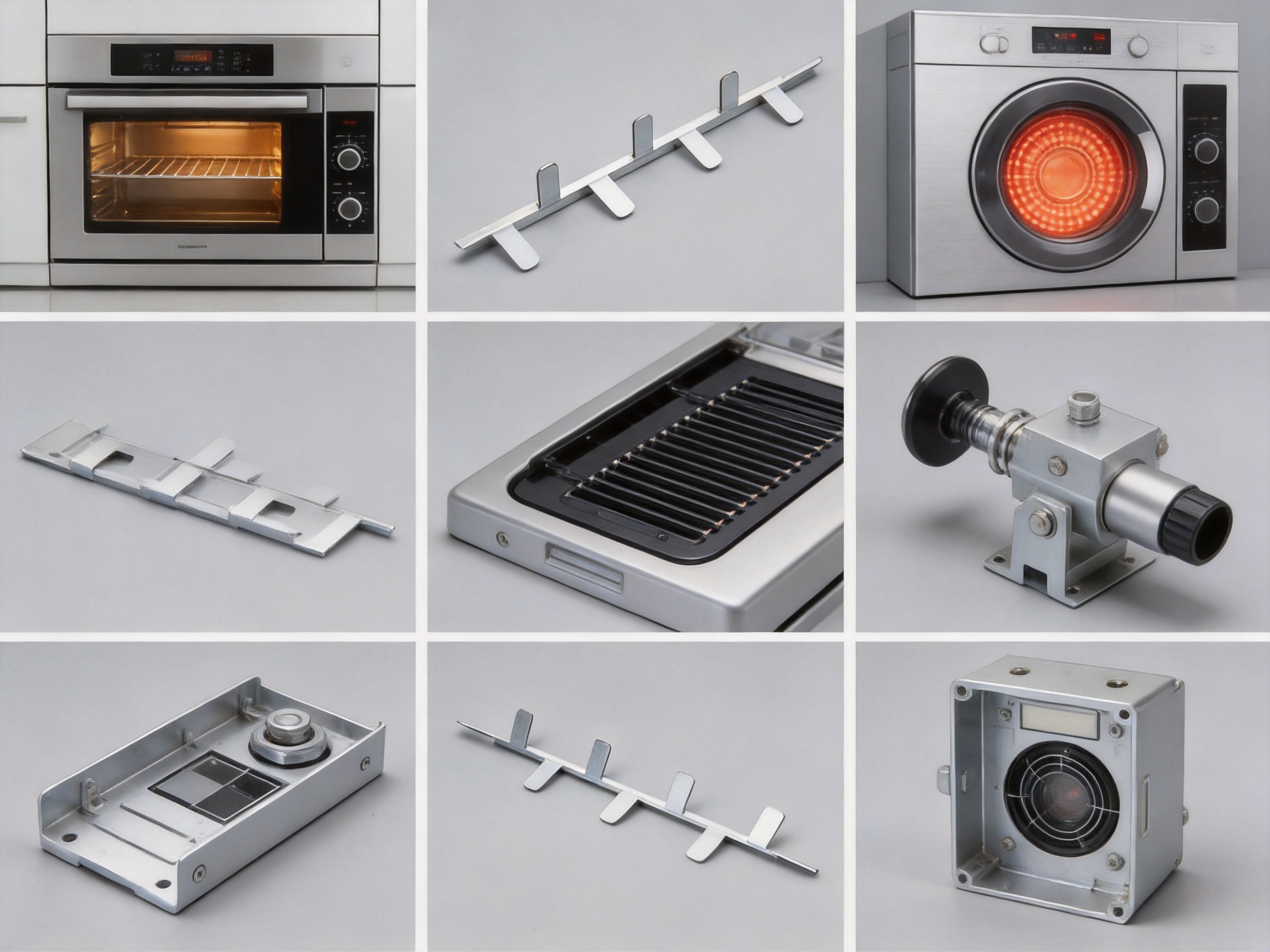
Kitchen appliances require metal parts that can tolerate heat, humidity, cleaning exposure, and repeated use. Bendable strip-shaped stamped parts can be used as support strips, retaining strips, heat-resistant brackets, guide strips, internal reinforcement elements, mounting pieces, and protective components. Their slim profile helps them fit inside compact appliance housings where space is carefully managed.
For appliances, both function and appearance may matter. Even internal parts must resist corrosion and maintain stability during temperature cycles. If a strip bends during assembly, it must do so without cracking or losing protective surface quality. Precision stamping helps ensure that each part installs smoothly and performs consistently.
Automotive Stamping Parts
Automotive components demand reliability under vibration, temperature fluctuation, and long service life. Strip-shaped stamped parts may be used in fastening systems, interior structures, brackets, retainers, clips, supports, shielding elements, or customized metal assemblies. Lightweight design is also important, and stamped strips can provide strength without excessive material use.
Automotive projects often require strict dimensional control and stable batch quality. A small deviation in hole spacing or bend angle can affect assembly line efficiency. Professional stamping manufacturing supports consistent production and helps reduce defects in downstream assembly.
Small Household Appliances and Electric Heating Products
Small household appliances and electric heaters often require compact metal components that can withstand heat and provide structural or positioning support. Bendable strips can be used near heating elements, mounting areas, housing interfaces, and protective structures. Material selection is especially important in heating applications because the part may experience thermal expansion, oxidation risk, or changes in mechanical properties at elevated temperatures.
Stamped parts are advantageous because they can be produced with precise geometry and repeatable forming features. This helps appliance manufacturers maintain product consistency while controlling cost.
Optical and Educational Instruments
Instruments often require accurate, clean, and stable components. A strip-shaped stamped part may serve as a support, guide, holding element, adjustment component, or internal structural piece. Because these products may involve precise alignment, dimensional stability is important. Clean edges and controlled surfaces also help avoid assembly interference or damage to delicate parts.
The company’s historical experience in optical and educational instrument-related manufacturing provides a useful foundation for producing small metal parts with attention to detail. This experience supports customers who require both functional precision and reliable appearance.
General Hardware and Industrial Assemblies
Many hardware products require narrow metal strips with customized holes, slots, tabs, or bends. These may be used in locks, fixtures, brackets, shelves, frames, electrical housings, guide mechanisms, retaining systems, and custom equipment. Stamped bendable strip-shaped parts offer a cost-effective way to produce these components with repeatable quality.
Industrial customers often value suppliers who can adapt to different part designs and production volumes. A manufacturer with stamping, bending, deep drawing, and finishing capabilities can support a broad range of metal component needs instead of only one narrow product type.
Quality Control and Inspection
Quality control is essential for stamped bendable strip-shaped parts because their function depends on details. A minor burr may interfere with assembly. A small hole position deviation may prevent fastening. An incorrect bend angle may cause misalignment. A surface defect may reduce corrosion resistance. Therefore, inspection must be integrated throughout production rather than treated as a final step only.
Incoming material inspection helps confirm that the metal meets required thickness, surface condition, and material characteristics. During production, first-piece inspection verifies that the die setup produces parts according to the drawing. In-process inspection monitors dimensions, hole positions, edges, bends, flatness, and surface quality. Final inspection confirms that finished parts meet customer requirements before packaging and shipment.
For custom parts, inspection standards may be adjusted according to the customer’s drawings and application. Critical dimensions can be checked more frequently, while non-critical features may use standard sampling methods. The goal is to maintain stable quality without creating unnecessary cost. Experienced suppliers understand how to balance inspection intensity with production efficiency.
Quality control also includes tool maintenance. As dies wear, burr height may increase, dimensions may shift, and forming quality may decline. Regular maintenance, sharpening, adjustment, and monitoring help ensure long-term stability. This is especially important for repeat orders where customers expect the same part quality over time.
OEM and ODM Customization Support
OEM and ODM customization is a major strength for customers who need parts designed around specific products. OEM projects typically begin with a customer drawing or sample. The manufacturer produces the part according to the required specifications. ODM support may involve deeper involvement in design optimization, manufacturability improvement, material selection, and process planning.
Customization support can include drawing review, sample evaluation, material recommendation, prototype stamping, trial assembly feedback, tooling development, production planning, finishing selection, packaging design, and export coordination. This full-process service is valuable because customers can reduce the number of suppliers involved and improve communication efficiency.
Rapid prototyping is particularly useful during product development. Before investing in production tooling, customers may need samples to verify fit, bending behavior, surface appearance, and function. Once the design is confirmed, production conversion can proceed more efficiently. The company’s experience in rapid prototyping and efficient production conversion helps customers move from idea to batch supply with lower risk.
For international customers, communication, reliability, and delivery stability are as important as production capability. A supplier must understand technical requirements, confirm details clearly, protect consistency, and provide responsive after-sales support. Yuyao Hongli Optoelectronics Co., Ltd. emphasizes integrity, excellence, innovation, and sharing as its business philosophy, supporting long-term cooperation with customers worldwide.
Why Manufacturing Experience Matters
Stamped parts are sometimes underestimated because many appear visually simple. However, real production challenges often emerge only after tooling begins or assembly testing starts. A strip may twist after blanking. A hole may deform near a bend. A coating may crack during forming. A burr may face the wrong direction. A part may pass dimensional inspection but fail during installation because springback was not properly controlled. These are practical manufacturing issues that require experience to solve.
More than 20 years of industry experience allows a manufacturer to anticipate these problems earlier. Experienced engineers and production teams understand how material behaves, how tooling wears, how forming sequence affects stress, and how finishing interacts with bending. This knowledge reduces trial-and-error and improves production reliability.
The company’s broad product range also strengthens its capability. Deep-drawn parts require knowledge of metal flow and deformation. Bending parts require understanding of springback and angle control. Automotive stamping parts require consistency and durability. Kitchen appliance accessories require corrosion resistance and heat-related performance. Hardware products require cost-effective repeatability. Combining these experiences supports better manufacturing of bendable strip-shaped stamped parts.
Design Optimization for Cost and Performance
Customers often seek a part that is strong, corrosion-resistant, attractive, precise, and low-cost. Achieving all these goals requires careful design optimization. Cost is influenced by material utilization, tooling complexity, number of operations, tolerance requirements, finishing steps, inspection intensity, and packaging. Performance is influenced by material, thickness, geometry, surface condition, and forming quality.
One common optimization method is to simplify geometry without reducing function. If a bend, slot, or cutout does not contribute to performance, removing it may reduce tooling complexity. Another method is to adjust tolerances based on actual assembly needs. Extremely tight tolerances increase cost and may not be necessary for non-critical features. A professional supplier can help identify which dimensions are critical and which can be controlled with standard process capability.
Material optimization is also important. Stainless steel may offer excellent corrosion resistance, but it may not always be necessary if a coated carbon steel part can meet the environment at lower cost. Conversely, selecting a cheaper material may create long-term failure if the part is exposed to heat or moisture. The best choice depends on total application conditions rather than material price alone.
Tooling investment should be evaluated over the expected production volume. For larger quantities, a more efficient die may reduce unit cost significantly. For smaller batches, a simpler tool may be more economical. The manufacturer’s ability to support different tooling approaches gives customers flexibility in balancing initial investment and long-term production cost.
Packaging and Delivery Considerations
Precision stamped parts must be protected after production. Long, narrow strips can be scratched, bent, tangled, or deformed if packaging is not appropriate. Packaging design may include separation layers, bags, trays, cartons, labels, or protective wrapping depending on part sensitivity and customer requirements. Parts with visible finishes or critical bend angles require especially careful handling.
Export customers may also need clear labeling, stable carton strength, moisture protection, and organized batch identification. Good packaging reduces damage during transportation and simplifies receiving inspection at the customer’s facility. It also reflects the supplier’s attention to detail beyond manufacturing alone.
Stable delivery is supported by production planning, material preparation, tooling maintenance, inspection scheduling, and communication. A supplier with established workshops and production capacity can better manage repeat orders, urgent samples, and changing customer needs. For customers in appliance, automotive, and industrial markets, delivery reliability can directly affect their own production schedules.
Sustainability and Material Efficiency
Stamped bendable strip-shaped parts can contribute to material efficiency when the strip layout and tooling are well designed. Efficient nesting and progressive die layouts reduce scrap. Stable production reduces rework and rejected parts. Durable components also reduce replacement waste and improve product life.
Material selection can support sustainability goals by matching performance requirements without unnecessary overdesign. For example, using the correct thickness prevents excessive material consumption while still maintaining required strength. Choosing corrosion-resistant materials or finishes can extend service life, reducing the need for replacement parts.
Modern manufacturing competitiveness increasingly depends on quality, cost, delivery, and responsible resource use. Precision stamping supports these goals by enabling high-volume repeatability, reduced waste, and efficient production cycles. Customers benefit from both economic and environmental improvements when parts are designed and produced intelligently.
Practical Purchasing Guidance
When requesting a quotation for stamped bendable strip-shaped parts, customers should provide as much technical information as possible. A drawing with dimensions, tolerances, material, thickness, surface finish, and quantity is ideal. If a drawing is not available, a physical sample or application description can help the manufacturer evaluate feasibility.
Important details include the required length, width, thickness, bend angle, bend radius, hole diameter, slot dimensions, surface finish, corrosion resistance expectations, operating temperature, load conditions, and assembly method. Customers should also specify whether the part will be visible, whether burr direction matters, whether edges must be rounded, and whether the part must pass special tests.
Production quantity affects tooling recommendation and unit price. Prototype quantity, initial batch quantity, and annual demand should be discussed separately. This helps the manufacturer choose an economical tooling and production plan. If future design changes are expected, that should also be communicated because it may influence tooling strategy.
Customers should evaluate suppliers based not only on quoted price but also on manufacturing experience, quality control, customization support, communication, delivery reliability, and ability to solve technical problems. A low initial price may become costly if parts fail inspection, require repeated revisions, or cause assembly delays. A reliable stamping supplier provides value through consistent parts, practical engineering advice, and stable cooperation.
Q&A Section
What are stamped bendable strip-shaped parts?
They are narrow, strip-like metal components produced through stamping and forming processes. They are designed to provide flexibility, strength, precision, and reliable performance in compact assemblies. They can be customized in length, width, thickness, material, hole pattern, bend profile, and surface finish.
Why choose stamped parts instead of simple cut metal strips?
Stamped parts offer better repeatability, more precise features, controlled hole positions, cleaner forming, and better suitability for volume production. Simple cut strips may work for basic uses, but they often lack the dimensional control and functional customization required for professional assemblies.
Can these parts be bent during installation?
Yes, they can be designed for bendable performance. However, the degree of bending depends on material, thickness, bend radius, surface treatment, and application requirements. For best results, bending expectations should be discussed during the design stage.
What materials can be used?
Common options may include stainless steel, carbon steel, galvanized steel, aluminum, copper alloys, and other suitable sheet metals. The final selection depends on corrosion resistance, strength, heat resistance, conductivity, appearance, and cost requirements.
Are these parts suitable for high-temperature environments?
They can be suitable for high-temperature applications when the correct material and surface finish are selected. Stainless steel and other heat-resistant materials are often considered for appliance and heating-related uses. The operating temperature should be provided before production so the proper material can be recommended.
How does the manufacturer control rust and corrosion resistance?
Rust and corrosion resistance are controlled through material selection and surface treatment. Stainless steel, plated steel, galvanized material, passivation, coating, polishing, and proper cleaning can all contribute to improved durability, depending on the application environment.
What information is needed for customization?
A technical drawing is best. Useful information includes dimensions, tolerances, material, thickness, bend requirements, hole positions, surface finish, quantity, application environment, packaging needs, and any inspection standards. If drawings are unavailable, samples or application descriptions may be used for evaluation.
Can prototypes be produced before mass production?
Yes. Prototype production is useful for verifying fit, function, bending behavior, and surface quality before committing to full production tooling. Rapid prototyping support helps reduce project risk and improve design confidence.
What industries commonly use these parts?
They are used in kitchen appliances, small household appliances, electric heating products, automotive assemblies, optical instruments, educational instruments, hardware products, electrical housings, and many custom industrial applications.
What makes Yuyao Hongli Optoelectronics Co., Ltd. a suitable supplier?
The company has more than 20 years of manufacturing experience, a 5,000-square-meter factory, multiple stamping workshops, more than 60 employees, and capabilities covering stamping, bending, deep drawing, hardware production, OEM and ODM customization, rapid prototyping, quality control, and export service. This combination supports reliable production of custom stamped bendable strip-shaped parts.
Company Manufacturing Profile
Yuyao Hongli Optoelectronics Co., Ltd. is a comprehensive manufacturing enterprise founded in 2000 and located on the south side of Shunke Road, Yangming Science and Technology Industrial Park, Yuyao City, Zhejiang Province, China. The company has developed from its earlier foundation in optoelectronics educational instruments into a professional manufacturer serving multiple industries with metal stamping parts and related products.
Its product capabilities include deep-drawn parts, stamped parts, bending parts, kitchen appliance accessories, automotive stamping parts, optical instrument parts, educational instrument parts, small household appliance components, household electric heater parts, hardware products, plastic products, and customized metal assemblies. This integrated capability allows the company to serve customers who need more than a single stamping operation.
The company provides manufacturing, processing, wholesale, retail, import, and export services. It supports OEM and ODM customization, rapid sample development, and efficient conversion from prototype to production. With strict quality control and comprehensive after-sales service, it aims to build long-term cooperation with customers worldwide.
For inquiries, customers can contact the company by email at hongli@hl-stamping.com or by phone at +86-13905842349 and +86-13738485724. The company’s location in Yuyao, Zhejiang Province, gives it access to a strong regional manufacturing environment and supply chain resources, supporting efficient production and delivery.
Conclusion
Stamped bendable strip-shaped parts are essential components for modern products that require compact structure, adaptable forming, reliable strength, corrosion resistance, heat resistance, and repeatable precision. Their value comes from the combination of material performance, stamping accuracy, controlled bendability, surface finishing, and application-specific customization.
Compared with generic strips, manual fabrication, machining, or casting, custom stamped strip-shaped parts offer a strong balance of cost efficiency, repeatability, production speed, and design flexibility. They are especially suitable for kitchen appliances, automotive assemblies, small household appliances, electric heating products, hardware systems, optical instruments, educational instruments, and customized industrial equipment.
Yuyao Hongli Optoelectronics Co., Ltd. strengthens this product value through more than 20 years of manufacturing experience, modern factory capacity, multiple stamping workshops, OEM and ODM support, rapid prototyping, tooling capability, quality control, and reliable delivery. For customers seeking precision strip-shaped stamped components, the company provides not only parts but also manufacturing knowledge, process stability, and long-term cooperation potential.
By selecting the right material, optimizing part geometry, controlling stamping and bending processes, and applying suitable surface treatment, stamped bendable strip-shaped parts can achieve excellent performance even in harsh working conditions. They may be small in size, but their contribution to assembly quality, product durability, and manufacturing efficiency is significant.
References
1. Kalpakjian, S., and Schmid, S. R. Manufacturing Engineering and Technology. Pearson Education.
2. Lange, K. Handbook of Metal Forming. Society of Manufacturing Engineers.
3. Altan, T., and Tekkaya, A. E. Sheet Metal Forming: Processes and Applications. ASM International.
4. Suchy, I. Handbook of Die Design. McGraw-Hill Education.
5. ASM International. ASM Handbook, Volume 14B: Metalworking: Sheet Forming. ASM International.
6. Boljanovic, V. Sheet Metal Forming Processes and Die Design. Industrial Press.
Product: Stamped bendable strip-shaped parts
Previous Post
Circular Stamped Parts with Central Holes for Precision Industrial Assembly
Next Post
Deep-Drawn Container with Cutouts for Precision Industrial Applications
News
-
-
When you need a metal component whose depth clearly exceeds its width, such as a one-piece battery enclosure, an air-fryer inner container,...
READ MORE -
Steel is the backbone of modern manufacturing, yet it is never a single, uniform material. When engineers and buyers ask, "How can you clas...
READ MORE -
Sheet metal is one of those materials that quietly holds everyday life together. The tray inside your air fryer, the bracket behind a car b...
READ MORE
Get Fresh Updates Via Email
We promise we will never disclose your email address, and you can opt out at any time.
-
Quick Links
Home About Us Products Service News Contact Us -
Product list
Deep-drawn parts Stamped parts Bending parts Kitchen appliance accessories Automotive stamping parts -
About Us
Factory Honour FAQ -
News
Company News Industry News -
Contact Us
Address: South side of Shunke Road, Yangming Science and Technology Industrial Park, Yuyao City, Zhejiang Province, China Tel: +86-13905842349/+86-13738485724 Email: hongli@hl-stamping.com
Copyright © Yuyao Hongli Optoelectronics Co., Ltd. All Rights Reserved.
Custom Precision-Sheet/Sheet Metal Stamping Manufacturers
