


 English
 русский
 Español
 عربى
عربى

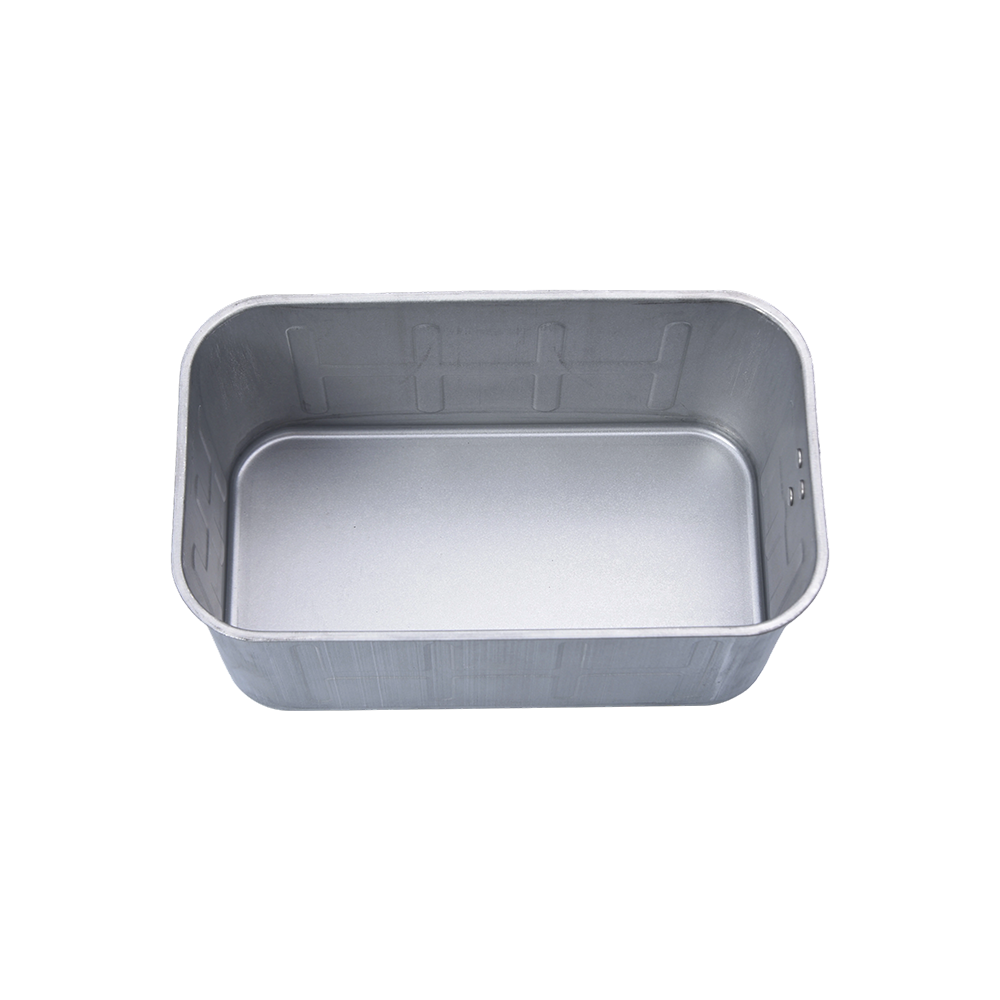
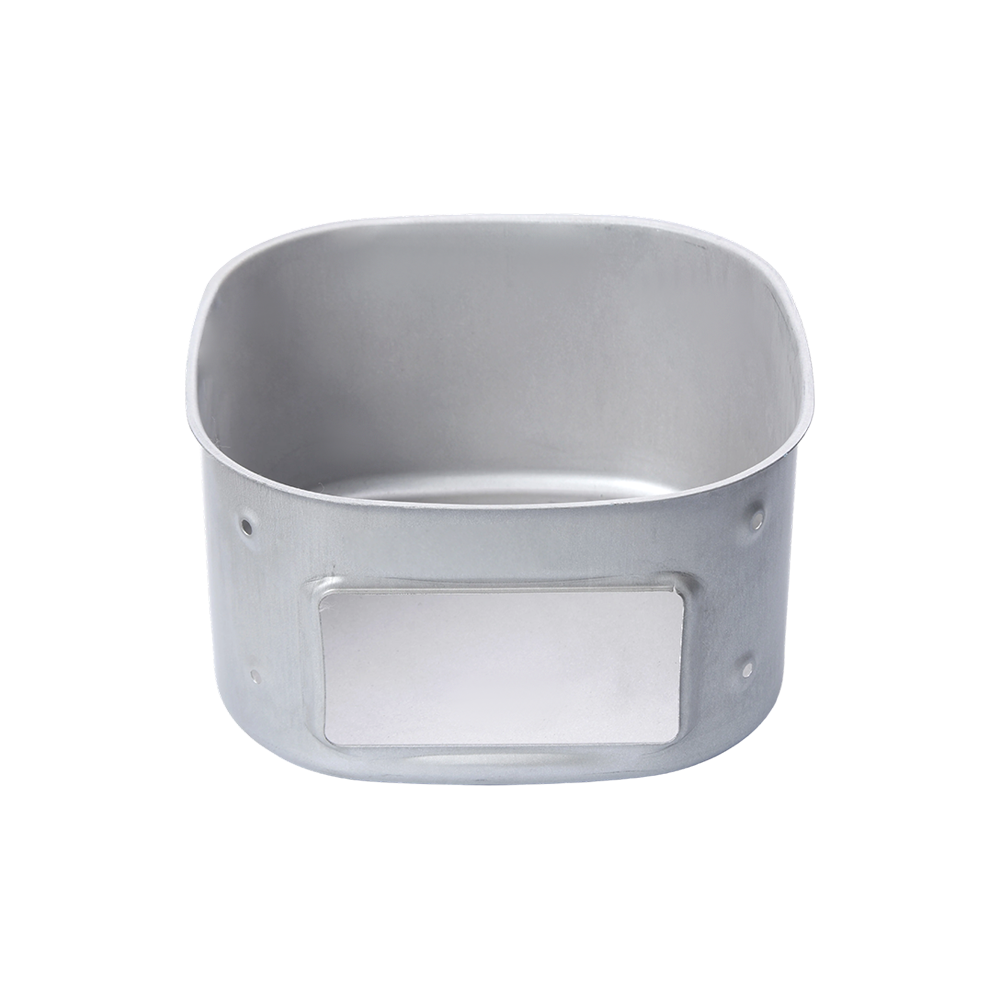
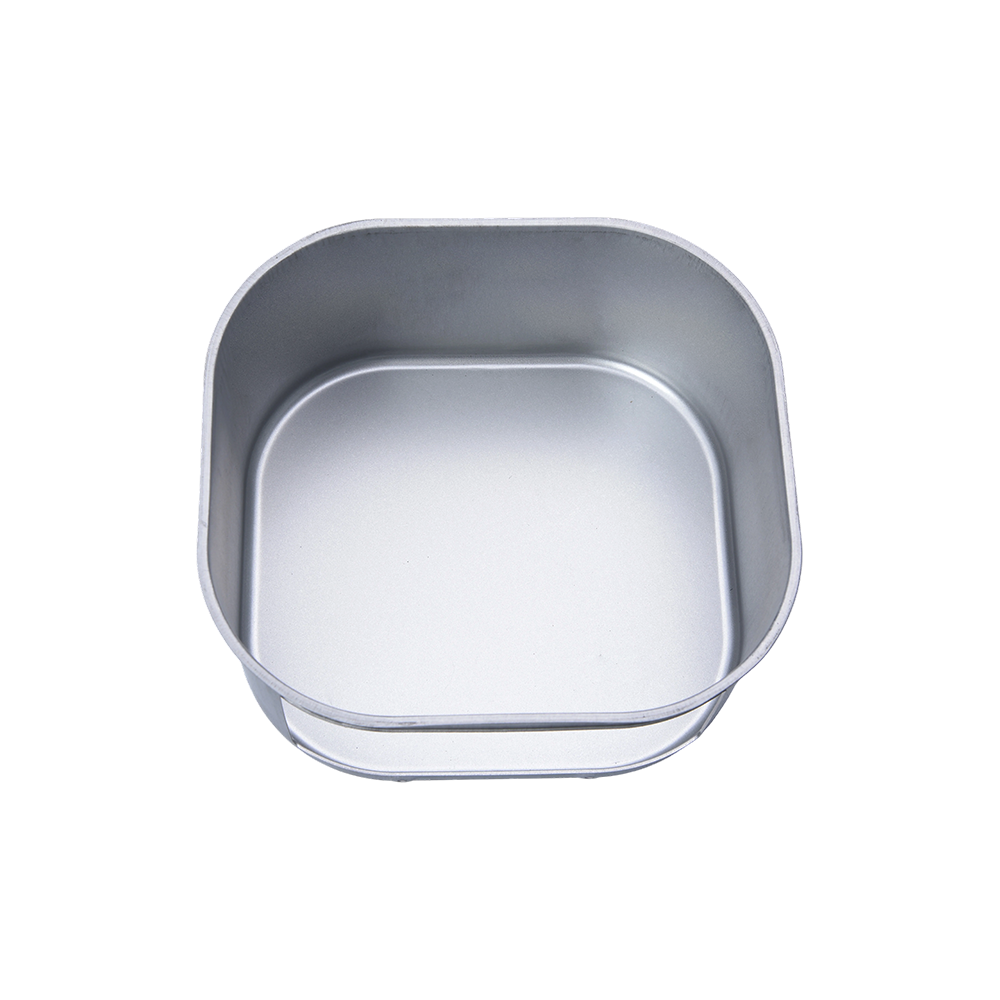
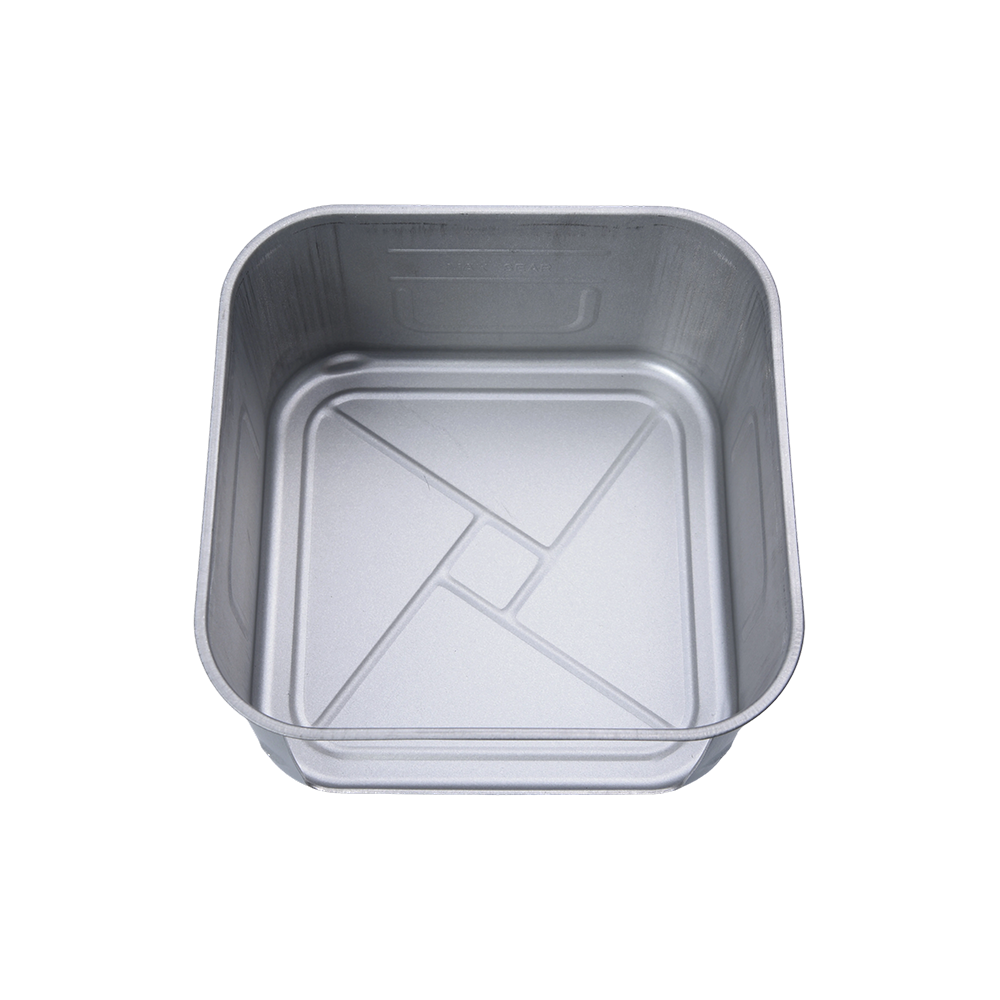
When you need a metal component whose depth clearly exceeds its width, such as a one-piece battery enclosure, an air-fryer inner container,...
READ MORE

News
Home / Author / Liu Yanan — Product After-Sales Service Specialist / Deep-Drawn Rectangular Containers with Lids: Strength, Hygiene, and Precision for Demanding Applications
Deep-Drawn Rectangular Containers with Lids: Strength, Hygiene, and Precision for Demanding Applications
2026-08-15
Deep-drawn rectangular containers with lids are engineered metal components designed to combine structural strength, dimensional accuracy, cleanliness, and dependable protection in one practical assembly. Unlike containers produced from several cut and welded pieces, a deep-drawn container is formed from a flat sheet of metal through a controlled pressing operation. The material is drawn into a shaped die, allowing the body to achieve a seamless or substantially seamless construction with fewer joints and fewer potential weak points.
This manufacturing approach makes the product suitable for applications where durability, surface quality, and reliable containment are important. Food-processing equipment, medical storage systems, laboratory devices, household appliances, industrial machinery, and specialized automotive assemblies can all benefit from a precisely formed rectangular container. The matching lid adds another layer of functionality by helping protect the internal space from dust, splashing, accidental contact, contamination, and unwanted exposure to the surrounding environment.
The product is manufactured by Yuyao Hongli Optoelectronics Co., Ltd., a Chinese metal-processing enterprise with more than two decades of industry experience. The company specializes in deep-drawn parts, stamped parts, bending parts, kitchen appliance accessories, automotive stamping parts, and related customized components. Its manufacturing capabilities support OEM and ODM projects, rapid prototyping, production conversion, and volume manufacturing for customers requiring consistent quality and dependable delivery.
This article explains the design characteristics, manufacturing advantages, application value, customization options, quality considerations, and competitive benefits of the deep-drawn rectangular container with lid. It also examines why deep drawing can be a superior alternative to conventional fabricated construction when a project requires a strong, clean, accurate, and repeatable metal enclosure.
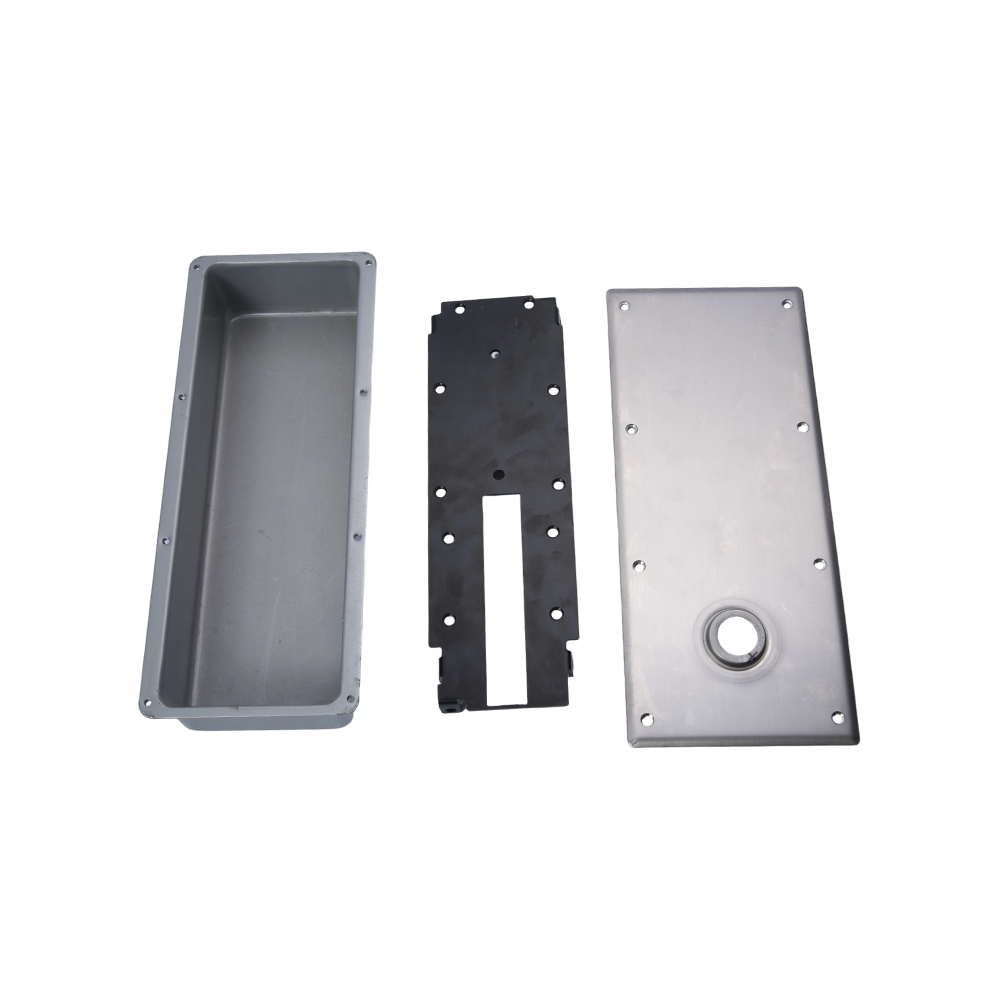
Deep-drawn rectangular container with lid
1. Product Overview
The deep-drawn rectangular container with lid consists of two principal components: a formed rectangular body and a fitted cover. The container body is produced from sheet metal that is pressed into a die to create its length, width, depth, corners, bottom, and side walls. The lid is manufactured to correspond with the opening of the body and can be designed with a locating edge, overlap, retaining feature, or other geometry that helps it remain securely positioned during use.
The rectangular form provides efficient use of space. Compared with a round container of similar height, a rectangular container can often occupy available equipment space more effectively, especially when it must be installed beside other components or placed inside a cabinet, appliance, instrument, vehicle, or processing line. Flat exterior faces can also make mounting, labeling, stacking, and integration with adjacent structures easier.
Because the body is formed from one continuous sheet, the design can reduce the number of seams compared with a container assembled from separately cut panels. Fewer seams may contribute to improved appearance, simplified cleaning, and reduced risk of leakage or residue accumulation. The final result is a component that can serve as a storage vessel, protective housing, collection tray, equipment enclosure, or specialized internal assembly, depending on the required dimensions and material specification.
The product description emphasizes a seamless, one-piece construction, a secure and well-fitting lid, resistance to impact, corrosion, and abrasion, and a smooth surface that can be cleaned or sterilized. These characteristics are especially useful in environments where the container must tolerate repeated handling, exposure to moisture, contact with cleaning agents, or strict housekeeping procedures.
1.1 Main Functional Features
The first major feature is the deep-drawn body. Deep drawing creates a shaped component without relying primarily on welding or mechanical assembly of multiple flat pieces. The forming process can produce a consistent profile and a clean transition between the bottom and side walls, subject to the selected material, tooling design, draw ratio, corner radius, and production conditions.
The second feature is the rectangular geometry. The shape supports efficient space utilization and can be adapted to equipment layouts, storage systems, work surfaces, and interior cavities. It also provides broad surfaces that can accept additional formed details, mounting points, embossed identification, reinforcement beads, or other secondary features when required by the application.
The third feature is the fitted lid. A lid protects the contents and improves the practical value of the container. Depending on the design, it may help reduce the entry of dust, prevent accidental spills, limit exposure to external contaminants, and keep stored materials physically separated from the surrounding environment. The exact level of sealing depends on the lid geometry, gasket selection, clamping method, tolerances, and intended operating conditions.
The fourth feature is the smooth metal surface. A well-controlled formed surface is easier to wipe, inspect, and maintain than a heavily jointed construction. A smooth interior can be valuable when the container is used for food-related equipment, laboratory handling, medical storage, or applications in which residual material must be removed efficiently.
2. How Deep Drawing Creates a Stronger Product Architecture
Deep drawing is a sheet-metal forming process in which a blank is pressed into a die by a punch. The sheet flows into the die cavity and becomes a three-dimensional component. The material is not simply bent at a small number of individual lines; instead, it is progressively shaped over a larger area. This enables the production of deep walls, integrated corners, and a continuous bottom structure in a single primary forming operation.
The strength advantages of deep drawing arise from several factors. First, the body can have fewer welded joints than a fabricated box. Welds can be entirely appropriate when properly engineered, but they may introduce heat-affected areas, distortion, visible seams, and additional finishing requirements. A deep-drawn body reduces dependence on these joints and can provide a more uniform appearance.
Second, the formed geometry itself can add stiffness. Side walls, rounded corners, flanges, beads, and return edges can be designed to resist deformation. A container does not need to be thick in every area to be strong; its shape can contribute significantly to rigidity. Properly engineered deep-drawn profiles can therefore balance material consumption, weight, strength, and manufacturing efficiency.
Third, a controlled forming process supports repeatability. Once the tooling has been developed and validated, successive parts can be produced with closely controlled dimensions. This is particularly important when the lid must fit the body consistently or when the container is installed into another assembly with limited clearance.
Fourth, the absence of unnecessary assembly operations can reduce opportunities for dimensional variation. A multi-piece box may require several cutting, bending, fitting, welding, grinding, and inspection stages. Each stage can affect the final geometry. Deep drawing consolidates much of the shaping work into a controlled die-forming process, while secondary operations are used only where necessary.
2.1 Seam Reduction and Structural Integrity
A container made from one drawn blank can provide a continuous body around its bottom and side walls. This continuous structure is useful where the container must retain materials, protect components, or withstand repeated movement. Reduced seam length may also simplify inspection and cleaning.
In comparison, a conventional fabricated container may be assembled from a bottom panel and four side panels. Such a design can require multiple corner joints. Even when the joints are welded correctly, they add production steps and may require grinding, polishing, sealing, or surface treatment. The deep-drawn alternative can reduce these operations and create a cleaner visual and functional result.
The advantage is not limited to leak resistance. Seam reduction may also improve resistance to corrosion initiation in environments where moisture or residue can collect near joints. Surface treatment and material selection remain essential, but a simpler body can make the overall design easier to protect and maintain.
2.2 Formed Corners and Practical Durability
Rectangular containers require careful treatment of corners. Sharp internal or external corners can increase stress concentration, complicate cleaning, and make forming more difficult. Deep-drawing dies can be engineered with suitable corner radii to balance appearance, capacity, strength, and manufacturability.
Rounded or controlled-radius corners can help the container withstand ordinary impact and handling. They may also reduce the likelihood of material tearing during forming. For hygiene-sensitive applications, smoothly formed corners are easier to wipe than narrow welded recesses or irregular joint areas.
3. Advantages Compared with Competing Container Constructions
The deep-drawn rectangular container with lid offers several advantages when compared with basic folded boxes, multi-piece welded containers, plastic alternatives, and loosely fitted covers. The most appropriate choice always depends on the operating environment, but the deep-drawn design is particularly competitive when durability, accuracy, hygiene, and long-term service are priorities.
| Evaluation factor | Deep-drawn rectangular container | Multi-piece welded container | Basic folded sheet-metal box | Plastic container |
| Body construction | Formed from a continuous sheet with reduced seams | Several panels joined by welds | Panels bent and joined through folds or fasteners | Molded polymer body |
| Structural consistency | High repeatability after tooling validation | Dependent on welding and assembly consistency | Dependent on bend accuracy and joining quality | Dependent on molding conditions and polymer grade |
| Surface maintenance | Smooth, accessible surfaces with fewer joint areas | May require finishing around welds | May contain seams, fasteners, or folded edges | Generally easy to clean but may scratch or age differently |
| Impact and abrasion resistance | Strong metal construction suitable for demanding handling | Strong when correctly designed and welded | Varies with thickness and reinforcement | Varies significantly by resin and temperature |
| Temperature capability | Can be selected for elevated-temperature applications | Can be selected for elevated-temperature applications | Can be selected for elevated-temperature applications | Limited by polymer type and service temperature |
| Dimensional customization | High, with dedicated dies and secondary operations | High, but often with more fabrication steps | Moderate to high, depending on bend layout | High after mold development, but mold changes can be costly |
| Suitable production model | Repeat production and customized OEM projects | Low- to medium-volume fabrication | Prototype and simple production work | High-volume molded production |
3.1 Compared with Multi-Piece Welded Containers
Welded containers offer flexibility and can be economical for low-volume work or very large dimensions. However, they normally require more assembly operations. Welding can introduce distortion, discoloration, residual stress, and variations in joint appearance. Depending on the material, weld areas may require special cleaning, passivation, grinding, polishing, or inspection.
A deep-drawn body can reduce the number of primary joints and provide a more consistent profile. This can be a meaningful advantage when the product is repeatedly cleaned, exposed to moisture, or installed in a visible appliance or instrument. The reduced number of joints also supports a more streamlined production route.
3.2 Compared with Basic Folded Boxes
Folded sheet-metal boxes are often useful for prototypes, covers, trays, and simple enclosures. They can be produced rapidly without dedicated deep-drawing dies. Nevertheless, their corners and seams may be more apparent, and the final structure can depend heavily on fasteners, spot welds, rivets, or folded locks.
Deep-drawn construction is more suitable when the body requires a continuous appearance, a controlled depth, or a high level of repeatability. It can also be more effective for containers that must tolerate frequent handling and maintain a stable lid fit over an extended service period.
3.3 Compared with Plastic Containers
Plastic containers may provide low weight, chemical resistance, and cost benefits in selected applications. However, polymer performance can change with temperature, ultraviolet exposure, impact conditions, and chemical contact. Some plastics can become brittle, soften, deform, absorb odors, or show wear over time.
A metal deep-drawn container can provide a more robust solution where dimensional stability, heat tolerance, abrasion resistance, or a premium industrial appearance is required. The correct metal and surface finish should be selected according to the application. When corrosion resistance is important, stainless steel, coated steel, aluminum, or another suitable alloy may be considered.
4. The Lid and Its Role in Protection
The lid is not merely an accessory. It is an important functional part of the container system. A well-designed cover protects the contents and influences the usability, cleanliness, and safety of the complete product. The lid can be configured as a simple removable cover, a friction-fit cover, an overlapping cover, a clamped cover, or a design incorporating a gasket and fastening elements.
A secure fit helps prevent accidental opening during handling. This is particularly valuable when the container is moved between workstations, installed in a vehicle or appliance, or used to hold small components that must remain organized. A properly fitted lid can also limit the movement of contents and reduce the chance of foreign material entering the container.
For applications requiring enhanced sealing performance, the cover can be designed with a gasket channel, compression surface, or latching mechanism. The sealing performance of the final assembly depends on many variables, including gasket material, compression percentage, flatness, corner geometry, surface finish, lid retention, and operating pressure. Therefore, projects requiring a certified airtight or leak-proof result should define test methods and acceptance criteria before production.
The lid can also be customized with handles, tabs, hinges, locking features, ventilation openings, embossed markings, or mounting points. These additions should be designed together with the container body so that the complete assembly remains practical to manufacture and easy to use.
5. Material Selection and Surface Performance
Material selection has a direct influence on strength, corrosion resistance, formability, appearance, weight, cost, and service life. The appropriate material depends on the application environment rather than on a single universal specification.
Stainless steel is a common choice when corrosion resistance, hygiene, and a clean appearance are important. It can be suitable for food-related equipment, laboratory environments, medical storage, and industrial applications involving moisture or regular cleaning. Different stainless-steel grades offer different balances of formability, corrosion resistance, magnetic behavior, and cost.
Aluminum can be selected when low weight, good formability, and natural corrosion resistance are desired. It is useful in portable equipment, transportation-related components, household appliances, and applications where reducing mass is important. Aluminum may require attention to surface protection, contact with dissimilar metals, and resistance to specific chemicals.
Carbon steel can provide strength and cost efficiency. When used in environments where corrosion is possible, it may require painting, powder coating, plating, galvanizing, oil protection, or another surface treatment. The selected finish should be compatible with the intended temperature, cleaning process, humidity, and appearance requirements.
Surface finishing may include polishing, brushing, deburring, passivation, electroplating, powder coating, painting, or other treatments. Finishing improves more than appearance. It can remove sharp edges, support corrosion resistance, reduce surface roughness, and make the component easier to clean. The required finish should be stated clearly in technical documentation so that the supplier can control it consistently.
5.1 Hygiene and Cleanability
Cleanability is one of the most important benefits of a smooth deep-drawn container. In food processing, medical storage, and laboratory work, residue must not remain in inaccessible areas. A body with fewer seams and carefully formed corners can make wiping and visual inspection more straightforward.
However, cleanability depends on the complete design. The lid, gasket, fasteners, handles, and any added fittings must also be evaluated. A container may have a smooth body but still be difficult to clean if the lid includes deep recesses or if the gasket cannot be removed. For hygiene-sensitive projects, the design should define cleaning chemicals, temperature, frequency, sterilization method, and allowable surface condition.
5.2 Corrosion and Abrasion Resistance
Metal containers may experience contact with water, oils, food ingredients, cleaning solutions, laboratory chemicals, or industrial fluids. The chosen material and finish must be matched to these exposures. Deep drawing provides the structural foundation, but corrosion resistance comes from the material, surface treatment, environmental control, and maintenance practice.
Resistance to abrasion is also valuable. Containers may be inserted into equipment, stacked, transported, or repeatedly opened and closed. A suitably selected metal and finish can help the product retain its appearance and function under routine wear. Where severe abrasion is expected, the design may incorporate reinforcement, replaceable contact surfaces, or a protective coating.
6. Advanced Manufacturing Process
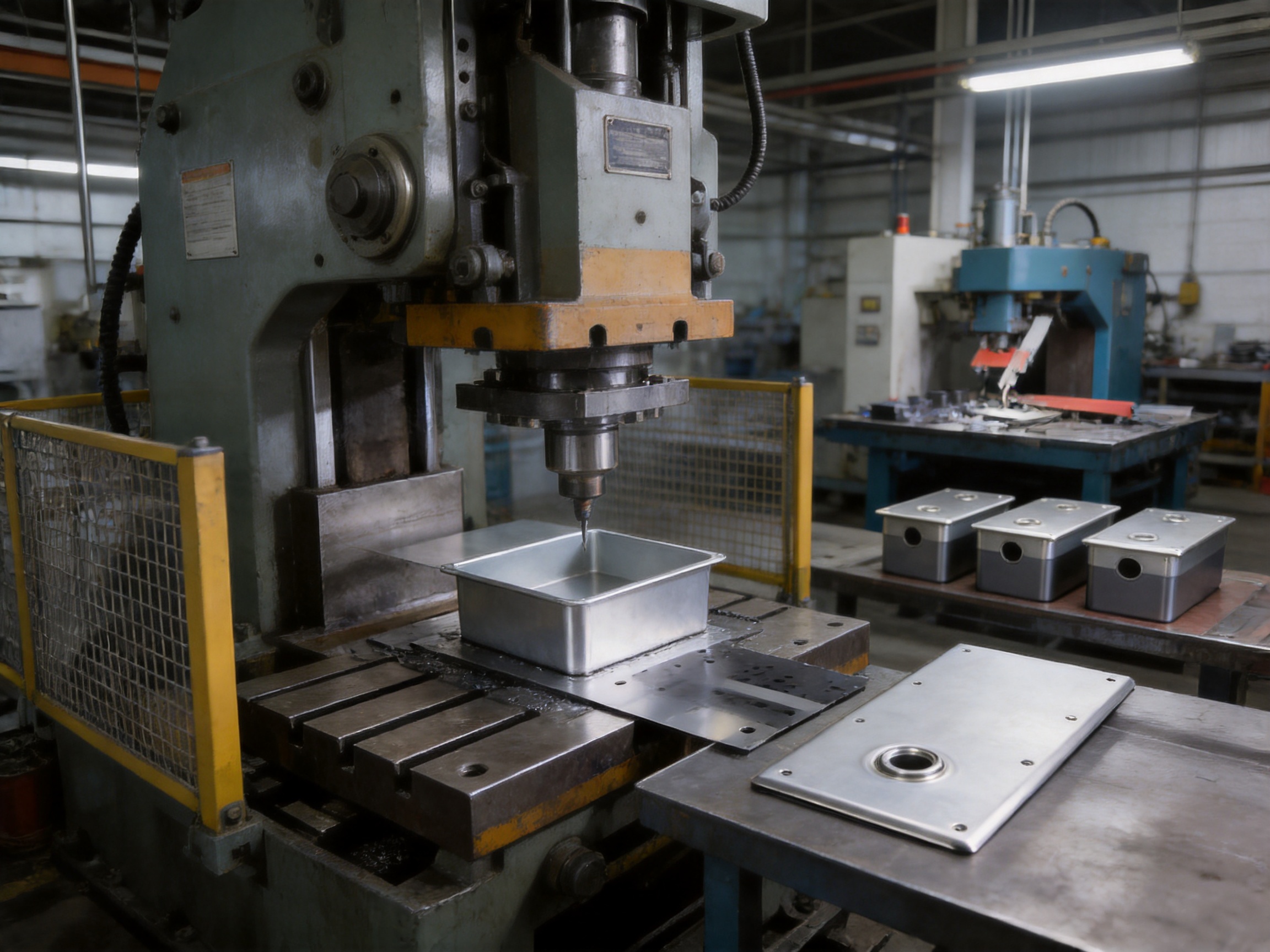
The production of a high-quality deep-drawn rectangular container begins long before the first sheet is pressed. Successful manufacturing requires design review, material planning, tooling development, press setup, forming control, trimming, secondary operations, inspection, and packaging. Each stage contributes to the final performance of the container.
6.1 Engineering Review
The engineering process starts with a review of the customer’s drawings, three-dimensional files, samples, performance requirements, and expected production volume. Important information includes overall dimensions, wall depth, material thickness, corner radius, lid fit, tolerances, surface finish, holes, embossments, mounting features, and packaging requirements.
Manufacturing engineers evaluate whether the proposed geometry can be formed without excessive thinning, wrinkling, tearing, distortion, or springback. They may recommend changes to corner radii, draw depth, flange width, material thickness, or the sequence of operations. This early review helps prevent tooling problems and reduces the risk of costly changes after production begins.
6.2 Tooling and Die Development
Deep-drawing dies control the shape of the product. The die cavity, punch, blank holder, radii, clearances, and guiding elements must be designed for the selected material and thickness. For more complex parts, several drawing stages may be required. The tooling must provide sufficient control of material flow while avoiding damage to the sheet.
Tooling quality has a direct relationship with part quality. A stable die can support consistent dimensions, uniform surfaces, and repeatable production. Tool maintenance is also important. Wear, damage, contamination, or incorrect setup can affect the part’s shape and surface finish. A disciplined maintenance program supports long-term manufacturing stability.
6.3 Blanking and Material Preparation
The process generally begins with sheet or coil material that is cut into a blank of suitable size. Blank dimensions influence material flow, yield, and forming performance. If the blank is too small, the final part may not develop the required flange or wall height. If it is too large, material consumption and trimming requirements may increase.
Material identification should be maintained through production. Thickness, grade, surface condition, and supplier documentation should be checked according to the project’s quality plan. Proper storage also helps prevent surface damage, contamination, and unnecessary exposure to moisture.
6.4 Press Forming
During the drawing operation, the blank is positioned over the die and held under controlled pressure while the punch moves through the material. The blank holder helps regulate material flow. Press speed, lubrication, punch radius, die radius, and holding force all influence the result.
Excessive force or unsuitable geometry can cause tearing. Insufficient control can lead to wrinkles or uneven walls. A carefully developed process balances these factors to produce a stable shape. For deeper containers, the body may require multiple drawing stages, intermediate annealing, or other process adjustments depending on the material and geometry.
6.5 Trimming and Secondary Forming
After the main drawing operation, the part may require trimming to establish the final opening height and edge profile. Additional operations can create holes, slots, mounting points, beads, flanges, embossments, or lid-retention details. These features can often be integrated into a progressive or sequential manufacturing plan.
Secondary forming may also be used to improve rigidity or produce the exact interface required for the lid. The objective is to complete the part efficiently while maintaining dimensional control and preventing unnecessary deformation of the already formed body.
6.6 Deburring and Surface Treatment
Edges created during trimming or piercing must be controlled. Deburring removes sharp projections that could affect handling, assembly, cleaning, or safety. Depending on the material and customer requirements, the part may then be polished, brushed, passivated, plated, coated, painted, or otherwise finished.
Surface treatment must be applied consistently. Variations in coating thickness, color, gloss, roughness, or polishing direction can affect both appearance and performance. The appropriate inspection method depends on the selected finish and may include visual inspection, thickness measurement, adhesion testing, corrosion testing, or surface roughness evaluation.
6.7 Lid Production and Assembly Verification
The lid may be deep drawn, stamped, bent, or produced through a combination of these processes. Its dimensions must correspond closely with the container opening. During assembly verification, the manufacturer checks whether the lid seats correctly, remains stable, and can be removed without excessive force.
If the design includes a gasket, latch, hinge, or fastener, these components must be checked as part of the complete assembly rather than in isolation. The final product should be evaluated under realistic handling conditions, including repeated opening and closing if the application requires frequent access.
7. Manufacturing Strengths of the Supplier
Yuyao Hongli Optoelectronics Co., Ltd. has more than 20 years of manufacturing experience. Founded in 2000, the company developed from its earlier educational-instrument business into a broader manufacturer of metal stamping and related products. This history gives the company experience across multiple product categories and application environments.
The company operates a modern factory of approximately 5,000 square meters and employs more than 60 people. Its production activities include stamping, deep drawing, bending, component processing, wholesale, retail, import, and export. This combination of manufacturing and commercial capabilities allows the company to support both standard product requirements and customized projects.
A significant advantage is the company’s product and process range. In addition to deep-drawn parts, it produces stamped parts, bending parts, kitchen appliance accessories, automotive stamping parts, hardware products, optical-instrument components, educational-instrument parts, household electric-heater components, small-appliance parts, plastic products, and automotive-related products.
This broad experience can help with projects involving several different manufacturing methods. A customer may need a deep-drawn body together with bent brackets, stamped clips, plastic accessories, or automotive metal parts. A supplier familiar with these processes can help coordinate interfaces, tolerances, materials, and production timing more efficiently.
7.1 OEM and ODM Support
OEM and ODM support is important for customers who have a product concept but require assistance with manufacturing development. The supplier can review drawings, recommend forming approaches, create prototypes, refine tooling, and convert validated designs into regular production.
For an OEM project, the customer may provide complete drawings and specifications. The manufacturer’s role is to produce the part accurately, maintain process stability, and meet agreed inspection requirements. For an ODM project, the manufacturer may participate earlier by helping develop the geometry, select materials, improve manufacturability, and establish a practical production route.
Customization may include length, width, depth, wall thickness, material grade, surface treatment, lid structure, retention method, holes, mounting features, embossed logos, labels, packaging, and inspection documentation. Each modification should be reviewed for its effect on tooling, cost, production volume, lead time, and performance.
7.2 Rapid Prototyping and Production Conversion
Rapid prototyping helps customers evaluate form, fit, function, and appearance before committing to full-scale production. A prototype can reveal whether the container fits into the target equipment, whether the lid is easy to operate, whether internal capacity is sufficient, and whether any edges or corners require adjustment.
After prototype approval, production conversion must preserve the characteristics established during development. This requires attention to tooling design, material sourcing, press capability, inspection methods, and packaging. A supplier with experience in both prototype work and volume production can reduce the risk of a gap between the sample and the delivered production part.
7.3 Quality Control and Delivery Reliability
Quality control for a deep-drawn container should cover raw material, forming, dimensions, surface condition, edge safety, lid fit, and final packaging. Depending on the application, additional tests may include leak testing, load testing, coating inspection, corrosion evaluation, or repeated-use testing.
Stable delivery depends on more than production capacity. It also requires material planning, tooling availability, process documentation, production scheduling, inspection coordination, and communication with the customer. The company’s stated focus on strict quality control, stable delivery, and after-sales service supports long-term cooperation for customers requiring repeat orders.
8. Applications Across Different Industries
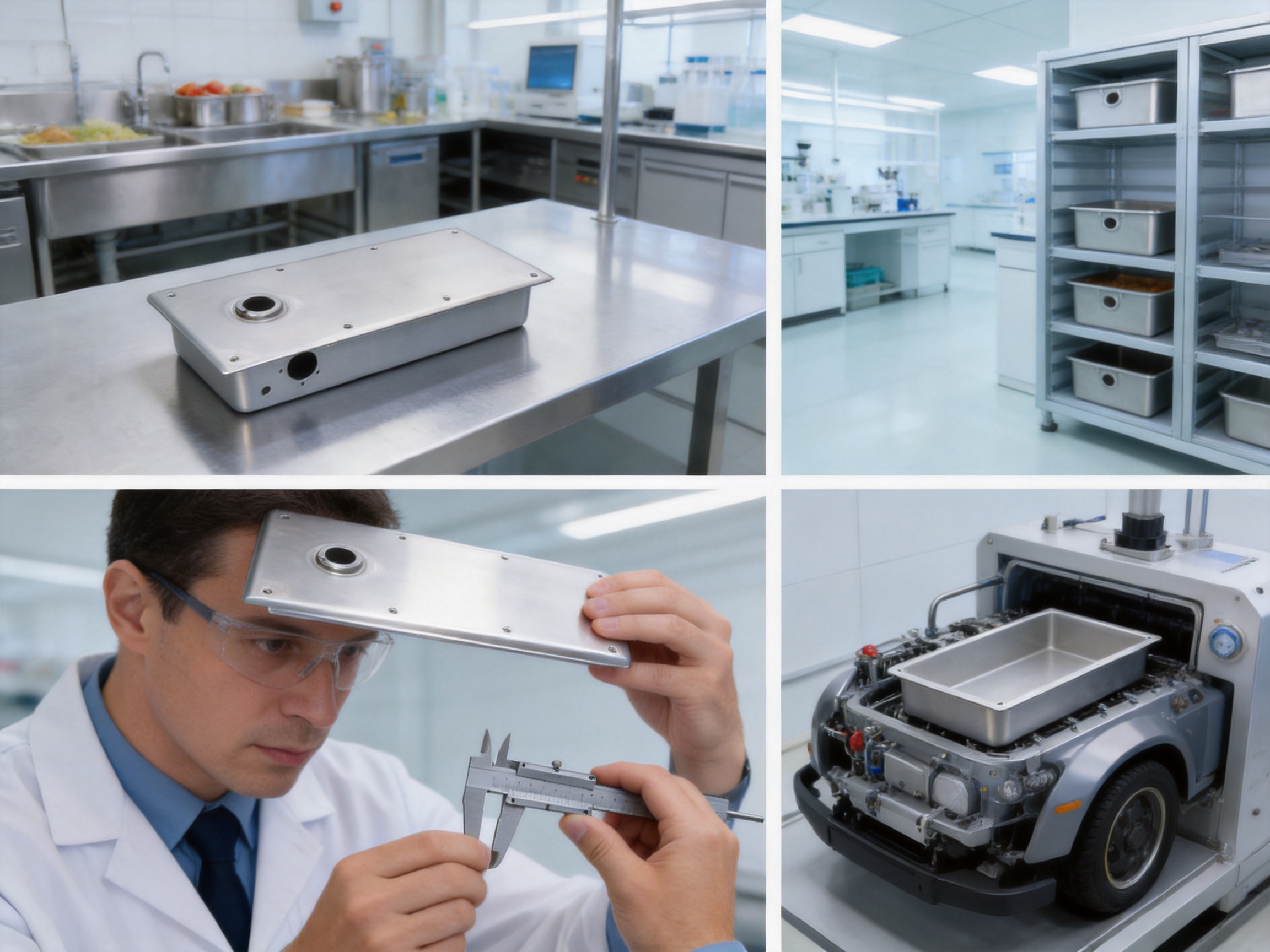
The deep-drawn rectangular container with lid can be adapted to numerous applications because its dimensions, material, finish, and lid structure can be customized.
8.1 Food Processing and Kitchen Equipment
In food-processing environments, containers are often used to hold ingredients, collect residues, organize small components, or protect materials during handling. A smooth metal body is valuable because it can be wiped and cleaned more easily than a rough or heavily jointed construction.
Kitchen appliance manufacturers may use customized deep-drawn containers as internal trays, collection pans, ingredient compartments, heating-system components, or protective covers. The selected material must be appropriate for the expected temperature, moisture, cleaning chemicals, and contact conditions. If direct food contact is involved, the project should specify the relevant material and compliance requirements.
8.2 Medical and Laboratory Storage
Laboratories and medical facilities may require containers for instruments, samples, small components, or controlled materials. The lid helps protect contents during transport and storage. The smooth construction can support cleaning and sterilization procedures when the material and finish are compatible with those procedures.
For these applications, design details are especially important. Internal corners, lid interfaces, gasket materials, surface roughness, and compatibility with disinfectants should be assessed. The supplier can manufacture the physical component, while the customer remains responsible for defining the applicable regulatory, validation, and sterilization requirements.
8.3 Household Appliances
Household appliances frequently contain compact metal parts that must fit around heaters, motors, fans, wiring, controls, or collection systems. A rectangular deep-drawn container can provide a durable internal structure while making efficient use of limited space.
Metal construction can be advantageous in appliances exposed to heat, vibration, moisture, or repeated cleaning. The container may also support a neat internal appearance and reduce the need for multiple assembled panels. Mounting holes, brackets, embossed stiffeners, and formed edges can be added to suit the appliance architecture.
8.4 Automotive Components
Automotive stamping parts must meet demanding requirements for dimensional consistency, durability, vibration resistance, and efficient integration. A deep-drawn rectangular component can serve as a protective cover, reservoir-related part, bracketed enclosure, battery-related tray, sensor housing, or other customized assembly, depending on its material and design.
Automotive projects normally require detailed drawings, controlled tolerances, traceability, sample approval, and process documentation. The supplier’s experience with automotive stamping parts and related metal products provides a foundation for supporting these requirements, although exact compliance must be established for each individual program.
8.5 Industrial and Optical Instruments
Industrial and optical instruments may require protective metal housings, component trays, light-blocking structures, or internal storage compartments. A precisely formed container can protect delicate parts from impact, dust, and handling damage. Its rectangular configuration may also make it easier to install within instrument frames or cabinets.
9. Design Considerations for Custom Projects
Customers should define the intended use before finalizing the container design. Important questions include what the container will hold, how it will be handled, whether it will be exposed to heat or chemicals, how often the lid will be opened, and whether the body will be cleaned or sterilized.
Overall dimensions should be specified together with usable internal dimensions. Deep-drawn walls, corner radii, lid overlaps, flanges, and internal fittings can reduce the available space. It is therefore important to distinguish between external size, internal capacity, and the clearance needed for insertion or removal.
Material thickness should be selected according to structural requirements, forming capability, weight, cost, and surface expectations. A thicker sheet may improve rigidity but can require greater forming force and more expensive tooling. A thinner sheet may reduce weight and material cost but require reinforcement features or more careful handling.
Corner radii should support both forming and use. Very small radii can increase the risk of tearing, create sharper internal transitions, and complicate cleaning. Larger radii may improve formability and strength but can reduce usable capacity or change the visual appearance.
The lid interface deserves special attention. A cover that is too loose may move during handling, while one that is too tight may be difficult to remove or may damage the edge. If a gasket is used, the design should provide controlled compression. If a latch is required, its position and operating force should be evaluated during prototype testing.
Drainage, ventilation, or access holes may be necessary in some applications. These features should be positioned to avoid weakening the container or interfering with the lid. Mounting tabs and brackets should be designed to distribute loads and avoid excessive local deformation.
Drawings should include tolerances that reflect actual functional needs. Overly tight tolerances can increase cost without improving performance, while insufficient tolerances may cause poor fit or assembly problems. A manufacturing review can help identify which dimensions are critical and which can use broader practical tolerances.
10. Quality Inspection and Performance Verification
Inspection begins with the raw material. The material grade, thickness, surface condition, and documentation should be checked before forming. This helps ensure that the sheet is suitable for the intended process and application.
During forming, operators and inspectors should monitor visible defects such as cracks, wrinkles, excessive thinning, dents, scratches, and uneven edges. Process parameters should be recorded where appropriate so that production conditions can be reproduced and investigated if a problem occurs.
Dimensional inspection may include length, width, depth, diagonal measurements, wall height, opening size, flange dimensions, hole locations, and flatness. The lid should be checked against the body, not only measured separately. Functional fit is often more meaningful than isolated dimensions.
Surface inspection should evaluate scratches, dents, discoloration, coating defects, burrs, polishing marks, and contamination. The required criteria should be agreed in advance, particularly for visible appliance components or polished stainless-steel surfaces.
Where containment performance is important, leak testing or water testing may be appropriate. The test pressure, duration, orientation, and acceptance standard must be defined according to the intended use. A container described as leak-resistant in ordinary handling should not automatically be considered pressure-tight without a validated test.
For repeated-use applications, cycle testing can evaluate the lid and body after repeated opening, closing, insertion, removal, and cleaning. Impact or load testing may also be considered when the container will carry heavy contents or experience transportation-related handling.
11. Packaging, Handling, and Delivery
Proper packaging protects the container during transportation and storage. Metal surfaces can be scratched when parts contact one another, especially when polished or coated finishes are used. Protective film, separators, bags, paper wrapping, foam, cartons, pallets, or customized internal supports may be selected according to the product’s size and finish.
The lid should be packaged so that it does not rub against the container body. If the parts are nested, separators may be required to prevent edge damage or surface marking. Packaging should also protect against moisture, dust, and deformation during long-distance shipment.
Clear identification supports warehouse control and production traceability. Labels may include part numbers, quantities, batch information, material information, customer references, and handling instructions. Export packaging should be adapted to the transportation method and destination requirements.
Reliable delivery also depends on production planning. Tooling completion, material availability, sample approval, inspection timing, and packaging preparation should be included in the project schedule. Early communication about forecasts and repeat-order expectations can help the manufacturer plan capacity more efficiently.
12. Sustainability and Cost Efficiency
Deep drawing can support material efficiency because the body is formed from a blank rather than assembled from multiple large panels. The final material utilization depends on blank shape, nesting, trimming allowance, product geometry, and production planning. Engineers can review these factors to reduce unnecessary scrap while preserving forming reliability.
Long service life is another aspect of sustainability. A durable container that remains functional for many years may reduce the need for frequent replacement. Metal products can also have established recycling pathways, although recycling performance depends on material identification, coatings, contamination, and local recovery systems.
Cost should be evaluated across the entire product life cycle. The initial tooling investment for deep drawing may be higher than the cost of making a simple folded prototype. However, for repeat production, the lower per-piece processing cost, reduced assembly, stable quality, and improved durability can provide a strong economic advantage.
Manufacturing cost is influenced by material, thickness, part size, draw depth, number of forming stages, tooling complexity, secondary operations, surface finish, order quantity, inspection requirements, packaging, and shipping. A supplier can provide a more accurate quotation when the customer supplies complete drawings, annual demand, target quantity per order, and performance requirements.
13. Why This Product Is a Practical Industrial Solution
The deep-drawn rectangular container with lid combines several qualities that are difficult to achieve economically through a single basic operation: a strong metal body, efficient rectangular capacity, a clean surface, repeatable dimensions, and a fitted protective cover. Its value comes from the interaction of these features rather than from any single characteristic.
The one-piece formed body reduces the dependence on multiple joints. The lid improves protection and handling. The rectangular shape supports efficient installation. The metal construction offers durability in demanding environments. The production process allows customization for different industries and equipment designs.
Compared with competitors that may focus on only one process or one product category, a manufacturer with experience in deep drawing, stamping, bending, appliance accessories, and automotive parts can provide broader engineering support. This is especially useful when a customer needs a complete group of related components rather than an isolated container.
Yuyao Hongli Optoelectronics Co., Ltd. combines factory production, customized manufacturing, OEM/ODM support, rapid prototyping, and export service. Its more than 20 years of industry experience, approximately 5,000-square-meter factory, workforce of more than 60 employees, and diverse product portfolio provide a foundation for supporting both straightforward and technically demanding projects.
14. Frequently Asked Questions
14.1 What is a deep-drawn rectangular container?
A deep-drawn rectangular container is a three-dimensional metal body formed from a flat sheet by pressing it into a die with a punch. The process creates the bottom and side walls as an integrated structure, reducing the need for multiple welded panels.
14.2 Is the container completely seamless?
The body is designed as a one-piece deep-drawn component with substantially reduced seams. However, the exact construction depends on the requested design and any secondary features. Customers requiring a specific seam-free or welded-free condition should define that requirement in the technical documentation.
14.3 Can the container be customized?
Yes. Dimensions, material, thickness, surface finish, lid design, edge geometry, mounting holes, embossments, brackets, gaskets, latches, and packaging can be customized. The feasibility of each feature should be reviewed according to the material, production volume, tooling, and performance requirements.
14.4 What materials can be used?
Potential materials include stainless steel, aluminum, carbon steel, and other suitable sheet metals. The best choice depends on corrosion exposure, temperature, strength, weight, appearance, formability, cleaning method, and cost.
14.5 Does the lid provide an airtight seal?
The lid is designed to fit securely and protect the contents. An airtight or leak-proof result requires a suitable interface, gasket, retention method, and validated test standard. If certified sealing performance is needed, the customer should specify the pressure, test medium, duration, and acceptance criteria.
14.6 Can the product be used for food or medical applications?
It may be suitable for food-related, medical, or laboratory equipment when the selected material, finish, gasket, cleaning method, and production controls meet the requirements of the specific application. Regulatory and hygienic requirements should be confirmed during project development.
14.7 How does deep drawing compare with welding?
Deep drawing can reduce seams, assembly steps, and visible weld areas. It can also provide repeatable geometry for repeat production. Welding remains useful for certain shapes, sizes, low-volume projects, and complex assemblies, so the best process depends on the design and production objectives.
14.8 Is deep drawing suitable for small orders?
Deep drawing can be used for customized orders, but dedicated tooling may affect the economics of very small quantities. Prototype or low-volume projects may use alternative methods during development, followed by deep-drawn production after the design and demand are confirmed.
14.9 Can the container include mounting features?
Yes. Holes, slots, tabs, brackets, beads, embossments, and other mounting or reinforcement features may be included through secondary stamping, piercing, bending, or forming operations. These features should be designed with the main drawing operation in mind.
14.10 What information is needed for a quotation?
Useful quotation information includes drawings or samples, three-dimensional files when available, material and thickness, surface finish, annual demand, order quantity, lid requirements, tolerance expectations, testing needs, packaging requirements, and delivery destination.
14.11 How can the lid fit be controlled?
Lid fit is controlled through opening dimensions, flange geometry, overlap, corner radii, flatness, material thickness, and assembly tolerances. Prototype evaluation is recommended to confirm insertion force, retention, removal convenience, and stability during handling.
14.12 What industries does the manufacturer serve?
The manufacturer serves customers requiring educational-instrument parts, optical-instrument parts, household electric-heater components, small household-appliance parts, automotive parts, hardware products, plastic products, deep-drawn parts, stamped parts, bending parts, kitchen appliance accessories, and automotive stamping parts.
15. Conclusion
The deep-drawn rectangular container with lid is a durable and adaptable solution for applications that require reliable protection, efficient use of space, clean surfaces, and repeatable metal construction. Its integrated body can reduce seams and assembly requirements, while its fitted lid helps safeguard contents during storage, handling, transportation, and equipment operation.
Compared with basic folded boxes, multi-piece welded containers, and selected plastic alternatives, the product offers a compelling combination of structural integrity, dimensional stability, hygiene potential, corrosion resistance, abrasion resistance, and customization flexibility. Its performance can be further enhanced through appropriate material selection, surface finishing, reinforcement features, gasket design, and inspection procedures.
The manufacturing capabilities of Yuyao Hongli Optoelectronics Co., Ltd. support the product from engineering review through tooling, deep drawing, stamping, bending, finishing, inspection, packaging, and delivery. With more than 20 years of experience, a modern factory, a skilled workforce, OEM/ODM services, rapid prototyping, and broad metal-processing expertise, the company is positioned to support customers seeking both individual containers and coordinated customized component programs.
For food-processing equipment, laboratory storage, medical systems, household appliances, industrial instruments, automotive assemblies, and other demanding applications, this deep-drawn container provides a practical foundation for long-term performance. The best results come from early cooperation between the customer and manufacturer, including clear drawings, realistic tolerances, suitable materials, defined testing, and a carefully developed production process.
References
1. Metal Forming Handbook, principles of sheet-metal forming, drawing operations, tooling, and process control.
2. ASM Handbook, Volume 14A: Metalworking—Bulk Forming, technical guidance on forming behavior, materials, tooling, and manufacturing quality.
3. ASM Handbook, Volume 5: Surface Engineering, general principles of coatings, finishing, corrosion protection, and surface performance.
4. ISO 9001, Quality management systems—Requirements, quality planning, process control, documentation, and continual improvement principles.
5. ISO 2768, General tolerances for linear and angular dimensions without individual tolerance indications.
6. Sheet Metal Forming Processes and Applications, manufacturing principles for stamping, deep drawing, bending, trimming, and secondary operations.
7. Stainless Steel in Food and Beverage Processing, general considerations for material selection, hygiene, cleaning, corrosion resistance, and surface finish.
8. Engineering Design Guidelines for Sheet-Metal Components, practical recommendations for corner radii, flanges, holes, tolerances, manufacturability, and assembly.
Product: Deep-drawn rectangular container with lid
Previous Post
Precision Stamped Sheet Metal Parts for Automotive Applications
Next Post
Bent Parts with Black Fabric Strap: Durable, Customizable Solutions for Industrial and Everyday Applications
News
-
-
What Is Deep Drawing Process and What Are Deep-Drawn Parts The deep drawing process is a sheet metal forming operation in which a flat meta...
READ MORE -
A flat mounting plate with three punched holes and a rectangular container with a fitted lid can come off presses in the same workshop, yet...
READ MORE -
What Are Stamped Parts? Stamped parts are metal components produced by pressing flat sheet metal between a die and a punch to cut, bend, or...
READ MORE
Get Fresh Updates Via Email
We promise we will never disclose your email address, and you can opt out at any time.
-
Quick Links
Home About Us Products Service News Contact Us -
Product list
Deep-drawn parts Stamped parts Bending parts Kitchen appliance accessories Automotive stamping parts -
About Us
Factory Honour FAQ -
News
Company News Industry News -
Contact Us
Address: South side of Shunke Road, Yangming Science and Technology Industrial Park, Yuyao City, Zhejiang Province, China Tel: +86-13905842349/+86-13738485724 Email: hongli@hl-stamping.com
Copyright © Yuyao Hongli Optoelectronics Co., Ltd. All Rights Reserved.
Custom Precision-Sheet/Sheet Metal Stamping Manufacturers
