


 English
 русский
 Español
 عربى
عربى

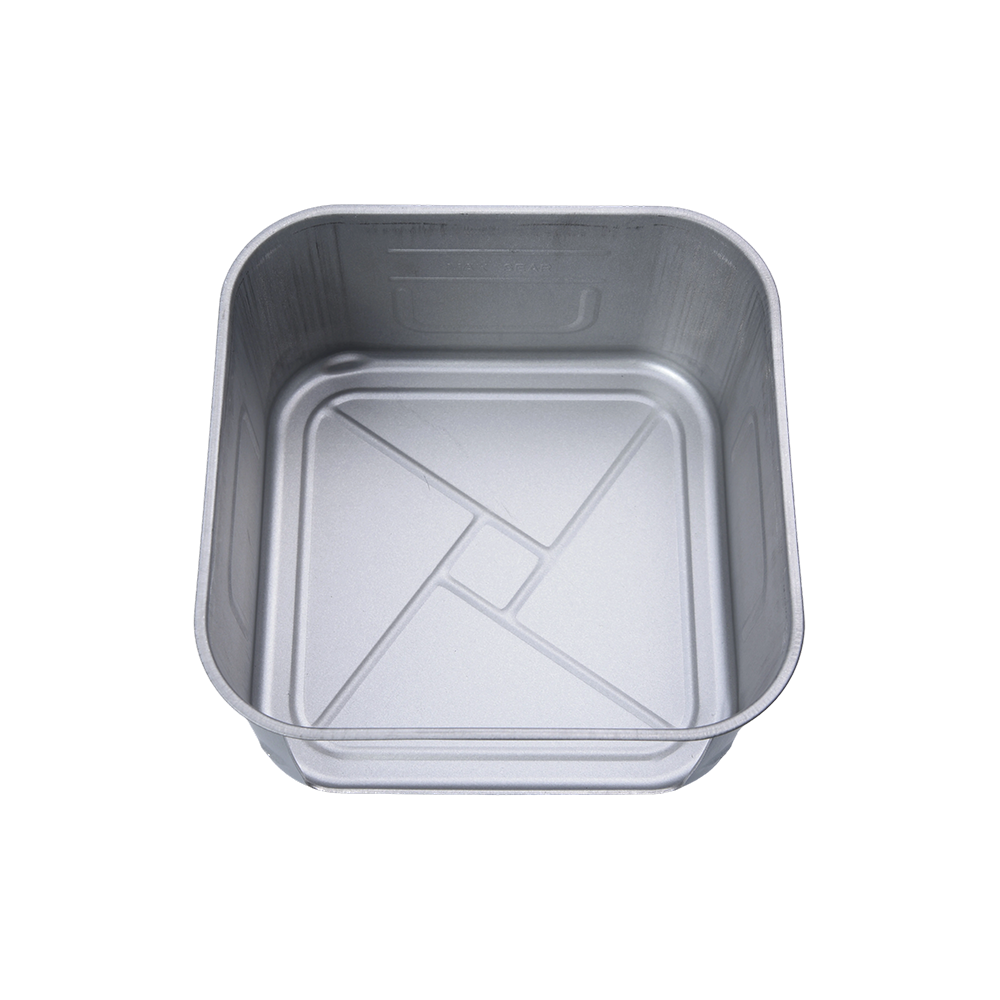
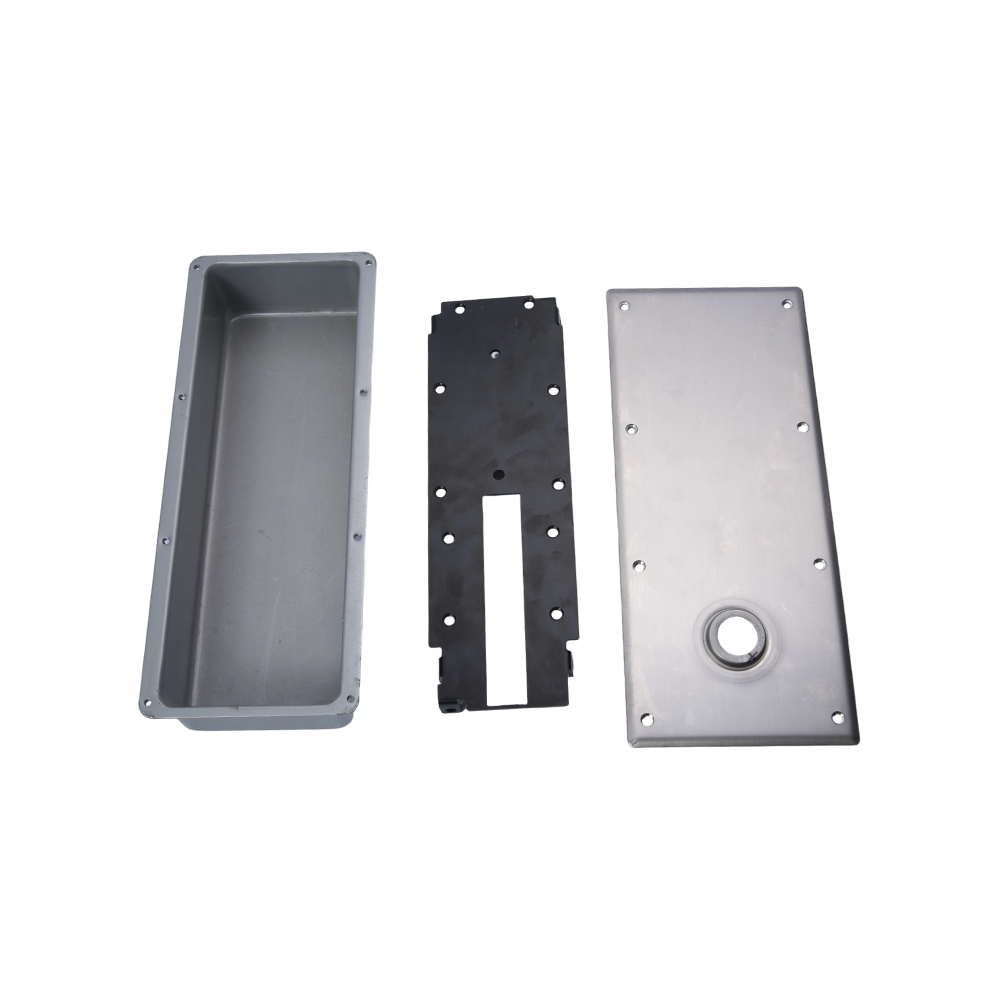
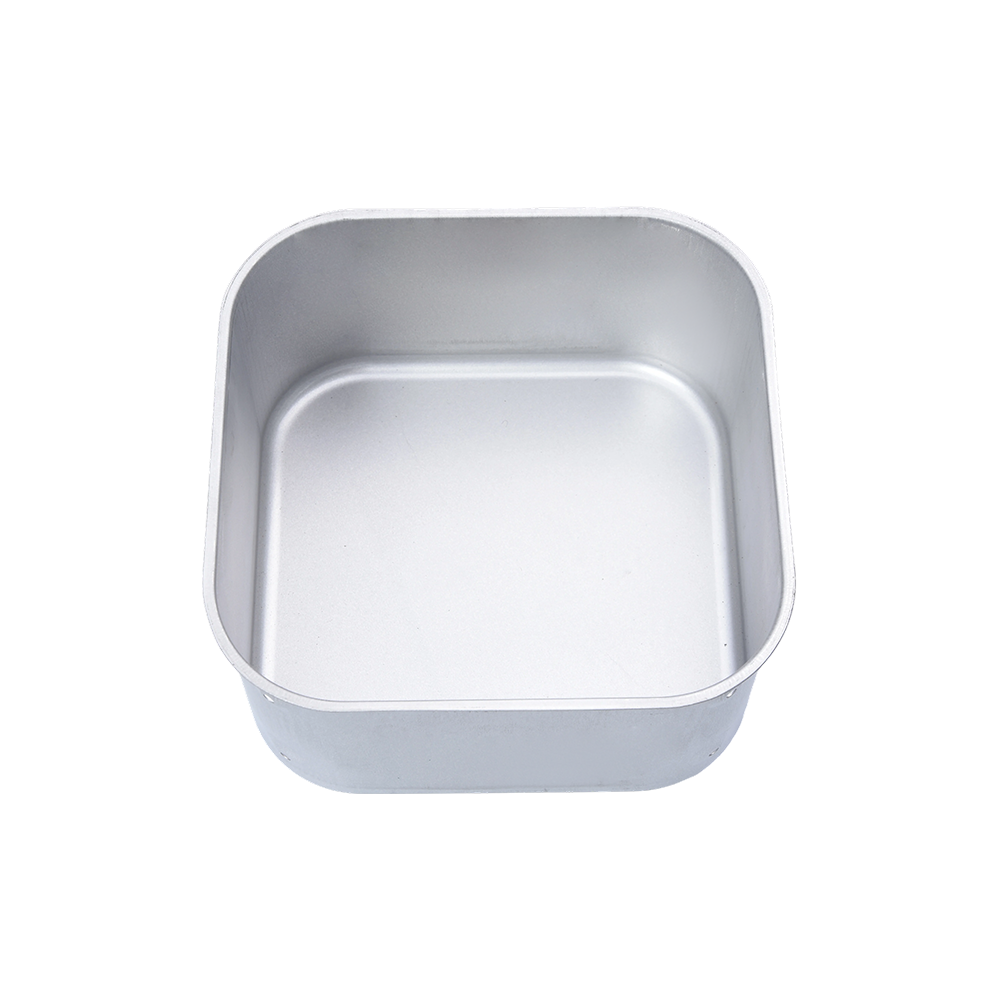
What Is Deep Drawing Process and What Are Deep-Drawn Parts The deep drawing process is a sheet metal forming operation in which a flat meta...
READ MORE

News
Home / Author / Liu Yanan — Product After-Sales Service Specialist / Deep-Drawn Square Container for Durable, Seamless Industrial Storage
Deep-Drawn Square Container for Durable, Seamless Industrial Storage
2026-07-20
In modern industrial production, the container is more than a simple object for holding, storing, or transporting materials. It is a functional component that affects hygiene, safety, workflow efficiency, product protection, labor cost, cleaning time, and long-term operating reliability. The deep-drawn square container described here is designed for demanding environments where strength, dimensional stability, corrosion resistance, and clean one-piece construction are essential. Manufactured through advanced deep-drawing technology, it provides a seamless structure without welded seams, making it a practical and durable choice for food processing, pharmaceutical handling, manufacturing, logistics, kitchen appliance systems, and many other industrial applications.
This article introduces the product’s structural advantages, material and process benefits, application value, competitive strengths, and the manufacturing capabilities behind it. It also explains why deep drawing is often preferred over welded fabrication, assembled sheet-metal construction, or lower-precision forming methods when the end product must deliver consistent quality under repeated use. The article also highlights the manufacturing background of Yuyao Hongli Optoelectronics Co., Ltd., a professional metal stamping and deep-drawing manufacturer located in Yuyao, Zhejiang Province, China, with more than 20 years of industry experience.
Product Overview
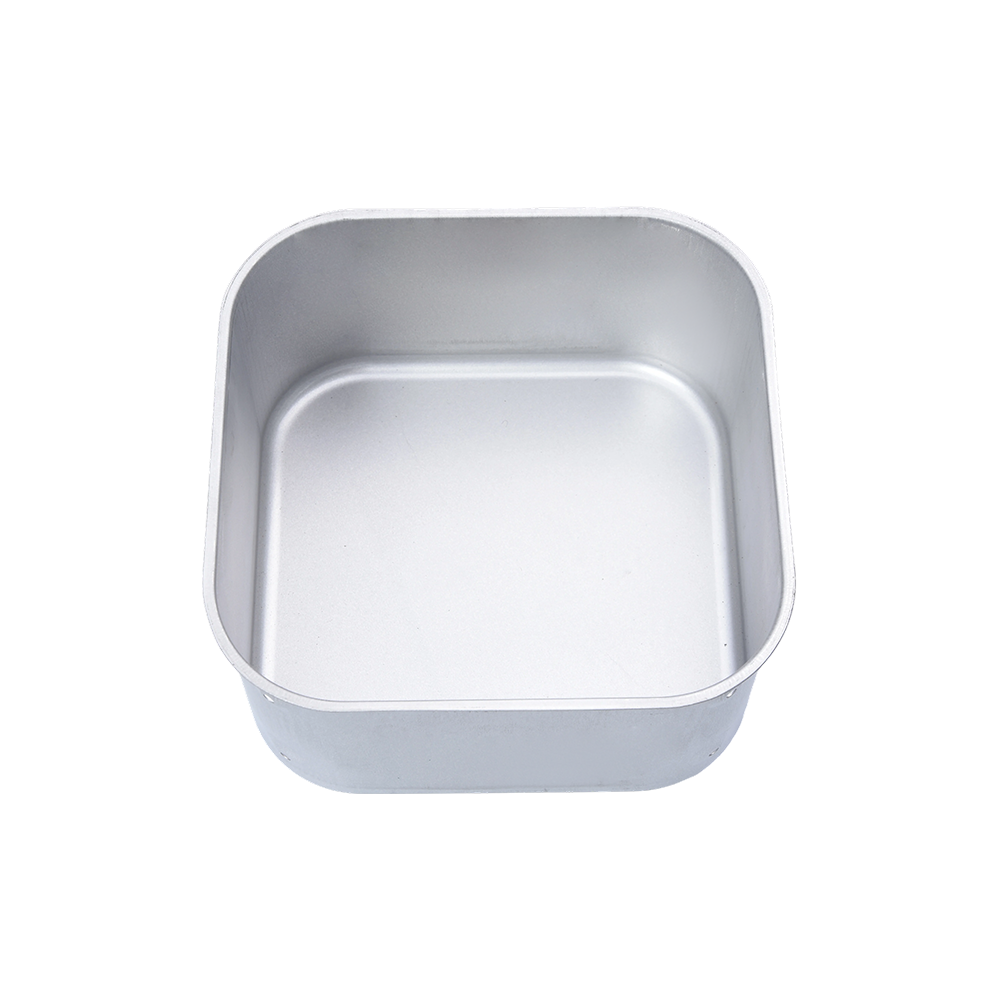
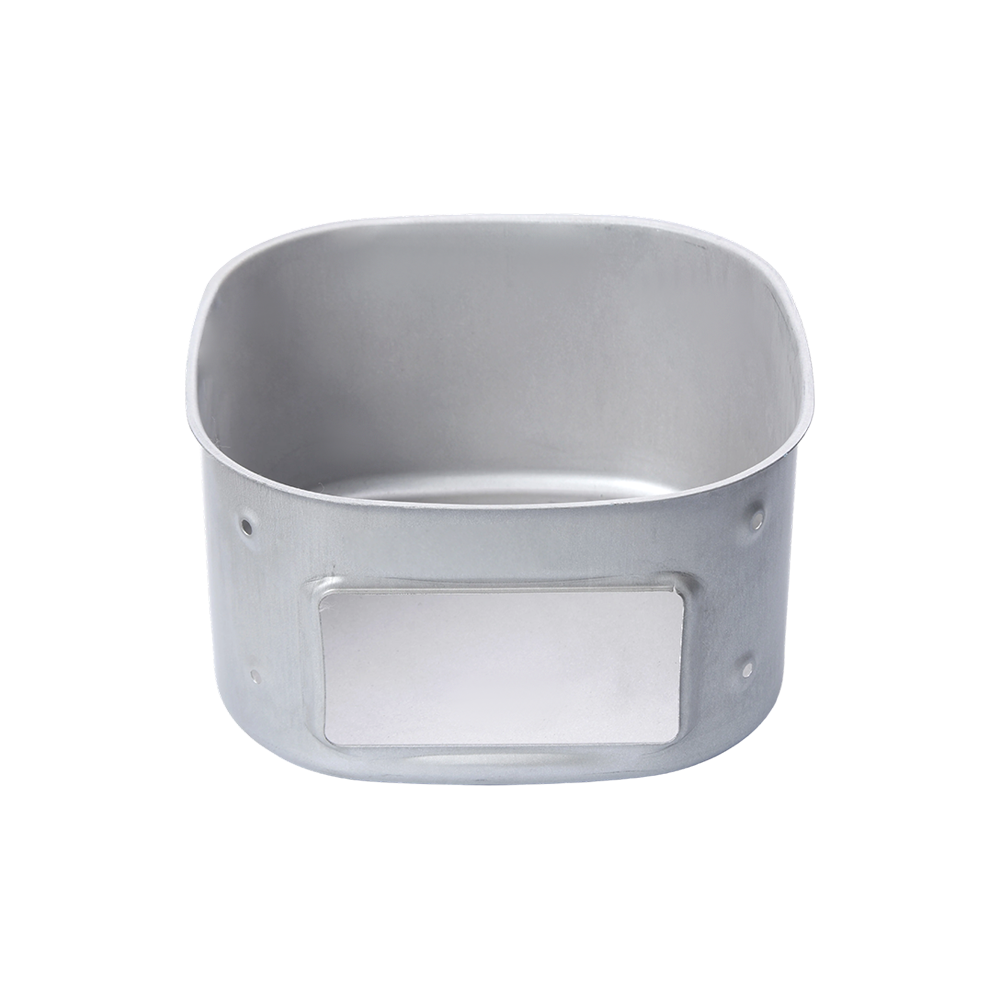
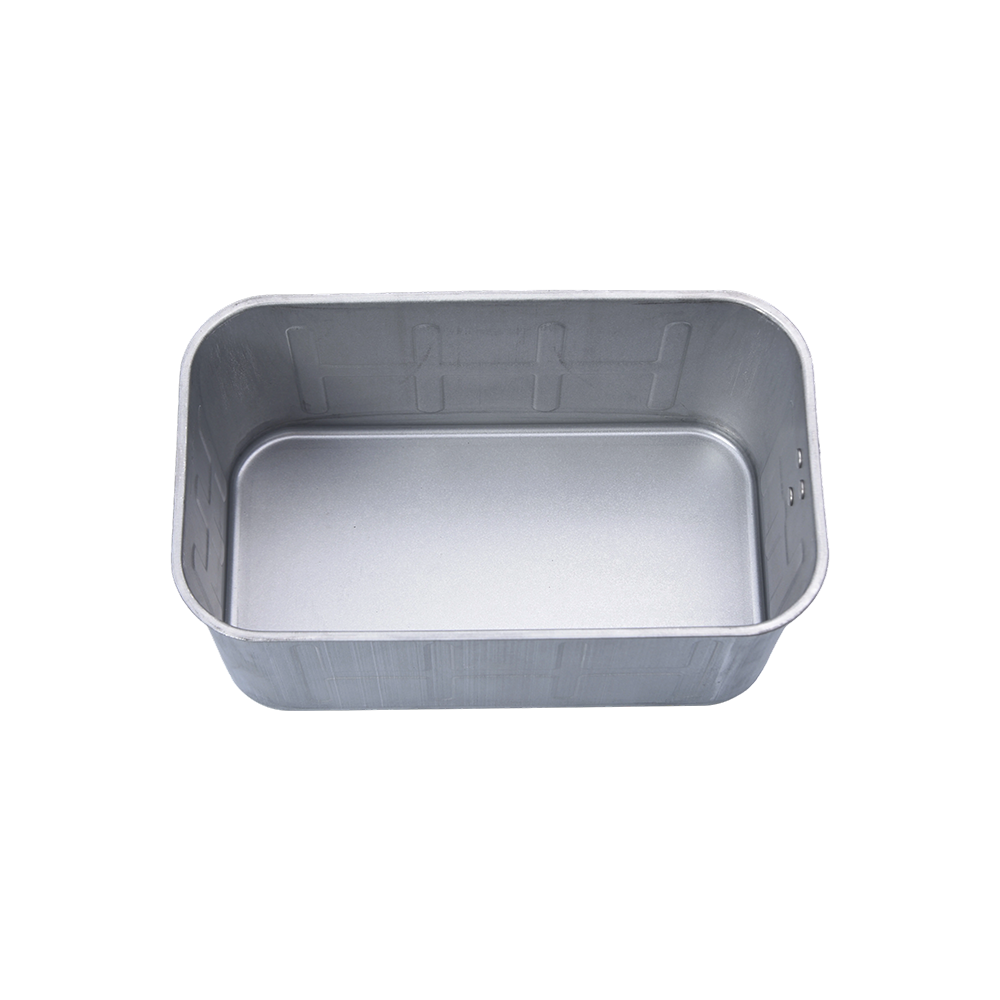
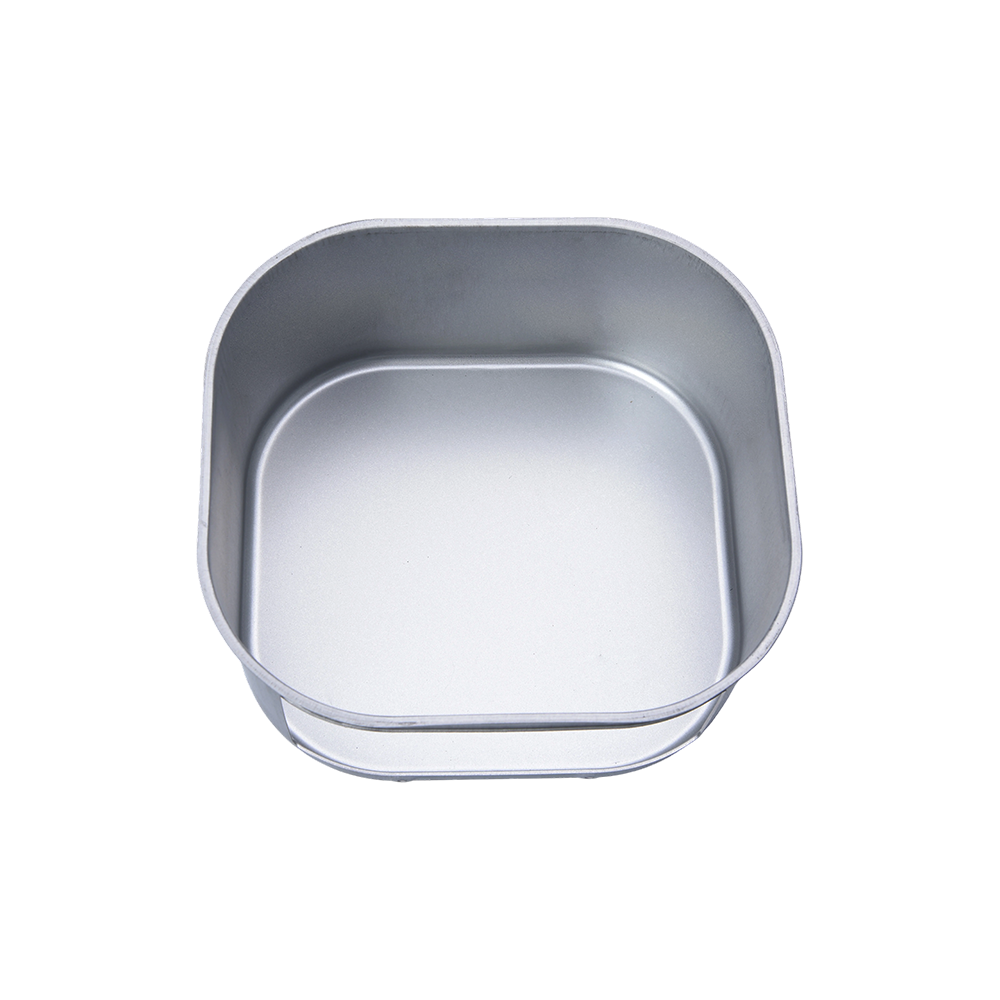
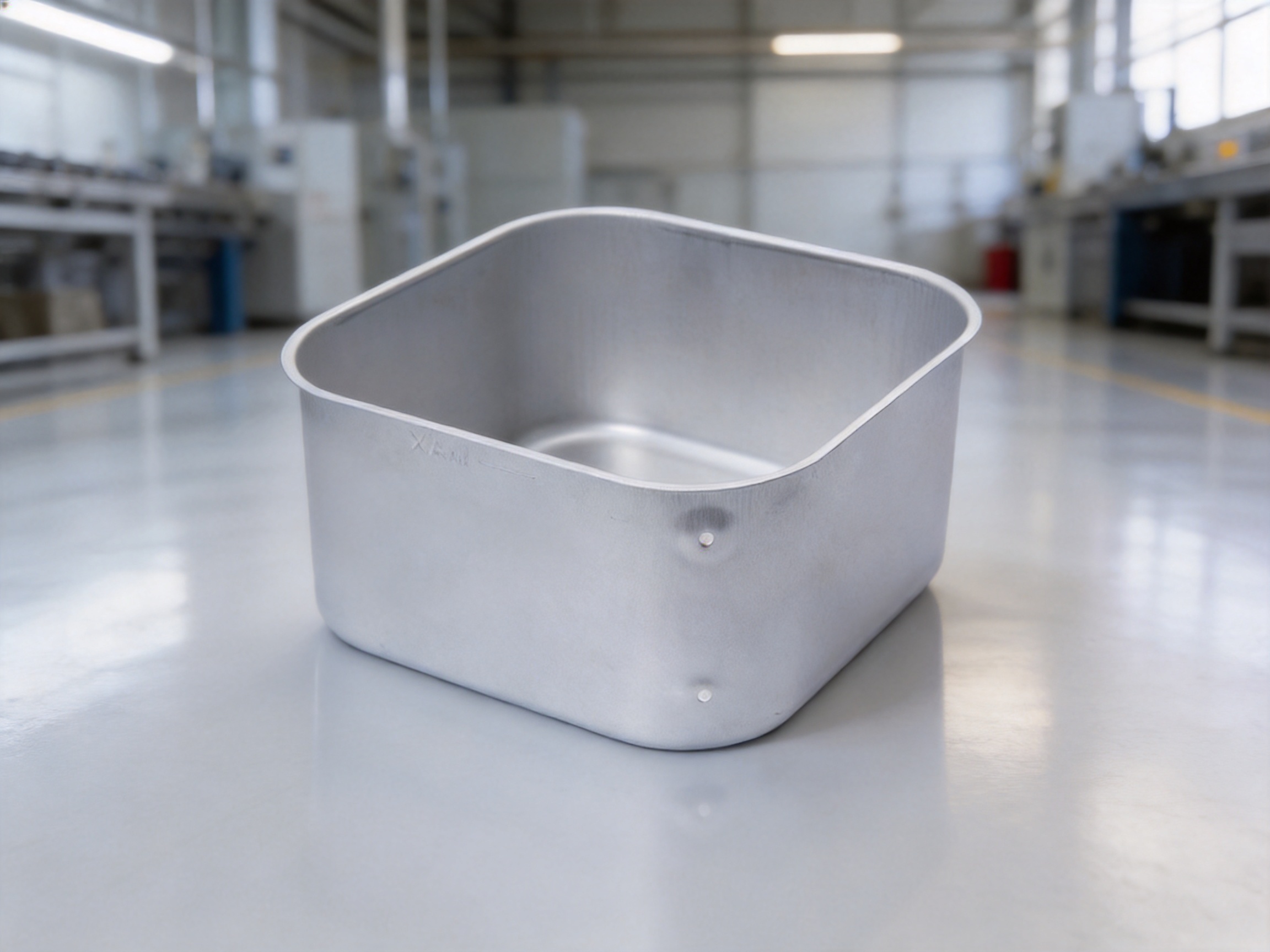
The deep-drawn square container is a one-piece metal container formed from sheet metal by deep-drawing technology. Unlike containers assembled from multiple plates by welding, riveting, or mechanical joining, this product is shaped through controlled plastic deformation. A metal blank is drawn into a die cavity by a punch, gradually transforming flat sheet material into a stable three-dimensional container shape. Because the container body is formed as one continuous piece, it avoids welded seams, weak joint lines, and many of the defects commonly associated with assembled structures.
The square design offers excellent storage efficiency. Compared with round containers, square containers reduce wasted space when placed side by side on shelves, pallets, carts, production lines, or inside equipment. This makes them especially useful where space utilization matters, such as warehouse systems, production staging areas, refrigerated storage, transport boxes, kitchen appliance assemblies, and pharmaceutical preparation rooms. The geometry also supports easier organization because multiple containers can be aligned neatly, labeled clearly, and stacked more predictably.
The container is built for durability. The deep-drawing process contributes to uniform structural strength, and the absence of welded seams helps reduce potential failure points. The product can be designed for resistance to corrosion, stains, rust, temperature changes, and chemical exposure, depending on the selected material and surface finish. These properties make it suitable for harsh environments and repeated handling. In industries where containers must be cleaned, moved, filled, emptied, stacked, or exposed to moisture and chemicals every day, long service life becomes an important cost-saving advantage.
Why Seamless One-Piece Construction Matters
One of the most important advantages of this deep-drawn square container is its seamless one-piece structure. Welded containers can serve many basic purposes, but welds introduce several limitations. Welded seams may become stress concentration zones, especially when a container is loaded heavily, dropped, exposed to vibration, or subjected to thermal expansion and contraction. Weld beads may also create surface irregularities where dirt, liquids, bacteria, or chemical residues can collect. In hygiene-sensitive fields, these micro-spaces can become a major concern.
A deep-drawn container avoids many of these issues. Since the container body is formed from a single metal blank, the material continuity is maintained throughout the walls and bottom. This continuous structure helps improve load-bearing behavior and reduces the risk of leakage at joints. It also simplifies cleaning because there are fewer crevices, overlaps, or hidden corners. For food processing, pharmaceutical handling, medical-related manufacturing, and precision production, this seamless characteristic supports better sanitation and quality control.
The one-piece design also improves appearance and consistency. Welded containers often require grinding, polishing, inspection, and finishing after assembly. Even with careful workmanship, the weld area may remain visually or structurally different from the surrounding metal. Deep drawing creates a cleaner, more integrated form. When the process is well controlled, the container can achieve smooth surfaces, consistent wall transitions, and repeatable dimensions across batches. This makes the product suitable not only for industrial use but also for applications where professional appearance matters.
Advantages Over Conventional Fabricated Containers
The deep-drawn square container offers several advantages over traditional fabricated containers. First, it provides improved structural reliability. A fabricated container may depend on multiple joining operations, and every joint introduces a possible weak point. In contrast, a deep-drawn structure distributes stress more naturally across the formed body. This is especially beneficial when the container must hold dense materials, withstand frequent lifting, or endure repeated stacking.
Second, the deep-drawn container is easier to clean and maintain. Weld seams, screw joints, folded seams, and riveted areas can trap contaminants. Even when the surface appears clean, residues may remain in small gaps. A seamless container reduces these hidden areas and therefore supports faster cleaning, better hygiene, and less downtime between production cycles. For operations where sanitation procedures are performed daily, easier cleaning can generate measurable savings in labor, water, detergent, and inspection time.
Third, deep drawing supports more stable repeatability in mass production. Once the tooling, press parameters, lubrication, blank size, and material specifications are optimized, the process can produce consistent parts efficiently. This repeatability is important for customers that require large volumes of identical containers or containers that must fit into larger assemblies. Dimensional consistency helps reduce installation problems, packaging issues, and quality variation.
Fourth, the container can offer a better balance between strength and material usage. Proper deep-drawing design can create a rigid container without unnecessary extra material. The forming process can improve shape stiffness through corners, radii, sidewalls, and bottom transitions. As a result, the container can achieve strong performance while controlling weight and material cost. This is valuable for logistics and handling, where every additional kilogram can affect labor effort and transport efficiency.
Key Product Features
| Feature | Practical Benefit | Competitive Advantage |
|---|---|---|
| Seamless one-piece deep-drawn body | Reduces leakage risk, weak joints, and contamination areas | Cleaner and stronger than many welded or assembled containers |
| Square geometry | Improves space utilization and organization | More efficient for stacking, shelving, and transport than round designs |
| Robust formed structure | Supports heavy loads and repeated use | Longer service life in demanding environments |
| Corrosion-resistant material options | Helps prevent rust, staining, and chemical attack | Suitable for wet, hygienic, or chemically exposed workplaces |
| Smooth internal surface | Facilitates cleaning and reduces residue accumulation | Useful for food, pharmaceutical, and precision manufacturing applications |
| Customizable manufacturing | Allows adjustment of size, thickness, finish, and functional details | Supports OEM and ODM project requirements |
Deep-Drawing Technology and Process Value
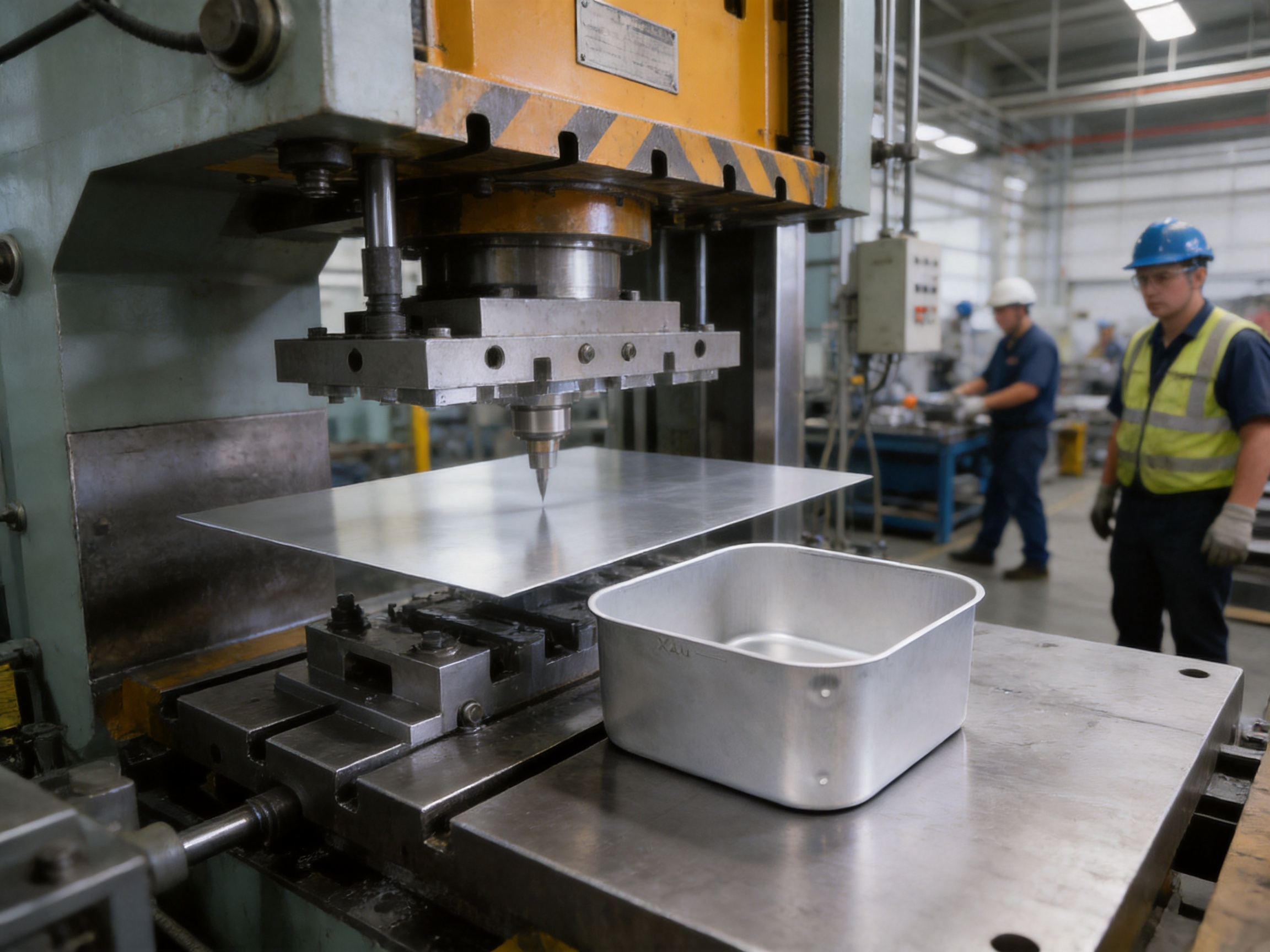
Deep drawing is a specialized metal-forming process used to create hollow or cup-like parts from sheet metal. It requires precise coordination of tooling, press force, blank-holding pressure, lubrication, material selection, and forming sequence. When applied to a square container, the process becomes more technically demanding than simple round deep drawing because square corners create more complex material flow. If the process is not properly controlled, defects such as wrinkling, tearing, uneven wall thickness, excessive thinning, or surface scratches may occur.
The successful production of a high-quality deep-drawn square container depends on experience and process engineering. The blank must be sized accurately so that enough material flows into the cavity without excessive surplus. The die radius and punch radius must be designed to allow smooth deformation while preserving container geometry. The blank-holder force must prevent wrinkles but not restrict flow so severely that the metal tears. Lubrication must reduce friction and protect the surface. Press speed and forming depth must be matched to the material’s ductility.
Advanced deep-drawing capability is therefore a major manufacturing strength. It allows production of parts that cannot be achieved economically or reliably by simple bending or welding. In comparison with multi-step fabrication, deep drawing can reduce part count, assembly labor, and post-processing requirements. It also improves product consistency because the shape is controlled by precision tooling rather than by repeated manual joining. For customers, this means more stable quality, shorter production cycles after tooling development, and improved long-term supply reliability.
Manufacturing Strength Behind the Product
Yuyao Hongli Optoelectronics Co., Ltd. is a comprehensive manufacturing enterprise with more than 20 years of experience in metal stamping and related production. Located in Yangming Science and Technology Industrial Park, Yuyao City, Zhejiang Province, China, the company has developed from its founding in 2000 into a professional manufacturer serving domestic and international customers. Its production scope includes deep-drawn parts, stamped parts, bending parts, kitchen appliance accessories, automotive stamping parts, hardware products, plastic products, small household appliance components, educational instrument parts, optical instrument parts, and household electric heater components.
The company operates a modern factory of approximately 5,000 square meters and has multiple stamping workshops. With more than 60 employees and a practical production system, it provides manufacturing, processing, wholesale, retail, import, and export services. This combination of plant capacity, technical experience, and export capability gives customers access to integrated metal-forming solutions rather than only single-product supply. For a deep-drawn square container, such an industrial background is important because quality depends not only on one machine but also on tooling design, material control, forming expertise, inspection, packaging, and delivery coordination.
The company supports OEM and ODM customization, rapid prototyping, and efficient production conversion. This means that customers can request modifications to container dimensions, sheet thickness, material type, corner radius, surface finish, edge treatment, stacking function, or related accessory features. For industries where standard products do not fully match equipment layouts or workflow requirements, customization can be a decisive advantage. A container used in a food processing line may require one type of finish, while a container used in an automotive component workshop may prioritize impact resistance and load capacity. Flexible manufacturing helps address these different needs.
Quality Control and Production Consistency
Quality control is essential in deep-drawn container manufacturing. Even small deviations in material thickness, tooling wear, lubrication, or press settings can affect the final product. A high-quality container should have stable dimensions, smooth surfaces, consistent wall form, accurate edge geometry, and reliable structural integrity. The company’s experience in stamping and deep drawing supports process control from raw material selection to final inspection.
Production consistency begins with material verification. Sheet metal must meet required specifications for thickness, hardness, surface condition, and formability. Material that is too hard may crack during drawing, while material that is too soft may deform under load. Surface defects on the incoming sheet can become more visible after forming. Therefore, selecting and inspecting suitable material is a foundation for stable output.
Tooling control is equally important. Dies, punches, blank holders, and forming surfaces must be designed and maintained carefully. Tooling wear can change dimensions or create scratches. Accurate tooling alignment helps prevent uneven drawing and wall thinning. Regular maintenance helps ensure that mass-produced containers remain consistent over time. For customized containers, tooling design must also consider the customer’s functional requirements and expected production volume.
Inspection after forming may include dimensional checks, visual surface inspection, edge inspection, flatness evaluation, and functional testing depending on the order requirements. For containers intended for demanding environments, additional inspection standards may be applied. The goal is to deliver products that perform reliably in the customer’s actual operating conditions, not only products that look acceptable at the factory.
Corrosion Resistance and Environmental Durability
The deep-drawn square container is described as having corrosion-resistant properties that help prevent rust, stains, and chemical corrosion. Corrosion resistance is a critical factor in many industries because containers may contact water, oils, cleaning agents, salts, mild chemicals, food ingredients, or process residues. A container that corrodes prematurely can contaminate materials, create safety hazards, reduce appearance quality, and require frequent replacement.
Depending on the specific application, corrosion resistance can be achieved through suitable material selection and surface treatment. Stainless steel is often selected for food, pharmaceutical, and wet-environment applications because it offers strong resistance to rust and is easy to clean. Other materials may be chosen for cost efficiency, weight control, electrical behavior, or mechanical performance, with coatings or finishes added as needed. The manufacturing team can help select an appropriate material and process route according to operating conditions.
Environmental durability also includes temperature stability. Containers used in food processing, heating equipment, cold storage, washing systems, or industrial production may experience temperature changes. A seamless formed structure can help maintain integrity when exposed to thermal expansion and contraction. Welded seams may behave differently from base material under temperature cycling, but a one-piece deep-drawn structure reduces that mismatch. This contributes to reliable performance in demanding temperature environments.
Load Capacity and Structural Performance
A container’s ability to withstand heavy loads is determined by material strength, thickness, geometry, forming quality, corner design, bottom shape, and edge treatment. The deep-drawn square container benefits from an integrated formed body that can distribute forces across the walls and base. The square form can be optimized for stacking and storage, while smooth radiused corners help reduce sharp stress concentrations.
When containers are used in logistics or manufacturing, they may be filled with dense parts, tools, ingredients, components, or semi-finished goods. They may be lifted manually, transported on carts, stacked on racks, or moved between workstations. Under these conditions, weak joints, thin corners, unstable bottoms, and rough edges can cause problems. Deep-drawn construction helps improve overall performance because the body is continuous and the shape is repeatable.
The product can also be adapted to different load requirements. For light-duty applications, a thinner material may reduce weight and cost. For heavy-duty industrial use, thicker material, reinforced edge design, or modified geometry may be selected. The company’s stamping and deep-drawing experience makes it possible to discuss these requirements during product development and create a solution that matches the customer’s real use conditions.
Space Efficiency of the Square Design
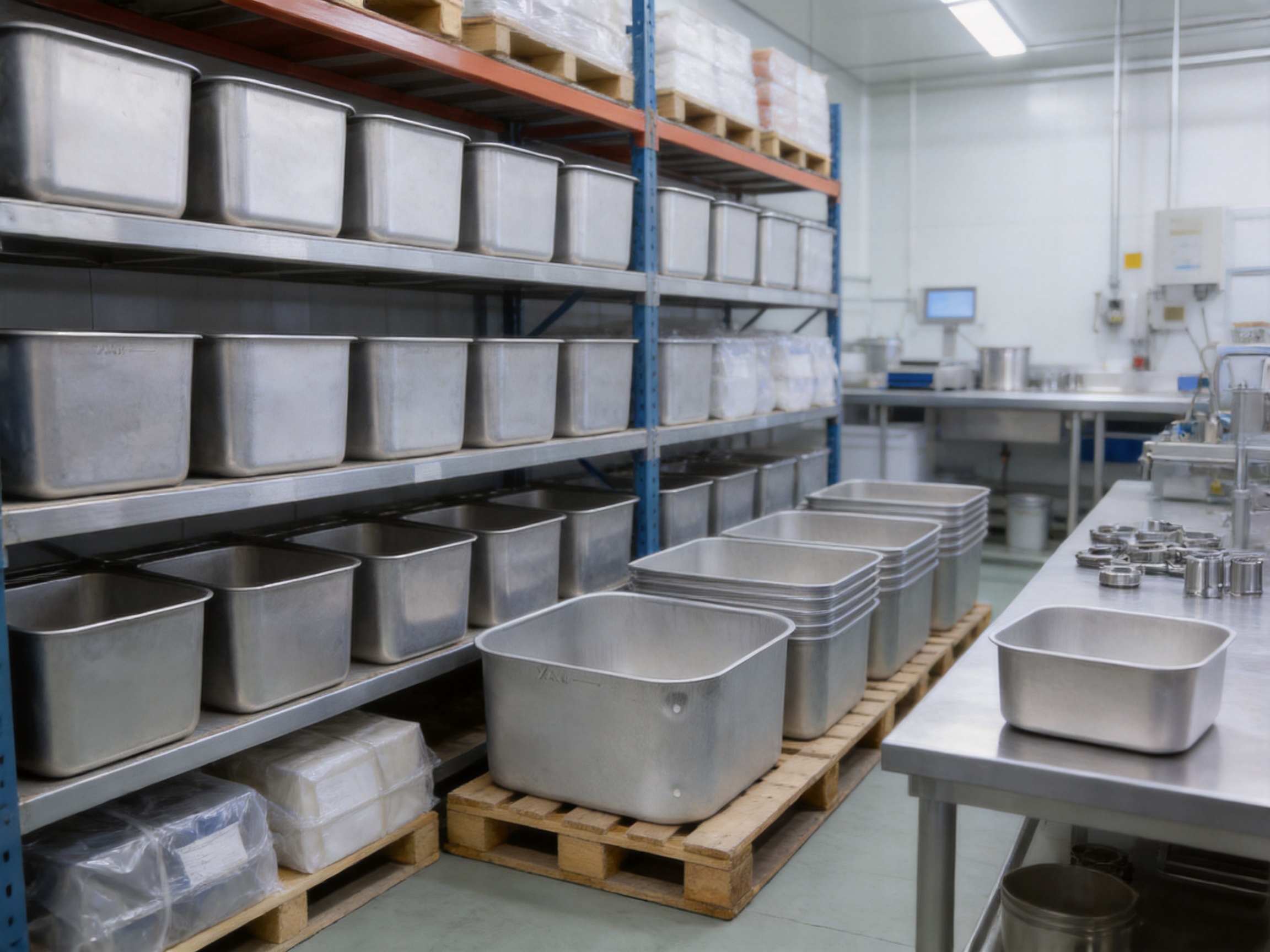
The square shape is one of the product’s most practical advantages. In warehouses, production areas, laboratories, and commercial kitchens, available space is valuable. Round containers leave gaps when placed together, but square containers align more efficiently. This improves shelf utilization, pallet loading, storage density, and workflow organization.
Square containers are also easier to position against walls, inside cabinets, in rectangular trays, on conveyor systems, and within machine housings. They can be arranged in rows with minimal wasted area. This is useful in batch processing, parts sorting, ingredient preparation, and assembly line feeding. When containers have consistent dimensions, operators can plan layouts more accurately and reduce clutter.
Stacking performance can also be improved through proper design. A square container may be customized with rim shapes, corner radii, or bottom features that support stable stacking. Stable stacking reduces the risk of tipping and helps protect stored materials. In logistics, better stacking can lower transportation costs by allowing more containers to fit into a given volume. In production areas, it can free floor space and improve safety.
Applications in Food Processing
Food processing environments demand containers that are cleanable, durable, corrosion resistant, and safe for repeated contact with ingredients or packaged goods. The seamless design of the deep-drawn square container is well suited to these needs. Without welded seams or assembled joints, the container reduces locations where food particles and moisture can accumulate. This supports more efficient cleaning and helps maintain sanitary conditions.
The container can be used for holding raw materials, prepared ingredients, semi-finished products, small packaged items, tools, utensils, or waste materials depending on material selection and surface finish. Its square design helps kitchens and factories organize production steps. For example, multiple containers can be used to separate ingredients before mixing, store components during batch production, or transport items between workstations.
Food plants often use frequent washing, hot water, steam, detergents, and disinfectants. Corrosion-resistant materials and smooth surfaces help the container withstand these cleaning procedures. Because the product can maintain structural integrity under demanding conditions, it can reduce replacement frequency and downtime. Compared with lower-cost containers that deform, rust, or become difficult to clean, a durable deep-drawn container can provide better long-term value.
Applications in Pharmaceutical and Clean Manufacturing
Pharmaceutical and clean manufacturing environments place strong emphasis on contamination control and process traceability. Containers used in these settings must be easy to clean, resistant to chemicals, and structurally reliable. The deep-drawn square container’s seamless body offers a practical advantage because it minimizes crevices and joint lines. Smooth surfaces can support cleaning validation and reduce the risk of retained residues.
In pharmaceutical production, containers may be used for handling packaging materials, tools, components, or non-reactive process items. In clean manufacturing, they may be used for precision parts, electronics components, laboratory equipment, or sensitive assemblies. The square geometry supports orderly storage and controlled movement through production zones. When paired with appropriate material and finishing standards, the container can become part of a controlled workflow system.
Another benefit is dimensional consistency. In regulated or high-precision industries, containers may be placed into racks, cabinets, transfer carts, or equipment interfaces. If dimensions vary widely, operations become inefficient. Deep-drawn production with stable tooling helps ensure repeatable size and shape, improving compatibility with standardized handling systems.
Applications in Manufacturing and Logistics
General manufacturing environments need containers for parts storage, work-in-process transfer, tool organization, and material handling. The deep-drawn square container is suitable because it combines strength, orderliness, and long service life. It can be used in metalworking shops, appliance production, automotive parts manufacturing, hardware assembly, electrical component production, and many other factories.
In logistics, containers are repeatedly moved, stacked, loaded, and unloaded. The square form improves storage density, while the seamless deep-drawn body supports durability. A container that resists deformation helps protect its contents and maintains stable stacking. This can reduce product damage, improve inventory control, and support safer handling.
Manufacturing plants also benefit from containers that can be customized. Some customers may need special dimensions for a particular machine line. Others may require surface finishes that reduce scratching of delicate parts. Some may want stronger rims for lifting or stacking. The company’s OEM and ODM capabilities make it possible to transform a general deep-drawn container concept into a project-specific solution.
Relevance to Kitchen Appliance Accessories
The company’s product categories include kitchen appliance accessories, and the deep-drawn square container is highly relevant to this field. Kitchen appliances often require metal trays, liners, reservoirs, pans, housings, heating-related components, and formed containers that must resist heat, moisture, cleaning agents, and repeated use. Deep-drawn construction is widely valued in such applications because it creates smooth, integrated metal forms suitable for functional and visible parts.
For appliance manufacturers, consistency is critical. A container or accessory must fit accurately into an assembly. It may need to align with covers, heating elements, brackets, seals, or plastic parts. Deep-drawn tooling enables repeatable dimensions, helping assembly lines operate smoothly. The absence of welds can also improve appearance and reduce finishing labor.
In kitchen appliance applications, the product can be adapted for food-contact requirements, drainage, heat exposure, or decorative surfaces. This flexibility makes deep drawing a valuable process for manufacturers seeking durable and cost-effective metal components. The company’s experience in small household appliance components and related hardware supports practical development for such projects.
Relevance to Automotive Stamping Parts
Although the deep-drawn square container itself may be used in many industries, the manufacturing expertise behind it is closely related to automotive stamping. Automotive parts require strict control of dimensions, repeatability, material behavior, and production efficiency. A manufacturer experienced in automotive stamping brings valuable discipline to deep-drawn container production.
Automotive stamping knowledge includes die design, press operation, batch quality management, material utilization, and process optimization. These capabilities help produce deep-drawn parts that meet demanding mechanical and dimensional requirements. For customers, this means the supplier can handle not only simple containers but also more complex formed parts, brackets, housings, covers, and structural components.
The company’s experience in automotive stamping parts also demonstrates its ability to serve industries where reliability and delivery stability are important. Automotive supply chains often require consistent production, clear communication, and continuous improvement. These strengths benefit customers ordering deep-drawn square containers or other metal-formed products.
Customization and OEM/ODM Capability
One of the most important strengths of the manufacturing service is customization. Standard containers may be sufficient for some applications, but many industrial customers require parts designed around their own equipment, workflow, materials, or brand specifications. OEM and ODM capability allows the deep-drawn square container to be modified in practical ways.
Possible customization options include length, width, depth, material thickness, corner radius, bottom shape, edge rolling, flange design, surface finish, polishing level, coating, drainage holes, mounting holes, handles, stacking features, and compatibility with lids or frames. The container may be designed as an independent storage product or as a component integrated into a larger system.
Rapid prototyping supports development efficiency. Before mass production, customers may need samples to test fit, load capacity, cleaning behavior, corrosion resistance, or stacking performance. By moving from prototype to production efficiently, the manufacturer helps shorten development cycles. This is especially valuable for appliance companies, equipment manufacturers, and industrial buyers launching new products or upgrading existing systems.
Material Selection Considerations
Selecting the correct material is essential for achieving the desired performance. For applications requiring corrosion resistance and hygiene, stainless steel may be appropriate. For cost-sensitive industrial storage, other sheet metals with protective surface treatment may be considered. For applications involving heat, chemicals, or specific mechanical loads, material selection should be based on actual operating conditions.
Material thickness is another key decision. Thicker material usually increases strength and stiffness but also raises weight, forming difficulty, and cost. Thinner material may be easier to handle and more economical, but it must still provide adequate durability. Deep drawing requires materials with suitable ductility, so not every sheet material can be formed into every shape. The manufacturer’s experience helps balance these factors.
Surface condition matters as well. A smooth surface is easier to clean and may be necessary for food or pharmaceutical use. A brushed or polished finish may improve appearance. A coated finish may improve corrosion protection or reduce friction. The final specification should reflect the customer’s usage, cleaning method, environmental exposure, and budget.
Edge Design and User Safety
Edges are often overlooked, but they strongly affect safety and usability. A deep-drawn container may require rolled edges, deburred edges, flanges, or reinforced rims depending on how it will be handled. Sharp edges can injure operators, damage gloves, scratch surrounding equipment, or create quality problems. Proper edge treatment improves safety and product perception.
A reinforced rim can also improve stiffness. When a container is lifted, stacked, or filled heavily, the upper edge may experience bending forces. A well-designed rim helps maintain shape and prevents distortion. If the container must work with a lid, rack, frame, or automated handling device, the edge geometry becomes even more important.
The manufacturer can adjust edge design according to the application. For a simple storage container, deburring and smoothing may be enough. For a heavy-duty logistics container, a stronger rolled edge may be preferred. For an appliance component, the edge may need to fit precisely with another part. These design choices are part of the value of custom deep-drawn manufacturing.
Surface Finish and Cleanability
Surface finish influences appearance, cleaning performance, corrosion behavior, and user satisfaction. A smoother surface reduces the ability of particles and residues to adhere. In food and pharmaceutical environments, this can simplify cleaning and inspection. In industrial settings, it can reduce accumulation of oils, dust, or metal particles.
Deep drawing can produce smooth surfaces when tooling and lubrication are properly managed. However, the process must be controlled to avoid scratches, galling, or surface stretching marks. Tooling surface quality, material surface condition, lubrication type, and cleaning after forming all contribute to the final appearance.
Surface finishing may include cleaning, polishing, brushing, passivation, coating, or other treatments depending on the material and application. The correct finish should be selected according to the container’s function. For example, a container used in a visible kitchen appliance may require a more refined appearance than a container used for internal industrial parts storage. A container used around moisture may need enhanced corrosion protection.
Cost Efficiency Over the Product Life Cycle
Initial purchase price is only one part of container cost. A low-cost welded or thin container may appear economical at first, but if it rusts, leaks, deforms, traps contaminants, or requires frequent replacement, the total cost becomes higher. The deep-drawn square container is designed to provide long-term value through durability, cleanability, efficient space use, and reliable performance.
Reduced maintenance is a major benefit. Seamless construction can lower cleaning difficulty and reduce inspection concerns. Strong forming can decrease deformation and replacement frequency. Corrosion-resistant properties can extend service life in wet or chemically exposed environments. Better stacking and storage efficiency can reduce space costs and improve operational organization.
For manufacturers buying containers as components, process efficiency also matters. A deep-drawn one-piece part can reduce assembly steps compared with multi-piece fabricated designs. Fewer welds and fewer secondary operations may improve production speed and reduce quality risks. When ordered in volume, deep-drawn production can become highly efficient because tooling controls the shape and presses can produce consistent parts at scale.
Competitive Positioning
Compared with many competing containers, the deep-drawn square container stands out in several ways. Its seamless construction provides a cleaner, stronger body than welded alternatives. Its square shape offers better space efficiency than round containers. Its corrosion-resistant properties make it more suitable for harsh environments than untreated metal or low-grade products. Its customization options make it more adaptable than fixed standard models. Its production background in stamping, deep drawing, bending, kitchen appliance accessories, and automotive stamping provides confidence in manufacturing capability.
Some competitors may focus only on low-cost fabrication, but cost reduction without process control can lead to inconsistent quality. Other suppliers may provide standard containers but lack the ability to customize efficiently. Some may have forming equipment but limited experience in complex square deep drawing. The combination of experience, factory capacity, tooling knowledge, and OEM/ODM support gives this product a strong competitive foundation.
In international sourcing, buyers also value stable communication, delivery reliability, and after-sales service. Yuyao Hongli Optoelectronics emphasizes strict quality control, stable delivery, and comprehensive after-sales service. These strengths help reduce purchasing risk. A good product must be supported by a reliable supplier, especially when it becomes part of a customer’s production system or supply chain.
Production Conversion and Scaling
For many customers, the path from concept to mass production is a challenge. A container design may look simple, but deep drawing requires careful testing. Material flow, corner thinning, bottom flatness, wall height, edge accuracy, and surface finish must all be validated. Rapid prototyping helps identify issues early, while efficient production conversion helps customers move into volume supply.
The company’s experience allows it to support this transition. During development, the team can review drawings, samples, materials, and functional requirements. Tooling can then be designed or adjusted. Trial production can confirm process feasibility. Once the design is stable, batch production can be arranged with quality checks and delivery planning.
Scaling also requires stable procurement and workshop organization. A factory with multiple stamping workshops and trained staff is better positioned to handle volume requirements. Production capacity, tooling maintenance, inspection procedures, and packaging processes all influence delivery reliability. For customers ordering containers for ongoing operations, stable scaling is as important as the first successful sample.
Sustainability and Resource Efficiency
Durable deep-drawn metal containers can support sustainability goals by reducing replacement frequency and material waste. A long-lasting container uses resources more efficiently than disposable or short-life alternatives. When a container resists corrosion and deformation, it remains useful for more production cycles. This reduces waste generation and purchasing repetition.
Deep drawing can also support efficient material use when blank design and nesting are optimized. Although trimming may be required, experienced manufacturers can work to improve material utilization. A one-piece design may reduce the need for welding consumables, fasteners, and assembly materials. It can also reduce rework associated with weld defects or joint failures.
In many industries, sustainability is linked to hygiene and safety. A container that is easy to clean may require less aggressive cleaning, less time, and fewer resources. A container that stacks efficiently can improve transport density and storage efficiency. These operational benefits contribute to a more responsible and cost-effective production system.
Purchasing Considerations for Buyers
When selecting a deep-drawn square container, buyers should evaluate the intended use carefully. Important questions include what materials will be stored, whether the container will contact food or chemicals, how it will be cleaned, how much weight it must carry, whether it will be stacked, what temperature range it will face, and whether it must fit into existing equipment. These details help determine the correct material, thickness, dimensions, finish, and edge design.
Buyers should also consider batch volume and customization needs. For small quantities, prototype or limited production may be suitable. For large quantities, tooling efficiency and production planning become more important. Clear drawings, samples, or technical requirements help the manufacturer provide accurate recommendations and quotations.
Supplier capability should be assessed alongside product specifications. A reliable supplier should understand deep drawing, stamping, quality control, customization, packaging, and delivery. The company’s more than 20 years of manufacturing experience, 5,000-square-meter factory, multiple workshops, and OEM/ODM support make it a strong candidate for customers seeking stable supply of deep-drawn square containers and related metal parts.
Q&A Section
What is a deep-drawn square container?
A deep-drawn square container is a hollow metal container formed from a single sheet metal blank by deep-drawing technology. The process creates a seamless one-piece body without welded seams, offering strength, cleanability, and consistent shape.
Why is a seamless container better than a welded container?
A seamless container has fewer weak points and fewer areas where contaminants can collect. It is generally easier to clean, less prone to leakage at joints, and more visually uniform than many welded containers.
What industries can use this container?
It can be used in food processing, pharmaceuticals, manufacturing, logistics, kitchen appliance production, hardware handling, small appliance systems, automotive-related production, and other industrial storage or transport applications.
Can the container be customized?
Yes. Customization may include size, depth, material, thickness, finish, edge design, stacking features, holes, flanges, and other functional details. OEM and ODM services are available for project-specific requirements.
What makes the square shape useful?
The square shape improves space utilization. It fits efficiently on shelves, pallets, carts, and production lines, reducing wasted gaps compared with round containers. It also supports orderly stacking and organization.
How does corrosion resistance benefit users?
Corrosion resistance helps prevent rust, staining, and chemical damage. This improves product life, protects stored materials, supports hygiene, and reduces replacement costs in wet or harsh environments.
What information should buyers provide when requesting a quotation?
Buyers should provide dimensions, material preference, thickness, expected load, operating environment, cleaning method, surface finish, order quantity, drawings if available, and any special requirements such as stacking or food-contact use.
Why choose a manufacturer with stamping and deep-drawing experience?
Deep drawing requires precise control of tooling, material flow, press settings, and inspection. An experienced manufacturer can reduce defects, improve consistency, support customization, and help move from prototype to mass production efficiently.
Conclusion
The deep-drawn square container is a high-value industrial product built around seamless construction, durable performance, efficient geometry, corrosion resistance, and customization potential. Its one-piece body eliminates many weaknesses associated with welded or assembled containers. Its square design improves storage and transport efficiency. Its smooth, corrosion-resistant structure supports cleaning and long service life in demanding environments.
Behind the product is the manufacturing experience of Yuyao Hongli Optoelectronics Co., Ltd., a company with more than 20 years of industry history, a modern factory, multiple stamping workshops, and broad capability in deep-drawn parts, stamped parts, bending parts, kitchen appliance accessories, and automotive stamping parts. The company’s ability to provide OEM/ODM customization, rapid prototyping, strict quality control, stable delivery, and after-sales support strengthens the product’s competitive position.
For customers seeking a reliable container for food processing, pharmaceuticals, logistics, manufacturing, appliance production, or industrial storage, the deep-drawn square container offers a practical combination of strength, cleanliness, efficiency, and long-term value. It is not merely a container; it is a carefully engineered formed metal solution designed to improve workflow, reduce maintenance, and support dependable industrial performance.
References
1. Lange, K. Handbook of Metal Forming. Society of Manufacturing Engineers.
2. Schuler GmbH. Metal Forming Handbook. Springer.
3. Kalpakjian, S., and Schmid, S. R. Manufacturing Engineering and Technology. Pearson.
4. ASM International. ASM Handbook, Volume 14B: Metalworking: Sheet Forming.
5. Davis, J. R. Stainless Steels. ASM International.
6. Swift, K. G., and Booker, J. D. Manufacturing Process Selection Handbook. Butterworth-Heinemann.
Product: Deep-drawn square container
Previous Post
Precision Stamped Sheet Metal Parts for Automotive Applications
Next Post
Kitchen Utensil Base: Durable Metal Storage for Organized Modern Kitchens
News
-
-
When you need a metal component whose depth clearly exceeds its width, such as a one-piece battery enclosure, an air-fryer inner container,...
READ MORE -
A flat mounting plate with three punched holes and a rectangular container with a fitted lid can come off presses in the same workshop, yet...
READ MORE -
Manufacturing & Materials Engineering Why Deep Draw Components Outperform Fabricated Sheet Metal Parts in Leak-Proof Applications Seam...
READ MORE
Get Fresh Updates Via Email
We promise we will never disclose your email address, and you can opt out at any time.
-
Quick Links
Home About Us Products Service News Contact Us -
Product list
Deep-drawn parts Stamped parts Bending parts Kitchen appliance accessories Automotive stamping parts -
About Us
Factory Honour FAQ -
News
Company News Industry News -
Contact Us
Address: South side of Shunke Road, Yangming Science and Technology Industrial Park, Yuyao City, Zhejiang Province, China Tel: +86-13905842349/+86-13738485724 Email: hongli@hl-stamping.com
Copyright © Yuyao Hongli Optoelectronics Co., Ltd. All Rights Reserved.
Custom Precision-Sheet/Sheet Metal Stamping Manufacturers
