


 English
 русский
 Español
 عربى
عربى
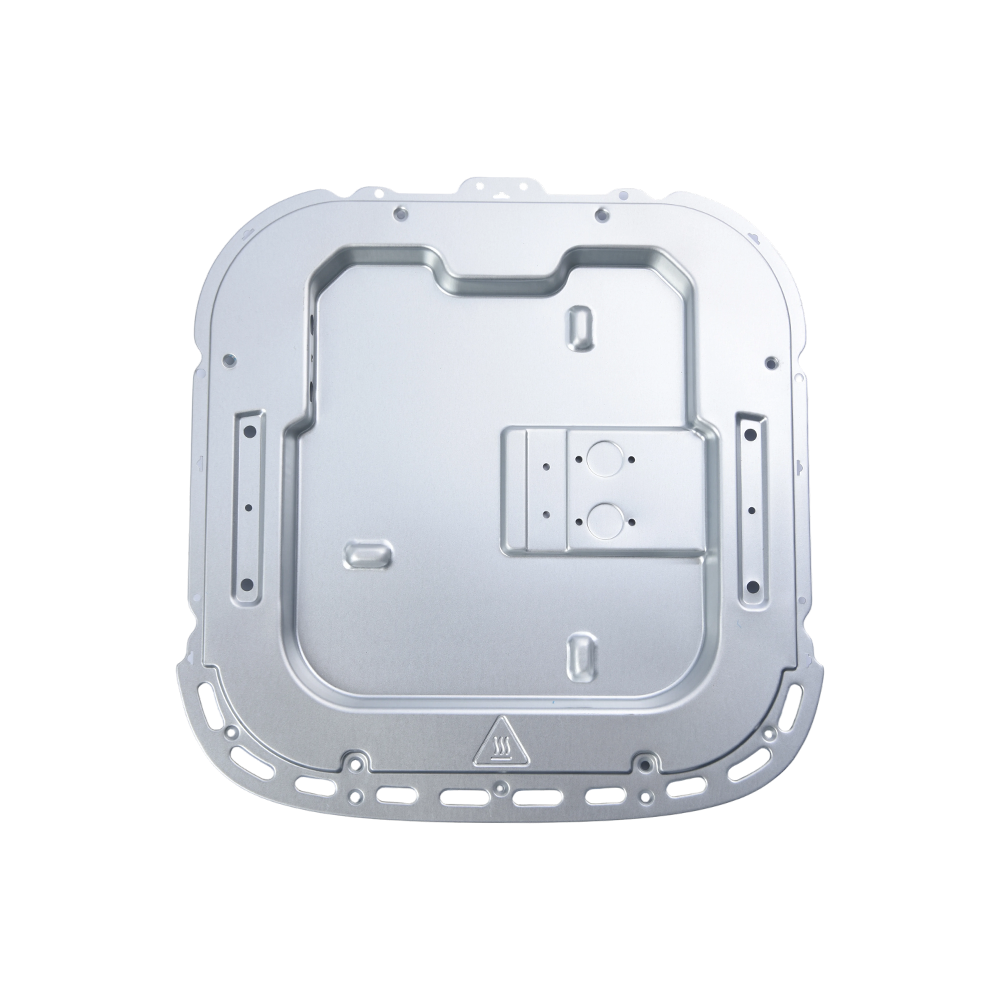

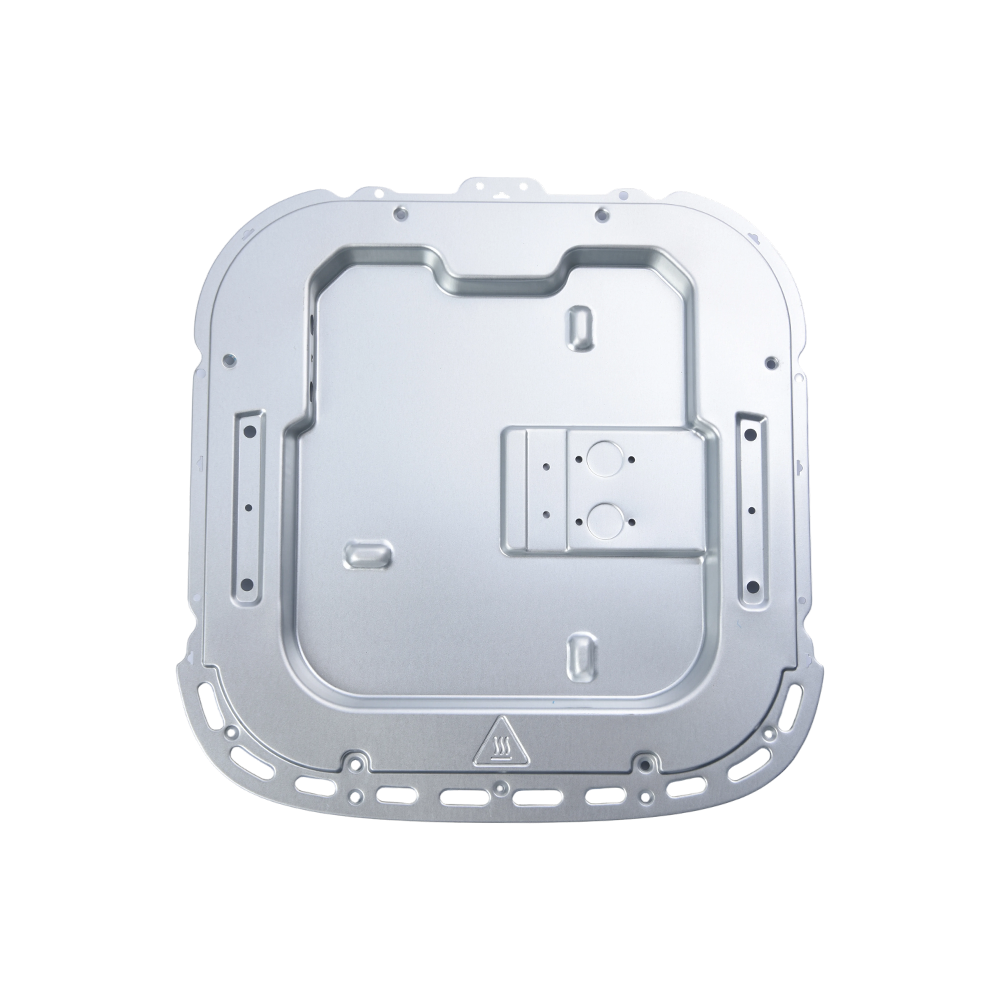
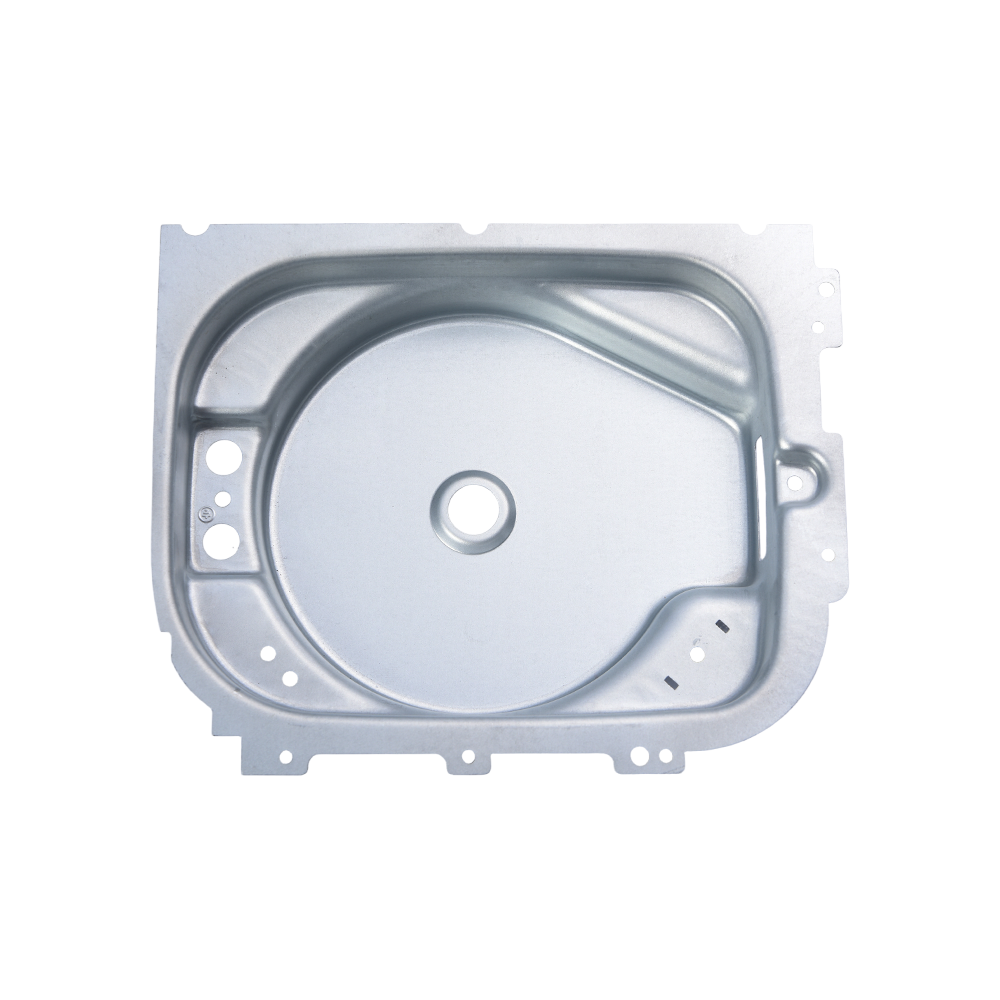
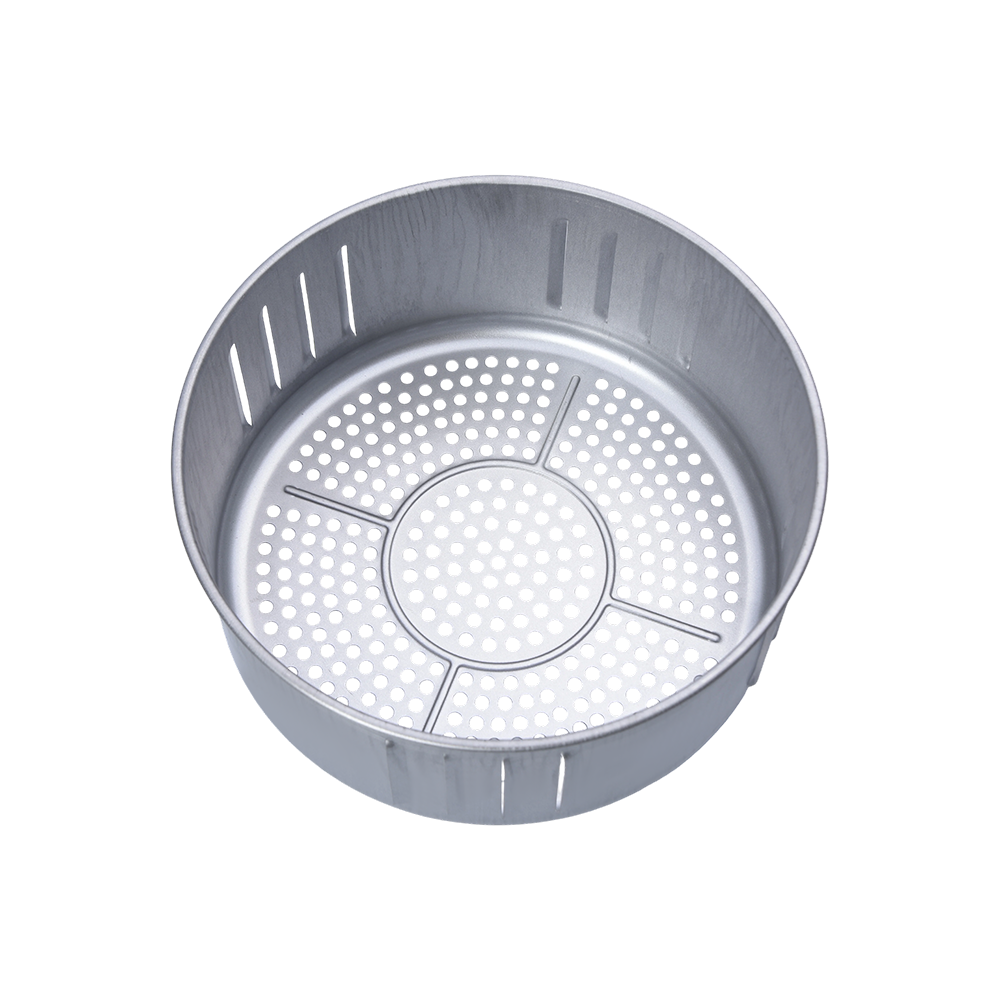
If you have ever asked yourself, “How do I find a reputable metal fabricator?” you are not alone. As a manufacturer with more than 20 years...
READ MORE

News
Home / Author / Liu Yanan — Product After-Sales Service Specialist / Kitchen Utensil Base: Durable Metal Storage for Organized Modern Kitchens
Kitchen Utensil Base: Durable Metal Storage for Organized Modern Kitchens
2026-07-14
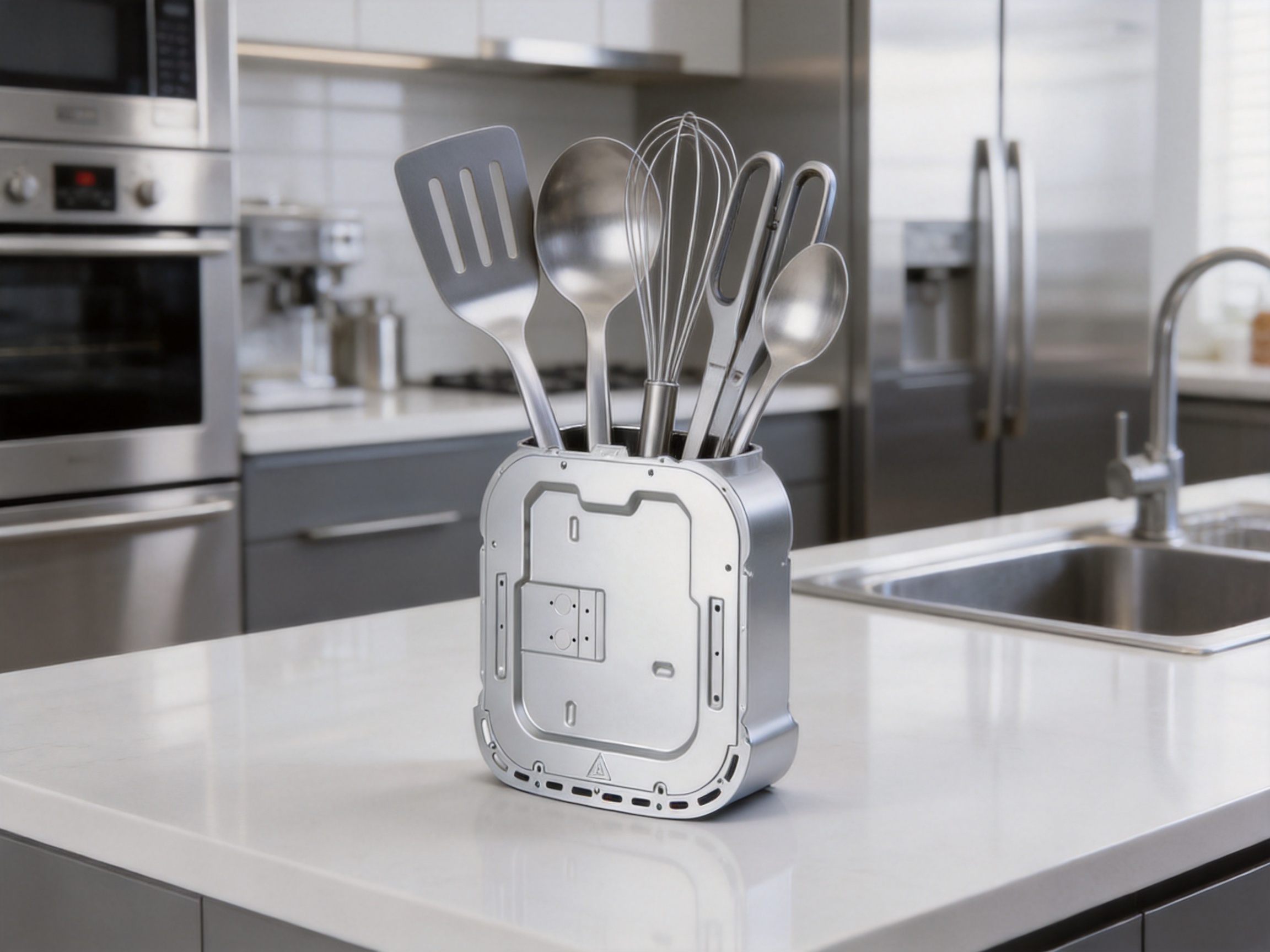
A well-designed kitchen utensil base is more than a container for spoons, spatulas, ladles, tongs, whisks, and other daily cooking tools. It is a functional countertop organizer, a stability solution, a hygiene aid, and a visual detail that helps define the working rhythm of a kitchen. In home kitchens, restaurant prep areas, appliance accessory sets, and customized kitchen equipment programs, the utensil base plays a simple but essential role: it keeps commonly used tools upright, accessible, and orderly while withstanding frequent handling, moisture, heat exposure, and cleaning.
The Kitchen Utensil Base described here is developed as a sturdy, durable, and visually adaptable metal accessory for kitchen appliance and kitchenware applications. It is intended to combine practicality with long service life, offering strength, rust resistance, stability, scratch resistance, stain resistance, and daily-use reliability. Unlike ordinary lightweight plastic holders or thin, easily deformed metal containers, a properly manufactured stamped or deep-drawn metal utensil base can provide a more balanced structure, more consistent geometry, and a premium feel suitable for both household and commercial use.
Yuyao Hongli Optoelectronics Co., Ltd. manufactures this type of kitchen appliance accessory with more than 20 years of experience in metal stamping, deep drawing, bending, hardware processing, and customized production. Located in Yangming Science and Technology Industrial Park, Yuyao City, Zhejiang Province, China, the company operates a 5,000-square-meter modern factory with multiple stamping workshops and more than 60 employees. Its production capabilities cover deep-drawn parts, stamped parts, bending parts, kitchen appliance accessories, automotive stamping parts, small household appliance components, hardware products, and related OEM/ODM manufacturing services.
The result is a utensil base that can be adapted to different design needs, countertop styles, appliance packages, and purchasing requirements. It may be produced in cylindrical, square, rectangular, tiered, or customized geometries, depending on the application. Its open design makes utensils easy to grab while cooking, and its firm structure helps it remain stable during repeated use. The same manufacturing experience used for precision stamped parts and appliance accessories supports the product’s consistency, durability, and production scalability.
Product Overview
The Kitchen Utensil Base is a metal storage accessory designed to hold cooking utensils upright and within reach. Its purpose is straightforward, but the quality of execution determines whether the product feels convenient and dependable or unstable and short-lived. A high-quality utensil base must resist daily moisture, cleaning agents, accidental impacts, utensil scratches, and exposure to warm kitchen environments. It must also maintain a clean appearance and remain sufficiently stable when filled with tools of different weights and lengths.
This product category is especially suitable for kitchens where organization and quick access matter. A cook may reach for a ladle during soup preparation, a spatula during frying, tongs during grilling, or a whisk while mixing sauces. If these tools are stored in drawers, they may be difficult to locate quickly. If they are laid on countertops, they occupy space and may create hygiene concerns. A utensil base solves these problems by offering vertical storage that keeps tools visible, separated, and ready for use.
The Kitchen Utensil Base can also be integrated into broader kitchen appliance accessory systems. For example, it may accompany cooking stations, countertop storage sets, small appliance product lines, or customized kitchenware collections. Because the product can be manufactured through stamping, deep drawing, and bending processes, it is highly suitable for OEM and ODM projects that require controlled dimensions, repeatable quality, and scalable production.
From a design perspective, the utensil base may be configured with smooth edges, reinforced bottoms, drainage-friendly openings, decorative patterns, or specific surface finishes. The final form depends on customer requirements, material selection, tooling design, and cost targets. This flexibility makes it attractive for distributors, appliance manufacturers, kitchenware brands, and buyers seeking a reliable metal part supplier rather than a generic finished-goods source.
Why a Metal Utensil Base Performs Better Than Ordinary Alternatives
Many utensil holders on the market use low-cost plastics, thin sheet metal, ceramic, bamboo, or mixed materials. Each material has advantages, but a well-made metal utensil base is often the better choice when long-term durability, structural stability, cleanability, and production consistency are priorities. Metal can provide excellent rigidity in a relatively compact wall thickness, allowing the base to occupy less countertop space while still supporting a full load of utensils.
Plastic utensil holders may be lightweight and inexpensive, but they can warp, discolor, absorb odors, or become scratched over time. In high-temperature kitchen zones, plastic may not provide the same confidence as metal. Ceramic holders can look attractive but are heavier and prone to cracking or breakage if dropped. Wooden or bamboo holders may create a warm visual style, yet they can absorb moisture and require more careful maintenance. Thin, low-quality metal containers may dent easily or develop rough edges if manufacturing control is poor.
The Kitchen Utensil Base made through experienced metal stamping and forming processes offers a stronger balance of performance characteristics. It can be durable without being excessively heavy, attractive without being fragile, and practical without requiring complicated cleaning. Proper material selection and surface treatment can improve resistance to rust, stains, scratches, and kitchen humidity. A stable bottom structure can help prevent tipping, while smooth finishing can protect both the user and the utensils.
The advantage over competitors is not only material-based. It also depends on manufacturing discipline. A metal utensil base that is poorly cut, poorly formed, or inconsistently finished may fail to deliver the expected benefits. Yuyao Hongli Optoelectronics Co., Ltd. applies its experience in stamped parts, deep-drawn parts, bending parts, and appliance accessories to control dimensional precision, surface quality, tooling reliability, and repeatability. This manufacturing foundation is an important difference between a simple commodity container and a professionally produced kitchen accessory.
Core Functional Advantages
The primary advantage of the Kitchen Utensil Base is countertop organization. By keeping utensils upright, it reduces drawer searching and improves cooking efficiency. It is especially useful for tools that are frequently used during meal preparation. A chef or home cook can quickly identify the correct tool and return it to the base after use, helping maintain a cleaner and more orderly workspace.
A second advantage is stability. Utensils have different handle lengths, weights, and shapes. A base that is too light, too narrow, or poorly proportioned may tip easily when loaded unevenly. A stamped or deep-drawn metal base can be designed with a stable footprint, sufficient wall height, and a reinforced bottom to improve balance. This is important in busy kitchens where speed and safety matter.
A third advantage is durability. Kitchen environments involve water, oil, heat, salt, cleaning products, and repeated contact with metal or silicone tools. A robust metal structure helps prevent deformation and cracking. With appropriate material and finishing choices, the surface can resist rust, staining, scratching, and discoloration better than many low-cost alternatives.
A fourth advantage is cleanability. The open structure allows users to remove utensils easily and wipe or rinse the base as needed. Smooth inner walls and controlled edge finishing help reduce dirt accumulation. Depending on the chosen design, drainage holes or raised bottoms may be incorporated to reduce standing water after washing utensils.
A fifth advantage is aesthetic adaptability. Metal surfaces can match modern kitchen appliances, stainless steel sinks, cooktops, range hoods, and countertop hardware. The utensil base may be designed in a simple polished style, a brushed surface, a matte finish, or a customized decorative appearance. This helps it integrate into different kitchen environments, from minimalist residential spaces to practical commercial cooking areas.
Typical Applications
The Kitchen Utensil Base is suitable for a wide range of applications. In residential kitchens, it provides an accessible place for everyday cooking tools and improves countertop order. In small apartments or compact kitchens, vertical storage helps maximize limited surface area. In family kitchens, it keeps frequently used tools visible and easy to reach for multiple users.
In commercial kitchens, cafeterias, and preparation areas, utensil organization can affect workflow. A durable metal holder can withstand repeated handling and cleaning better than many decorative home-use alternatives. While final suitability depends on the exact specification and local hygiene requirements, a well-designed metal base is an excellent starting point for professional-grade organization.
In appliance accessory programs, the utensil base may be included as part of a kitchen appliance package or complementary accessory set. For example, a supplier of cooking devices, countertop appliances, or kitchen storage systems may need a matching metal accessory that supports the product family’s overall appearance. Through OEM/ODM customization, the base can be adjusted to align with brand design language, packaging standards, and target market preferences.
In wholesale and retail channels, the product can serve as a practical standalone kitchen accessory. Its value lies in its combination of useful function, solid material, and clean appearance. Buyers who compare utensil bases often look for details such as wall thickness, balance, surface finish, edge smoothness, and packaging quality. These are precisely the areas where manufacturing experience creates visible and measurable benefits.
Manufacturing Strength Behind the Product
Yuyao Hongli Optoelectronics Co., Ltd. was founded in 2000 and has developed into a comprehensive manufacturing enterprise specializing in metal stamping parts and related products. The company’s experience spans educational instruments, optical instruments, household electric heaters, small household appliances, auto parts, hardware products, plastic products, deep-drawn parts, stamped parts, bending parts, kitchen appliance accessories, and automotive stamping parts. This broad background gives the company a practical understanding of how to manufacture components that must be durable, repeatable, and compatible with assembly or end-use requirements.
The company’s 5,000-square-meter factory provides space for multiple stamping workshops, production coordination, inspection activities, and order fulfillment. With more than 60 employees and long-term experience in manufacturing, the company can support both standard production and customized requirements. Its capabilities include manufacturing, processing, wholesale, retail, import, and export services, which makes it suitable for customers seeking either component supply or broader cooperation.
For a kitchen utensil base, the manufacturing process may include material selection, blanking, stamping, deep drawing, bending, trimming, edge finishing, surface treatment, inspection, cleaning, and packaging. Each step influences final quality. A visually simple product can still require careful process control to avoid defects such as uneven walls, deformation, sharp edges, scratches, dents, unstable bottoms, poor surface consistency, or inconsistent dimensions.
The company’s background in stamped and deep-drawn parts is particularly valuable. Deep drawing allows metal sheet to be formed into three-dimensional container-like shapes while maintaining structural integrity. Stamping enables efficient shaping, cutting, perforating, and forming. Bending processes support angular structures, square bases, brackets, reinforcement features, and customized geometries. Together, these capabilities allow the utensil base to be optimized for strength, appearance, and manufacturability.
Advanced Metal Forming Processes
Material Selection
The first step in producing a quality utensil base is selecting appropriate material. Depending on customer requirements, the base may use stainless steel, coated steel, or other suitable metal materials. The material must provide sufficient strength, formability, corrosion resistance, and surface compatibility. In kitchen applications, rust resistance and cleanability are especially important because the product may contact water, steam, food residue, salt, and cleaning agents.
Material selection also affects cost and forming behavior. Some metals are easier to deep draw, while others offer better corrosion resistance or a more premium surface. The manufacturer must balance appearance, performance, production efficiency, and customer budget. Experienced engineers and production teams help customers choose realistic material specifications rather than relying on appearance alone.
Blanking and Cutting
Blanking converts sheet material into precisely shaped flat pieces before forming. Accurate blanking is essential because even small errors can affect wall height, symmetry, edge quality, and final dimensional consistency. Tooling quality, press control, and material positioning all influence the result. A clean blank reduces later finishing difficulty and helps maintain stable production output.
For customized utensil bases, blank size and shape may differ depending on the intended final geometry. A cylindrical base requires different forming considerations than a square or tiered design. The manufacturer must calculate material flow during forming to avoid excessive thinning, wrinkling, or cracking. This is where deep-drawing experience becomes valuable.
Deep Drawing
Deep drawing is a core process for producing container-like metal parts. During deep drawing, a flat metal blank is pulled into a die cavity by a punch, forming a hollow shape. The process must be carefully controlled because the metal stretches and flows under pressure. If tool design, lubrication, blank holding force, or material properties are not properly matched, defects can occur.
A utensil base produced by deep drawing can have smooth continuous walls, good structural strength, and a clean appearance. Compared with welded or assembled containers, a deep-drawn structure can reduce seams and improve overall integrity. This may enhance durability and cleanability, especially for kitchen products. For larger or deeper bases, multiple drawing stages may be required to reach the desired height and shape.
Stamping and Perforation
Stamping may be used to create decorative openings, drainage holes, ventilation patterns, reinforcement ribs, logos where requested, or bottom features. Perforations can improve drying and reduce trapped water, while reinforcement patterns can improve stiffness. Decorative stamping can also differentiate the product visually in competitive retail markets.
Precision stamping supports consistent appearance across batches. This is important for appliance accessory programs where multiple units must match one another. Inconsistent hole shapes, misaligned patterns, or uneven edges can reduce perceived quality. The company’s stamping experience helps reduce these risks through tooling control and production inspection.
Bending and Forming
For square, rectangular, or tiered utensil base designs, bending may be used to create side walls, flanges, feet, handles, internal dividers, or reinforced edges. Bending accuracy affects the final fit and stability. Poor bending can lead to uneven corners, twisted bodies, or unstable bases. Controlled forming ensures the product sits flat and maintains a professional appearance.
Bending is also useful for customization. Some customers may need special mounting features, integrated hooks, removable inserts, or compatibility with other kitchen appliance components. The ability to combine stamping, deep drawing, and bending enables a wider range of product structures than suppliers limited to simple fabrication.
Trimming, Deburring, and Edge Finishing
Edge quality is critical for kitchen products. Users may touch the rim or interior while cleaning or moving the utensil base. Utensils may also slide against the edges during daily use. Sharp, rough, or uneven edges can create safety concerns and reduce product quality. Trimming removes excess material after forming, while deburring and edge finishing smooth the contact surfaces.
A well-finished utensil base feels better in the hand and is safer to use. Edge rolling, polishing, brushing, or other finishing steps may be selected depending on design requirements. These details are often where better manufacturing separates itself from low-cost competition. Consumers may not understand every production step, but they can immediately feel the difference between a rough edge and a smooth finished rim.
Surface Treatment
Surface treatment improves appearance and performance. Depending on the metal and customer requirements, the utensil base may use polishing, brushing, passivation, coating, painting, plating, or other finishing methods. A brushed metal surface can hide minor handling marks and match modern appliances. A polished surface can create a brighter appearance. A matte or coated finish can support customized design themes.
The surface must be suitable for kitchen use and daily cleaning. Stain resistance, scratch resistance, and corrosion resistance are important. Surface treatment must also be consistent across production batches. Uneven color, visible scratches, oxidation marks, or coating defects can weaken customer confidence. Careful process control and inspection are therefore essential.
Design Considerations for Better User Experience
A kitchen utensil base may look simple, but excellent user experience depends on many design choices. The opening diameter or top area must be large enough to insert and remove tools easily. The height must support long utensils without making the base difficult to clean. The bottom must be stable enough to resist tipping. The interior must allow utensils to stand without becoming tangled or hidden.
Drainage is another important consideration. Wet utensils placed into a closed container can leave water at the bottom. Depending on the design, drainage holes, raised feet, removable inserts, or ventilated patterns can improve drying. However, drainage features must be designed carefully so they do not weaken the structure or create difficult-to-clean corners.
Weight balance matters as well. A utensil base that is too light may slide or tip, while one that is too heavy may feel inconvenient to move. Metal forming allows the manufacturer to adjust wall thickness, bottom structure, and footprint to achieve a practical balance. Rubber or plastic feet may be considered for some designs to protect countertops and reduce sliding, although such additions depend on the customer’s specification.
Visual design should match the target market. A minimalist cylindrical base may suit modern kitchens, while a square or tiered base may appeal to customers seeking organized separation of tools. Decorative perforations can create a distinctive look, but excessive openings may make cleaning more complex. The best design balances aesthetics, cost, durability, and real kitchen use.
Competitive Advantages at a Glance
| Feature | Kitchen Utensil Base Advantage | Common Weakness in Lower-Quality Alternatives |
|---|---|---|
| Material Strength | Metal construction can provide rigidity, impact resistance, and long service life. | Thin plastic or weak metal may crack, warp, or deform. |
| Rust Resistance | Appropriate material and surface treatment help resist kitchen moisture and cleaning exposure. | Poor coating or unsuitable metal may corrode quickly. |
| Stability | Controlled forming and a stable bottom design help reduce tipping during use. | Lightweight holders may fall when loaded unevenly. |
| Edge Safety | Trimming, deburring, and finishing create smoother edges for safer handling. | Rough edges may scratch hands or utensils. |
| Customization | OEM/ODM support allows adjustments in shape, size, holes, finish, and packaging. | Generic products often offer limited design flexibility. |
| Production Consistency | Stamping and deep-drawing experience supports repeatable dimensions and appearance. | Manual or poorly controlled production may cause batch variation. |
| Kitchen Suitability | Designed for daily utensil storage, heat exposure, cleaning, and countertop use. | Decorative holders may not withstand frequent use. |
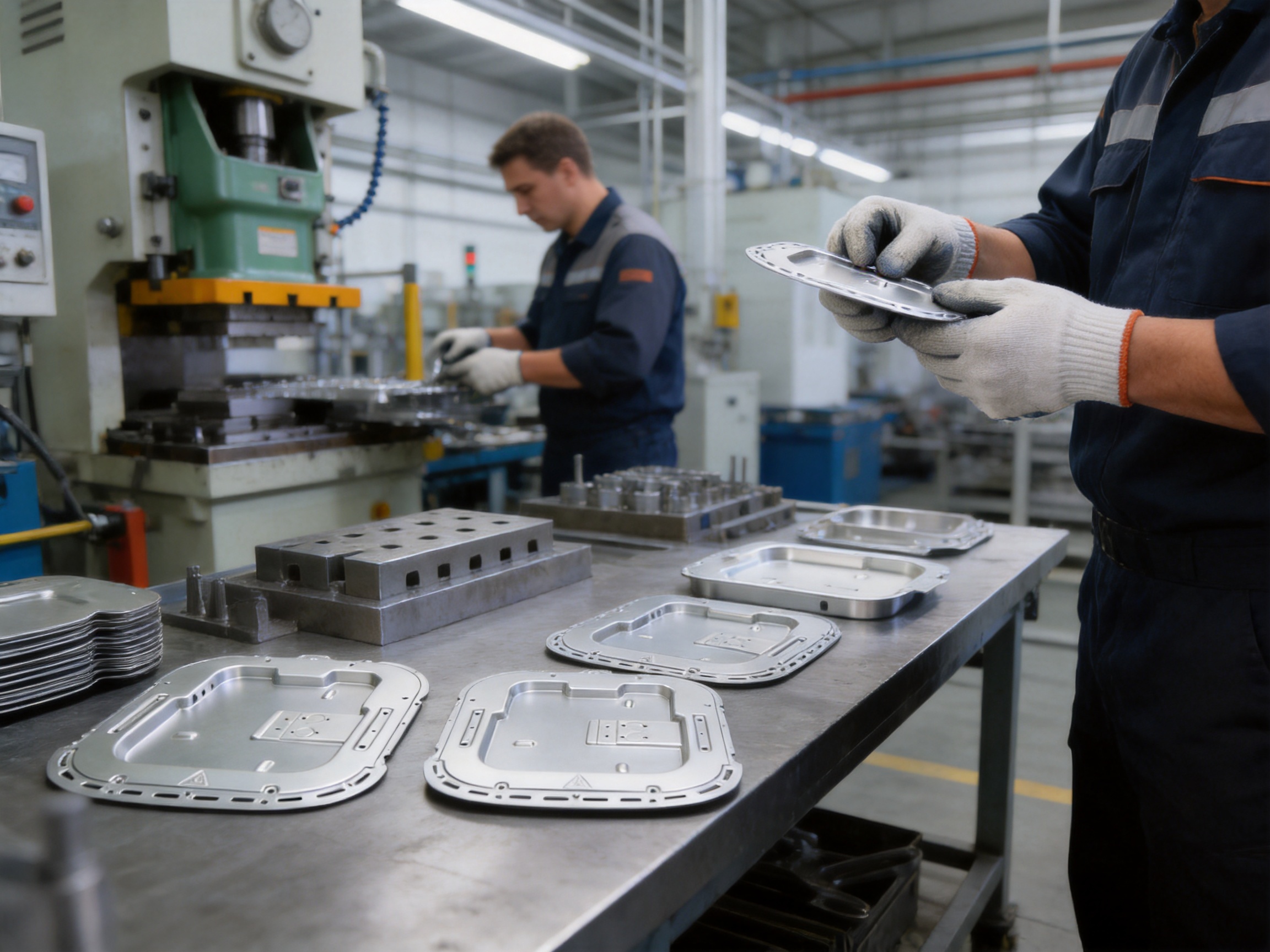
OEM and ODM Customization
One of the strongest advantages of working with an experienced manufacturer is customization. Different customers may require different product sizes, shapes, finishes, thicknesses, packaging styles, and performance standards. A retail buyer may want an attractive countertop product with polished finishing and individual packaging. An appliance manufacturer may need a utensil base that matches an existing product family. A distributor may require cost-effective volume production with stable quality and delivery.
Yuyao Hongli Optoelectronics Co., Ltd. supports OEM and ODM customization, rapid prototyping, and efficient production conversion. This means customers can discuss design concepts, provide drawings, request samples, review prototypes, and move toward mass production after approval. The company’s stamping, deep drawing, bending, and hardware processing capabilities allow it to respond to different project requirements.
Customization may include diameter, height, wall thickness, bottom structure, drainage hole pattern, decorative perforation, surface finish, edge style, and packaging. It may also include matching the utensil base with other kitchen appliance accessories or hardware parts. For customers developing a full product line, consistent appearance across multiple accessories can improve market identity and perceived value.
Rapid prototyping is useful because a utensil base must be evaluated not only by drawing but also by real handling. Buyers may want to test stability, capacity, cleaning convenience, edge feel, finish appearance, and packaging strength. Prototype review allows improvements before tooling and mass production are finalized, reducing risk and improving satisfaction.
Quality Control and Inspection
Quality control is essential for metal kitchen accessories. A utensil base may fail customer expectations if it has dents, scratches, stains, sharp edges, unstable bottoms, uneven finishing, or inconsistent dimensions. Even small defects can be visible because the product is placed on a countertop and handled frequently. Therefore, inspection must occur throughout production rather than only at the final stage.
Incoming material inspection helps confirm that sheet metal meets required specifications. During blanking and forming, operators monitor dimensions, surface marks, and forming defects. After deep drawing or stamping, parts may be checked for cracks, wrinkles, uneven walls, or deformation. Edge finishing is inspected for smoothness and safety. Surface treatment is evaluated for consistency, adhesion where applicable, and visual appearance.
Dimensional inspection ensures that the product meets customer requirements and packaging compatibility. Stability checks can confirm whether the base sits flat. Visual inspection identifies scratches, dents, discoloration, and other appearance defects. Packaging inspection ensures that finished products are protected during shipping and storage.
Yuyao Hongli Optoelectronics emphasizes strict quality control, stable delivery, and comprehensive after-sales service. This is important for international buyers who need reliable cooperation over repeated orders. A supplier’s value is measured not only by whether one sample looks good, but by whether thousands of units can be produced consistently and delivered according to schedule.
Packaging and Delivery Considerations
Kitchen utensil bases require appropriate packaging because metal surfaces may be scratched during transportation if they are not protected. Packaging may include individual bags, protective film, separators, cartons, customized retail boxes, or export packaging depending on customer requirements. For polished or brushed surfaces, abrasion prevention is especially important.
Efficient packaging design can reduce shipping damage, improve warehouse handling, and enhance retail presentation. If the utensil base is sold as a consumer product, the packaging must communicate quality and protect the item on the shelf. If it is supplied as a component or accessory for another product, packaging must support assembly-line handling and inventory control.
Stable delivery is a major strength for manufacturers with organized production capacity. Customers need predictable lead times for seasonal promotions, appliance launches, retail replenishment, and wholesale distribution. A manufacturer with multiple workshops, experienced staff, and process knowledge is better positioned to manage production schedules and order changes.
How the Product Supports Cleaner Kitchen Workflows
Kitchen workflow depends on small efficiencies. When cooking, a person may switch between stirring, turning, tasting, serving, and plating within minutes. If tools are hidden in drawers, the cook wastes time searching. If tools are scattered on the counter, the workspace becomes cluttered. If wet or oily tools are placed directly on surfaces, cleaning becomes more difficult.
A utensil base helps solve these problems by assigning a fixed location for commonly used tools. It keeps handles visible and separates tools from food preparation surfaces. It also encourages users to return tools to the same place after washing or cooking. Over time, this simple habit improves kitchen order.
The product is especially helpful near stoves, preparation islands, and cooking stations. It can be placed where tools are needed most often, reducing unnecessary movement. In small kitchens, it can free drawer space. In larger kitchens, multiple bases may be used to organize tools by category, such as baking utensils, stirring tools, serving tools, or grilling tools.
Because the base is made for daily use, durability matters. A product that chips, cracks, rusts, or tips over becomes frustrating. A well-made metal utensil base supports a smoother routine because it remains functional and attractive through repeated use.
Material Durability in Kitchen Environments
Kitchens expose products to challenging conditions. Water may splash from sinks. Steam may rise from pots. Oil droplets may settle on nearby surfaces. Salt, acidic ingredients, and cleaning agents may contact the product. Utensils may be inserted forcefully or removed quickly. Over time, these small stresses can damage weak materials.
A metal utensil base with suitable surface finishing is designed to tolerate these conditions. Rust resistance is particularly important because a utensil holder often receives wet tools. Stain resistance helps maintain a clean appearance. Scratch resistance reduces visible wear from repeated contact with utensil handles. High-temperature resistance helps the product remain stable near cooking zones, although users should always follow normal safety practices and avoid direct flame exposure unless the product is specifically designed for it.
The durability advantage becomes more visible over months and years. A low-cost holder may look acceptable when new but decline quickly after repeated washing and use. A better-manufactured metal base retains its shape, sits securely, and remains easier to clean. For buyers, this means fewer complaints, stronger customer satisfaction, and better long-term value.
Why Manufacturing Experience Matters
Metal forming is both technical and practical. Tooling design, machine selection, operator skill, lubrication, material behavior, and inspection standards all affect final product quality. A company with more than 20 years of industry experience has encountered many forming challenges and production scenarios. This experience helps reduce development risk for new projects.
For example, a customer may request a deep cylindrical base with a thin wall and a smooth surface. Without proper forming knowledge, the part may wrinkle, crack, or show uneven thickness. Another customer may request decorative perforations, but if the holes are too close to bending zones, the part may distort. A third customer may need a square base with tight dimensional control, but if bending compensation is not handled correctly, the corners may not align.
Experienced manufacturers understand these risks early. They can suggest design modifications, material changes, tooling adjustments, or process sequences that improve manufacturability while preserving the customer’s goals. This collaboration is one of the main benefits of working with a supplier that provides both manufacturing and engineering support.
Yuyao Hongli Optoelectronics has developed from its former name, Yuyao Hongli Optoelectronics Educational Instruments Co., Ltd., into a professional manufacturer specializing in metal stamping parts and related products. Its history reflects steady expansion from instrument-related manufacturing into broader hardware, appliance, and automotive stamping fields. This cross-industry experience supports reliable product development for kitchen appliance accessories such as the Kitchen Utensil Base.
Design Flexibility for Different Markets
Different markets prefer different product styles. Some customers want simple stainless steel organizers that match modern appliances. Others prefer matte black, brushed silver, compact square shapes, or multi-compartment structures. Some require large bases for professional kitchens, while others need smaller holders for apartments or retail gift sets.
The Kitchen Utensil Base can be adjusted for these preferences. Cylindrical designs are classic and efficient for round groups of utensils. Square designs use countertop corners efficiently and may align well with modern storage systems. Tiered designs can separate tall and short tools. Perforated designs improve drainage and visual lightness. Solid-wall designs provide a clean, minimal appearance and may be easier to wipe.
Customization also supports regional market differences. A product for North American retail may need different packaging, capacity, and finish than a product for European appliance accessories or Asian compact kitchens. The ability to adjust product details allows buyers to target specific customers rather than settling for generic designs.
For brand owners, customization can create differentiation. Even small details such as rim shape, base proportion, hole pattern, and surface texture can make a utensil base feel unique. When supported by stable manufacturing, these design details become repeatable product advantages.
Environmental and Practical Value
Durable metal kitchen accessories can contribute to practical sustainability by lasting longer and reducing replacement frequency. A utensil base that remains functional for years is preferable to a low-quality item that must be discarded after short use. Metal materials may also be recyclable depending on local systems and material type.
From a practical perspective, long service life improves value for both consumers and businesses. Consumers benefit from a product that continues to look good and perform well. Retailers benefit from fewer complaints. Appliance manufacturers benefit from accessories that support the perceived quality of the main product. Distributors benefit from stable repeat orders and reduced risk of quality issues.
Manufacturing efficiency also matters. Stamping and deep drawing are suitable for repeatable production, reducing unnecessary manual variation. Proper tooling can improve material utilization and production speed. While every project has different requirements, efficient metal forming can support competitive pricing without sacrificing basic quality.
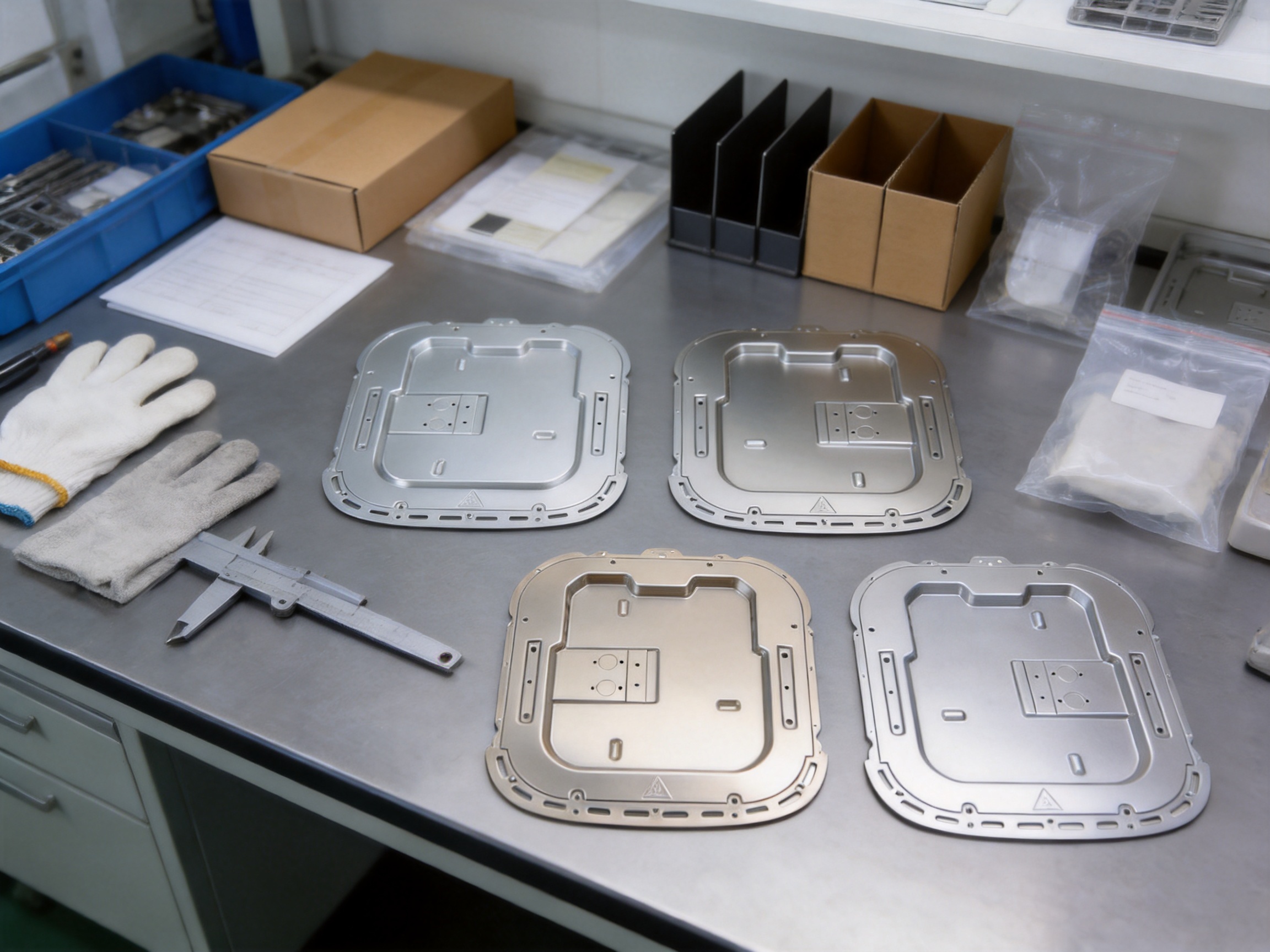
Company Strengths Supporting Global Buyers
Yuyao Hongli Optoelectronics Co., Ltd. is located on the south side of Shunke Road, Yangming Science and Technology Industrial Park, Yuyao City, Zhejiang Province, China. Its location in a strong manufacturing region supports access to industrial resources, logistics networks, skilled labor, and supplier coordination. For international buyers, the company provides import and export services and can communicate project needs for customized manufacturing.
The company’s business philosophy emphasizes integrity, excellence, innovation, and sharing. In practical terms, these values support long-term cooperation. Integrity means communicating realistically about capability, cost, and delivery. Excellence means focusing on quality control and process improvement. Innovation means helping customers develop customized solutions rather than only offering standard parts. Sharing means building cooperative relationships that support mutual growth.
Contact channels are available for customers who need project consultation, quotation, sample development, or production planning. The company can be reached by email at hongli@hl-stamping.com and by phone at +86-13905842349 or +86-13738485724. These details are especially useful for buyers seeking direct factory communication regarding OEM/ODM requirements.
Because the company manufactures a broad range of products, it can support customers beyond a single utensil base project. Buyers may also need stamped brackets, deep-drawn housings, bending parts, kitchen appliance accessories, auto parts, or hardware components. Working with one experienced supplier across multiple part categories can simplify communication and improve supply chain coordination.
Comparison With Competitor Products
In competitive kitchen accessory markets, many products look similar at first glance. A utensil base may appear to be only a container, making it tempting for buyers to choose the lowest price. However, real differences appear in long-term use. Competitor products may have thinner materials, unstable bottoms, inconsistent finishes, rough edges, weak coatings, or limited customization options. These issues can cause customer dissatisfaction even if the initial purchase price is low.
The Kitchen Utensil Base produced through experienced manufacturing offers advantages in structure, finishing, and adaptability. Its strength comes from controlled metal forming rather than casual assembly. Its rust resistance depends on suitable material and surface treatment choices. Its stability can be designed into the bottom structure and proportions. Its appearance can be controlled through consistent finishing. Its customization potential allows buyers to match product requirements rather than accepting one-size-fits-all options.
Another competitive advantage is supplier reliability. A buyer may find many factories capable of producing a simple container, but fewer can support rapid prototyping, production conversion, strict quality control, stable delivery, and after-sales service. The company’s long experience and diversified manufacturing background help reduce project risk.
For customers competing in retail channels, better product quality can justify stronger positioning. For appliance manufacturers, a higher-quality accessory protects the reputation of the main appliance. For distributors, consistent supply reduces operational problems. For end users, the benefit is simple: a utensil base that looks good, works well, and lasts.
Recommended Buyer Evaluation Checklist
When evaluating a kitchen utensil base supplier, buyers should consider more than product photos. They should ask about material specification, wall thickness, surface treatment, corrosion resistance, edge finishing, bottom stability, sample availability, tooling capability, customization options, packaging, lead time, and quality inspection. These questions help reveal whether the supplier has real manufacturing control.
Buyers should also test physical samples. A sample can be checked for balance, edge safety, surface consistency, ease of cleaning, utensil capacity, and resistance to normal handling. If the product will be sold under a brand or included in an appliance package, packaging and appearance should also be reviewed carefully.
For customized projects, it is helpful to provide drawings, target dimensions, expected order volume, material preferences, finishing requirements, packaging needs, and market positioning. The more complete the information, the easier it is for the manufacturer to propose an effective solution.
Yuyao Hongli Optoelectronics can support this process through OEM/ODM communication, prototype development, and production planning. Early collaboration helps avoid design choices that are difficult or costly to manufacture while preserving the product’s intended function and appearance.
Maintenance and Use Recommendations
Proper care helps extend the service life of a kitchen utensil base. Users should clean the product regularly to remove oil, food residue, and moisture. If wet utensils are placed inside, the base should be emptied and dried periodically, especially if the design does not include drainage holes. Mild cleaning methods are generally preferable to abrasive tools that may damage the surface finish.
The utensil base should be placed on a stable, flat countertop. Users should avoid overloading one side with unusually heavy tools, especially if the base is narrow. If the product includes drainage openings, it should be positioned where water will not damage the countertop. If the base has a decorative finish, users should follow the care instructions supplied with the final product.
Although metal provides good heat resistance compared with many plastics, the base should not be placed directly on open flames or extremely hot surfaces unless specifically designed for such use. Normal kitchen placement near preparation areas, utensil zones, and cooking stations is appropriate.
With ordinary care, a high-quality metal utensil base can maintain its function and appearance for a long time. This durability is one of its main advantages over lower-quality alternatives.
Q&A Section
What is the Kitchen Utensil Base used for?
The Kitchen Utensil Base is used to store cooking tools such as spatulas, spoons, ladles, tongs, whisks, and similar utensils. It keeps them upright, organized, visible, and easy to access while cooking.
Why choose a metal utensil base instead of a plastic one?
A well-manufactured metal utensil base generally offers better durability, heat resistance, structural strength, and long-term appearance than many plastic alternatives. It is less likely to warp, crack, or absorb odors during regular kitchen use.
Can the product be customized?
Yes. The product can be customized through OEM/ODM cooperation. Possible customization areas include size, shape, height, diameter, wall thickness, drainage holes, decorative patterns, surface finish, edge style, and packaging.
What manufacturing processes are used?
The product may be made using stamping, deep drawing, bending, trimming, deburring, surface treatment, inspection, and packaging. The exact process depends on the selected design and material.
How does deep drawing improve the product?
Deep drawing can create smooth, continuous container-like forms from sheet metal. This can improve structural integrity, reduce seams, enhance appearance, and support efficient mass production.
Is the utensil base suitable for commercial kitchens?
It can be suitable for commercial or busy kitchen environments when specified with appropriate material, surface treatment, structure, and hygiene requirements. Buyers should confirm final specifications according to their intended use.
How does the product resist rust?
Rust resistance depends on material selection and surface treatment. Suitable metal materials and finishing processes help the base withstand moisture, cleaning, and daily kitchen exposure.
What makes this product different from low-cost competitors?
The difference lies in stronger metal construction, controlled forming, smoother edges, better stability, consistent finishing, customization support, and the manufacturing experience behind the product.
Can customers request prototypes before mass production?
Yes. The company supports rapid prototyping and efficient production conversion, allowing customers to review samples, test function, and confirm appearance before larger production runs.
How can buyers contact the manufacturer?
Buyers can contact Yuyao Hongli Optoelectronics Co., Ltd. by email at hongli@hl-stamping.com or by phone at +86-13905842349 and +86-13738485724 for quotations, customization, samples, and project discussion.
Conclusion
The Kitchen Utensil Base is a practical and durable accessory for modern kitchens, combining organization, stability, cleanability, and long service life. Its value comes not only from its basic function but also from the quality of its material, forming process, edge finishing, surface treatment, and design flexibility. In a market filled with ordinary holders, a professionally manufactured metal utensil base offers a stronger balance of performance and appearance.
Yuyao Hongli Optoelectronics Co., Ltd. supports this product with more than 20 years of manufacturing experience, a 5,000-square-meter factory, multiple stamping workshops, and capabilities in deep-drawn parts, stamped parts, bending parts, kitchen appliance accessories, and automotive stamping parts. Its OEM/ODM services, rapid prototyping, strict quality control, stable delivery, and after-sales support make it a reliable partner for customers seeking customized kitchen accessory manufacturing.
For home kitchens, appliance programs, retail channels, and professional storage applications, the Kitchen Utensil Base provides an effective solution for keeping utensils organized and accessible. With careful design and experienced production, it becomes more than a simple countertop container. It becomes a durable, attractive, and dependable part of everyday cooking.
References
ASM International. ASM Handbook, Volume 14B: Metalworking: Sheet Forming.
Kalpakjian, S., and Schmid, S. R. Manufacturing Engineering and Technology.
Groover, M. P. Fundamentals of Modern Manufacturing: Materials, Processes, and Systems.
ISO 9001 Quality Management Systems: Principles and Process Control Concepts.
International Stainless Steel Forum. Stainless Steel in Food and Kitchen Applications.
Society of Manufacturing Engineers. Tool and Manufacturing Engineers Handbook: Forming.
Product: Kitchen Utensil Base
Previous Post
Deep-Drawn Square Container for Durable, Seamless Industrial Storage
Next Post
Deep-Drawn Rectangular Container with Lid for Hygienic, Durable Storage
News
-
-
Steel is the backbone of modern manufacturing, yet it is never a single, uniform material. When engineers and buyers ask, "How can you clas...
READ MORE -
Sheet metal bending is one of the most fundamental processes in metal fabrication. It turns a flat sheet of steel, aluminum, or copper into...
READ MORE -
Bend allowance is one of those numbers that quietly determines whether a sheet metal part fits the first time or becomes rework on the shop...
READ MORE
Get Fresh Updates Via Email
We promise we will never disclose your email address, and you can opt out at any time.
-
Quick Links
Home About Us Products Service News Contact Us -
Product list
Deep-drawn parts Stamped parts Bending parts Kitchen appliance accessories Automotive stamping parts -
About Us
Factory Honour FAQ -
News
Company News Industry News -
Contact Us
Address: South side of Shunke Road, Yangming Science and Technology Industrial Park, Yuyao City, Zhejiang Province, China Tel: +86-13905842349/+86-13738485724 Email: hongli@hl-stamping.com
Copyright © Yuyao Hongli Optoelectronics Co., Ltd. All Rights Reserved.
Custom Precision-Sheet/Sheet Metal Stamping Manufacturers
