


 English
 русский
 Español
 عربى
عربى

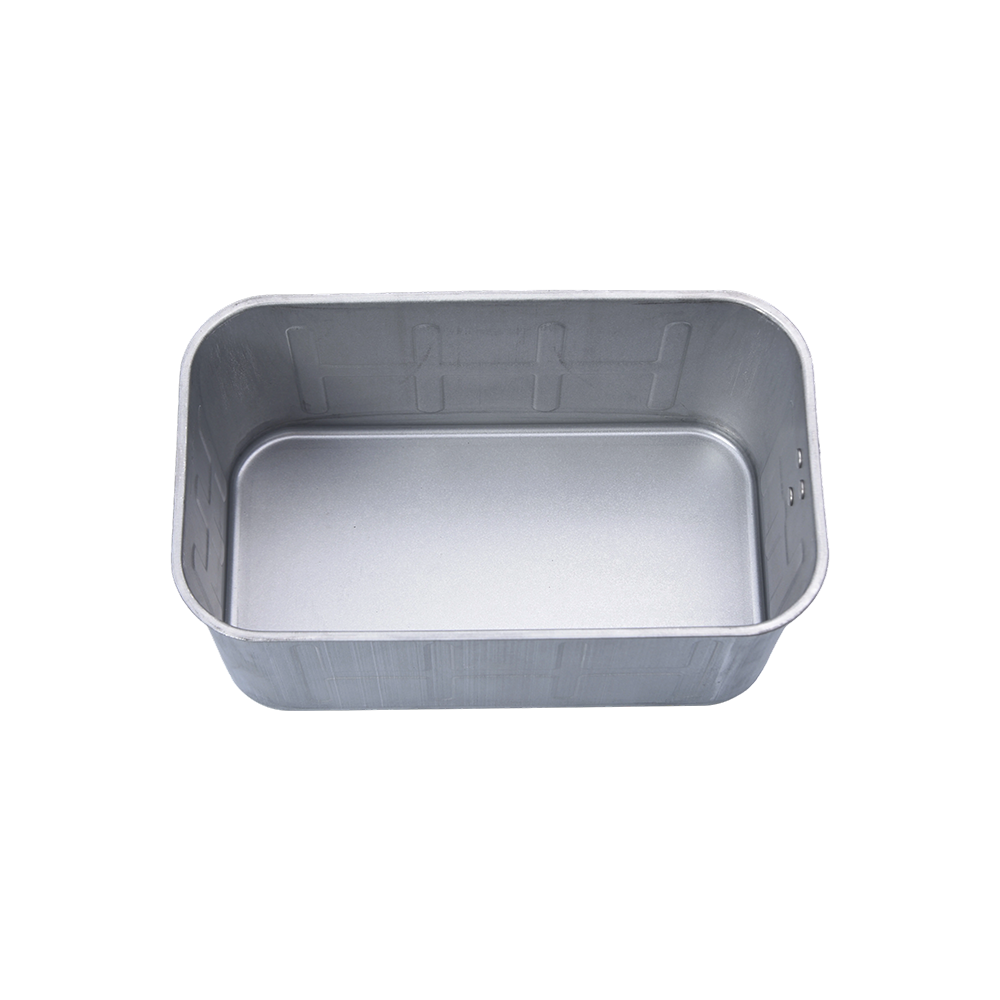
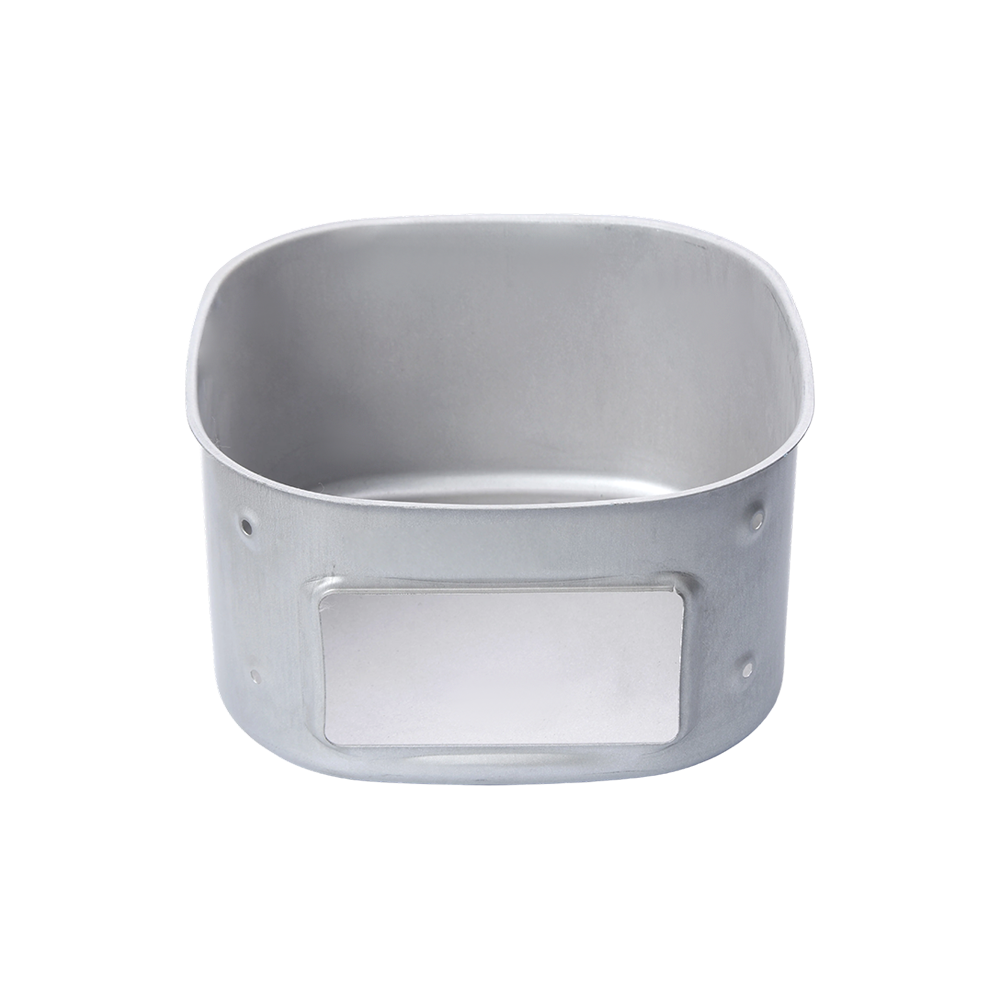
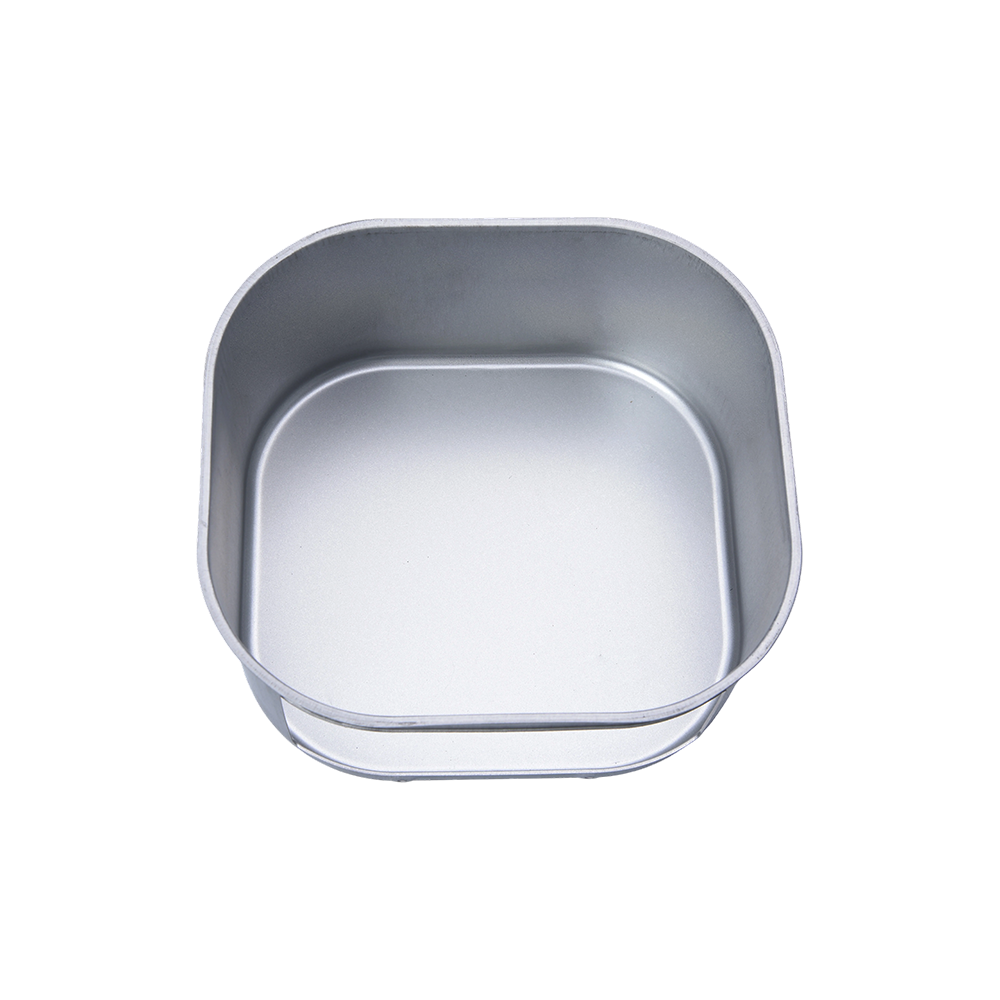
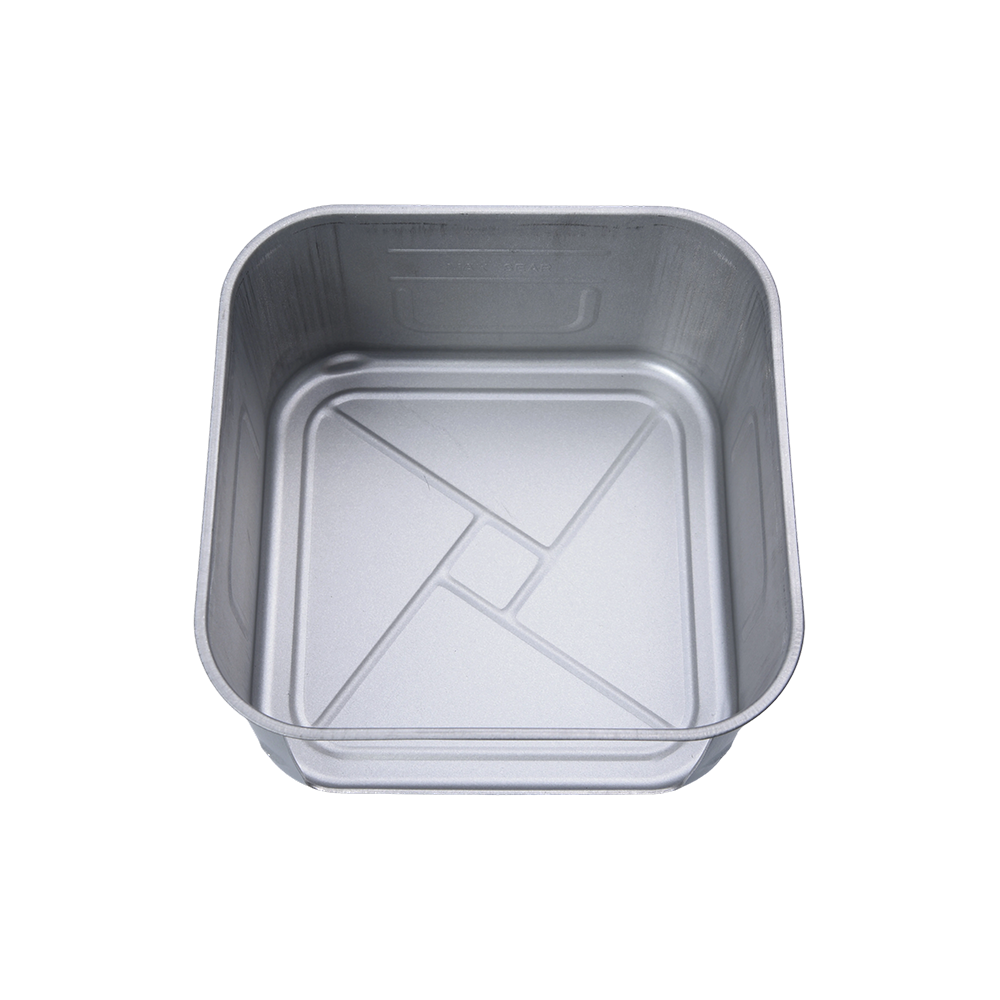
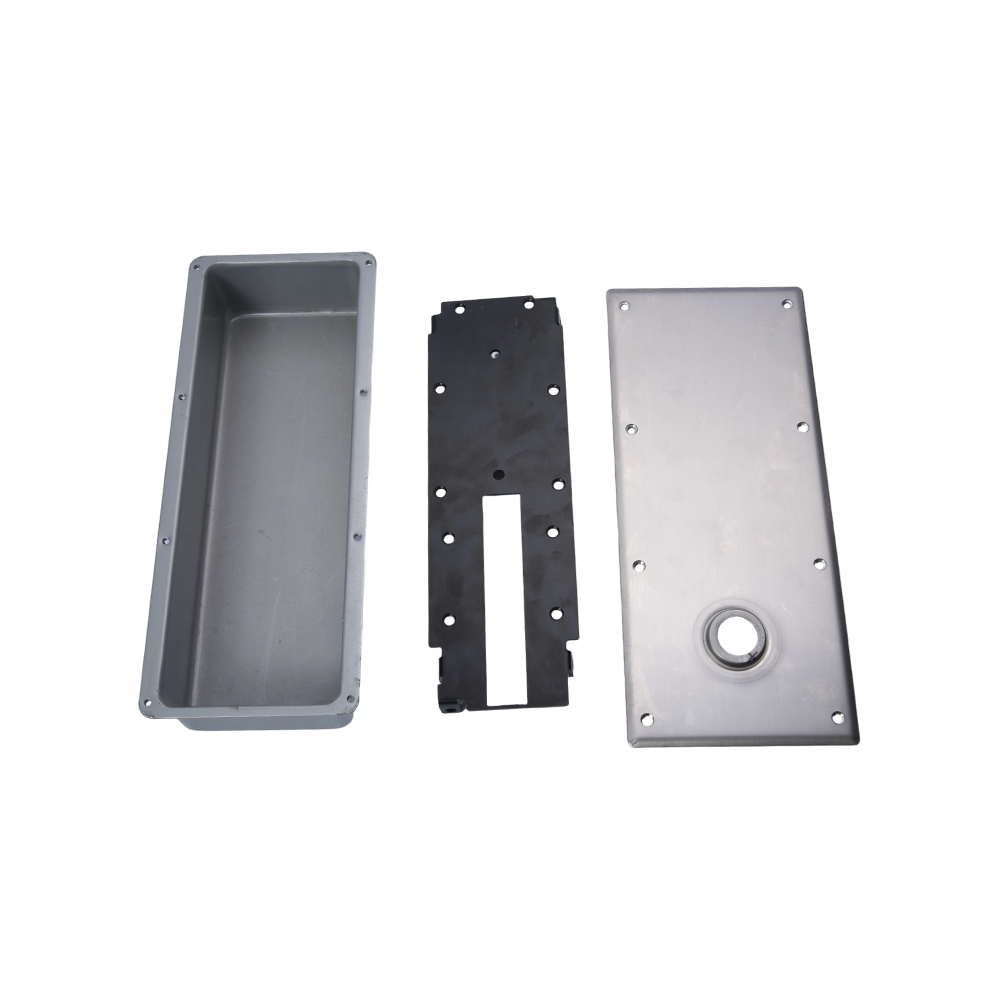
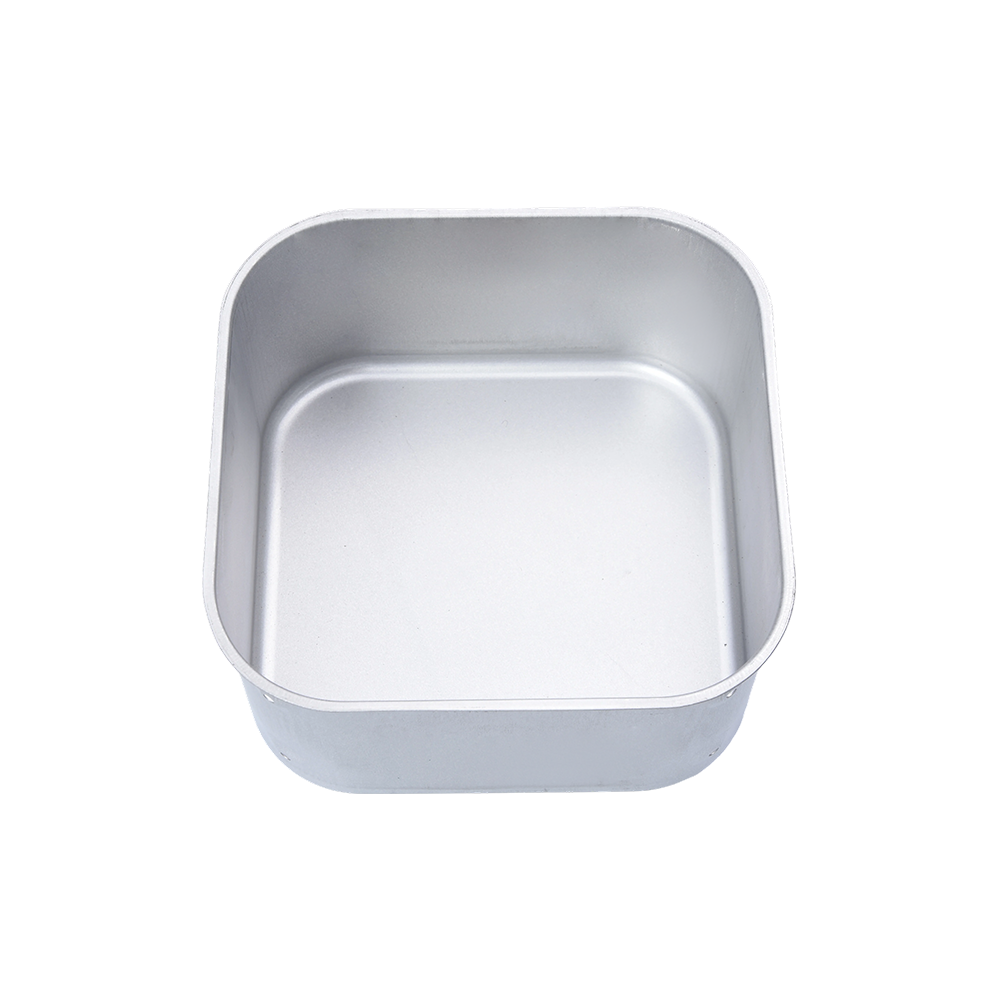
What Is Deep Drawing Process and What Are Deep-Drawn Parts The deep drawing process is a sheet metal forming operation in which a flat meta...
READ MORE

News
Home / Author / Liu Yanan — Product After-Sales Service Specialist / Deep-Drawn Square Containers for Seamless Strength, Space Efficiency, and Industrial Reliability
Deep-Drawn Square Containers for Seamless Strength, Space Efficiency, and Industrial Reliability
2026-05-22
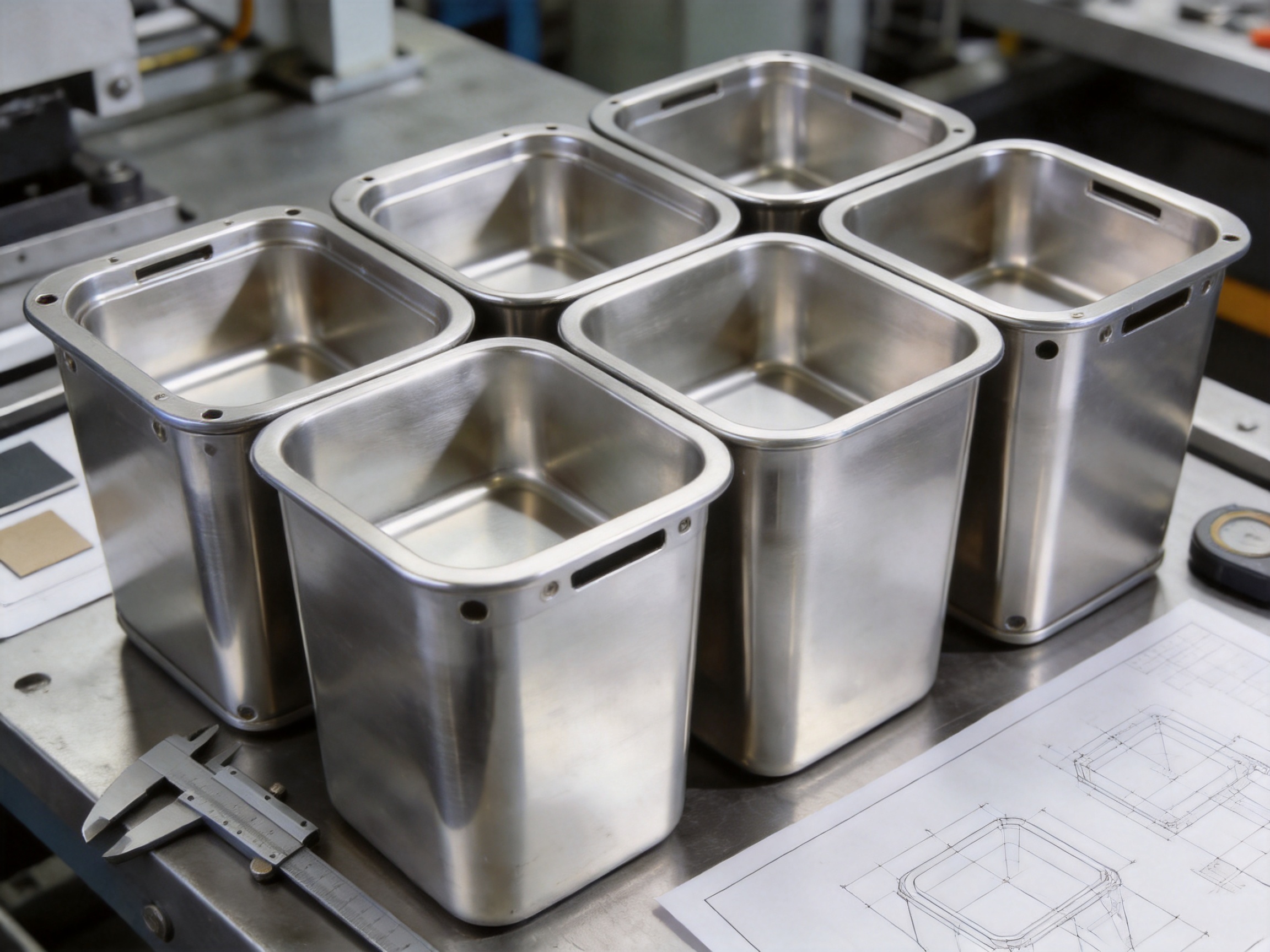
Deep-drawn square containers are engineered storage and handling components designed for demanding industrial, commercial, and appliance-related applications where durability, hygiene, dimensional stability, and space efficiency all matter. Unlike fabricated containers that are assembled from multiple plates, welded joints, or mechanically fastened corners, a deep-drawn square container is formed from a metal blank through controlled plastic deformation. This creates a seamless, one-piece structure with smooth transitions, stable geometry, and strong resistance to leakage, cracking, contamination traps, and premature failure.
The deep-drawn square container presented here represents a practical combination of advanced forming technology, robust material utilization, corrosion-resistant performance, and application flexibility. Its square structure maximizes usable volume and allows efficient stacking, organizing, transporting, and integrating into machinery or storage systems. Its seamless construction helps it perform reliably in environments such as food processing, pharmaceuticals, manufacturing, logistics, kitchen appliance production, automotive component handling, hardware assembly, and other sectors where cleanliness and mechanical strength are essential.
For buyers comparing container solutions, the advantages of deep drawing are clear. The process improves structural integrity by eliminating welded seams, reduces weak points at corners and edges, provides consistent wall quality when properly engineered, and supports repeatable mass production. When produced by an experienced metal stamping and deep-drawing manufacturer with strong tooling, press control, quality inspection, and customization capabilities, the container becomes more than a basic metal vessel. It becomes a precision-formed industrial component that can be tailored to specific dimensions, materials, surface finishes, load conditions, and assembly requirements.
Yuyao Hongli Optoelectronics Co., Ltd. brings more than 20 years of manufacturing experience to this product category. Located in Yangming Science and Technology Industrial Park in Yuyao City, Zhejiang Province, China, the company operates a modern 5,000-square-meter factory with multiple stamping workshops, more than 60 employees, and comprehensive manufacturing capabilities covering deep-drawn parts, stamped parts, bending parts, kitchen appliance accessories, automotive stamping parts, hardware products, small household appliance components, and related OEM/ODM services. This production background gives the company the ability to transform a square container concept into a stable, repeatable, cost-effective, and application-ready product.
Understanding the Deep-Drawn Square Container
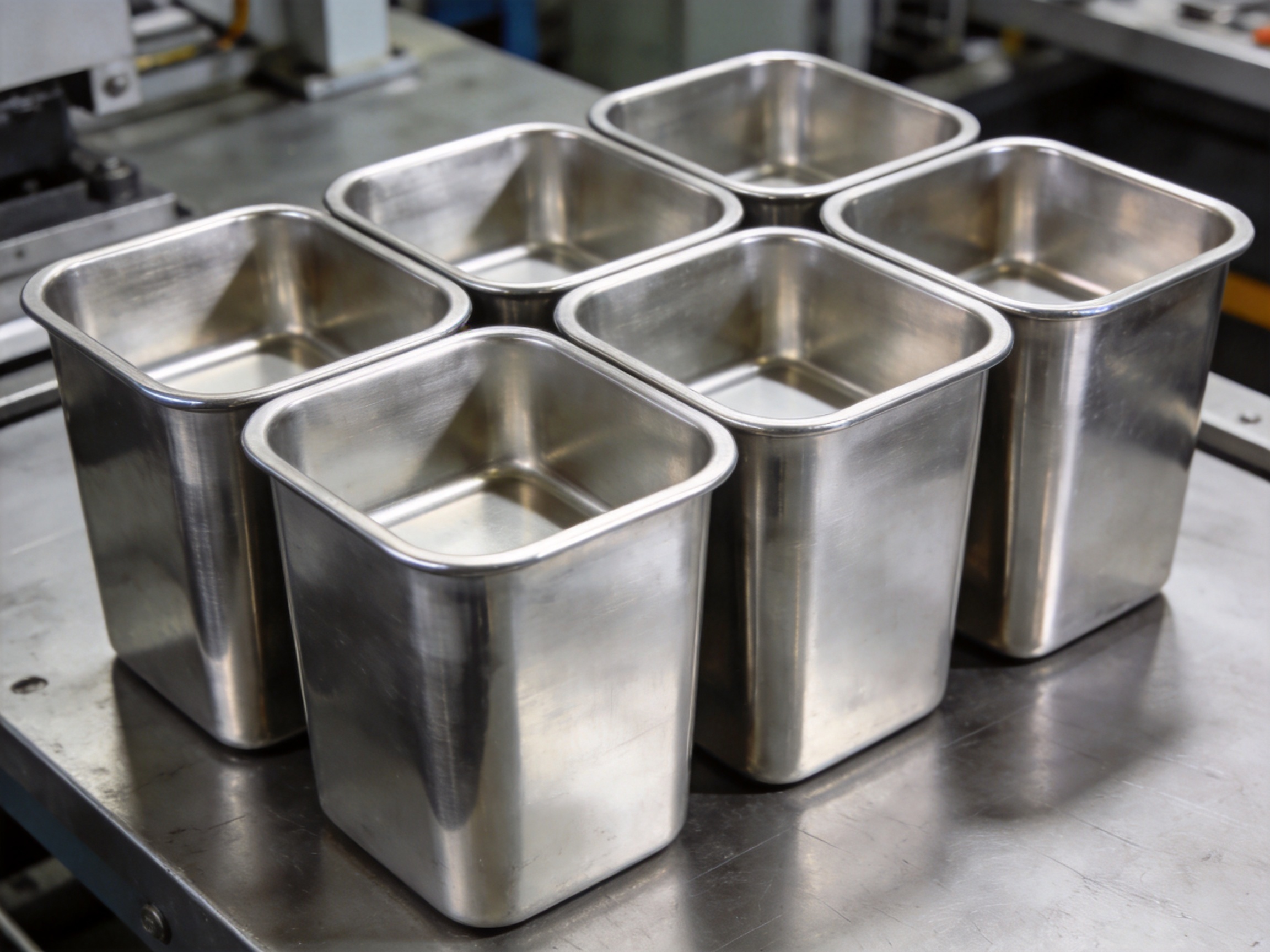
A deep-drawn square container is produced by placing a flat metal blank over a die cavity and pressing it into shape with a punch. During this process, the metal flows into the die rather than being cut and welded into a container shape. The forming operation is carefully controlled so that the material stretches and compresses within allowable limits, creating a three-dimensional container with continuous surfaces and integrated sidewalls. The square geometry requires particular expertise because corners, radii, wall transitions, and material flow must be managed more carefully than in many round drawn parts.
The result is a container that has no welded seams along its body. This seamless feature is one of the product’s most important benefits. Welds can introduce heat-affected zones, uneven surfaces, internal stresses, porosity, discoloration, cleaning difficulty, and potential corrosion points. By avoiding welded seams, a deep-drawn square container improves reliability and makes the surface easier to clean. This is especially valuable in industries where hygiene, corrosion resistance, and long-term stability are important.
The square shape is also a major functional advantage. Round containers are easy to form, but they often waste space when placed side by side. Square containers make better use of shelves, trays, racks, cartons, appliance interiors, machine housings, transport bins, and production line layouts. They can be arranged with minimal gaps, improving storage density and operational efficiency. When the container is designed with suitable rim geometry, corner radii, and stacking features, it can also support organized storage and safe transport in high-volume production environments.
In many applications, the container must resist mechanical load, surface wear, moisture, chemical exposure, and temperature variation. The deep-drawing process contributes to strength by creating a continuous metal structure that distributes stress more evenly than a welded assembly. Depending on the selected material and thickness, the container can be optimized for weight, rigidity, corrosion resistance, heat resistance, or cost performance. Common material choices for deep-drawn containers may include stainless steel, cold-rolled steel, galvanized steel, aluminum, or other metal materials specified by the customer. The final choice depends on working environment, regulatory requirements, surface finishing needs, and budget.
Why Seamless One-Piece Forming Matters
Seamless construction is not merely an aesthetic advantage. It directly affects durability, cleanability, corrosion resistance, and lifecycle cost. In welded containers, the joints are often the first areas to experience fatigue, leakage, rust, or surface defects. Even when welds are strong, they may require grinding, polishing, passivation, or additional inspection. These operations add cost and introduce variation. In contrast, a properly deep-drawn square container forms the main body in one integrated piece, reducing the number of secondary joining processes and minimizing potential failure points.
The smooth internal surface of a seamless container reduces the chance of residue accumulation. In food processing and pharmaceutical support applications, this can help reduce cleaning time and contamination risk. In industrial logistics and manufacturing, a clean inner profile prevents small components, powders, oils, or liquids from lodging in welded corners. In appliance-related uses, a seamless container can improve product appearance, user safety, and perceived quality.
Seamless forming also supports better corrosion performance. Welded zones may have altered metallurgical properties or surface oxidation if not treated properly. They can become initiation points for corrosion, especially in humid, chemically active, or high-temperature environments. A deep-drawn container avoids many of these problems by maintaining a continuous material surface. When combined with appropriate material selection and surface treatment, the container can resist rust, stains, and chemical corrosion over long service periods.
Another advantage is dimensional repeatability. Once tooling and process parameters are established, deep drawing can produce consistent batches with stable geometry. This is critical for customers who need containers to fit into machines, housings, racks, appliance assemblies, or automation systems. Repeatability reduces assembly issues, lowers inspection burden, and helps maintain quality across large production runs.
Competitive Advantages Compared with Fabricated or Welded Containers
When buyers compare deep-drawn square containers with fabricated alternatives, the differences are significant. Fabricated containers may be built by cutting metal sheets, bending panels, welding corners, grinding joints, and finishing surfaces. This approach can be suitable for low-volume or very large custom work, but it often has limitations in consistency, cleanliness, labor cost, and appearance. Deep drawing is more advantageous when production volume, dimensional repeatability, seamless quality, and long-term durability are required.
One major advantage is the reduction of welding-related defects. Welded containers may suffer from pinholes, cracks, uneven seams, distortion, spatter marks, and heat discoloration. Even high-quality welding requires skilled labor and careful post-processing. Deep-drawn containers minimize these risks by forming the container body as one piece. This can improve both structural performance and visual consistency.
Another advantage is stronger corner integrity. Corners are often stress concentration zones. In fabricated square containers, corners are typically welded or folded, creating areas where stress, corrosion, and cleaning difficulties can occur. In deep-drawn square containers, the corners are shaped by controlled metal flow. With proper die design and corner radius selection, the material can maintain strength and continuity through these transitions.
Deep drawing can also reduce production cost at scale. Although tooling investment is required, the per-part cost becomes efficient when production volumes increase. The process supports fast cycle times, reduced manual labor, and consistent output. For OEM customers requiring thousands or tens of thousands of parts, this makes deep drawing a cost-effective manufacturing route. Yuyao Hongli Optoelectronics supports this advantage through its stamping workshops, production experience, and ability to convert prototypes into stable production parts.
In addition, the deep-drawn square container offers better appearance control. Smooth surfaces, uniform edges, and integrated shape contribute to a professional finish. When used as a visible component in appliances, kitchen products, equipment housings, or consumer-facing systems, the seamless appearance enhances final product quality. When used internally, the same surface quality improves handling safety and reduces the risk of burrs or sharp welded edges.
| Comparison Factor | Deep-Drawn Square Container | Fabricated or Welded Container |
|---|---|---|
| Body Construction | One-piece seamless forming with continuous metal flow | Multiple panels joined by welding, bending, or fastening |
| Leak and Weak-Point Risk | Reduced due to absence of welded seams in the main body | Higher risk at welds, corners, and heat-affected zones |
| Cleanability | Smooth internal transitions and fewer contamination traps | Weld beads and corners may require extra cleaning |
| Consistency in Mass Production | High repeatability after tooling and process validation | More dependent on manual welding and assembly variation |
| Appearance | Clean, integrated, professional surface quality | May require grinding, polishing, and additional finishing |
| Cost Efficiency at Volume | Strong cost advantage after tooling investment | Labor-intensive and less efficient for high-volume production |
| Structural Integrity | Uniform load distribution and continuous corners | Stress can concentrate at seams and welded joints |
Space Efficiency Through Square Design
The square design is especially valuable in modern industrial storage and transport. Space is a cost factor in factories, warehouses, laboratories, production lines, kitchens, and logistics systems. A container that wastes less space can improve workflow and reduce storage footprint. Compared with round or irregular containers, square containers can be positioned more tightly against walls, inside cabinets, on shelves, in cartons, or within machine frames.
For component handling, square containers can organize parts in a predictable layout. Operators can place multiple containers side by side without unstable gaps, and automation systems can be designed around consistent rectangular coordinates. In logistics, square containers simplify packing and palletization. In appliance manufacturing, square or rectangular deep-drawn components often integrate better with internal product layouts than circular alternatives.
Stacking potential is another advantage. Depending on the rim and sidewall design, square containers can be engineered for nesting, stacking, or stable placement. Nesting reduces empty-container storage volume, while stacking supports organized transportation and efficient production staging. The ability to adapt the design to these needs is where experienced OEM/ODM manufacturing becomes important. Rather than offering only a generic container, a capable manufacturer can adjust wall angle, corner radius, flange width, bottom flatness, bead structure, and surface treatment to match the customer’s real operating conditions.
Square containers also support labeling and identification. Flat sidewalls can be easier to mark, engrave, emboss, or attach labels to than curved surfaces. For factories using batch tracking, inventory control, or process separation, this is a practical benefit. The container becomes part of a broader management system, not just a storage object.
Material Selection and Corrosion Resistance
Corrosion resistance is one of the key performance requirements for many deep-drawn square containers. The product described here is designed to prevent rust, staining, and chemical corrosion, making it suitable for challenging environments. However, corrosion resistance is always related to material selection, surface treatment, working conditions, and maintenance. A responsible manufacturer evaluates these factors before recommending a final production plan.
Stainless steel is often selected when hygiene, corrosion resistance, and temperature stability are priorities. It is commonly used in food-related equipment, kitchen appliance accessories, laboratory support products, and certain industrial applications. Aluminum may be chosen where lightweight performance and natural corrosion resistance are important. Cold-rolled steel or galvanized steel may be appropriate for cost-sensitive applications where surface coatings provide the required protection. Each option involves trade-offs in strength, drawability, finish, cost, and environmental resistance.
Deep drawing places specific requirements on material ductility. The metal must be able to flow into the die without tearing, excessive thinning, wrinkling, or surface cracking. For square containers, the corners are particularly demanding because the material flow is not uniform in every direction. Yuyao Hongli Optoelectronics applies its long-term stamping and deep-drawing experience to support practical material selection and tooling design. The goal is to achieve the required depth, shape, and performance while maintaining production stability.
Surface finishing can further improve corrosion resistance and appearance. Depending on the application, possible finishing operations may include polishing, brushing, cleaning, deburring, passivation, plating, coating, or other treatments. For appliance or consumer-facing products, surface texture and visual uniformity may be important. For industrial containers, functional resistance, cleanability, and edge safety may be more important. A manufacturer with broad stamping and hardware production capabilities can coordinate these requirements during product development.
Advanced Deep-Drawing Manufacturing Process
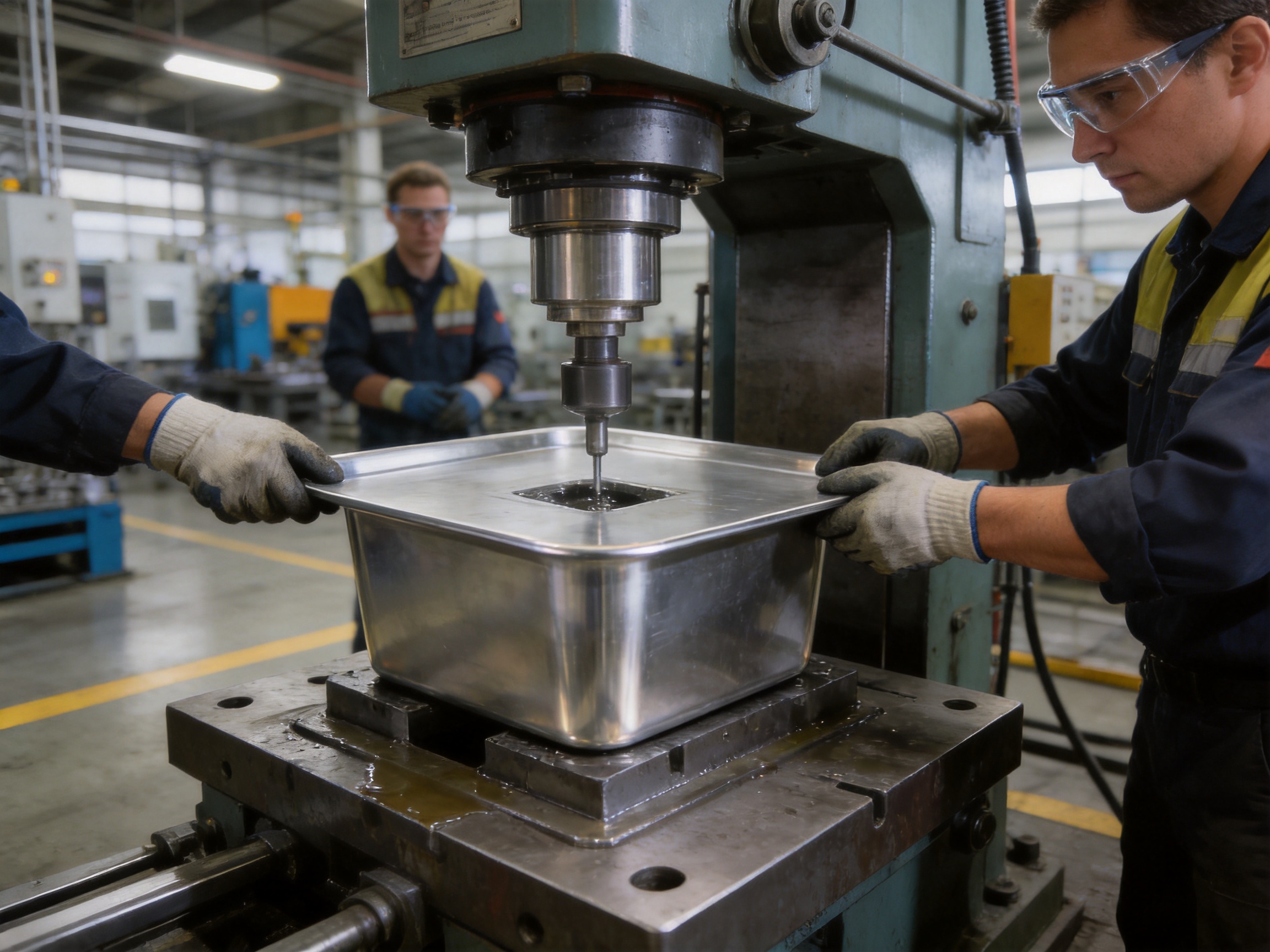
The performance of a deep-drawn square container depends heavily on manufacturing expertise. Deep drawing is not simply pressing a sheet into a cavity. It requires engineering judgment from the earliest design stage through tooling, trial production, inspection, and full-scale manufacturing. The process involves blank design, material evaluation, lubrication, die geometry, punch radius, blank-holder force, draw ratio, press speed, trimming allowance, dimensional compensation, and quality control.
The first stage is product analysis. Engineers review the required container dimensions, depth, corner radius, flange design, wall thickness, bottom shape, tolerance requirements, surface finish, and intended use. If a customer provides a drawing or sample, the manufacturer evaluates whether the design is suitable for deep drawing or whether modifications are needed to improve manufacturability. Small changes to radius, draft angle, or flange form can dramatically improve forming stability and reduce cost.
The next stage is blank development. The metal blank must contain enough material to form the bottom and walls without excessive waste. If the blank is too small, the part may tear or fail to reach the desired height. If it is too large, wrinkling, material waste, or trimming cost may increase. For square containers, blank shape and corner material distribution require careful planning. Experienced tooling engineers may use calculation, trial data, and forming knowledge to determine an efficient blank layout.
Tooling is central to success. The die and punch must guide the material smoothly while preventing tearing and wrinkling. Corner radii need to balance appearance, strength, and material flow. The blank holder must apply enough pressure to control wrinkles but not so much that the material cannot flow. Tool surfaces must be polished and maintained to reduce scratches and galling. For higher-volume production, tool durability and maintenance planning are essential for consistent output.
Lubrication also plays a vital role. Proper lubrication reduces friction between the metal and tooling, helping material flow into the die while protecting surface quality. The lubrication method must suit the selected material, drawing depth, surface finish requirements, and cleaning process. Too little lubrication may cause tearing or scratching; too much may create cleaning challenges. A well-managed manufacturing operation controls lubrication as part of the overall process.
Press control determines repeatability. Deep drawing requires consistent force, alignment, speed, and stroke control. Multiple stamping workshops and experienced operators allow Yuyao Hongli Optoelectronics to support different production requirements, from prototyping to batch manufacturing. Press settings, tool condition, raw material batches, and inspection results must be monitored to maintain stability. This disciplined approach helps ensure that each container meets the required shape and quality standards.
After drawing, secondary operations may be performed. These can include trimming excess material, forming a rim or flange, piercing holes, adding embossing, deburring edges, cleaning, surface finishing, or packaging. If the container is part of a larger assembly, additional stamped or bent components may be produced and integrated. Because the company also manufactures stamped parts, bending parts, kitchen appliance accessories, and automotive stamping parts, it can support more complex metal component programs beyond a single container body.
Quality Control and Dimensional Consistency
Quality control for deep-drawn containers must address both visible and hidden risks. A container may look acceptable at first glance but still have excessive thinning, corner stress, surface scratches, dimensional deviation, sharp burrs, or poor flatness. A strong production process includes inspection at multiple points to prevent these issues from reaching the customer.
Incoming material inspection is the foundation. Material thickness, grade, surface condition, and mechanical properties influence drawing performance. If material varies too much between batches, the process may become unstable. Manufacturers with deep-drawing experience understand the importance of consistent raw material sourcing and verification.
During production, operators monitor forming condition, part shape, surface quality, and edge condition. If wrinkling, tearing, scratching, or springback appears, adjustments can be made before large quantities are affected. Tool maintenance is also part of quality control. Worn or damaged tooling can create repeated defects, so regular inspection and maintenance protect long-term consistency.
Dimensional inspection ensures that the container meets customer drawings and functional requirements. Key dimensions may include length, width, depth, corner radius, wall angle, bottom flatness, flange width, rim height, and hole position if secondary operations are included. For containers used in assemblies, even small deviations can affect fit. Consistent dimensional control reduces customer assembly problems and supports efficient downstream production.
Surface inspection is especially important for applications where appearance or hygiene matters. Scratches, stains, burrs, rough weld-like marks, or oil residue may be unacceptable. Deep drawing can produce attractive surfaces, but only when tooling, material handling, lubrication, and cleaning are properly controlled. A disciplined manufacturer evaluates both functional and aesthetic standards before shipment.
Packaging is another aspect of quality. Deep-drawn containers can be damaged by improper stacking or transport if surfaces rub against each other or edges are not protected. Suitable packaging helps preserve surface finish and dimensional integrity during delivery. Stable delivery and after-sales support are part of the company’s broader service strengths.
Customization for OEM and ODM Requirements
One of the most important strengths of this product is customization. Industrial customers rarely need a container that is only “standard.” They need a container that fits a machine, supports a load, matches a cleaning process, aligns with an appliance housing, meets a surface requirement, or integrates with other metal parts. OEM and ODM customization allows the deep-drawn square container to be engineered around these real needs.
Customization may begin with size. The container can be developed in different lengths, widths, depths, and wall thicknesses based on tooling feasibility and material capability. Corner radius can be adjusted to improve drawing performance, cleaning, appearance, and strength. A larger radius may improve material flow and reduce stress, while a smaller radius may be requested for space or design reasons. The manufacturer helps balance these factors.
The rim or flange can also be customized. Some applications need a reinforced lip for stiffness and handling safety. Others require a flat flange for mounting, sealing, or assembly. A rolled edge may improve user safety, while a trimmed edge may suit hidden industrial uses. If the container must connect with covers, brackets, gaskets, heating elements, sensors, or other parts, the rim design becomes especially important.
Surface treatment is another customization area. Customers may request polished, brushed, coated, plated, cleaned, or passivated finishes depending on function and appearance. For kitchen appliance accessories, surface finish may influence the final product’s perceived quality. For automotive or industrial applications, corrosion protection and dimensional stability may be more important.
Functional features can also be integrated. Depending on design feasibility, the container may include holes, slots, embossing, strengthening ribs, positioning features, drainage points, identification marks, or mounting areas. Deep drawing can be combined with stamping and bending operations to produce more complete solutions. Yuyao Hongli Optoelectronics has experience in metal stamping parts, bending parts, automotive stamping parts, hardware products, and appliance components, which allows it to support customers who need coordinated metal part families.
Rapid prototyping and efficient production conversion are also valuable. A customer may begin with a sample, drawing, or concept. The manufacturer can assess manufacturability, create prototypes, validate dimensions, adjust tooling, and move toward stable production. This reduces development risk and helps customers bring products to market faster.
Applications Across Multiple Industries
The deep-drawn square container is suitable for a wide range of applications because it combines strength, cleanliness, corrosion resistance, and space efficiency. Its seamless design makes it useful wherever leakage risk, residue accumulation, or weld failure must be minimized. Its square shape makes it practical wherever storage density and organized handling are important.
In food processing, the container can support material handling, ingredient organization, equipment integration, or sanitary storage when made with suitable food-contact materials and finishing. Smooth surfaces and seamless internal corners help reduce cleaning effort. Corrosion-resistant material selection can support exposure to moisture, cleaning agents, and temperature changes.
In pharmaceutical and laboratory-related environments, cleanability and repeatability are key. Containers may be used for organizing tools, components, samples, or production materials. The absence of welded seams can help reduce contamination traps. Dimensional consistency is useful when containers must fit into racks, cabinets, or process equipment.
In manufacturing workshops, deep-drawn square containers can store metal components, plastic parts, fasteners, small assemblies, or production materials. Their durable structure helps them withstand repeated handling. If required, reinforced rims or thicker material can improve load capacity. Square geometry supports organized line-side storage and efficient use of workbench space.
In logistics and warehousing, the container can support transport and organization of goods. Space-efficient design helps improve packing density. Durable metal construction can offer longer service life than many lightweight disposable alternatives. Depending on the application, containers may be designed for nesting or stacking to reduce storage volume when not in use.
In kitchen appliance manufacturing, deep-drawn containers and related metal components are widely used because they offer clean surfaces, attractive appearance, heat resistance, and hygienic structure. Yuyao Hongli Optoelectronics manufactures kitchen appliance accessories and small household appliance components, giving it practical experience in meeting appliance industry expectations for surface quality, fit, and repeatability.
In automotive-related production, deep-drawn and stamped metal parts are used for brackets, housings, covers, trays, shields, and other components. While a square container may serve as a handling tray or an integrated part depending on design, the company’s automotive stamping part experience supports tighter control of dimensional accuracy, batch consistency, and production discipline.
Load Resistance and Structural Reliability
A deep-drawn square container must maintain its shape under load. Load may come from stored goods, stacking pressure, transport vibration, thermal expansion, impact, or assembly forces. The deep-drawn one-piece structure helps distribute stress across the body rather than concentrating it at welded seams. This improves the container’s ability to withstand demanding tasks.
Wall thickness is a key design factor. Thicker material generally increases rigidity and load capacity, but it can also increase cost, weight, and forming difficulty. Thinner material may reduce weight and cost but must be supported by appropriate geometry, ribs, flanges, or material selection. Deep-drawing expertise helps find the right balance between strength and efficiency.
Corner design also influences strength. Sharp corners may look compact, but they increase forming difficulty and stress concentration. Proper radii improve metal flow, reduce tearing risk, and support structural integrity. For industrial containers, rounded internal corners also improve cleaning and reduce residue accumulation. The ideal corner design is therefore both a manufacturing and performance decision.
Bottom flatness is important if the container must sit securely on a surface, fit into equipment, or support evenly distributed loads. Deep drawing may create slight springback or bottom deformation if not controlled. Tooling design, press parameters, material properties, and secondary calibration can improve flatness where needed. Customers should specify functional flatness requirements early in the design process.
Rim reinforcement can significantly improve stiffness. A formed lip, flange, or rolled edge can reduce deformation during handling and stacking. It can also protect operators from sharp edges. If the container must be lifted, clamped, sealed, or attached to another part, rim geometry becomes a critical engineering feature.
Manufacturing Strengths Behind the Product
The quality of a deep-drawn square container is closely connected to the manufacturer’s overall capabilities. Yuyao Hongli Optoelectronics Co., Ltd. has developed over more than two decades into a comprehensive manufacturing enterprise specializing in metal stamping and related products. Its background includes deep-drawn parts, stamped parts, bending parts, kitchen appliance accessories, automotive stamping parts, hardware products, plastic products, optical instruments, educational instruments, household electric heaters, and small household appliances.
This broad experience is valuable because deep-drawn containers often exist within larger product systems. A customer may need not only the container body but also brackets, covers, stamped inserts, bent frames, clips, mounting plates, or hardware accessories. A manufacturer with multiple production capabilities can coordinate these parts, reducing supplier complexity and improving consistency.
The company’s 5,000-square-meter modern factory provides space for organized production, equipment arrangement, material handling, quality inspection, and batch management. Multiple stamping workshops support production flexibility. More than 60 employees contribute to manufacturing, processing, quality control, business support, and customer service. This scale is suitable for customers who need reliable supply rather than one-time sample work.
Long industry experience also helps reduce development risk. Deep drawing can be challenging, especially for square containers with significant depth. A less experienced supplier may underestimate tooling requirements, corner thinning, wrinkling risk, surface defects, or production variation. An experienced manufacturer is more likely to identify risks early, suggest manufacturable improvements, and establish stable production conditions.
The company supports OEM/ODM customization, rapid prototyping, and efficient production conversion. These services are important for overseas and domestic customers who need practical engineering support. A customer can approach the manufacturer with drawings, samples, or performance requirements. The manufacturing team can evaluate feasibility, recommend materials, develop tooling, produce trial samples, make improvements, and scale up production.
The company’s business philosophy emphasizes integrity, excellence, innovation, and sharing. For industrial buyers, these values translate into practical expectations: honest communication about feasibility, continuous improvement in product quality, willingness to solve technical problems, and long-term cooperation. Stable delivery and comprehensive after-sales service further support customers who need predictable supply chains.
Design Considerations for Buyers
When selecting or customizing a deep-drawn square container, buyers should begin by defining the application environment. Will the container contact food, chemicals, water, oils, powders, heat, or abrasive materials? Will it be used indoors or outdoors? Will it be cleaned frequently? Will it be visible to end users or hidden inside equipment? These questions influence material, finish, wall thickness, and edge design.
Load requirements should be clearly defined. Buyers should estimate the maximum weight the container will hold, whether loads are static or dynamic, whether containers will be stacked, and whether impacts may occur during handling. If stacking is required, the design may need reinforced rims, controlled wall angles, or bottom features that prevent sliding.
Dimensional requirements should include both nominal size and tolerance. If the container simply stores loose goods, tolerance may be less strict. If it fits into a machine, appliance, rack, or automation system, tolerance becomes critical. Providing assembly drawings or mating part information helps the manufacturer design more accurately.
Surface requirements should be described in functional terms. Instead of requesting only “good surface,” buyers should specify whether the surface must be polished, brushed, scratch-controlled, corrosion-resistant, food-safe, easy to clean, paintable, or suitable for visible appliance use. Surface standards affect material handling, tooling polish, lubrication, finishing, packaging, and cost.
Edge safety is another important factor. Containers handled by operators should not have sharp burrs or unsafe edges. A trimmed, deburred, flanged, or rolled edge may be required. If the container is installed into a product where users may touch it, edge treatment is even more important.
Production volume should also be discussed early. Deep drawing requires tooling, so it is especially efficient for repeat production. For very low volumes, prototype tooling or alternative forming methods may be considered. For medium and high volumes, dedicated tooling offers better cost, quality, and consistency. The manufacturer can recommend a suitable development path based on volume expectations.
Sustainability and Lifecycle Value
Metal deep-drawn containers can offer strong lifecycle value because they are durable, reusable, and recyclable depending on material and application. A container that lasts longer reduces replacement frequency and waste. Seamless construction can lower maintenance problems, especially when corrosion and weld failure are common concerns in competing products.
Efficient space utilization also contributes to sustainability. Square containers can reduce wasted storage and transport space, allowing more goods to be organized within the same footprint. Better packing density may reduce the number of trips, cartons, pallets, or storage racks needed in certain operations.
Manufacturing efficiency is another factor. Deep drawing can reduce the need for welding, grinding, and extensive manual finishing in volume production. Fewer joining operations may reduce energy use, labor variation, and consumable usage. Optimized blank layouts can reduce material waste. Tooling durability supports long-term production with consistent output.
Recyclability depends on the selected material and any coatings or attachments. Stainless steel, aluminum, and many steel materials are widely recyclable. For customers with sustainability targets, selecting suitable materials and avoiding unnecessary mixed-material assemblies can improve end-of-life recycling potential.
Why Experienced Manufacturing Matters More Than Low Initial Price
In global sourcing, buyers often compare unit prices first. However, for deep-drawn square containers, the lowest initial price is not always the best value. Poor tooling design, unstable forming, inconsistent material, weak inspection, or inadequate packaging can create hidden costs. These may include rejected batches, assembly delays, surface defects, corrosion problems, shortened service life, or customer complaints.
An experienced manufacturer reduces these risks by controlling the full process. Design review prevents unrealistic geometry. Material selection improves forming and performance. Tooling expertise reduces tearing, wrinkling, and dimensional drift. Production monitoring maintains consistency. Inspection catches problems early. Packaging protects the finished product. After-sales service supports long-term cooperation.
Yuyao Hongli Optoelectronics offers advantages beyond part production. Its combined capabilities in deep-drawn parts, stamped parts, bending parts, kitchen appliance accessories, automotive stamping parts, and hardware products allow it to serve customers with broader metal forming needs. Its location in Zhejiang Province, China, supports access to industrial supply chains and export services. Its factory scale and workforce support practical production capacity. Its OEM/ODM approach helps customers receive products that match application requirements rather than forcing them to adapt to generic designs.
For customers who require a deep-drawn square container as part of a long-term product platform, these strengths are significant. A reliable supplier can help improve design, stabilize quality, reduce total cost, and support future modifications. This is especially important in industries where product continuity, repeat orders, and consistent assembly performance matter.

Q&A Section
What is the main advantage of a deep-drawn square container?
The main advantage is its seamless one-piece construction. Because the container body is formed from a metal blank rather than welded from multiple panels, it has fewer weak points, improved cleanability, better appearance, and stronger resistance to leakage, cracking, and corrosion at joints.
Why choose a square container instead of a round one?
A square container uses space more efficiently. It can be placed side by side with minimal gaps, making it suitable for shelves, racks, cartons, production lines, machine interiors, and logistics systems. Square geometry also supports easier labeling, stacking, and organized storage.
Can the container be customized?
Yes. The container can be customized according to customer drawings, samples, or performance requirements. Customization may include size, depth, wall thickness, material, corner radius, rim design, surface finish, holes, slots, embossing, reinforcement features, and packaging requirements.
What materials can be used?
Material selection depends on the application. Possible materials may include stainless steel, cold-rolled steel, galvanized steel, aluminum, or other suitable metals. Stainless steel is often preferred for corrosion resistance and hygiene, while other materials may be selected for cost, weight, strength, or coating compatibility.
Is deep drawing suitable for high-volume production?
Yes. Deep drawing is particularly suitable for repeat production after tooling has been developed and validated. It offers stable dimensions, fast cycle times, reduced manual welding, and strong cost efficiency at medium and high volumes.
How does the container resist corrosion?
Corrosion resistance comes from proper material selection, seamless construction, and suitable surface treatment. By eliminating welded seams in the main body, the container reduces areas where corrosion often begins. Additional finishing such as polishing, passivation, coating, or plating may be used depending on the environment.
What industries can use this product?
The container can be used in food processing, pharmaceuticals, manufacturing, logistics, kitchen appliance production, automotive component handling, hardware organization, equipment manufacturing, and other sectors requiring durable, clean, corrosion-resistant, and space-efficient metal containers.
What information should buyers provide for customization?
Buyers should provide drawings, target dimensions, material preference, wall thickness, intended use, load requirements, surface finish expectations, corrosion environment, tolerance requirements, production volume, and any assembly or packaging requirements. Samples or reference products are also helpful.
Why is the manufacturer’s experience important?
Deep drawing square containers requires careful control of material flow, corner radius, blank size, tooling geometry, lubrication, press force, and inspection. Experienced manufacturers are better able to prevent tearing, wrinkling, thinning, dimensional variation, and surface defects.
Can the container be used as part of a larger assembly?
Yes. The container can be designed with mounting flanges, holes, slots, lips, or positioning features to integrate with other components. Because the manufacturer also produces stamped parts and bending parts, it can support related metal components for larger assemblies.
Conclusion
The deep-drawn square container is a high-value metal forming product that combines seamless strength, corrosion resistance, space efficiency, and customization potential. Its one-piece deep-drawn structure offers clear advantages over welded or fabricated containers by reducing weak points, improving cleanability, enhancing appearance, and supporting consistent mass production. Its square form makes it practical for storage, stacking, transport, appliance integration, and industrial organization.
Behind the product is the importance of advanced manufacturing. Successful deep drawing depends on engineering experience, precise tooling, material understanding, controlled press operation, surface protection, and rigorous inspection. Yuyao Hongli Optoelectronics Co., Ltd. supports these requirements with more than 20 years of manufacturing experience, a 5,000-square-meter factory, multiple stamping workshops, OEM/ODM customization, rapid prototyping, stable delivery, and broad capabilities across deep-drawn parts, stamped parts, bending parts, kitchen appliance accessories, automotive stamping parts, and related metal products.
For buyers seeking a durable and efficient container solution, the deep-drawn square container provides a strong balance of performance and manufacturability. It is suitable for industries that require reliable storage, hygienic surfaces, corrosion resistance, structural integrity, and repeatable quality. When customized by an experienced manufacturer, it can become an optimized component that improves productivity, reduces failure risk, and supports long-term operational value.
References
1. Lange, K. Handbook of Metal Forming. Society of Manufacturing Engineers.
2. Kalpakjian, S., and Schmid, S. R. Manufacturing Engineering and Technology. Pearson Education.
3. ASM International. ASM Handbook, Volume 14B: Metalworking: Sheet Forming.
4. Hosford, W. F., and Caddell, R. M. Metal Forming: Mechanics and Metallurgy. Cambridge University Press.
5. Altan, T., and Tekkaya, A. E. Sheet Metal Forming: Processes and Applications. ASM International.
6. Schuler GmbH. Metal Forming Handbook. Springer.
Previous Post
High-Performance Stamped Square Lids with Custom Hole Patterns for Industrial Applications
Next Post
No next article
News
-
-
When you need a metal component whose depth clearly exceeds its width, such as a one-piece battery enclosure, an air-fryer inner container,...
READ MORE -
A flat mounting plate with three punched holes and a rectangular container with a fitted lid can come off presses in the same workshop, yet...
READ MORE -
What Are Stamped Parts? Stamped parts are metal components produced by pressing flat sheet metal between a die and a punch to cut, bend, or...
READ MORE
Get Fresh Updates Via Email
We promise we will never disclose your email address, and you can opt out at any time.
-
Quick Links
Home About Us Products Service News Contact Us -
Product list
Deep-drawn parts Stamped parts Bending parts Kitchen appliance accessories Automotive stamping parts -
About Us
Factory Honour FAQ -
News
Company News Industry News -
Contact Us
Address: South side of Shunke Road, Yangming Science and Technology Industrial Park, Yuyao City, Zhejiang Province, China Tel: +86-13905842349/+86-13738485724 Email: hongli@hl-stamping.com
Copyright © Yuyao Hongli Optoelectronics Co., Ltd. All Rights Reserved.
Custom Precision-Sheet/Sheet Metal Stamping Manufacturers
