


 English
 русский
 Español
 عربى
عربى

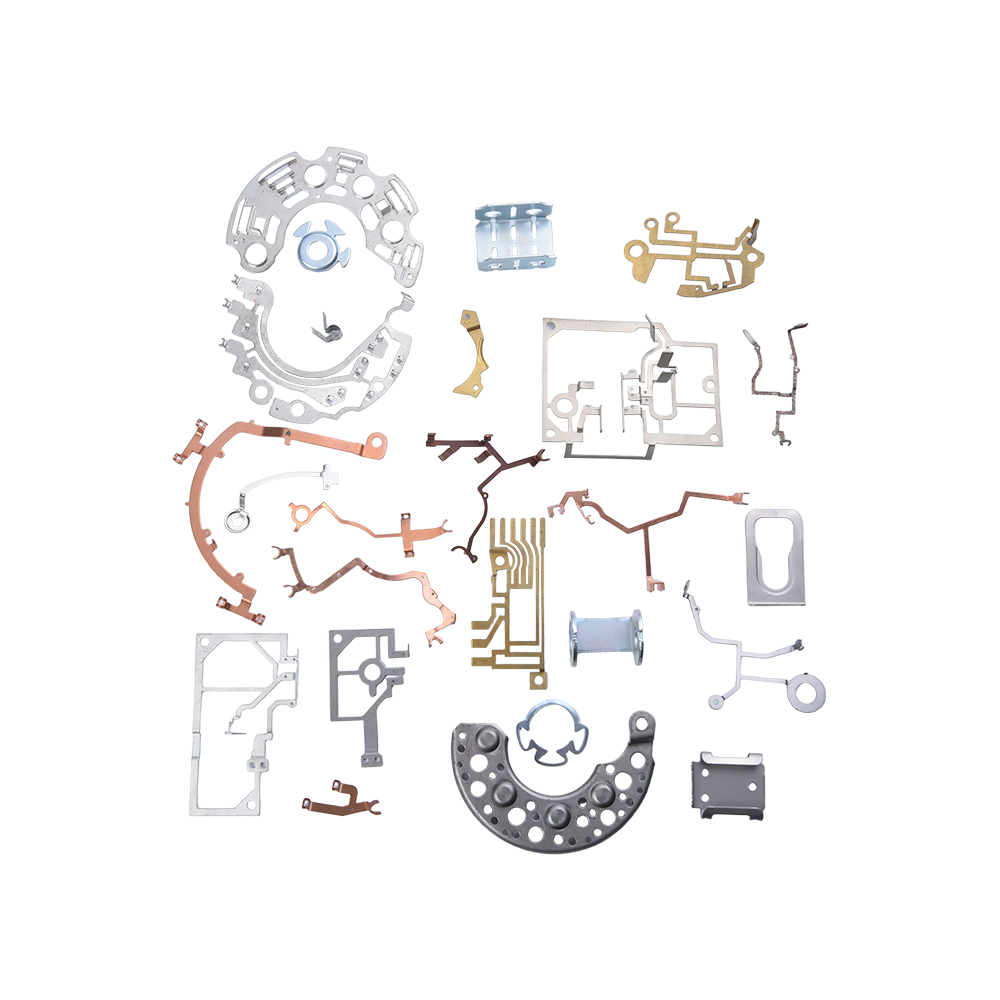
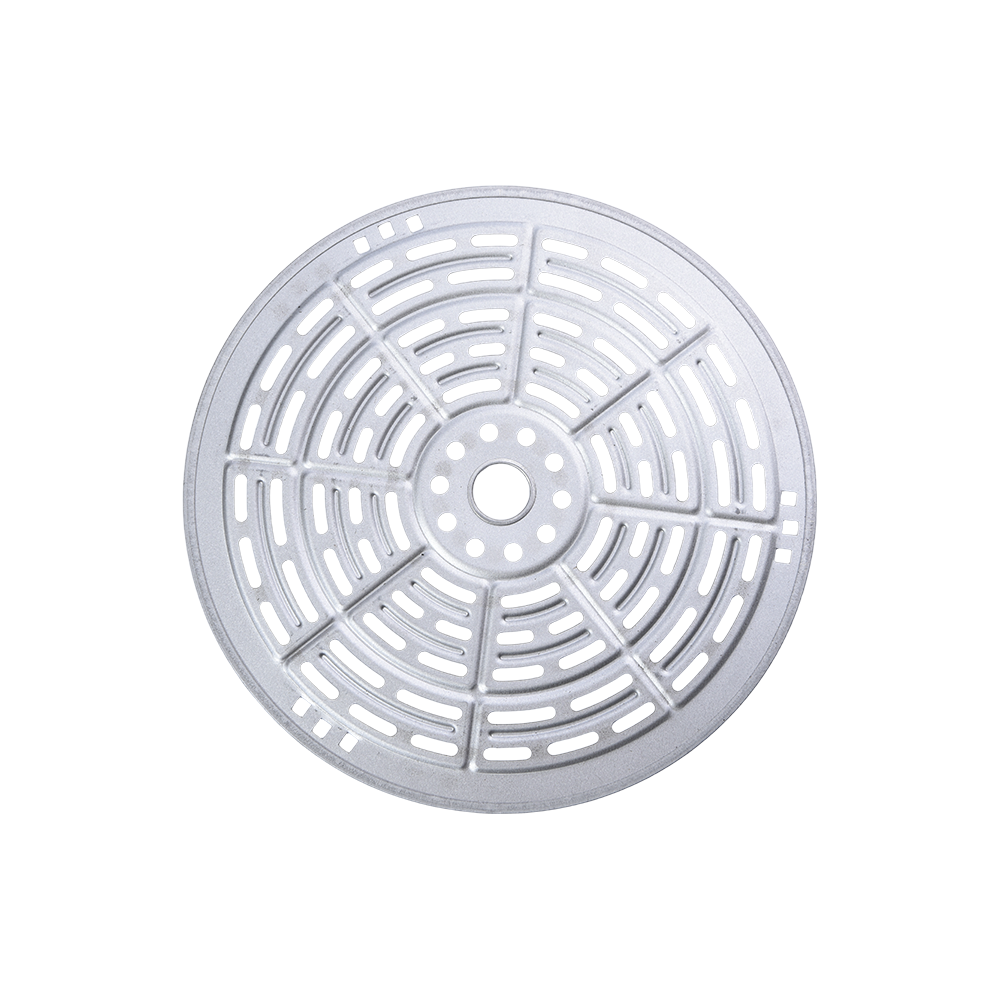
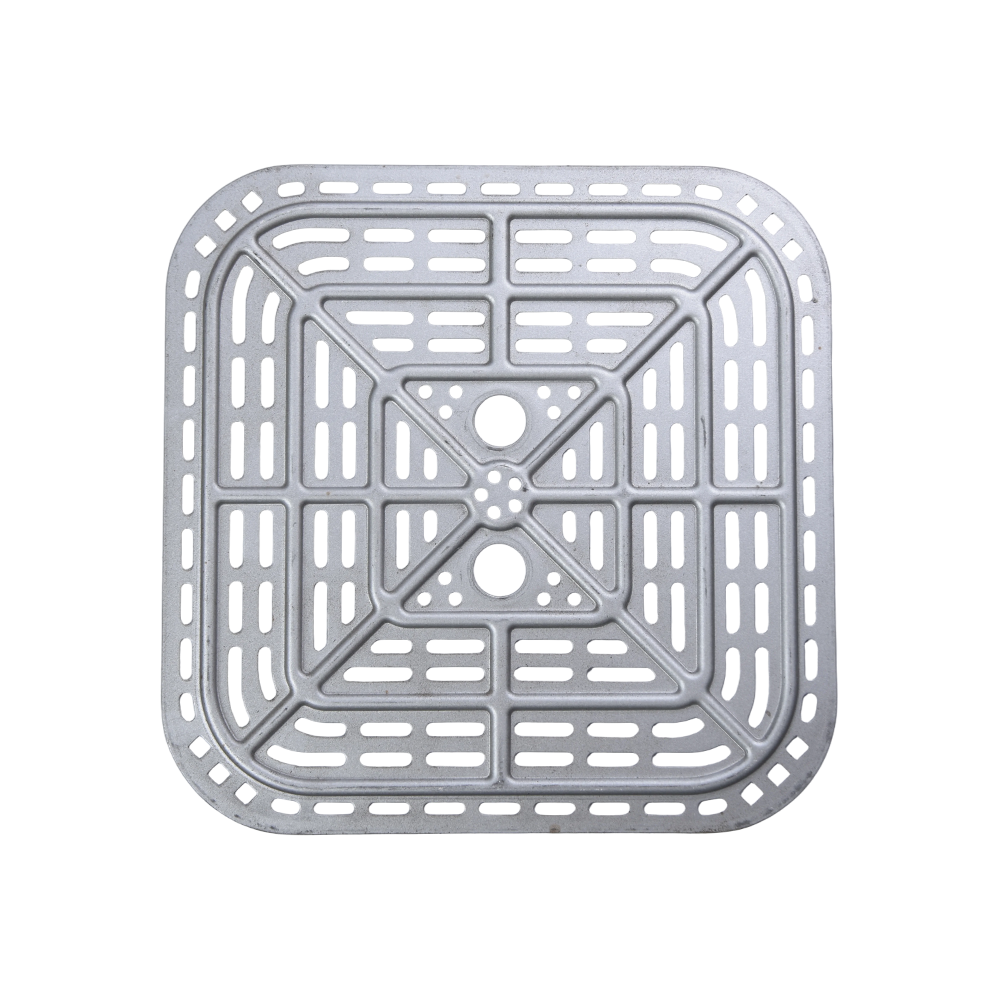
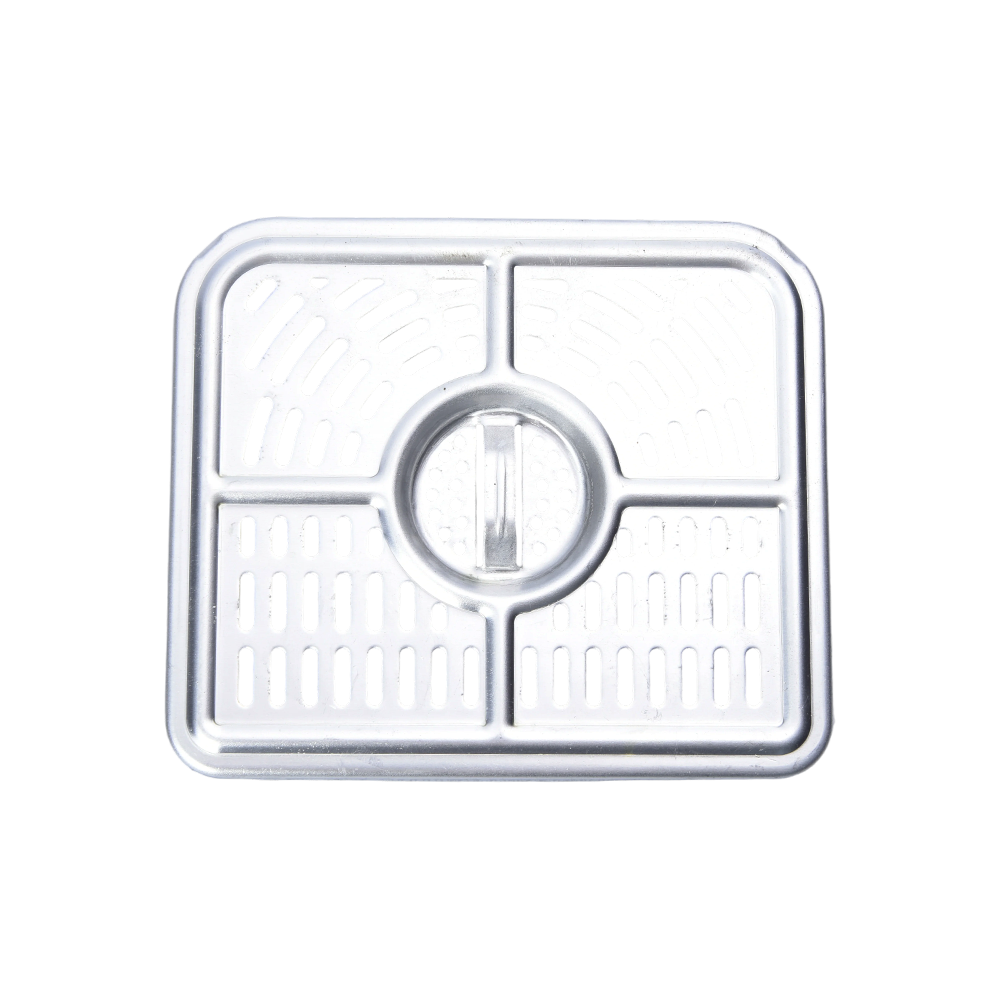
What Are Stamped Parts? Stamped parts are metal components produced by pressing flat sheet metal between a die and a punch to cut, bend, or...
READ MORE

News
Home / Author / Liu Yanan — Product After-Sales Service Specialist / High-Performance Stamped Square Lids with Custom Hole Patterns for Industrial Applications
High-Performance Stamped Square Lids with Custom Hole Patterns for Industrial Applications
2026-05-23
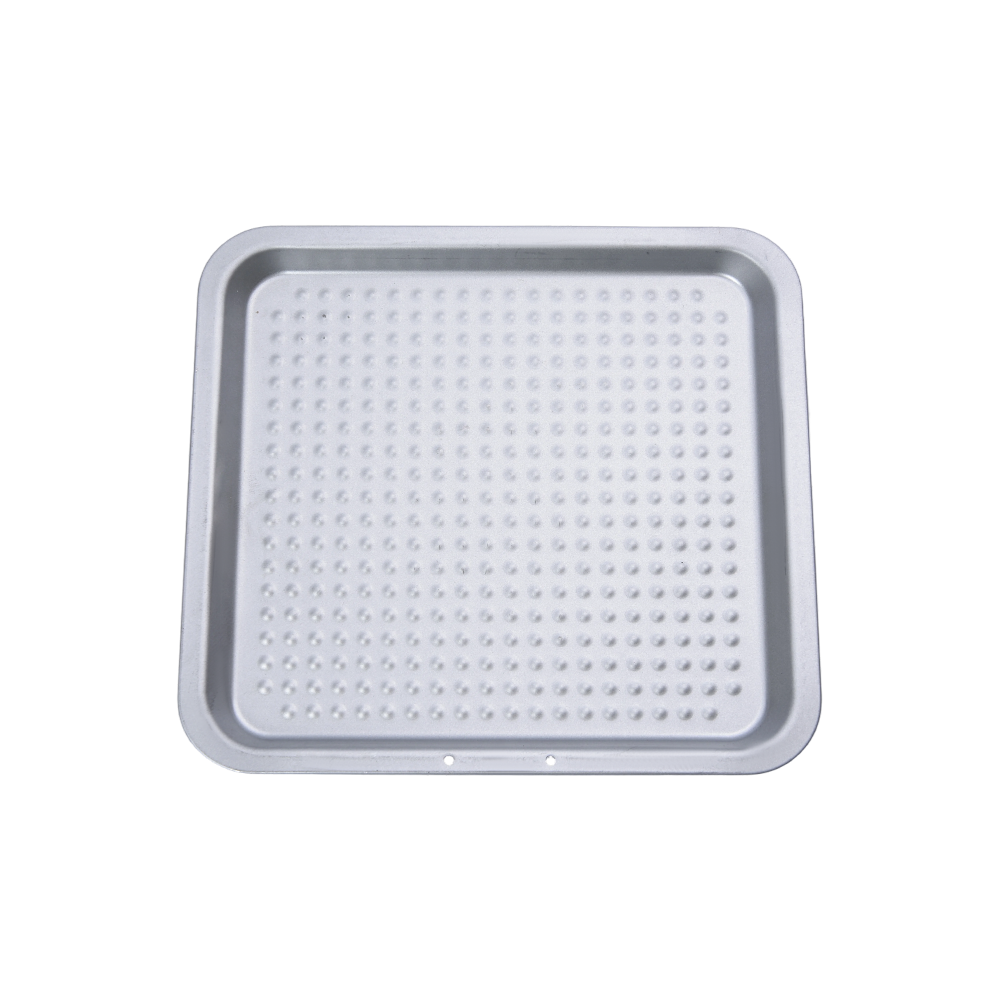
In modern manufacturing, a small metal component can determine the reliability, safety, and efficiency of an entire product. The stamped square lid with holes is one of those components: simple in appearance, yet highly dependent on precision engineering, material performance, tooling quality, and process control. Designed as a durable square cover with customized hole configurations, this stamped part is suitable for industrial machinery, automotive assemblies, electrical equipment, kitchen appliance structures, ventilation components, protective housings, and many other applications where strength, repeatability, and dimensional stability are essential.
The stamped square lid with holes is produced through metal stamping, a high-efficiency manufacturing process that transforms flat sheet metal into accurate, repeatable, and functional components. Through advanced die design, controlled pressing, punching, forming, trimming, and surface finishing, the product can be manufactured in large quantities while maintaining consistent quality. Compared with parts made by slower machining methods, stamped lids offer strong cost advantages, better production efficiency, high dimensional uniformity, and excellent adaptability for OEM and ODM customization.
Yuyao Hongli Optoelectronics Co., Ltd. manufactures this product with more than 20 years of metal processing experience, a 5,000-square-meter modern factory, multiple stamping workshops, skilled workers, and mature production management. The company supports customized sizes, hole shapes, hole spacing, surface treatments, and material selections, helping customers obtain a square lid that matches their specific assembly requirements. With capabilities covering stamped parts, deep-drawn parts, bending parts, kitchen appliance accessories, and automotive stamping parts, the company provides a comprehensive solution for customers seeking stable quality, flexible customization, and reliable long-term supply.
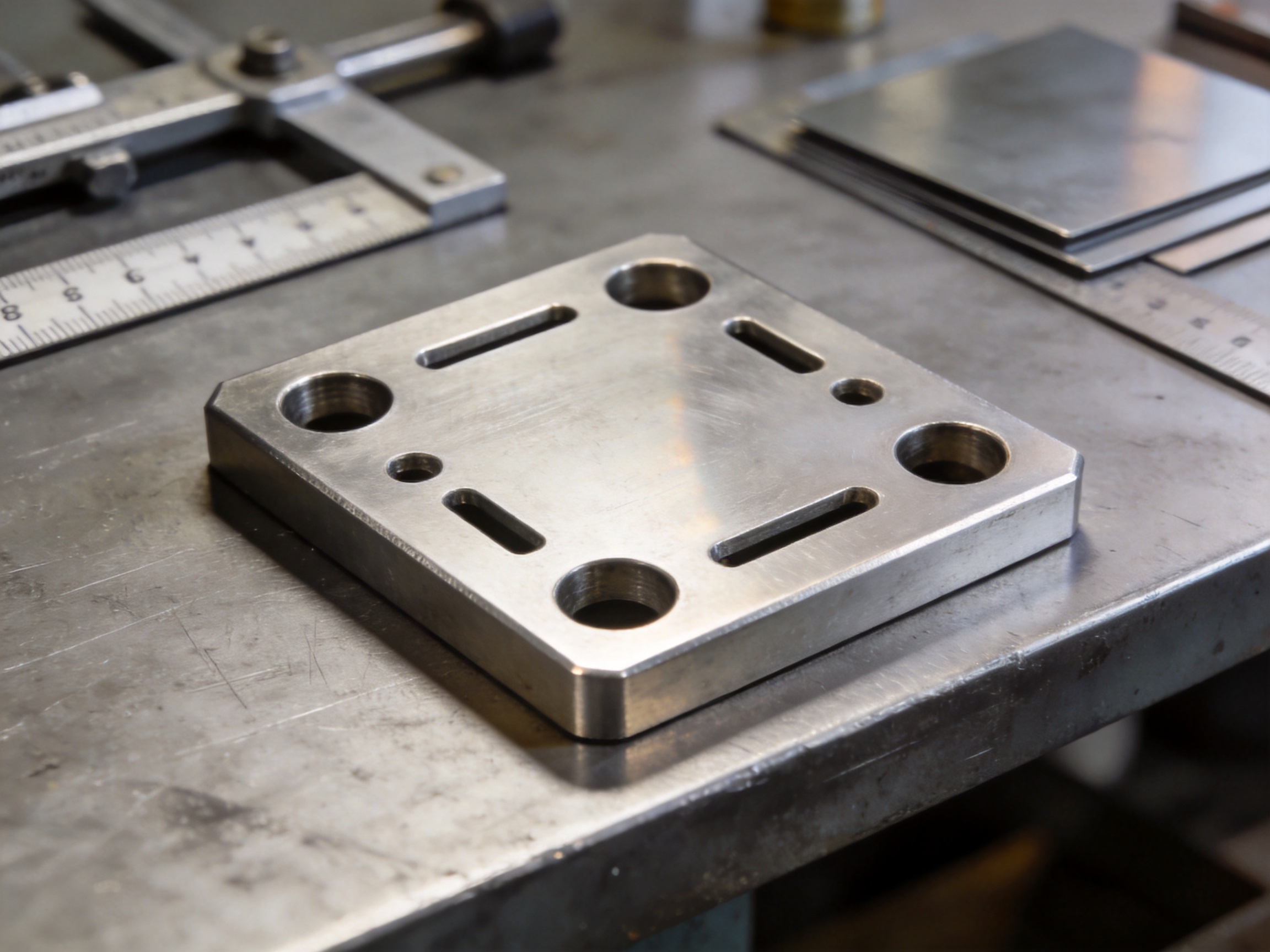
Product Overview: What Is a Stamped Square Lid with Holes?
A stamped square lid with holes is a flat or slightly formed square metal cover manufactured from sheet metal by stamping and punching processes. The holes may serve many purposes, including ventilation, heat dissipation, drainage, fastening, positioning, weight reduction, sound transmission, cable access, or functional assembly. Depending on the application, the hole pattern may be symmetrical or customized, round or shaped, densely arranged or widely spaced, and designed for either mechanical performance or visual consistency.
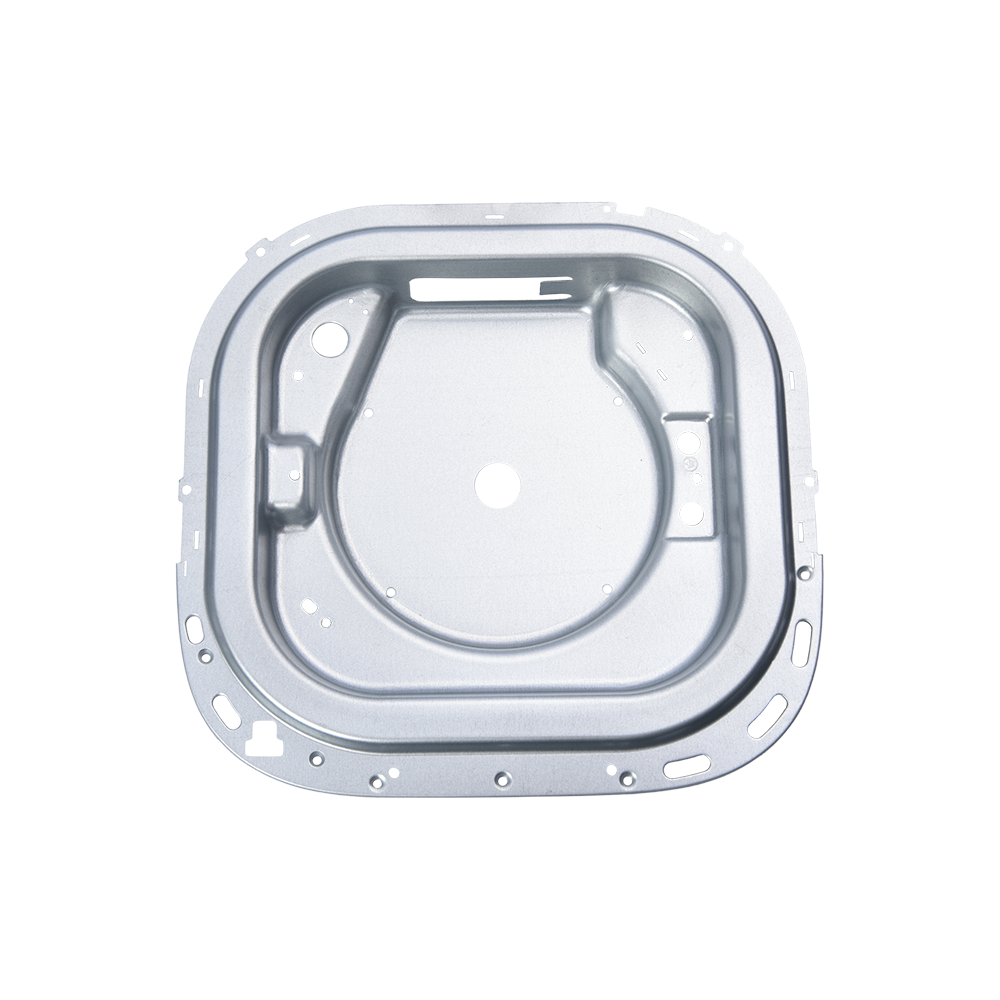
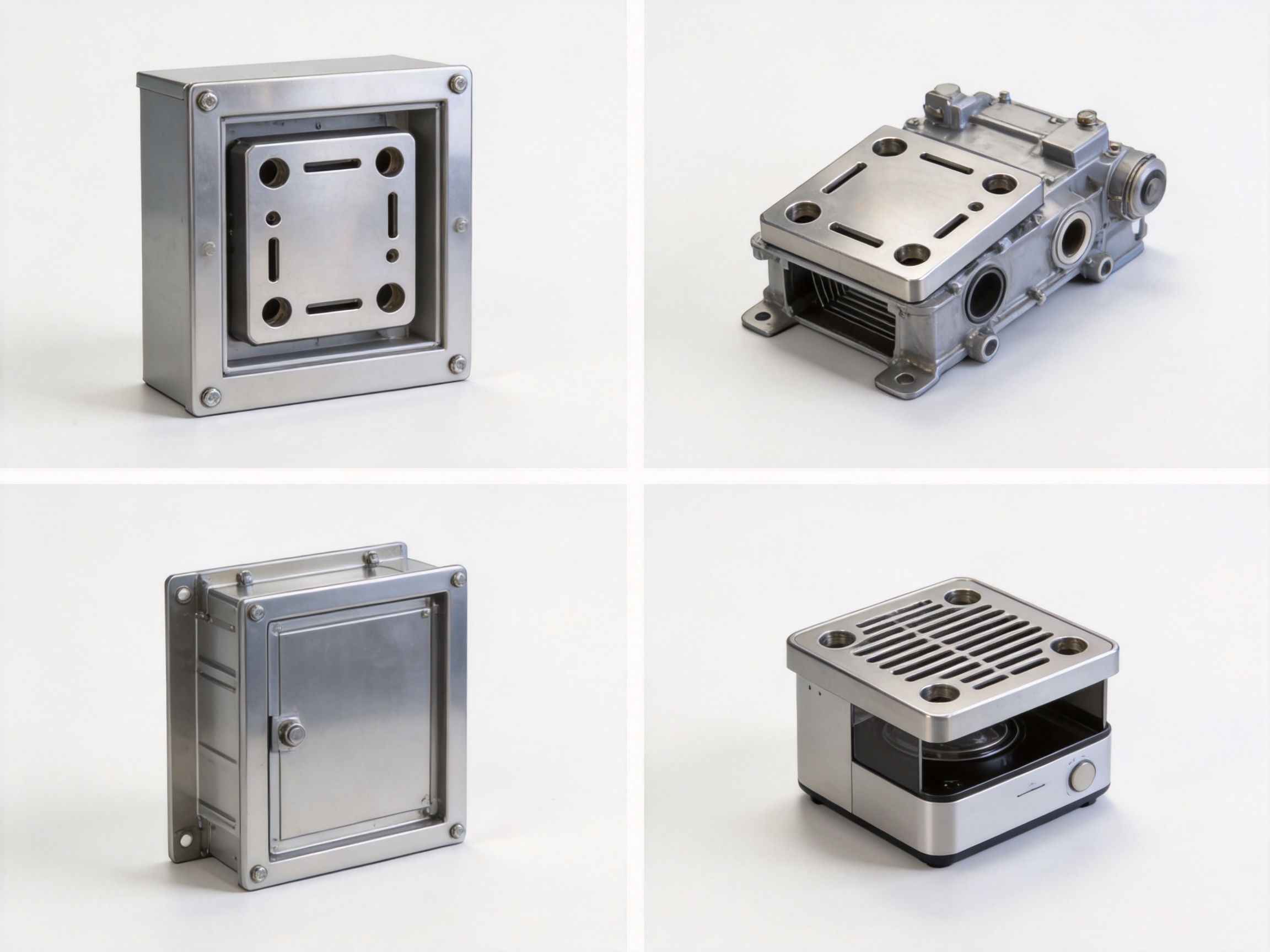
The product is generally used as a protective cover, enclosure lid, mounting plate, structural panel, separator, shielding cover, decorative plate, or component interface. Its square geometry makes it easy to install into frames, housings, boxes, brackets, and machine modules. The stamped construction offers good rigidity, clean edges, efficient mass production, and excellent part-to-part consistency. When required, bending, flanging, embossing, countersinking, deburring, and surface treatments can be added to improve strength, safety, assembly convenience, and corrosion resistance.
The core value of this product lies in its balance of function and manufacturability. A stamped lid must be strong enough to protect or support other components, accurate enough to align with an assembly, and economical enough for production at scale. Hole placement must be controlled carefully because even small deviations can affect airflow, screw alignment, mechanical fit, or the appearance of the finished product. For this reason, die precision, material stability, press equipment, and quality inspection all play an important role in final performance.
Key Product Advantages
The stamped square lid with holes offers several advantages over alternative products and manufacturing approaches. These advantages are especially important for customers who require stable supply, low defect rates, and cost-efficient production for industrial or consumer product assemblies.
High Strength and Long-Term Durability
The lid is made from high-quality sheet metal selected according to the required working environment. Depending on the customer’s needs, the material may include stainless steel, carbon steel, galvanized steel, aluminum, or other suitable metal sheets. Each material offers specific benefits. Stainless steel provides excellent corrosion resistance and high temperature tolerance. Carbon steel offers strong mechanical performance and economical production. Galvanized steel improves rust resistance for humid environments. Aluminum provides lightweight performance and good surface finishing potential.
Because the component is formed through stamping, the metal structure remains continuous and stable. Compared with components made from brittle materials or low-grade thin plates, a properly stamped metal lid can withstand impact, vibration, pressure, repeated handling, and long-term installation. Additional features such as folded edges, ribs, embossments, or flanges can be incorporated to increase rigidity without significantly increasing material consumption.
Customized Hole Configurations
One of the most important features of this product is the customizable hole design. Hole diameter, shape, spacing, arrangement, quantity, and edge requirements can all be adjusted according to the customer’s drawing or sample. The holes may be round, square, oval, slotted, countersunk, or specially shaped. For ventilation applications, multiple perforations can be arranged to achieve the required airflow. For fastening applications, hole positions can be matched with screws, rivets, bolts, clips, or locating pins. For decorative or functional panels, the hole pattern can be optimized for both appearance and performance.
Compared with generic perforated sheets or standard covers, a custom stamped square lid offers a more accurate fit and better functional integration. Customers do not need to modify their equipment or accept unsuitable standard dimensions. Instead, the lid can be engineered for the exact product structure, reducing assembly time and improving overall product reliability.
Excellent Corrosion and Surface Protection Options
Industrial parts often operate in environments exposed to moisture, heat, oil, dust, chemical agents, or frequent contact. Surface protection is therefore essential. This stamped square lid can be finished with polishing, anodizing, coating, plating, painting, passivation, powder coating, or other treatments depending on material and usage conditions. These treatments enhance corrosion resistance, improve appearance, reduce friction, increase abrasion resistance, and extend service life.
Surface treatment is not only cosmetic. For electrical equipment, surface consistency can influence insulation, grounding, and contact safety. For kitchen appliance accessories, surface quality affects cleanliness, rust prevention, and consumer perception. For automotive components, corrosion resistance is directly related to long-term safety and durability. By offering multiple finishing options, the manufacturer helps customers adapt the product to different market requirements and environmental standards.
Stable Dimensional Accuracy
Stamped parts are highly suitable for repeat production because the forming tools control the geometry of each part. Once the die is developed and verified, each production run can deliver consistent dimensions. This is a major advantage over manual fabrication or low-precision cutting methods, where variation may be higher and assembly problems may occur more frequently.
For a square lid with holes, dimensional accuracy is especially important. Outer length and width affect installation fit. Flatness affects sealing or contact performance. Hole positions affect fastening alignment. Burr control affects safety and assembly speed. Corner radii affect both appearance and stress distribution. Yuyao Hongli Optoelectronics Co., Ltd. applies experienced process control and inspection procedures to ensure that these dimensional requirements are properly managed.
Efficient Production and Cost Competitiveness
Metal stamping is one of the most efficient production methods for sheet metal parts. Once tooling is complete, stamping can produce parts rapidly with low unit cost, especially for medium and high-volume orders. Compared with CNC machining, laser cutting followed by manual secondary operations, or individual fabrication, stamping offers faster cycle times, better repeatability, and reduced material waste.
This cost advantage does not mean sacrificing quality. In fact, stamping can produce high-quality components when dies, presses, materials, and inspection systems are properly controlled. For customers seeking long-term supply, the combination of customized design and efficient manufacturing creates strong commercial value. The stamped square lid with holes is therefore suitable for both industrial projects and mass-produced consumer products.
Applications Across Multiple Industries
The stamped square lid with holes can be applied in many industries because its function is flexible and its design can be customized. It may serve as a ventilation cover, protective panel, mounting component, reinforcement plate, decorative cover, or structural interface. The following application areas demonstrate its broad usefulness.
Automotive Stamping Parts
In automotive manufacturing, stamped metal parts are widely used because vehicles require lightweight, strong, repeatable, and cost-efficient components. A stamped square lid with holes may be used in brackets, covers, airflow panels, heat shielding structures, battery-related housings, interior modules, motor protection units, or electronic control assemblies. Hole patterns can provide mounting locations, drainage, ventilation, or weight reduction.
Automotive applications place strict demands on consistency and reliability. Components must tolerate vibration, temperature changes, moisture, and long-term mechanical stress. With experience in automotive stamping parts, the manufacturer can adapt material selection, thickness, tolerance control, and surface treatment to meet these demanding conditions.
Electrical and Electronic Equipment
Electrical systems often require covers with holes for heat dissipation, cable routing, screw installation, or electromagnetic shielding structures. The stamped square lid can be used in control boxes, power supply housings, communication equipment, instrument enclosures, electronic panels, and industrial electrical cabinets. Smooth edges and accurate hole alignment help improve assembly safety and reduce the risk of cable damage.
For electrical applications, material and surface finish must be carefully selected. Some products require conductive surfaces, while others need insulating coatings. Some applications prioritize corrosion resistance, while others require stable grounding. Custom manufacturing allows each lid to be designed according to the specific technical requirement.
Industrial Machinery
In machinery, covers and lids protect moving parts, guide airflow, separate working areas, and support auxiliary components. The stamped square lid with holes can be used on machine guards, access panels, filter covers, motor covers, equipment shells, and ventilation structures. The square shape is convenient for modular machine design, while stamped holes can support cooling and inspection functions.
Industrial machinery often operates in harsh environments with dust, oil, heat, vibration, and repeated maintenance. A durable stamped metal lid performs better than low-strength plastic covers in many such settings. Surface coatings and deburring processes further improve service life and operator safety.
Kitchen Appliance Accessories
Kitchen appliances require components that are clean, durable, heat resistant, and visually acceptable. A stamped square lid with holes may be used in small household appliances, heaters, ventilation structures, protective covers, internal support plates, and heat dissipation panels. Stainless steel and coated steel are common choices depending on appearance and corrosion requirements.
For kitchen-related components, smooth surfaces and controlled edges are particularly important. Burrs, scratches, and uneven finishing may affect both safety and product image. The manufacturer’s experience with kitchen appliance accessories supports improved control over surface treatment and part appearance.
Household Electric Heaters and Small Appliances
For electric heaters and small appliances, ventilation and heat resistance are critical. The holes in the square lid can be designed to promote heat dissipation while maintaining protective function. Materials can be selected to resist deformation under elevated temperatures. Coatings may be used to improve appearance and protect against oxidation.
Because small appliances are often mass-produced, stable supply and economical production are essential. Stamping provides the necessary production efficiency, while customized tooling ensures that each component fits the appliance design accurately.
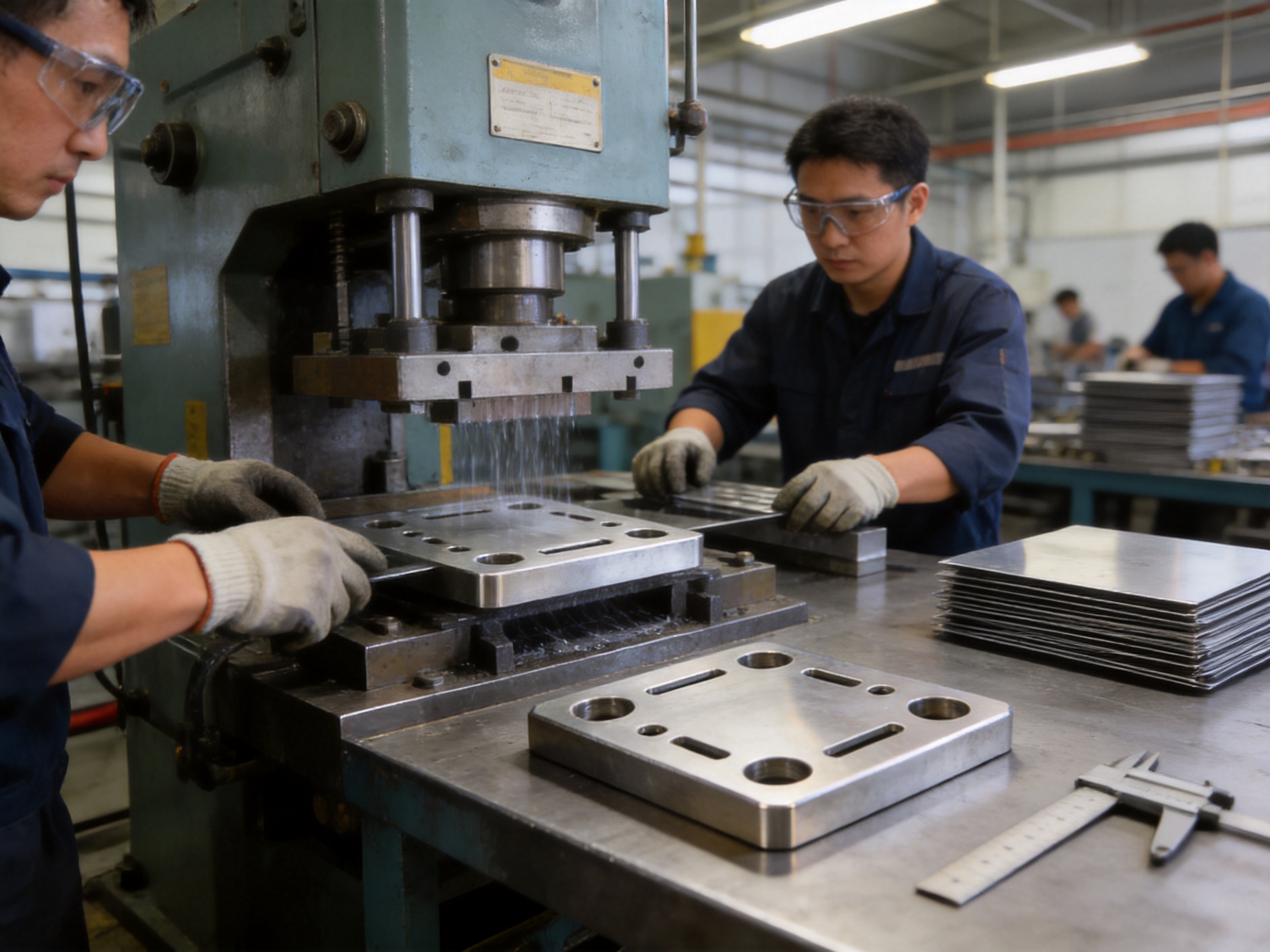
Manufacturing Process and Technical Strengths
The quality of a stamped square lid with holes depends on more than the metal sheet itself. It is the result of a complete manufacturing system that includes product evaluation, material selection, die design, stamping, punching, forming, deburring, surface finishing, inspection, packaging, and delivery. Yuyao Hongli Optoelectronics Co., Ltd. has developed a mature production approach based on more than two decades of manufacturing experience.
Engineering Review and Customization
The process begins with customer requirements. Customers may provide drawings, samples, technical specifications, assembly conditions, or application descriptions. The engineering team reviews the outer dimensions, hole pattern, material thickness, tolerance requirements, surface finish, and production volume. If necessary, the team can offer manufacturability suggestions to improve strength, reduce cost, simplify tooling, or enhance assembly performance.
This early-stage review is important because small changes in hole spacing, edge distance, corner radius, or material thickness can significantly affect stamping feasibility and long-term part reliability. A professional manufacturer does not simply produce a part; it helps optimize the part for real production and use.
Material Selection
Material selection determines mechanical strength, corrosion resistance, formability, weight, surface appearance, and cost. For the stamped square lid with holes, the company can select suitable sheet metal according to the customer’s environment and budget. Stainless steel is ideal for corrosion resistance and cleanliness. Galvanized steel is suitable for economical anti-rust performance. Aluminum is appropriate for lightweight parts and anodized finishes. Carbon steel is often chosen for strong, cost-effective industrial components.
Material thickness is also carefully considered. A thinner sheet may reduce weight and cost but may require reinforcing features for stiffness. A thicker sheet may increase strength but also affects punching force, forming difficulty, and tooling wear. The correct balance ensures that the final product meets performance requirements without unnecessary cost.
Tooling and Die Development
The die is the heart of stamping production. A well-designed die controls the shape, size, hole position, edge quality, and production efficiency of the part. Tooling may include blanking dies, punching dies, forming dies, progressive dies, or compound dies depending on order volume and complexity. For a square lid with many holes, accurate punch alignment and stable die clearance are essential.
Die development involves careful consideration of material behavior, springback, burr direction, hole-to-edge distance, part flatness, and production maintenance. A high-quality die reduces variation, improves speed, and extends tool life. Compared with suppliers that rely on simple or poorly maintained tooling, a manufacturer with strong die capability can provide better consistency and lower long-term production risk.
Stamping and Punching
During stamping, sheet metal is fed into the press and shaped or cut by the die. Punching creates the required holes, while blanking forms the outer square shape. Depending on design, additional forming steps may create flanges, raised areas, recessed sections, ribs, or bends. The process must be controlled to avoid cracking, deformation, excessive burrs, misalignment, or surface damage.
Modern stamping production emphasizes repeatability. Press settings, feeding accuracy, lubrication, die condition, and material batch consistency all affect the result. Skilled operators and experienced technicians monitor production and adjust parameters when needed. This is particularly important for hole-heavy parts because small punching problems can multiply across many openings.
Deburring and Edge Treatment
After stamping and punching, edges may require deburring to remove sharp burrs and improve safety. Deburring can be performed through mechanical, vibratory, manual, or other finishing methods depending on part size, material, and customer requirement. For parts used in electrical equipment, appliances, or hand-contact areas, smooth edges are essential to prevent injury, wire damage, or assembly interference.
Edge treatment also contributes to corrosion resistance. Burrs and sharp corners can become weak points where coatings are thinner or corrosion begins more easily. Proper deburring supports both safety and service life.
Surface Treatment
Surface treatment is selected according to function and appearance. Polishing improves brightness and smoothness. Anodizing enhances aluminum surfaces with corrosion resistance and color options. Coating and powder coating provide protective layers and visual finish. Plating may improve corrosion resistance, conductivity, or wear performance. Passivation may be applied to stainless steel to enhance its natural corrosion resistance.
Surface treatment must be compatible with the hole pattern and geometry. Parts with many holes require even coverage and proper cleaning to avoid trapped contaminants. The manufacturer’s practical experience helps ensure that the final finish is reliable and suitable for the customer’s use environment.
Inspection and Quality Control
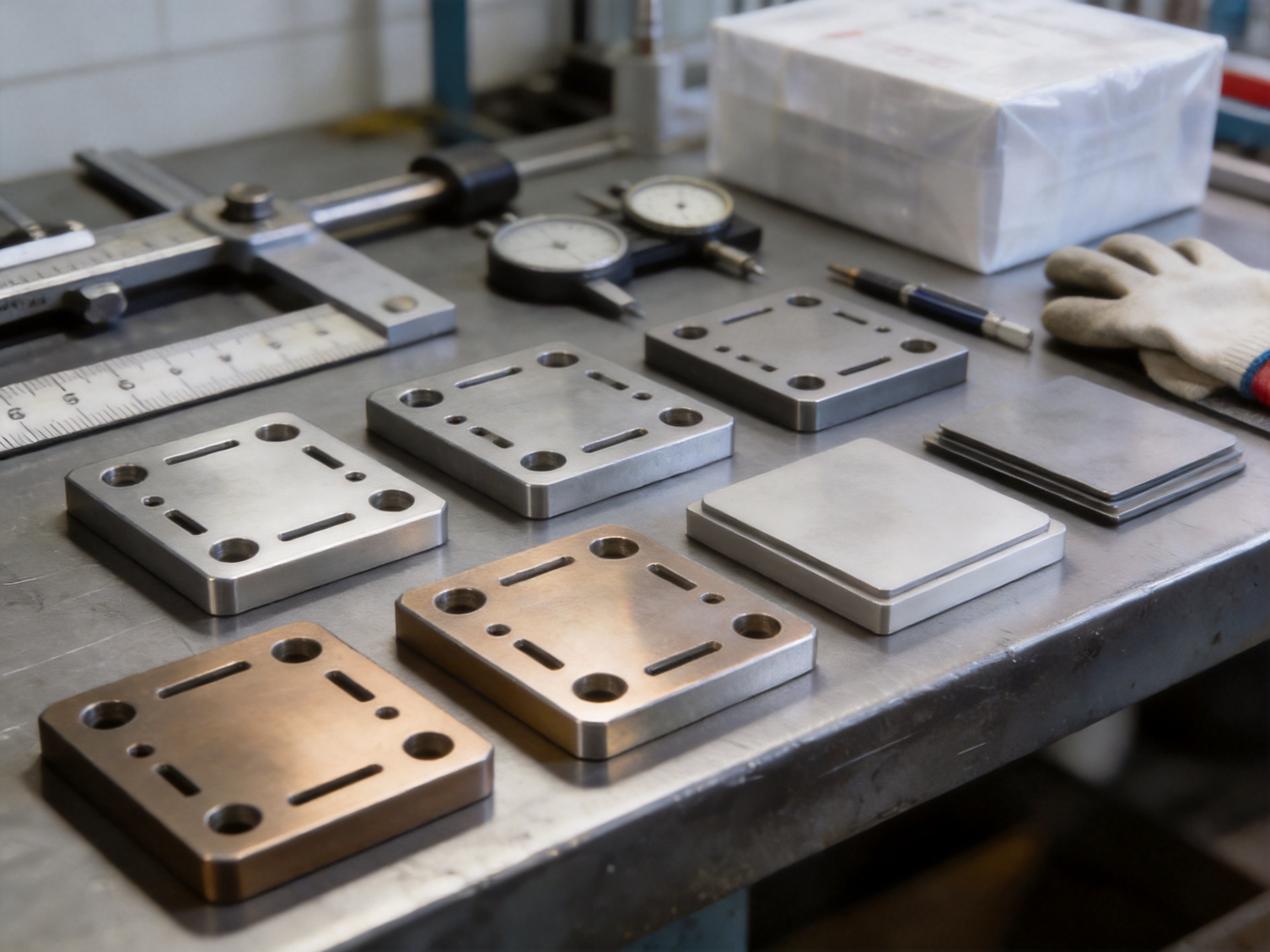
Quality control is built into each stage of production. Incoming materials are checked for specification compliance. During production, dimensions, hole positions, surface condition, burr levels, and part flatness may be inspected. Final inspection confirms that the parts meet customer requirements before packaging and shipment.
Inspection tools may include calipers, gauges, height measuring tools, visual inspection systems, flatness checks, and custom fixtures. For repeat orders, inspection standards can be standardized to maintain long-term consistency. The company’s commitment to strict quality control helps customers reduce assembly failures, rework, and supply chain uncertainty.
Comparison with Common Alternatives
Customers often compare stamped square lids with laser-cut plates, machined covers, plastic covers, cast parts, or generic perforated sheets. Each method has a place, but for many applications, stamped parts provide a superior combination of cost, consistency, and production speed.
| Manufacturing Option | Main Advantages | Limitations | Why the Stamped Square Lid Is Competitive |
|---|---|---|---|
| Stamped square lid with holes | Fast production, accurate repeatability, customizable holes, strong material options, cost-effective for volume orders | Requires tooling investment before mass production | Best balance of precision, durability, and unit cost for repeated production |
| Laser-cut metal plate | Flexible for prototypes and small batches, no hard tooling required | Slower for high volume, may require secondary forming and deburring | Stamping becomes more economical and consistent for larger production runs |
| CNC machined cover | High precision and suitable for thick or complex parts | Higher material waste, slower cycle time, expensive for sheet metal covers | Stamping provides sufficient accuracy with much lower cost for sheet metal lids |
| Plastic cover | Lightweight, moldable, insulating | Lower heat resistance and mechanical strength in many harsh environments | Metal stamping offers better durability, heat resistance, and long-term stability |
| Generic perforated sheet | Available quickly and may be economical for simple uses | Limited custom size, hole position, edge features, and assembly integration | Custom stamping delivers exact fit, specific hole layout, and better product integration |
The key distinction is that a custom stamped square lid is not merely a cut piece of metal. It is an engineered component designed for repeat assembly. The hole layout, dimensions, material, edges, surface finish, and forming details are all controlled according to the customer’s product. This gives it a clear advantage over off-the-shelf parts or low-precision fabrication.
Advantages Over Competitors
In a competitive manufacturing market, customers need more than a basic supplier. They need a partner capable of stable production, fast communication, flexible customization, and consistent quality. The stamped square lid with holes from Yuyao Hongli Optoelectronics Co., Ltd. stands out because the company combines long experience, broad product capability, practical engineering support, and dependable manufacturing capacity.
More Than 20 Years of Industry Experience
The company was founded in 2000 and has accumulated extensive experience in metal stamping and related manufacturing. Long-term experience matters because stamping involves many practical details that are not always visible in drawings. Material springback, die wear, punching clearance, burr direction, surface scratches, and production stability all require accumulated knowledge. A supplier with decades of experience can identify potential issues earlier and provide more reliable solutions.
Comprehensive Manufacturing Capabilities
The company manufactures deep-drawn parts, stamped parts, bending parts, kitchen appliance accessories, automotive stamping parts, hardware products, plastic products, optical instrument parts, educational instrument components, household electric heater parts, and small appliance accessories. This broad capability allows the company to understand different industry requirements and offer integrated support for customers with multiple product lines.
For customers, working with a manufacturer that can produce related components is convenient and efficient. It reduces supplier management complexity and improves communication. If a project requires a stamped lid, a bent bracket, a deep-drawn shell, and other metal parts, the company can support the overall manufacturing process more effectively than a narrow single-process supplier.
Modern Factory and Production Capacity
The company operates a 5,000-square-meter modern factory in Yangming Science and Technology Industrial Park, Yuyao, Zhejiang Province, China. With multiple stamping workshops and more than 60 employees, it has the capacity to handle customized production, batch processing, and export-oriented supply. Factory scale is important because stable delivery depends on equipment availability, workforce organization, material management, and production scheduling.
Customers ordering stamped square lids often need consistent delivery over time. A capable factory can plan production, manage tooling, coordinate surface treatment, and prepare packaging to meet delivery requirements. This reduces the risk of delayed assembly or project interruption.
OEM and ODM Customization
The company supports OEM and ODM customization, meaning it can manufacture according to customer drawings or assist in developing a product based on customer needs. For the stamped square lid with holes, customization may include material grade, sheet thickness, square size, hole diameter, hole spacing, hole quantity, corner radius, surface finish, edge condition, flatness requirement, packaging method, and labeling requirements.
This level of customization gives customers greater design freedom. Instead of adapting their equipment to a standard lid, they can obtain a lid that fits their equipment. This improves final product quality and can reduce hidden costs related to assembly modifications, rework, or field failures.
Rapid Prototyping and Efficient Production Conversion
Many projects begin with prototypes before moving into mass production. The company supports rapid prototyping and efficient production conversion, helping customers test dimensions, hole patterns, materials, and surface finishes before final tooling or batch production. This is valuable for new product development, especially in automotive, electrical, appliance, and machinery industries where design validation is essential.
Efficient conversion from prototype to production reduces development time. Once the sample is approved, tooling and process plans can be adjusted for stable batch manufacturing. This ability gives the company an advantage over suppliers that either focus only on small samples or only on large-scale production without flexible development support.
Strict Quality Control and Reliable After-Sales Service
Quality is not only about producing a good first batch. It is about maintaining consistency across repeated orders. The company emphasizes strict quality control, stable delivery, and comprehensive after-sales service. If customers have questions about dimensions, installation, surface finish, or later design changes, the company can provide support and communication.
Reliable after-sales service is especially important for customized industrial parts. If an application changes, a hole needs to be moved, a coating must be upgraded, or tolerance requirements become stricter, customers need a supplier that responds professionally. This customer-oriented approach supports long-term cooperation.
Design Considerations for Custom Orders
To achieve the best stamped square lid, customers should consider several design factors before placing an order. Clear technical communication helps the manufacturer develop the most suitable process and avoid unnecessary cost.
Material and Thickness
The material should match the environment. For humid, outdoor, or corrosive environments, stainless steel, galvanized steel, or coated materials may be appropriate. For lightweight applications, aluminum may be preferred. For high-strength and cost-sensitive applications, carbon steel can be suitable. Thickness should be selected based on load, rigidity, forming requirements, and cost target.
Hole Size and Spacing
Hole design affects both function and manufacturability. Holes too close to the edge may deform during punching. Very dense hole patterns may reduce strength. Extremely small holes in thick metal may increase tooling wear. The manufacturer can recommend suitable hole dimensions and spacing according to material thickness and production process.
Flatness and Forming Requirements
Some square lids must remain flat for sealing or appearance. Others may require raised sections, flanges, or bends to improve stiffness and installation. Forming features should be designed with springback and tooling feasibility in mind. If a high flatness standard is required, this should be specified early.
Surface Finish
Surface finish should be chosen based on appearance, corrosion resistance, wear resistance, and application environment. Polishing may be suitable for visible parts. Powder coating may be suitable for protective and decorative purposes. Anodizing may be suitable for aluminum parts. Passivation may be selected for stainless steel. The required color, gloss, thickness, and testing standards should be communicated when necessary.
Tolerance Requirements
Not every dimension requires the same tolerance. Critical dimensions include mounting hole positions, outer size, and features that interface with other components. Non-critical dimensions can often have wider tolerances, which may reduce production difficulty and cost. A professional manufacturer can help distinguish critical and non-critical requirements.
Quality Features That Matter in Real Use
When evaluating a stamped square lid with holes, customers should look beyond basic dimensions. Real performance depends on several quality characteristics that influence assembly, safety, durability, and appearance.
First, hole accuracy is essential. If mounting holes are misaligned, assembly becomes difficult or impossible. If ventilation holes are inconsistent, airflow performance and appearance may suffer. Second, burr control is important. Excessive burrs can scratch workers, damage wires, interfere with assembly, or weaken coating performance. Third, flatness and rigidity determine whether the lid sits properly on the mating surface. Fourth, surface treatment quality affects corrosion resistance and product image. Fifth, packaging quality protects the finished parts during transportation.
Yuyao Hongli Optoelectronics Co., Ltd. understands these practical requirements and manages production accordingly. This helps customers receive components that are ready for use, not merely parts that match a drawing in theory.
Why Stamping Is Ideal for Square Lids with Multiple Holes
Stamping is particularly suitable for square lids with multiple holes because it can combine several operations into an efficient process. In some cases, a die can punch many holes at once and cut the outer profile in a coordinated sequence. This reduces cycle time and improves positional accuracy between features. For repeat production, the same die ensures that each part follows the approved design.
Another advantage is material efficiency. Sheet metal stamping can optimize nesting and reduce waste, especially when the part geometry is simple and repeated. The square shape is favorable for material utilization. When compared with machining from solid plate, stamping typically removes less material and requires less processing time.
Stamping also supports functional forming. A square lid can include flanges for installation, ribs for strength, lips for positioning, embossments for identification, or countersunk holes for flush fasteners. These features can be integrated into the production plan, creating a more functional part without the need for multiple separate components.
Environmental and Economic Value
Efficient manufacturing is not only about cost. It also relates to resource use, waste reduction, and long-term product life. A durable stamped metal lid can reduce replacement frequency and improve equipment reliability. Proper material selection and surface treatment extend service life, reducing waste from premature failure.
Metal parts are often recyclable, which supports sustainable material cycles. Stamping can also be designed to reduce scrap through efficient sheet layout. By producing accurate parts with lower defect rates, the manufacturer helps reduce rework, rejected batches, and unnecessary logistics costs. For customers with large production programs, these benefits can become significant over time.
Ordering and Cooperation Process
A typical custom order begins with customer consultation. The customer provides drawings, samples, or specifications, including size, material, thickness, hole pattern, surface finish, quantity, and application environment. The manufacturer reviews the requirements and may provide technical suggestions or quotation details. If the project requires sampling, prototypes can be produced for confirmation.
After sample approval, production tooling and process documents are finalized. Batch production is then scheduled according to delivery needs. During production, quality checks are performed to ensure compliance. Finished parts are packed to prevent damage and shipped according to customer requirements. For future orders, the approved tooling and process records help maintain consistency.
The company can be contacted by email at hongli@yyhlgd.net or by phone at +86-13905842349 and +86-13738485724. Its manufacturing site is located on the south side of Shunke Road, Yangming Science and Technology Industrial Park, Yuyao City, Zhejiang Province, China.
Frequently Asked Questions
Q1: What is the main function of a stamped square lid with holes?
A stamped square lid with holes is used as a protective cover, ventilation panel, mounting plate, enclosure component, shielding cover, or structural interface. The holes can provide airflow, drainage, fastening positions, cable access, weight reduction, or decorative effects depending on the design.
Q2: Can the hole pattern be customized?
Yes. Hole diameter, quantity, shape, spacing, location, and arrangement can be customized according to drawings, samples, or application requirements. Round holes, slotted holes, square holes, oval holes, countersunk holes, and special shapes may be considered depending on the material and tooling feasibility.
Q3: What materials are available?
Common material options include stainless steel, carbon steel, galvanized steel, aluminum, and other suitable sheet metals. The final choice depends on corrosion resistance, strength, weight, surface finish, operating temperature, and cost requirements.
Q4: What surface treatments can be applied?
Available surface treatments may include polishing, anodizing, coating, powder coating, plating, painting, passivation, or other finishes. The correct treatment is selected according to appearance needs, corrosion resistance, wear resistance, and application environment.
Q5: Is the product suitable for outdoor or corrosive environments?
Yes, if the correct material and surface treatment are selected. Stainless steel, galvanized steel, coated steel, or properly treated aluminum can improve corrosion resistance. For harsh environments, customers should provide details such as humidity, chemical exposure, temperature, and expected service life.
Q6: What industries commonly use this type of stamped lid?
It is commonly used in automotive parts, electrical equipment, industrial machinery, kitchen appliances, household electric heaters, small household appliances, ventilation systems, protective housings, and hardware assemblies.
Q7: Why choose stamping instead of laser cutting or machining?
Stamping is highly efficient for repeat production. It provides fast cycle times, stable dimensions, accurate hole positions, and lower unit costs for medium and high-volume orders. Laser cutting is flexible for prototypes, while machining is suitable for complex thick parts, but stamping is often the best choice for sheet metal lids produced in quantity.
Q8: Can prototypes be made before mass production?
Yes. The company supports rapid prototyping and production conversion. Samples can help customers verify fit, hole layout, material, surface finish, and assembly performance before larger batch production.
Q9: How does the manufacturer ensure quality?
Quality is managed through material inspection, process control, dimensional checks, hole position inspection, surface review, burr control, flatness checks, and final inspection before shipment. Custom inspection standards can be applied according to customer requirements.
Q10: What information should be provided for a quotation?
Customers should provide drawings or samples, material requirements, thickness, outer dimensions, hole pattern, tolerance requirements, surface treatment, expected quantity, application environment, and packaging or delivery preferences. The more complete the information, the more accurate the quotation and production plan will be.
Conclusion
The stamped square lid with holes is a versatile, durable, and cost-effective component for industrial, automotive, electrical, machinery, and appliance applications. Its value comes from the combination of high-quality materials, customized hole patterns, accurate stamping, reliable surface treatment, and stable production control. Compared with generic covers, machined plates, or plastic alternatives, a custom stamped metal lid offers better repeatability, stronger durability, improved fit, and greater suitability for mass production.
Yuyao Hongli Optoelectronics Co., Ltd. provides this product with strong manufacturing experience, a modern factory, multiple stamping workshops, OEM and ODM customization, rapid prototyping, strict quality control, and dependable service. With more than 20 years of industry experience and a broad product range covering stamped parts, deep-drawn parts, bending parts, kitchen appliance accessories, and automotive stamping parts, the company is well positioned to support customers seeking customized metal components for demanding applications.
For customers who need a square lid that fits accurately, performs reliably, resists corrosion, and supports efficient assembly, the stamped square lid with holes is an excellent solution. By working with an experienced manufacturer, customers can transform a simple metal cover into a precisely engineered component that improves product quality, production efficiency, and long-term reliability.
References
1. Kalpakjian, S., and Schmid, S. R. Manufacturing Engineering and Technology. Pearson Education.
2. Groover, M. P. Fundamentals of Modern Manufacturing: Materials, Processes, and Systems. Wiley.
3. ASM International. ASM Handbook, Volume 14B: Metalworking: Sheet Forming. ASM International.
4. Lange, K. Handbook of Metal Forming. Society of Manufacturing Engineers.
5. Suchy, I. Handbook of Die Design. McGraw-Hill Education.
6. Davis, J. R. Corrosion: Understanding the Basics. ASM International.
Previous Post
Replaceable Baking Tray for Air Fryers: Durable, Efficient, and Built for Better Everyday Cooking
Next Post
Deep-Drawn Square Containers for Seamless Strength, Space Efficiency, and Industrial Reliability
News
-
-
Manufacturing & Materials Engineering Why Deep Draw Components Outperform Fabricated Sheet Metal Parts in Leak-Proof Applications Seam...
READ MORE -
When you need a metal component whose depth clearly exceeds its width, such as a one-piece battery enclosure, an air-fryer inner container,...
READ MORE -
Metal stamping is the process of placing flat sheet metal—either in blank or coil form—into a stamping press, where a tool and die surface ...
READ MORE
Get Fresh Updates Via Email
We promise we will never disclose your email address, and you can opt out at any time.
-
Quick Links
Home About Us Products Service News Contact Us -
Product list
Deep-drawn parts Stamped parts Bending parts Kitchen appliance accessories Automotive stamping parts -
About Us
Factory Honour FAQ -
News
Company News Industry News -
Contact Us
Address: South side of Shunke Road, Yangming Science and Technology Industrial Park, Yuyao City, Zhejiang Province, China Tel: +86-13905842349/+86-13738485724 Email: hongli@hl-stamping.com
Copyright © Yuyao Hongli Optoelectronics Co., Ltd. All Rights Reserved.
Custom Precision-Sheet/Sheet Metal Stamping Manufacturers
