


 English
 русский
 Español
 عربى
عربى

What Are Stamped Parts? Stamped parts are metal components produced by pressing flat sheet metal between a die and a punch to cut, bend, or...
READ MORE

News
Home / Author / Liu Yanan — Product After-Sales Service Specialist / Red Bent Parts with Red Fabric Strap: Durable, Comfortable, and Customizable Metal Components
Red Bent Parts with Red Fabric Strap: Durable, Comfortable, and Customizable Metal Components
2026-08-07
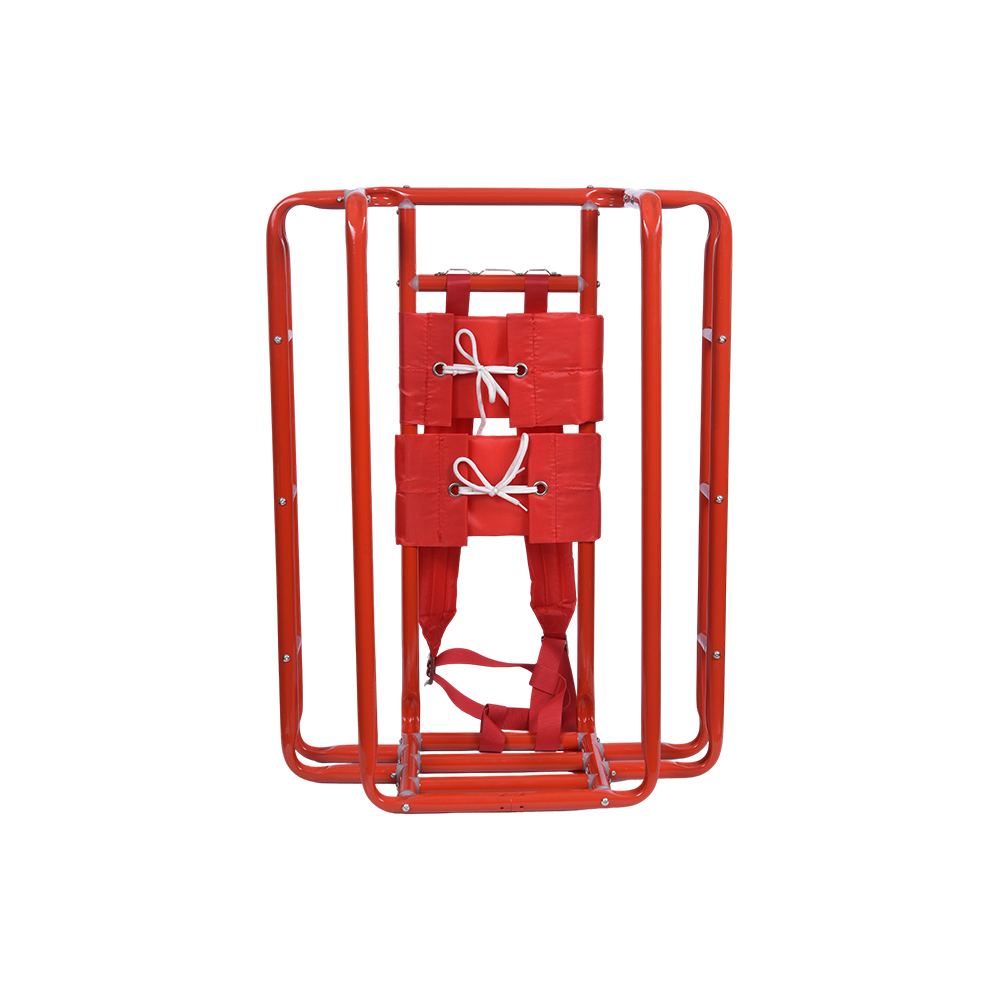
Red bent parts with red fabric straps are practical metal components designed to combine structural reliability, visual appeal, and user comfort. Their carefully formed metal geometry provides a dependable connection, support point, fastening function, or protective interface, while the integrated red fabric strap adds flexibility and convenience. This combination makes the product suitable for many applications in machinery, automotive equipment, furniture, outdoor products, household appliances, and general hardware assemblies.
Although the product has a simple and functional appearance, producing a consistent bent part with a secure fabric strap requires careful engineering and controlled manufacturing. The metal must be formed accurately without excessive deformation, cracking, or dimensional variation. The red coating must provide an even surface finish and suitable resistance to wear and corrosion. The fabric strap must be attached securely while remaining comfortable and easy to handle. When these elements are manufactured and assembled as one coordinated product, the result is a component that offers advantages over ordinary uncoated brackets, untreated bent pieces, and poorly integrated strap accessories.
Yuyao Hongli Optoelectronics Co., Ltd. manufactures metal stamping parts, deep-drawn parts, bending parts, kitchen appliance accessories, automotive stamping parts, and related hardware products. With more than 20 years of industry experience, the company combines stamping production, bending operations, product processing, assembly capabilities, and customization services. Its manufacturing resources allow customers to request specific sizes, shapes, finishes, and strap configurations for commercial, industrial, and personal applications.
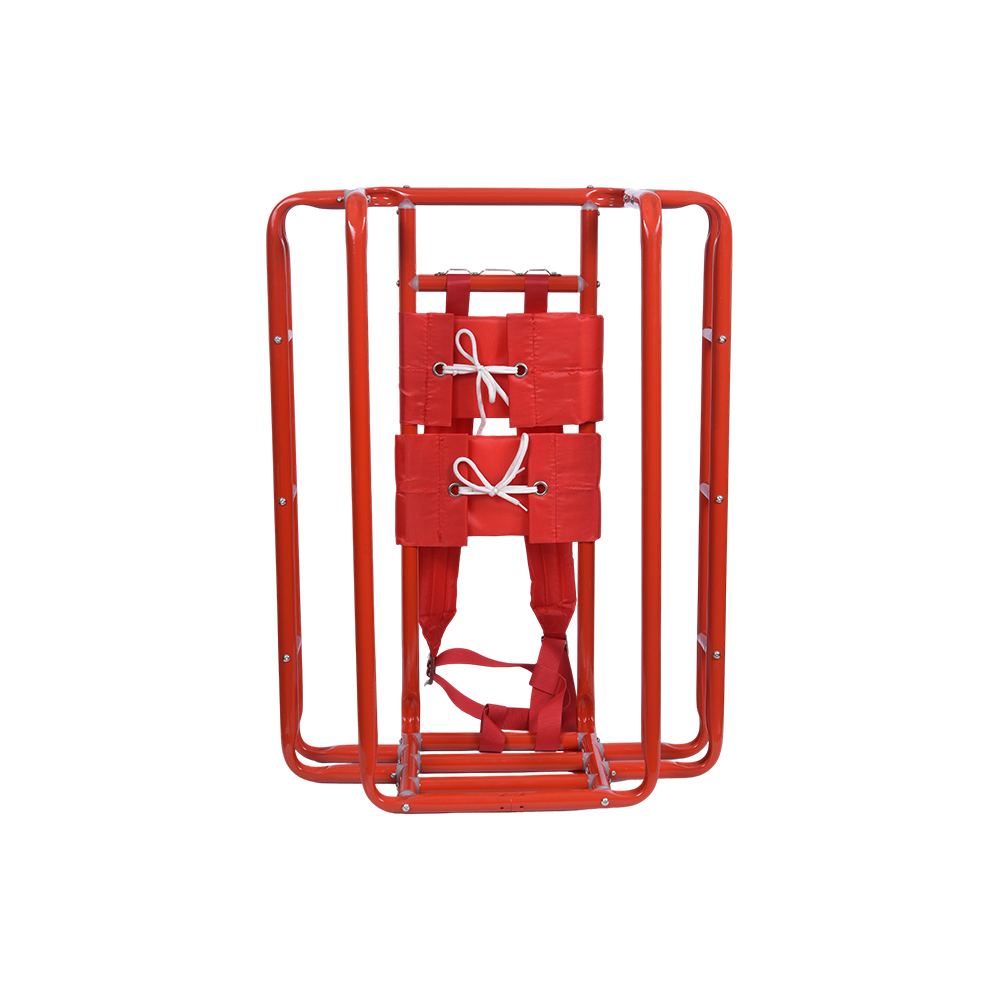
Red bent parts with red fabric strap
Product Overview
The red bent part is formed from metal into a purposeful angle or curved configuration. Depending on the application, the bend may function as a mounting point, support bracket, connecting element, guide, handle-related component, protective fitting, or structural accessory. Its geometry can be adapted to match the dimensions and operating requirements of the final product.
The red fabric strap is an important part of the overall design. Unlike a rigid metal extension, fabric can provide flexibility, cushioning, and a more comfortable contact surface. It may be used as a carrying aid, restraint, pull strap, positioning aid, retention loop, or user interface. The bright red color creates a coordinated appearance between the metal part and the strap, while also improving visual recognition in equipment, tools, furniture, or outdoor products.
The product is not limited to one specific industry because both the metal shape and the strap arrangement can be customized. A customer may require a compact bent part for a small household appliance, a stronger bracket for equipment, or a larger assembly for an automotive or outdoor application. The basic product concept remains the same, but the material, thickness, bend angle, dimensions, surface treatment, and strap length can be adjusted to suit the intended use.
Every finished component is expected to perform consistently in its working environment. The metal should maintain its shape under normal use, the coating should remain attractive and protective, and the strap should stay securely connected during repeated handling. These requirements make production control especially important. A visually appealing part is valuable, but its primary purpose is to provide dependable performance over an extended service life.
Main Product Advantages
Integrated Functionality
One of the main advantages of the red bent part with red fabric strap is the integration of two different functions in one coordinated component. The metal provides shape, support, and dimensional stability. The fabric provides flexibility and comfortable handling. Customers do not need to source an ordinary bent bracket and then separately identify a suitable strap, determine a fastening method, and manage an additional assembly process.
Integrated products can simplify purchasing, inventory management, and production scheduling. A finished component that arrives ready for installation can reduce the number of individual parts handled on an assembly line. It can also lower the risk of using mismatched colors, incompatible materials, or incorrect strap lengths. For companies producing appliances, furniture, machinery, or vehicle-related products, this type of assembly may support faster and more organized final production.
Durable Protective Coating
The red coating improves both the appearance and practical performance of the metal component. A suitable coating helps create a barrier between the metal substrate and the surrounding environment. This can reduce exposure to moisture, handling marks, and ordinary surface contamination. The coating also gives the part a consistent color that supports product identification and visual coordination.
Compared with an untreated or poorly finished metal part, a properly coated component can offer a cleaner appearance and improved resistance to normal service conditions. The coating may be especially useful in applications where the product is frequently touched, stored in variable environments, or exposed to light splashes and general humidity. The final coating specification should be selected according to the customer’s environment, usage frequency, appearance requirements, and applicable quality expectations.
Precise Bent Geometry
The shape of a bent part directly influences how easily it fits into a larger assembly. Inaccurate bend angles can create installation difficulties, uneven loading, unwanted movement, or visible misalignment. Controlled bending production helps maintain the intended geometry from one batch to the next.
Precision is valuable even when the product appears relatively simple. A small variation in bend position can change the distance between mounting points or alter the way a strap sits against a surface. Consistent forming allows customers to design around reliable dimensions and reduces the need for manual correction during final assembly. It also helps improve the interchangeability of replacement parts and supports stable product quality in larger production runs.
Comfortable Fabric Interface
The red fabric strap creates a softer contact point than a bare metal edge. This is beneficial when the component is handled by an operator, carried by a user, or used as part of a restraint or positioning system. Fabric can conform more comfortably to the hand or other contact area and may help reduce the unpleasant feel associated with sharp, rigid, or cold metal surfaces.
The strap also provides flexible movement. In applications where a rigid handle or fixed metal loop would be inconvenient, a fabric strap can fold, hang, or move with the user. It can be designed with an appropriate width and length to suit the intended load and handling method. The red color provides a clear and recognizable visual element that can help users locate the strap quickly.
Custom Sizes and Shapes
Standard components are useful for common applications, but many industrial and commercial products require special dimensions. The red bent part can be adapted for different widths, thicknesses, bend angles, hole patterns, edge profiles, and attachment arrangements. The strap can also be adjusted in length, width, material selection, and connection method when required by the application.
Customization is particularly important when the part must fit an existing product. A customer may need the component to align with an established mounting hole, fit within a limited installation space, match a particular housing, or remain compatible with a previously designed assembly. A manufacturer with stamping and bending experience can review these requirements and convert them into a practical production solution.
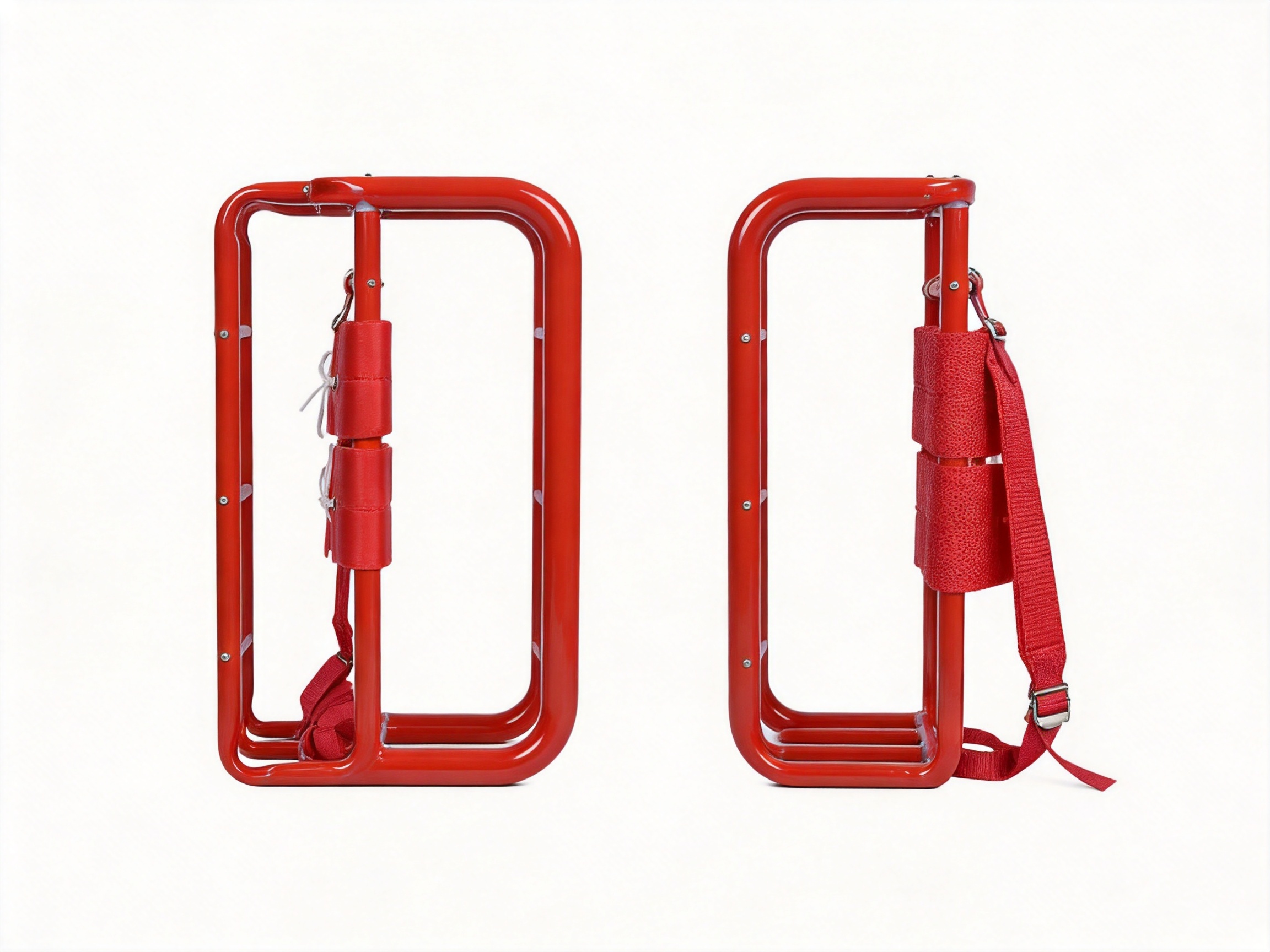
Applications Across Multiple Industries
Machinery and Equipment
Machinery often includes access panels, protective covers, adjustment mechanisms, carrying points, and retention features. A bent metal component can provide a stable mounting or connection point, while the fabric strap can serve as a pull aid, access loop, or flexible restraint. The red finish may also make the component easier to identify during maintenance or operation.
For equipment manufacturers, a component should be strong enough for its intended function without creating unnecessary weight or assembly complexity. The thickness and bend configuration can be selected according to the expected loads and available installation space. Where the part is used repeatedly, attention should be given to edge treatment, coating durability, and the method used to attach the strap.
Automotive and Vehicle-Related Products
Automotive stamping parts and bending parts must normally meet demanding requirements for dimensional consistency, repeatability, and resistance to vibration. A customized bent part with a fabric strap may be used in a non-critical interior, storage, trim, support, retention, or accessory application, provided that the design and material specification are appropriate for the vehicle environment.
The component can be adapted to fit limited spaces and irregular mounting surfaces. The strap may support convenient access to a compartment, help retain an item, or improve the user experience of an interior feature. For vehicle-related applications, the customer should define the expected temperature range, vibration conditions, load requirements, and applicable regulations before finalizing the design.
Furniture and Home Products
Furniture manufacturers often need small metal components that are visually consistent, easy to install, and comfortable to use. A red bent part with a red fabric strap can be incorporated into storage furniture, folding products, seating, cabinets, cases, and decorative functional items. The coordinated color combination can become a visible design feature rather than merely a hidden hardware element.
The fabric strap may be used as a pull handle or folding aid where a rigid handle would look too heavy or occupy too much space. The bent metal base can provide a stable attachment while the strap remains soft and flexible. With suitable edge finishing, the assembly can combine the strength of metal with the touch comfort expected in a consumer product.
Kitchen Appliances and Household Equipment
Kitchen appliance accessories often require compact, corrosion-resistant, and easy-to-clean components. Bent metal parts may be used in support structures, covers, handles, brackets, or accessory assemblies. A red coating can add a distinctive appearance and help coordinate the component with the visual identity of an appliance or product series.
When the component is intended for a household environment, the design should consider contact with moisture, cleaning procedures, temperature changes, and repeated handling. The manufacturer and customer can evaluate whether a particular coating and strap material are suitable for the intended location. The final selection should be based on actual use conditions rather than color or appearance alone.
Outdoor Equipment
Outdoor products may be exposed to humidity, dust, sunlight, temperature variation, and frequent transportation. A protected bent metal component can offer a practical connection point, while a fabric strap can make carrying, securing, or adjusting the product easier. The bright red finish may increase visibility and contribute to a recognizable product appearance.
For outdoor applications, the strap material and attachment method should be selected carefully. The product should be designed with suitable resistance to abrasion and environmental exposure. If the product will carry significant loads or remain outdoors for long periods, the customer should provide detailed service conditions so the manufacturer can recommend an appropriate construction.
Manufacturing Process and Technical Strengths
Design Review and Requirement Confirmation
Manufacturing begins with a clear understanding of the product’s purpose. Before tooling or production is started, important information includes the required dimensions, metal type, material thickness, bend angle, hole locations, surface finish, strap specifications, expected load, installation method, and production quantity.
A design review can identify potential problems before they become production issues. For example, a bend located too close to a hole may weaken the area or cause distortion. A strap opening that is too narrow may make assembly difficult. A coating requirement that is not matched to the base material may affect appearance or durability. Reviewing these details in advance supports a more efficient transition from concept to finished product.
Yuyao Hongli Optoelectronics supports OEM and ODM customization, rapid prototyping, and production conversion. These capabilities are valuable for customers who have a drawing, sample, or product concept but need assistance converting it into a manufacturable metal component.
Material Preparation
The selected metal must be suitable for the required forming and service conditions. Factors may include strength, ductility, thickness, surface quality, corrosion resistance, weight, and compatibility with the selected coating. Material preparation should also include checks for surface defects that could become more visible after bending or finishing.
For a component with a fabric strap, the metal specification should be considered together with the strap and attachment design. The metal must provide adequate support at the connection area, while the strap must be compatible with the expected handling and environmental conditions. Coordinating these elements helps prevent a mismatch in performance between the rigid and flexible parts.
Stamping and Blanking
Stamping equipment can be used to cut metal blanks, create holes, form profiles, and produce repeatable shapes. Blanking accuracy is important because the blank defines the material available for the final bend. Poorly controlled blank dimensions can lead to inconsistent edges, incorrect hole positions, or difficulty achieving the required final geometry.
Modern stamping production supports efficient manufacturing for both repeated standard orders and customized parts. When the tooling is properly designed and maintained, the process can provide stable output, consistent dimensions, and efficient material utilization. Production planning can be adjusted according to order volume, product complexity, and required delivery schedule.
Controlled Bending
Bending transforms the flat blank into the required three-dimensional shape. The process must account for material springback, bend radius, grain direction, tooling clearance, and the relationship between the bend and nearby holes or edges. If these factors are not controlled, the finished part may not fit the customer’s assembly correctly.
Experienced operators and suitable tooling help maintain a consistent bend angle and position. Process checks can include visual inspection, dimensional measurement, fixture verification, and sample fitting. When a product has several bends, the sequence may be planned to minimize interference and reduce distortion.
Controlled bending also helps protect the appearance of the red surface finish. Depending on the process route, coating may be applied before or after forming. The most appropriate sequence depends on the material, coating technology, required appearance, and risk of surface damage. Production engineering should determine the method that best balances visual quality and functional performance.
Deburring and Edge Treatment
After stamping and bending, edges may require deburring or other finishing operations. Removing unwanted burrs helps improve handling safety, protect the fabric strap from abrasion, and support a cleaner appearance. Edge treatment is especially important when the strap passes through or rests against the metal component.
A well-prepared edge can reduce the likelihood of fabric fraying during repeated movement. It can also make installation more comfortable for workers and users. The specific edge profile should be selected according to the strap route, contact pressure, movement frequency, and overall product design.
Surface Preparation and Red Coating
Surface preparation is essential for achieving a consistent red finish. The metal surface may need cleaning, degreasing, and other preparation steps to remove production residues and support coating adhesion. The selected coating process should be compatible with the base material and the expected working environment.
Color consistency matters when the metal part and fabric strap are intended to appear as one coordinated product. Production controls can help maintain a stable shade across batches. Inspection may consider color uniformity, coverage, adhesion, visible defects, and general surface appearance. The final requirements should be agreed upon with the customer, especially for products that must match a larger brand or product color system.
Fabric Strap Preparation and Assembly
The red fabric strap can be cut to the specified length and prepared with the required end treatment. Depending on the design, the strap may be looped, folded, stitched, riveted, inserted, or secured through another suitable method. The attachment process should provide reliable retention without creating excessive bulk or uncomfortable edges.
Assembly quality depends on correct strap positioning and tension. A strap that is installed too loosely may interfere with the product, while one that is too tight may restrict movement or create unnecessary stress. Consistent assembly helps ensure that each finished part performs similarly and maintains a professional appearance.
Where the strap is intended to carry a load, the customer should define the expected working force and safety margin. The complete assembly, rather than the strap alone, must be evaluated. The metal connection, attachment hardware, fabric construction, and surrounding product structure all contribute to performance.
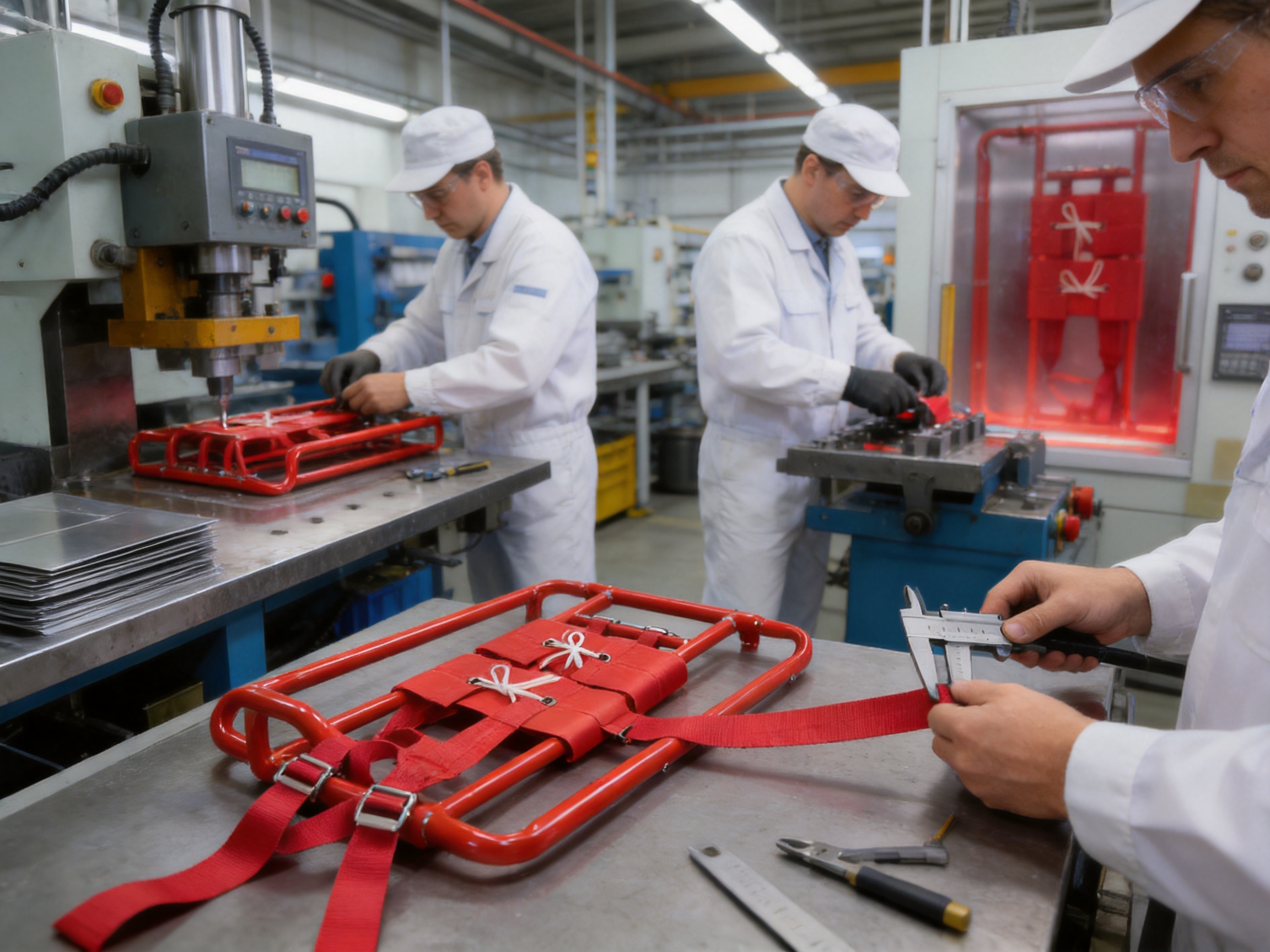
Quality Control and Production Reliability
Quality control for red bent parts with red fabric straps should cover the complete manufacturing chain. Checking only the final appearance is not enough. Reliable quality begins with material control and continues through stamping, bending, finishing, assembly, packaging, and delivery.
Dimensional inspection can confirm the length, width, thickness, bend angle, hole position, and other important characteristics. Visual inspection can identify scratches, coating irregularities, burrs, cracks, contamination, or assembly defects. Functional checks may confirm that the strap moves correctly, remains secure, and fits the intended mounting or installation position.
For repeat orders, production records and standardized procedures can help maintain consistency. Clear inspection standards also make communication easier between the supplier and customer. If a customer has special requirements, such as a defined tolerance, color reference, packaging method, or inspection report, these details should be included in the technical specification before production.
Yuyao Hongli Optoelectronics operates a modern factory of approximately 5,000 square meters and has more than 60 employees. Its production experience covers metal stamping, deep drawing, bending, hardware processing, plastic-related products, appliance accessories, and automotive components. This broad manufacturing background supports practical problem solving when a product requires more than one process.
Comparison with Conventional Alternatives
| Evaluation Factor | Red Bent Part with Red Fabric Strap | Plain Untreated Bent Part | Separate Metal Bracket and Strap |
|---|---|---|---|
| Functional integration | Designed as a coordinated assembly | Provides only the rigid metal function | Requires separate sourcing and assembly |
| Appearance | Matching red metal finish and red strap | Usually plain or dependent on raw material appearance | Color and style may not match |
| Handling comfort | Flexible fabric contact area | May feel rigid or uncomfortable | Depends on the separately selected strap |
| Customization | Metal shape, dimensions, finish, and strap can be specified | Often limited to standard shapes | Requires coordination between multiple suppliers |
| Installation efficiency | Can arrive ready for integration | May require an additional handle or retention part | Requires extra assembly steps |
| Visual identification | Bright red color can improve recognition | May be less visible | Visibility depends on component selection |
| Supply coordination | One manufacturing partner can manage the component | Metal supplier only | Multiple purchasing and quality interfaces may be needed |
The comparison shows why the combined product can be attractive to manufacturers seeking both function and appearance. A plain bent part may be adequate for a hidden support, but it does not provide the flexible user interface of a fabric strap. Sourcing a bracket and strap separately may offer design freedom, but it can increase coordination work and create variation in color, dimensions, and assembly quality.
The product is not automatically the best choice for every application. A customer should still evaluate load, temperature, chemical exposure, cleaning conditions, UV exposure, and regulatory requirements. However, for applications that benefit from a durable metal base and a comfortable flexible interface, the integrated design provides a strong balance of performance and convenience.
Customization Options
Dimensional Customization
Dimensions can be adapted to match the customer’s installation space and product architecture. Relevant variables may include overall length, width, metal thickness, bend radius, bend angle, hole size, hole spacing, and clearance from nearby components. Accurate drawings or physical samples help the manufacturer understand the required relationship between these features.
Shape and Tooling Customization
The bent profile can be developed for a particular mounting surface or functional requirement. It may include one or more bends, formed tabs, holes, slots, notches, or additional stamped details. Tooling decisions depend on production quantity, geometry, tolerance, material, and expected product life.
Color and Surface Customization
Red is the featured color of this product, but the final color specification should be controlled through an agreed reference. Customers may require a particular shade, gloss level, texture, or coating performance. Surface requirements may also include improved scratch resistance, enhanced corrosion protection, or suitability for a specific indoor or outdoor environment.
Strap Customization
The fabric strap can be customized in length, width, weave, thickness, flexibility, and attachment configuration. The selection should reflect how the user will handle the product and whether the strap is decorative, supportive, protective, or load-bearing. Stitching patterns, folded ends, reinforced areas, and attachment hardware may also be considered during development.
Packaging Customization
Packaging can be planned to prevent coating damage, strap entanglement, contamination, and deformation during transportation. Customers with automated assembly lines may require specific quantities per bag, box, tray, or pallet. Clear labeling and organized packing can support efficient warehouse management and reduce the time needed for production preparation.
Why Manufacturing Experience Matters
Metal components often look simple after they are finished, but reliable production depends on many small decisions. Tool clearance, bend allowance, material selection, coating sequence, edge treatment, and strap attachment can all influence the final result. A manufacturer with experience across stamping and bending applications is better positioned to identify these relationships.
Yuyao Hongli Optoelectronics was founded in 2000 and has developed from its former educational instruments business into a comprehensive manufacturer of metal stamping parts and related products. Its experience includes educational instruments, optical instruments, household electric heaters, small household appliances, auto parts, hardware products, plastic products, deep-drawn parts, stamped parts, bending parts, kitchen appliance accessories, and automotive stamping parts.
This range of products demonstrates the ability to work with different sizes, shapes, materials, and application requirements. It also supports a flexible approach to customer projects. A component may begin as a drawing, sample, or concept and then move through prototype review, tooling development, trial production, inspection, and volume manufacturing.
The company’s stated business philosophy emphasizes integrity, excellence, innovation, and sharing. These principles are relevant to customized manufacturing because successful cooperation depends on transparent communication, realistic production advice, stable quality, and dependable delivery. A supplier should not merely reproduce a drawing; it should also help identify practical improvements where appropriate.
OEM, ODM, and Rapid Prototyping Support
OEM customers may already have a finished design and require a supplier to manufacture the component according to specified drawings and quality standards. In this situation, production accuracy, process stability, packaging, and delivery performance are especially important.
ODM customers may need support during the product development stage. They may provide a general function, reference sample, or initial idea rather than a complete technical drawing. Manufacturing experience can help convert that requirement into a manufacturable bent part and strap assembly.
Rapid prototyping allows a customer to review physical samples before committing to a larger order. Prototypes can reveal installation problems, visual differences, uncomfortable edges, insufficient strap length, or interference with adjacent components. Early testing is often more efficient than making corrections after mass production has begun.
Prototype quantities and production quantities may use different tooling strategies, but the transition should be planned carefully. The final production method must reproduce the approved sample while maintaining cost efficiency and consistent quality. Communication between design, engineering, purchasing, and production teams helps make this transition smoother.
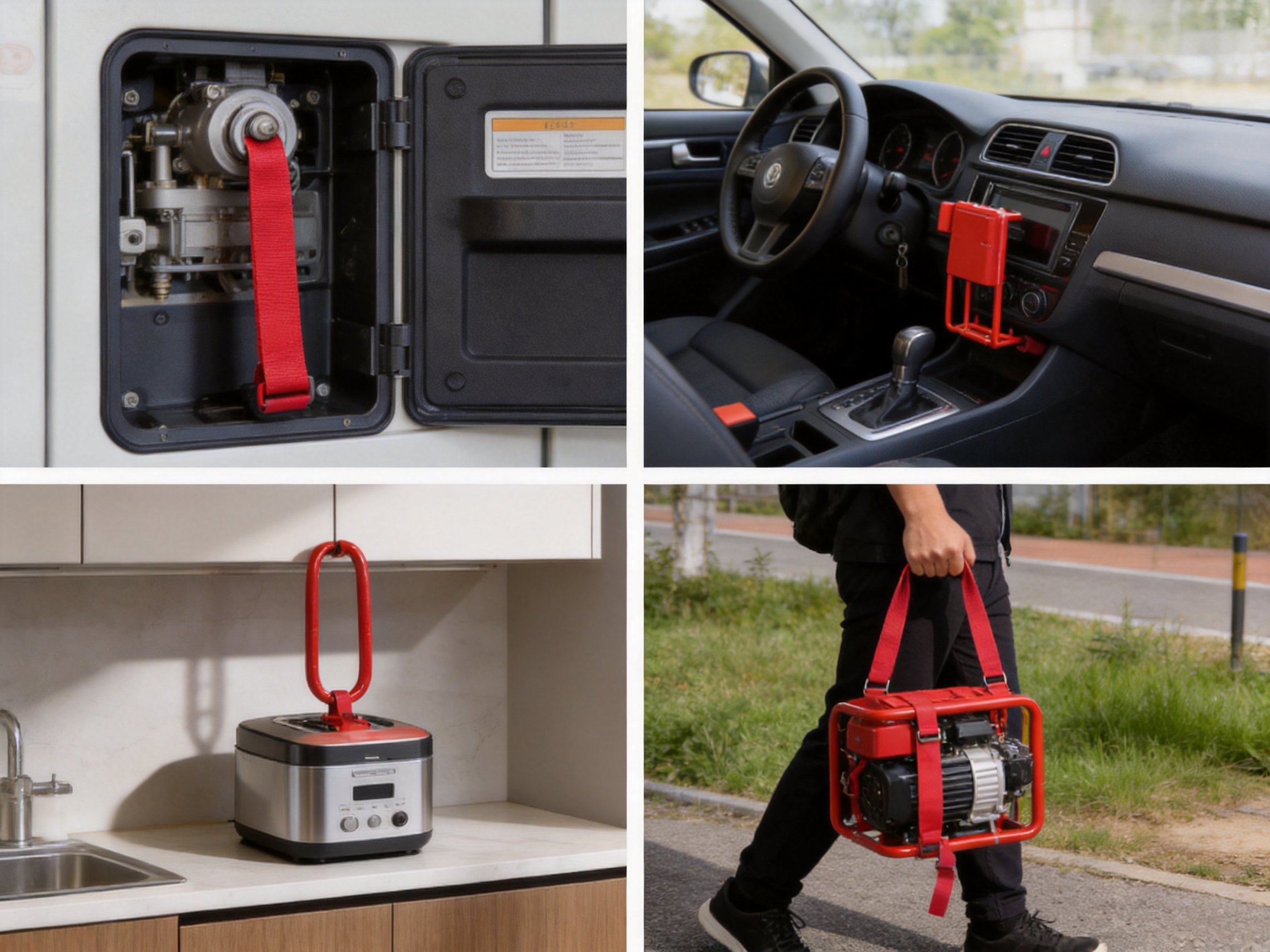
Installation and Maintenance Considerations
The product is designed to be easy to install when its dimensions and attachment method are matched correctly to the customer’s assembly. Installation may involve screws, rivets, clips, pins, adhesive-supported hardware, or another suitable fastening method. The correct method depends on the surrounding product structure and the loads applied during use.
Before installation, the customer should check the part for visible damage, coating defects, burrs, incorrect dimensions, or strap misalignment. The mounting surface should be clean and free from interference. Fasteners should be tightened according to the requirements of the final assembly, while care should be taken not to compress or damage the fabric strap.
Routine maintenance is generally limited when the component is used under normal conditions. Periodic inspection may be appropriate for products exposed to frequent movement, outdoor conditions, vibration, or repeated loading. Users should check for loose attachment points, excessive strap wear, fraying, coating damage, corrosion, or deformation.
Cleaning should be performed using methods compatible with the coating and fabric. Harsh chemicals, abrasive tools, or high-pressure cleaning may damage the surface if they are not approved for the specific specification. Customers should request material and finish guidance when the component will be exposed to unusual cleaning agents, solvents, high temperatures, or aggressive environments.
Performance and Application Guidance
Product performance depends on the complete system in which the part is installed. The metal component may be strong, but the surrounding housing or fastening point may be weaker. Likewise, the strap may be flexible and durable, but its performance can be reduced by sharp edges, excessive heat, ultraviolet exposure, or repeated abrasion.
Customers should define whether the strap is intended only for handling or whether it will support a significant load. A decorative pull loop and a load-bearing restraint require different materials, attachment methods, and testing criteria. Clear application information enables the manufacturer to recommend an appropriate design rather than relying on assumptions.
Environmental conditions should also be considered. Indoor equipment may need only general surface protection, while outdoor products may require greater resistance to moisture, sunlight, and temperature variation. Automotive applications may involve vibration and temperature cycling. Kitchen-related applications may involve cleaning, humidity, and repeated contact. These conditions should be reviewed during the quotation and design stages.
Purchasing and Project Development Process
A successful purchasing process usually begins with a product inquiry containing a drawing, sample, photograph, or written description. The customer should include the desired quantity, material preference, dimensions, finish, strap information, application, and delivery expectations. Even preliminary information can help the manufacturer determine whether additional technical details are required.
After reviewing the requirements, the manufacturer may recommend adjustments to the bend geometry, hole layout, material thickness, edge treatment, coating, or assembly method. These recommendations can improve manufacturability, reduce unnecessary cost, or enhance product reliability. The customer and supplier can then confirm the final specification before tooling or production begins.
A prototype or pre-production sample may be supplied for approval. The customer can evaluate fit, color, handling comfort, and integration with the finished product. Once the sample is approved, production can proceed according to the confirmed standards. For repeat orders, an established specification and inspection process can help maintain continuity.
Delivery planning is also important. Customers should communicate forecast quantities and required delivery dates as early as possible. The manufacturer’s production capacity, tooling schedule, material availability, inspection requirements, and packaging method may all influence lead time. Early coordination supports more stable supply and reduces unexpected delays.
Business and Supply Advantages
Working with a manufacturer that offers stamping, bending, deep drawing, and related processing can reduce the number of external suppliers involved in a project. This may simplify communication, quality management, technical clarification, and order administration. It can also make it easier to develop related components for the same product family.
A comprehensive supplier can support both small development projects and larger recurring orders. Customers may begin with a prototype, move to a trial batch, and later place regular production orders. Having one experienced manufacturing partner throughout these stages can preserve design knowledge and reduce the need to repeat technical evaluations.
Yuyao Hongli Optoelectronics provides manufacturing, processing, wholesale, retail, import, and export services. Its location in Yuyao, Zhejiang Province, places the company within a major Chinese manufacturing region with access to industrial supply chains, processing resources, logistics services, and engineering support. The company serves customers seeking customized metal products and long-term cooperation.
Frequently Asked Questions
What are red bent parts with red fabric straps used for?
They can be used as brackets, support elements, pull loops, carrying aids, retention components, flexible handles, or decorative functional accessories. Suitable applications may include machinery, automotive-related products, furniture, household appliances, kitchen accessories, outdoor equipment, and general hardware assemblies.
Can the metal shape be customized?
Yes. Customers can request customized dimensions, bend angles, bend positions, hole patterns, thicknesses, edge profiles, and other forming details. A technical drawing or sample is recommended so the manufacturer can evaluate the required geometry and production method.
Can the strap length and width be changed?
Yes. The strap can be specified according to the required handling method, installation space, appearance, and expected use. Length, width, thickness, flexibility, end treatment, and attachment method may be reviewed during product development.
Is the red coating suitable for outdoor use?
The suitability of the coating depends on the specific coating system and outdoor conditions. Humidity, sunlight, temperature variation, abrasion, and chemical exposure should be discussed before production. The customer should provide the expected environment so an appropriate surface specification can be evaluated.
Can the product be used in automotive applications?
It may be suitable for selected automotive accessories, interior components, retention features, or non-critical support applications when the design meets the required dimensional, environmental, and load conditions. Automotive projects should be reviewed with complete application information, including vibration, temperature, and regulatory requirements.
How does the product compare with a plain metal bracket?
The product combines a rigid bent metal element with a flexible fabric interface. This can improve handling comfort, visual appeal, and functional integration compared with a plain untreated bracket. It may also reduce the need to source and assemble a separate strap.
How can the product quality be checked?
Quality checks may include dimensional inspection, bend-angle verification, hole-position measurement, visual coating inspection, edge inspection, strap attachment inspection, and fit testing. The exact inspection plan should be based on the product drawing and intended application.
Does the company support prototypes?
Yuyao Hongli Optoelectronics supports rapid prototyping and production conversion. Customers can provide a drawing, sample, or concept for review. Prototype development can help confirm fit, appearance, strap handling, and manufacturing feasibility before volume production.
What information should be included in an inquiry?
An inquiry should include drawings or photographs, material requirements, dimensions, quantity, red color or finish expectations, strap specifications, installation method, application environment, load requirements, packaging needs, and target delivery schedule. More complete information allows for a more accurate technical and commercial evaluation.
How should the finished product be maintained?
The product should be kept clean and inspected periodically when used frequently or in demanding environments. Users should look for loose fasteners, fabric fraying, coating damage, corrosion, or deformation. Cleaning agents and tools should be compatible with both the coating and the fabric strap.
Conclusion
Red bent parts with red fabric straps provide a practical combination of metal strength, controlled geometry, protective color finish, and flexible user comfort. Their integrated design can simplify assembly, improve product appearance, and provide a more convenient interface than a plain metal bracket or separately sourced strap. The red color also offers visual recognition and can contribute to a coordinated product design.
The most important value of the product is its adaptability. The metal shape, dimensions, coating, strap length, strap width, and attachment method can be developed for different applications. Whether used in machinery, automotive accessories, furniture, household equipment, kitchen appliances, outdoor products, or general hardware, the component can be adjusted to meet practical requirements.
Reliable performance depends on more than the final appearance. Material preparation, stamping accuracy, controlled bending, edge treatment, surface finishing, strap assembly, inspection, and packaging all contribute to the result. Yuyao Hongli Optoelectronics brings more than two decades of manufacturing experience, a modern factory, multiple stamping workshops, a workforce of more than 60 employees, and capabilities covering OEM, ODM, prototyping, processing, and export services.
For customers seeking a customized bent metal accessory with a comfortable fabric interface, this product offers a balanced solution. By defining the application clearly and cooperating with an experienced manufacturer, buyers can obtain a component that is attractive, functional, repeatable, and suitable for long-term integration into commercial or industrial products.
References
1. General Principles of Sheet Metal Forming and Bending, industrial manufacturing reference material.
2. Fundamentals of Metal Stamping, blanking, forming, tooling, and dimensional control reference material.
3. Surface Finishing and Protective Coatings for Fabricated Metal Components, technical production reference material.
4. Quality Control Practices for Customized Metal Parts and Assemblies, manufacturing inspection reference material.
5. Product and company information supplied for red bent parts with red fabric strap, Yuyao Hongli Optoelectronics Co., Ltd.
6. General Guidelines for Textile Strap Selection, Attachment, Abrasion Resistance, and Handling Comfort, industrial accessory reference material.
Product: Red bent parts with red fabric strap
Previous Post
Bent Parts with Black Fabric Strap: Durable, Customizable Solutions for Industrial and Everyday Applications
Next Post
Stamped Miniature Parts: Precision, Durability, and Custom Manufacturing for Demanding Applications
News
-
-
What Is Deep Drawing Process and What Are Deep-Drawn Parts The deep drawing process is a sheet metal forming operation in which a flat meta...
READ MORE -
When you need a metal component whose depth clearly exceeds its width, such as a one-piece battery enclosure, an air-fryer inner container,...
READ MORE -
If you have ever asked yourself, “How do I find a reputable metal fabricator?” you are not alone. As a manufacturer with more than 20 years...
READ MORE
Get Fresh Updates Via Email
We promise we will never disclose your email address, and you can opt out at any time.
-
Quick Links
Home About Us Products Service News Contact Us -
Product list
Deep-drawn parts Stamped parts Bending parts Kitchen appliance accessories Automotive stamping parts -
About Us
Factory Honour FAQ -
News
Company News Industry News -
Contact Us
Address: South side of Shunke Road, Yangming Science and Technology Industrial Park, Yuyao City, Zhejiang Province, China Tel: +86-13905842349/+86-13738485724 Email: hongli@hl-stamping.com
Copyright © Yuyao Hongli Optoelectronics Co., Ltd. All Rights Reserved.
Custom Precision-Sheet/Sheet Metal Stamping Manufacturers
