


 English
 русский
 Español
 عربى
عربى

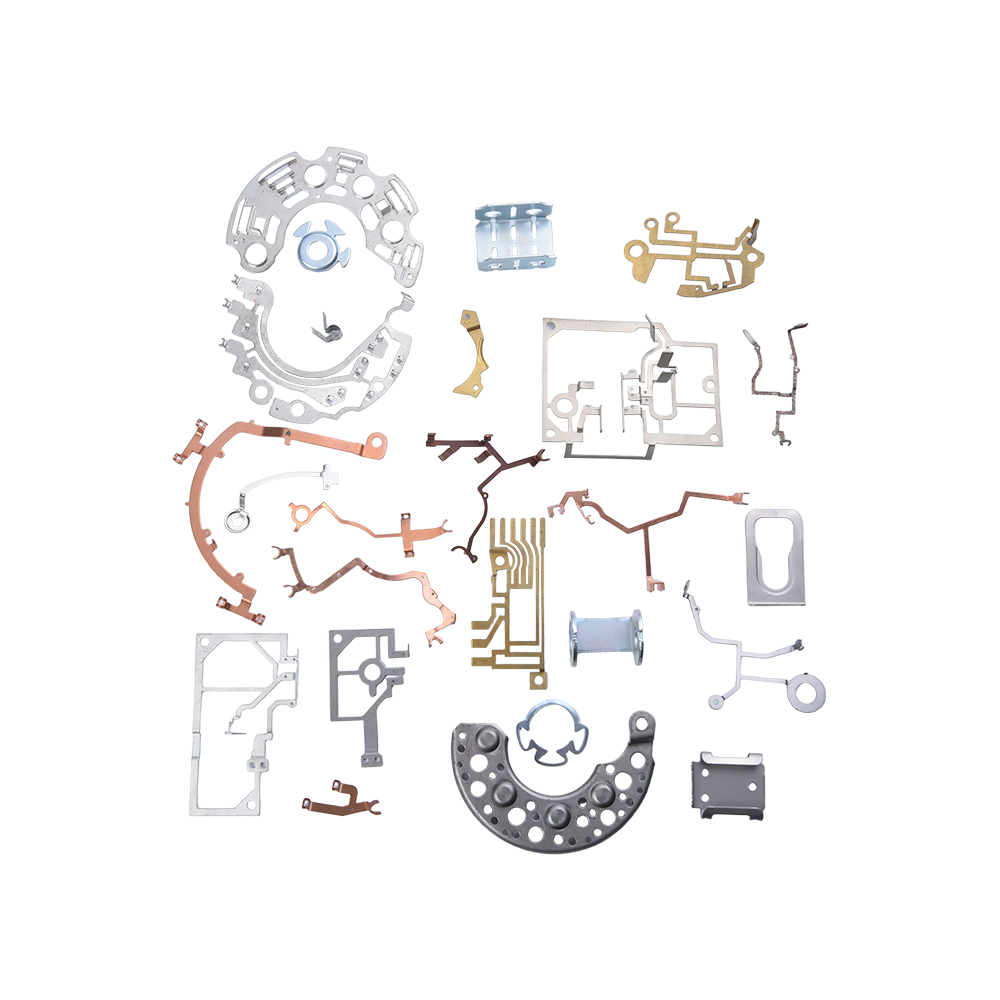
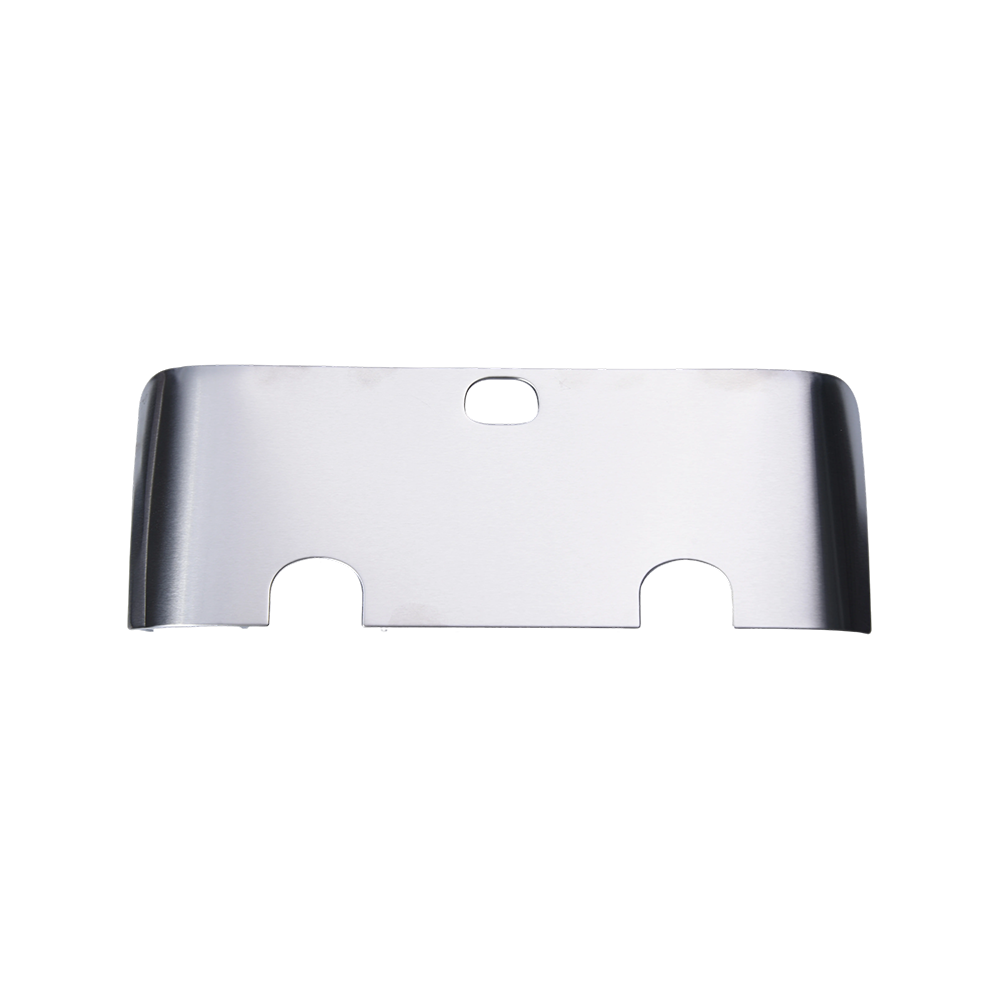
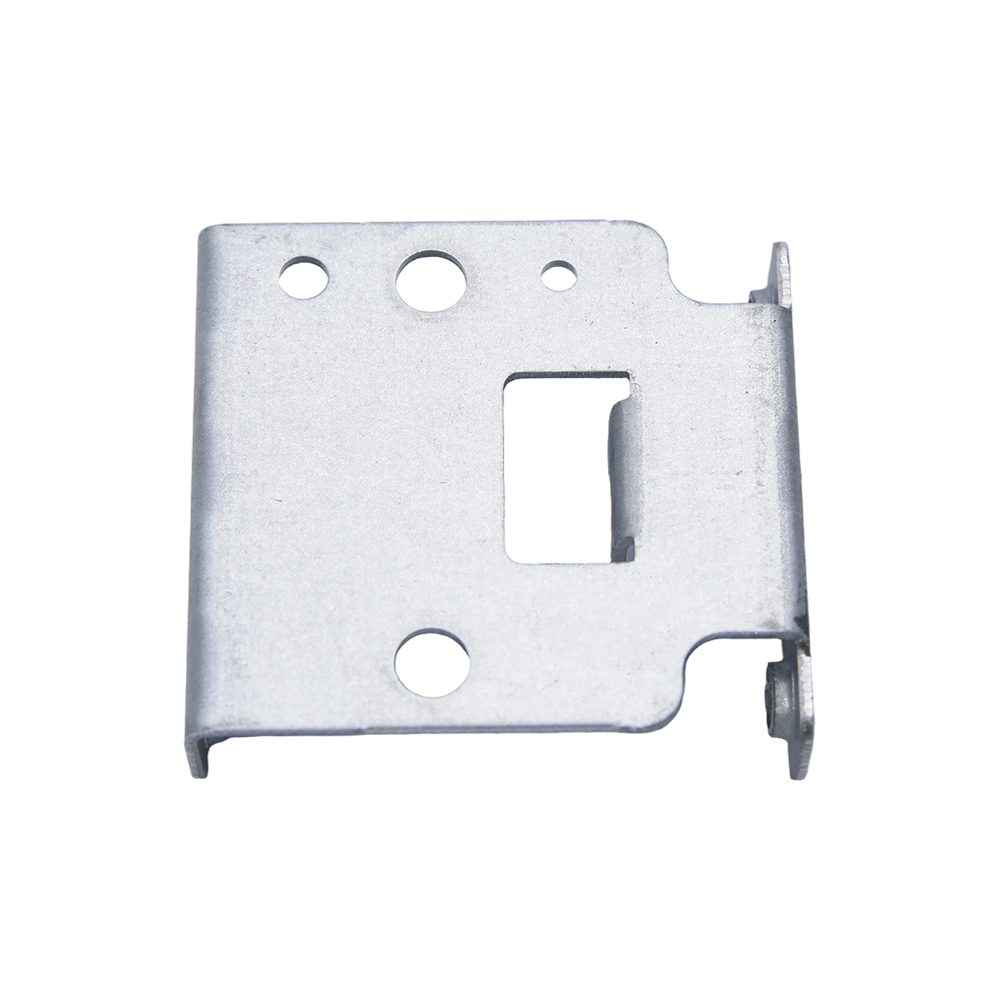
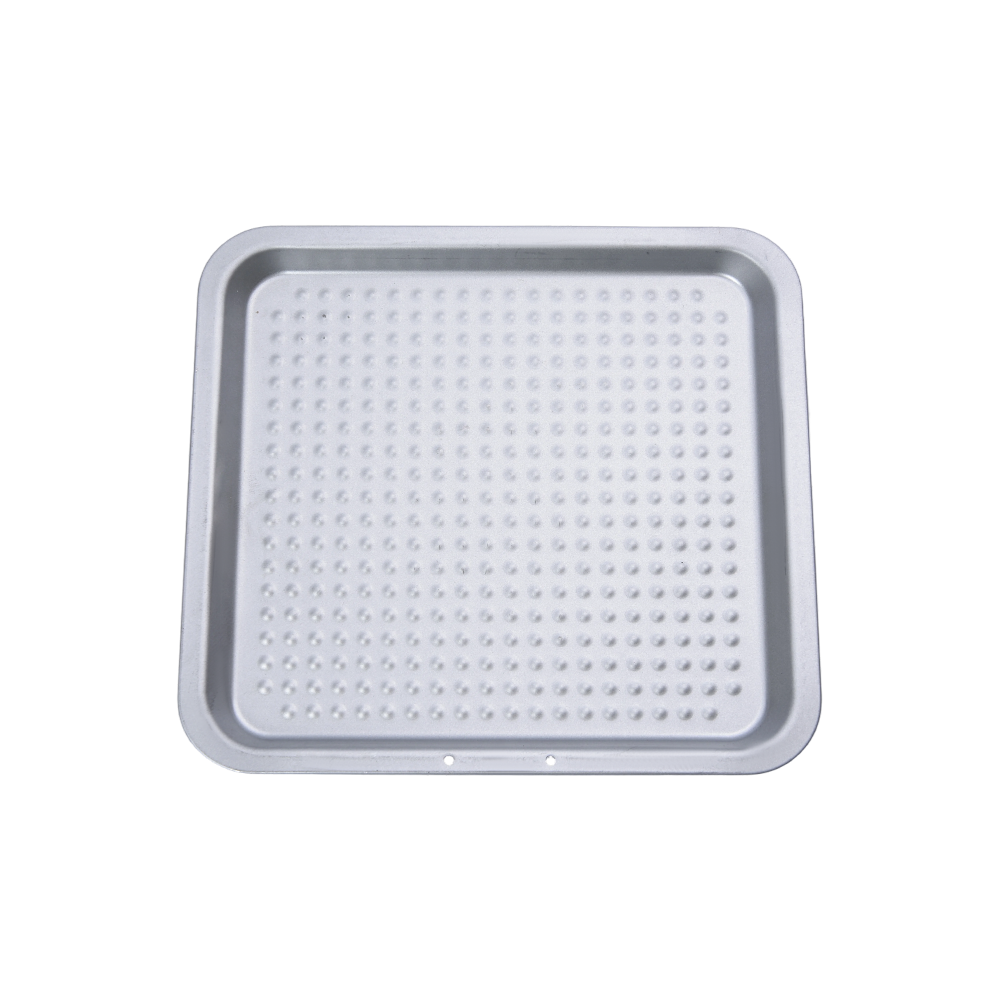
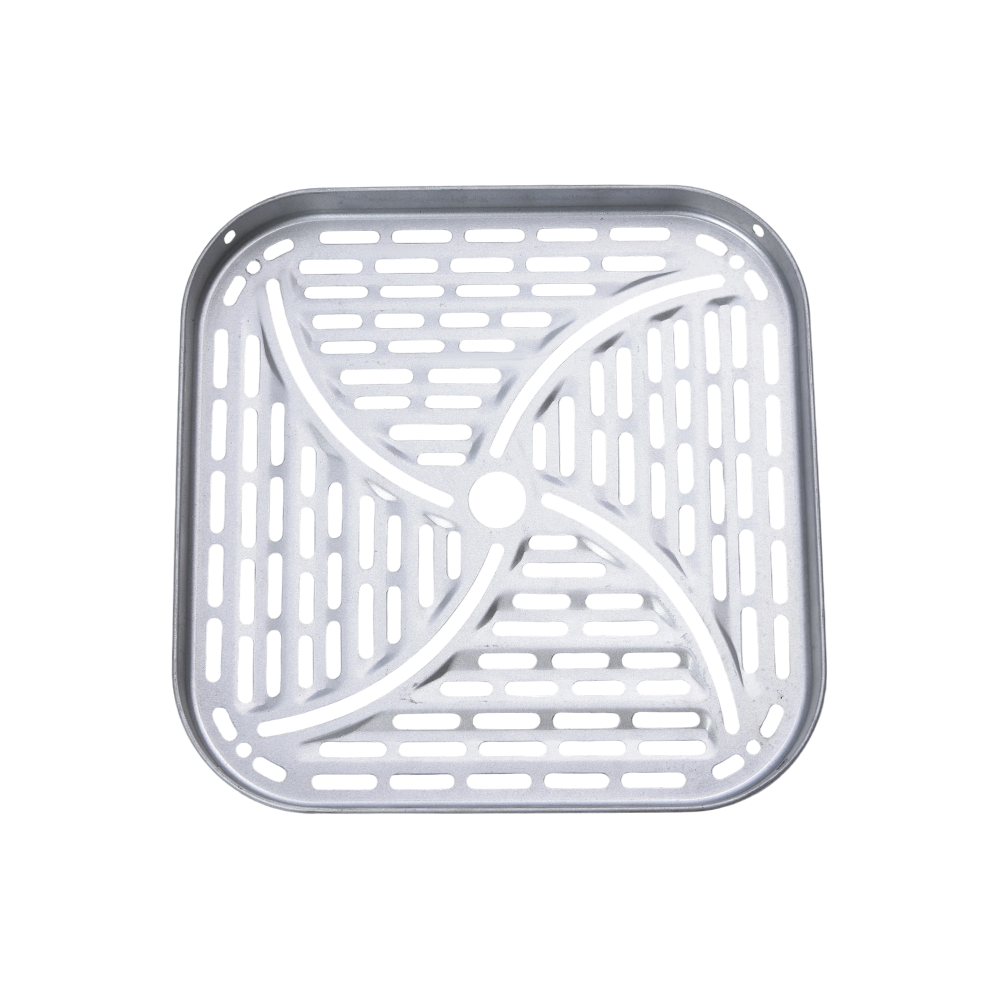

What Are Stamped Parts? Stamped parts are metal components produced by pressing flat sheet metal between a die and a punch to cut, bend, or...
READ MORE

News
Home / Author / Liu Yanan — Product After-Sales Service Specialist / Stamped Miniature Parts: Precision, Durability, and Custom Manufacturing for Demanding Applications
Stamped Miniature Parts: Precision, Durability, and Custom Manufacturing for Demanding Applications
2026-08-04
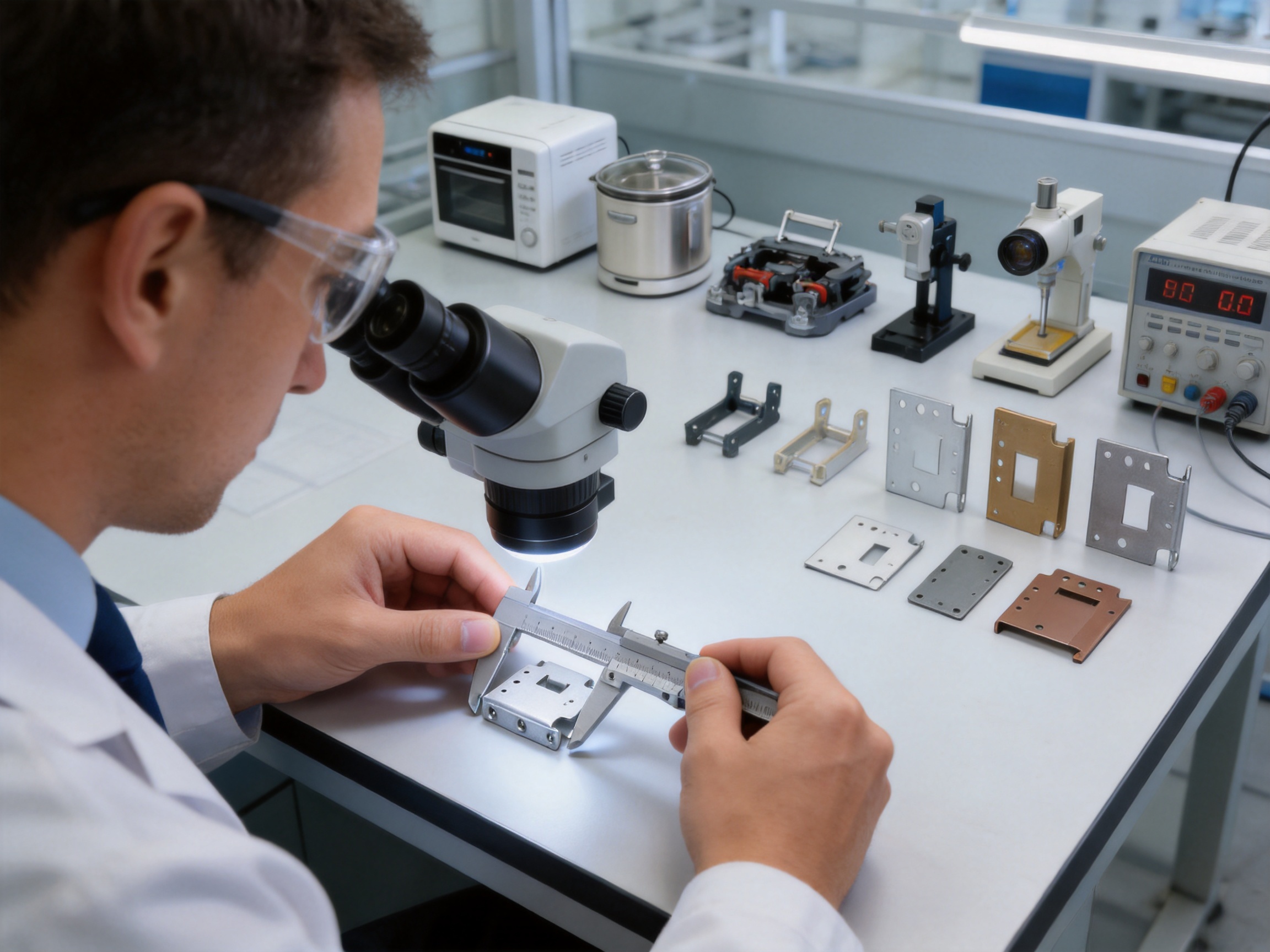
Introduction to Stamped Miniature Parts
Stamped miniature parts are small metal components produced through controlled pressing, forming, and cutting operations. Although these parts may occupy only a limited amount of space, they often perform essential mechanical, electrical, structural, or protective functions. They may serve as terminals, clips, brackets, retainers, contacts, shields, spacers, covers, reinforcement pieces, or precision connectors. In many products, the reliability of the entire assembly depends on the dimensional accuracy, material quality, and consistency of these small stamped components.
As equipment becomes more compact, manufacturers increasingly require components that combine minimal size with dependable performance. Household appliances, automotive systems, educational instruments, optical devices, electrical equipment, hardware assemblies, and other industrial products all depend on small parts that can fit into space-constrained designs without sacrificing strength or service life. Stamped miniature parts provide an efficient solution because they can be manufactured with repeatable dimensions, carefully controlled shapes, and customized surface finishes.
Yuyao Hongli Optoelectronics Co., Ltd. has developed extensive experience in the manufacture of metal stamping products and related components. Founded in 2000 and located in Yuyao, Zhejiang Province, China, the company operates a modern factory of approximately 5,000 square meters with multiple stamping workshops and more than 60 employees. Its manufacturing capabilities cover stamped parts, deep-drawn parts, bending parts, kitchen appliance accessories, automotive stamping parts, hardware products, and other customized components.
The company’s stamped miniature parts are made from selected materials designed to provide corrosion resistance, mechanical strength, wear resistance, and reliable performance in demanding environments. Advanced stamping technology supports typical dimensional precision of approximately ±0.1 mm, subject to the specific material, geometry, tooling, and production requirements of each project. The size, thickness, shape, and surface treatment can be adapted to meet individual application needs.
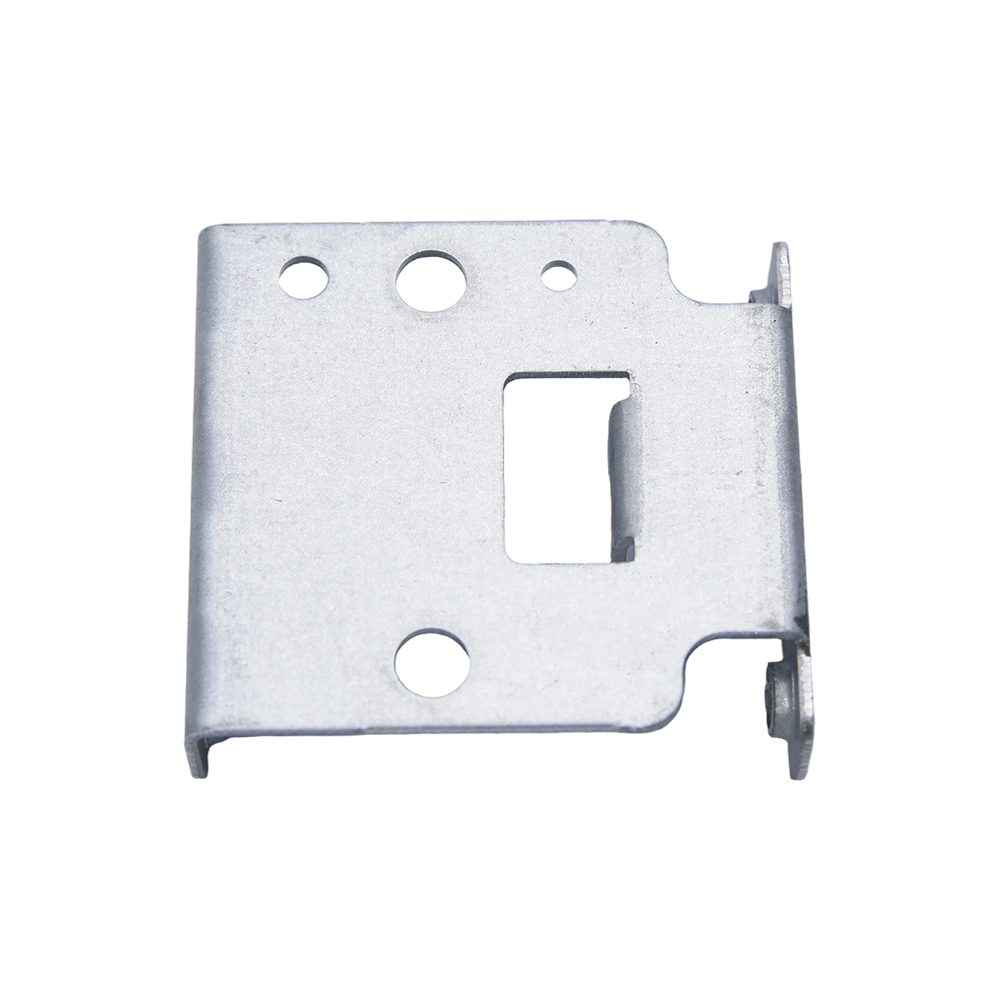
Stamped miniature parts
Why Miniature Stamped Parts Matter
Small components are often exposed to the same operating stresses as larger parts, but they have less physical material available to absorb deformation or wear. A miniature bracket may need to support a load, a small contact may need to maintain stable electrical performance, and a tiny retaining clip may need to withstand repeated assembly and vibration. For this reason, miniature parts require more than simple size reduction. They require appropriate material selection, accurate tooling, stable forming conditions, and reliable inspection.
In compact products, dimensional variation can have a greater impact than it would in a larger assembly. A difference of a fraction of a millimeter may affect alignment, insertion force, electrical contact, fastening, clearance, or movement. Precision stamping helps control these variables by using dedicated dies and repeatable press operations. When the tooling, raw material, machine settings, and inspection procedures are properly managed, manufacturers can produce large quantities of small parts with consistent performance.
Stamped miniature parts also help designers reduce assembly complexity. A properly formed component can combine several functions in one piece, such as guiding, fastening, shielding, grounding, supporting, or positioning. This can reduce the number of separate components required in the final product. It may also lower assembly time, minimize potential failure points, and support a more compact design.
Another important advantage is production efficiency. Once the tooling has been developed and approved, stamping can produce repeated parts at a stable rate. Compared with machining each small component individually, stamping can reduce material waste, shorten cycle times, and provide more consistent geometry for high-volume orders. These benefits make stamped miniature parts suitable for both standard production and customized OEM or ODM programs.
Core Advantages of Stamped Miniature Parts
High Dimensional Precision
Precision is one of the most important characteristics of miniature metal parts. The company’s stamped miniature parts are manufactured using advanced stamping methods that can achieve typical accuracy of approximately ±0.1 mm. The actual tolerance depends on the selected material, part size, thickness, shape complexity, tooling design, and required inspection standard.
Controlled dimensional accuracy helps parts fit correctly within assemblies. It supports reliable positioning, stable clearances, smooth movement, and repeatable fastening. For electrical or optical products, accurate dimensions can help maintain the intended relationship between contacts, supports, housings, and other internal elements. For automotive and household appliance applications, precision contributes to dependable installation and consistent operation.
Precision also improves production efficiency for customers. Parts with stable dimensions are easier to feed, assemble, inspect, and replace. They reduce the risk of rework caused by inconsistent fit. When a customer operates an automated assembly line, dimensional repeatability becomes particularly important because even a small variation can interrupt the process or increase rejection rates.
Strong Mechanical Performance
Stamped miniature parts can be designed to provide a favorable balance between low weight and mechanical strength. Through suitable material selection and forming geometry, a small component can resist bending, compression, vibration, or repeated handling. Ribs, flanges, bends, tabs, and formed edges can increase rigidity without requiring a substantial increase in material thickness.
Mechanical performance depends on more than raw material strength. The direction of forming, the radius of each bend, the distribution of stress, the condition of the tooling, and the final surface treatment all influence the finished part. Experienced production teams consider these factors during the development of the stamping process. This helps reduce excessive deformation, cracking, burrs, and early fatigue.
For applications exposed to vibration or repeated movement, the design of the part must also account for fatigue resistance. A properly formed miniature component can provide stable support over an extended service period. Automotive parts, appliance brackets, and hardware retainers may be installed in environments where vibration, thermal cycling, and repeated impact are common. Selecting the correct material and forming method is therefore essential.
Corrosion and Rust Resistance
Corrosion can reduce the appearance, strength, conductivity, and service life of a metal part. Miniature components may be especially vulnerable because corrosion at a contact point, edge, or narrow fitting area can affect the operation of an entire assembly. The stamped miniature parts described here use premium material options selected for corrosion resistance and environmental reliability.
Material selection can be combined with appropriate surface treatment to improve resistance to moisture, oxidation, chemicals, and handling conditions. Depending on the application, customers may require a particular surface finish, protective coating, plating, polishing level, or other treatment. The final choice should reflect the operating environment, electrical requirements, appearance expectations, and cost target.
Improved corrosion resistance is valuable in kitchen appliances, automotive systems, outdoor equipment, electrical products, and industrial assemblies. It can help maintain dimensional stability and reduce the risk of premature failure. It also supports a longer product life and can reduce maintenance or replacement requirements.
Wear Resistance and Long-Term Reliability
Some miniature parts are exposed to friction during insertion, movement, adjustment, or repeated assembly. Others may be pressed against adjacent components or subjected to vibration. Wear resistance helps maintain the original shape and functional dimensions of the part over time.
A wear-resistant component can reduce the development of looseness, deformation, surface damage, or loss of contact. This is important for clips, sliding supports, retaining pieces, small hinges, contact elements, and other parts that experience repeated mechanical interaction. By considering material hardness, surface condition, geometry, and forming quality, manufacturers can help improve the reliability of the finished component.
Long-term reliability is also supported by production consistency. A part that performs well in one batch but varies significantly in another can create problems for the customer’s assembly and quality systems. Stable manufacturing processes, controlled tooling, and systematic inspection are therefore as important as the initial material specification.
Resistance to Heat and Harsh Environments
Many miniature stamped parts operate near heat sources, motors, heating elements, engines, lighting systems, or enclosed electrical assemblies. The product description identifies strong temperature resistance and resistance to harsh environments as important performance characteristics. The suitable temperature range must be confirmed according to the selected material, surface finish, load, duration, and application conditions.
For household electric heaters and small appliances, parts may experience repeated heating and cooling cycles. In automotive applications, components can be exposed to vibration, humidity, temperature variation, and contact with oils or other substances. Optical and educational instruments may require stable parts that remain dependable during regular handling and storage. Selecting suitable materials and forming conditions helps address these requirements.
Environmental resistance should always be evaluated as part of the complete application. A material that performs well in a dry indoor product may not be ideal for a humid or chemically exposed environment. Customers can provide operating details so that the material, thickness, surface treatment, and inspection requirements can be matched to the intended use.
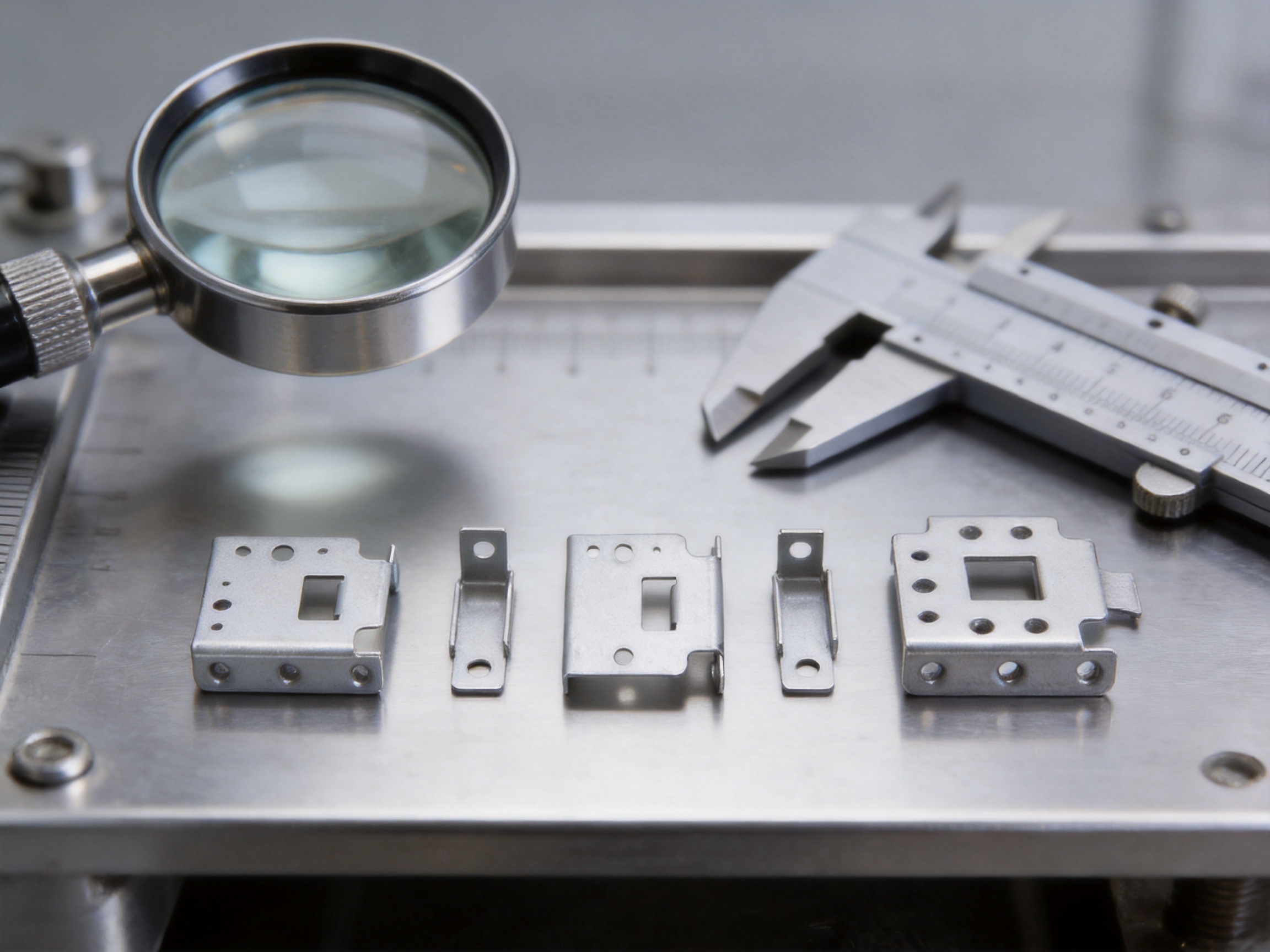
Advanced Stamping Manufacturing Process
Application and Drawing Review
The production process begins with a clear understanding of the customer’s requirements. These may include drawings, three-dimensional models, samples, material specifications, dimensional tolerances, surface finish requirements, production quantities, packaging needs, and expected service conditions.
During the initial review, engineers evaluate the part geometry and identify areas that may affect manufacturability. These areas can include narrow slots, small holes, sharp bends, deep forms, thin walls, close tolerances, and complex profiles. Early review helps identify potential risks before tooling is produced. It can also reveal opportunities to simplify the geometry, combine functions, improve material utilization, or reduce unnecessary production steps.
For OEM and ODM projects, communication during this stage is especially important. A customer may know the required function but not yet have a fully optimized stamping design. Manufacturing experience can help convert the functional requirement into a practical metal component. The objective is to preserve the intended performance while supporting stable production and reasonable cost.
Material Selection
Material selection affects strength, flexibility, corrosion resistance, heat performance, surface quality, formability, and cost. The appropriate material depends on the use of the component rather than its size alone. A miniature part used as a structural bracket may require a different material from a small electrical contact or a decorative appliance accessory.
Important material considerations include tensile strength, hardness, elongation, conductivity, thickness tolerance, corrosion behavior, and response to forming. The material must also be compatible with any later process, such as plating, coating, polishing, welding, riveting, or assembly.
Using suitable material helps reduce cracking, excessive springback, deformation, and premature wear. It also helps maintain stable dimensions during production. Premium material options can improve rust resistance, high-temperature performance, and resistance to demanding operating conditions. Customers should specify any required material grade or performance standard at the quotation and design stage.
Tooling and Die Development
Tooling is central to the quality of stamped miniature parts. The die controls the shape, location, and sequence of many critical features. For small parts, the tooling must be carefully designed because the working clearances and feature dimensions may be extremely limited.
Depending on the product, tooling may support blanking, piercing, bending, forming, drawing, progressive stamping, or multiple operations. The selection depends on the part geometry, material, thickness, order quantity, production speed, and tolerance requirements. A well-designed die can improve repeatability, reduce waste, and support efficient high-volume production.
Tooling development also considers material flow. During forming, metal must move through the die without excessive stress concentration or tearing. Bend radii, forming sequence, support areas, and clearance must be considered to achieve the desired shape. Proper tooling design helps control burrs, distortion, springback, and inconsistent edges.
Pressing, Blanking, and Forming
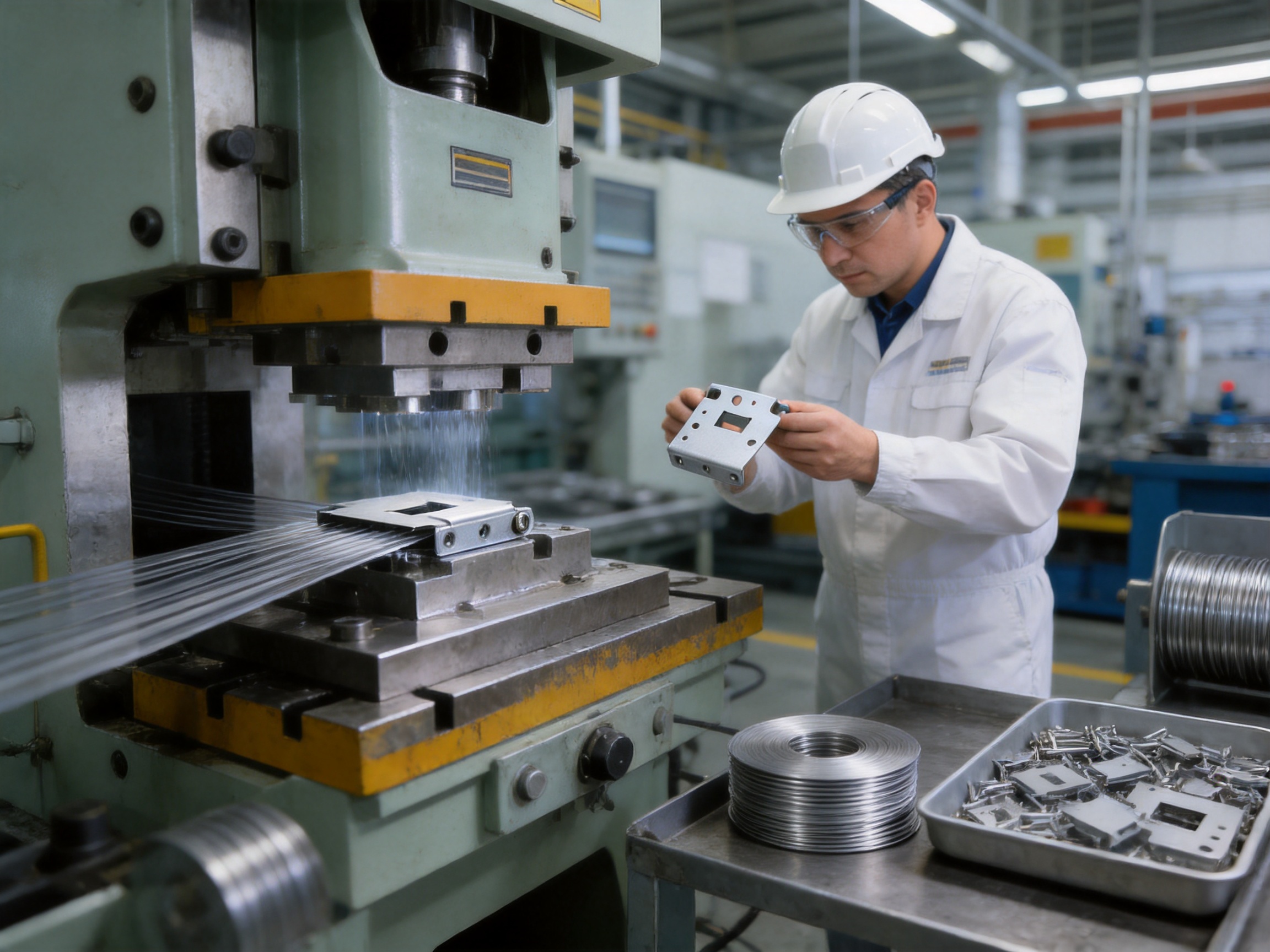
After tooling approval, sheet or strip material is placed into the stamping equipment. The press applies controlled force to cut or form the material according to the die design. Depending on the product, the operation may create the outside profile, internal holes, bends, raised features, embossed areas, or other functional details.
Miniature parts require careful control of feed accuracy, press stroke, force, alignment, speed, and material positioning. A stable process helps ensure that each piece is produced within the specified dimensions. Operators and technicians monitor the equipment and production output to identify unusual wear, material movement, surface damage, or dimensional drift.
For complex components, several operations may be combined or performed in a planned sequence. This can reduce handling and improve positional accuracy between features. For high-volume orders, progressive stamping may offer an efficient method for producing repeated parts with consistent cycle control. For lower-volume or highly customized parts, alternative tooling arrangements may be more appropriate.
Bending and Secondary Forming
Many stamped miniature parts require bending or secondary forming after the initial blanking operation. Bends may create mounting legs, support flanges, spring features, locking tabs, channels, or protective edges. The angle and position of each bend can influence assembly fit and mechanical performance.
Accurate bending requires consideration of material springback. After pressure is released, the metal may attempt to return partially to its original shape. Tooling and process parameters can compensate for this effect. The correct bend radius also helps prevent cracking and maintains the strength of the component.
Secondary operations may include deburring, flattening, tapping, riveting, welding, surface treatment, or customized assembly. The exact process depends on the customer’s design and the intended function. By coordinating these steps within one manufacturing program, the supplier can provide a more complete solution instead of delivering unfinished blanks that require additional external processing.
Deburring and Surface Finishing
Cutting and forming operations can leave small burrs or sharp edges. These must be controlled because they may affect safety, assembly, appearance, electrical contact, or the fit between adjacent components. Deburring methods are selected according to the material, part size, edge requirements, and application.
Surface finishing may be used to improve appearance, corrosion resistance, wear behavior, conductivity, or compatibility with other materials. Customers may request a specific finish based on the final product design. A consistent surface finish can also improve the visual quality of household appliances, optical instruments, and exposed hardware components.
The required surface condition should be defined clearly in the technical documentation. Terms such as smooth, polished, plated, coated, brushed, or natural metal may require further clarification to ensure that the customer and manufacturer share the same quality expectations.
Inspection and Quality Control
Quality control supports consistent dimensions, appearance, material performance, and delivery reliability. Inspection may include visual checks, dimensional measurement, functional testing, material verification, surface inspection, and sampling according to the order requirements.
Critical dimensions may include overall length and width, hole diameter, bend angle, thickness, flatness, position, radius, and the relationship between multiple features. For miniature products, measurement equipment must be appropriate for the scale and tolerance of the part. Inspection results can be used to identify process trends and prevent recurring problems.
Quality control also includes monitoring the condition of tools and production equipment. Tool wear can gradually change dimensions, increase burrs, or affect forming quality. Regular maintenance and timely adjustment help preserve process stability. This approach supports the company’s commitment to strict quality control, stable delivery, and dependable after-sales service.
Manufacturing Strengths and Production Capacity
Yuyao Hongli Optoelectronics Co., Ltd. has more than 20 years of industry experience. Since its establishment in 2000, the company has developed from its former educational-instrument business into a comprehensive manufacturer specializing in metal stamping parts and related products.
The approximately 5,000-square-meter factory provides space for multiple stamping workshops and supporting production activities. With more than 60 employees, the company has an established team capable of handling product development, manufacturing, order coordination, quality management, and customer service. This structure supports both customized projects and repeat production orders.
The company’s production scope includes educational instruments, optical instruments, household electric heaters, small household appliances, automotive parts, hardware products, plastic products, deep-drawn parts, stamped parts, bending parts, kitchen appliance accessories, and automotive stamping parts. This range of applications gives the production team experience with different materials, shapes, tolerances, and performance requirements.
Experience across several industries can be valuable when developing miniature stamped parts. A design solution used in one sector may suggest a useful approach for another, while knowledge of automotive durability or appliance assembly can inform the manufacture of other precision components. The company’s broad product portfolio also reflects its ability to manage both simple and complex metal-forming requirements.
In addition to manufacturing, processing, wholesale, retail, import, and export services, the company supports OEM and ODM customization. It can assist customers who require a part manufactured according to an existing drawing, as well as customers who need support in converting a concept or sample into a practical production component.
Rapid prototyping and efficient production conversion are important strengths for new product development. A customer may need a small initial quantity for testing before proceeding to larger production. An organized transition from prototype to mass production can help identify design issues early, reduce unnecessary tooling changes, and support a smoother product launch.
Advantages Compared with Alternative Manufacturing Methods
Compared with Individual Machining
Machining can provide excellent precision and is useful for complex solid parts, prototypes, and low-volume products. However, producing a large quantity of thin miniature components by individually machining each part can require more time and generate higher processing costs. Stamping is often more efficient when the design is suitable for sheet or strip metal forming.
Once the die is developed, stamping can reproduce the same profile rapidly and consistently. It can also create several features in a coordinated sequence. This makes it attractive for high-volume production and applications where repeatability is essential.
Machining remains valuable for certain geometries, but stamped miniature parts can offer a more economical and efficient solution for thin, flat, bent, or formed components. The best method depends on the design, material, quantity, tolerance, and required surface quality.
Compared with Manual Fabrication
Manual cutting and bending may be suitable for samples or very small quantities, but it can introduce variation in dimensions, angles, edge conditions, and appearance. Manual fabrication also becomes less efficient as order volume increases.
Precision stamping provides a more controlled and repeatable process. The die establishes the shape, while the press provides a consistent forming action. This reduces dependence on individual manual operations and supports predictable assembly performance.
Compared with Plastic Components
Plastic components can offer low weight, insulation, and flexible design options. However, metal miniature parts may be preferable where the application requires greater mechanical strength, heat resistance, wear resistance, conductivity, or dimensional stability.
Stamped metal parts can also provide thin profiles and spring-like functions that may be difficult to achieve with certain plastics. In environments involving heat, vibration, repeated insertion, or pressure, the material properties of metal may provide a longer service life.
Compared with Cast Components
Casting is useful for complex three-dimensional shapes, but it may not be the most efficient method for thin miniature sheet-metal components. Stamping can produce clean profiles, controlled bends, and repeated details with a relatively efficient material flow.
For compact brackets, clips, shields, retainers, and appliance accessories, stamped construction can reduce unnecessary weight and support streamlined assembly. It can also provide a favorable balance between production speed, dimensional repeatability, and cost.
Application Areas
Small Household Appliances
Small household appliances often contain limited internal space and numerous metal support components. Stamped miniature parts can be used for brackets, clips, retainers, grounding pieces, shields, fastener supports, and internal structural elements.
These parts may need to tolerate heat, vibration, repeated assembly, and contact with other metal or plastic components. Corrosion resistance and stable dimensions help maintain the reliability and appearance of the appliance over time.
Kitchen Appliance Accessories
Kitchen equipment may be exposed to humidity, heat, cleaning agents, food particles, and frequent handling. Miniature stamped accessories can support mounting, positioning, fastening, shielding, or reinforcement functions within these products.
Material and surface treatment should be selected according to the expected environment. Components located near heating areas may require improved high-temperature performance, while exposed accessories may require a carefully controlled finish and enhanced rust resistance.
Automotive Systems
Automotive stamping parts must often withstand vibration, temperature changes, repeated movement, and demanding installation conditions. Small stamped components can be used for brackets, clips, reinforcement pieces, retainers, shields, sensor supports, and other vehicle-related applications.
Accuracy is important because automotive assemblies typically involve multiple interconnected parts. A miniature component that is slightly out of position may affect installation, clearance, or the operation of a nearby component. Consistent stamping and inspection help support reliable automotive assembly.
Optical and Educational Instruments
Optical instruments and educational equipment may require compact parts for adjustment mechanisms, structural supports, housings, retaining systems, or internal positioning. These components should combine accuracy with stable mechanical performance.
Because such products may be handled frequently, the parts should resist wear and maintain their shape during repeated use. The ability to customize size, thickness, shape, and surface finish helps manufacturers integrate stamped miniature components into specialized instrument designs.
Electrical and Hardware Products
Electrical products may use miniature stamped components as terminals, conductive supports, clips, grounding elements, shields, or assembly hardware. Depending on the design, the part may require electrical conductivity, stable contact pressure, corrosion resistance, or insulation from nearby components.
Hardware products can also benefit from stamped parts that provide fastening, reinforcement, alignment, and retention. Their compact size and repeatable geometry support efficient assembly in products where many small components must fit together accurately.
| Performance or Service Requirement | Value of Stamped Miniature Parts | Typical Design Considerations |
|---|---|---|
| Dimensional accuracy | Supports reliable fit, alignment, and automated assembly | Material thickness, die precision, press stability, inspection method |
| Mechanical strength | Provides structural support in compact assemblies | Material grade, forming direction, bend radius, geometry |
| Corrosion resistance | Helps maintain appearance and service life | Material selection, coating, plating, humidity exposure |
| Wear resistance | Supports repeated movement, insertion, or contact | Hardness, surface finish, contact pressure, friction conditions |
| Heat resistance | Improves reliability near heating or high-temperature areas | Operating temperature, thermal cycling, material behavior |
| Customized geometry | Allows one part to perform several assembly functions | Tabs, holes, flanges, bends, slots, embossments |
| Production efficiency | Supports repeatable output for medium- and high-volume orders | Tooling type, order quantity, press capacity, process sequence |
Customization Options
Customization is essential because miniature parts are often designed for a specific product rather than used as universal components. Customers can request different dimensions, shapes, thicknesses, hole patterns, bend angles, forming features, and surface finishes.
Part size can be adjusted to fit the available assembly space. Thickness can be selected to balance strength, flexibility, weight, and cost. The shape can include flat profiles, folded sections, curved areas, slots, tabs, holes, raised details, or multiple bends. These features can help the part provide positioning, support, fastening, or retention in one component.
Surface finish can also be customized. Depending on the application, the customer may need a natural metal finish, a polished surface, a protective coating, plating, or another treatment. The finish should be selected based on corrosion exposure, friction, conductivity, appearance, and compatibility with adjacent materials.
Packaging can be considered as part of the customization program. Small parts must be protected from scratching, bending, contamination, and loss during transportation. Suitable packaging may include separated layers, bags, trays, cartons, or customer-specific packing arrangements. Packaging requirements should be confirmed before mass production.
From Prototype to Mass Production
A successful miniature stamping project usually progresses through several stages. The first stage is requirement confirmation, including product use, material, dimensions, tolerances, surface finish, quantity, and delivery expectations. The second stage is technical review, in which the design is evaluated for stamping feasibility.
The next stage may involve prototype production or sample approval. Prototypes allow the customer to check fit, function, appearance, assembly behavior, and compatibility with the final product. If changes are required, they can often be addressed before large-scale production begins.
After approval, tooling and production parameters are finalized. The manufacturer establishes the production sequence, inspection points, packaging method, and delivery schedule. During mass production, quality checks help confirm that the parts remain consistent with the approved sample and technical documentation.
This staged approach helps reduce risk. It is particularly useful for miniature parts because small changes in a bend, hole position, thickness, or edge condition can have a significant effect on the final assembly. Early communication and sample evaluation help create a more efficient transition to stable production.
How to Specify a Miniature Stamped Part
Customers can improve quotation accuracy by providing complete technical information. A drawing or three-dimensional model is useful, but additional details may be required to evaluate production feasibility.
Important information includes the material grade, thickness, critical dimensions, tolerance requirements, expected quantity, annual demand, surface finish, operating temperature, corrosion exposure, mechanical loads, assembly method, and packaging requirements. If the part is used in an electrical application, conductivity or contact requirements should also be provided. If it is used in an automotive or appliance product, vibration, heat, humidity, and chemical exposure may be relevant.
It is also helpful to identify critical-to-function dimensions. Not every dimension may require the same tolerance. Separating critical dimensions from general dimensions can help control manufacturing costs while preserving the performance of the final product.
Samples, photographs, sketches, or existing parts can supplement formal drawings. The manufacturing team can review the available information and recommend the appropriate stamping process, material, tooling arrangement, and inspection plan.
Quality, Delivery, and Customer Support
Reliable delivery depends on more than production speed. It also requires organized planning, stable materials, suitable tooling, process monitoring, inspection, and communication. Yuyao Hongli Optoelectronics emphasizes stable delivery and comprehensive after-sales service as part of its customer support approach.
Clear communication helps coordinate technical approvals, sample confirmation, order quantities, production schedules, inspection requirements, and shipment arrangements. For repeat orders, production records and approved samples can help maintain consistency between batches.
After-sales support is important when customers need technical clarification, replacement coordination, process feedback, or assistance with future design changes. A long-term supplier relationship can make it easier to adjust dimensions, introduce a new surface finish, increase production volume, or develop related components.
The company’s business philosophy is guided by integrity, excellence, innovation, and sharing. These principles are reflected in its commitment to customized solutions, quality management, production efficiency, and long-term cooperation with customers worldwide.
Environmental and Economic Considerations
Efficient stamping can support material and energy efficiency when the process is properly designed. Die layout and nesting influence how effectively sheet or strip material is used. A well-planned layout can reduce unnecessary scrap while maintaining the required part quality.
Production efficiency also affects the total economic impact of a component. Higher repeatability can reduce rework, rejected assemblies, and manual correction. A component that arrives ready for consistent assembly may lower labor requirements for the customer and improve overall production flow.
Material selection should consider the complete service life of the part. Durable, corrosion-resistant components may reduce replacement frequency and maintenance requirements. However, environmental performance must be evaluated in relation to the full product lifecycle, including material sourcing, forming, surface treatment, packaging, use, and end-of-life recovery.
Customers seeking a more efficient solution can discuss material utilization, part consolidation, lightweight design, packaging reduction, and process optimization during the development stage. These improvements may provide both economic and environmental benefits without compromising performance.
Frequently Asked Questions
What are stamped miniature parts?
Stamped miniature parts are small metal components manufactured through pressing operations such as blanking, piercing, bending, and forming. They are used in compact products and assemblies where accurate dimensions, strength, wear resistance, and dependable fit are required.
What accuracy can these parts achieve?
The typical stated precision is approximately ±0.1 mm. The achievable tolerance depends on the material, thickness, part geometry, tooling design, press conditions, and inspection method. Critical tolerances should be reviewed and confirmed for each individual project.
Which materials can be used?
Material selection depends on the required strength, corrosion resistance, heat performance, conductivity, flexibility, appearance, and forming behavior. Customers can provide a specified material grade, or the manufacturer can recommend suitable options according to the application.
Can the size and thickness be customized?
Yes. The size, shape, thickness, hole pattern, bend angle, forming details, and surface finish can be customized according to the customer’s design and application requirements.
Are miniature stamped parts suitable for automotive applications?
Yes. They can be used for automotive brackets, clips, retainers, supports, shields, reinforcement pieces, and other components. Automotive applications should specify relevant requirements such as vibration, temperature, corrosion exposure, dimensional tolerance, and service life.
Can the parts resist rust and corrosion?
Suitable premium materials and surface treatments can provide strong rust and corrosion resistance. The best option depends on humidity, chemicals, temperature, handling, and contact with other materials. Environmental conditions should be shared during the design review.
Can these parts be used near heating elements?
They may be suitable for applications involving elevated temperatures, including certain household heaters and appliances. The material and surface treatment must be selected according to the actual operating temperature, thermal cycling, mechanical load, and duration of exposure.
Does the company support OEM and ODM projects?
Yes. The company supports OEM and ODM customization, rapid prototyping, and production conversion. Customers can submit drawings, samples, models, or functional requirements for technical evaluation and manufacturing development.
What information is needed for a quotation?
Useful information includes drawings or samples, material requirements, thickness, dimensions, tolerances, surface finish, order quantity, application environment, packaging requirements, and target delivery schedule. More complete information helps improve quotation accuracy and process planning.
Are samples available before mass production?
Prototype or sample production can be arranged according to project requirements. Samples allow customers to verify fit, function, appearance, and assembly performance before proceeding with larger production quantities.
What industries can use these products?
Applications include small household appliances, kitchen appliance accessories, automotive systems, optical instruments, educational instruments, electrical products, hardware assemblies, heating equipment, and other compact industrial products.
How can I improve the reliability of a miniature stamped part?
Reliability can be improved through suitable material selection, realistic tolerances, proper bend radii, stable tooling, controlled surface treatment, effective deburring, appropriate inspection, and testing under actual operating conditions.
Conclusion
Stamped miniature parts combine compact dimensions with the precision and durability required for modern products. Their advantages include accurate repeatability, strong mechanical performance, corrosion resistance, wear resistance, heat tolerance, customized geometry, and efficient high-volume production. These characteristics make them suitable for applications ranging from household appliances and kitchen accessories to automotive systems, optical instruments, educational equipment, electrical products, and hardware assemblies.
Advanced stamping technology is essential to achieving reliable miniature components. Application review, material selection, tooling development, controlled pressing, bending, deburring, surface finishing, inspection, and packaging all contribute to the final result. A manufacturer with broad industry experience can help customers address the practical challenges of small-part production while supporting the transition from prototype to mass production.
With more than 20 years of experience, a 5,000-square-meter factory, multiple stamping workshops, more than 60 employees, OEM and ODM capabilities, rapid prototyping support, and a broad manufacturing portfolio, Yuyao Hongli Optoelectronics Co., Ltd. provides customized metal stamping solutions for customers worldwide. Its focus on quality control, stable delivery, innovation, and long-term service makes it a capable partner for businesses requiring dependable stamped miniature parts.
For a new project, customers should provide drawings, samples, application conditions, material preferences, tolerance requirements, order quantities, and surface finish expectations. A detailed technical review can then determine the most suitable material, tooling structure, stamping process, inspection plan, and production schedule.
References
1. General principles of sheet-metal stamping, forming, blanking, and bending process design.
2. Engineering guidance for material selection in corrosion-resistant and high-strength metal components.
3. Manufacturing quality-control practices for dimensional inspection of precision stamped products.
4. Design considerations for miniature mechanical components used in appliances, automotive systems, and electrical assemblies.
5. Technical principles of progressive-die stamping, secondary forming, deburring, and surface finishing.
6. Product and company information supplied for the preparation of this article.
Product: Stamped miniature parts
Previous Post
Red Bent Parts with Red Fabric Strap: Durable, Comfortable, and Customizable Metal Components
Next Post
Stamped Square Lid with Holes: Precision, Protection, and Custom Manufacturing for Industrial Applications
News
-
-
When you need a metal component whose depth clearly exceeds its width, such as a one-piece battery enclosure, an air-fryer inner container,...
READ MORE -
Steel is the backbone of modern manufacturing, yet it is never a single, uniform material. When engineers and buyers ask, "How can you clas...
READ MORE -
What Is Deep Drawing Process and What Are Deep-Drawn Parts The deep drawing process is a sheet metal forming operation in which a flat meta...
READ MORE
Get Fresh Updates Via Email
We promise we will never disclose your email address, and you can opt out at any time.
-
Quick Links
Home About Us Products Service News Contact Us -
Product list
Deep-drawn parts Stamped parts Bending parts Kitchen appliance accessories Automotive stamping parts -
About Us
Factory Honour FAQ -
News
Company News Industry News -
Contact Us
Address: South side of Shunke Road, Yangming Science and Technology Industrial Park, Yuyao City, Zhejiang Province, China Tel: +86-13905842349/+86-13738485724 Email: hongli@hl-stamping.com
Copyright © Yuyao Hongli Optoelectronics Co., Ltd. All Rights Reserved.
Custom Precision-Sheet/Sheet Metal Stamping Manufacturers
