


 English
 русский
 Español
 عربى
عربى

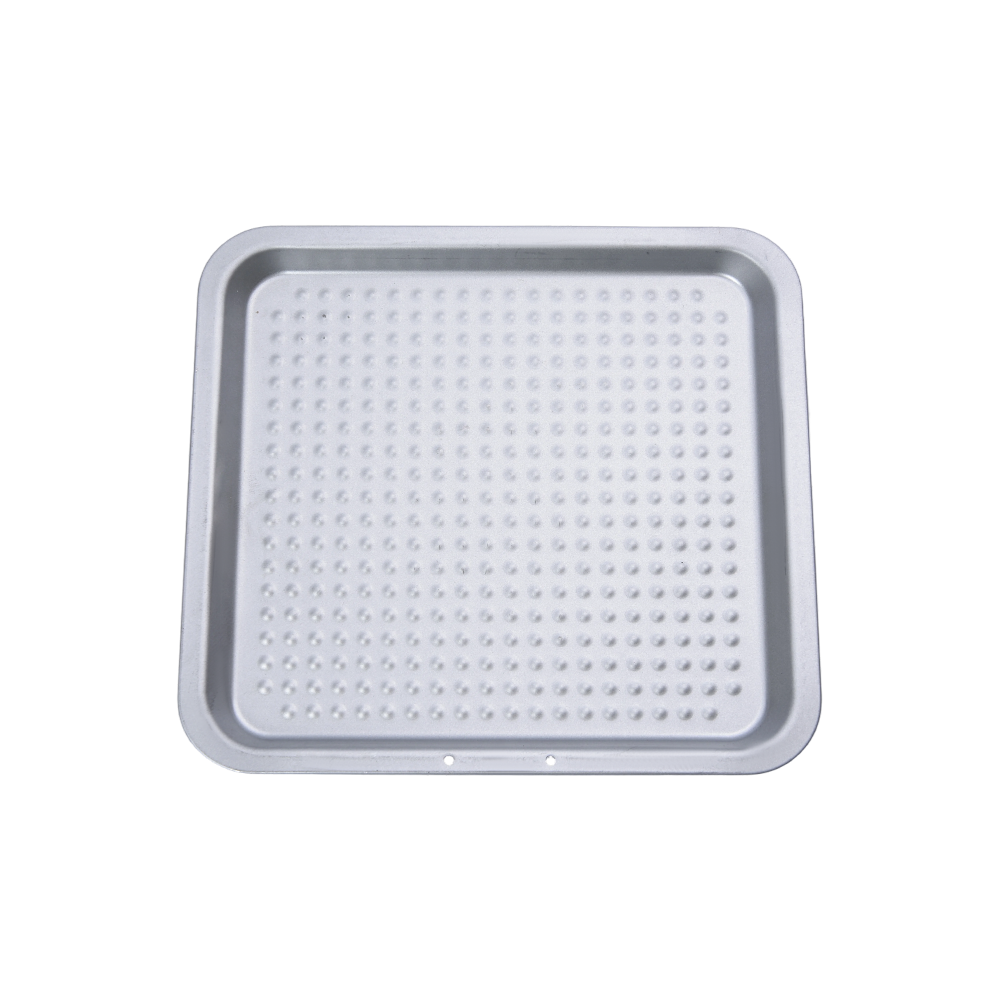
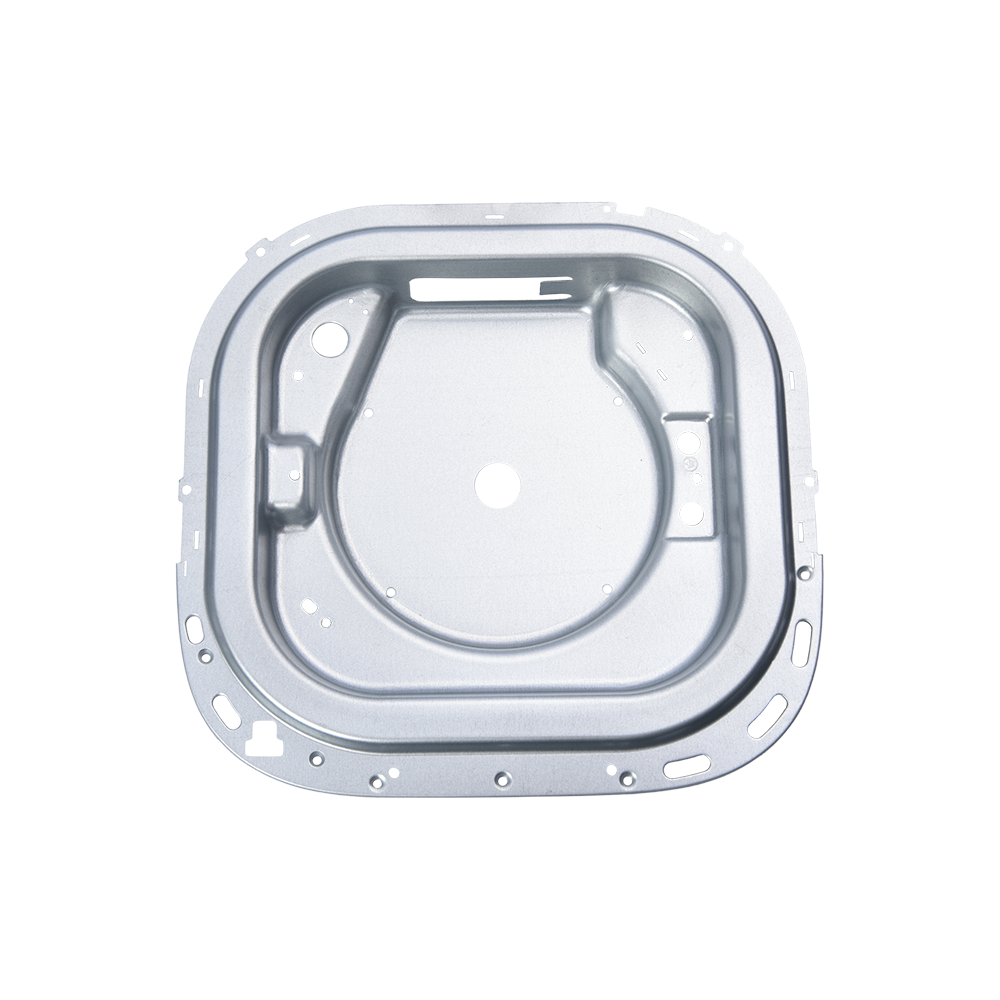
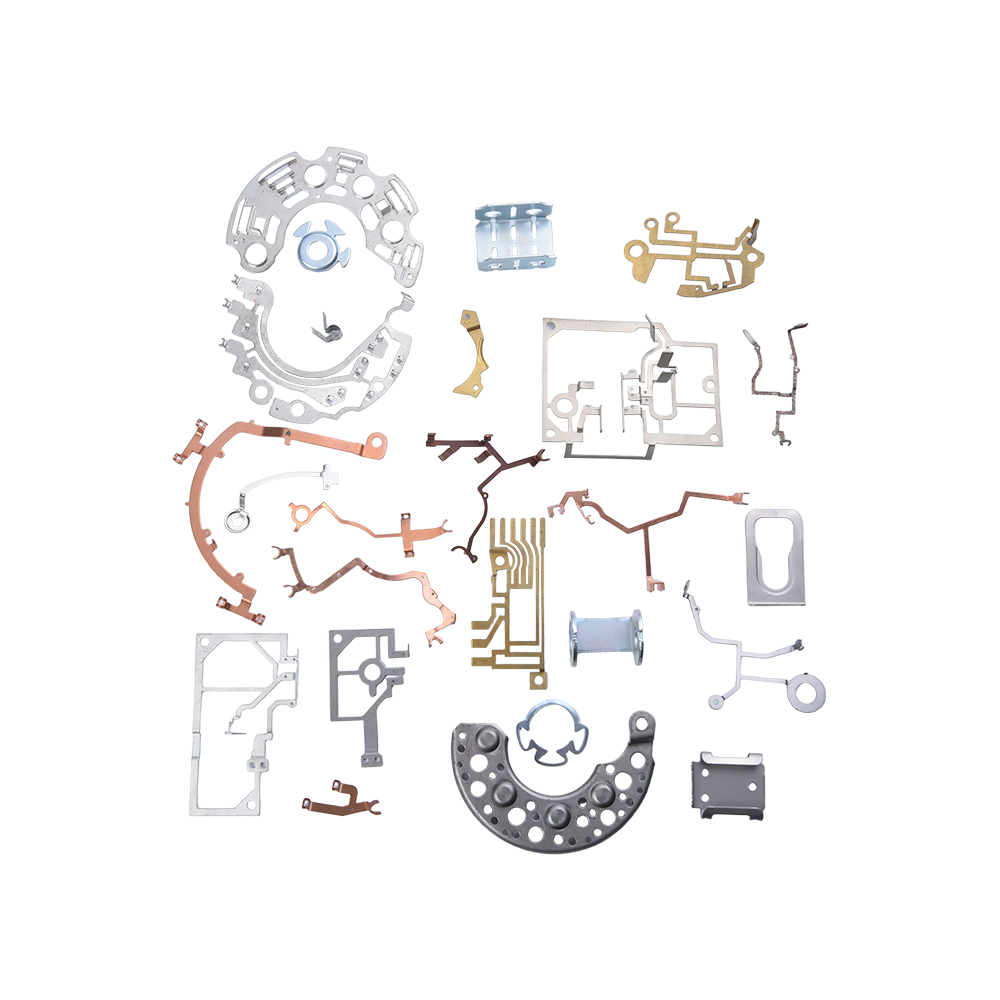
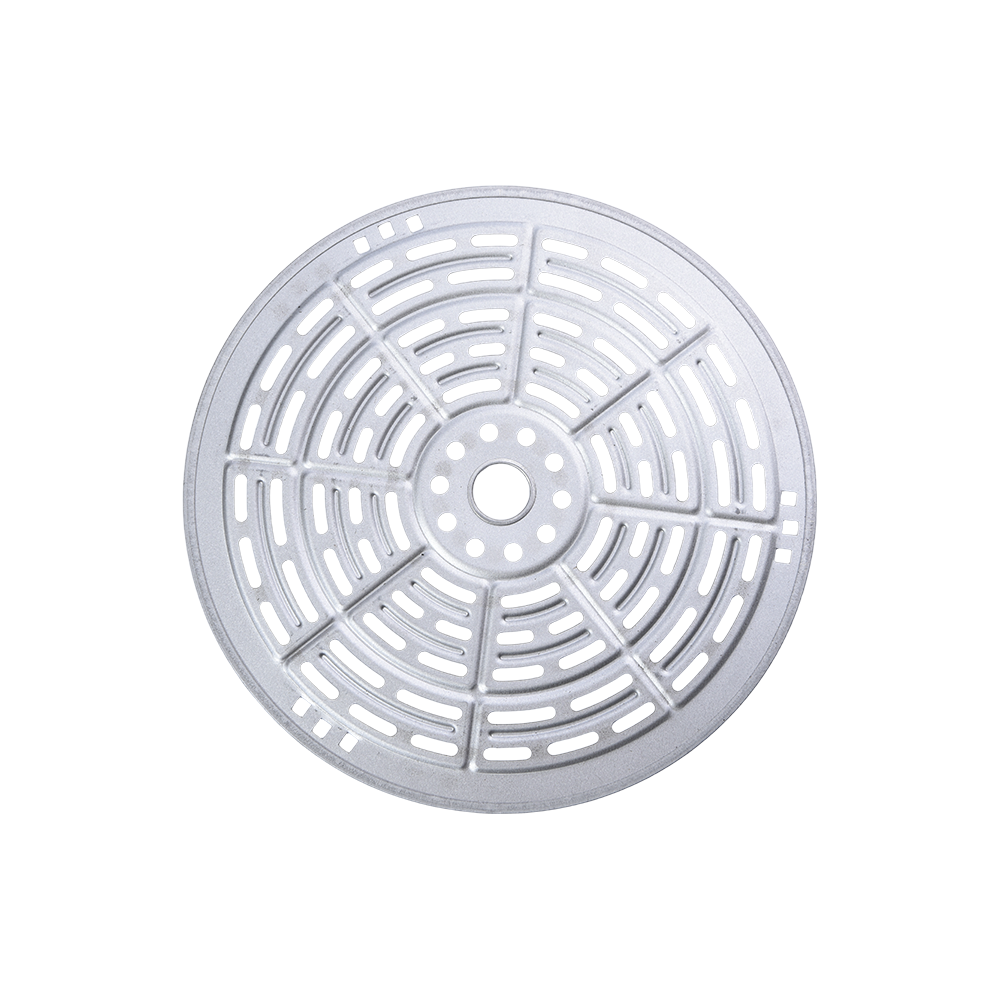
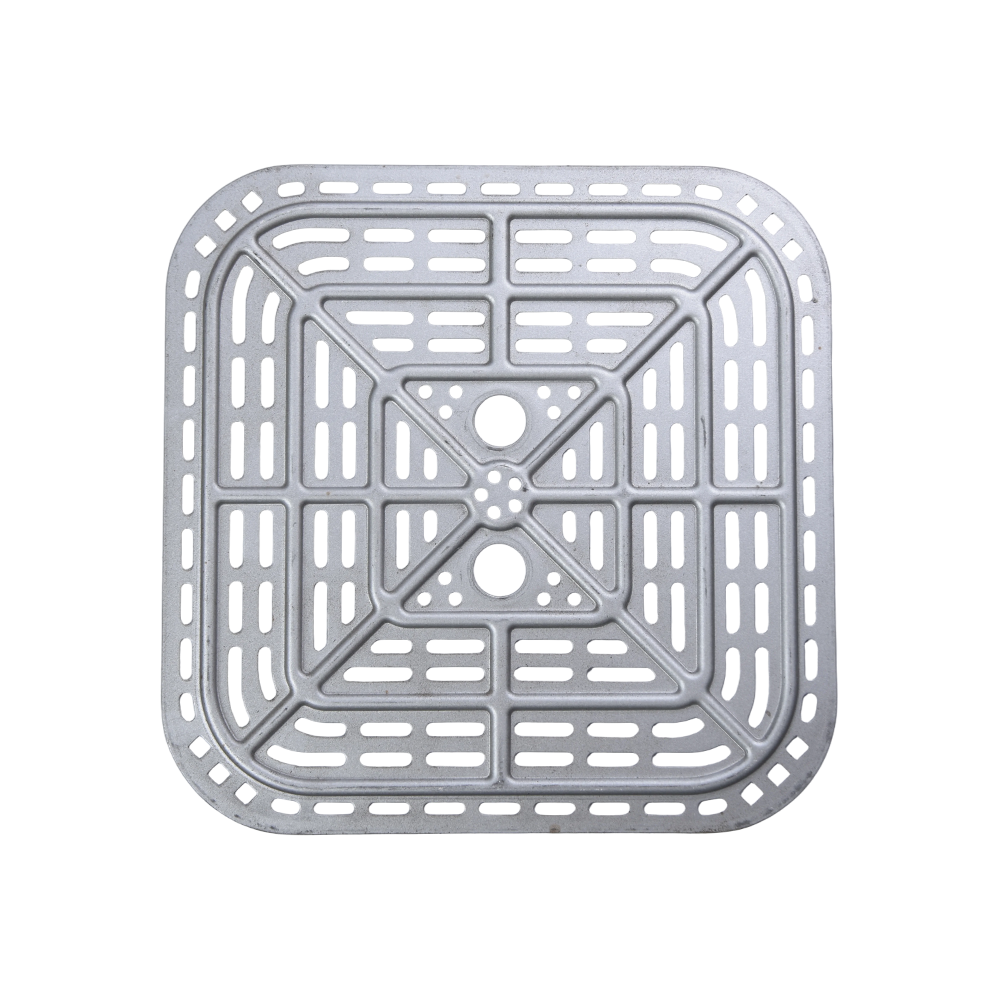
What Are Stamped Parts? Stamped parts are metal components produced by pressing flat sheet metal between a die and a punch to cut, bend, or...
READ MORE

News
Home / Author / Liu Yanan — Product After-Sales Service Specialist / Stamped Square Lid with Holes: Precision, Protection, and Custom Manufacturing for Industrial Applications
Stamped Square Lid with Holes: Precision, Protection, and Custom Manufacturing for Industrial Applications
2026-08-04
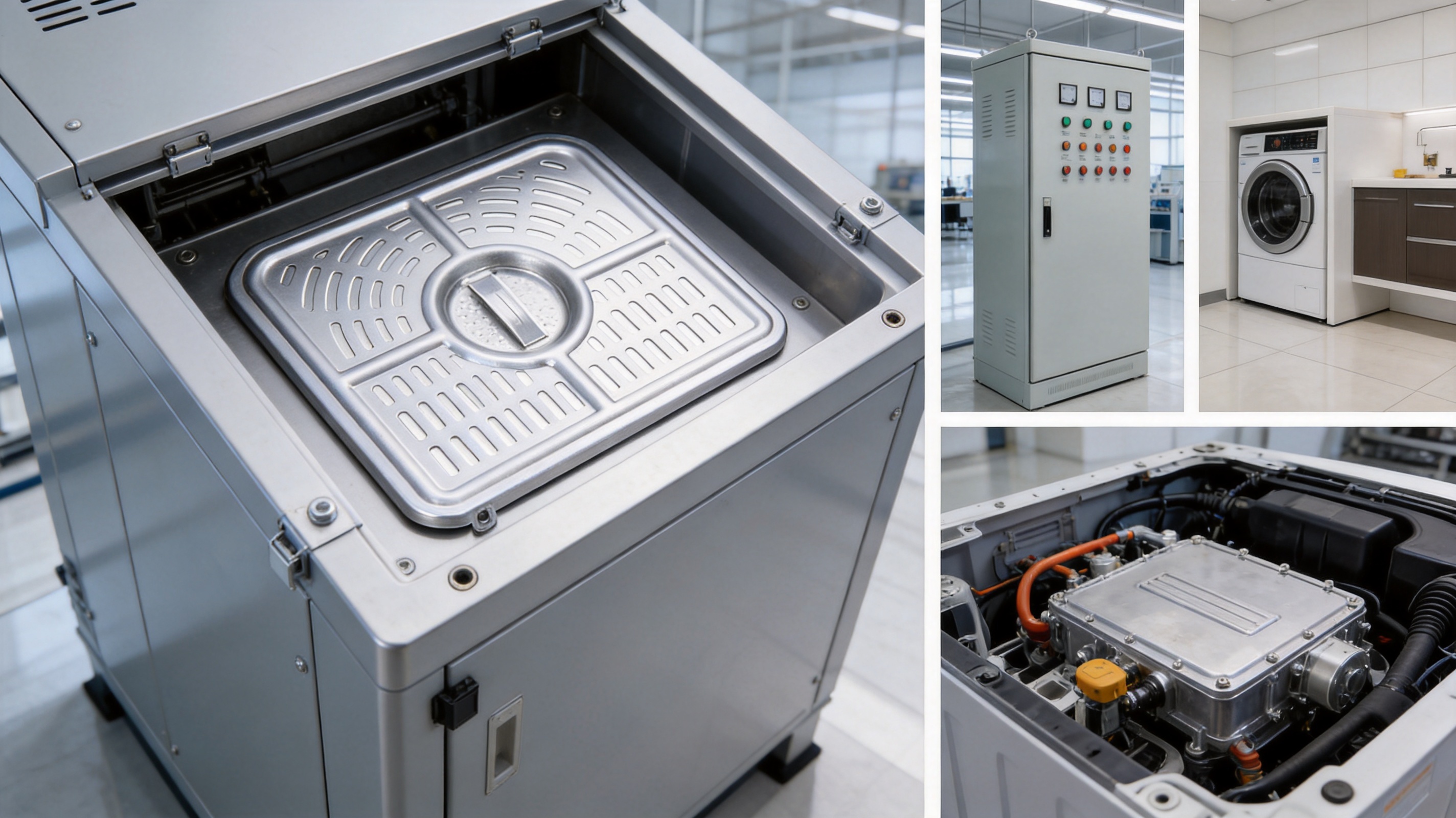
A stamped square lid with holes is a practical metal component designed to cover, protect, reinforce, or organize an opening in an industrial, mechanical, electrical, automotive, or household product. Although the part may appear simple, its performance depends on accurate dimensions, consistent hole placement, reliable material selection, stable forming, clean finishing, and dependable quality control. When these factors are properly managed, a square lid can provide much more than basic coverage. It can support ventilation, fastening, drainage, inspection, cable passage, heat release, assembly alignment, and component protection.
Yuyao Hongli Optoelectronics Co., Ltd. manufactures stamped square lids with holes and other customized metal components for customers requiring repeatable production, flexible specifications, and reliable delivery. The company has more than 20 years of manufacturing experience and operates from a modern factory in Yuyao, Zhejiang Province, China. Its production capabilities cover stamped parts, deep-drawn parts, bending parts, kitchen appliance accessories, automotive stamping parts, hardware products, and related customized components.
The stamped square lid with holes described in this article is suitable for applications in automotive equipment, electrical products, industrial machinery, household appliances, optical instruments, educational instruments, and other assemblies in which a formed and perforated metal cover is needed. Its size, hole configuration, material selection, and surface treatment can be adapted to the requirements of a particular project.
Understanding the Stamped Square Lid with Holes
A stamped square lid with holes is typically produced from sheet metal through a controlled stamping process. A die and press are used to cut the outside profile, create the openings, and, when required, form edges, bends, recessed areas, flanges, or other geometric features. The final component can function as a cover, shield, mounting plate, ventilation panel, protective guard, or structural interface.
The square or rectangular shape makes the product easy to integrate into housings, cabinets, appliance bodies, equipment frames, and other products with straight-sided openings. Compared with a circular cover, a square lid often provides better use of available surface area and can align naturally with rectangular enclosures. The corners and straight edges also make it convenient to position against neighboring parts during assembly.
The holes in the lid can serve several different purposes. They may allow screws, rivets, clips, studs, wiring, air, water, heat, or inspection tools to pass through. In some designs, the openings are arranged symmetrically for balanced fastening. In others, the hole pattern is determined by a specific internal component, ventilation requirement, or installation constraint. Because the hole size, shape, quantity, and location can be customized, the product can be engineered for many different uses rather than being limited to one standard application.
For industrial customers, the value of this component is not based only on its appearance. A successful stamped lid must fit consistently, remain stable during service, resist corrosion and wear, and be practical to manufacture in the required quantity. The forming method must also preserve the relationship between the outer profile and the hole pattern. Even a small deviation can create assembly problems when the lid is installed on a housing or connected to other components.
Key Product Advantages
Reliable Metal Construction
The stamped square lid with holes is made from high-quality metal materials selected according to the intended application. Material choice affects strength, formability, corrosion resistance, surface appearance, temperature performance, and compatibility with the surrounding product. By considering these requirements during the design stage, manufacturers can help customers select a suitable solution instead of treating every application in the same way.
A properly selected sheet material provides a balance between structural stability and manufacturing efficiency. The material must be strong enough to resist bending or deformation during installation and service, while also being formable enough to pass through stamping and bending operations without excessive cracking or distortion. The appropriate grade and thickness can vary according to the part dimensions, hole arrangement, loading conditions, and required finish.
For environments exposed to moisture, heat, chemicals, or outdoor conditions, corrosion resistance is especially important. A suitable base material, combined with an appropriate surface treatment, can extend the useful life of the lid and maintain its functional appearance. The product is intended to offer resistance to rust, high temperatures, and other corrosive influences when the material and finish are correctly matched to the application.
Custom Hole Size and Placement
One of the most important advantages of this product is the ability to customize the holes. The openings can be produced in different sizes, shapes, quantities, and positions. This flexibility allows the lid to accommodate fastening hardware, ventilation requirements, cable routes, drainage paths, sensors, connectors, or internal mechanisms.
Hole placement is often critical to the performance of an assembly. A hole that is too close to an edge may weaken the part or create a deformation risk. A hole that is incorrectly positioned may prevent screws or clips from aligning with the mating component. A carefully controlled stamping process helps maintain the relationship between the holes and the outside dimensions, supporting smooth installation and repeatable assembly.
Customers can provide drawings, samples, dimensional requirements, or application information for evaluation. The manufacturing team can then review the part geometry, material, hole pattern, forming requirements, and surface treatment before production. This approach is particularly useful for OEM and ODM projects in which the component must be integrated into a new product or modified to replace an existing part.
Stable Shape and Accurate Fit
A lid is expected to sit securely on the intended opening. A stable outer profile and consistent forming quality help reduce gaps, misalignment, rocking, and installation difficulty. Accurate square corners and straight edges are valuable when the component must fit inside a housing or align with a gasket, frame, or fastening system.
Stamping is well suited to repeated production because the die guides the material through a controlled sequence. Once the tooling and process parameters have been established, the same geometry can be reproduced over a production run. This consistency is especially valuable for customers who need multiple batches or who use the lid in a high-volume assembly operation.
Where necessary, the part can include bent edges, flanges, or other formed features. These features can improve stiffness, create a mounting surface, reduce sharp exposed edges, or help position the lid during assembly. The final design should be reviewed with manufacturing considerations in mind so that the part remains both functional and economical to produce.
Protection and Functional Integration
The lid can protect internal components from contact, impact, dust, accidental interference, and other external influences. In electrical or mechanical housings, it may separate sensitive parts from the surrounding environment. In household appliances, it can provide a finished exterior or cover a service opening. In automotive products, it may contribute to the protection and organization of internal components.
The holes allow the lid to perform additional functions without sacrificing its role as a protective cover. Openings may support airflow, heat dissipation, drainage, fastening, or access. The design can therefore be adjusted to balance protection with ventilation or serviceability. The exact arrangement depends on the operating environment and the purpose of the assembly.
When combined with a suitable surface treatment, the lid can also contribute to the visual quality of the finished product. A polished, anodized, or coated surface may provide a cleaner appearance and improve resistance to abrasion or corrosion. Surface treatment can be selected according to the customer’s functional and aesthetic priorities.
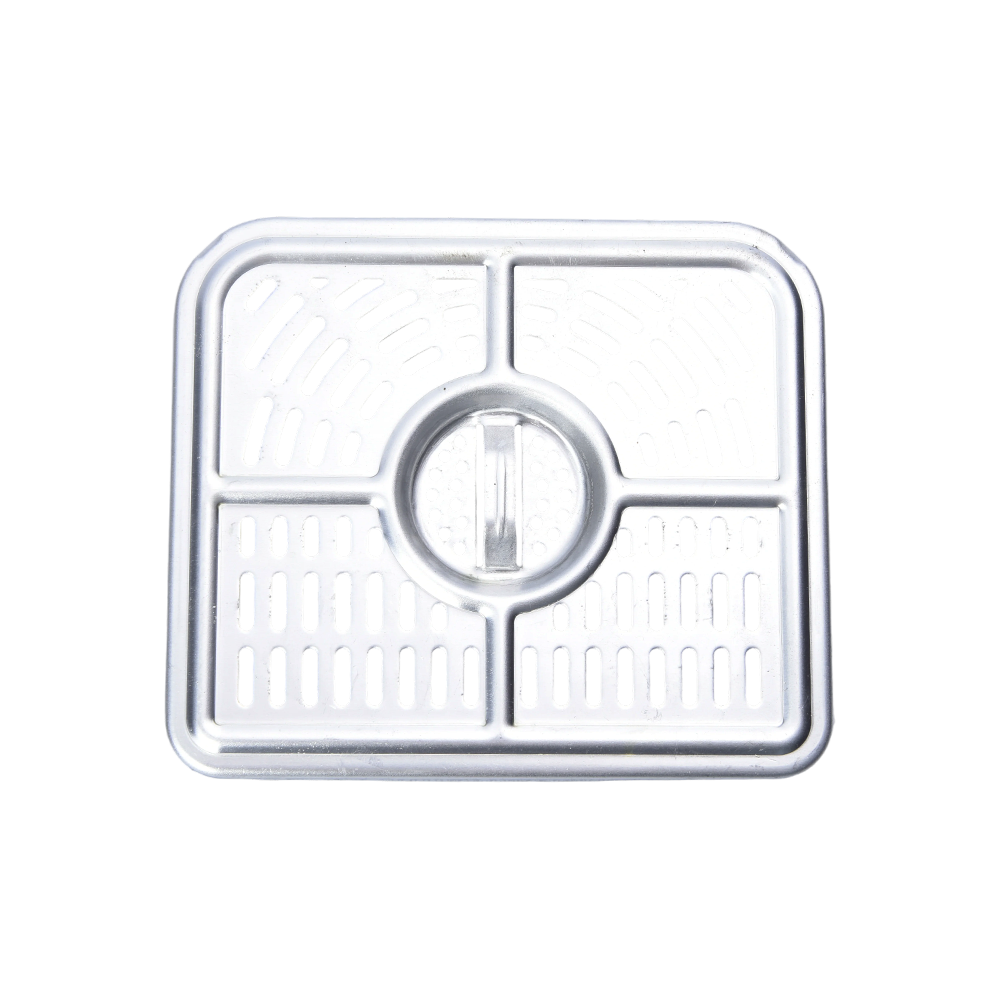
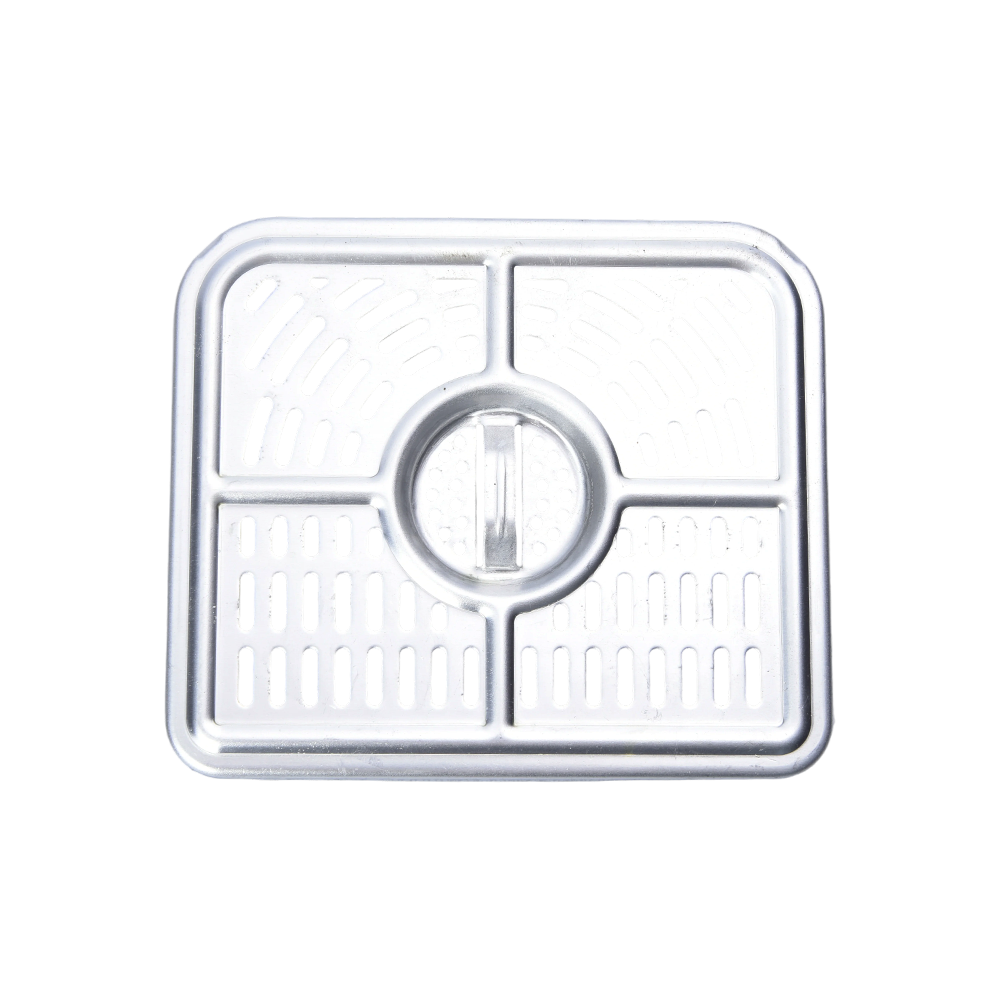
Stamped square lid with holes
Applications Across Multiple Industries
Automotive Applications
Automotive products often include numerous brackets, covers, shields, panels, and reinforcement components produced from sheet metal. A stamped square lid with holes can be adapted for use in vehicle-related assemblies where a compact, repeatable, and corrosion-resistant cover is needed. The holes may be used for fasteners, cable routing, ventilation, or alignment with a mating structure.
Automotive environments can expose parts to vibration, temperature changes, moisture, road contaminants, and repeated assembly or service operations. Therefore, the product design should consider material strength, edge quality, hole accuracy, and surface protection. A properly formed component can help maintain its position and function during the operating life of the vehicle system in which it is installed.
For automotive customers, repeatability is particularly important. Parts supplied to an assembly line must be consistent enough to support efficient installation and reduce manual adjustment. The manufacturer’s experience with automotive stamping parts provides a foundation for evaluating these requirements and developing suitable production methods.
Electrical and Electronic Equipment
Electrical cabinets, control boxes, power equipment, household appliances, and electronic housings frequently require small metal covers or mounting plates. A perforated square lid can cover an opening while allowing cables, fasteners, airflow, or service access. Depending on the design, it may also help protect internal wiring and components from accidental contact.
For electrical applications, hole placement and edge condition are important. Openings must be positioned so that wires and connectors are not damaged during installation. The lid should also be compatible with the enclosure and any insulation, gasket, or fastening system used in the product. Surface treatment may be selected to improve corrosion resistance and maintain a clean appearance.
The manufacturer’s experience in household electric heaters, small household appliances, optical instruments, and educational instruments supports production for a broad range of equipment. This diverse background is useful when a customer requires a component that combines functional, dimensional, and appearance requirements.
Industrial Machinery
Industrial machinery may use stamped lids as access covers, guards, ventilation panels, inspection plates, or mounting interfaces. The component can be manufactured with holes that support screws, bolts, clamps, sensors, or air movement. The square profile is convenient for machine panels and fabricated housings with straight edges.
Machinery components are often exposed to dust, vibration, lubricants, heat, and repeated maintenance. A durable metal lid with a suitable protective finish can help withstand these conditions. The design can also be adapted to simplify removal and replacement when the covered area requires periodic inspection or servicing.
Because industrial equipment is frequently customized, the ability to produce non-standard sizes and hole layouts is a significant benefit. Instead of redesigning the machine around a standard cover, the customer can specify the part according to the actual equipment layout.
Kitchen Appliances and Household Products
Kitchen appliance accessories and small household appliances require parts that are functional, neat, and suitable for efficient assembly. A stamped square lid may be used as a protective cover, ventilation panel, internal support, or finished exterior component. Depending on its location, the lid may need to resist heat, moisture, cleaning agents, or ordinary household wear.
Surface appearance can be important in consumer products. Polishing, anodizing, or coating may be selected to create a particular visual effect while improving resistance to abrasion and corrosion. The final finish should be matched to the material and the expected service environment.
For household product manufacturers, production efficiency and repeatability help control costs and support consistent assembly. Stamping is an effective process for producing repeated parts in larger quantities, particularly after the tooling and design have been confirmed.
Manufacturing Process and Technical Strengths
Engineering Review and Product Development
The manufacturing process begins with an understanding of the customer’s requirements. These may include overall length and width, material, thickness, hole dimensions, hole positions, corner details, formed features, surface treatment, quantity, packaging, and delivery expectations. The product can be developed from a technical drawing, a physical sample, or an application description.
An engineering review helps identify potential manufacturing issues before tooling or production begins. For example, the team may examine whether the holes are sufficiently separated, whether the edge distance is appropriate, whether the bend positions are practical, and whether the selected material can be formed without distortion. Early review reduces the risk of costly modifications later in the project.
For OEM and ODM customers, product development may involve several stages. These can include drawing review, design adjustment, prototype production, sample inspection, customer confirmation, tooling preparation, pilot production, and full-scale manufacturing. This gradual process allows important dimensional and functional details to be verified before a larger production commitment.
Material Preparation
Material preparation is an important part of stable stamping production. Sheet material must be suitable for the required geometry and surface quality. The production team considers the material’s thickness, strength, formability, corrosion resistance, and compatibility with the selected finishing method.
Careful material handling helps protect the surface before forming. Scratches, dents, contamination, or unsuitable storage conditions can affect the appearance and performance of the finished part. Proper preparation also supports consistent feeding into the stamping equipment.
Although the exact material can vary by project, the objective remains the same: provide a dependable balance between performance, manufacturing behavior, and cost. Customers can communicate their preferred material or application requirements so that the appropriate option can be evaluated.
Die and Tooling Preparation
Stamping dies determine many of the product’s key characteristics. The die must reflect the outside profile, hole pattern, bend details, and any other forming features required by the design. Tooling accuracy influences dimensional consistency, edge quality, and production efficiency.
For a customized square lid, the tooling may be designed specifically for one hole arrangement and one set of dimensions. This dedicated approach can provide stable repeatability during production. If the customer requires several related sizes or configurations, the tooling strategy can be reviewed to balance flexibility and efficiency.
Tooling design also considers the sequence of operations. Some parts may be blanked and pierced in one operation, while others may require multiple stages for cutting, piercing, bending, or forming. The appropriate sequence depends on the part geometry, material, quantity, and quality requirements.
Stamping and Piercing
During stamping, sheet metal is placed into the press and shaped through controlled force. The outer square or rectangular profile can be cut, and the holes can be pierced according to the approved drawing. If the lid includes flanges or bent edges, additional forming steps may be used.
Stable press operation is essential to maintaining uniform dimensions. The production team must manage material positioning, tooling condition, press settings, and part handling. Consistent operation helps prevent problems such as uneven holes, excessive burrs, distorted corners, incomplete forming, or variation between batches.
Stamping offers several advantages over slower individual fabrication methods. It can provide consistent repeatability, efficient material usage, rapid production conversion, and a clean relationship between the outer profile and internal openings. For customers with recurring demand, these benefits can support a more stable supply chain.
Bending and Secondary Forming
Some square lids require more than a flat profile. Bent edges, flanges, offsets, or recessed areas may be added to increase rigidity, improve fit, or create a mounting interface. Bending parts is one of the company’s manufacturing categories, allowing customers to request components that combine cutting, piercing, and forming requirements.
Secondary forming must be controlled carefully because bending can influence the position of nearby holes and the flatness of the remaining surface. The production process should account for material springback, bend direction, corner radius, and the relationship between the formed features and the mating assembly.
A well-planned forming sequence helps preserve the intended geometry. It also reduces the need for excessive manual correction, which can improve consistency and reduce the possibility of surface damage.
Deburring and Edge Treatment
After stamping and piercing, cut edges may contain small burrs. Deburring or edge treatment can improve handling safety, assembly quality, and the compatibility of the lid with wires, seals, or neighboring components. The required level of edge treatment depends on the application and the customer’s specifications.
Clean edges are especially important where the lid will be handled by assembly workers or installed near electrical cables. Edge quality can also influence the appearance of the finished product. Appropriate post-stamping treatment contributes to a more refined and reliable component.
Surface Treatment
The company can provide surface treatments such as polishing, anodizing, or coating. These treatments may improve appearance, corrosion resistance, abrasion resistance, or environmental durability. The correct treatment depends on the base material, operating conditions, desired color or finish, and performance expectations.
Polishing can provide a smoother and more attractive surface. Anodizing may be considered when compatible with the selected material and when additional surface protection or appearance is desired. Coating can provide another method of improving resistance to environmental exposure and wear.
Surface treatment should be reviewed as part of the complete product specification rather than as an isolated final step. Hole edges, bent areas, contact surfaces, and assembly interfaces may require special attention to ensure that the finished part remains suitable for installation.
Inspection and Quality Control
Quality control supports the consistency of the finished stamped square lid. Inspection may include checking the outside dimensions, hole size, hole location, flatness, bend angle, edge condition, surface appearance, and overall fit. The exact inspection plan can be adjusted according to the customer’s drawing and application requirements.
Quality control is most effective when it is integrated throughout the manufacturing process. Material review, tooling verification, first-piece inspection, in-process checks, and final inspection each provide opportunities to identify and correct variation. This approach is more dependable than waiting until the end of production to discover a problem.
Stable quality is especially valuable for OEM and ODM customers. Consistent parts can reduce assembly interruptions, rework, sorting, and unexpected replacement requirements. They also help customers maintain a uniform appearance and performance across multiple production batches.
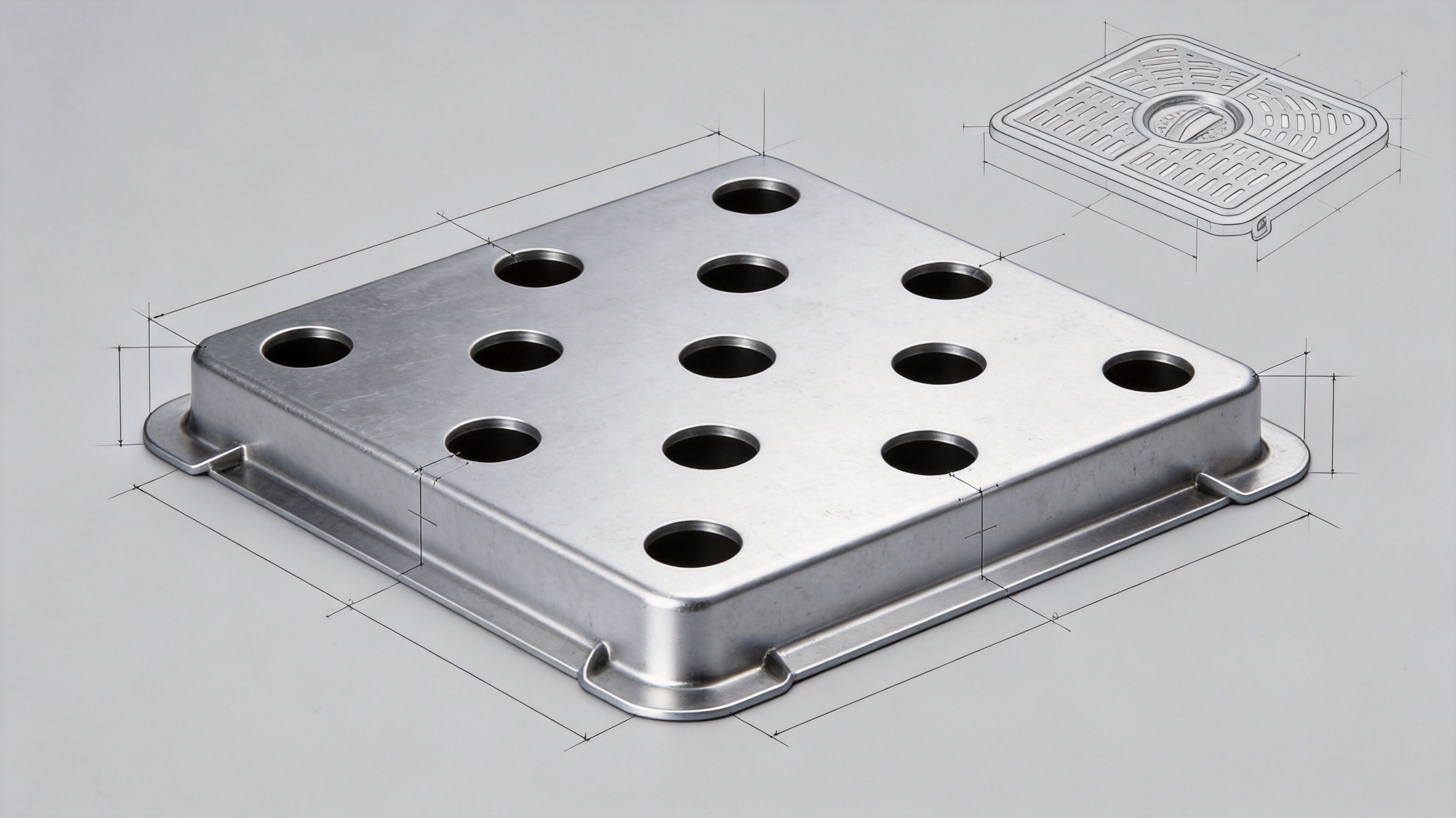
Why This Product Can Outperform Basic Alternatives
More Flexible Than Standard Off-the-Shelf Covers
Standard covers may be available in limited sizes and with fixed hole patterns. While such products can be suitable for simple applications, they may force customers to compromise on fit or modify their surrounding assembly. A customized stamped square lid allows the design to follow the actual requirements of the equipment or product.
Custom dimensions can help use available space more efficiently. Custom holes can align with existing fasteners, connectors, ventilation paths, or structural features. This reduces the need for additional brackets, adapters, or manual modifications during assembly.
More Repeatable Than Manually Fabricated Pieces
Individually cut or manually drilled covers can be useful for prototypes or very small quantities, but their dimensions may vary more from piece to piece. Hole positions may require additional marking and correction, and the final appearance can depend heavily on operator skill.
Controlled stamping provides a more repeatable production method for recurring orders. Once the tooling and process have been confirmed, the same configuration can be produced consistently. This can improve assembly efficiency and make inventory planning easier.
More Efficient for Repeated Production
For larger quantities, stamping can offer better production efficiency than one-by-one machining or fabrication. The process can combine several cutting and forming actions, reducing manual labor and shortening production time after tooling has been prepared.
Efficient production does not mean that design flexibility is lost. The company supports customized sizes, hole configurations, and surface treatments, allowing the customer to obtain a part tailored to the application while still benefiting from an industrial manufacturing process.
Better Protection Through Material and Finish Selection
A basic untreated metal cover may not provide sufficient protection in a humid, hot, corrosive, or high-contact environment. The stamped square lid can be specified with a suitable material and surface treatment to improve durability. This combination can help the component maintain its function and appearance for a longer period.
The appropriate finish also supports product differentiation. Customers can select a surface treatment that matches the visual style of their equipment or appliance while addressing practical requirements such as abrasion and corrosion resistance.
Designed for Integration Rather Than Simple Replacement
A high-quality stamped lid is developed as part of a complete assembly. Its holes, edges, thickness, and formed features should work with the surrounding housing, frame, gasket, hardware, or internal components. This integrated approach can reduce installation difficulty and improve the overall reliability of the product.
Yuyao Hongli Optoelectronics can review customized requirements and support the transition from prototype to production. This is valuable for customers who need more than a catalog item and require a manufacturing partner capable of responding to technical changes.
| Product Consideration | Value of the Stamped Square Lid with Holes | Customer Benefit |
|---|---|---|
| Outer profile | Customized square or rectangular dimensions | Improved fit with housings, panels, and frames |
| Hole configuration | Adjustable size, shape, quantity, and placement | Compatibility with fasteners, cables, airflow, and access requirements |
| Material selection | Material can be reviewed according to strength, corrosion, and forming needs | Better performance in the intended environment |
| Forming features | Bends, flanges, or related shapes can be incorporated when required | Improved rigidity, positioning, and assembly support |
| Surface treatment | Polishing, anodizing, or coating options | Enhanced appearance, corrosion resistance, and abrasion resistance |
| Production method | Controlled stamping and secondary processing | Repeatable quality and efficient recurring production |
| Customization support | OEM/ODM, rapid prototyping, and production conversion | Smoother development from concept to supply |
Manufacturing Capacity and Company Strengths
More Than Two Decades of Industry Experience
Yuyao Hongli Optoelectronics Co., Ltd. was founded in 2000 and has more than 20 years of industry experience. The company developed from its former name, Yuyao Hongli Optoelectronics Educational Instruments Co., Ltd., into a comprehensive manufacturer specializing in metal stamping parts and related products.
This history provides practical experience across different product categories and application environments. The company’s capabilities include educational instruments, optical instruments, household electric heaters, small household appliances, auto parts, hardware products, plastic products, deep-drawn parts, stamped parts, bending parts, kitchen appliance accessories, and automotive stamping parts.
A broad product background can be beneficial when a stamped square lid must be adapted to a particular assembly. Experience with different industries exposes the manufacturing team to varied requirements involving shape, material, appearance, durability, and production volume.
Modern Factory and Production Resources
The company operates a 5,000-square-meter modern factory in Yangming Science and Technology Industrial Park, Yuyao, Zhejiang Province, China. Its production organization includes multiple stamping workshops and more than 60 employees. These resources support the production of customized components and help the company manage different orders and processing requirements.
Factory capacity is important for customers seeking a stable supplier. A suitable manufacturing base can support prototype work, sample confirmation, recurring orders, and production conversion. It also provides space for organized material handling, tooling preparation, stamping, secondary processing, inspection, and packaging.
The company’s manufacturing scope includes production, processing, wholesale, retail, import, and export services. This broad business capability enables the company to work with customers in different markets and support various supply arrangements.
OEM and ODM Customization
OEM and ODM support allows customers to request products based on their own drawings, specifications, branding requirements, or application concepts. For the stamped square lid with holes, customization may involve the external size, thickness, hole layout, corner design, bending details, material, surface treatment, packaging, and order quantity.
Customization is most successful when technical information is exchanged clearly. Customers should provide drawings with dimensions and tolerances whenever possible. If drawings are not available, photographs, samples, sketches, or descriptions of the installation environment may help initiate a technical discussion.
The company can support rapid prototyping and efficient production conversion. Prototypes allow the customer to evaluate fit, appearance, hole alignment, surface treatment, and functional performance before committing to larger quantities. Once the design is approved, the process can be transferred into repeat production.
Stable Delivery and After-Sales Service
Manufacturing quality is only one part of a successful supply relationship. Customers also require dependable communication, stable delivery, responsive problem solving, and after-sales support. Yuyao Hongli Optoelectronics emphasizes efficient production conversion, stable delivery, strict quality control, and comprehensive after-sales service.
For components used in ongoing assembly, delivery reliability can influence the customer’s entire production schedule. A supplier that understands the product, maintains organized production planning, and communicates effectively can help reduce uncertainty in procurement and inventory management.
After-sales service is important when a customer needs clarification, design adjustment, replacement support, or assistance with a future order. Long-term cooperation is strengthened when the supplier remains engaged after the initial shipment.
Design Considerations for a Successful Project
Define the Intended Function
Before designing the lid, the customer should determine what the component must do. It may be used primarily as a protective cover, mounting plate, ventilation panel, service access cover, structural reinforcement, or decorative exterior part. Defining the main function helps guide material choice, hole design, edge treatment, and surface finishing.
If airflow is required, the number and arrangement of holes may influence ventilation performance. If fastening is the main purpose, the hole pattern must match the screws, rivets, bolts, clips, or studs used in the assembly. If the lid covers sensitive components, the design may need to balance access with protection.
Confirm the Installation Interface
The surrounding opening should be measured carefully. Important information includes the length and width of the opening, corner radius, available clearance, mounting points, gasket location, and access direction. The lid must have enough clearance for installation while remaining secure during operation.
The relationship between the hole pattern and the mating component should also be confirmed. A complete drawing or sample assembly can help identify potential interference before the part enters production. Early verification is particularly important when the lid is used in a compact product with limited internal space.
Select Material and Thickness Carefully
Material and thickness affect both performance and manufacturing. A thicker sheet may provide greater stiffness, but it may also require more forming force and influence the final weight or cost. A thinner sheet may be suitable for a light protective cover but may not provide sufficient rigidity for a loaded or frequently handled component.
The selected material should also be compatible with the operating environment and surface treatment. Moisture, temperature, chemicals, vibration, and contact with other metals may affect the long-term behavior of the part. Customers should communicate these conditions during the quotation and design review stage.
Consider Hole-to-Edge Relationships
Holes placed too close to an edge can weaken the surrounding area or cause distortion during piercing and forming. Adequate spacing helps preserve the strength and flatness of the lid. Hole size and shape should also be reviewed in relation to the sheet thickness and required fastening hardware.
When several holes are required, their spacing should be coordinated with the intended load and assembly process. Symmetrical patterns may improve balance and simplify installation, while asymmetrical patterns may be necessary to prevent incorrect orientation or accommodate internal components.
Specify Surface Requirements
Customers should identify whether the surface needs to be polished, anodized, coated, or supplied with another finish. The desired appearance, corrosion resistance, abrasion resistance, and contact requirements should all be considered.
It is also useful to specify which surfaces are visible and which areas will be hidden after assembly. This information can help the manufacturer recommend a suitable balance between appearance, performance, and cost.

Quality, Efficiency, and Long-Term Value
The long-term value of a stamped square lid is determined by more than its purchase price. A part that fits correctly, installs quickly, withstands its environment, and remains available through stable supply can reduce the total cost of ownership. Consistent parts may reduce rework, assembly delays, product returns, and service problems.
Efficient stamping also supports material utilization and production planning. Once a design has been validated, repeat orders can be manufactured through an established process. This can help customers maintain consistent product quality across different production periods.
Durability contributes to value as well. A lid that resists rust, heat, abrasion, and ordinary operating stresses is less likely to require early replacement. Surface treatment and material selection should be chosen according to the actual conditions rather than based only on appearance.
For customers developing new products, rapid prototyping can shorten the path from concept to production. A prototype can reveal fit or assembly issues that may not be apparent in a digital drawing. Adjustments made at this stage are generally easier than changes made after a large quantity has been produced.
Ordering and Customization Process
Step One: Submit Requirements
The customer begins by sharing the product drawing, sample, dimensions, material preference, hole configuration, surface treatment, expected quantity, and application information. If certain details are not yet finalized, the customer can identify the open points for technical discussion.
Step Two: Technical Evaluation
The manufacturing team reviews the design for stamping feasibility, forming sequence, material behavior, tooling requirements, surface treatment, and quality expectations. Potential issues can be discussed before the quotation or prototype stage.
Step Three: Prototype or Sample Confirmation
For new designs, a prototype or sample may be produced for evaluation. The customer can check the part against the mating assembly and confirm dimensions, hole positions, appearance, and function. Any required adjustments can be incorporated into the next production stage.
Step Four: Tooling and Production Preparation
After approval, the necessary tooling and production instructions are prepared. The manufacturing process may include stamping, piercing, bending, deburring, surface treatment, inspection, and packaging. Production planning is organized according to the customer’s required quantity and delivery schedule.
Step Five: Quality Inspection and Delivery
Finished parts are inspected according to the agreed requirements. The product is then prepared for delivery using packaging appropriate to the part’s dimensions, surface, and quantity. Continued communication supports efficient handling of repeat orders and future design changes.
Frequently Asked Questions
What is a stamped square lid with holes used for?
It can be used as a protective cover, ventilation panel, mounting plate, access cover, reinforcement, or enclosure component. Common application areas include automotive products, electrical equipment, industrial machinery, kitchen appliances, household appliances, optical instruments, and other mechanical assemblies.
Can the hole size and position be customized?
Yes. The hole size, shape, quantity, and placement can be customized according to the customer’s drawing or application requirements. The hole pattern should be reviewed together with the outer dimensions and material to ensure good manufacturability and reliable assembly.
Can the outside dimensions be customized?
Yes. The square or rectangular profile can be produced according to the required dimensions. Customers should provide the opening size, installation clearance, corner details, and any relevant tolerances during the design review.
What surface treatments are available?
The company can provide surface treatments such as polishing, anodizing, or coating. The most suitable option depends on the base material, required appearance, corrosion exposure, abrasion conditions, and intended use.
Can the lid include bent edges or flanges?
Depending on the design, bending and other forming features can be incorporated. Bent edges or flanges may improve rigidity, create a mounting surface, help with positioning, or reduce exposed sharp edges. The geometry should be evaluated before tooling is prepared.
Is the product suitable for automotive applications?
Yes. The company manufactures automotive stamping parts and can evaluate stamped square lids for automotive-related assemblies. The design should account for vibration, temperature changes, moisture, corrosion exposure, fastening, and the required surface treatment.
Can prototypes be produced before mass production?
Yes. The company supports rapid prototyping and production conversion. Prototype or sample production allows the customer to confirm fit, hole alignment, appearance, and functional requirements before larger-scale manufacturing.
What information should be provided for a quotation?
Useful information includes a drawing or sample, overall dimensions, material and thickness, hole details, forming requirements, surface treatment, estimated quantity, packaging requirements, and delivery location. Application conditions are also helpful when material or finish selection requires technical review.
How does stamping compare with manually fabricated covers?
Stamping generally provides better repeatability and production efficiency for recurring orders. It can reproduce the outer profile and hole pattern consistently after tooling has been approved. Manual fabrication may be appropriate for one-off work, but it can involve greater variation and more labor for repeated production.
Can the product be supplied for OEM or ODM projects?
Yes. OEM and ODM customization is available. The company can work from customer drawings, samples, or application concepts and support the development process from prototype evaluation through production.
How can customers contact the manufacturer?
Customers can contact Yuyao Hongli Optoelectronics Co., Ltd. by email at hongli@hl-stamping.com or by telephone at +86-13905842349 and +86-13738485724. The company is located on the south side of Shunke Road, Yangming Science and Technology Industrial Park, Yuyao City, Zhejiang Province, China.
Conclusion
The stamped square lid with holes is a versatile and practical component for industrial, automotive, electrical, household, and mechanical applications. Its value comes from the combination of a stable metal structure, customizable hole configuration, accurate stamped profile, optional forming features, and protective surface treatments.
Compared with basic off-the-shelf covers or manually fabricated pieces, a customized stamped solution can provide better integration, repeatability, production efficiency, and long-term consistency. The product can be developed around the customer’s actual opening dimensions, fastening system, ventilation needs, service requirements, and environmental conditions.
Yuyao Hongli Optoelectronics Co., Ltd. supports this product with more than 20 years of industry experience, a 5,000-square-meter factory, multiple stamping workshops, more than 60 employees, OEM/ODM capabilities, rapid prototyping, quality control, stable delivery, and after-sales service. Its experience across stamped parts, deep-drawn parts, bending parts, kitchen appliance accessories, automotive stamping parts, and related products enables it to support both standard manufacturing needs and customized development projects.
For customers seeking a dependable metal cover with accurately positioned holes, the product offers a practical path from design concept to repeat production. By combining careful technical review, controlled stamping, secondary forming, appropriate surface treatment, and consistent inspection, the stamped square lid with holes can become a reliable part of a wide range of finished products.
References
1. Product information supplied for the stamped square lid with holes, including customization, material performance, hole configuration, and surface-treatment options.
2. Company information supplied for Yuyao Hongli Optoelectronics Co., Ltd., including manufacturing history, factory size, production categories, OEM/ODM services, and quality commitments.
3. General principles of sheet-metal stamping, piercing, bending, deburring, forming, and surface treatment used in industrial component manufacturing.
4. General design considerations for stamped sheet-metal parts, including dimensional repeatability, hole-to-edge spacing, material selection, assembly alignment, and corrosion protection.
Product: Stamped square lid with holes
Previous Post
Stamped Miniature Parts: Precision, Durability, and Custom Manufacturing for Demanding Applications
Next Post
Precision Stamped Sheet Metal Parts for Automotive Applications
News
-
-
When you need a metal component whose depth clearly exceeds its width, such as a one-piece battery enclosure, an air-fryer inner container,...
READ MORE -
Steel is the backbone of modern manufacturing, yet it is never a single, uniform material. When engineers and buyers ask, "How can you clas...
READ MORE -
Sheet metal bending is one of the most fundamental processes in metal fabrication. It turns a flat sheet of steel, aluminum, or copper into...
READ MORE
Get Fresh Updates Via Email
We promise we will never disclose your email address, and you can opt out at any time.
-
Quick Links
Home About Us Products Service News Contact Us -
Product list
Deep-drawn parts Stamped parts Bending parts Kitchen appliance accessories Automotive stamping parts -
About Us
Factory Honour FAQ -
News
Company News Industry News -
Contact Us
Address: South side of Shunke Road, Yangming Science and Technology Industrial Park, Yuyao City, Zhejiang Province, China Tel: +86-13905842349/+86-13738485724 Email: hongli@hl-stamping.com
Copyright © Yuyao Hongli Optoelectronics Co., Ltd. All Rights Reserved.
Custom Precision-Sheet/Sheet Metal Stamping Manufacturers
