


 English
 русский
 Español
 عربى
عربى
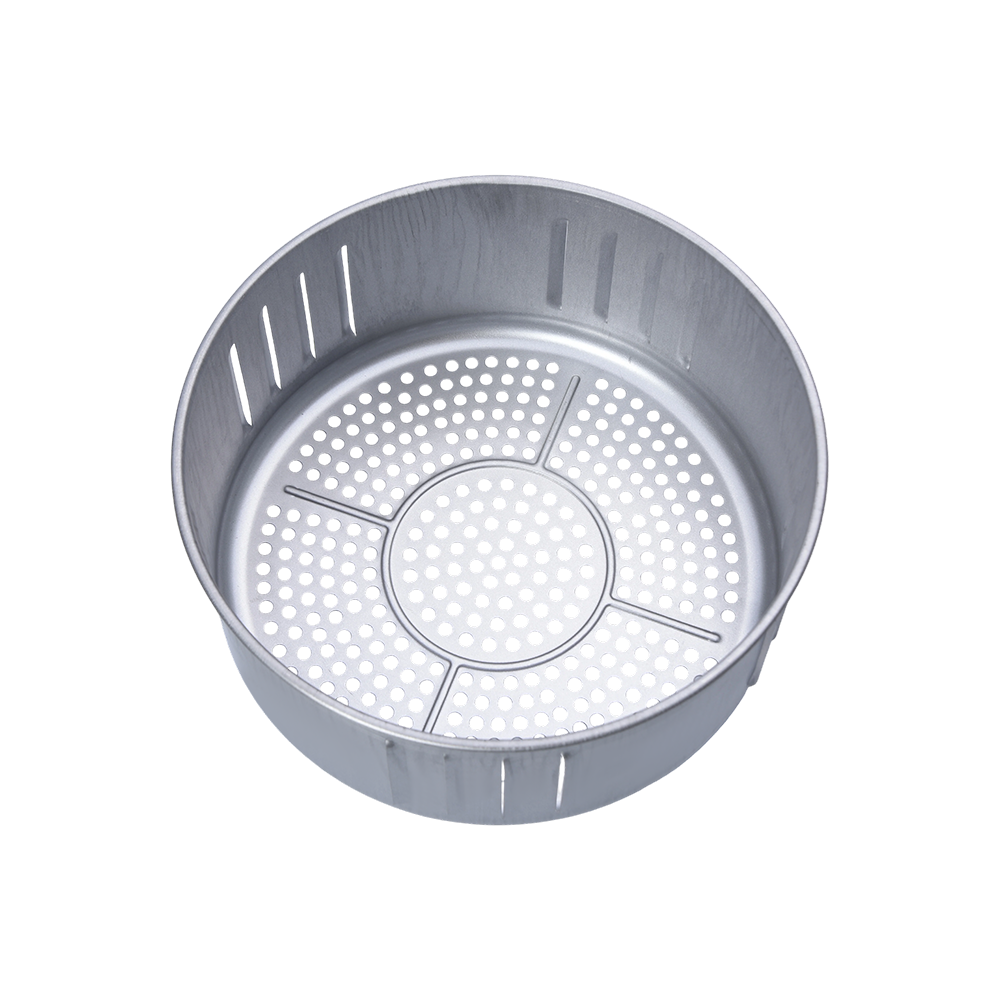

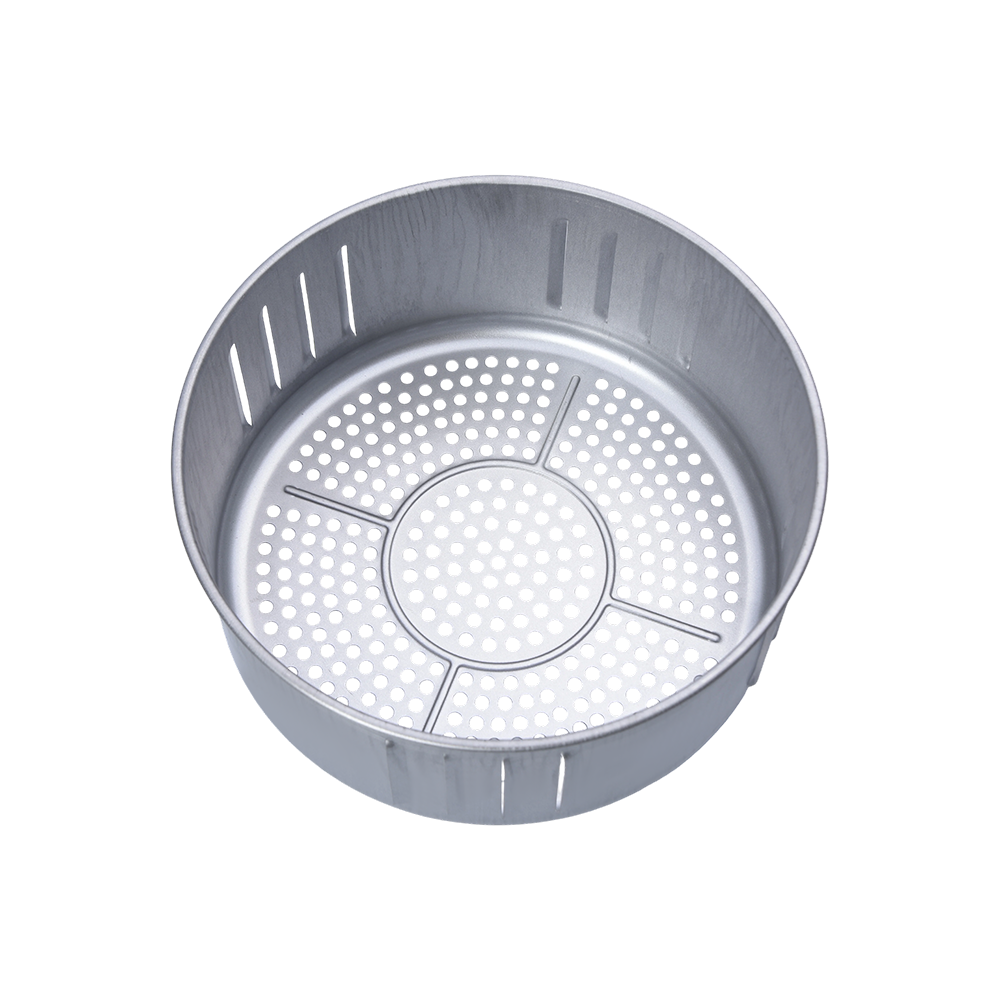
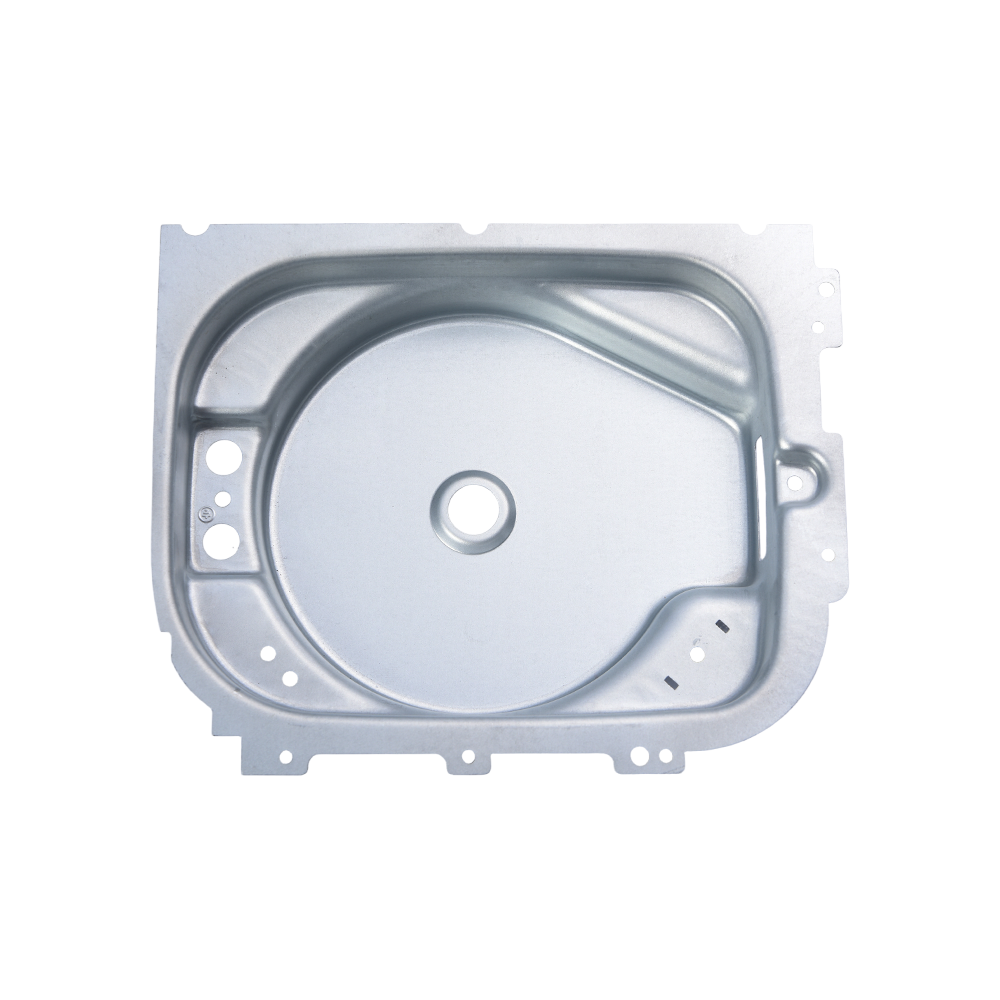
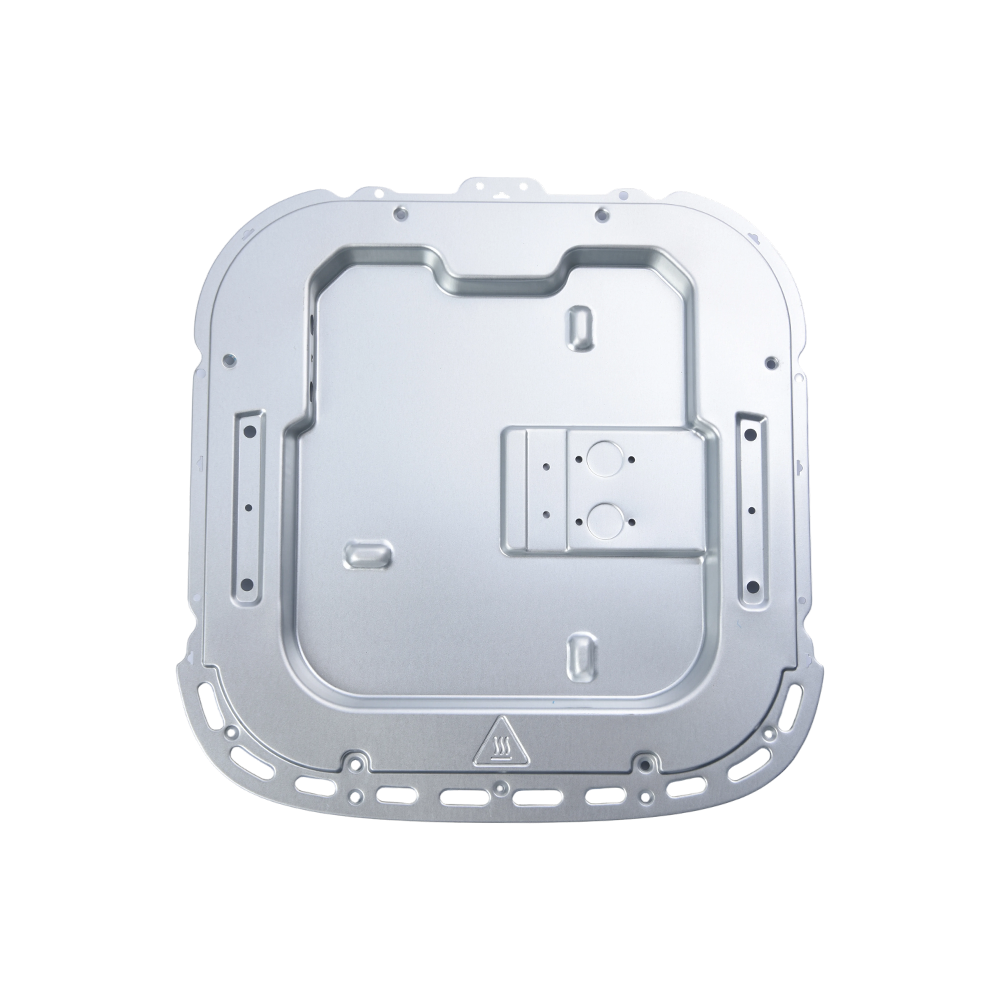
What Are Stamped Parts? Stamped parts are metal components produced by pressing flat sheet metal between a die and a punch to cut, bend, or...
READ MORE

News
Home / Author / Wang Xinyi — Senior After-Sales Coordinator / Perforated Kitchen Container for Fresher, Cleaner, and More Organized Storage
Perforated Kitchen Container for Fresher, Cleaner, and More Organized Storage
2026-06-20
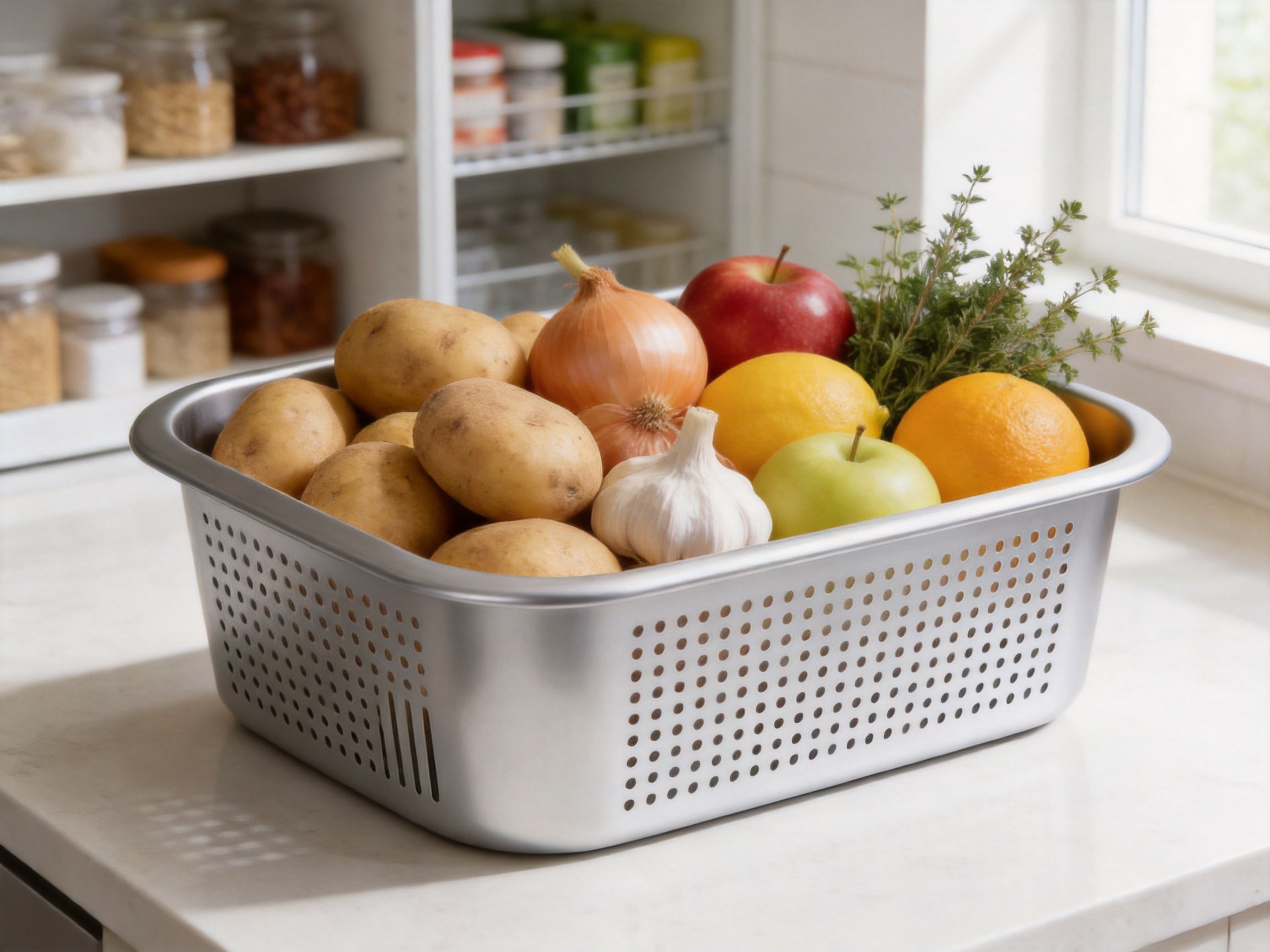
Modern kitchens need storage products that do more than simply hold food. They must help ingredients stay fresh, support hygienic handling, fit neatly into daily cooking routines, and withstand frequent cleaning. The Perforated Kitchen Container is designed for these practical demands. With a ventilated structure, durable metal construction, smooth surface finish, and versatile form, it provides an efficient solution for storing fruits, vegetables, herbs, potatoes, onions, kitchen tools, and other items that benefit from airflow and clean organization.
Unlike fully enclosed containers that can trap humidity and accelerate spoilage, this perforated container encourages air circulation. Moisture can escape more easily, helping reduce dampness, odor buildup, and the risk of mold growth. The result is a storage accessory that supports fresher ingredients and a cleaner kitchen environment.
Beyond its usefulness as a storage box, the product reflects the strengths of professional metal forming manufacturing. Produced by Yuyao Hongli Optoelectronics Co., Ltd., a manufacturer with more than 20 years of industry experience, it benefits from mature stamping, bending, deep-drawing, and finishing capabilities. The company’s background in metal stamping parts, deep-drawn parts, bending parts, kitchen appliance accessories, and automotive stamping parts gives the container a strong foundation in precision, repeatability, and long-term durability.
A Practical Kitchen Container Built Around Ventilation
The most distinctive feature of the Perforated Kitchen Container is its perforated design. In kitchen storage, ventilation is not a minor detail; it can directly affect freshness, cleanliness, and convenience. Many fresh ingredients continue to release moisture after purchase. If they are placed in sealed or poorly ventilated containers, the moisture stays inside, creating a damp environment. This can soften produce, encourage unpleasant odors, and shorten storage life.
Perforations allow air to move through the container instead of remaining trapped. For items such as onions, potatoes, garlic, herbs, fruit, and certain vegetables, this airflow can help reduce surface moisture and keep ingredients in better condition. While different foods require different storage conditions, breathable storage is especially useful for ingredients that should be kept dry and well aired.
The container’s perforated structure also improves visibility and usability. Users can quickly identify what is inside without repeatedly opening lids or moving items around. This supports better kitchen organization and can reduce food waste because ingredients are less likely to be forgotten.
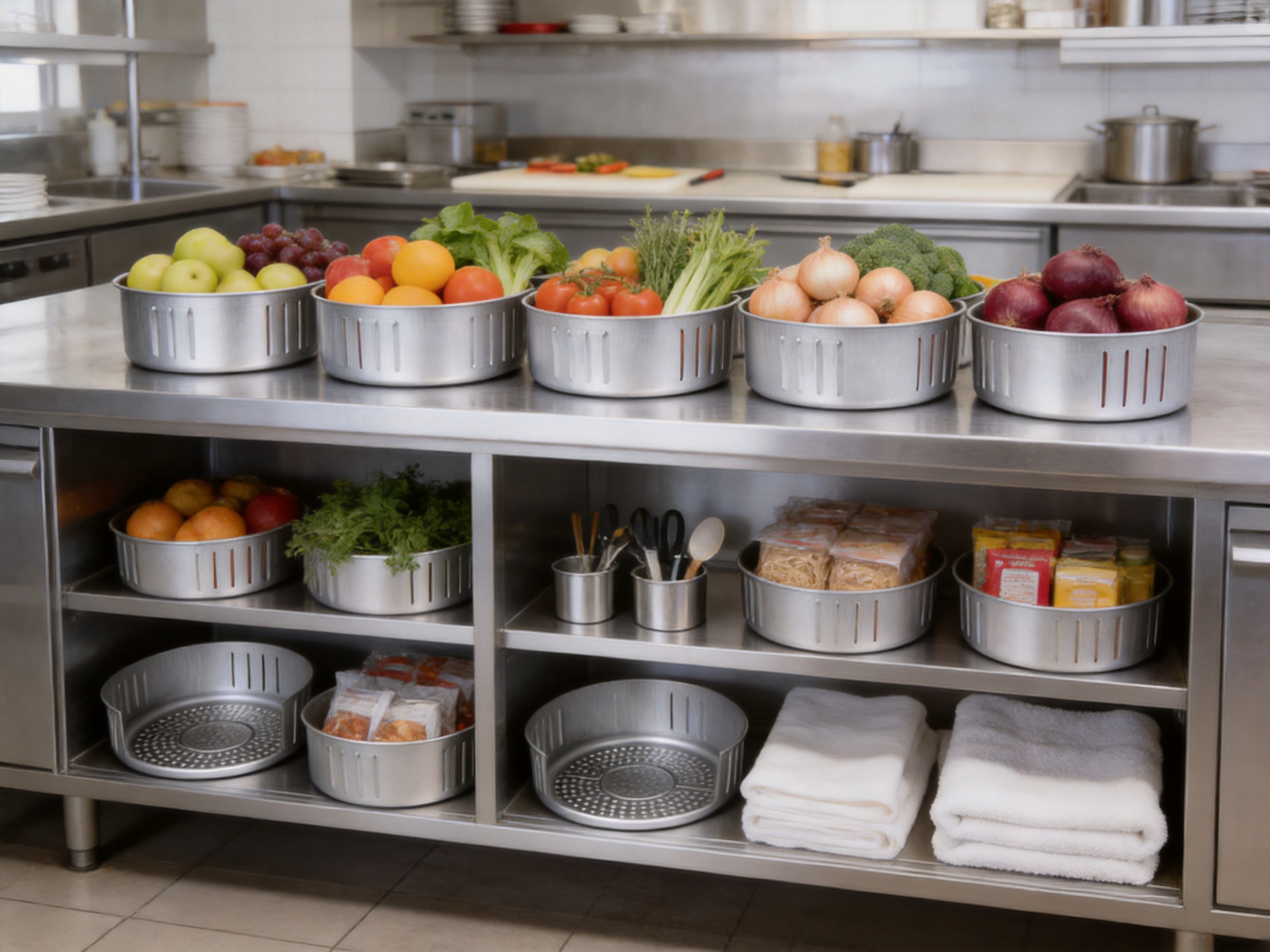
In everyday use, the container can serve multiple roles. It can sit on a countertop for frequently used produce, fit into a pantry shelf, hold washed herbs while they drain, organize small kitchen tools, or store packaged ingredients that need neat separation. Its combination of airflow, durability, and clean appearance makes it suitable for both home kitchens and commercial food preparation environments.
Why Perforated Storage Matters for Fresh Ingredients
Fresh produce is sensitive to storage conditions. Moisture, temperature, airflow, and contact surfaces all influence how long food remains usable. A container that is too closed can hold condensation. A basket that is too open may expose food to dust or make storage look disorderly. The Perforated Kitchen Container offers a balanced approach: it holds items securely while providing openings that support ventilation.
Potatoes and onions are classic examples of foods that need airflow. When stored in damp or poorly ventilated places, they may sprout, soften, or develop mold more quickly. A perforated container helps avoid the moisture buildup that often occurs in plastic bags or closed boxes. Similarly, citrus fruits, apples, and certain vegetables can benefit from storage that allows air exchange rather than stagnant humidity.
Herbs and leafy ingredients may also benefit from temporary ventilated storage, especially after washing. Excess water can escape through the perforations, making the container useful as part of preparation and drying routines. While delicate greens may still require specific humidity control for long-term refrigeration, the container remains valuable for rinsing, draining, sorting, and short-term organization.
For busy kitchens, the benefit is not only freshness but also workflow. Ingredients stored in a breathable, visible container are easier to access. The cook can see what is available, remove what is needed, and return the container to its place. This reduces clutter and helps maintain a more efficient cooking environment.
Core Product Advantages Over Ordinary Storage Options
Compared with conventional closed plastic boxes, fabric bags, wire baskets, or low-grade metal containers, the Perforated Kitchen Container offers a stronger combination of hygiene, airflow, structural stability, and visual appeal. Each of these advantages matters in daily kitchen use.
Closed plastic containers are often inexpensive, but they can trap odors and moisture. Some stain easily when exposed to food pigments or oils, and repeated washing may leave scratches that hold residue. In contrast, the smooth metal surface of the perforated container resists grease and food residue, making cleaning easier and helping the product maintain a neat appearance over time.
Fabric or mesh bags provide breathability, but they usually lack rigidity. They may collapse, absorb odors, become stained, or look untidy on open shelves. Wire baskets provide ventilation, but small items can fall through gaps, and wire joints may create cleaning difficulties. The perforated container uses controlled hole patterns and a formed metal body to combine ventilation with stable containment.
Low-quality metal containers may have rough edges, inconsistent forming, uneven perforations, or weak corners. A professionally manufactured container, however, relies on accurate stamping, bending, and finishing processes to create a smoother, safer, and more durable product. This is where the manufacturing strength behind the product becomes an important competitive advantage.
| Comparison Point | Perforated Kitchen Container | Common Closed Plastic Box | Fabric or Mesh Bag | Basic Wire Basket |
|---|---|---|---|---|
| Airflow | Strong ventilation through perforated structure | Limited unless opened | Good airflow but less protection | Good airflow but larger gaps |
| Moisture Management | Helps moisture escape and reduces damp storage conditions | Can trap condensation | May absorb moisture | Allows drainage but may not contain small items well |
| Cleaning | Smooth surface resists grease and residue | Can stain or retain odors | Harder to wash thoroughly | Joints and corners may collect residue |
| Durability | Rigid metal construction for long service life | May warp, crack, or scratch | Can tear or lose shape | Depends on wire quality and welding |
| Appearance | Modern, clean, and suitable for visible kitchen storage | Often utilitarian | Casual and less structured | Simple but may look industrial |
| Manufacturing Precision | Produced through experienced stamping and forming processes | Usually molded for low cost | Sewn or woven | Welded or assembled from wire |
The table shows that the container is not merely another storage accessory. It is a product engineered for the practical problems that occur in real kitchens: trapped moisture, difficult cleaning, unstable storage, and cluttered appearance.
Durable Metal Construction for Long-Term Kitchen Use
Kitchen accessories are exposed to repeated handling, cleaning, weight loads, temperature changes, and contact with moisture or food residue. A product that looks good when new but deforms quickly is not a reliable solution. The Perforated Kitchen Container is designed to be lightweight enough for comfortable handling yet robust enough for daily storage tasks.
Its formed metal body provides structural integrity. Proper forming techniques help the container maintain shape under normal use, while the smooth surface supports easy wiping and washing. The rigidity of the material also allows the container to hold heavier items such as potatoes, onions, or kitchen tools without sagging like a fabric bag or bending like a weak basket.
Durability is especially important for users who value sustainability and long service life. A reusable metal container can reduce reliance on disposable packaging and short-lived storage products. When a kitchen accessory remains functional and attractive for years, it offers better overall value than products that must be replaced frequently.
The container’s strength is supported by the manufacturer’s experience in producing parts for demanding applications, including automotive stamping parts and household appliance components. These industries require dimensional accuracy, consistent forming quality, and repeatable production standards. Applying those capabilities to kitchen accessories helps create a storage product that is practical, consistent, and dependable.
Smooth Surface for Easier Cleaning and Better Hygiene
Food storage products must be easy to clean. If grease, dust, or food residue remains trapped in rough surfaces or difficult corners, the product becomes inconvenient and less hygienic. The Perforated Kitchen Container is designed with a smooth surface that resists residue buildup and can be cleaned efficiently after use.
The value of a smooth surface becomes clear in everyday routines. Produce may carry soil, herbs may leave small fragments, and kitchen tools may introduce oil or seasoning residues. A container that can be wiped or rinsed quickly saves time and encourages regular cleaning. This is particularly important in busy homes, restaurants, cafes, and food preparation areas where efficiency matters.
The perforations are also important from a cleaning perspective. Properly manufactured holes should be consistent and well formed, reducing sharp edges or irregular burrs that can trap particles or make handling uncomfortable. Precision stamping and finishing help deliver safer, cleaner perforated surfaces.
Compared with woven baskets or fabric sacks, metal surfaces are less likely to absorb odors. This makes the container suitable for storing items with strong smells, such as onions or garlic, while remaining easy to refresh after cleaning. It can also be used for non-food storage in the kitchen, including utensils, cleaning cloths, small packaged goods, or appliance accessories.
Modern Appearance for Open Kitchen Organization
Contemporary kitchens often combine function with visual design. Storage items are not always hidden inside cabinets; they may be placed on countertops, open shelves, kitchen islands, or pantry racks. A container used in visible areas should therefore look clean, modern, and organized.
The Perforated Kitchen Container offers a simple and stylish appearance that blends well with many kitchen styles. Its metal surface, clean geometry, and regular perforation pattern create a professional look without unnecessary decoration. This makes it suitable for modern homes, minimalist kitchens, commercial food displays, and organized pantry systems.
Good visual design also supports practical organization. When storage containers look consistent and orderly, users are more likely to maintain neat spaces. A durable, attractive container can become part of a kitchen management system rather than a temporary storage item.
Unlike bright disposable packaging or mismatched plastic boxes, a perforated metal container gives ingredients a dedicated place. It helps transform loose produce into a clean arrangement. This is useful not only for aesthetics but also for inventory awareness. When items are visible and neatly grouped, it becomes easier to plan meals, prevent overbuying, and reduce forgotten food.
Versatile Applications in Homes and Commercial Kitchens
The Perforated Kitchen Container is well suited for household kitchens, but its value extends beyond domestic use. Its ventilation, durability, and easy-clean surface make it relevant for bakeries, restaurants, hotel kitchens, catering facilities, food preparation counters, and retail display areas.
In a home kitchen, it can store fruits on a countertop, onions in a pantry, potatoes in a cabinet, or washed vegetables near a sink. It can also hold kitchen tools, spice packets, towels, cleaning accessories, or small appliance parts. Because the container is lightweight yet sturdy, it can be moved easily during cooking, cleaning, or restocking.
In commercial environments, the container can support ingredient sorting and preparation. Kitchen staff can use it for temporary holding, draining, organizing, or transporting small quantities of produce or utensils. Its perforated structure allows airflow and drainage, while its metal construction supports frequent handling.
For retailers or food displays, the container can present produce in a neat and breathable way. The modern appearance helps create a clean display, while the perforations prevent the closed-in look of sealed bins. The product’s simple design makes it adaptable across multiple settings.
Manufacturing Strength Behind the Product
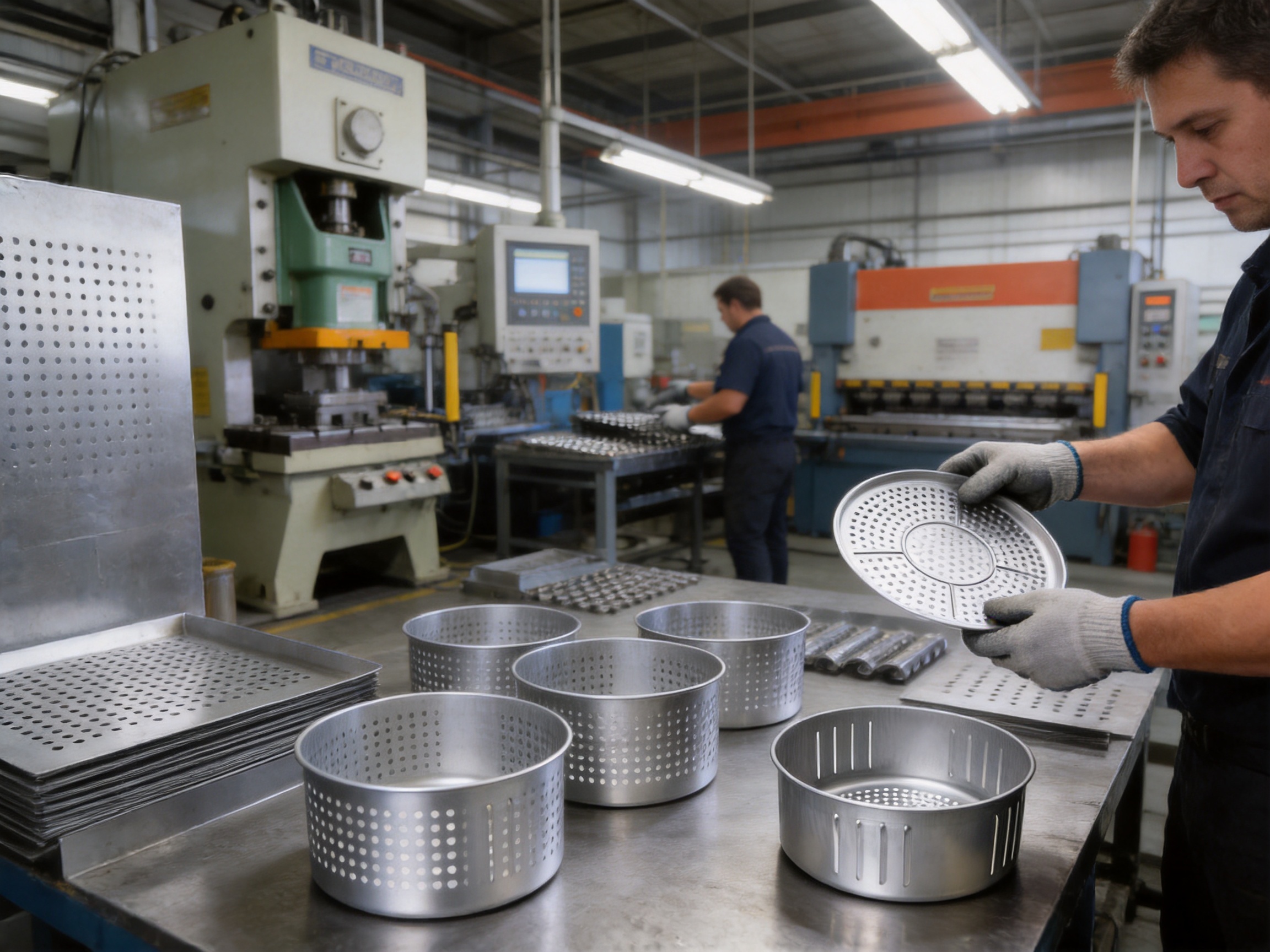
A kitchen container may appear simple, but producing it consistently at high quality requires expertise in material selection, tooling, stamping, bending, perforation, surface treatment, inspection, and packaging. Yuyao Hongli Optoelectronics Co., Ltd. brings more than two decades of manufacturing experience to this process.
The company is located in Yangming Science and Technology Industrial Park in Yuyao City, Zhejiang Province, China. Since its founding in 2000, it has developed into a comprehensive manufacturing enterprise specializing in metal stamping parts and related products. Its capabilities cover deep-drawn parts, stamped parts, bending parts, kitchen appliance accessories, automotive stamping parts, hardware products, household electric heater components, small household appliance parts, plastic products, optical instrument parts, and educational instrument components.
This broad manufacturing background is important because it demonstrates adaptability. A manufacturer that serves multiple industries must understand different tolerances, material behaviors, forming methods, and quality expectations. The same engineering discipline used for appliance accessories and automotive stamping parts can support the production of reliable kitchen storage products.
The company operates a modern factory of approximately 5,000 square meters, with multiple stamping workshops and more than 60 employees. This scale allows it to handle both customized projects and stable production orders. It also supports rapid prototyping and efficient conversion from sample development to mass production.
Advanced Metal Forming Processes
The Perforated Kitchen Container benefits from several core manufacturing processes, especially stamping, perforating, bending, and forming. Each process contributes to the final product’s strength, appearance, and usability.
Precision Stamping
Stamping is a metal forming process in which sheet metal is shaped, cut, or perforated using dies and presses. For a perforated kitchen container, stamping accuracy is essential. The hole pattern must be consistent, the dimensions must remain stable, and the formed edges must support safe handling.
Experienced stamping production helps reduce defects such as distorted holes, uneven panels, weak corners, or inconsistent dimensions. Consistency is particularly important when containers are produced in quantity for distributors, appliance brands, kitchenware suppliers, or OEM customers.
Controlled Perforation
Perforation is more than simply punching holes in metal. The size, spacing, and arrangement of perforations influence airflow, structural strength, cleaning performance, and appearance. Too few holes may reduce ventilation; too many or poorly placed holes may weaken the structure. A balanced perforation pattern provides breathable storage while maintaining rigidity.
Professional tooling allows repeated perforation patterns with accuracy. This gives the product a clean, uniform visual effect and reliable functional performance. It also helps ensure that each container meets the same quality expectations.
Bending and Forming
Bending transforms flat sheet metal into a three-dimensional container. Accurate bending is necessary to create stable sides, clean corners, and a balanced shape. If bending is inconsistent, the container may wobble, stack poorly, or look uneven.
The manufacturer’s experience with bending parts and deep-drawn parts supports better control of material behavior during forming. Metal has springback and stress characteristics that must be considered. Skilled process design helps prevent cracking, warping, or deformation.
Surface Finishing
Surface finish affects appearance, cleaning, and corrosion resistance. A smooth and well-treated surface makes the container easier to wipe clean and more pleasant to handle. It also contributes to the modern look expected from kitchen accessories.
Quality finishing involves attention to burr removal, edge smoothness, surface uniformity, and protective treatment. These details distinguish a professional kitchen container from low-cost alternatives that may have rough edges or inconsistent surfaces.
Quality Control for Reliable Performance
Reliable products are built through controlled processes, not chance. The manufacturing of a perforated kitchen container requires inspection at several stages. Material quality must be checked before production. Tooling must be maintained. Stamping and forming dimensions must be verified. Surface condition must be inspected. Finished goods must be packaged properly to prevent damage during transport.
Yuyao Hongli Optoelectronics emphasizes strict quality control, stable delivery, and comprehensive after-sales service. These strengths are important for customers seeking long-term supply cooperation. A kitchenware distributor, appliance manufacturer, or OEM brand needs products that arrive on time and match agreed specifications.
Quality control also protects end users. A container used around food should have smooth edges, stable structure, and a clean finish. Poorly controlled production can result in burrs, unstable shapes, or inconsistent surfaces. Professional manufacturing reduces these risks.
The company’s long experience in metal stamping and related industries supports a disciplined quality culture. Automotive and appliance components often require careful dimensional control and repeatability. Those practices can be applied to kitchen appliance accessories to deliver more dependable consumer products.
OEM and ODM Customization Potential
One of the key advantages of working with a capable manufacturer is the ability to customize. The Perforated Kitchen Container can serve as a foundation for different OEM and ODM projects. Customers may require adjustments in size, shape, hole pattern, surface finish, material thickness, packaging, branding method, or functional features.
For example, a kitchenware brand may want a specific container size to fit a pantry system. A small appliance company may need a perforated accessory designed to match a larger product. A retailer may request a custom appearance for a product line. A commercial kitchen supplier may prefer reinforced construction for heavier use.
Rapid prototyping helps transform these ideas into physical samples. Efficient production conversion then allows approved designs to move into manufacturing. This capability is valuable for customers who need to respond quickly to market trends, seasonal demand, or new product development plans.
Customization also supports differentiation. In a competitive market where many storage products look similar, a tailored perforated container can stand out through better dimensions, improved ergonomics, distinctive hole patterns, upgraded finishing, or integrated features.
Advantages for Distributors and Business Buyers
Business buyers evaluate products differently from individual consumers. They must consider quality consistency, production capacity, customization flexibility, packaging, delivery reliability, and supplier communication. The Perforated Kitchen Container is supported by a manufacturer with capabilities suited to these requirements.
For distributors, the product offers broad market appeal. Kitchen storage is a stable category, and consumers increasingly value organization, freshness, and durable materials. A breathable metal container can be positioned as a practical upgrade over plastic bins or simple baskets.
For appliance accessory buyers, the product fits into the kitchen appliance accessories category and can complement storage systems, food preparation equipment, or household appliance lines. Its metal forming process can also be adapted to related components.
For OEM brands, the manufacturer’s ability to provide processing, wholesale, retail, import, and export services supports flexible cooperation models. Customers can develop customized products while relying on established production capabilities.
Stable delivery is another important advantage. Supply disruptions can harm retailers and brands. A manufacturer with multiple workshops, experienced workers, and mature processes is better positioned to maintain production schedules and meet repeat order requirements.
Design Details That Improve Daily Use
The best kitchen products are those that users appreciate in small daily moments. The Perforated Kitchen Container offers several practical details that improve the storage experience.
First, its breathable structure reduces the need to transfer ingredients from bags to multiple improvised containers. Users can place produce directly into a dedicated ventilated container, keeping the kitchen cleaner and more organized.
Second, the container is easy to move. Lightweight construction makes it convenient for daily handling, while the metal body provides enough strength for typical kitchen loads. Users can carry ingredients from pantry to counter, from sink to preparation area, or from storage shelf to cooking station.
Third, the container’s smooth surface simplifies cleaning. Instead of scrubbing fabric fibers or plastic stains, users can wipe, rinse, and dry the container with less effort. This encourages better hygiene and reduces maintenance time.
Fourth, the modern appearance supports visible storage. A kitchen can look organized even when ingredients are displayed openly. This is useful for users who prefer accessible countertop storage or open pantry layouts.
Finally, the product is versatile. It is not limited to one ingredient or one location. It can be used wherever ventilation, containment, and neat organization are needed.
How the Container Supports Food Waste Reduction
Food waste often begins with poor storage. Produce left in plastic bags may become damp. Items hidden in drawers may be forgotten. Ingredients stored in cluttered spaces may be damaged or overlooked. A ventilated and visible container can help address these problems.
By supporting airflow, the container helps reduce moisture buildup for suitable ingredients. By grouping items neatly, it improves visibility. By presenting produce in an organized way, it encourages users to notice what needs to be used first.
For example, onions stored in a breathable container are easier to inspect than onions left in a plastic bag. Potatoes stored in a dedicated container are less likely to roll around in a pantry. Fruits placed in a visible container are more likely to be eaten before they over-ripen.
While no container can replace proper food storage knowledge, the right storage tool can support better habits. The Perforated Kitchen Container provides a practical structure for those habits by combining ventilation, organization, and easy access.
Material and Process Considerations for Better Performance
A high-quality perforated container depends on the correct relationship between material, thickness, hole pattern, forming method, and finish. If the material is too thin, the container may deform. If it is too heavy, daily handling becomes inconvenient. If the hole pattern is too dense, strength may be compromised. If the surface is poorly finished, cleaning and safety are affected.
Professional manufacturers consider these factors during design and production. Tooling design must account for cutting forces, forming sequence, and dimensional accuracy. Production planning must ensure that the container can be made efficiently without sacrificing quality.
The company’s experience in deep-drawn parts, stamped parts, and bending parts is especially relevant here. Deep drawing and stamping require knowledge of how metal stretches, compresses, and responds to forming pressure. Bending requires control of angles, radii, and springback. These skills help create a container that is both functional and visually consistent.
In addition, the company’s manufacturing background across household appliances and automotive components indicates familiarity with practical durability requirements. Kitchen accessories may not face the same conditions as vehicle parts, but the discipline of precise metalwork remains highly valuable.
Market Relevance in the Kitchen Storage Category
The kitchen storage market continues to grow because consumers are paying more attention to home organization, food freshness, and sustainable product choices. Many households are moving away from disposable packaging and low-quality containers toward longer-lasting, cleaner, and better-designed storage solutions.
The Perforated Kitchen Container fits this trend well. It offers a durable alternative to short-lived plastic or fabric storage. It supports visible organization and helps ingredients breathe. Its clean metal appearance suits modern kitchen design. It also provides an opportunity for brands and retailers to offer a product that combines function with premium perception.
In commercial settings, the demand for efficient and hygienic storage remains constant. Restaurants and food preparation businesses need accessories that can withstand repeated use and cleaning. A robust perforated container can support daily workflow while maintaining a professional appearance.
The product also aligns with broader interest in practical minimalism. Instead of buying many specialized storage items, users increasingly prefer versatile tools that can serve multiple purposes. This container can be used for produce, utensils, packaged goods, preparation tasks, or pantry organization, giving it strong everyday value.
Why Manufacturing Experience Matters to End Users
Consumers may not always think about manufacturing processes when buying a kitchen container, but they experience the results every day. If the container feels sturdy, sits evenly, cleans easily, and has smooth edges, that is the result of good design and controlled production. If it bends, rusts, scratches, or has sharp spots, that is often the result of poor manufacturing choices.
Manufacturing experience matters because it reduces the chance of hidden problems. Experienced producers understand how to choose appropriate processes, maintain tooling, inspect parts, and improve production efficiency. They also understand how to communicate with customers about design adjustments and quality expectations.
Yuyao Hongli Optoelectronics has developed from its original focus as an optoelectronics educational instruments company into a broader professional manufacturer of metal stamping and related products. This history shows adaptation and technical growth. More than 20 years in industry provides practical knowledge that cannot be replaced by short-term production experience.
For the end user, this background translates into a product that is more likely to perform reliably. For business buyers, it means a supplier capable of supporting product development, volume manufacturing, and long-term cooperation.
Responsible Design Through Reusability and Longevity
Sustainable kitchen choices are often about durability and reusability. A product that lasts longer can reduce replacement frequency and waste. The Perforated Kitchen Container supports this idea through robust construction and practical versatility.
Because it can be used repeatedly for different storage tasks, it avoids the single-use limitations of packaging bags or disposable trays. Its easy-clean surface helps maintain usability over time. Its modern appearance reduces the likelihood that it will be discarded simply because it looks outdated or worn.
Reusability also supports better household habits. When users have a dedicated container for produce or kitchen organization, they may rely less on temporary plastic bags. In commercial environments, durable accessories can reduce operational waste and improve workflow consistency.
Of course, sustainability also depends on material sourcing, production efficiency, transport, and end-of-life handling. However, from a practical product perspective, designing for long service life is a meaningful step toward more responsible kitchen storage.
Product Selection Guidance
When choosing a perforated kitchen container, buyers should consider several factors. The first is intended use. For potatoes and onions, adequate capacity and airflow are important. For herbs or smaller items, hole size and containment are more important. For countertop display, appearance and finish may be a priority.
The second factor is cleaning. A smooth surface and well-formed perforations make maintenance easier. Buyers should avoid products with rough edges, uneven holes, or surfaces that seem likely to trap residue.
The third factor is durability. A good container should feel stable without being unnecessarily heavy. It should retain its shape under normal use and resist damage from repeated handling.
The fourth factor is supplier capability. For business buyers, selecting a manufacturer with proven metal forming experience can reduce quality risks. Customization, prototyping, delivery stability, and after-sales support should be considered along with unit price.
The Perforated Kitchen Container addresses these selection points through its ventilated structure, smooth surface, sturdy construction, and support from an experienced manufacturing enterprise.
Q&A Section
Q1: What is the main purpose of the Perforated Kitchen Container?
The main purpose is to provide breathable, durable, and easy-clean kitchen storage. It is especially suitable for fruits, vegetables, potatoes, onions, herbs, and other items that benefit from airflow and reduced moisture buildup.
Q2: How does the perforated design help keep food fresher?
The perforations allow air to circulate through the container, helping moisture escape instead of remaining trapped. This can reduce damp storage conditions and lower the risk of mold, odor, or spoilage for foods that need ventilation.
Q3: Is the container only for food storage?
No. While it is highly suitable for produce and ingredients, it can also be used to organize kitchen tools, packaged goods, towels, appliance accessories, or other small items that need neat storage.
Q4: How is it different from a regular plastic storage box?
A regular plastic box often traps moisture and odors, especially when closed. The Perforated Kitchen Container provides airflow, has a smooth metal surface that is easy to clean, and offers stronger structural durability for long-term use.
Q5: Why is metal construction an advantage?
Metal construction provides rigidity, strength, and a clean appearance. It helps the container maintain shape during daily use and supports repeated cleaning better than many fabric or low-quality plastic alternatives.
Q6: Can the container be customized for OEM or ODM projects?
Yes. The manufacturer supports OEM and ODM customization, including possible adjustments to size, shape, perforation pattern, material thickness, surface finish, packaging, and other design requirements depending on the project.
Q7: What manufacturing processes are used to make this type of product?
Key processes may include precision stamping, perforating, bending, forming, surface finishing, inspection, and packaging. These processes help create a consistent, durable, and clean container suitable for kitchen use.
Q8: Why is the manufacturer’s experience important?
Manufacturing experience supports better tooling design, more consistent production, stronger quality control, and more reliable delivery. Yuyao Hongli Optoelectronics Co., Ltd. has over 20 years of industry experience in metal stamping parts and related products.
Q9: Is the container suitable for commercial kitchens?
Yes. Its ventilation, durability, and easy-clean surface make it suitable for restaurants, bakeries, catering operations, hotel kitchens, and food preparation environments, depending on specific usage requirements.
Q10: How should the container be maintained?
It should be cleaned regularly according to the type of items stored. In general, users can wipe or rinse the smooth surface and allow it to dry thoroughly before reuse. Proper cleaning helps maintain hygiene and appearance.
Conclusion
The Perforated Kitchen Container is a practical storage solution designed for the real needs of modern kitchens. Its perforated structure supports airflow and moisture escape, making it especially useful for ingredients such as fruits, vegetables, potatoes, onions, and herbs. Its smooth surface helps resist grease and food residue, while its sturdy metal construction provides durability for repeated use.
Compared with ordinary closed plastic boxes, fabric bags, and basic wire baskets, the container offers a stronger balance of ventilation, cleanliness, stability, and modern appearance. It supports better organization, easier access, and improved kitchen hygiene. For households, it is a versatile everyday storage accessory. For commercial kitchens and business buyers, it offers reliable function and strong market relevance.
The product’s value is further strengthened by the manufacturing capabilities of Yuyao Hongli Optoelectronics Co., Ltd. With more than 20 years of industry experience, a 5,000-square-meter modern factory, multiple stamping workshops, and expertise in deep-drawn parts, stamped parts, bending parts, kitchen appliance accessories, and automotive stamping parts, the company provides a strong production foundation. Its support for OEM and ODM customization, rapid prototyping, efficient production conversion, strict quality control, stable delivery, and after-sales service makes it a reliable partner for customers worldwide.
In a market where consumers increasingly demand freshness, organization, durability, and responsible product choices, the Perforated Kitchen Container stands out as a well-designed and professionally manufactured solution. It is simple in appearance, practical in function, and supported by advanced metal forming expertise. For kitchens that need breathable storage and lasting quality, it is a highly effective choice.
References
Food and Agriculture Organization of the United Nations. Food Loss and Waste Reduction Guidelines.
Institute of Food Technologists. Principles of Food Storage, Moisture Control, and Shelf-Life Management.
Kalpakjian, S., and Schmid, S. Manufacturing Engineering and Technology.
Groover, M. P. Fundamentals of Modern Manufacturing: Materials, Processes, and Systems.
ASM International. Sheet Metal Forming Fundamentals and Applications.
American Society for Quality. Quality Control and Process Inspection Principles in Manufacturing.
International Kitchenware Industry Studies. Trends in Durable Food Storage and Kitchen Organization Products.
Product: Perforated Kitchen Container
Previous Post
High-Performance Household Oven Base Plate for Durable and Heat-Resistant Kitchen Appliances
Next Post
Air Fryer Baking Tray for Crispy, Even, and Versatile Cooking
News
-
-
What Is Deep Drawing Process and What Are Deep-Drawn Parts The deep drawing process is a sheet metal forming operation in which a flat meta...
READ MORE -
Manufacturing & Materials Engineering Why Deep Draw Components Outperform Fabricated Sheet Metal Parts in Leak-Proof Applications Seam...
READ MORE -
A flat mounting plate with three punched holes and a rectangular container with a fitted lid can come off presses in the same workshop, yet...
READ MORE
Get Fresh Updates Via Email
We promise we will never disclose your email address, and you can opt out at any time.
-
Quick Links
Home About Us Products Service News Contact Us -
Product list
Deep-drawn parts Stamped parts Bending parts Kitchen appliance accessories Automotive stamping parts -
About Us
Factory Honour FAQ -
News
Company News Industry News -
Contact Us
Address: South side of Shunke Road, Yangming Science and Technology Industrial Park, Yuyao City, Zhejiang Province, China Tel: +86-13905842349/+86-13738485724 Email: hongli@hl-stamping.com
Copyright © Yuyao Hongli Optoelectronics Co., Ltd. All Rights Reserved.
Custom Precision-Sheet/Sheet Metal Stamping Manufacturers
