


 English
 русский
 Español
 عربى
عربى
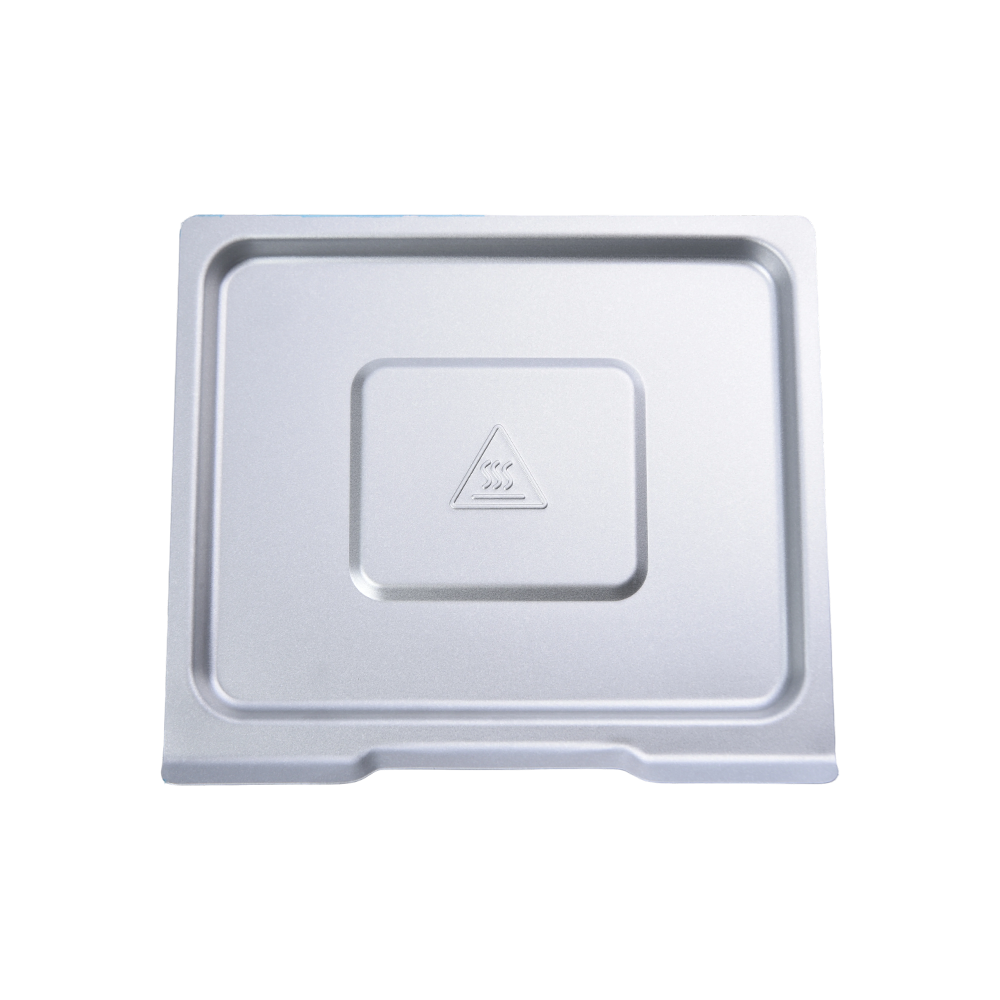

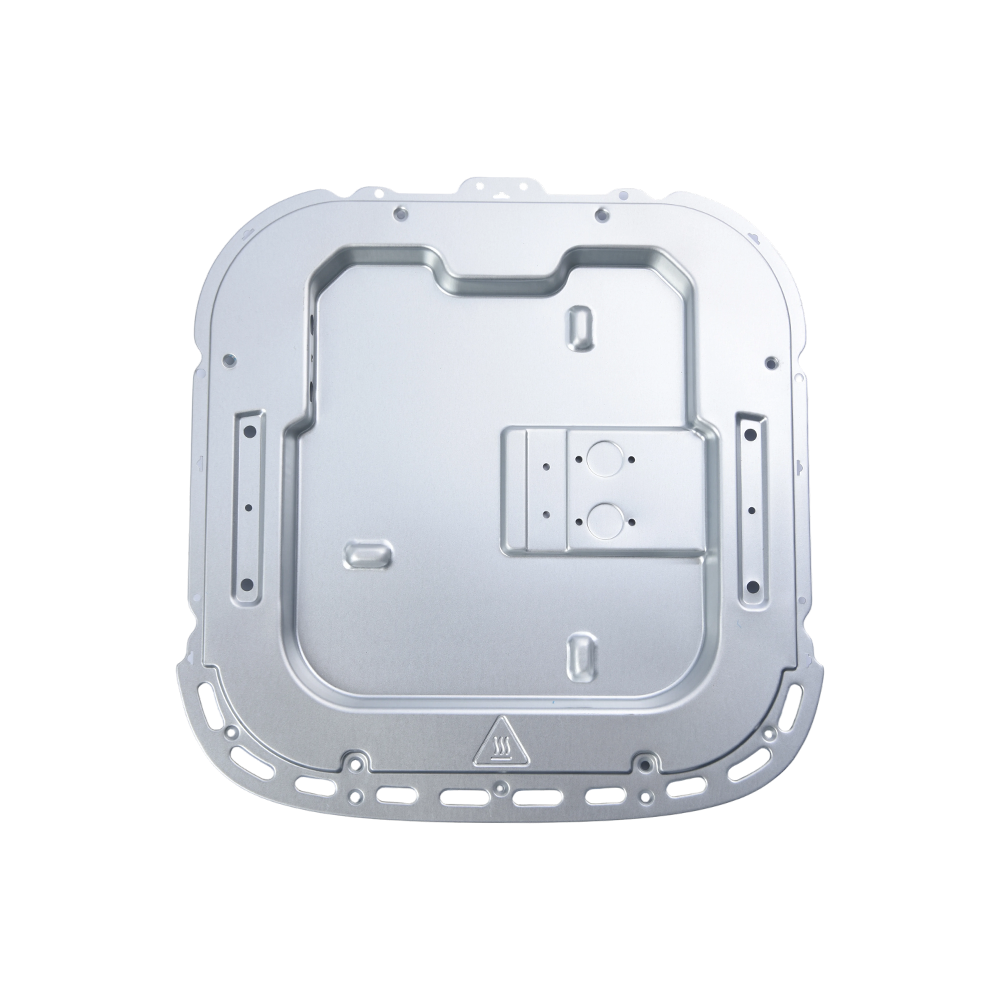
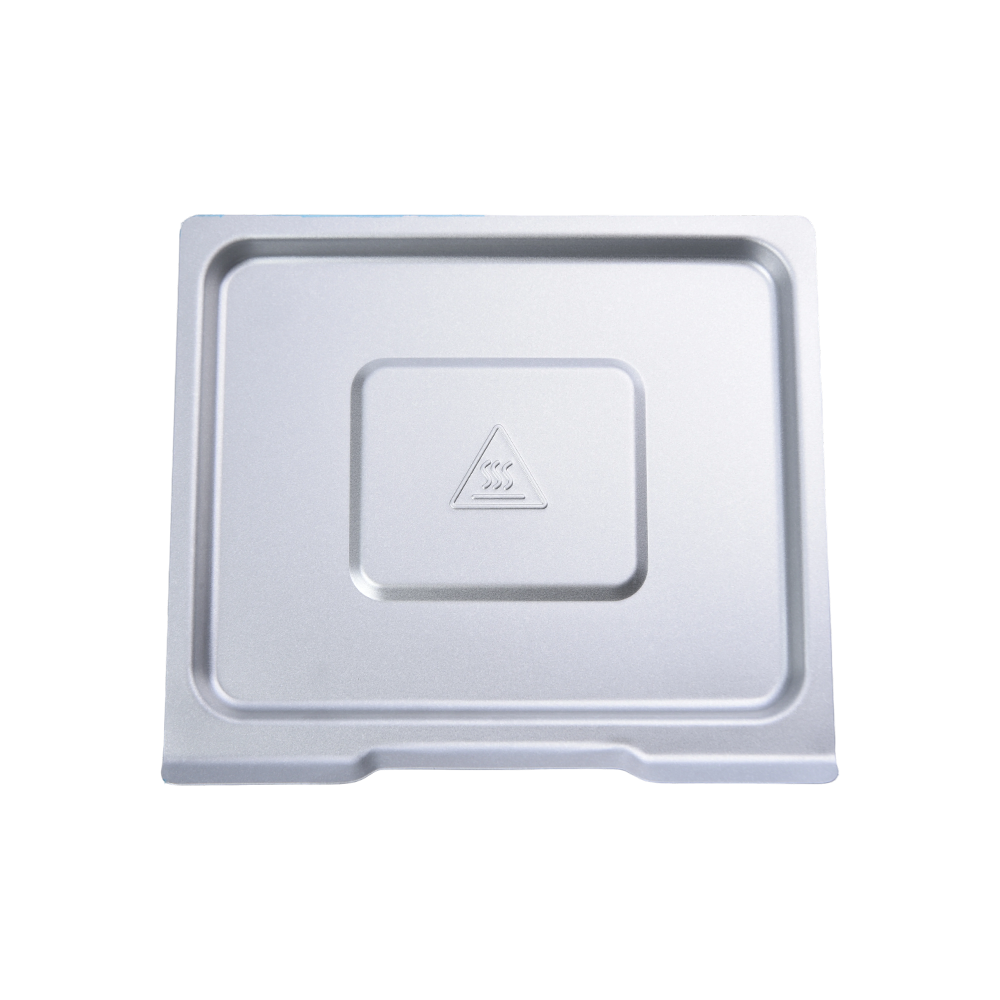
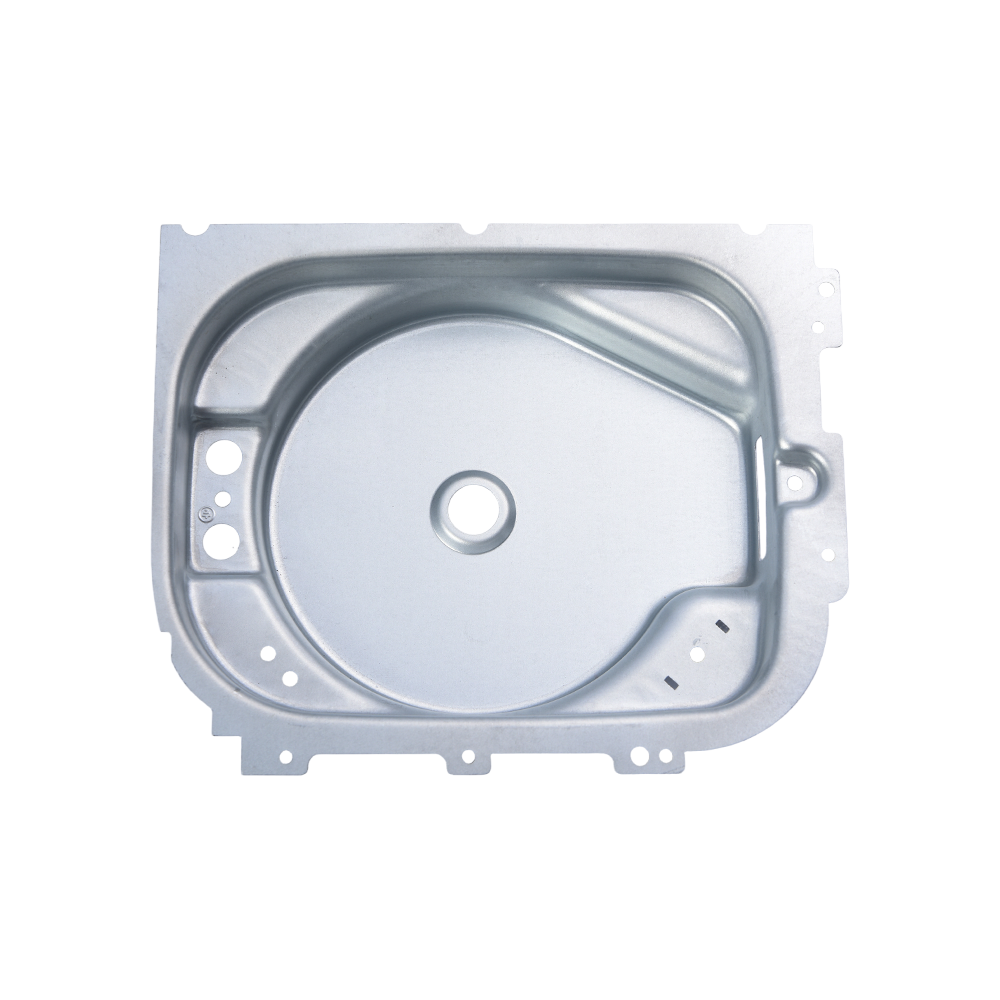
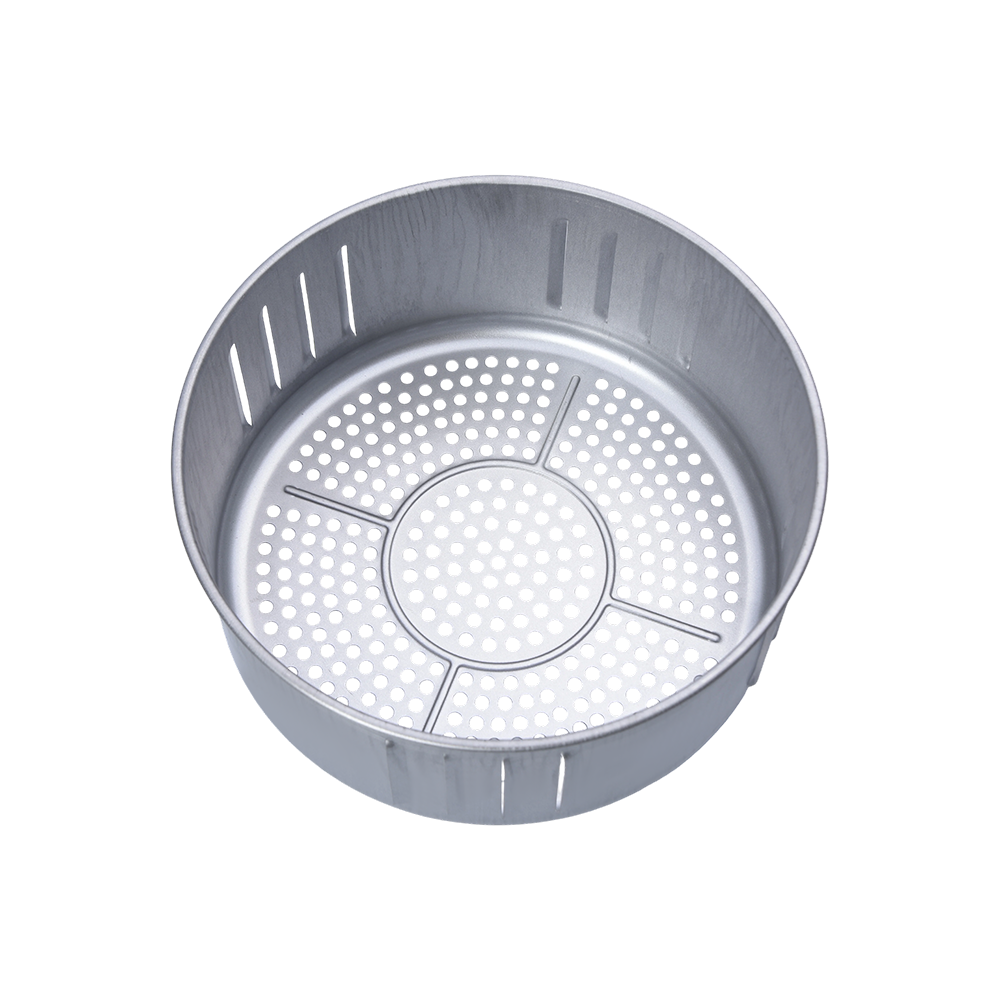
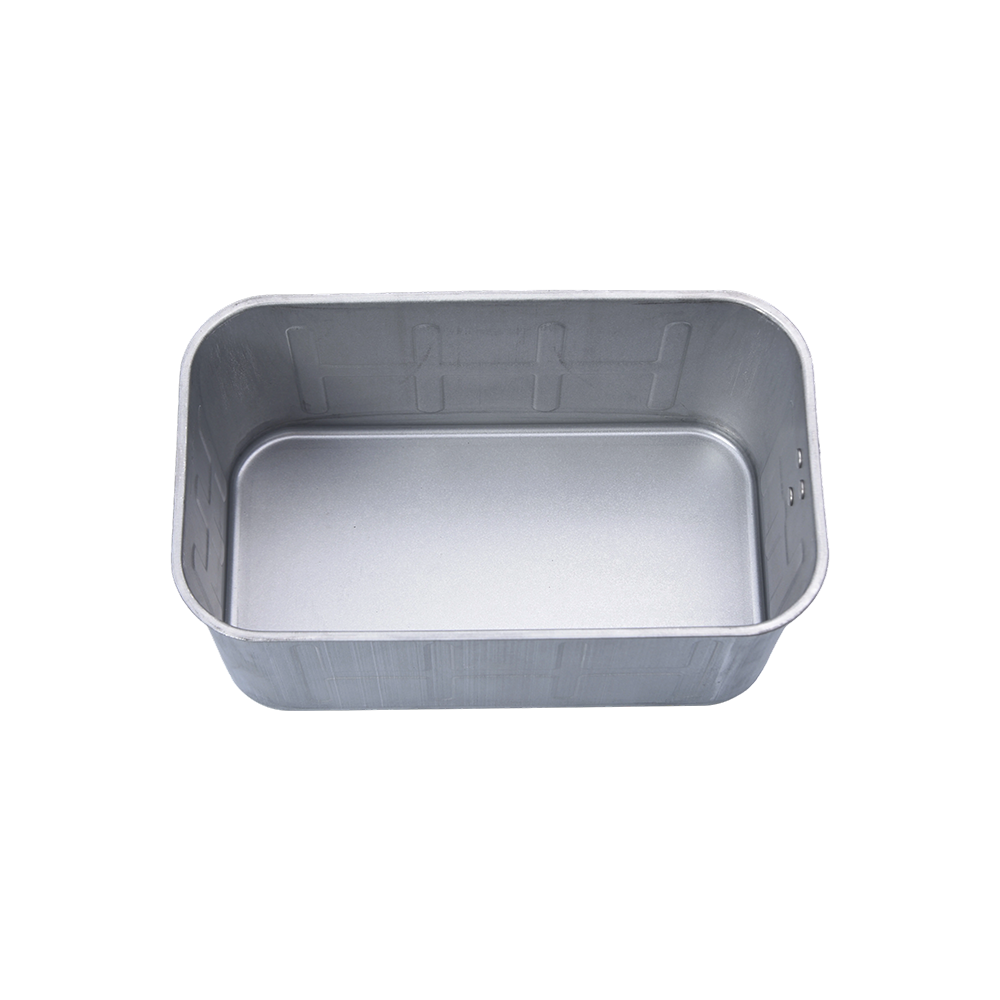
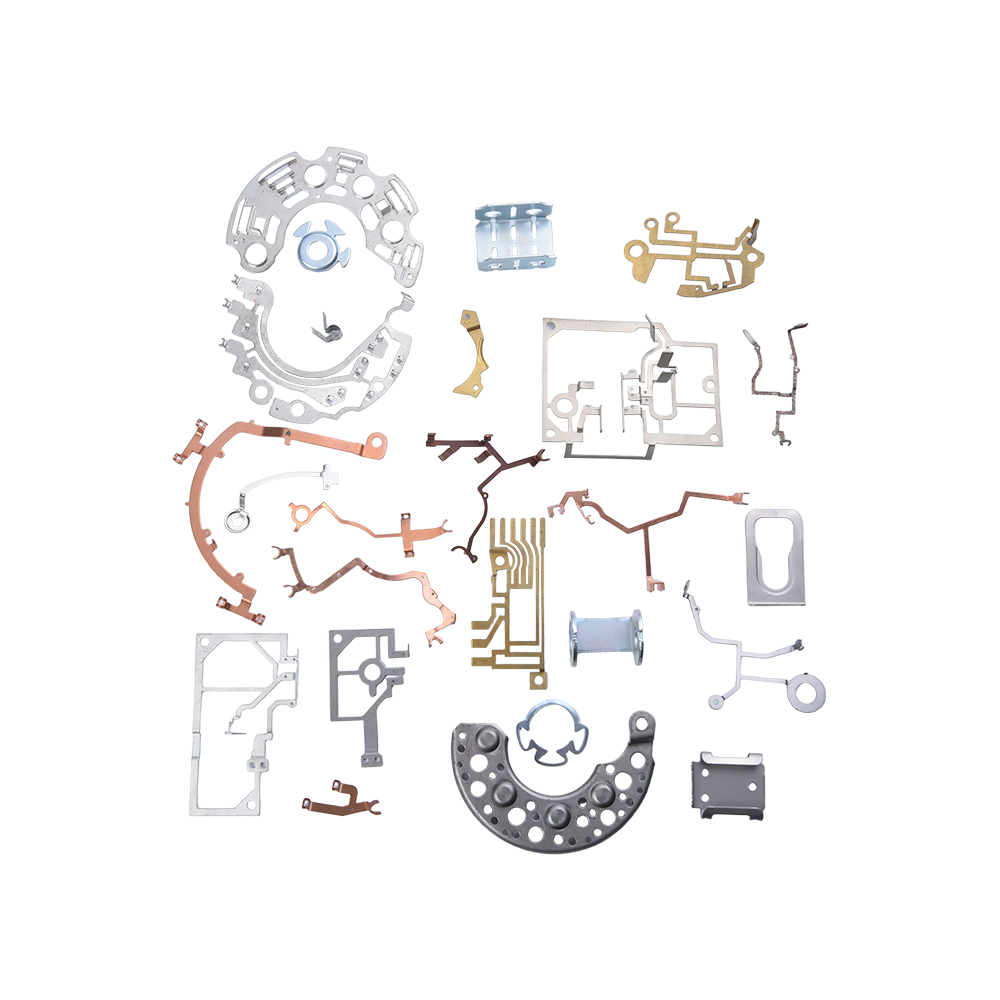
What Are Stamped Parts? Stamped parts are metal components produced by pressing flat sheet metal between a die and a punch to cut, bend, or...
READ MORE

News
Home / Author / Wang Xinyi — Senior After-Sales Coordinator / High-Performance Household Oven Base Plate for Durable and Heat-Resistant Kitchen Appliances
High-Performance Household Oven Base Plate for Durable and Heat-Resistant Kitchen Appliances
2026-07-02
In modern kitchen appliance manufacturing, every structural component must contribute to safety, durability, performance, and user convenience. The household oven base plate is one of those essential parts that may appear simple at first glance, yet it plays a critical role in supporting the oven structure, resisting heat, protecting internal assemblies, and maintaining long-term stability. A well-designed oven base plate must tolerate repeated thermal cycles, resist corrosion caused by humidity and food residue, maintain dimensional accuracy, and provide a smooth surface that is easy to clean. For appliance manufacturers, distributors, and OEM customers, selecting the right base plate is not only a matter of component procurement; it is a decision that affects product reliability, customer satisfaction, and brand reputation.
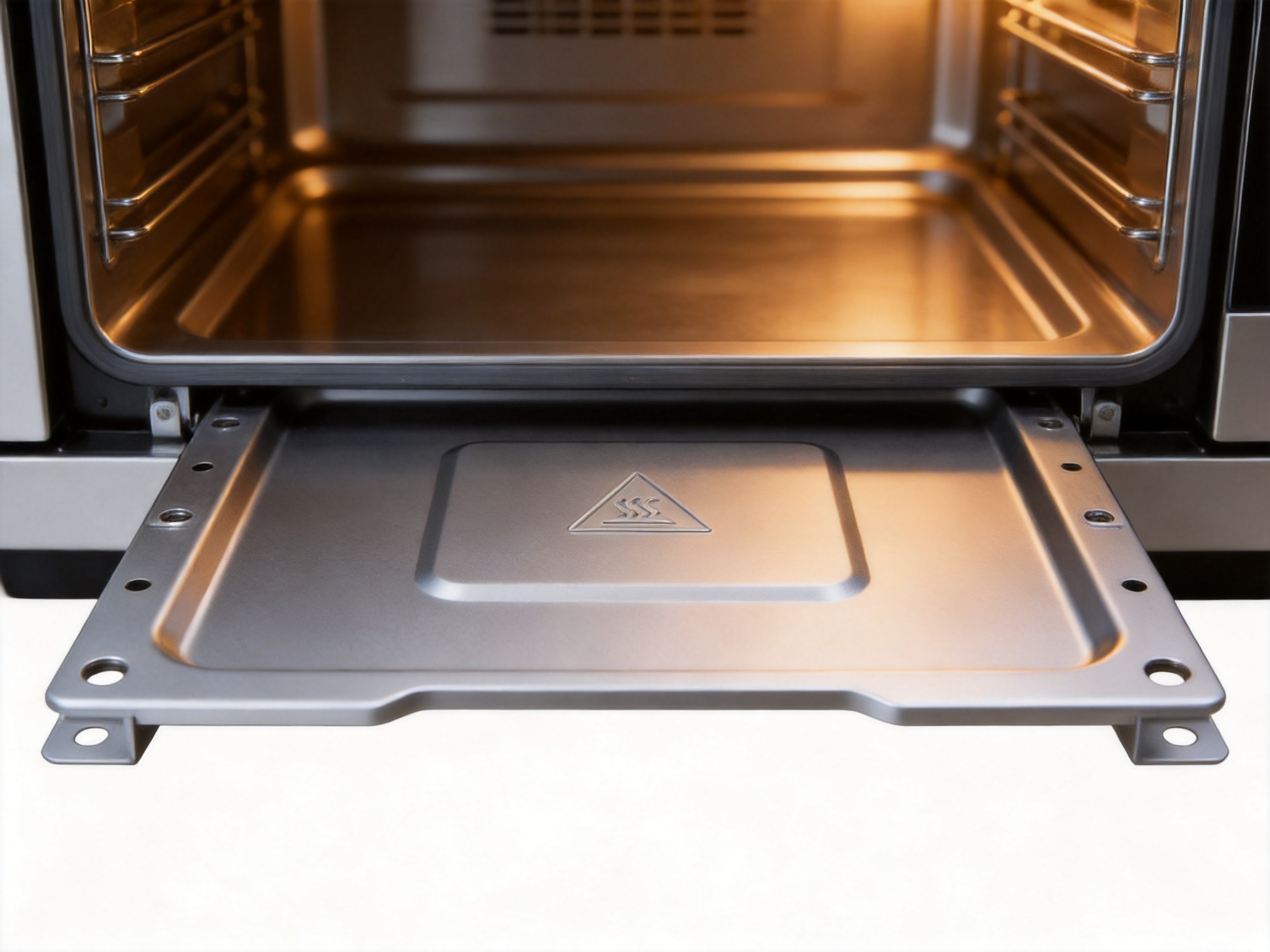
The household oven base plate introduced here is designed as a high-quality kitchen appliance accessory made through advanced metal stamping, forming, and surface finishing processes. It provides a stable, strong, heat-resistant, rust-proof, and corrosion-resistant platform for household ovens and related cooking appliances. With a robust structure and smooth surface, it helps support the oven body, maintain alignment, reduce deformation risk, and extend appliance service life. Compared with ordinary base plates made with inconsistent materials, loose tolerances, or insufficient finishing, this product offers superior durability, cleaner appearance, better manufacturability, and stronger suitability for customized oven models.
Yuyao Hongli Optoelectronics Co., Ltd. manufactures this oven base plate with more than 20 years of experience in metal stamping parts, deep-drawn parts, bending parts, kitchen appliance accessories, and automotive stamping parts. Located in Yangming Science and Technology Industrial Park, Yuyao City, Zhejiang Province, China, the company combines long-term manufacturing knowledge with modern production equipment, strict quality control, OEM/ODM customization capability, rapid prototyping support, and stable delivery management. This article explores the product’s performance advantages, manufacturing process, material considerations, quality control, application value, customization possibilities, and reasons why it stands out in a competitive kitchen appliance component market.
Understanding the Role of the Household Oven Base Plate
An oven base plate is a structural component installed at or near the lower section of a household oven. Depending on the appliance design, it may serve as a load-bearing plate, protective panel, heat-resistant support layer, bottom shield, or assembly foundation for related parts. In many oven structures, the base area is exposed to mechanical stress, heat radiation, humidity, cleaning agents, oil vapor, crumbs, and accidental spills. Therefore, the base plate must do more than simply fill a space. It must help the appliance remain safe, stable, hygienic, and durable throughout daily use.
The base plate supports the weight of the oven body and helps maintain the geometry of the appliance. If the plate is too thin, poorly formed, or insufficiently reinforced, it may warp under heat or deform during transportation and installation. Once deformation occurs, the appliance may suffer from uneven alignment, vibration, difficult assembly, or shortened service life. A precisely formed plate reduces these risks by maintaining dimensional consistency and distributing load properly.
Heat resistance is another major requirement. Ovens operate through repeated heating and cooling cycles. Even if the base plate is not directly exposed to the highest temperature inside the cooking chamber, it still experiences thermal stress. Inferior components may discolor, warp, weaken, or develop surface defects after long-term exposure. A high-performance base plate must retain strength and shape under demanding conditions, helping the appliance preserve its performance over many years.
Cleanability also matters. Household ovens come into contact with food particles, grease, steam, and cleaning products. A smooth and corrosion-resistant base surface makes maintenance easier for end users and helps prevent residue accumulation. This contributes to a more hygienic appliance and improves the perceived quality of the entire oven. A rough, uneven, or poorly coated base plate can trap residue and reduce user satisfaction.
For appliance manufacturers, the oven base plate also affects production efficiency. A component with accurate dimensions, stable hole positions, clean edges, and repeatable forming quality can be assembled more quickly and consistently. This lowers rework rates and improves mass production stability. In contrast, low-quality parts may require manual correction, increase production delays, and raise hidden costs. Therefore, the best base plate is not merely strong; it is also manufacturing-friendly, assembly-friendly, and cost-effective over the full product lifecycle.
Product Overview and Core Features
This household oven base plate is a durable metal component designed for kitchen appliance applications requiring strength, heat resistance, corrosion resistance, and long-term dimensional stability. It is suitable for a variety of household oven models and can be customized according to customer drawings, samples, material requirements, thickness specifications, hole patterns, bending angles, and surface treatment preferences. As a kitchen appliance accessory, it supports the oven’s structure while protecting the lower section from damage, residue, and environmental corrosion.
The product offers a stable and robust surface that contributes to the oven’s overall structural integrity. It is designed to remain reliable under high-temperature operating environments and humid kitchen conditions. Its rust-proof and stain-resistant properties help preserve appearance and function, while the smooth finish supports easy cleaning and hygienic maintenance. Because oven components may be exposed to food residue and cleaning chemicals, the surface quality and corrosion resistance of the base plate are especially important.
One of the key strengths of this product is its balance between strength and manufacturability. Through professional stamping, bending, and forming processes, the plate can achieve precise dimensions while maintaining efficient production output. This allows OEM customers to obtain consistent parts in volume without sacrificing quality. The base plate can be produced as a standard component or adapted for different oven series, including changes in mounting holes, ribs, flanges, corner structures, embossing features, or surface coatings.
Compared with generic oven base plates, this component is produced with attention to tolerance control, surface protection, and repeatability. Its design reduces the risk of warping and enhances structural support. The edges can be processed to improve safety during handling and assembly. The surface can be finished to meet visual and corrosion-resistance requirements. These details make the product suitable for appliance brands that value both performance and consistent production quality.
For buyers seeking reliable kitchen appliance accessories, the household oven base plate provides a practical solution that combines durability, cleanliness, and customization. It is especially useful for manufacturers requiring stable supply, engineering support, rapid sample development, and scalable production from a partner experienced in metal stamping and related forming technologies.
Key Performance Advantages Over Common Competitor Products
In a competitive market, many oven base plates appear similar in shape, but their actual performance can vary significantly. Differences in raw material selection, stamping precision, tool design, forming control, surface treatment, inspection standards, and production experience determine whether a component performs reliably or becomes a source of defects. This household oven base plate offers several important advantages over common competitor products.
Superior Heat Resistance and Dimensional Stability
Many low-cost base plates are produced with insufficient attention to thermal performance. Under repeated heating and cooling, they may bend, twist, or lose flatness. Warping can affect oven assembly, create noise, reduce structural support, or cause visible gaps. This product is designed to withstand high-temperature environments without easy deformation. The forming process and material selection are controlled to improve stability during thermal cycling. As a result, the base plate helps extend the appliance’s service life and maintain a more reliable oven structure.
Enhanced Corrosion and Rust Resistance
Kitchen environments are challenging for metal parts. Steam, humidity, oil, salt, acidic food residue, and cleaning agents can accelerate corrosion. Competitor products with inadequate surface protection may rust over time, especially around cut edges, holes, and formed corners. This base plate emphasizes corrosion resistance and surface durability. Its rust-proof and stain-resistant qualities help preserve both function and appearance. For appliance manufacturers, this reduces after-sales complaints related to discoloration, rust marks, or premature component degradation.
Smooth Surface for Easier Cleaning
A smooth surface is not only an aesthetic feature; it directly affects hygiene and user convenience. Rough or uneven surfaces can retain grease and food particles, making cleaning difficult. This base plate provides a clean, smooth surface that supports easy wiping and maintenance. In the household appliance market, where consumer experience strongly influences purchasing decisions, such details add value to the finished oven.
High Structural Strength With Efficient Forming
Some competitors attempt to reduce cost by using thinner or lower-grade material without proper reinforcement. Although the part may look acceptable initially, it can fail during handling, assembly, or long-term use. This base plate is designed for strength, using suitable material thickness and forming methods to achieve dependable support. Features such as bends, flanges, ribs, or reinforced edges can be incorporated according to customer requirements to improve stiffness without unnecessary weight.
Better Consistency for OEM Assembly
Mass appliance production requires repeatable parts. Even small deviations in hole position, bending angle, or panel flatness can slow assembly lines and cause quality problems. Yuyao Hongli Optoelectronics Co., Ltd. applies professional manufacturing control to improve repeatability. Consistent parts help customers reduce rework, improve assembly efficiency, and maintain stable product quality. This advantage is especially important for OEM and ODM projects where thousands or millions of components may be required over time.
Flexible Customization Capability
Competitor suppliers may offer only standardized parts with limited design support. However, oven manufacturers often need customized components adapted to specific product platforms. This base plate can be customized based on drawings, samples, dimensional requirements, materials, surface treatments, or functional features. The company’s experience in stamping parts, deep-drawn parts, bending parts, and appliance accessories allows it to support project development from prototype to mass production.
Material Considerations for Oven Base Plate Performance
The performance of an oven base plate begins with the correct material. A suitable material must meet the requirements of strength, heat resistance, corrosion resistance, formability, cost control, and compatibility with surface treatment. While the exact material can be customized according to customer specifications, typical choices for oven base plates include coated steel, stainless steel, galvanized steel, aluminized steel, or other sheet metal materials suitable for high-temperature kitchen appliance use.
Steel-based materials are widely used because they offer excellent structural strength and forming performance. When combined with suitable coating or surface protection, they can provide reliable corrosion resistance for household appliance environments. Stainless steel offers strong corrosion resistance and a premium appearance, though it may have different cost and forming considerations. Aluminized or coated steel can provide heat resistance and oxidation protection, making it suitable for parts exposed to elevated temperatures.
Material thickness must also be carefully selected. If the plate is too thin, it may lack stiffness and deform easily. If it is too thick, it may increase cost, weight, and forming difficulty. The optimal thickness depends on oven size, load requirements, assembly structure, and customer design goals. Experienced manufacturers can recommend suitable material and thickness combinations based on practical production knowledge and part performance requirements.
Edge quality is another important material-related factor. During stamping and punching, cut edges can become vulnerable to corrosion if not properly managed. Burrs may also create safety risks or assembly interference. Professional tooling and finishing control help reduce burrs, improve edge smoothness, and support better surface protection. This is one reason why an experienced stamping manufacturer can deliver better results than a low-cost supplier with limited process control.
The household oven base plate benefits from careful material selection and production planning. Whether the customer requires enhanced rust resistance, high heat performance, improved appearance, or cost-effective mass production, the product can be adapted to meet specific appliance design requirements. This flexibility enables manufacturers to balance performance and budget without compromising essential quality.
Advanced Manufacturing Processes Behind the Product
The manufacturing quality of a household oven base plate depends on more than the shape shown in a drawing. It depends on each step of production, from material preparation and mold design to stamping, bending, surface finishing, inspection, packaging, and delivery. Yuyao Hongli Optoelectronics Co., Ltd. brings more than two decades of manufacturing experience to these processes, enabling reliable production for kitchen appliance accessories and related metal parts.
Engineering Review and Process Planning
Before production begins, the company evaluates customer drawings, samples, specifications, and application requirements. Engineers consider material type, thickness, forming difficulty, tolerance requirements, hole patterns, flatness, bending sequence, surface finish, and production volume. This review helps identify potential risks early, such as cracking during forming, springback after bending, sharp corners, burr-prone areas, or assembly tolerance conflicts.
Effective process planning can reduce trial-and-error costs and shorten development time. For OEM customers, this is especially valuable because appliance development schedules are often strict. A manufacturing partner that understands stamping behavior can suggest improvements while respecting the customer’s functional and design requirements.
Tooling and Mold Development
Tooling is at the heart of stamping quality. A well-designed die ensures accurate cutting, punching, bending, forming, and repeatability. Poor tooling can cause dimensional instability, uneven edges, surface marks, or low production efficiency. The company’s experience in metal stamping parts supports tooling development for stable production and long mold life.
For an oven base plate, tooling may need to create mounting holes, slots, flanges, shallow formed areas, reinforced ribs, embossing structures, or complex outlines. Tool design must account for sheet metal flow, springback, burr direction, material properties, and part removal. When the tooling is optimized, the final component achieves better accuracy and surface consistency.
Stamping and Forming
Stamping transforms flat sheet metal into the required shape through controlled pressure. Depending on the design, the process may include blanking, punching, piercing, bending, embossing, flanging, forming, trimming, and other operations. For high-volume production, progressive dies or multi-step tooling may be used to improve efficiency and consistency.
The household oven base plate requires precise forming to maintain flatness and dimensional accuracy. If stamping pressure, die clearance, or forming sequence is not properly controlled, the plate may develop waves, distortion, cracks, or irregular edges. The company’s stamping workshops and experienced operators help maintain stable process conditions and consistent part quality.
Bending and Reinforcement Features
Bending is often required to create structural flanges, side walls, mounting lips, or reinforced edges. These features can dramatically improve stiffness and assembly compatibility. Accurate bending requires control of angle, radius, springback, and material direction. The company’s expertise in bending parts enables it to produce reliable formed edges and repeatable angles.
Reinforcement features such as ribs, embossments, or folded edges can increase strength without excessive material thickness. This allows the base plate to remain cost-effective while improving performance. Proper reinforcement design also helps resist deformation during heating, transport, assembly, and daily use.
Surface Treatment and Finishing
Surface treatment may include cleaning, coating, polishing, passivation, anti-rust protection, or other finishing processes depending on customer requirements and material selection. For kitchen appliance parts, surface quality is essential because it affects appearance, hygiene, corrosion resistance, and user perception. A smooth, clean, and protected surface improves the product’s value and reduces long-term maintenance concerns.
The oven base plate can be finished to provide rust-proof, stain-resistant, and corrosion-resistant performance. Surface finish selection can be tailored according to the appliance’s design, working temperature, cost target, and visual requirements. Proper finishing also protects formed corners and cut areas, which are commonly vulnerable in lower-quality components.
Inspection and Quality Assurance
Quality inspection ensures that each batch meets customer specifications. Important inspection items may include dimensions, hole positions, bending angles, flatness, surface defects, burr levels, coating condition, and packaging quality. For customized OEM parts, inspection standards can be based on drawings, control plans, samples, or mutually agreed criteria.
Consistent quality assurance reduces the risk of assembly line disruption for customers. It also protects the end-user experience by ensuring that the oven base plate performs reliably after installation. The company’s emphasis on strict quality control and stable delivery supports long-term cooperation with appliance manufacturers and component buyers.
Manufacturing Strengths of Yuyao Hongli Optoelectronics Co., Ltd.
Yuyao Hongli Optoelectronics Co., Ltd. is a comprehensive manufacturing enterprise founded in 2000 and located in Yangming Science and Technology Industrial Park, Yuyao City, Zhejiang Province, China. With over 20 years of industry experience, the company has developed from its former name, Yuyao Hongli Optoelectronics Educational Instruments Co., Ltd., into a professional manufacturer specializing in metal stamping parts and related products.
The company operates a modern factory of approximately 5,000 square meters, with multiple stamping workshops and more than 60 employees. Its production scope includes educational instruments, optical instruments, household electric heaters, small household appliances, auto parts, hardware products, plastic products, deep-drawn parts, stamped parts, bending parts, kitchen appliance accessories, and automotive stamping parts. This broad manufacturing background gives the company cross-industry experience that can be applied to oven base plate production.
One of the company’s key strengths is its ability to support OEM and ODM customization. Customers may provide drawings, samples, concept requirements, or functional targets, and the company can assist with process evaluation, prototyping, tooling development, production conversion, and batch manufacturing. This makes it suitable for appliance brands, component distributors, and equipment manufacturers seeking flexible and dependable supply.
Rapid prototyping is another advantage. In competitive appliance markets, development cycles are increasingly short. A supplier that can quickly convert designs into samples helps customers test fit, function, and assembly feasibility earlier. Once the design is confirmed, efficient production conversion supports faster market launch.
The company also emphasizes integrity, excellence, innovation, and sharing as its business philosophy. In practical terms, this means focusing on reliable communication, careful manufacturing, continuous improvement, and long-term cooperation. For buyers, these values translate into stable quality, responsive support, and a willingness to adapt to project needs.
In addition to production capability, the company provides wholesale, retail, import, and export services. Its experience serving different product categories allows it to understand varying requirements for tolerance, surface finish, cost control, and delivery management. For international customers, this integrated capability simplifies sourcing and supports more efficient procurement.
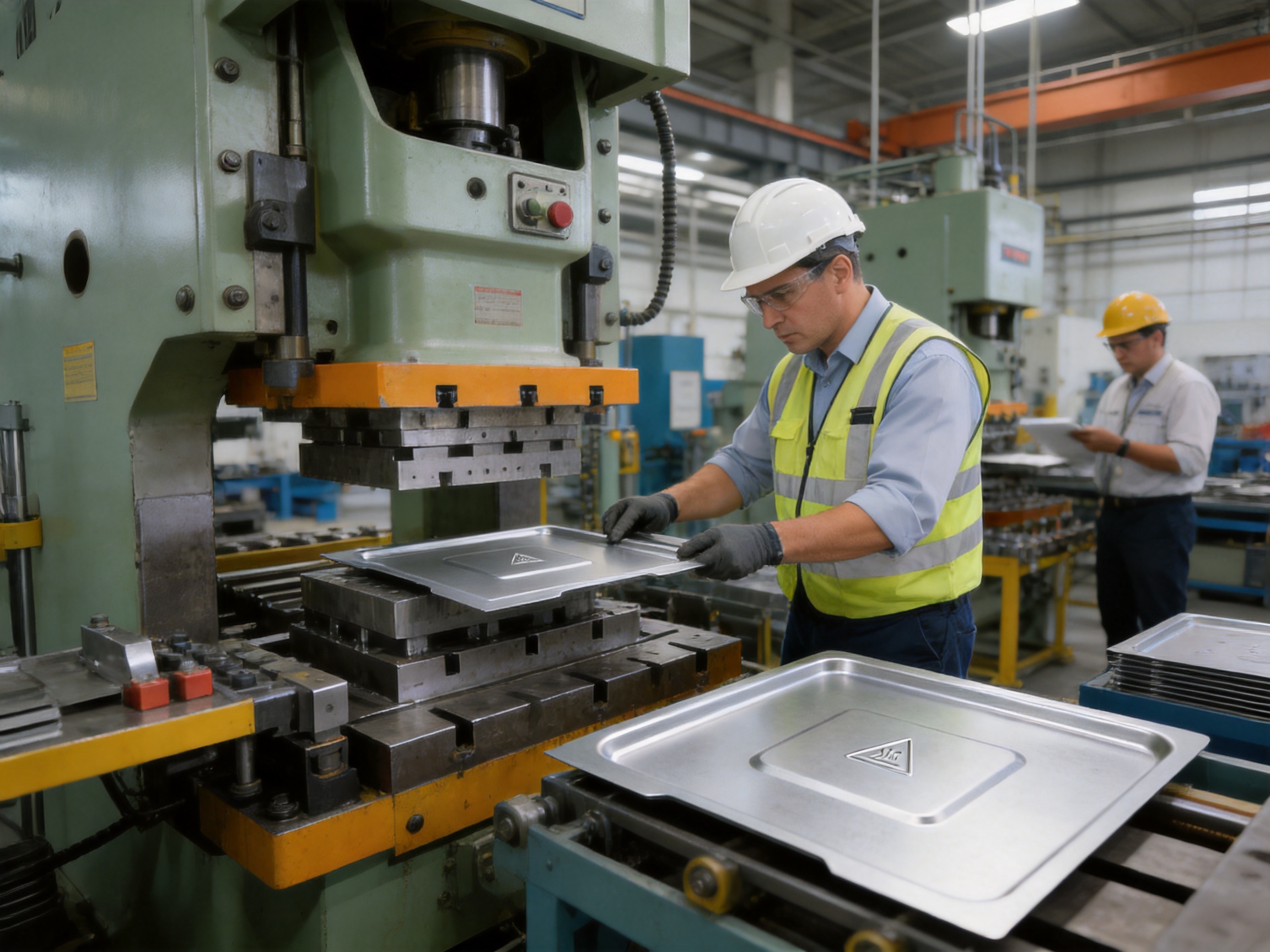
Technical Comparison Table
| Evaluation Item | High-Performance Household Oven Base Plate | Common Low-Cost Competitor Plate | Customer Benefit |
|---|---|---|---|
| Heat Resistance | Designed to withstand high-temperature oven environments and repeated thermal cycles | May warp, discolor, or weaken after long-term heat exposure | Longer appliance service life and fewer deformation problems |
| Corrosion Resistance | Rust-proof, stain-resistant, and corrosion-resistant surface options | Limited protection, especially at cut edges and formed corners | Reduced after-sales complaints and better appearance retention |
| Dimensional Accuracy | Produced through controlled stamping, bending, and inspection processes | Inconsistent hole positions, angles, or flatness may occur | More efficient assembly and lower rework cost |
| Surface Quality | Smooth surface supports easy cleaning and hygienic maintenance | Rough or uneven surfaces can trap residue and stains | Improved user experience and appliance cleanliness |
| Customization | Supports OEM/ODM design, samples, drawings, and special requirements | Often limited to standard shapes or basic specifications | Better fit for different oven models and product platforms |
| Manufacturing Support | Backed by over 20 years of stamping and forming experience | May lack engineering review or stable process control | Lower project risk and more dependable long-term supply |
Application Value in Household Oven Manufacturing
The household oven base plate is valuable for manufacturers because it contributes to both internal performance and external customer satisfaction. In appliance production, every part must meet functional needs while also supporting assembly efficiency. A good base plate helps the oven remain stable during installation, transportation, and use. It can also protect lower components from residue, heat influence, and mechanical stress.
During assembly, accurately manufactured base plates improve line efficiency. Mounting holes align more easily with screws, brackets, panels, or supporting structures. Consistent bending angles and panel dimensions reduce the need for manual adjustment. This improves production rhythm and lowers the risk of delays. In high-volume appliance manufacturing, even small time savings per unit can become significant.
During transportation, the base plate contributes to structural rigidity. Ovens may experience vibration, stacking pressure, and handling impacts before reaching consumers. A strong base component helps prevent distortion and protects the overall appliance geometry. This reduces shipping damage and supports better product presentation at the point of sale.
During consumer use, the base plate must remain clean, stable, and resistant to corrosion. If an oven base becomes rusty or deformed, users may perceive the entire appliance as low quality. By using a durable and smooth base plate, appliance brands can improve long-term user confidence. The product’s stain-resistant and rust-proof properties are especially important for kitchens where moisture, cooking vapor, and cleaning chemicals are common.
For service and maintenance, a well-made base plate can simplify cleaning and inspection. Smooth surfaces and reliable protective finishes reduce residue adhesion. This makes it easier for users or technicians to maintain the appliance. Since modern consumers increasingly value hygiene and convenience, this advantage can influence product reviews and customer loyalty.
Design Flexibility for Different Oven Models
Household ovens vary in size, structure, heating method, internal layout, and external design. Therefore, a one-size-fits-all approach rarely satisfies professional appliance manufacturers. The oven base plate can be customized to suit different models, including compact ovens, built-in ovens, countertop ovens, and other household cooking appliances. Customization can involve dimensions, material, thickness, hole patterns, edge shapes, reinforcement structures, and surface finish.
Mounting hole customization is often necessary because different oven designs use different fastening systems. Accurate holes and slots ensure quick assembly and stable installation. The company can produce customized hole layouts according to drawings or samples, helping customers integrate the plate into existing designs.
Bending and flange customization can improve structural support and compatibility with surrounding panels. Some oven designs require raised edges, folded seams, positioning lips, or side flanges. These features can be formed through controlled stamping and bending operations. Proper design can reduce vibration, improve rigidity, and simplify assembly.
Reinforcement customization may include ribs, embossments, or shaped areas that increase stiffness. These features are useful when the plate must resist load or maintain flatness under heat. Instead of simply increasing material thickness, reinforcement structures can provide strength more efficiently.
Surface customization is also important. Depending on the customer’s appliance design, the base plate may require a specific appearance, coating, corrosion resistance level, or cleaning performance. The company can work with customers to select practical finishing solutions based on operating conditions and cost targets.
Prototype development helps verify these custom features before mass production. Customers can test fit, evaluate assembly, perform heat testing, and confirm surface quality. Once approved, the design can transition into stable batch manufacturing. This capability supports both new product development and replacement part programs.
Quality Control From Raw Material to Final Delivery
Quality control is essential for kitchen appliance components because defects can affect safety, appearance, assembly, and long-term reliability. A comprehensive quality approach begins with raw material selection and continues through every production stage. For the household oven base plate, quality assurance involves material verification, process monitoring, dimensional inspection, surface inspection, packaging control, and delivery management.
Raw material quality directly influences final product performance. Material should meet required thickness, mechanical properties, surface condition, and corrosion-resistance specifications. If the incoming material is inconsistent, even good tooling cannot guarantee stable output. Therefore, supplier selection and material inspection are important first steps.
During stamping, operators and inspectors monitor key dimensions and surface conditions. Tool wear, die clearance, press settings, and material variation can affect part quality. Regular checks help detect issues early before a large number of defective parts are produced. For formed parts, special attention is paid to cracks, wrinkles, burrs, deformation, and hole accuracy.
During bending, angle and radius consistency are controlled. Springback can vary depending on material and thickness, so experienced process adjustment is needed. For oven base plates, inaccurate bending may cause assembly problems or reduce structural support. Proper inspection ensures that formed edges meet the required specifications.
Surface quality inspection checks for scratches, stains, coating defects, corrosion marks, sharp burrs, and other visible issues. Since appliance parts may be visible or accessible to users, appearance and safety matter. A smooth and clean finish supports the product’s premium quality positioning.
Final inspection verifies that the parts match customer drawings, samples, or agreed standards. Packaging is also controlled to prevent scratches, deformation, and moisture exposure during transportation. Reliable packaging is especially important for metal panels and stamped parts because surface defects can occur if parts rub against each other during shipping.
By applying strict quality control throughout production, Yuyao Hongli Optoelectronics Co., Ltd. helps customers receive consistent parts ready for assembly. This reduces hidden procurement costs and supports long-term cooperation.
Why Manufacturing Experience Matters
Metal stamping may look straightforward, but stable production requires deep practical experience. Sheet metal behaves differently depending on thickness, grain direction, coating, hardness, tooling clearance, forming speed, lubrication, and part geometry. Experienced manufacturers understand these variables and can prevent defects before they become costly problems.
With more than 20 years of industry experience, Yuyao Hongli Optoelectronics Co., Ltd. has accumulated knowledge across multiple product categories, including kitchen appliance accessories, automotive stamping parts, deep-drawn parts, bending parts, and hardware products. This experience helps the company handle different requirements and adapt solutions to customer needs.
For an oven base plate, experience is useful in several ways. First, it supports better tooling decisions. A manufacturer familiar with stamping behavior can design tooling that reduces burrs, deformation, and dimensional drift. Second, it improves process efficiency. Experienced teams can set appropriate press parameters and production sequences. Third, it supports problem solving. If a customer’s design creates forming difficulty, an experienced supplier can suggest practical improvements.
Experience also helps in balancing cost and quality. Customers often need competitive pricing, but excessive cost reduction can damage performance. A skilled manufacturer can recommend efficient material use, suitable reinforcement features, and practical finishing options to achieve the best value. This is especially important for appliance manufacturers competing in markets where both quality and price matter.
Long-term manufacturing experience also supports delivery reliability. Stable production systems, trained workers, and established quality procedures reduce the risk of delays. Customers benefit from predictable lead times and consistent supply, which are critical for appliance production schedules.
OEM and ODM Cooperation Benefits
OEM and ODM cooperation allows customers to obtain oven base plates tailored to their appliance designs. This is valuable for manufacturers developing new ovens, upgrading existing models, or sourcing replacement parts. Yuyao Hongli Optoelectronics Co., Ltd. supports customization from concept to production, making it a practical partner for various project types.
For OEM projects, customers usually provide drawings, specifications, or samples. The company manufactures the parts according to the required design while controlling quality, cost, and delivery. This model is suitable for appliance brands that already have established product structures and need a reliable production partner.
For ODM support, customers may require more design assistance. The company can help evaluate manufacturability, recommend materials, optimize forming structures, and develop prototypes. This is useful when customers have functional requirements but need help converting them into manufacturable components.
Rapid prototyping helps accelerate cooperation. Before committing to mass production tooling or large orders, customers can evaluate samples for fit, appearance, heat resistance, and assembly compatibility. Feedback can then be incorporated into design revisions. This reduces project risk and improves final product quality.
Efficient production conversion is another advantage. Once a prototype is approved, the company can move toward batch production with controlled processes and inspection standards. This reduces the gap between sample success and mass production stability, a common challenge in component sourcing.
OEM and ODM flexibility also benefits distributors and importers. They can request specific sizes, packaging, material grades, or surface finishes to meet market demands. With import and export service capabilities, the company can support international procurement needs more efficiently.
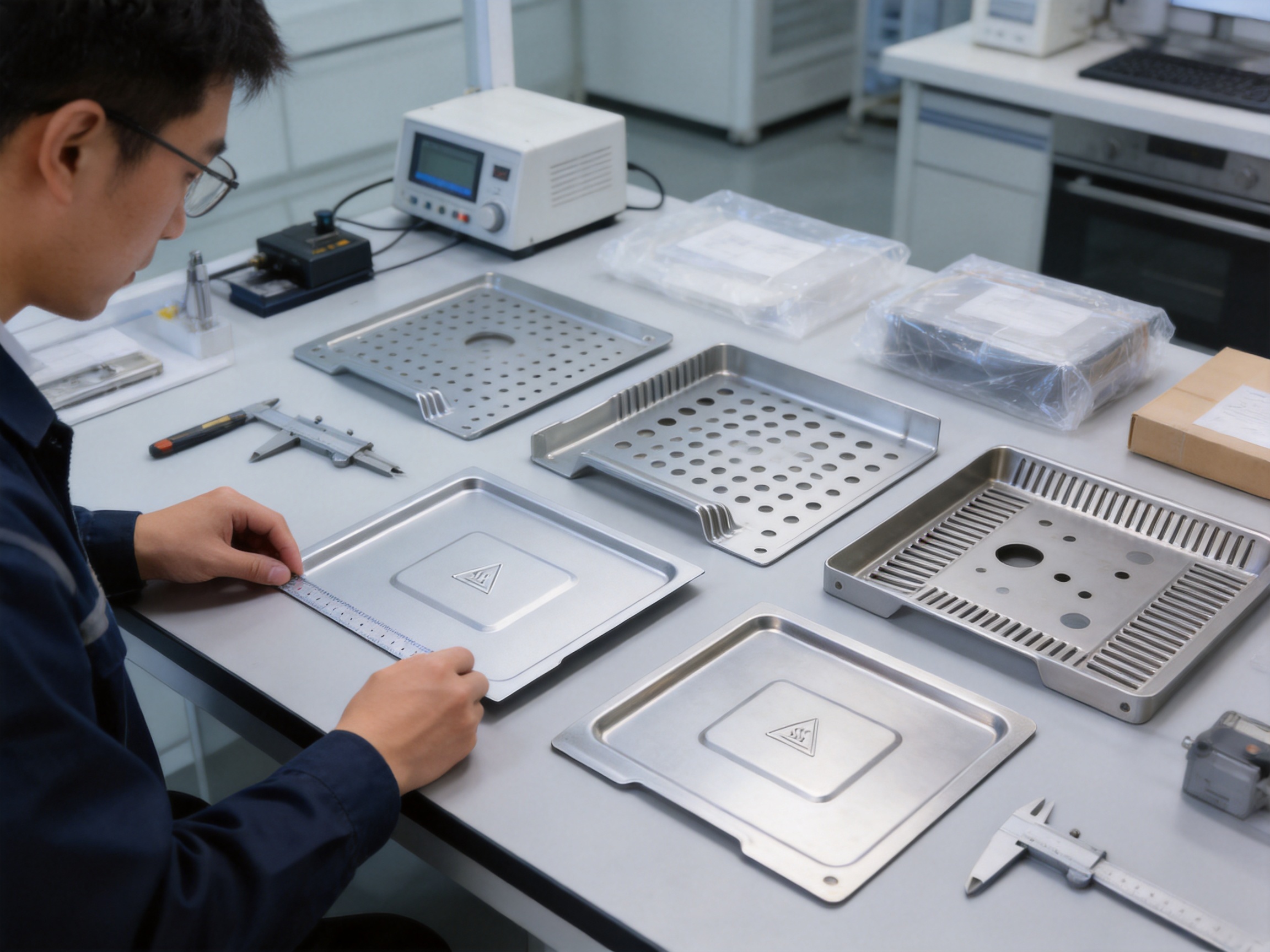
Durability and Lifecycle Cost Advantages
When buyers compare oven base plates, unit price is often the first consideration. However, the true cost of a component includes more than the purchase price. It also includes assembly efficiency, defect rate, warranty risk, customer complaints, maintenance issues, and product reputation. A low-cost base plate that warps, rusts, or causes assembly problems can become more expensive over time than a better-engineered component.
This household oven base plate offers lifecycle cost advantages through durability and consistency. Its heat resistance reduces the risk of deformation under repeated oven use. Its corrosion resistance reduces the chance of rust-related complaints. Its smooth surface improves cleaning convenience. Its precise manufacturing supports efficient assembly and reduces rework.
For appliance manufacturers, these benefits can improve production economics. Fewer defective parts mean less sorting, less line stoppage, and less labor spent on correction. Better fit reduces assembly time. Reliable performance lowers after-sales risk. Over many production cycles, these savings can be significant.
For end users, durability improves satisfaction. A base plate that remains stable, clean, and rust-free contributes to the perception of a well-made oven. Consumers may not always notice the base plate when the appliance is new, but they will notice if it becomes stained, corroded, or deformed. High-quality internal and structural components help maintain confidence in the appliance brand.
For distributors and service providers, reliable parts reduce return rates and service burden. Replacement components must fit correctly and last long enough to justify the repair. A well-made oven base plate supports maintenance programs by providing dependable performance.
Environmental and Practical Efficiency Considerations
Durable metal components can contribute to more sustainable appliance manufacturing by extending product life and reducing replacement frequency. When an oven base plate resists corrosion and deformation, the appliance is less likely to require premature repair or disposal. Long-lasting parts help reduce waste and support more responsible resource use.
Efficient stamping production can also reduce material waste when tooling and nesting are optimized. Sheet metal processing benefits from careful layout planning, controlled cutting, and stable production. An experienced manufacturer can improve material utilization while maintaining quality. This supports cost control and environmental responsibility.
Surface durability also contributes to sustainability. If a component remains clean and corrosion-resistant over time, users may require fewer harsh cleaning methods or replacements. A smooth surface that is easy to wipe helps maintain hygiene with less effort.
Practical efficiency matters in the supply chain as well. A supplier capable of manufacturing, processing, wholesale, retail, import, and export services can simplify procurement. Customers can source customized components from one reliable partner rather than coordinating multiple suppliers for tooling, forming, finishing, and delivery. This can reduce communication errors and project complexity.
Selection Guidelines for Buyers
When selecting a household oven base plate supplier, buyers should evaluate several factors beyond the quoted price. The first factor is material suitability. The selected material should match heat resistance, corrosion resistance, strength, and cost requirements. Buyers should discuss the appliance’s operating environment and expected service life with the supplier.
The second factor is manufacturing capability. A supplier should have experience with stamping, bending, and related forming processes. It should be able to maintain dimensional accuracy and surface quality in mass production. Buyers should consider whether the supplier can handle custom drawings, samples, and design adjustments.
The third factor is tooling quality. Good tooling determines repeatability and long-term production stability. Buyers should ask about tooling development, maintenance, and process control. A low tooling cost may not be beneficial if it results in poor part consistency.
The fourth factor is quality control. Buyers should confirm inspection methods, dimensional control, surface inspection, packaging standards, and batch consistency. For OEM projects, clear quality standards should be agreed before mass production.
The fifth factor is communication and support. Appliance projects often involve design changes, testing feedback, and delivery coordination. A responsive supplier can help solve issues quickly and prevent delays. Yuyao Hongli Optoelectronics Co., Ltd. emphasizes long-term reliable cooperation, which is important for customers seeking stable supply.
The sixth factor is customization flexibility. If the buyer needs special hole patterns, flanges, ribs, coatings, or packaging, the supplier should be capable of adapting production accordingly. The ability to move from prototype to mass production is especially valuable.
Frequently Asked Questions
Q1: What is the main function of a household oven base plate?
A household oven base plate provides structural support, protects the lower section of the appliance, helps maintain stability, and contributes to heat resistance and corrosion protection. It also supports easy cleaning and long-term appliance durability.
Q2: Why is heat resistance important for this component?
Ovens experience repeated heating and cooling cycles. If the base plate lacks heat resistance, it may warp, discolor, or weaken over time. A heat-resistant base plate helps maintain oven structure and extends service life.
Q3: Can the oven base plate be customized for different oven models?
Yes. The product can be customized according to customer drawings, samples, dimensions, material requirements, hole patterns, bending features, reinforcement structures, and surface treatment needs.
Q4: What makes this base plate better than ordinary low-cost alternatives?
It offers stronger heat resistance, better corrosion protection, smoother surface quality, more consistent dimensions, reliable stamping and bending accuracy, and flexible OEM/ODM customization. These advantages reduce assembly problems and improve long-term performance.
Q5: Is the surface easy to clean?
Yes. The base plate is designed with a smooth surface that resists stains and supports simple hygienic maintenance. This is important in kitchen environments where food residue, grease, and moisture are common.
Q6: What manufacturing processes are used?
The product may involve material preparation, tooling development, stamping, punching, bending, forming, trimming, surface treatment, inspection, and packaging. The exact process depends on the customer’s design and specifications.
Q7: How does the company support OEM and ODM customers?
Yuyao Hongli Optoelectronics Co., Ltd. supports drawing evaluation, sample development, rapid prototyping, tooling, production conversion, batch manufacturing, quality inspection, and delivery management for OEM and ODM projects.
Q8: Why is dimensional accuracy important?
Accurate dimensions ensure that mounting holes, bends, and edges align correctly during oven assembly. This reduces rework, improves production efficiency, and helps maintain consistent appliance quality.
Q9: Can the product resist rust in humid kitchen environments?
Yes. The base plate is designed with rust-proof and corrosion-resistant characteristics. Surface treatment and material selection can be customized to meet specific humidity, heat, and cleaning requirements.
Q10: How can buyers start a customized project?
Buyers can provide drawings, samples, material requirements, expected quantity, surface treatment needs, and application details. The company can then evaluate manufacturability, prepare samples, and support production planning.
Conclusion
The household oven base plate is a vital kitchen appliance accessory that directly influences oven stability, durability, cleanliness, and long-term user satisfaction. Although it may not be the most visible component, its performance affects the structural reliability and perceived quality of the entire appliance. A high-quality base plate must resist heat, corrosion, stains, deformation, and daily wear while remaining easy to assemble and clean.
This household oven base plate stands out through its combination of heat resistance, corrosion resistance, smooth surface quality, strong structural support, precise manufacturing, and customization flexibility. Compared with ordinary competitor products, it provides better lifecycle value by reducing deformation risk, assembly problems, rust complaints, and maintenance concerns.
Yuyao Hongli Optoelectronics Co., Ltd. strengthens the product’s value through more than 20 years of manufacturing experience, a 5,000-square-meter modern factory, multiple stamping workshops, skilled employees, OEM/ODM support, rapid prototyping capability, strict quality control, and stable delivery service. Its expertise in stamped parts, deep-drawn parts, bending parts, kitchen appliance accessories, and automotive stamping parts enables it to serve customers requiring reliable customized metal components.
For appliance manufacturers, distributors, and sourcing professionals, choosing a dependable oven base plate is an investment in product quality and brand trust. With advanced manufacturing processes and practical engineering support, this household oven base plate provides a strong foundation for durable, efficient, and user-friendly ovens.
References
Kalpakjian, S., and Schmid, S. R. Manufacturing Engineering and Technology. Pearson Education.
ASM International. ASM Handbook: Forming and Forging. ASM International.
Degarmo, E. P., Black, J. T., and Kohser, R. A. Materials and Processes in Manufacturing. Wiley.
Groover, M. P. Fundamentals of Modern Manufacturing: Materials, Processes, and Systems. Wiley.
Totten, G. E. Steel Heat Treatment: Metallurgy and Technologies. CRC Press.
European Committee for Standardization. Metallic Materials and Sheet Metal Forming Standards.
International Organization for Standardization. Quality Management Systems and Manufacturing Inspection Guidelines.
Product: Household oven base plate
Previous Post
Air Fryer Base: Durable, Stable, and Efficient Metal Support for Modern Kitchen Appliances
Next Post
Perforated Kitchen Container for Fresher, Cleaner, and More Organized Storage
News
-
-
What Is Deep Drawing Process and What Are Deep-Drawn Parts The deep drawing process is a sheet metal forming operation in which a flat meta...
READ MORE -
Manufacturing & Materials Engineering Why Deep Draw Components Outperform Fabricated Sheet Metal Parts in Leak-Proof Applications Seam...
READ MORE -
A flat mounting plate with three punched holes and a rectangular container with a fitted lid can come off presses in the same workshop, yet...
READ MORE
Get Fresh Updates Via Email
We promise we will never disclose your email address, and you can opt out at any time.
-
Quick Links
Home About Us Products Service News Contact Us -
Product list
Deep-drawn parts Stamped parts Bending parts Kitchen appliance accessories Automotive stamping parts -
About Us
Factory Honour FAQ -
News
Company News Industry News -
Contact Us
Address: South side of Shunke Road, Yangming Science and Technology Industrial Park, Yuyao City, Zhejiang Province, China Tel: +86-13905842349/+86-13738485724 Email: hongli@hl-stamping.com
Copyright © Yuyao Hongli Optoelectronics Co., Ltd. All Rights Reserved.
Custom Precision-Sheet/Sheet Metal Stamping Manufacturers
