


 English
 русский
 Español
 عربى
عربى

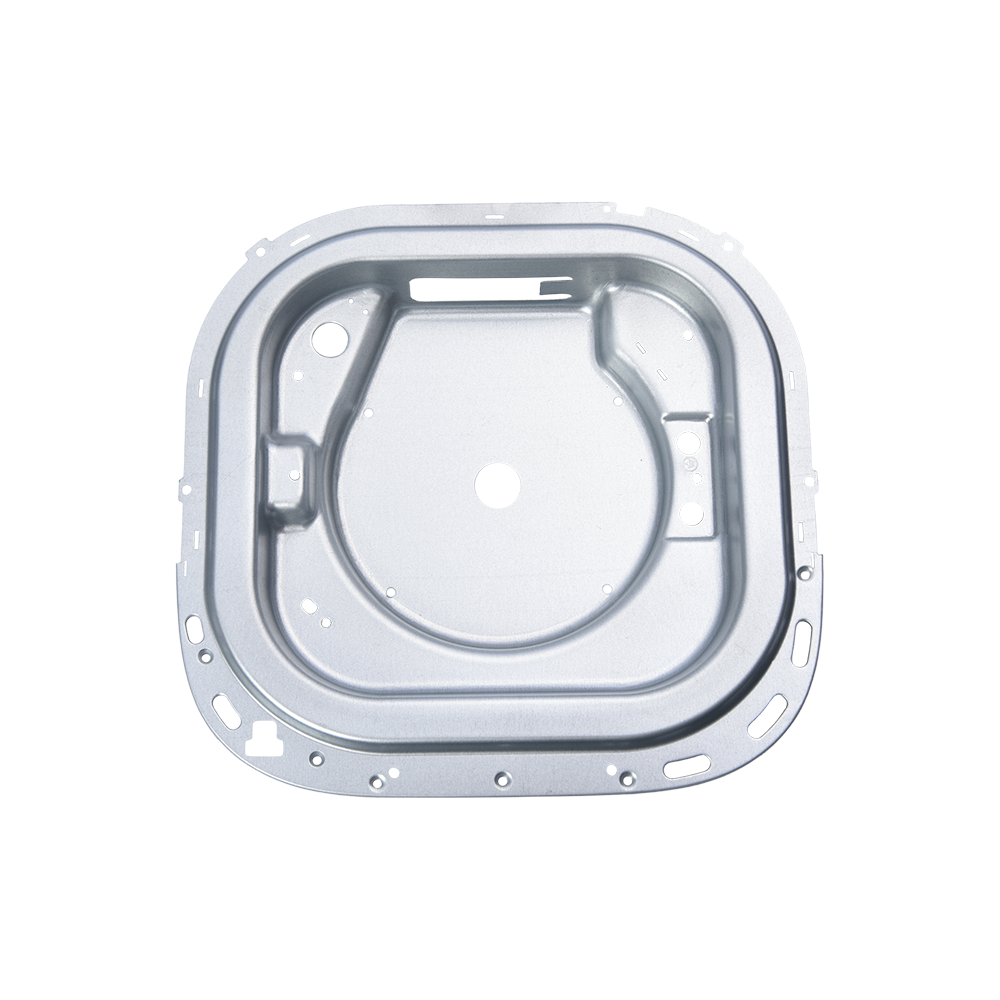
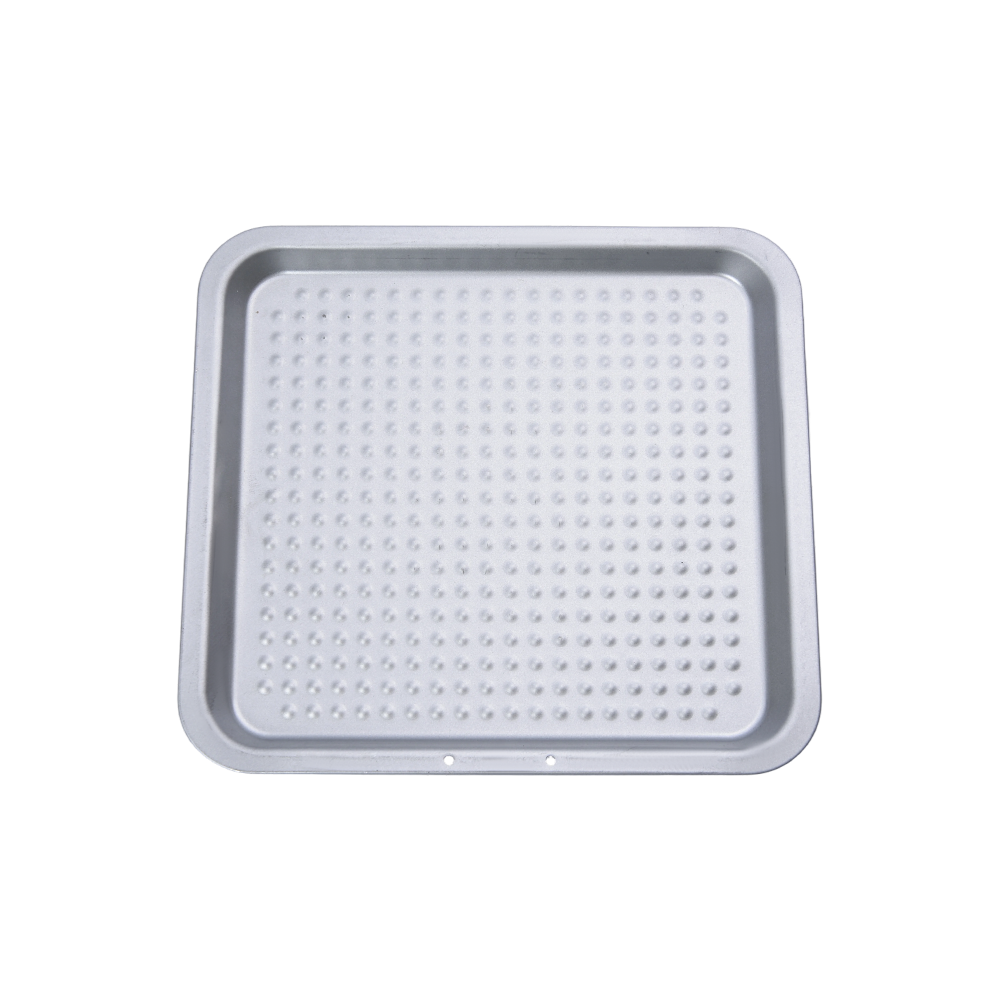
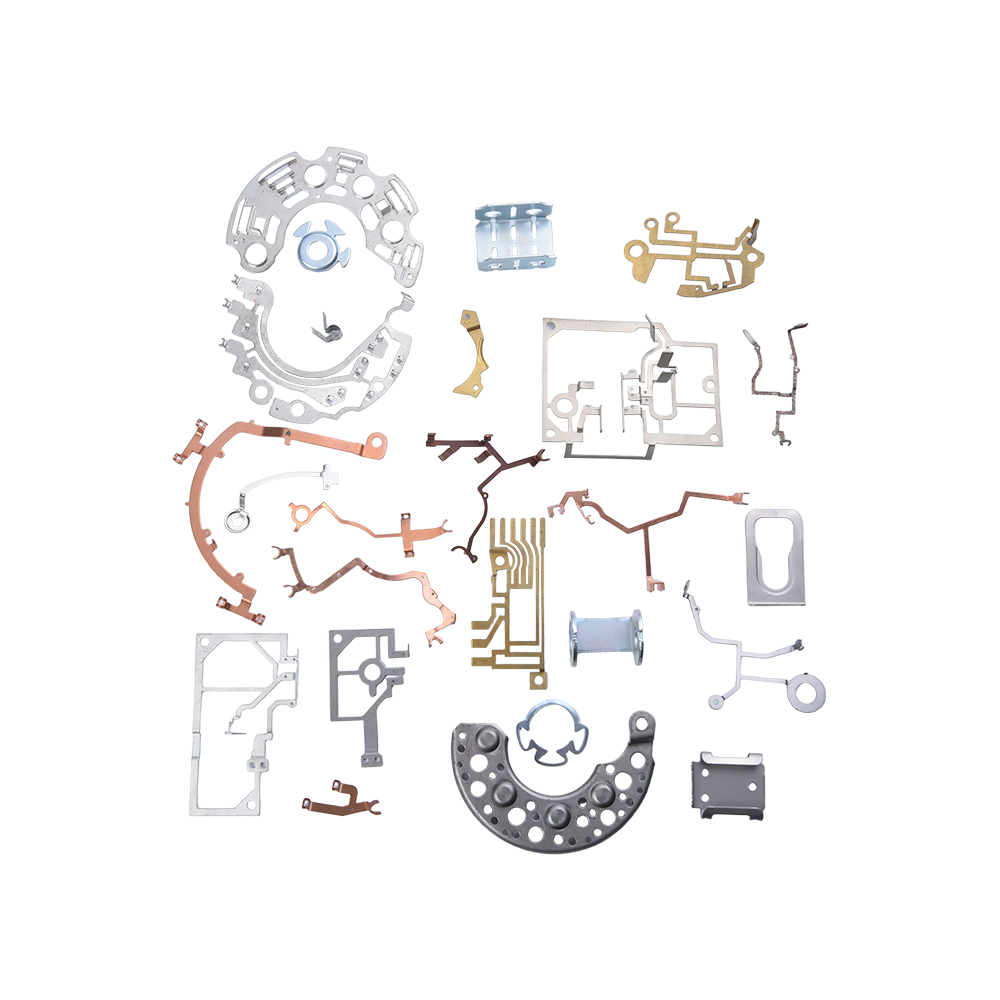
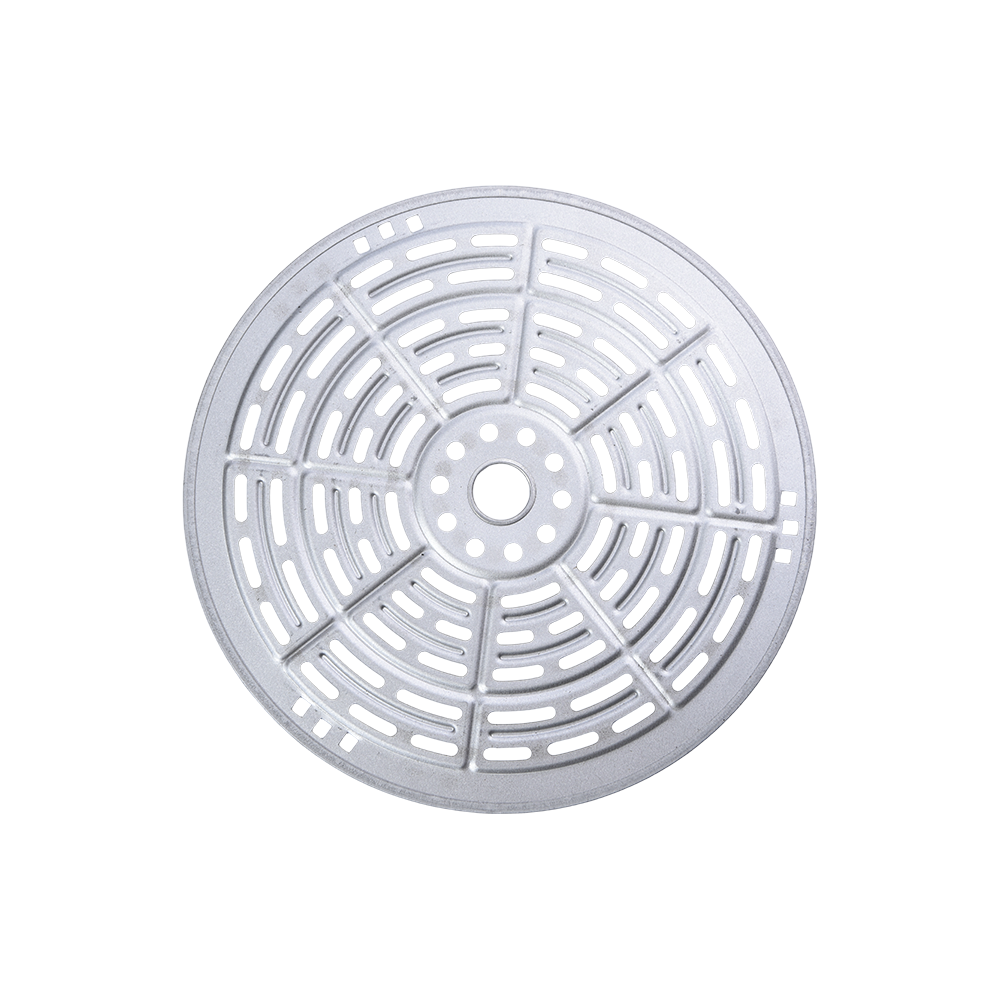
What Are Stamped Parts? Stamped parts are metal components produced by pressing flat sheet metal between a die and a punch to cut, bend, or...
READ MORE

News
Home / Author / Wang Xinyi — Senior After-Sales Coordinator / Precision Stamped Parts with a Polka Dot Pattern Base for Functional and Decorative Applications
Precision Stamped Parts with a Polka Dot Pattern Base for Functional and Decorative Applications
2026-06-08
Stamped parts with a polka dot pattern base combine engineering performance, visual appeal, and manufacturing efficiency in a single metal component. Designed for applications where strength, ventilation, filtration, sound transmission, light diffusion, or decorative value matters, these stamped parts offer a practical solution for industries such as home appliances, automotive components, electronic equipment, architectural hardware, speaker systems, and customized industrial assemblies.
The defining feature of this product is its regularly formed dot pattern, which may appear as perforations, raised bumps, recessed impressions, or a customized combination depending on the application requirement. Through controlled stamping technology, the pattern can be produced with consistent spacing, stable geometry, and reliable dimensional accuracy. This makes the part suitable not only for decorative panels but also for functional components such as vent covers, filter supports, speaker grilles, protective guards, airflow panels, and lightweight structural parts.
Manufactured with typical tolerances of approximately ±0.1 mm, these stamped parts are suitable for customers who require repeatable quality across small, medium, or large production batches. Customization is available for material type, part size, thickness, aperture diameter, dot pitch, pattern density, edge shape, bending configuration, surface finish, and post-processing treatment. With more than 20 years of manufacturing experience, Yuyao Hongli Optoelectronics Co., Ltd. provides OEM and ODM support, rapid prototyping, stable production conversion, and reliable delivery for customers worldwide.
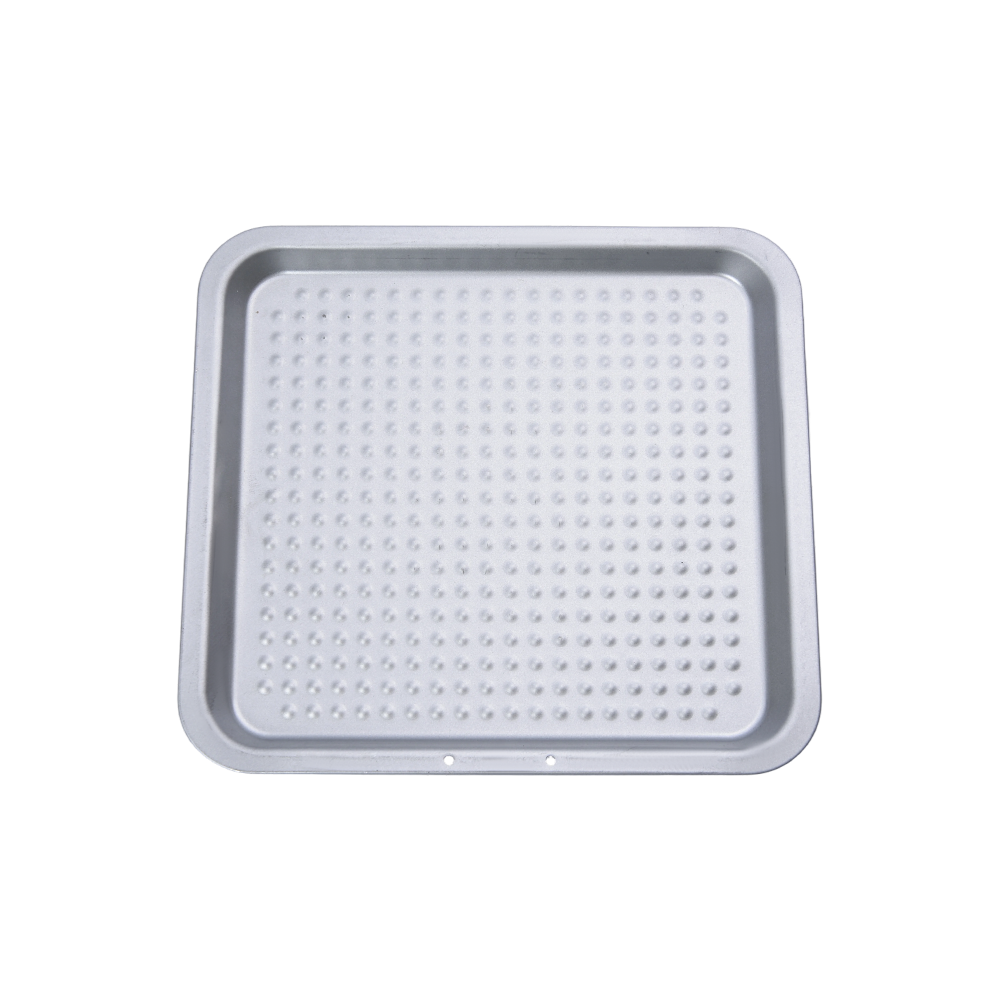
Stamped parts with a polka dot pattern base
Product Overview: What Makes Polka Dot Pattern Stamped Parts Valuable
A stamped part with a polka dot pattern base is created by pressing sheet metal through a carefully designed die set. The process can form repeated holes, dimples, raised bosses, or decorative dots across the surface. Unlike simple flat sheet metal, a patterned stamped base delivers additional value through its controlled texture and engineered geometry. The dot pattern can reduce weight, improve airflow, increase surface rigidity, scatter light, enhance acoustic transparency, or create a distinctive visual identity for finished products.
In many industries, a component must do more than occupy space. It may need to protect internal assemblies while allowing air to pass through. It may need to cover a speaker while allowing sound to travel clearly. It may need to appear attractive on a visible product surface while also maintaining corrosion resistance and mechanical stability. The polka dot pattern stamped part addresses these requirements by integrating function and appearance directly into the metal forming process.
Compared with laser-cut panels or manually drilled plates, stamping offers higher production efficiency and more consistent results when quantities increase. Once tooling is developed, stamping can produce repeated features quickly and accurately. The dot distribution can remain uniform from one part to the next, which is especially important for visible components, assembly fit, airflow balance, acoustic performance, and brand-level quality consistency.
The product can be manufactured from a variety of metals depending on the application. Common options include stainless steel, carbon steel, aluminum, galvanized steel, brass, and other sheet metals suitable for stamping. Stainless steel is often selected for corrosion resistance and strength. Aluminum is preferred when low weight and attractive finishing options are important. Galvanized or coated steel may be used for cost-effective appliance or ventilation components. Material selection is guided by the required strength, surface finish, corrosion resistance, forming behavior, and budget.
Key Applications Across Multiple Industries
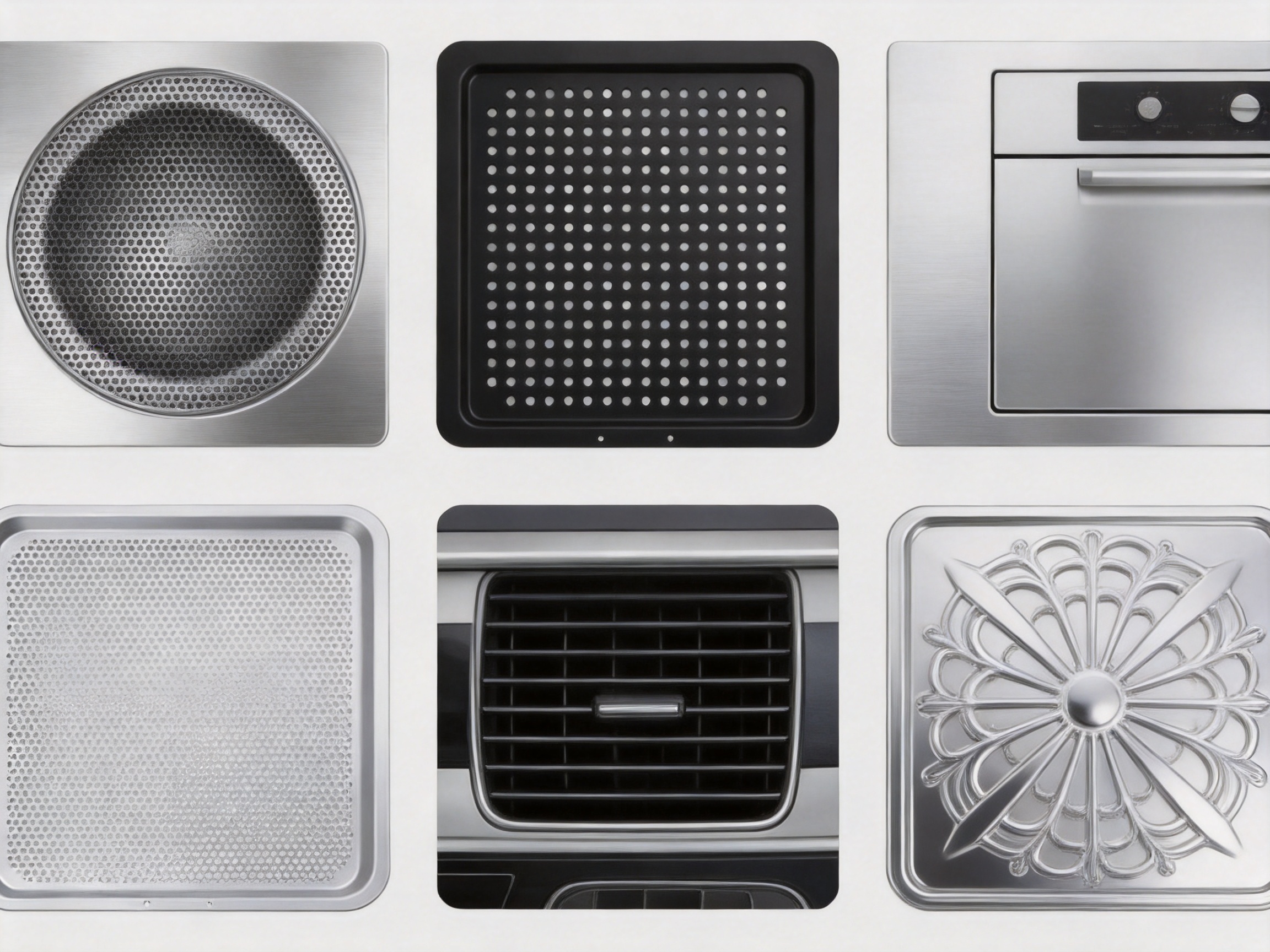
Polka dot pattern stamped parts are widely used because they can be adapted to different shapes, sizes, and performance requirements. Their versatility makes them valuable in both visible decorative applications and hidden functional assemblies. The same basic manufacturing principle can support a refined home appliance panel, a robust automotive ventilation component, or a protective industrial cover.
Decorative Panels and Product Covers
For consumer products, appearance can influence the perception of quality. A clean and consistent dot pattern adds texture and visual interest without requiring complicated secondary decoration. The pattern can be subtle and elegant or dense and technical depending on the desired design style. Surface treatments such as polishing, coating, anodizing, or painting can further improve the visual result.
Decorative panels made with stamped dot patterns are often used in household appliances, small electrical devices, lighting housings, instrument enclosures, furniture hardware, and display structures. Because the pattern is formed during production, it is durable and does not easily fade or peel like printed decoration. When combined with a protective finish, the surface can maintain long-term appearance and corrosion resistance.
Speaker Grilles and Acoustic Covers
Speaker grilles must protect delicate internal components while allowing sound waves to pass through with minimal distortion. A precisely stamped dot pattern can provide consistent open area and balanced acoustic performance. Hole diameter, spacing, sheet thickness, and overall grille geometry can be customized to suit the sound system design.
Compared with random perforation or low-precision punching, controlled stamping delivers repeatable acoustic transparency. This is important for audio equipment manufacturers who need consistent sound quality across production batches. A uniform dot pattern also improves appearance, making the speaker cover look professional and refined.
Vent Covers and Airflow Components
Airflow control is another major use of polka dot pattern stamped parts. Vent covers, air intake panels, exhaust guards, heater covers, and appliance ventilation plates require openings that allow air movement while preventing accidental contact with internal parts. The dot pattern can be designed to balance airflow, protection, and strength.
In kitchen appliances, electric heaters, electronic devices, and automotive systems, heat management is essential. A stamped vent panel can help dissipate heat while maintaining a safe barrier. The pattern density can be increased to improve airflow or reduced to enhance strength and protection. This level of design flexibility is one reason stamped dot-pattern components are chosen for demanding industrial and consumer applications.
Filters, Screens, and Protective Barriers
Perforated stamped bases can be used as filter supports, screen plates, protective mesh alternatives, and separation panels. The hole pattern can allow selected materials, air, or light to pass while blocking larger objects. Depending on the project, the stamped part may serve as a standalone filter surface or as a support layer for additional mesh, fabric, foam, or filtration media.
Because stamping can produce high repeatability, it is suitable for filtration-related components where aperture consistency affects performance. Edge forming, bending, and frame integration can also be completed during or after stamping, reducing assembly work for the customer.
Automotive Stamping Applications
Automotive components require stable quality, strong materials, accurate dimensions, and reliable production control. Polka dot pattern stamped parts can be used in interior trim, protective covers, ventilation elements, brackets, decorative inserts, acoustic panels, and lightweight metal parts. Weight reduction is a continuing priority in automotive design, and perforated or dimpled structures can help reduce mass while maintaining adequate stiffness.
For automotive stamping parts, consistency is critical. Dimensional deviations may create assembly problems, vibration, noise, or premature wear. Manufacturing with tight tolerances and robust inspection procedures helps ensure that every batch meets practical assembly needs. Yuyao Hongli Optoelectronics Co., Ltd. supports customized automotive stamping projects with experience in metal forming, bending, deep drawing, and related processes.
Advantages Over Competing Solutions
The market offers several ways to create patterned metal components, including laser cutting, CNC punching, chemical etching, wire mesh assembly, casting, and manual fabrication. Each method has its place, but stamped polka dot pattern parts provide a strong combination of cost efficiency, production speed, repeatability, structural performance, and design flexibility.
Higher Efficiency for Batch Production
Once a stamping die is prepared, parts can be produced at high speed. This makes stamping especially advantageous for medium and large batches. Laser cutting is flexible for prototypes and low-volume production, but it may become slower and more expensive when thousands or millions of repeated holes are required. Stamping forms many features in one press stroke or a controlled sequence, reducing cycle time and improving cost performance.
For customers who need stable supply, fast turnaround, and predictable unit cost, stamped parts often deliver a better long-term production model. Tooling investment can be recovered through higher efficiency and lower per-part cost over the product lifecycle.
Consistent Dot Geometry and Appearance
A polka dot pattern must look regular and intentional. Any visible misalignment, burr, distortion, or inconsistent hole size can reduce product quality. With proper die design and process control, stamping can create highly consistent dot geometry across the entire part surface. This is especially valuable for visible panels, appliance covers, speaker grilles, and decorative parts.
Compared with manual drilling or low-end punching, precision stamping reduces variation. It also supports repeatable production from batch to batch, helping customers maintain a consistent product appearance in the marketplace.
Improved Material Utilization and Lightweight Design
Perforated or dimpled stamped structures can reduce material weight without completely sacrificing strength. In some designs, raised or recessed dot formations may also increase stiffness by adding local geometry to the sheet. This allows engineers to achieve functional performance with less material mass.
Material utilization is also improved through careful nesting, die planning, and production optimization. Efficient sheet usage helps control cost and reduce waste. For industries focused on energy efficiency, transportation weight reduction, and sustainable manufacturing, this is a meaningful advantage.
Integrated Forming, Bending, and Edge Features
Stamping does not have to stop at perforation. The same part can include bending flanges, formed edges, mounting holes, positioning tabs, ribs, embossing, countersinks, and other features. This reduces the number of separate components and secondary operations required. A single stamped part can replace multiple assembled pieces, improving strength and lowering assembly time.
For customers, integration means simpler supply chains and fewer quality risks. Instead of ordering a perforated plate, then bending it elsewhere, then adding brackets or tabs separately, a well-designed stamping process can deliver a near-finished component ready for surface treatment and assembly.
Reliable Tolerance Control
The product can be manufactured with typical tolerances around ±0.1 mm, depending on material, thickness, part size, geometry, and process requirements. This level of control supports accurate assembly and stable performance. In many applications, tolerance consistency is just as important as the nominal design. Parts that vary too much can create gaps, misalignment, vibration, airflow imbalance, or appearance defects.
Precision tooling, equipment control, inspection procedures, and operator experience all contribute to tolerance reliability. Yuyao Hongli Optoelectronics Co., Ltd. applies its long-term manufacturing knowledge to help customers transform drawings or samples into stable production parts.
Manufacturing Process and Technical Capabilities
The quality of a stamped polka dot pattern part depends on more than a press machine. It requires careful review of product function, material characteristics, tooling design, forming sequence, press parameters, surface quality, and inspection requirements. A professional manufacturer must understand how the part will be used and how production choices affect performance.
Design Review and Feasibility Analysis
The process begins with understanding the customer’s requirements. Important questions include: What is the part used for? Is the dot pattern functional, decorative, or both? What airflow, acoustic, filtration, or weight-reduction performance is expected? What material and thickness are preferred? What tolerance is required? Will the part need bending, deep drawing, welding, coating, or assembly?
During the design review stage, engineers evaluate whether the requested aperture, pitch, edge distance, and material thickness are suitable for stamping. If a design may cause cracking, excessive burrs, deformation, or high tooling wear, practical recommendations can be made. This early communication helps prevent problems later and improves the chance of smooth production.
Material Selection
Material selection strongly influences stamping quality. A metal sheet must have suitable formability for the pattern and any additional bending or drawing operations. Stainless steel may require stronger press capacity and careful tool material selection due to its strength and work-hardening characteristics. Aluminum forms more easily and supports lightweight designs, but it requires attention to surface protection and deformation control. Galvanized steel offers corrosion resistance and economy but may require attention to coating integrity during forming.
The company can assist customers in choosing a material based on mechanical requirements, surface finish, cost target, corrosion environment, and assembly conditions. Correct material selection is one of the most effective ways to improve product reliability.
Tooling and Die Development
The die is the core of the stamping process. For polka dot pattern parts, tooling must create repeated features with uniform spacing and controlled shape. The die may include punches for holes, forming elements for raised dots, guides for sheet positioning, blanking stations, bending stations, trimming areas, and features for progressive production.
Tooling design must account for material springback, burr direction, punch clearance, tool wear, part flatness, and production volume. A high-quality die improves part consistency, reduces downtime, and extends tool life. For customized projects, tooling may be designed according to samples, drawings, CAD files, or functional requirements. When required, rapid prototyping can be used before full production tooling is finalized.
Precision Stamping Operation
During stamping, metal sheet is fed into the press and shaped under controlled force. Depending on the part, the process may involve single-operation stamping, compound die stamping, or progressive die stamping. Progressive stamping is especially useful when multiple features must be formed in sequence, such as perforation, blanking, bending, trimming, and embossing.
Process stability is maintained through proper feeding, lubrication, press setting, die alignment, and periodic inspection. Operators monitor visible quality, burr conditions, dimensional stability, and surface marks. For parts with dense dot patterns, deformation control is critical because repeated holes or bumps can introduce internal stress. Proper tooling and process planning help maintain flatness and prevent warping.
Deburring and Edge Conditioning
After stamping, parts may require deburring or edge conditioning. Burrs are small raised edges created during cutting or punching. In some applications, burrs may not affect function, but in visible or safety-sensitive parts they must be controlled. Deburring improves handling safety, assembly quality, surface finish, and final appearance.
Methods may include mechanical deburring, tumbling, brushing, polishing, or customized finishing processes. The choice depends on material, part shape, thickness, and surface requirements. For speaker grilles, appliance panels, and decorative covers, smooth edges and clean openings are particularly important.
Surface Treatment Options
Surface treatment enhances appearance, corrosion resistance, wear resistance, and product identity. Available options may include polishing, anodizing for aluminum parts, powder coating, painting, electroplating, passivation, blackening, or other protective coatings. Surface treatment selection depends on the service environment and visual expectations.
For kitchen appliance accessories, corrosion resistance and clean appearance are important. For automotive stamping parts, coatings may need to resist vibration, humidity, temperature changes, and chemical exposure. For decorative panels, color, gloss, texture, and scratch resistance may be key priorities. By combining precise stamping with suitable finishing, the final part can meet both functional and aesthetic standards.
Inspection and Quality Control
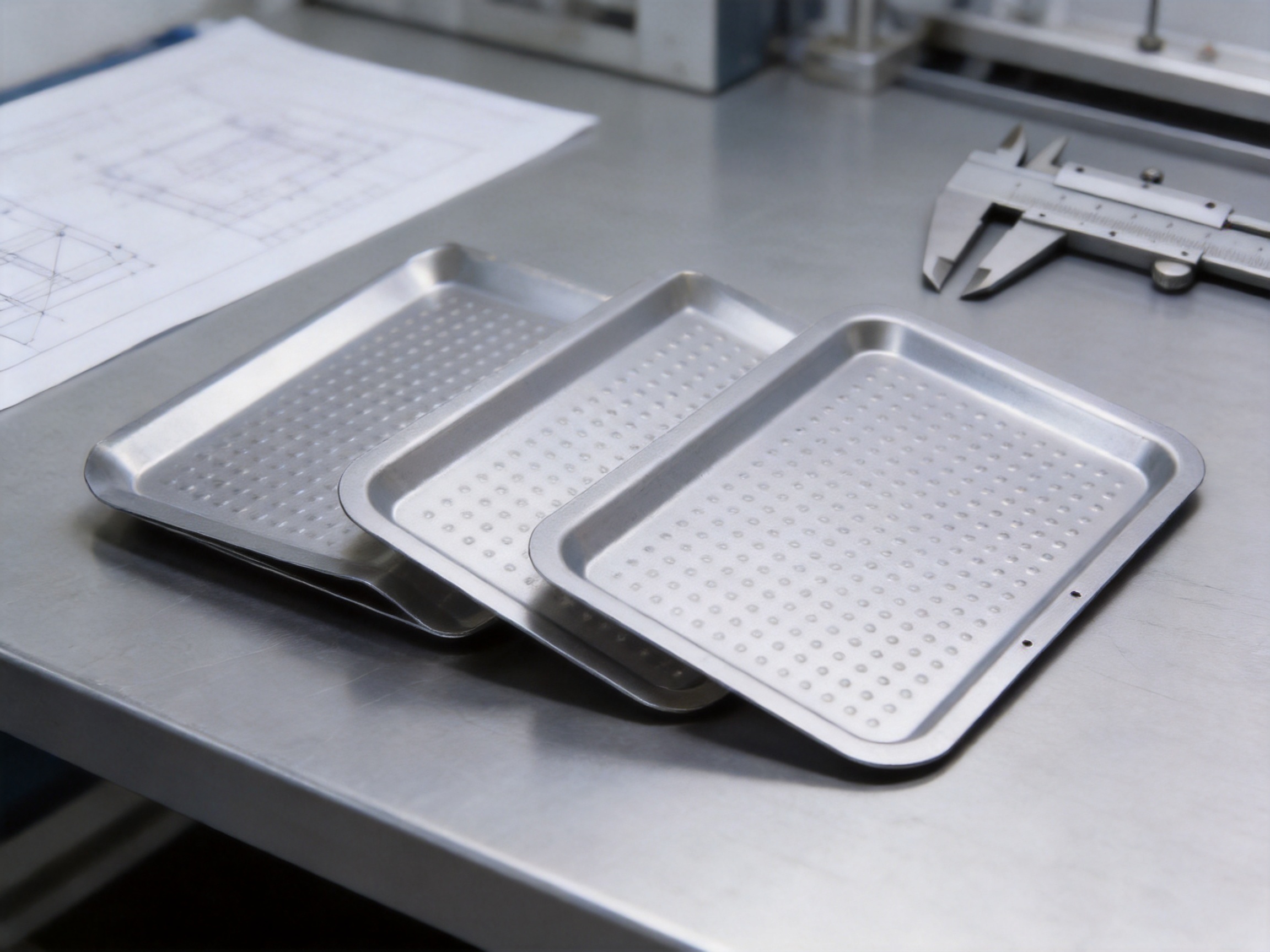
Quality control is applied throughout production. Inspection may include dimensional measurement, visual inspection, aperture checking, flatness evaluation, burr assessment, coating inspection, and packaging review. For customized parts, inspection criteria are usually established according to drawings, samples, or customer specifications.
Typical tolerance capability around ±0.1 mm supports accurate assembly and repeatable performance. However, tolerance depends on part complexity, material thickness, feature size, and production method. Clear communication between customer and manufacturer helps define realistic and measurable standards before production begins.
Customization Options
One of the greatest strengths of stamped polka dot pattern parts is customization. Different customers need different performance results, and the product can be adapted accordingly. Customization can be applied not only to the dot pattern but also to the overall structure, material, surface, and assembly features.
| Customization Item | Available Options | Customer Benefit |
|---|---|---|
| Material | Stainless steel, aluminum, carbon steel, galvanized steel, brass, and other stampable metals | Matches strength, weight, corrosion resistance, and cost requirements |
| Thickness | Customized according to design and forming feasibility | Balances rigidity, weight, and manufacturing cost |
| Dot Type | Perforated holes, raised dots, recessed dots, or mixed patterns | Supports airflow, decoration, stiffness, grip, or light diffusion |
| Aperture and Pitch | Fine, medium, or coarse spacing based on application | Controls ventilation, acoustic transparency, filtration, and appearance |
| Shape and Size | Flat plates, curved panels, bent parts, covers, brackets, and custom profiles | Fits directly into customer assemblies |
| Surface Treatment | Polishing, anodizing, coating, painting, plating, passivation, and other finishes | Improves appearance, durability, and corrosion resistance |
| Additional Features | Mounting holes, tabs, flanges, ribs, slots, embossed marks, and formed edges | Reduces secondary processing and assembly complexity |
Customization begins with the customer’s purpose. A speaker grille may need a high open-area ratio and smooth surface. A heater cover may need strength, heat resistance, and safety spacing. A decorative appliance panel may prioritize appearance, color, and corrosion resistance. An automotive part may need strict dimensional consistency, vibration durability, and efficient assembly features. By aligning the pattern design with the application, the final component becomes more valuable than a standard metal plate.
Design Considerations for Better Performance
To achieve the best result, several design factors should be considered before production. These factors affect manufacturability, cost, strength, appearance, and long-term performance. Early design optimization helps customers avoid unnecessary tooling changes and production delays.
Open Area Ratio
The open area ratio refers to the percentage of the surface occupied by holes. A higher open area ratio improves airflow, acoustic transmission, and weight reduction, but it may reduce mechanical strength. A lower open area ratio improves rigidity and protection but may restrict ventilation or sound. Selecting the correct balance is essential.
For vent covers, the open area ratio should support heat dissipation while preventing access to hazardous internal components. For speaker grilles, it should allow sound output without creating unwanted resonance or blockage. For filters, it should match the size and flow requirement of the medium being filtered.
Hole Diameter and Pitch
Hole diameter and pitch determine the appearance and performance of the dot pattern. Small holes create a refined look and may provide better protection against larger particles, but they can be harder to manufacture in thick materials and may reduce airflow. Larger holes improve flow and visual openness but may require stronger edge design to maintain stiffness.
The pitch, or distance between dots, must also be planned carefully. If holes are too close together, the sheet may become weak or distorted. If they are too far apart, the pattern may not provide enough functional benefit. Professional stamping experience helps determine practical design limits.
Edge Distance
The distance between the dot pattern and the part edge affects strength and forming quality. Holes placed too close to edges, bends, or corners can cause tearing, distortion, or uneven appearance. Maintaining suitable edge distance helps ensure that the part remains strong and visually clean after stamping and bending.
Bending and Forming Direction
If the part requires bending after perforation, the relationship between the dot pattern and bend line must be considered. Holes near a bend may elongate or distort. Material grain direction, bend radius, and tooling sequence can influence the final result. In many cases, it is possible to adjust the pattern layout or forming sequence to minimize deformation.
Surface Finish Compatibility
Surface treatment should be considered during design. Some coatings add thickness and may affect tight assembly areas. Polishing may slightly change edges or visual texture. Anodizing is suitable for aluminum but not for steel. Plating and coating processes may require drainage, hanging points, or masking. Planning these details early improves the final finish and reduces rework.
Company Manufacturing Strengths
Yuyao Hongli Optoelectronics Co., Ltd. is a comprehensive manufacturing enterprise located in Yangming Science and Technology Industrial Park, Yuyao City, Zhejiang Province, China. Founded in 2000, the company has accumulated more than 20 years of industry experience and has developed into a professional manufacturer of metal stamping parts and related products.
The company operates a modern factory of approximately 5,000 square meters, with multiple stamping workshops and more than 60 employees. This production foundation supports manufacturing, processing, wholesale, retail, import, and export services. Product fields include educational instruments, optical instruments, household electric heaters, small household appliances, auto parts, hardware products, plastic products, deep-drawn parts, stamped parts, bending parts, kitchen appliance accessories, and automotive stamping parts.
Experience is one of the company’s important strengths. Metal stamping may appear simple from the outside, but stable production requires knowledge built over many years. Tooling decisions, material selection, press adjustment, defect prevention, surface control, and inspection methods all influence the final product. Long-term manufacturing experience helps the company respond quickly to customer requirements and solve practical production challenges.
The company supports OEM and ODM customization. This means customers can provide drawings, samples, design ideas, or functional requirements, and the company can assist in turning them into manufacturable products. For customers developing new products, rapid prototyping and efficient production conversion are especially valuable. A prototype can help verify fit, appearance, and function before larger tooling investment is made.
Strict quality control is another major advantage. In competitive markets, price alone is not enough. Customers need parts that arrive on time, fit correctly, look consistent, and perform as intended. Stable delivery and comprehensive after-sales service help build long-term cooperation. The company’s business philosophy of integrity, excellence, innovation, and sharing supports reliable collaboration with customers worldwide.
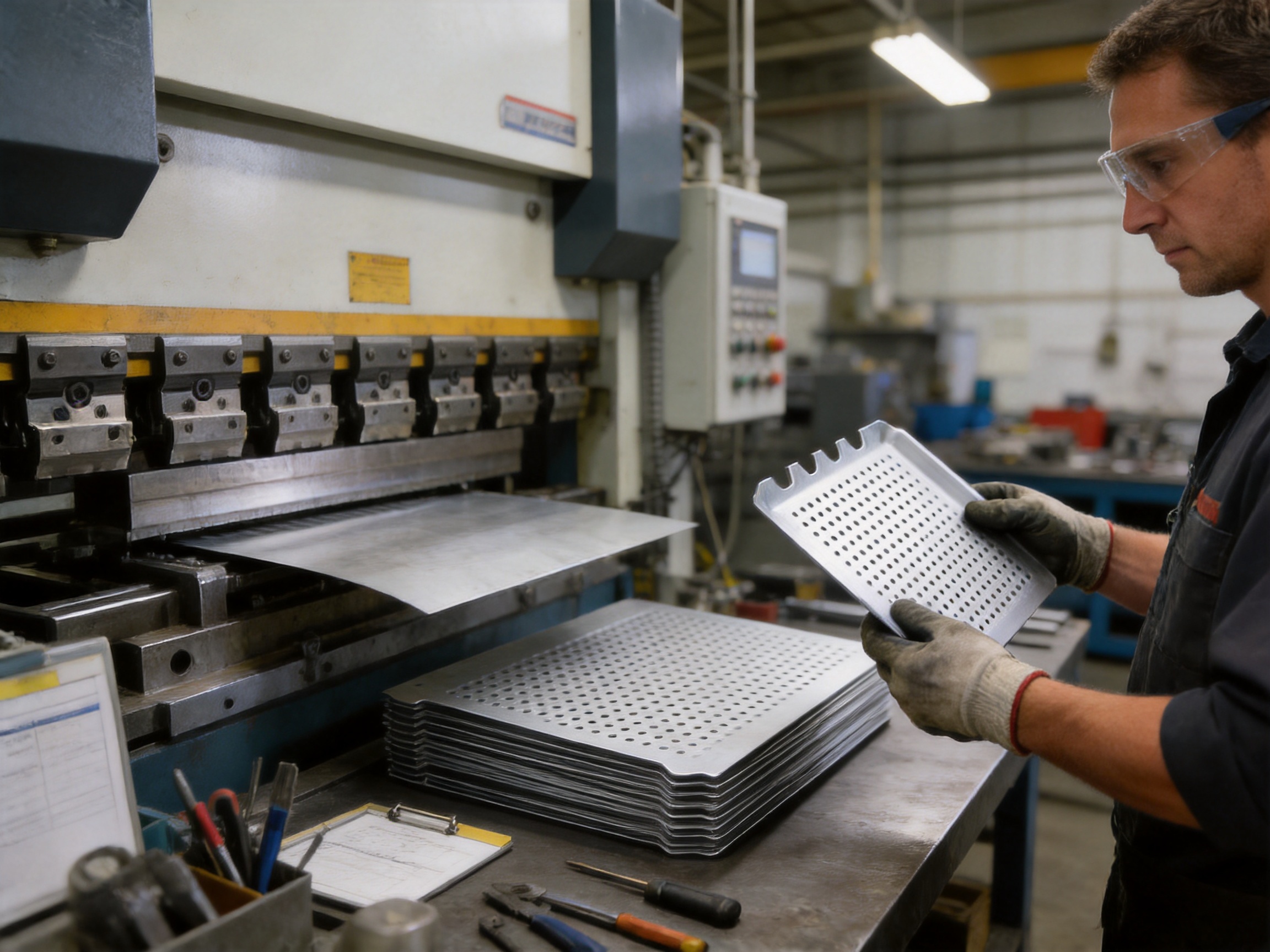
Why Precision Stamping Matters for Polka Dot Pattern Parts
Precision stamping is essential because the dot pattern magnifies any manufacturing inconsistency. A single inaccurate hole may not matter in a hidden bracket, but on a visible patterned panel, small deviations are easy to notice. If spacing varies, the surface looks uneven. If burrs are excessive, the part may be unsafe or unattractive. If the sheet warps, assembly becomes difficult. If aperture size changes across the panel, airflow or acoustic performance may become inconsistent.
Precision is achieved through a combination of good tooling, stable equipment, trained operators, suitable materials, and clear inspection standards. Tolerance capability around ±0.1 mm reflects the importance of controlled production. For parts that must fit into appliance housings, automotive assemblies, or electronic enclosures, this dimensional control reduces assembly risk.
Another reason precision matters is repeatability. Customers often require the same part over many batches. A manufacturer must maintain consistent quality even when production is repeated weeks or months later. Proper tooling maintenance, production records, and inspection procedures help ensure that the product remains stable over time.
Functional Benefits of the Dot Pattern
The dot pattern is not merely decorative. It can provide several functional benefits depending on whether the dots are holes, raised forms, recessed forms, or mixed features.
Airflow Improvement
Perforated dot patterns allow air to pass through a metal barrier. This is useful in ventilation covers, appliance panels, electronic housings, heater guards, and automotive airflow components. Properly designed holes reduce heat buildup while maintaining protection. The pattern can be optimized to control flow direction, open area, and safety spacing.
Light Scattering and Visual Diffusion
In lighting and display applications, dot patterns can help scatter or soften light. Perforations can create controlled light points, while raised or recessed dots can alter reflection. This makes the parts useful in decorative lighting covers, instrument panels, and visual design elements.
Weight Reduction
Removing material through perforation reduces weight. In automotive, portable equipment, and appliance applications, even small reductions can be valuable when multiplied across many units. Weight reduction can improve handling, energy efficiency, shipping cost, and product usability.
Acoustic Transparency
For speaker grilles and acoustic covers, holes allow sound waves to pass while protecting internal components. A uniform pattern helps maintain balanced sound transmission. Custom aperture and spacing can be selected according to acoustic performance and visual design requirements.
Surface Texture and Grip
Raised or recessed dots can create tactile texture. This can improve grip, reduce slipping, or add a premium touch to a product surface. Textured metal surfaces can be useful for handles, covers, equipment panels, and decorative hardware.
Structural Stiffness
Although holes remove material, formed dots, ribs, and embossed patterns can add stiffness by changing the sheet geometry. A carefully designed pattern may improve resistance to bending or vibration. This is particularly useful when the part must remain lightweight but still stable.
Comparison with Alternative Manufacturing Methods
Customers choosing patterned metal parts often compare stamping with other methods. Understanding the differences helps identify the best manufacturing route.
Stamping Versus Laser Cutting
Laser cutting offers flexibility and does not require hard tooling for simple prototypes. It is suitable for low-volume projects or designs that change frequently. However, when the part contains many repeated holes and production volume increases, laser cutting can become slower and more expensive. Heat-affected zones may also influence edge quality depending on the material.
Stamping requires tooling but provides faster cycle times and lower per-part cost in repeat production. It also produces consistent hole geometry when tooling is properly maintained. For a high-volume polka dot pattern base, stamping is often the more efficient choice.
Stamping Versus CNC Punching
CNC punching is flexible and suitable for varied hole patterns. However, for very high quantities or parts requiring multiple formed features, dedicated stamping tooling may provide better speed and repeatability. Stamping can integrate blanking, forming, bending, and embossing in a controlled sequence, reducing handling and secondary operations.
Stamping Versus Wire Mesh
Wire mesh offers high open area and flexibility, but it may lack rigidity, dimensional stability, and clean product appearance. It can also require frames or additional assembly. A stamped metal panel provides a stronger, more integrated structure and can include mounting holes, edges, and surface finishes. For appliance covers, speaker grilles, and automotive panels, stamped parts often look more refined and assemble more easily.
Stamping Versus Casting
Casting can produce complex three-dimensional shapes, but it is usually not ideal for thin sheet-style perforated patterns. Cast parts may be heavier and may require more machining or finishing. Stamping is better suited for thin metal panels, covers, brackets, and lightweight patterned components.
Quality Factors Customers Should Evaluate
When sourcing stamped polka dot pattern parts, customers should evaluate several quality factors. Choosing a manufacturer based only on the lowest quotation may lead to problems such as poor appearance, inconsistent dimensions, weak tooling, delayed delivery, or unstable surface treatment. A balanced evaluation should include technical capability, quality control, communication, customization experience, and delivery reliability.
Dimensional Accuracy
Check whether the manufacturer can meet the required tolerance. For assembly-critical parts, dimensional accuracy affects fit and performance. Typical tolerance around ±0.1 mm is a strong advantage for many applications, but the final standard should be confirmed based on the drawing and production method.
Pattern Uniformity
The dot pattern should be consistent across the surface. Hole size, spacing, alignment, and edge quality should meet expectations. For visible parts, uniformity is essential for appearance. For functional parts, it affects airflow, sound, filtering, and weight distribution.
Burr Control
Burrs can affect safety, appearance, assembly, and coating quality. Customers should define acceptable burr levels, especially for parts handled by users or used in visible assemblies. Deburring requirements should be included in the specification.
Flatness and Deformation
Dense perforation can create stress and distortion. A reliable manufacturer should understand how to control flatness through tooling design, material handling, stamping sequence, and post-processing. Flatness is especially important for panels that must fit into frames or housings.
Surface Finish
Surface defects such as scratches, stains, coating unevenness, or discoloration can reduce product value. Surface finish requirements should be communicated early. Protective packaging may also be necessary to preserve the finish during shipping.
Tooling Durability
For repeat production, tooling quality is critical. Poor tooling may wear quickly, causing hole variation, burr growth, downtime, and inconsistent parts. Experienced manufacturers design and maintain tooling for stable production.
From Prototype to Mass Production
A successful stamped part project often follows a structured development path. The first step is concept discussion, where the customer shares drawings, samples, application details, or performance goals. The manufacturer reviews the design and provides feasibility suggestions. Material and surface treatment options are discussed. If the part is new, prototype samples may be produced to verify appearance and function.
After prototype approval, tooling can be developed or adjusted for production. Trial production helps confirm dimensions, dot pattern quality, forming stability, and surface results. Inspection data is reviewed, and any necessary adjustments are made. Once the process is stable, batch production begins.
This staged approach reduces risk. It helps customers avoid investing in mass production before confirming that the part meets real-world requirements. It also allows the manufacturer to optimize production efficiency and quality control before large quantities are produced.
Packaging, Delivery, and After-Sales Support
Stamped parts with visible surfaces or precision features require suitable packaging. Parts may be separated with protective materials, stacked in controlled quantities, packed in cartons, or arranged according to customer logistics requirements. Proper packaging prevents scratches, deformation, moisture damage, and contamination during transportation.
Stable delivery is important for customers managing assembly lines or product launches. A dependable manufacturer must coordinate material procurement, tooling preparation, production scheduling, surface treatment, inspection, and shipping. Yuyao Hongli Optoelectronics Co., Ltd. emphasizes stable delivery and comprehensive after-sales service, helping customers maintain efficient operations.
After-sales support may include technical communication, quality feedback handling, improvement suggestions, repeat order coordination, and design optimization for future batches. Long-term cooperation is built not only through the first order but through consistent service over time.
Environmental and Economic Value
Efficient stamping production can contribute to economic and environmental value. High-speed production reduces processing time per part. Optimized nesting and material utilization reduce scrap. Lightweight perforated designs can reduce transportation weight and material consumption. Durable metal parts can extend product service life, reducing replacement frequency.
Surface treatments can also be selected with durability in mind. A corrosion-resistant finish helps the part last longer in humid, heated, or outdoor environments. Long-lasting components reduce maintenance and waste. For customers seeking more sustainable product designs, stamped metal parts with optimized geometry can be a practical solution.
Industry-Specific Design Examples
Kitchen Appliance Accessories
Kitchen appliances require clean appearance, corrosion resistance, heat tolerance, and user safety. A polka dot pattern stamped panel can serve as a ventilation cover, decorative faceplate, filter support, or protective guard. Stainless steel or coated steel may be selected depending on the environment. Smooth edges and easy-to-clean surfaces are important.
Household Electric Heaters
Heater components must allow heat to escape while protecting users from internal heating elements. A stamped dot pattern provides controlled ventilation and a safe barrier. Material and coating selection should consider temperature exposure. Pattern spacing should balance airflow with protection.
Automotive Interior and Ventilation Parts
Automotive parts must be stable under vibration, temperature variation, and long-term use. Dot pattern stamped parts can be used for ventilation covers, decorative trims, acoustic panels, and lightweight brackets. Consistent dimensions help reduce assembly noise and improve fit.
Optical and Educational Instruments
Precision metal parts may be used in instrument housings, supports, covers, and protective panels. A dot pattern can assist with ventilation, light control, or appearance. Accurate stamping supports reliable assembly in technical products.
Industrial Equipment Panels
Industrial panels often require strength, ventilation, and durability. Stamped dot patterns can protect internal components while allowing heat dissipation. Surface treatment may be chosen for corrosion resistance in workshop or outdoor conditions.
Frequently Asked Questions
What is a stamped part with a polka dot pattern base?
It is a metal component produced by stamping sheet metal into a repeated dot pattern. The dots may be holes, raised bumps, recessed impressions, or customized forms. The part can be used for decoration, ventilation, acoustic transmission, filtration, protection, or weight reduction.
What materials can be used?
Common materials include stainless steel, aluminum, carbon steel, galvanized steel, brass, and other stampable sheet metals. The best material depends on strength requirements, corrosion resistance, weight target, surface finish, and budget.
Can the dot pattern be customized?
Yes. Size, thickness, aperture, pitch, pattern density, dot type, edge shape, and overall structure can be customized. The pattern can be fine or coarse depending on airflow, acoustic, filtration, weight, or appearance requirements.
What tolerance can be achieved?
Typical manufacturing tolerance is approximately ±0.1 mm, depending on the material, thickness, part size, geometry, tooling, and process. Specific tolerance requirements should be confirmed during design review.
What surface treatments are available?
Available surface treatments may include polishing, anodizing, coating, painting, plating, passivation, and other finishing methods. Surface treatment improves appearance, corrosion resistance, and durability.
Is stamping better than laser cutting for this product?
For prototypes or very small quantities, laser cutting can be convenient. For repeated dot patterns and medium-to-large batch production, stamping is usually more efficient, more consistent, and more cost-effective after tooling is developed.
Can the part include bending or additional features?
Yes. The part can include bends, flanges, mounting holes, tabs, ribs, slots, embossed features, and formed edges. Integrating these features reduces secondary processing and simplifies assembly.
What industries use these parts?
They are used in kitchen appliances, household electric heaters, automotive parts, speaker grilles, decorative panels, vent covers, filters, optical instruments, electronic devices, and industrial equipment.
How should customers start a custom project?
Customers can provide drawings, samples, CAD files, or application requirements. The manufacturer can review feasibility, recommend materials and pattern designs, produce samples if needed, and support conversion to batch production.
Why choose Yuyao Hongli Optoelectronics Co., Ltd. for this product?
The company has more than 20 years of manufacturing experience, a 5,000-square-meter factory, multiple stamping workshops, strong customization capability, OEM and ODM support, rapid prototyping, strict quality control, stable delivery, and comprehensive after-sales service.
Conclusion
Stamped parts with a polka dot pattern base offer a powerful combination of function, appearance, and manufacturability. Their dot patterns can improve airflow, reduce weight, support acoustic transmission, scatter light, enhance surface texture, and create a distinctive visual style. With customization options for material, thickness, aperture, pitch, shape, bending, and surface treatment, these components can be adapted to a wide range of industrial and consumer applications.
Compared with competing solutions such as laser cutting, wire mesh, CNC punching, and manual fabrication, precision stamping offers strong advantages in batch production efficiency, consistency, integrated forming, and cost performance. The ability to maintain tight tolerances, typically around ±0.1 mm, helps customers achieve reliable assembly and stable product quality.
Yuyao Hongli Optoelectronics Co., Ltd. brings more than two decades of manufacturing experience, advanced stamping capability, OEM and ODM service, rapid prototyping, and strict quality management to each project. For customers seeking durable, attractive, and high-performance stamped parts, the polka dot pattern base is a practical and competitive solution that can be engineered for both visual impact and functional excellence.
References
Boljanovic, Vukota. Sheet Metal Forming Processes and Die Design. Industrial Press.
Kalpakjian, Serope, and Steven R. Schmid. Manufacturing Engineering and Technology. Pearson.
Lange, Kurt. Handbook of Metal Forming. Society of Manufacturing Engineers.
ASM International. ASM Handbook, Volume 14B: Metalworking: Sheet Forming. ASM International.
Suchy, Ivana. Handbook of Die Design. McGraw-Hill Education.
Altan, Taylan, and A. Erman Tekkaya. Sheet Metal Forming: Processes and Applications. ASM International.
Product: Stamped parts with a polka dot pattern base
Previous Post
Air Fryer Baking Tray for Crispy, Even, and Versatile Cooking
Next Post
Precision Stamped Circular Parts with Holes for Durable Industrial Assemblies
News
-
-
When you need a metal component whose depth clearly exceeds its width, such as a one-piece battery enclosure, an air-fryer inner container,...
READ MORE -
What Is Deep Drawing Process and What Are Deep-Drawn Parts The deep drawing process is a sheet metal forming operation in which a flat meta...
READ MORE -
Steel is the backbone of modern manufacturing, yet it is never a single, uniform material. When engineers and buyers ask, "How can you clas...
READ MORE
Get Fresh Updates Via Email
We promise we will never disclose your email address, and you can opt out at any time.
-
Quick Links
Home About Us Products Service News Contact Us -
Product list
Deep-drawn parts Stamped parts Bending parts Kitchen appliance accessories Automotive stamping parts -
About Us
Factory Honour FAQ -
News
Company News Industry News -
Contact Us
Address: South side of Shunke Road, Yangming Science and Technology Industrial Park, Yuyao City, Zhejiang Province, China Tel: +86-13905842349/+86-13738485724 Email: hongli@hl-stamping.com
Copyright © Yuyao Hongli Optoelectronics Co., Ltd. All Rights Reserved.
Custom Precision-Sheet/Sheet Metal Stamping Manufacturers
