


 English
 русский
 Español
 عربى
عربى
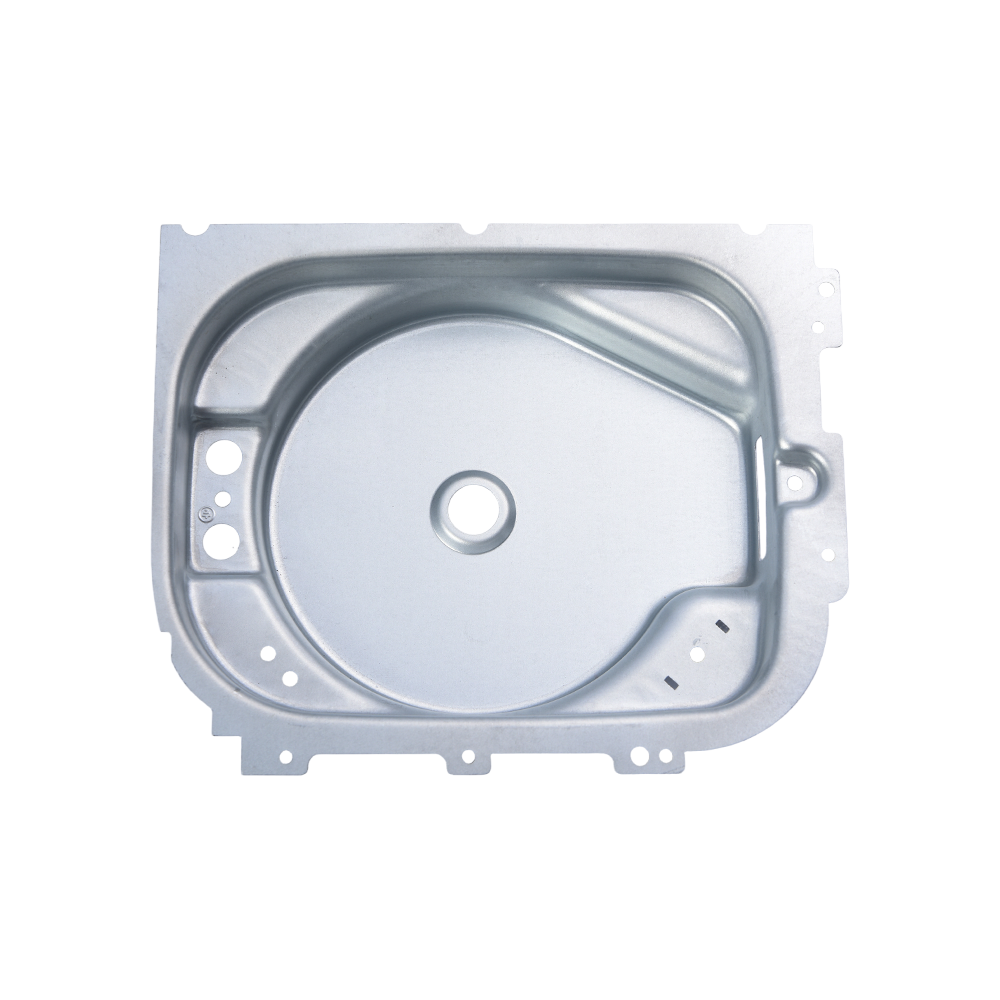

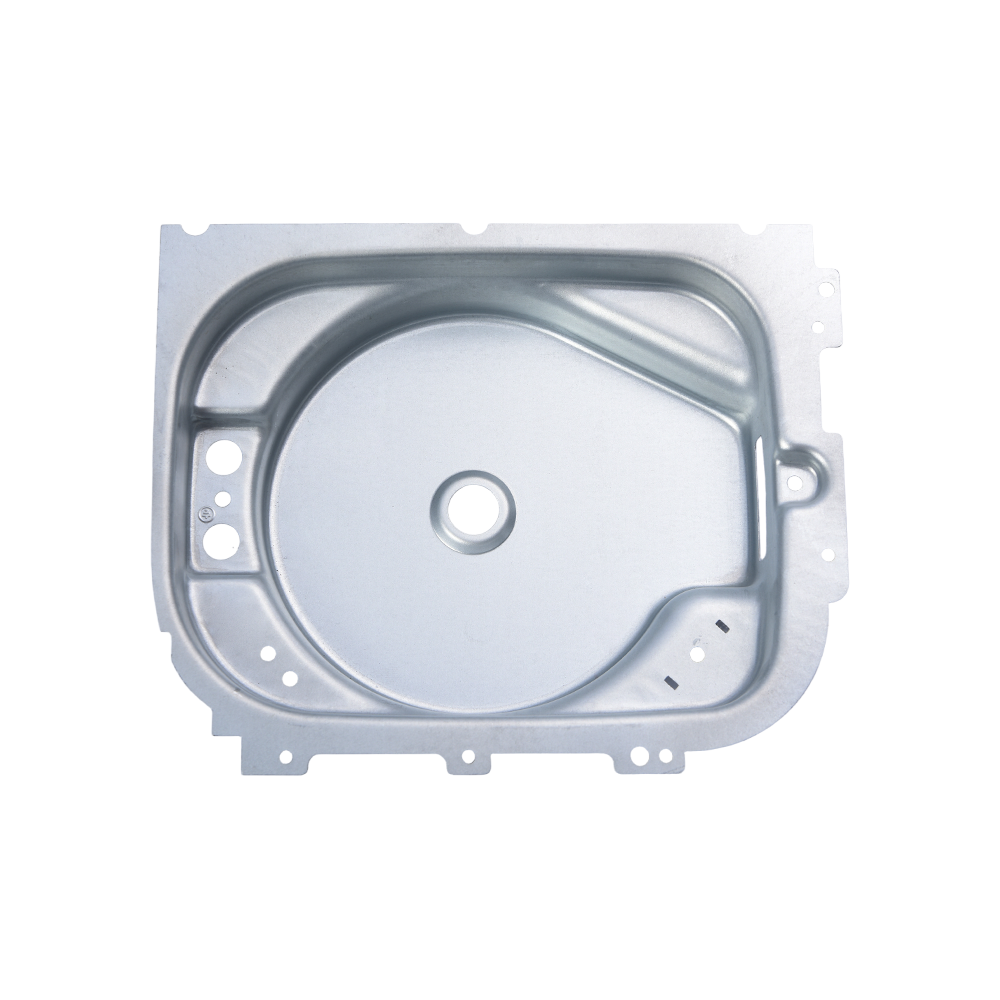
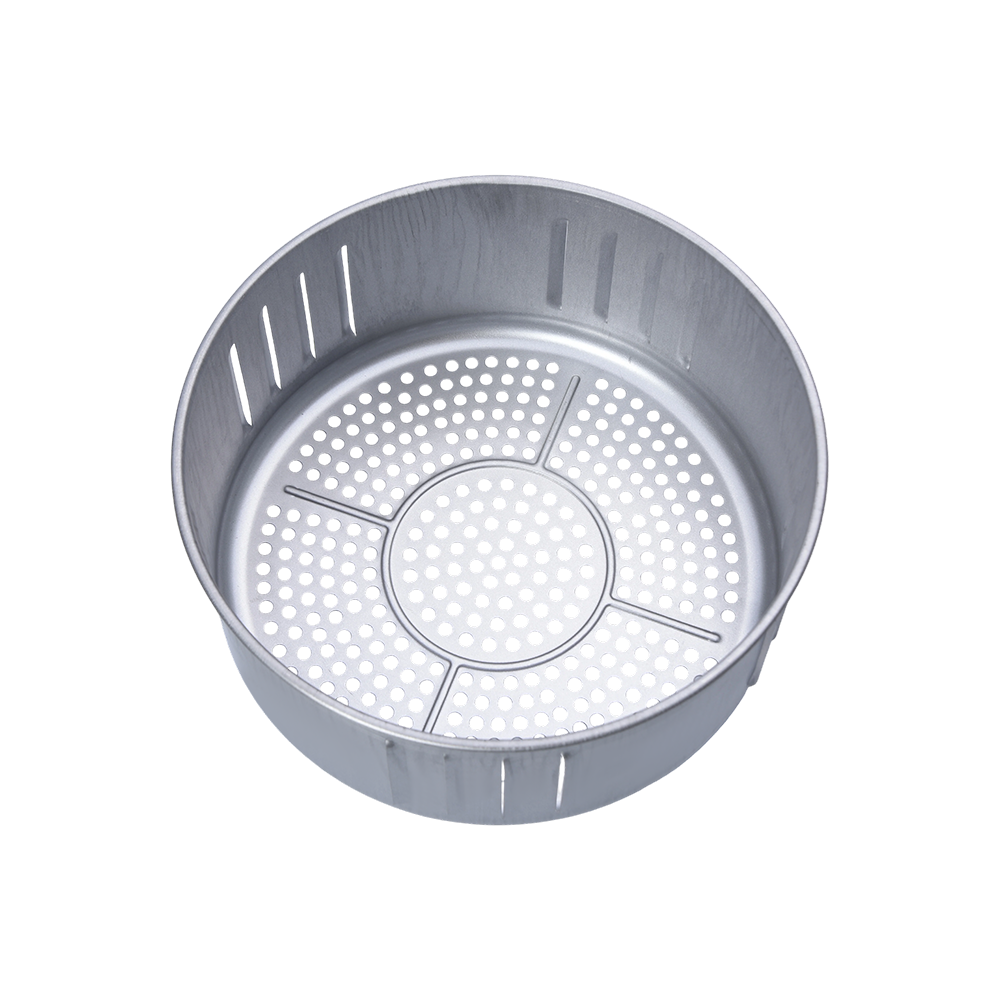
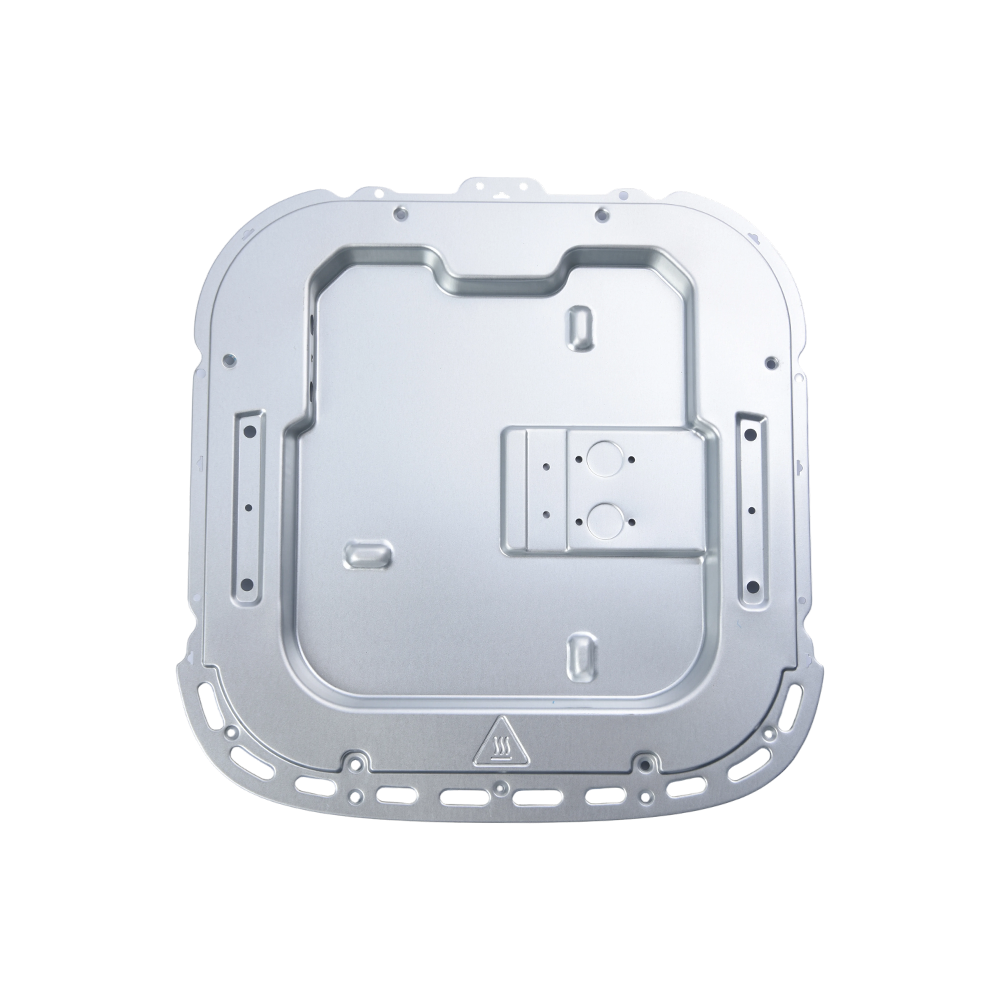
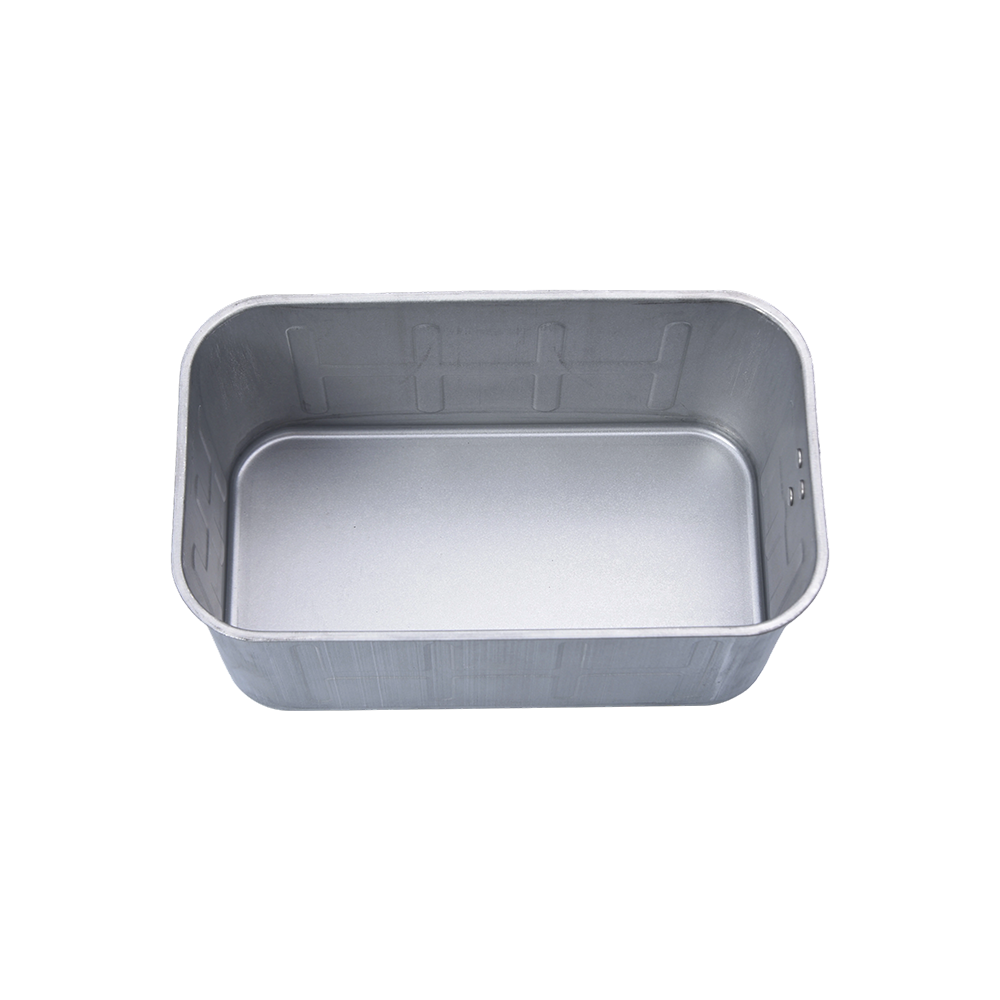
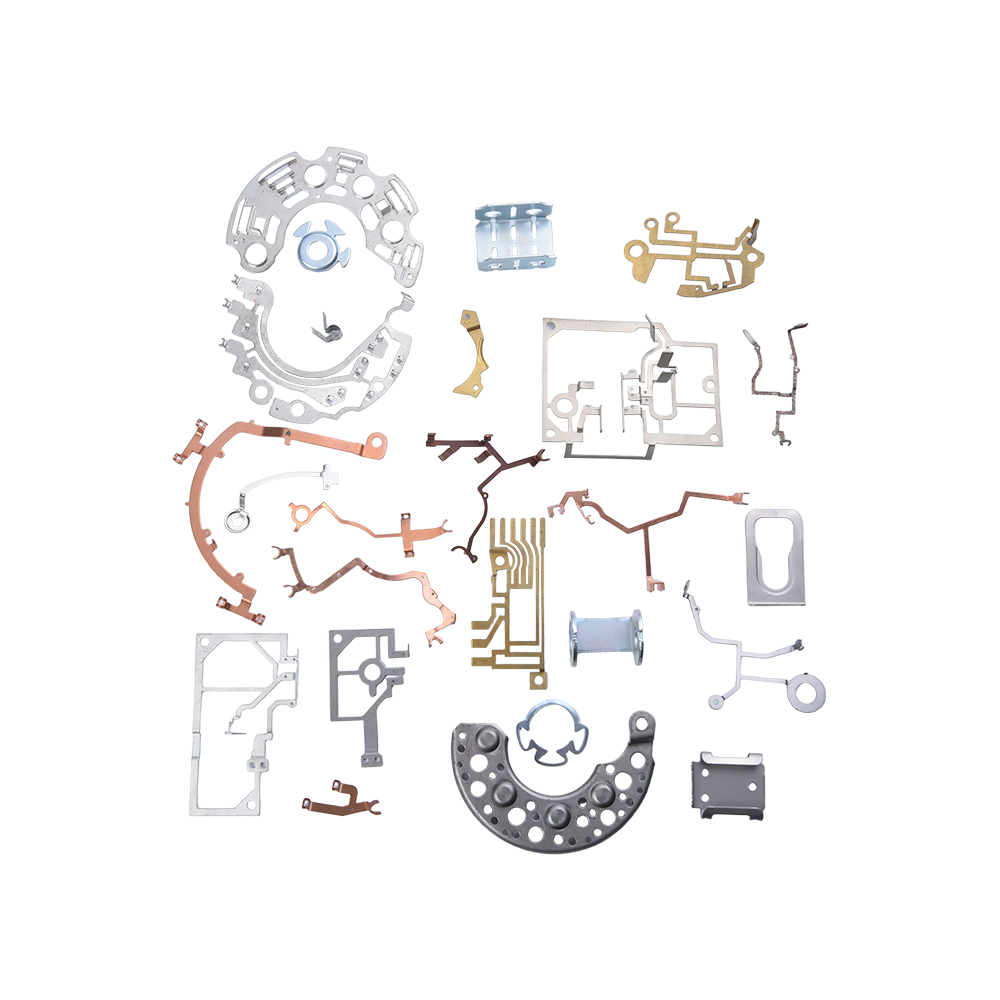
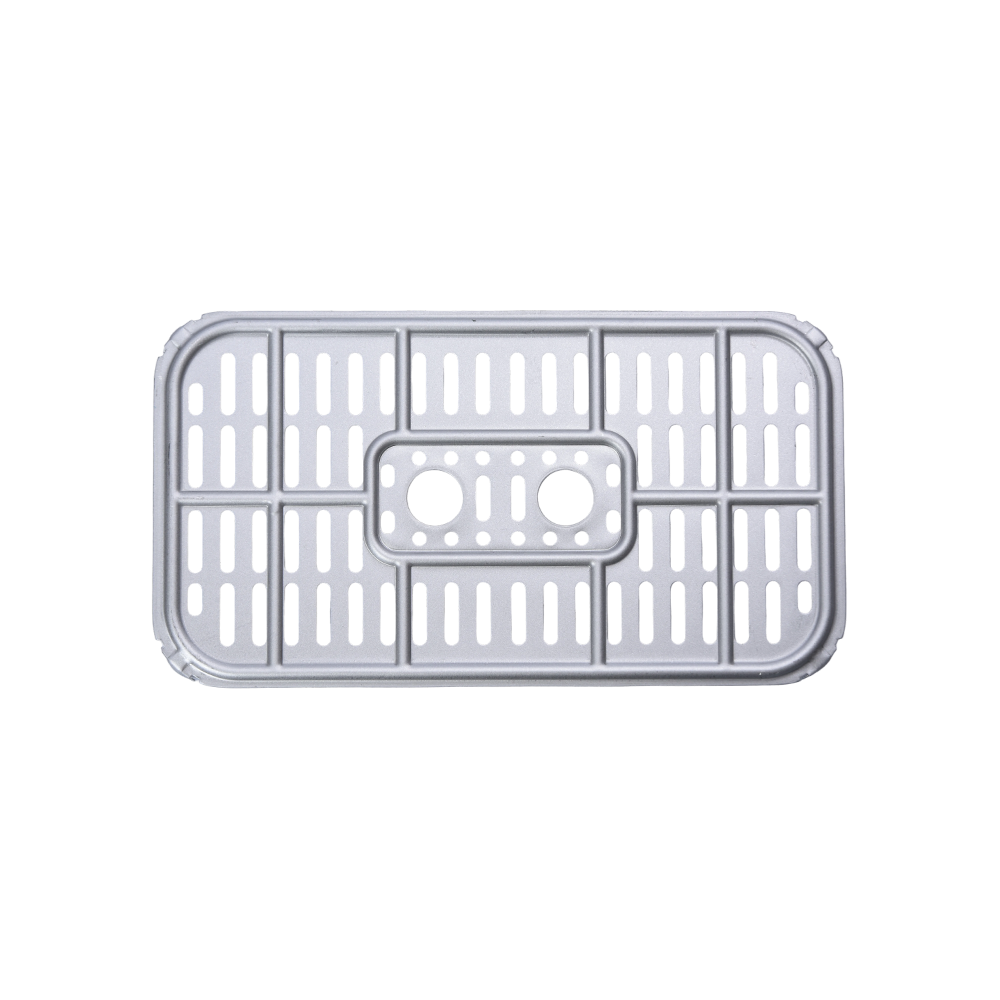
What Are Stamped Parts? Stamped parts are metal components produced by pressing flat sheet metal between a die and a punch to cut, bend, or...
READ MORE

News
Home / Author / Zhang Meilin — Product Sales Consultant / High-Performance Kitchen Sink Components for Durable, Hygienic, and Modern Kitchens
High-Performance Kitchen Sink Components for Durable, Hygienic, and Modern Kitchens
2026-06-18
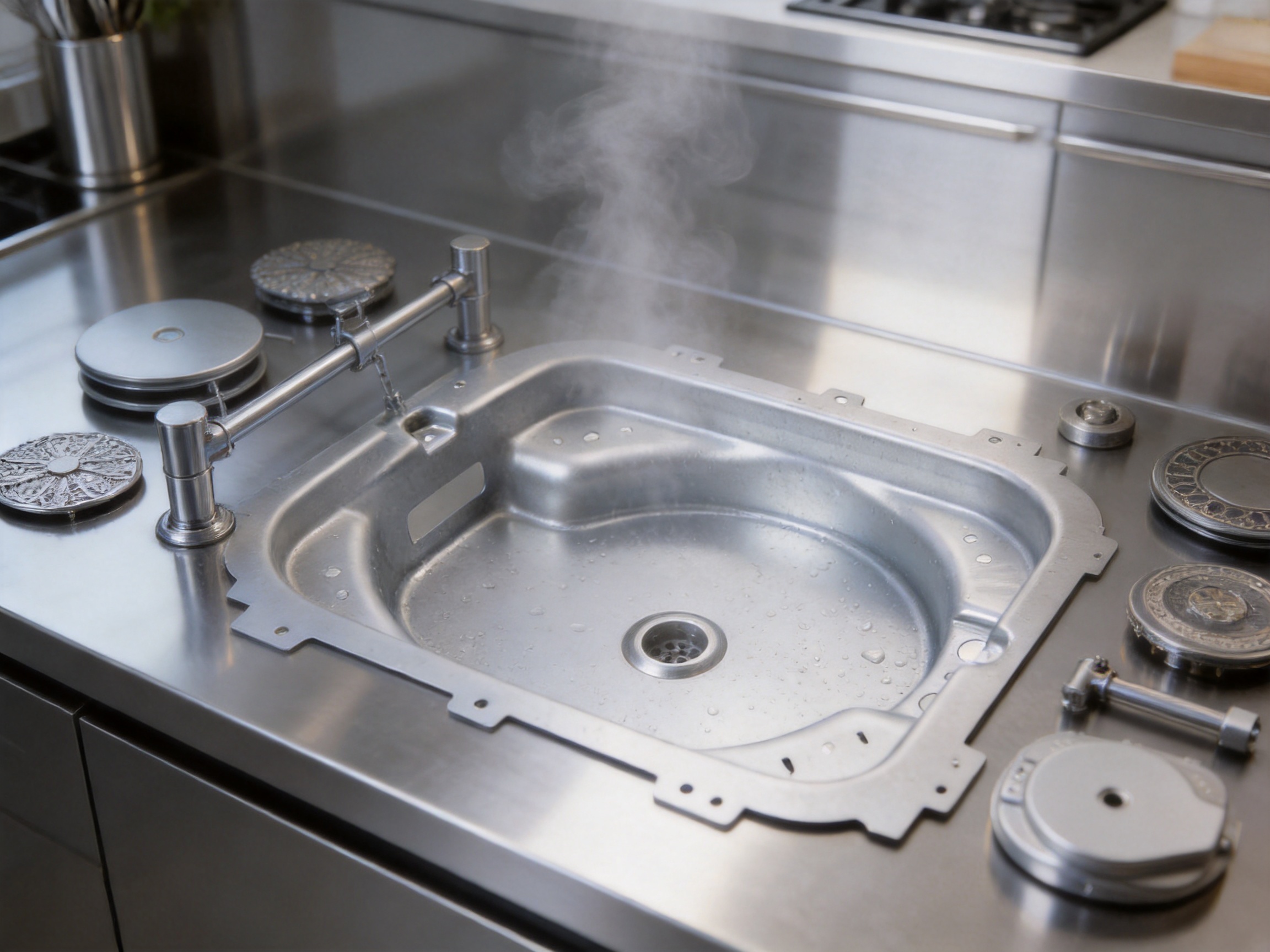
Kitchen sink components are small in appearance but critical in function. They support the daily performance of one of the most frequently used areas in any home, restaurant, hotel, cafeteria, laboratory, or commercial food preparation environment. From structural fittings and formed metal parts to functional accessories and customized stamped components, these parts influence durability, hygiene, appearance, installation efficiency, maintenance cost, and long-term user satisfaction.
Modern kitchens demand more than basic sink hardware. They require components that resist water, heat, impact, stains, cleaning chemicals, corrosion, and repeated mechanical stress. A kitchen sink may be used dozens or even hundreds of times each day, and each use places pressure on its surrounding components. Water exposure, detergent residue, food acids, temperature changes, utensil impacts, and human handling can quickly reveal weaknesses in low-quality parts. This is why high-quality kitchen sink components made through advanced metal stamping, deep drawing, bending, and precision processing have become increasingly important.
The kitchen sink components described in this article are designed for residential and commercial applications where reliability, clean appearance, easy maintenance, and long service life are essential. Their advantages include heat resistance, impact resistance, rust resistance, stain resistance, smooth surface quality, hygienic performance, easy installation, and compatibility with customized kitchen appliance systems. These features make them suitable for new kitchen projects, replacement parts, equipment upgrades, and OEM or ODM appliance manufacturing programs.
Behind these product advantages is the manufacturing strength of Yuyao Hongli Optoelectronics Co., Ltd., a comprehensive manufacturer located in Yuyao City, Zhejiang Province, China. With more than 20 years of industry experience, a 5,000-square-meter modern factory, multiple stamping workshops, and a professional production team, the company provides strong support for metal stamping parts, deep-drawn parts, bending parts, kitchen appliance accessories, automotive stamping parts, household appliance parts, hardware products, plastic products, and customized processing services. Its combination of production capability, quality control, rapid prototyping, OEM and ODM customization, stable delivery, and after-sales support gives these kitchen sink components strong competitive value in both domestic and global markets.
Understanding the Role of Kitchen Sink Components
A kitchen sink is not a single object; it is an assembly of components working together. Some parts provide visible style, while others provide hidden structural support. Some manage water flow, some protect surfaces, some improve installation strength, and others connect the sink to surrounding appliances or cabinetry. When these components are well designed and precisely manufactured, the entire sink system performs smoothly. When they are poorly made, the sink may become noisy, unstable, difficult to clean, prone to corrosion, or vulnerable to leakage and deformation.
Kitchen sink components may include formed metal brackets, stamped accessories, structural plates, mounting supports, drain-related fittings, reinforcement parts, decorative covers, appliance interface pieces, and custom hardware elements. In kitchen appliance manufacturing, many of these parts are not standard consumer items but engineered components produced according to customer drawings, samples, material requirements, and application conditions. The ability to manufacture these parts accurately is therefore a major advantage for appliance manufacturers, sink producers, cabinet suppliers, and commercial kitchen equipment brands.
High-quality kitchen sink components contribute to three main areas: performance, hygiene, and appearance. Performance includes mechanical strength, resistance to bending or impact, tolerance under thermal changes, and stability during installation. Hygiene refers to smooth surfaces, stain resistance, easy cleaning, and reduced accumulation of dirt or bacteria. Appearance involves clean edges, consistent finish, modern styling, and visual compatibility with stainless steel sinks, integrated kitchen systems, and contemporary appliances.
In competitive markets, buyers increasingly expect components that are durable yet cost-effective, customizable yet consistently produced, and attractive yet practical. This balance can only be achieved through strong manufacturing processes and strict control over material selection, tooling, stamping, forming, inspection, and packaging.
Core Product Advantages
The kitchen sink components offered through advanced stamping and forming processes provide several clear benefits over ordinary parts. These advantages are especially important for buyers who want long-term value rather than short-term savings.
Superior Rust Resistance
Rust is one of the greatest threats to kitchen sink accessories. The sink environment is naturally humid, and components may remain in contact with water, steam, salt, detergents, acidic food residues, and cleaning chemicals. Low-grade metal parts may corrode quickly, leading to discoloration, rough surfaces, weakened structure, and poor user experience.
High-quality kitchen sink components are designed to resist rust and maintain their appearance under prolonged water exposure. Proper material selection, controlled forming, clean processing, and suitable surface treatment help reduce corrosion risks. For residential kitchens, this means fewer replacements and a more attractive sink area. For commercial kitchens, rust resistance is even more important because hygiene regulations and daily cleaning routines are stricter.
Excellent Heat Resistance
Kitchens involve frequent exposure to hot water, boiling liquids, heated cookware, steam, and temperature changes. Components around the sink must maintain their shape and function under these conditions. Poor-quality parts may warp, loosen, discolor, or lose structural strength when exposed to heat over time.
Reliable kitchen sink components are manufactured to withstand typical kitchen temperature stress. Their heat resistance supports stable performance in household kitchens, restaurants, hotel kitchens, food processing workstations, and other environments where hot cleaning water and heated utensils are common. This advantage contributes to safety, durability, and product confidence.
Strong Impact Resistance
A sink area is often exposed to physical impact. Pots, pans, knives, cutting boards, food containers, and cleaning tools may strike nearby accessories. Components must therefore resist dents, deformation, cracking, and loosening. Impact resistance is especially important for metal stamped and deep-drawn parts, where thickness, shape, forming precision, and structural reinforcement determine final strength.
Compared with fragile or poorly formed alternatives, robust stamped and bent components provide better support and longer service life. This reduces maintenance problems and helps end users feel that the sink system is solid and dependable.
Stain Resistance and Easy Cleaning
Kitchen hygiene depends heavily on surface quality. Rough, porous, or poorly finished components can trap grease, food particles, detergent residue, and mineral deposits. Over time, this causes staining and makes cleaning difficult. Smooth, well-formed components are easier to wipe, rinse, disinfect, and maintain.
Stain-resistant kitchen sink components improve daily convenience. They help keep the sink area looking modern and clean while reducing the time required for maintenance. For commercial kitchens, easy cleaning supports operational efficiency and helps maintain a professional environment. For residential users, it improves comfort and long-term satisfaction.
Modern Appearance
Function is essential, but appearance also matters. Kitchen design has become an important part of lifestyle and property value. Consumers prefer accessories that match stainless steel surfaces, modern countertops, built-in appliances, and minimalist interior styles. Components with clean lines, precise forming, smooth edges, and consistent finish give the sink area a more refined appearance.
Advanced stamping and bending processes can produce components with accurate dimensions and visually neat shapes. This allows appliance brands and kitchen manufacturers to deliver products that meet modern design expectations without sacrificing practicality.
Easy Installation and Maintenance
Installation efficiency is important for contractors, appliance assemblers, cabinet makers, and end users. Components that fit accurately reduce installation time, minimize adjustment work, and lower the risk of assembly errors. Precision manufacturing supports consistent hole positions, correct angles, reliable edges, and proper compatibility with other parts.
Maintenance is also simplified by durable construction and easy-clean surfaces. Components that resist rust, stains, heat, and impact require less frequent replacement and fewer service calls. This advantage helps both manufacturers and users reduce total lifecycle cost.
Why Advanced Manufacturing Matters
The quality of kitchen sink components depends not only on material but also on manufacturing control. Even a good material can perform poorly if forming is inaccurate, tooling is unstable, edges are rough, or inspection is insufficient. Advanced manufacturing processes help transform raw metal into precise, durable, and attractive components.
Metal Stamping
Metal stamping is one of the main processes used to manufacture kitchen appliance accessories and sink-related components. In stamping, sheet metal is shaped by dies and presses into required forms. This process is suitable for high-volume production because it can deliver repeatable dimensions, efficient output, and stable quality.
For kitchen sink components, stamping can create brackets, plates, covers, supports, clips, reinforcement pieces, and other functional parts. A well-designed stamping process improves consistency and reduces waste. It also supports cost-effective production for OEM and ODM customers who require stable batches and repeatable specifications.
Deep Drawing
Deep drawing is used when flat metal sheet must be formed into deeper or more complex shapes. This process is important for components requiring depth, rounded corners, continuous surfaces, or improved structural rigidity. Deep-drawn parts are widely used in kitchen appliances, household equipment, automotive applications, and hardware systems.
Deep drawing requires careful control of material flow, die design, lubrication, press force, and forming steps. If the process is not controlled properly, defects such as cracking, wrinkling, uneven thickness, and poor surface quality may occur. A manufacturer with deep drawing experience can produce more stable and attractive components for demanding applications.
Bending and Forming
Bending is necessary for many sink support parts and appliance accessories. Accurate bending ensures correct angles, fit, and structural performance. Poor bending control can cause assembly problems, visible misalignment, or weakened areas. Precision bending supports smooth installation and helps components work properly with sinks, cabinets, drains, and appliance housings.
Professional bending operations consider material thickness, bend radius, springback, tooling pressure, and final tolerance. This technical knowledge is especially valuable for customized components because each design may require a different forming strategy.
Tooling and Die Development
High-quality stamped and deep-drawn parts begin with reliable tooling. Dies determine shape, tolerance, edge quality, repeatability, and production efficiency. Poor tooling leads to inconsistent dimensions, burrs, defects, and high scrap rates. Strong tooling capability allows faster development, better quality, and smoother production conversion from prototype to mass manufacturing.
For OEM and ODM projects, tooling development is a key stage. Customers may provide drawings, samples, or functional requirements. The manufacturer must evaluate manufacturability, recommend improvements if needed, produce tooling, test samples, and refine the process before mass production. This capability helps customers reduce development risk and shorten launch time.
Quality Inspection
Kitchen sink components must be inspected for dimensional accuracy, surface quality, forming defects, edge conditions, fit, and functional performance. Inspection may include visual checks, measurement tools, sample testing, batch control, and packaging review. Consistent quality control prevents defective parts from reaching customers and protects brand reputation.
For export-oriented manufacturing, inspection is especially important because customers may be located far from the production site. Stable inspection systems reduce communication costs, returns, delays, and assembly problems.
Manufacturing Strength of Yuyao Hongli Optoelectronics Co., Ltd.
Yuyao Hongli Optoelectronics Co., Ltd. has developed into a comprehensive manufacturing enterprise with more than two decades of industry experience. Founded in 2000 and located in Yangming Science and Technology Industrial Park, Yuyao City, Zhejiang Province, China, the company has built a strong foundation in metal stamping parts and related products. Its manufacturing scope includes deep-drawn parts, stamped parts, bending parts, kitchen appliance accessories, automotive stamping parts, educational instruments, optical instruments, household electric heaters, small household appliances, auto parts, hardware products, and plastic products.
The company operates a modern factory covering approximately 5,000 square meters and maintains multiple stamping workshops. With more than 60 employees and practical manufacturing experience accumulated over many years, it is able to provide production, processing, wholesale, retail, import, and export services. This broad service ability allows customers to source customized parts from a single reliable supplier.
One important strength is the company’s ability to support OEM and ODM customization. Many kitchen sink components and kitchen appliance accessories are not universal products; they must match the customer’s appliance design, sink model, installation method, material standard, and market positioning. OEM and ODM capability allows the manufacturer to convert customer requirements into practical products through prototyping, tooling, production testing, and batch manufacturing.
Another strength is rapid prototyping and efficient production conversion. In modern appliance industries, product development cycles are shorter, and customers need suppliers who can respond quickly. A manufacturer capable of making samples, adjusting tooling, confirming dimensions, and moving efficiently into production helps customers save time and maintain market competitiveness.
The company’s quality philosophy emphasizes integrity, excellence, innovation, and sharing. These values are reflected in stable delivery, strict quality control, customized solutions, and long-term cooperation. For customers purchasing kitchen sink components, this means not only receiving parts but also gaining a manufacturing partner capable of supporting product improvement and supply chain stability.
| Capability | Value for Kitchen Sink Components | Customer Benefit |
|---|---|---|
| Metal stamping | Produces accurate brackets, plates, covers, supports, and fittings | Stable dimensions, repeatable quality, and efficient production |
| Deep drawing | Forms deeper and more complex metal shapes with improved rigidity | Better durability, clean appearance, and functional strength |
| Bending | Creates precise angles and structural forms | Easier installation and improved assembly compatibility |
| OEM and ODM customization | Adapts components to specific sink or appliance designs | Flexible product development and brand differentiation |
| Rapid prototyping | Allows fast sample production and design verification | Shorter development cycles and lower project risk |
| Quality control | Checks dimensions, surface, fit, and consistency | Reduced defects, stable delivery, and reliable performance |
Competitive Advantages Over Ordinary Kitchen Sink Components
In the kitchen appliance accessory market, price competition is common. However, the lowest-priced component is not always the most economical choice. If a part rusts, bends, stains, fails during installation, or causes customer complaints, the hidden cost can be far higher than the initial purchase saving. High-performance kitchen sink components offer several advantages over ordinary alternatives.
Longer Service Life
Durability is one of the most direct benefits. Components with better corrosion resistance, impact strength, and heat tolerance can remain functional and attractive for years. This reduces replacement frequency and supports the long-term value of the entire sink system. For commercial buyers, long service life means less downtime and fewer maintenance interruptions.
More Reliable Assembly
Precision stamped, deep-drawn, and bent components fit better during installation. This is a major advantage over low-precision parts that require manual adjustment, drilling correction, force fitting, or rework. Reliable assembly reduces labor time, improves production efficiency for appliance manufacturers, and decreases the possibility of installation damage.
Improved Hygiene
Smooth surfaces and stain-resistant performance make components easier to clean and disinfect. Ordinary parts with rough edges, uneven coatings, or corrosion-prone surfaces may collect dirt and become difficult to maintain. In kitchens where hygiene is essential, this difference is highly valuable.
Better Visual Quality
A sink area is visually central in many kitchens. Poorly finished components may reduce the perceived quality of the entire product. Components made with consistent forming and controlled surface appearance contribute to a modern, professional look. This supports higher product positioning for appliance brands and better satisfaction for end users.
Customization Flexibility
Standard parts cannot always meet the needs of different sink models, appliance structures, cabinet systems, or installation markets. A manufacturer with OEM and ODM capability can customize dimensions, shapes, materials, structures, and processing methods according to customer needs. This flexibility is a significant advantage for brands developing unique kitchen products.
Stronger Supply Support
A manufacturer with a modern factory, experienced workforce, multiple workshops, and export service capability can offer more reliable supply than small or unstable workshops. Stable delivery matters because delayed components can stop assembly lines, postpone product launches, and affect customer orders. Manufacturing strength therefore becomes part of the product’s competitive advantage.
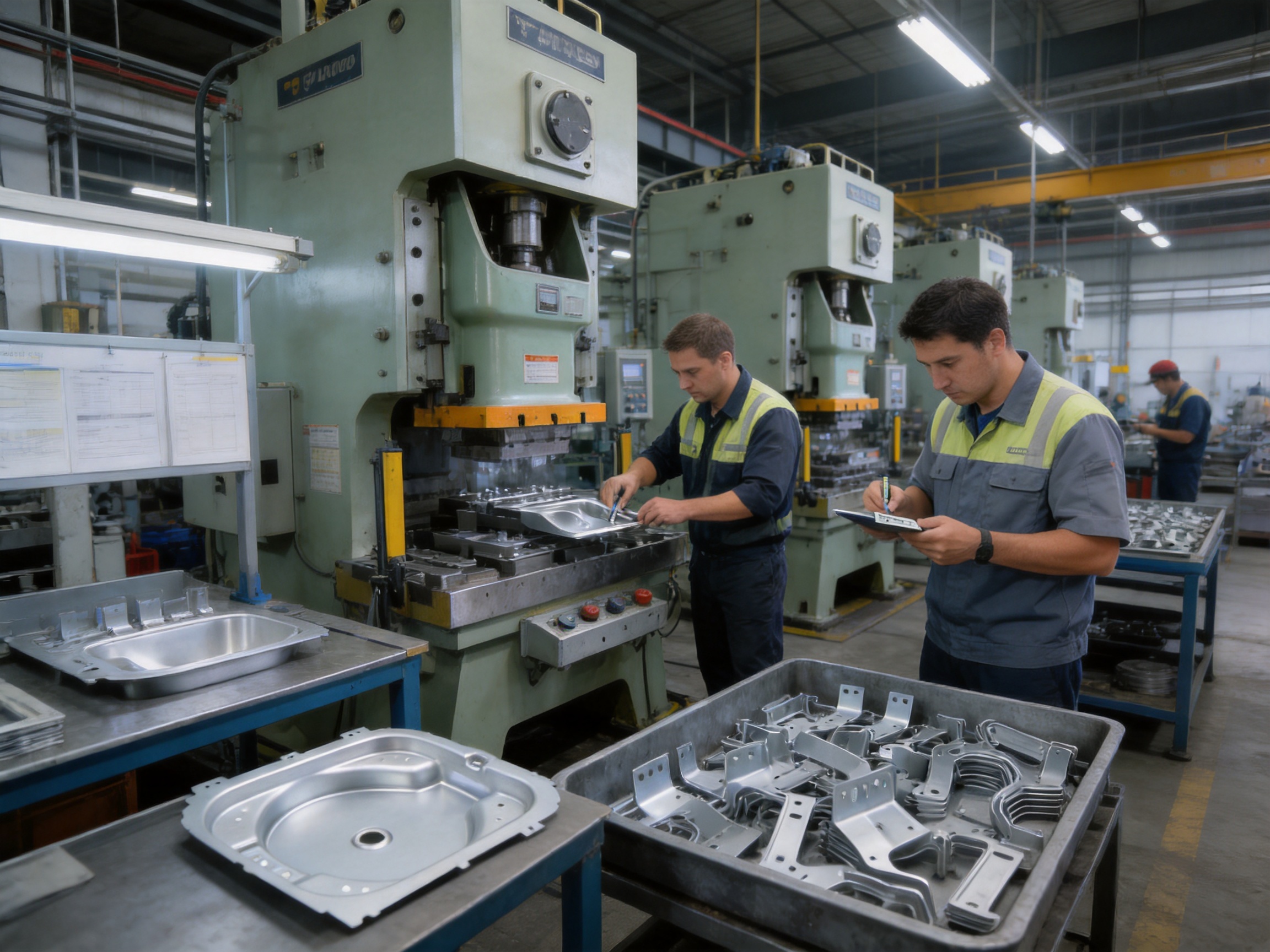
Material and Design Considerations
The performance of kitchen sink components begins with appropriate material selection. In wet kitchen environments, material must resist corrosion while maintaining mechanical strength. It should also be suitable for stamping, bending, deep drawing, and surface finishing. Material choice may vary depending on the part’s purpose, expected load, visible appearance, exposure level, and cost requirements.
Design is equally important. A component should not only look correct on a drawing; it must be manufacturable, installable, and durable in real use. Good design considers wall thickness, bend radius, hole placement, drainage behavior, edge smoothness, contact points, reinforcement structure, and cleaning accessibility. If a design has sharp corners, weak transitions, or poor tolerances, it may fail even when made from good material.
Manufacturing experience helps improve design feasibility. During OEM and ODM projects, engineers and production specialists can evaluate whether a component can be efficiently stamped or deep drawn. They can suggest modifications to reduce cracking risk, improve strength, simplify tooling, lower cost, or enhance surface quality. This collaboration between customer and manufacturer is one of the reasons customized production can deliver better results than generic purchasing.
Applications in Residential Kitchens
In residential kitchens, sink components must combine durability with everyday convenience. Home users expect the sink area to remain clean, quiet, attractive, and trouble-free. Components are exposed to dishwashing, vegetable cleaning, cooking preparation, hot water, soap, food acids, and occasional impacts from cookware. A weak part may become loose, stained, or rusty, damaging the overall impression of the kitchen.
High-quality kitchen sink components improve the homeowner’s experience by supporting stable installation and easy cleaning. Their modern look fits contemporary kitchen designs, while their resistance to rust and stains reduces maintenance frustration. For apartment projects, housing developments, and renovation businesses, reliable components also reduce after-sales problems and warranty service needs.
As more homeowners invest in upgraded kitchens, the quality of even small accessories becomes more visible. A well-made component signals care in product design and manufacturing. It helps the sink feel premium and dependable, which can influence customer satisfaction and purchasing decisions.
Applications in Commercial Kitchens
Commercial kitchens place much heavier demands on sink components. Restaurants, hotels, catering facilities, school cafeterias, hospitals, and food service operations use sinks intensively every day. Components must withstand frequent cleaning, heavy cookware, disinfectants, hot water, grease, and continuous moisture. Failure in this environment can affect hygiene, workflow, and equipment safety.
Rust resistance is particularly important because corrosion can create hygiene concerns and reduce professional appearance. Impact resistance matters because commercial utensils and containers are larger and heavier than typical household items. Easy cleaning is essential because staff must maintain sanitary conditions quickly between tasks.
High-performance kitchen sink components therefore provide practical value for commercial equipment suppliers and operators. They help reduce maintenance, maintain hygiene standards, and support long-term equipment reliability. For commercial kitchen equipment manufacturers, using better components can differentiate products in a competitive market.
OEM and ODM Customization for Appliance Manufacturers
Kitchen appliance brands often require custom components that match specific product designs. These may include unique sizes, installation holes, structural bends, decorative features, material specifications, or packaging requirements. OEM and ODM customization allows a manufacturer to produce parts according to the customer’s concept, drawing, sample, or performance requirement.
The customization process usually begins with requirement communication. The customer provides technical information, and the manufacturer reviews feasibility. If necessary, design adjustments are discussed. Then samples or prototypes are produced for testing. After confirmation, tooling and production processes are finalized. Batch production follows with inspection and delivery.
This process is valuable because it reduces the mismatch between design intent and manufacturing reality. A capable manufacturer can help customers avoid problems such as difficult forming, excessive material waste, weak structures, or assembly interference. For sink components, customization can improve not only fit but also user experience and product appearance.
Yuyao Hongli Optoelectronics Co., Ltd. supports OEM and ODM services, rapid prototyping, and efficient production conversion. This makes it suitable for appliance manufacturers seeking long-term supply of customized kitchen sink components, stamped parts, deep-drawn parts, bending parts, and related hardware accessories.
Quality Control from Prototype to Delivery
Quality control should not begin at final inspection. It should be integrated into every stage, from material selection and tooling development to forming, surface handling, packaging, and delivery. For kitchen sink components, this approach helps maintain dimensional accuracy, surface cleanliness, rust resistance, and consistent fit.
At the prototype stage, parts are checked to confirm that the design can be manufactured and installed correctly. Measurements verify important dimensions such as hole position, angle, depth, width, and thickness. Visual inspection checks surface defects, scratches, burrs, cracks, or deformation. Functional testing may confirm fit with related sink or appliance structures.
During mass production, process control is needed to keep each batch consistent. Operators must monitor press performance, tooling condition, material behavior, and part quality. Random checks and batch inspections help detect variation early. Packaging must protect finished components from scratches, moisture, deformation, and contamination during storage and transport.
Stable quality control benefits both supplier and customer. It reduces complaints, improves delivery confidence, and supports long-term cooperation. In export markets, where distance makes correction more difficult, quality control is especially valuable.
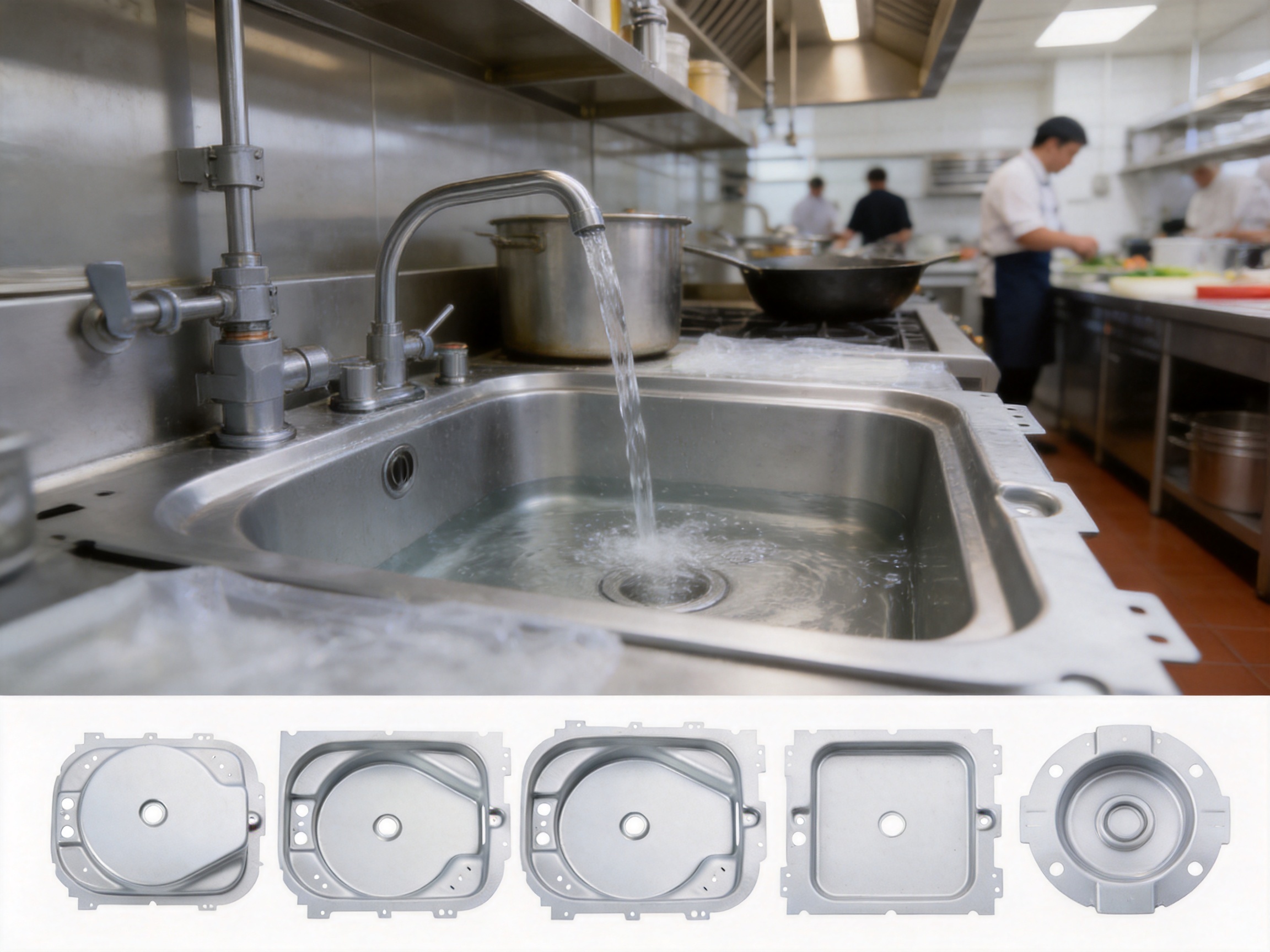
Designing for Hygiene and Cleanability
Hygiene is one of the most important requirements for kitchen sink components. A component may be mechanically strong, but if it is difficult to clean, it will not satisfy modern kitchen expectations. Smooth surfaces, appropriate shapes, and corrosion-resistant materials all contribute to cleanability.
Good hygienic design avoids unnecessary gaps, rough edges, deep crevices, and areas where water can remain trapped. It also considers how users will wipe or rinse the surface. Components that allow simple cleaning with common detergents and disinfectants are more convenient and safer for daily use.
Stain resistance enhances hygiene by preventing visible discoloration and reducing residue attachment. A clean-looking surface encourages better maintenance and improves confidence in the sink area. In commercial kitchens, cleanable components also support compliance with hygiene procedures.
Durability Under Repeated Use
Kitchen sink components must endure repeated cycles of use. A part may be touched, loaded, cleaned, heated, cooled, splashed, and wiped many times per day. Over months and years, small weaknesses can become major failures. Durability therefore depends on both design strength and manufacturing consistency.
Impact resistance protects against sudden force. Heat resistance protects against thermal stress. Rust resistance protects against environmental degradation. Accurate forming protects against installation stress. Together, these qualities help components maintain performance over time.
Durability also supports sustainability. Long-lasting components reduce waste, replacement frequency, transport needs, and maintenance resources. For customers interested in responsible purchasing, quality manufacturing is therefore not only a performance issue but also a practical environmental consideration.
Surface Finish and User Perception
The surface quality of kitchen sink components strongly influences user perception. A smooth, clean, and consistent surface suggests high manufacturing quality. Uneven surfaces, sharp burrs, stains, or scratches create a negative impression even if the part still functions. This is why surface control is important in both visible and semi-visible components.
Surface finish affects more than appearance. It influences cleaning, corrosion resistance, comfort during handling, and compatibility with surrounding materials. Smooth edges reduce the risk of cuts during installation and use. Controlled surfaces are less likely to trap residue and easier to maintain.
In premium kitchen products, component finish can support brand value. Buyers may not know the details of stamping or forming, but they can feel the difference between a carefully made part and a poorly finished one. This makes manufacturing quality an important marketing advantage for sink and appliance brands.
Supply Chain Value for Global Buyers
Global buyers need more than individual components. They need stable suppliers who understand production schedules, customization, packaging, communication, and delivery reliability. A supplier’s manufacturing capacity and service attitude directly affect the customer’s supply chain performance.
Yuyao Hongli Optoelectronics Co., Ltd. provides manufacturing, processing, wholesale, retail, import, and export services. Its location in Yuyao, Zhejiang Province, places it within one of China’s active manufacturing regions, supporting access to industrial resources and logistics networks. The company’s experience in metal stamping and related product categories allows it to serve customers across different industries.
For global buyers of kitchen sink components, this means access to customized production, stable batches, and practical communication. Long-term cooperation can help customers improve product designs, manage cost, maintain quality, and respond to changing market requirements.
How These Components Support Product Differentiation
Kitchen appliance brands compete through design, reliability, price, user experience, and service. Components may appear small, but they influence many of these factors. A stronger, cleaner, more precise component can help a brand create a better finished product. It can reduce warranty claims, improve customer reviews, and support higher market positioning.
Customized sink components can also help brands create unique features. A special bracket design may simplify installation. A refined cover may improve appearance. A stronger support part may enable a new sink structure. A better-formed accessory may reduce noise or improve stability. These improvements may not always be obvious in marketing materials, but they affect real user satisfaction.
Manufacturing flexibility is therefore a strategic advantage. Suppliers that can support both standard production and custom development allow appliance brands to innovate faster. This is especially important in markets where kitchen design trends change quickly and consumers expect modern, reliable products.
Recommended Purchasing Considerations
When selecting kitchen sink components, buyers should evaluate more than unit price. A responsible purchasing decision should consider material, corrosion resistance, dimensional accuracy, surface finish, impact strength, heat tolerance, cleaning performance, customization ability, production capacity, quality control, packaging, and supplier reliability.
Buyers should also consider the intended environment. Residential use may require attractive appearance and easy installation, while commercial use may require stronger resistance to heavy cleaning and repeated impact. OEM appliance manufacturing may require strict tolerance and batch consistency. Replacement part suppliers may require flexible quantities and broad compatibility.
Communication with the manufacturer is important. Providing drawings, samples, expected use conditions, target quantities, and quality requirements helps the manufacturer recommend suitable solutions. Early communication can prevent later problems and improve project efficiency.
Q&A Section
Q1: What makes high-quality kitchen sink components different from ordinary parts?
High-quality kitchen sink components offer better rust resistance, heat resistance, impact resistance, stain resistance, surface smoothness, dimensional accuracy, and installation reliability. Ordinary parts may appear similar at first but often fail earlier under water exposure, cleaning chemicals, impact, or repeated use.
Q2: Are these components suitable for both residential and commercial kitchens?
Yes. They are suitable for residential kitchens, commercial kitchens, restaurants, hotels, food service facilities, and appliance manufacturing applications. Their durability and easy-clean performance make them practical for both light daily use and heavy professional use.
Q3: Why is rust resistance so important for sink components?
Sink components are exposed to water, steam, detergents, food acids, and cleaning chemicals. Rust can weaken parts, create stains, reduce hygiene, and damage appearance. Rust-resistant components maintain performance and cleanliness over a longer service life.
Q4: Can the components be customized for specific sink or appliance designs?
Yes. OEM and ODM customization can be supported according to customer drawings, samples, dimensions, material requirements, installation methods, and functional needs. Customization is especially useful for appliance manufacturers and sink brands developing unique products.
Q5: What manufacturing processes are used for these components?
Common processes include metal stamping, deep drawing, bending, forming, tooling development, inspection, and related finishing steps. These processes allow production of accurate, durable, and repeatable kitchen appliance accessories and sink-related hardware parts.
Q6: How do smooth surfaces improve kitchen hygiene?
Smooth surfaces are easier to wipe, rinse, and disinfect. They reduce the chance of grease, dirt, food residue, and bacteria accumulating in rough areas. This improves daily cleanliness and supports better hygiene in both home and commercial kitchens.
Q7: Why should buyers choose a manufacturer with stamping and deep drawing experience?
Experienced manufacturers understand material behavior, tooling design, forming control, tolerance management, and defect prevention. This leads to more stable quality, fewer production problems, better appearance, and stronger long-term performance.
Q8: How does rapid prototyping help customers?
Rapid prototyping allows customers to test samples before mass production. It helps verify fit, strength, appearance, and manufacturability. This reduces development risk and shortens the time from concept to finished product.
Q9: What information should customers provide for custom projects?
Customers should provide drawings, samples, material preferences, target dimensions, surface requirements, application environment, expected quantity, packaging needs, and any special quality standards. Clear information helps the manufacturer provide accurate solutions.
Q10: How do these components create long-term value?
They reduce replacement frequency, improve installation efficiency, support hygiene, maintain appearance, reduce maintenance cost, and enhance the overall quality of kitchen sink systems. For appliance brands, they also help improve product reputation and customer satisfaction.
Conclusion
Kitchen sink components play an essential role in the performance, hygiene, appearance, and durability of modern kitchen systems. Although they may be small compared with the sink itself, their quality directly affects installation reliability, daily use, cleaning convenience, and long-term satisfaction. Components with strong rust resistance, heat resistance, impact resistance, stain resistance, smooth surfaces, and modern appearance provide clear advantages over ordinary alternatives.
Advanced manufacturing processes such as metal stamping, deep drawing, bending, tooling development, and strict inspection are key to producing reliable sink components. These processes allow accurate shapes, stable dimensions, durable structures, and consistent surface quality. For OEM and ODM customers, manufacturing flexibility also enables customized designs that match specific sink models, appliance structures, and market requirements.
Yuyao Hongli Optoelectronics Co., Ltd. brings more than 20 years of industry experience, a 5,000-square-meter modern factory, multiple stamping workshops, a skilled workforce, rapid prototyping capability, and comprehensive production services. Its strengths in stamped parts, deep-drawn parts, bending parts, kitchen appliance accessories, and related hardware manufacturing support customers seeking reliable, customized, and cost-effective solutions.
For residential kitchens, these components provide convenience, cleanliness, and lasting beauty. For commercial kitchens, they deliver durability, hygiene, and reduced maintenance. For appliance manufacturers and global buyers, they provide a dependable foundation for product differentiation and long-term supply chain stability. Choosing high-performance kitchen sink components is therefore not merely a small purchasing decision; it is an investment in the quality, reliability, and value of the entire kitchen system.
References
1. ASM International. Sheet Metal Forming Fundamentals and Applications.
2. Kalpakjian, S., and Schmid, S. Manufacturing Engineering and Technology.
3. Groover, M. P. Fundamentals of Modern Manufacturing: Materials, Processes, and Systems.
4. Davis, J. R. Stainless Steels: Properties and Applications.
5. International Organization for Standardization. Quality Management Systems Principles and Industrial Manufacturing Guidance.
6. American Welding Society and Metal Fabrication Industry Publications. Practical Guidelines for Sheet Metal Processing and Inspection.
Product: Kitchen sink components
Previous Post
Precision Circular Stamped Parts with Central Holes for Reliable Industrial Assembly
Next Post
Deep-Drawn Rectangular Container with Handle: Seamless Strength for Hygienic Industrial Storage
News
-
-
What Is Deep Drawing Process and What Are Deep-Drawn Parts The deep drawing process is a sheet metal forming operation in which a flat meta...
READ MORE -
Manufacturing & Materials Engineering Why Deep Draw Components Outperform Fabricated Sheet Metal Parts in Leak-Proof Applications Seam...
READ MORE -
A flat mounting plate with three punched holes and a rectangular container with a fitted lid can come off presses in the same workshop, yet...
READ MORE
Get Fresh Updates Via Email
We promise we will never disclose your email address, and you can opt out at any time.
-
Quick Links
Home About Us Products Service News Contact Us -
Product list
Deep-drawn parts Stamped parts Bending parts Kitchen appliance accessories Automotive stamping parts -
About Us
Factory Honour FAQ -
News
Company News Industry News -
Contact Us
Address: South side of Shunke Road, Yangming Science and Technology Industrial Park, Yuyao City, Zhejiang Province, China Tel: +86-13905842349/+86-13738485724 Email: hongli@hl-stamping.com
Copyright © Yuyao Hongli Optoelectronics Co., Ltd. All Rights Reserved.
Custom Precision-Sheet/Sheet Metal Stamping Manufacturers
