


 English
 русский
 Español
 عربى
عربى
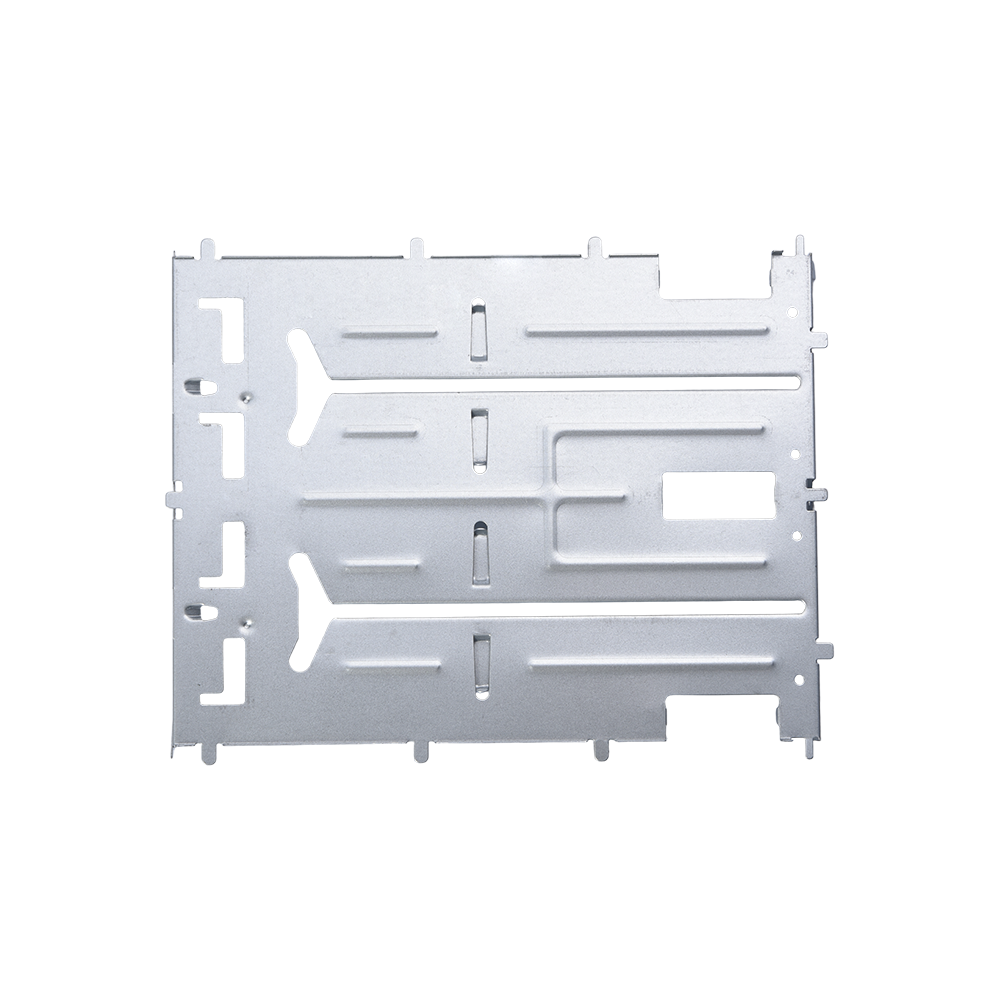

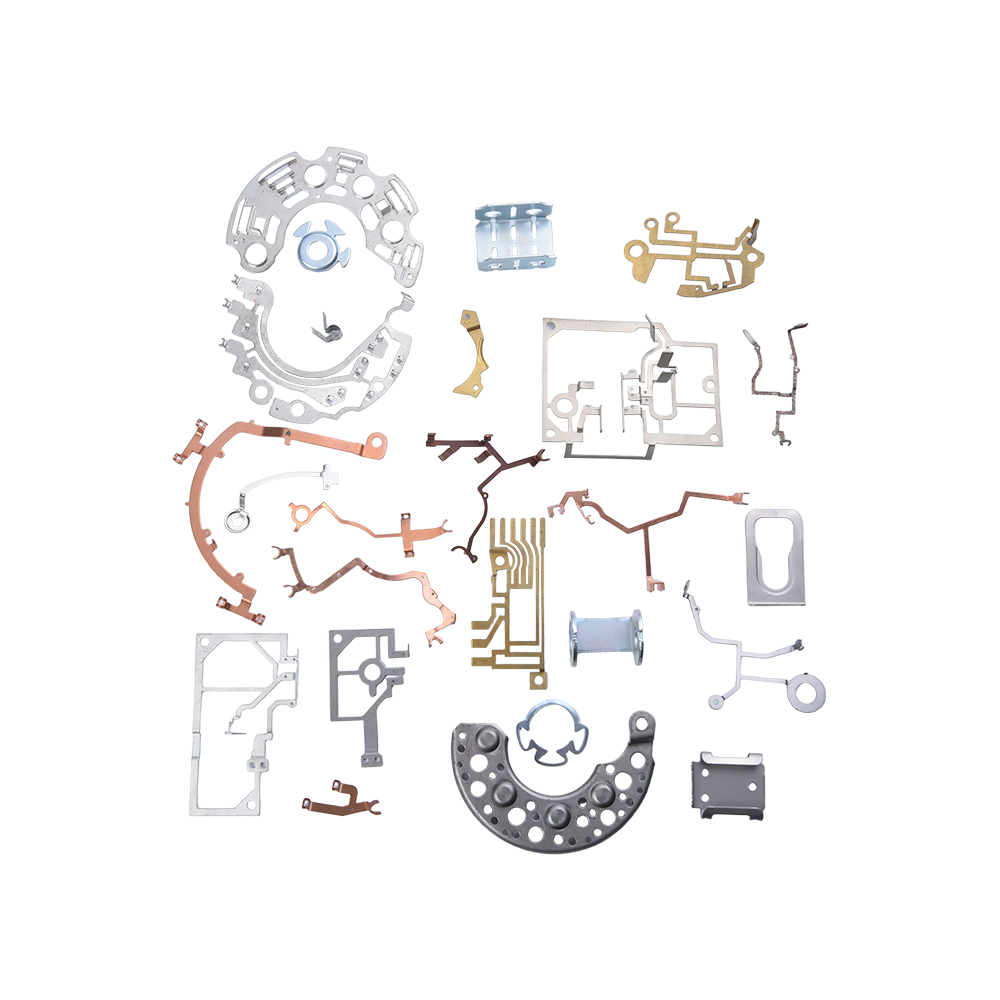
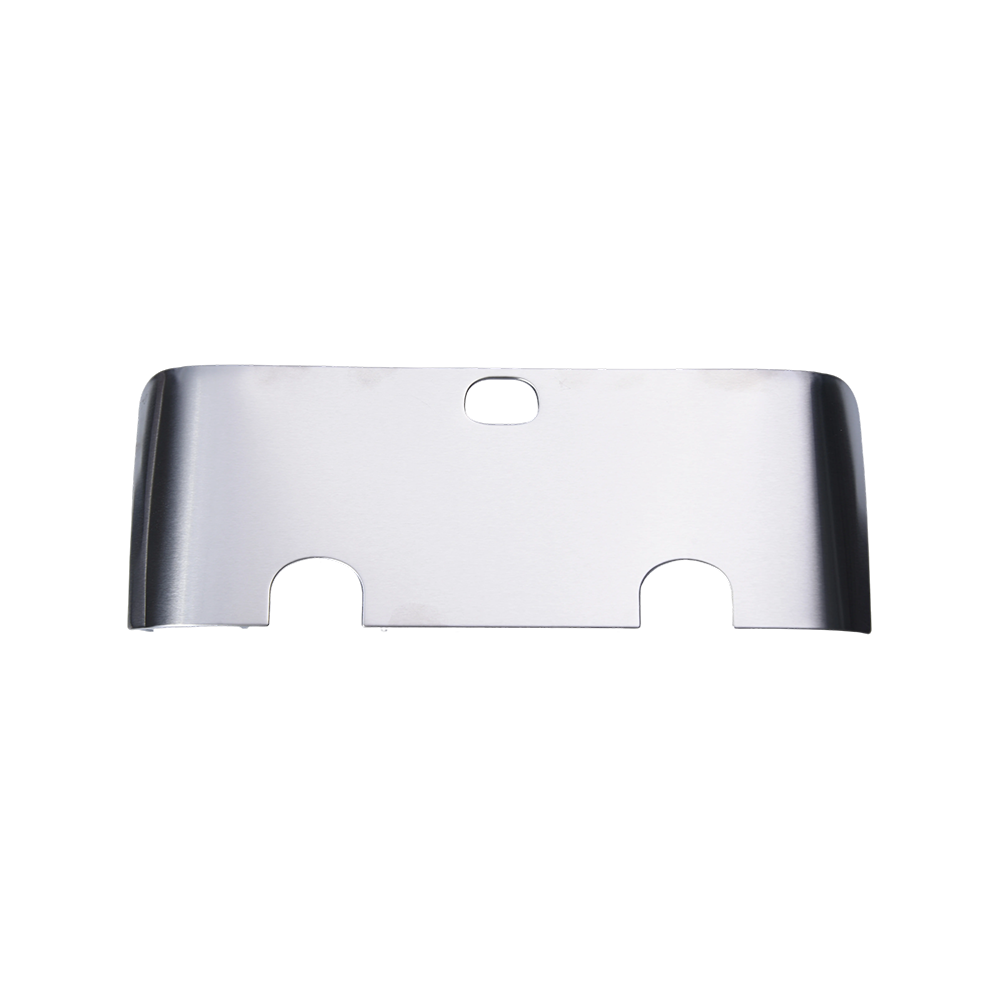
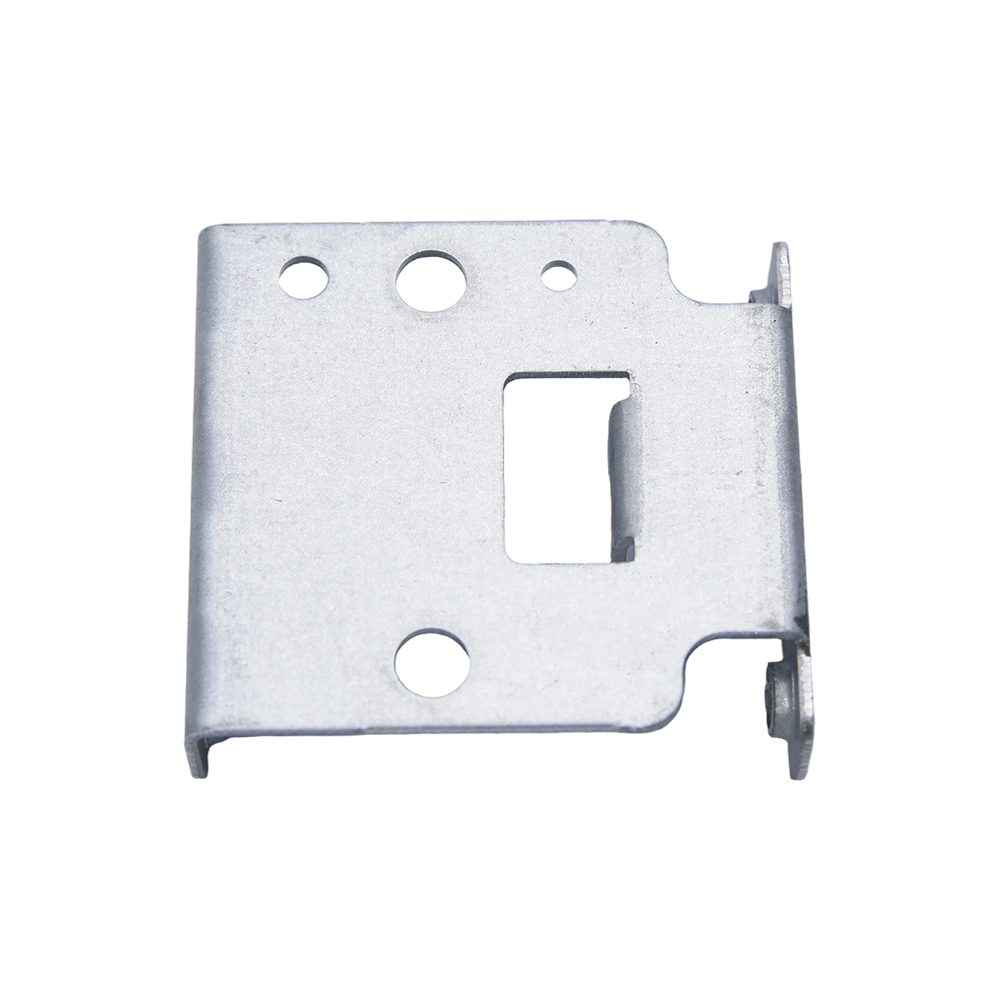
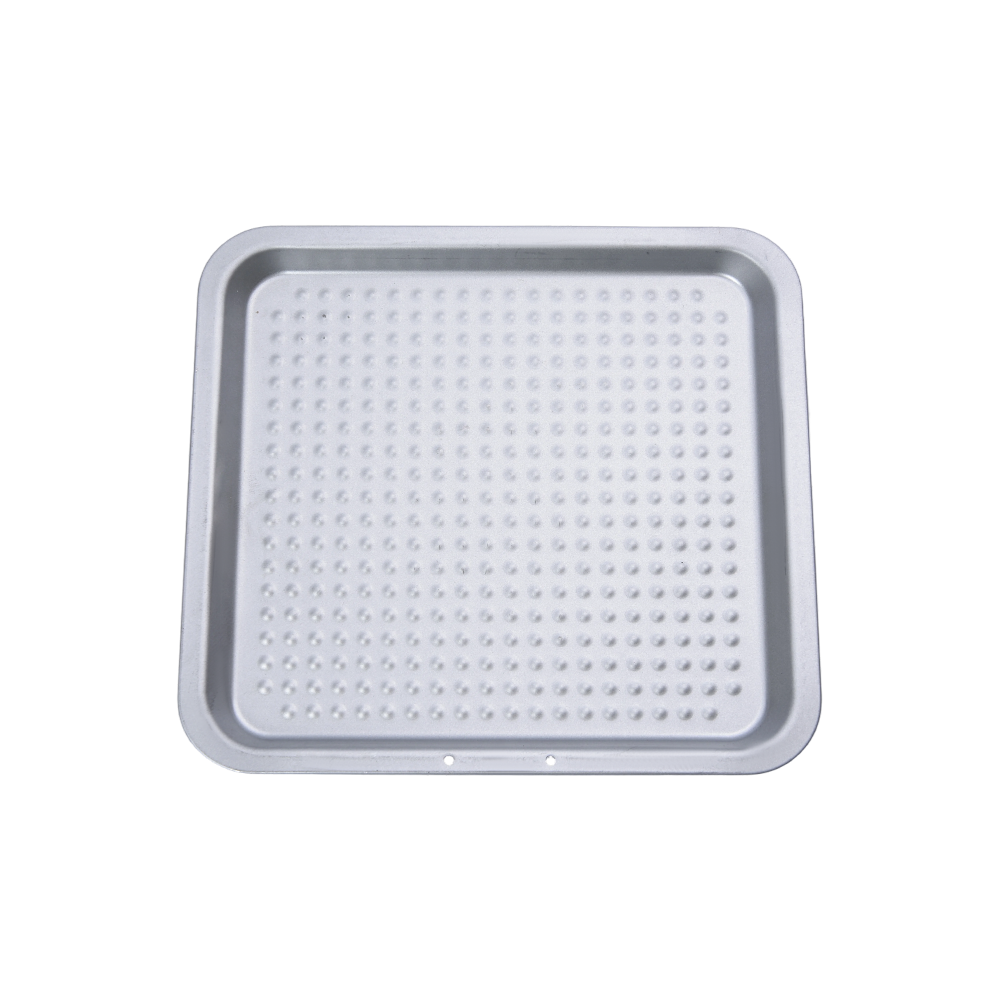
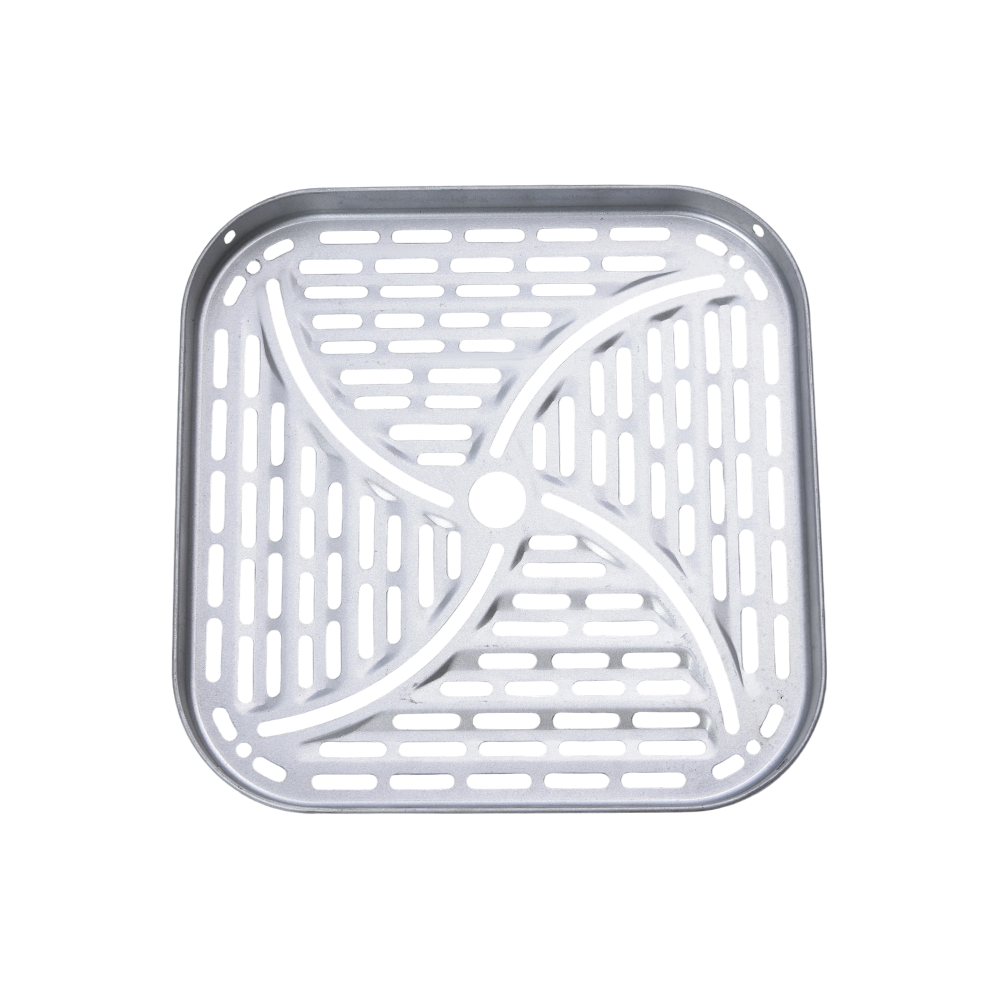

What Are Stamped Parts? Stamped parts are metal components produced by pressing flat sheet metal between a die and a punch to cut, bend, or...
READ MORE

News
Home / Author / Zhang Meilin — Product Sales Consultant / Stamped Ultra-Thin Parts for Precision, Lightweight, and Durable Applications
Stamped Ultra-Thin Parts for Precision, Lightweight, and Durable Applications
2026-06-28
Stamped ultra-thin parts are essential components for modern products that must be lighter, smaller, more efficient, and more reliable without sacrificing strength or dimensional accuracy. In applications ranging from household appliances and automotive assemblies to optical instruments, educational equipment, small electric heaters, hardware products, and precision mechanisms, thin metal components often perform critical functions in limited spaces. They may serve as brackets, shields, conductive contacts, clips, frames, covers, springs, spacers, retaining plates, heat-resistant supports, or custom structural elements. Although they may appear simple, ultra-thin stamped components require advanced tooling, stable production control, skilled process engineering, and disciplined quality management.
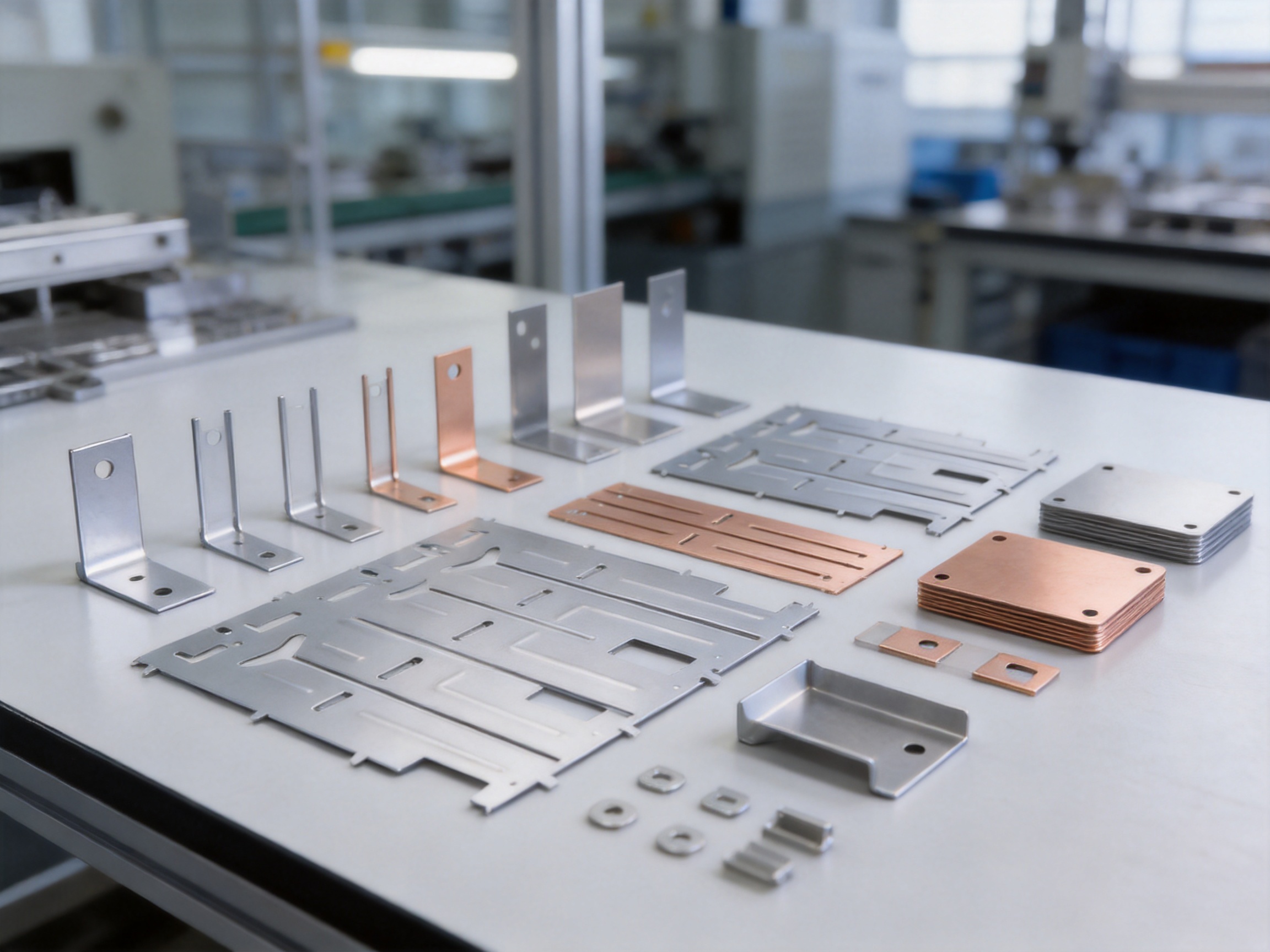
Stamped ultra-thin parts are typically produced from metal sheets with thicknesses from about 0.1 mm to 1 mm. Within this thin range, even a small material variation, tooling deviation, or press instability can affect final performance. Precision stamping therefore becomes a highly technical manufacturing method, not merely a cutting or forming operation. The process must balance material strength, surface finish, bendability, dimensional stability, flatness, burr control, corrosion resistance, heat performance, and mass-production efficiency. This is where experienced manufacturing capability becomes decisive.
Yuyao Hongli Optoelectronics Co., Ltd. provides stamped ultra-thin parts designed for customers requiring lightweight, durable, and precise metal components. With more than 20 years of manufacturing experience, a modern 5,000-square-meter factory, multiple stamping workshops, more than 60 employees, and the ability to support OEM and ODM customization, the company offers practical solutions for both prototype development and efficient production. Its stamped ultra-thin parts are developed to meet the increasing demand for compact structures, controlled tolerances, stable quality, and cost-effective manufacturing.
Understanding Stamped Ultra-Thin Parts
Stamped ultra-thin parts are metal components made by using stamping dies and presses to cut, pierce, blank, bend, emboss, form, or draw sheet metal into a required shape. Unlike thicker conventional stamped parts, ultra-thin parts must be manufactured with special attention to material handling, die clearance, flatness, deformation control, and surface protection. Because the material is thin, it can be very sensitive to scratches, warping, over-forming, burrs, or stress concentration. A reliable manufacturer must understand how to design tooling and production parameters to reduce these risks.
The thin profile of these components creates clear advantages. First, it reduces weight, which is critical in automotive, portable device, appliance, and mechanical assembly applications. Second, it saves space, allowing engineers to design slimmer products and tighter internal layouts. Third, it can reduce material usage and cost when compared with machined or thick fabricated components. Fourth, stamping enables repeatable mass production, making it suitable for both medium and high-volume projects.
The product described here is commonly manufactured in thicknesses between 0.1 mm and 1 mm. This thickness range supports a broad variety of end uses. For example, a 0.1 mm to 0.3 mm component may be ideal for a lightweight shield, precision spacer, conductive piece, or delicate retaining element. A 0.4 mm to 0.7 mm part may provide stronger support for appliance accessories, spring clips, and structural inserts. A 0.8 mm to 1 mm component may deliver better rigidity while still remaining compact and lighter than many alternative designs.
Dimensional tolerance is another key characteristic. The ability to control tolerances within a narrow range, typically around ±0.1 mm depending on part geometry and material, helps ensure that the component fits precisely in the final assembly. For industries that depend on reliable assembly, this accuracy reduces rework, improves productivity, and prevents functional failure caused by misalignment or unstable fit.
Why Ultra-Thin Metal Components Matter in Modern Manufacturing
Product engineering is increasingly driven by miniaturization, energy efficiency, cost control, and long service life. Whether the final product is an automotive component, a kitchen appliance, an electric heating accessory, an optical instrument, or a hardware assembly, designers must often achieve more performance in a smaller space. Stamped ultra-thin parts support this design trend because they combine low weight with stable mechanical function.
In appliances, ultra-thin stamped metal parts may contribute to mounting, shielding, heat resistance, insulation support, or structural reinforcement. The small thickness helps preserve internal space and can improve heat transfer or reduce mass. In automotive applications, lightweight stamped components support overall vehicle weight reduction. Even small reductions are valuable when multiplied across many parts in a vehicle platform. In optical or educational instruments, precision metal components help maintain alignment, positioning, and repeatable assembly accuracy.
Ultra-thin parts also support cost-effective product development. Compared with CNC machining, stamping can dramatically reduce the cost per part after tooling is completed, especially for repeat orders. Compared with plastic components, metal stamping can offer better heat resistance, conductivity, mechanical strength, wear resistance, and dimensional stability under demanding conditions. Compared with laser cutting alone, progressive or compound stamping can increase output speed and provide consistent features such as holes, tabs, bends, embossments, and formed edges in one controlled production flow.
For customers facing competitive pressure, a reliable stamped ultra-thin part can improve the final product’s quality while reducing assembly complexity. A part designed correctly for stamping may replace multiple small components, simplify fastening, or improve mechanical stability. This creates value beyond the cost of the individual component.
Core Product Advantages
The stamped ultra-thin parts supplied by Yuyao Hongli Optoelectronics Co., Ltd. offer a combination of technical and commercial benefits. These advantages make the product suitable for customers who need precision parts with dependable manufacturing support.
Lightweight Structure Without Unnecessary Bulk
The most direct advantage of an ultra-thin stamped component is its reduced thickness. By using sheet metal from approximately 0.1 mm to 1 mm, engineers can reduce the overall weight of an assembly without losing essential functionality. This is especially valuable in products where weight affects performance, energy consumption, shipping cost, or user experience.
Compared with cast, machined, or thick fabricated alternatives, stamped ultra-thin parts can achieve the required form with significantly less material. This contributes to a lighter design and can also support environmental goals through material efficiency. In automotive applications, weight reduction supports fuel efficiency and electric vehicle range. In appliances and instruments, it can make products easier to handle and assemble.
Precision Fit and Stable Assembly
Ultra-thin parts often work in tight spaces, so tolerance control is critical. A small dimensional error may cause installation difficulty, vibration, functional instability, or premature wear. Through precision stamping technology, these parts can be controlled to tight tolerances, commonly around ±0.1 mm depending on specifications. This allows customers to receive components that fit their designs consistently.
Stable fit is especially important for repeated production. If a customer is building thousands or millions of units, a small inconsistency can cause major production losses. Precision stamping reduces this risk by ensuring that each batch follows controlled tooling dimensions and process parameters.
Custom Shape, Size, and Surface Finish
Every product has unique requirements. Some stamped ultra-thin parts need a simple flat profile, while others require holes, slots, bends, embossments, ribs, locating tabs, spring features, or deep-drawn structures. The ability to customize shape, size, and surface finish allows the component to be optimized for its final application.
Surface finish may also be customized according to functional or appearance requirements. Depending on the selected material and customer specification, parts can be designed for corrosion resistance, wear performance, conductivity, reflectivity, heat resistance, or clean appearance. Surface quality is especially important for visible components, electrical contact pieces, appliance accessories, and precision assemblies.
Strength and Durability in a Thin Profile
Thin does not need to mean weak. With the right material selection, die design, forming method, and process control, ultra-thin stamped parts can maintain strong functional performance. Certain stainless steels, carbon steels, spring steels, aluminum alloys, copper alloys, or other suitable materials can deliver excellent mechanical properties while remaining lightweight.
Forming features such as ribs, curved profiles, flanges, or bends can also increase stiffness. Instead of relying only on thickness, a well-engineered stamped part uses geometry to improve strength. This approach allows designers to achieve better performance while still benefiting from thin material.
Corrosion and High-Temperature Performance
Many ultra-thin parts are used in environments involving humidity, heat, cleaning agents, oils, or temperature variation. Material choice and surface treatment are therefore important. For kitchen appliance accessories, electric heater parts, and automotive stamping parts, corrosion resistance and temperature performance may determine long-term reliability.
The product can be manufactured from premium materials selected according to service conditions. Stainless steel may be chosen for corrosion resistance and heat performance. Aluminum may be chosen for low weight and corrosion resistance. Copper or brass may be chosen for conductivity. Coated steels may be selected for balanced cost and protection. This flexibility allows the customer to match the part to real operating needs.
Cost-Effective Production for Repeated Orders
Once tooling is developed, stamping is one of the most efficient processes for producing metal components at scale. High-speed stamping can create many parts per minute, reducing labor cost and improving consistency. When compared with machining each part individually, stamping is generally far more economical for repeated quantities.
For customers, this means the initial investment in tooling can be rewarded through lower unit cost, stable production output, and faster delivery over the life of the project. The company’s manufacturing capabilities support both rapid prototyping and conversion into efficient batch production, helping customers move from design validation to commercial supply.
Technical Overview of Product Characteristics
| Feature | Typical Capability or Benefit | Customer Value |
|---|---|---|
| Material Thickness | Approximately 0.1 mm to 1 mm depending on design requirements | Supports lightweight, compact, and space-saving product structures |
| Dimensional Tolerance | Commonly controlled around ±0.1 mm depending on geometry and material | Improves fit, assembly stability, and repeatable production quality |
| Manufacturing Method | Precision stamping, blanking, piercing, bending, forming, and related processes | Enables efficient production of complex thin metal components |
| Customization | Shape, size, holes, bends, surface finish, material, and packaging can be tailored | Allows direct matching to the customer’s design and application needs |
| Performance Strengths | Lightweight, durable, corrosion-resistant, heat-resistant, and precise | Improves reliability in appliances, automotive assemblies, instruments, and hardware |
| Production Support | OEM and ODM service, rapid prototyping, production conversion, and stable delivery | Reduces development risk and supports long-term supply planning |
Advanced Manufacturing Processes Behind Reliable Ultra-Thin Stamping
Manufacturing ultra-thin parts requires more than a stamping press. It depends on a connected production system that includes material evaluation, product design review, tooling engineering, die manufacturing, trial production, process optimization, inspection, mass production, packaging, and after-sales support. Each stage influences final quality.
Material Selection and Preparation
The process begins with material selection. Different industries require different properties. Stainless steel may be preferred for corrosion resistance, heat resistance, and appearance. Carbon steel may be selected for strength and cost effectiveness. Aluminum alloys may be chosen for lightweight structures. Copper alloys may be used for conductivity and forming performance. The manufacturer must understand how each material behaves when blanked, pierced, bent, or formed at ultra-thin thickness.
Material thickness variation must be controlled because thin parts are sensitive to even small changes. Surface condition is also important. Scratches, oxidation, oil contamination, or coil handling damage can affect appearance and function. Before stamping, material preparation may include inspection, cleaning, leveling, and correct storage to reduce defects.
Design for Manufacturability Review
A well-made stamped part starts with a manufacturable design. Engineers review the customer’s drawing or sample to evaluate hole sizes, bend radii, edge distances, flatness requirements, grain direction, material selection, tolerance targets, surface needs, and tooling feasibility. When a design is not ideal for stamping, practical suggestions can help improve performance and reduce cost.
For example, if a hole is too close to a bend, the edge may deform during forming. If a bend radius is too small for the selected material, cracking may occur. If tolerance requirements are tighter than necessary, tooling and inspection costs may increase. A professional design review helps prevent these problems before tooling investment begins.
Precision Tooling and Die Engineering
The die is the heart of stamping production. For ultra-thin parts, die clearance must be carefully controlled. Excessive clearance may cause large burrs, poor edge quality, or dimensional variation. Insufficient clearance may increase tool wear, material tearing, or press load. Tool steel selection, heat treatment, grinding accuracy, alignment, and maintenance all affect production stability.
Depending on order volume and part complexity, tooling may include simple blanking dies, compound dies, progressive dies, bending dies, forming dies, or custom multi-station tooling. Progressive die stamping is especially effective for high-volume production because multiple operations can be completed as the material strip advances through the tool. This improves output speed and consistency.
For ultra-thin components, tooling must also protect the material from distortion. Proper strip layout, carrier design, pilot positioning, pressure plates, stripping force, and forming sequence help maintain flatness and dimensional control. Experienced die engineering reduces scrap rates and improves repeatability.
Precision Stamping Production
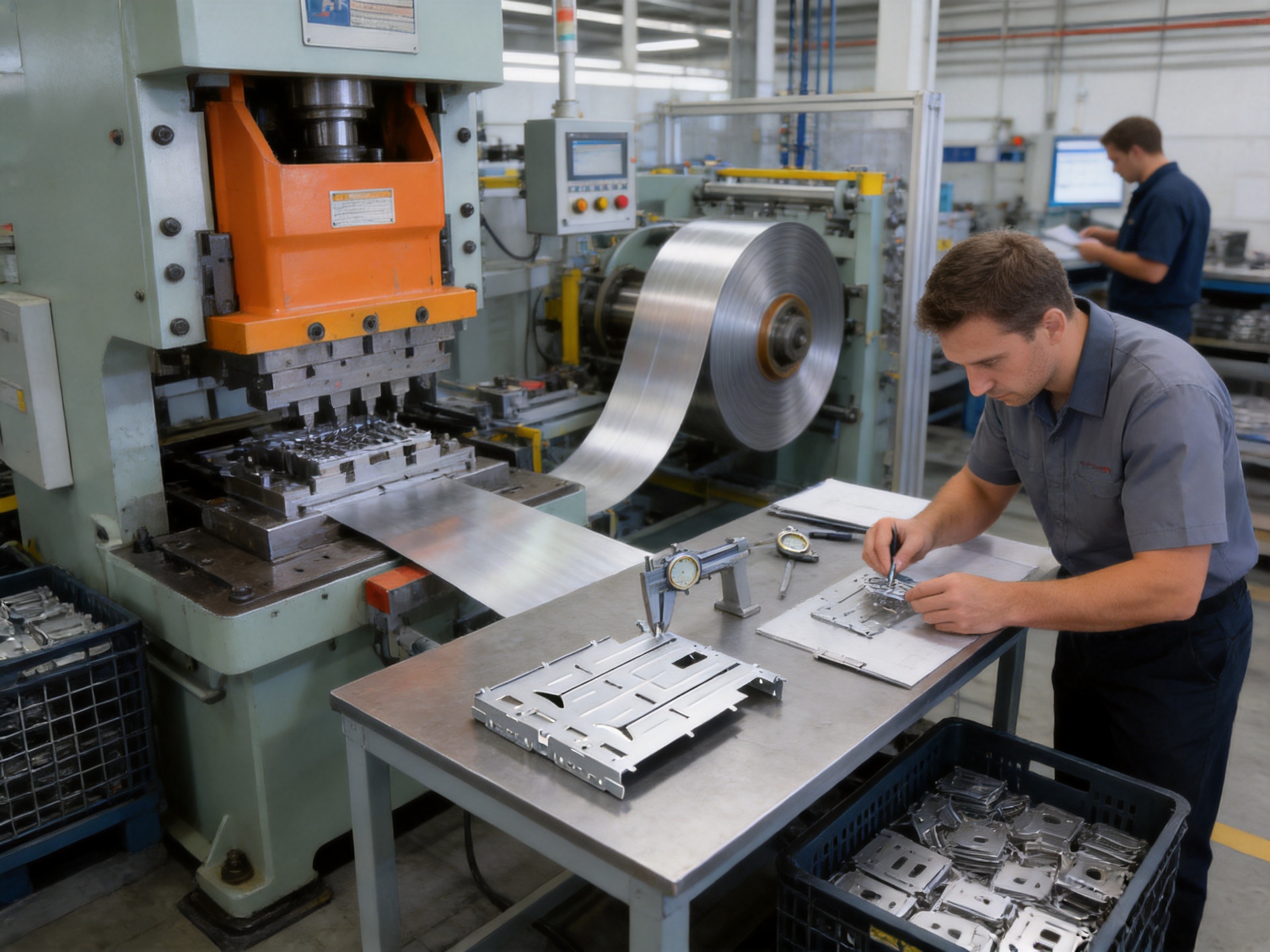
During stamping, controlled press operation is essential. Press tonnage, stroke speed, feed accuracy, lubrication, die alignment, and operator monitoring all influence final quality. Ultra-thin materials can wrinkle, buckle, or shift if not supported correctly. Stable feed systems and accurate positioning help ensure that each operation occurs at the correct location.
Production teams monitor part dimensions, burr direction, surface quality, hole accuracy, bend angles, and general appearance. When a deviation appears, the process must be adjusted quickly. This may involve die cleaning, tool sharpening, lubrication adjustment, press setting modification, or inspection frequency increase.
Bending and Forming Control
Many ultra-thin parts include bends, tabs, flanges, or formed shapes. Because thin materials spring back after forming, bend angle control requires experience. The final angle depends on material type, thickness, hardness, bend radius, grain direction, tooling geometry, and forming speed. Process engineers use these factors to achieve stable results.
For parts requiring more complex three-dimensional features, forming operations must be sequenced carefully. If too much deformation is attempted in one step, the material may wrinkle or crack. Multi-step forming can improve shape accuracy and reduce stress. For deep-drawn or semi-drawn thin parts, blank holding force and lubrication become even more important.
Surface Treatment and Finishing
Depending on the application, stamped ultra-thin parts may require deburring, cleaning, polishing, plating, passivation, coating, or other finishing operations. Burr control is especially important because thin stamped edges may be sharp and can interfere with assembly or safety. A controlled finishing process improves handling and function.
Surface treatment can add corrosion resistance, improve appearance, enhance conductivity, or protect against environmental exposure. For kitchen appliance accessories, clean appearance and corrosion resistance are often important. For automotive components, protective coatings may be required to withstand humidity, vibration, temperature fluctuation, and long service life.
Inspection and Quality Control
Quality control is essential for ultra-thin stamped parts because small defects can have significant consequences. Inspection may include dimensional measurement, visual inspection, flatness evaluation, burr checking, angle measurement, thickness verification, material confirmation, and functional fit testing. Depending on customer requirements, inspection can be performed during incoming material control, first article approval, in-process production, and final shipment.
The company maintains strict quality control to ensure that parts are produced according to customer specifications. Stable inspection procedures help maintain consistency across batches and provide confidence for customers who use these parts in important assemblies.
Competitive Advantages Over Ordinary Suppliers
Many suppliers can produce basic stamped parts, but ultra-thin precision stamping demands deeper process capability. Yuyao Hongli Optoelectronics Co., Ltd. offers several advantages that help customers reduce risk, improve product quality, and build reliable long-term supply relationships.
More Than 20 Years of Manufacturing Experience
Experience matters because stamping problems are often practical and process-specific. A drawing may look simple, but real production can reveal issues such as burr growth, deformation, tool wear, springback, feed instability, or surface damage. With over 20 years of industry experience, the company has accumulated practical knowledge across metal stamping parts, deep-drawn parts, bending parts, kitchen appliance accessories, automotive stamping parts, household appliance components, hardware products, optical instruments, and related industries.
This broad experience allows the company to understand different application requirements and propose practical manufacturing solutions. Customers benefit not only from part production but also from process insight.
Comprehensive Manufacturing Capability
The company operates a 5,000-square-meter modern factory with multiple stamping workshops and more than 60 employees. This production foundation supports a wide range of manufacturing tasks, including stamping, processing, customization, wholesale, retail, import, and export. For customers, this means the supplier can support projects from sample development to production supply instead of only performing one isolated operation.
Comprehensive capability is especially useful when a stamped ultra-thin part requires related processes such as bending, forming, deep drawing, surface finishing, assembly support, or customized packaging. A supplier with integrated manufacturing resources can coordinate these steps more efficiently.
OEM and ODM Customization
Standard parts are not always enough. Many customers need a component designed for a specific product structure, installation method, performance condition, or cost target. OEM and ODM support allows the customer to provide drawings, samples, concepts, or functional requirements. The manufacturing team can then develop a suitable stamping solution.
Customization may involve material thickness, outer profile, hole pattern, bend angle, formed features, surface finish, corrosion resistance level, packaging method, and inspection standard. This flexibility gives customers more control over the final product.
Rapid Prototyping and Efficient Production Conversion
New product development often requires quick samples for design verification. If a supplier cannot respond quickly, the customer’s project schedule may be delayed. The company supports rapid prototyping and efficient conversion from trial production to batch manufacturing. This helps customers validate fit, function, appearance, and assembly before committing to full-scale production.
After the prototype is approved, the process can be optimized for stable production. Tooling, inspection methods, packaging, and delivery plans can be adjusted to match order quantity and long-term demand. This reduces the gap between development and mass production.
Stable Delivery and Secure Packaging
Ultra-thin parts can be damaged by bending, compression, scratching, moisture, or careless handling. Secure packaging is therefore an important part of product quality. Proper packaging helps maintain flatness, surface condition, and dimensional integrity during storage and transportation.
Stable delivery is equally important. Many customers rely on stamped parts as components in their own production lines. Delays can interrupt assembly schedules and increase cost. The company emphasizes efficient production management and stable delivery to help customers keep projects running smoothly.
Integrity, Excellence, Innovation, and Sharing
The company’s business philosophy is based on integrity, excellence, innovation, and sharing. These values are relevant to customers because long-term cooperation depends on trust, continuous improvement, practical problem-solving, and mutual success. In component manufacturing, a reliable supplier must communicate clearly, respect technical requirements, protect customer interests, and deliver consistent quality.
Design Considerations for Stamped Ultra-Thin Parts
To achieve the best results, customers should consider manufacturability during the early design stage. Ultra-thin metal stamping has many advantages, but the design must match the process. Good collaboration between customer engineers and the stamping manufacturer can reduce tooling cost, shorten development time, and improve part reliability.
Material Thickness and Function
The selected thickness should match the part’s mechanical function. If the part only serves as a shield, spacer, or light retaining element, a thinner material may be sufficient. If it must support load, resist bending, or maintain shape under stress, a thicker material or reinforced geometry may be needed. Choosing the correct thickness prevents both over-design and under-performance.
Hole Size and Edge Distance
Very small holes in ultra-thin material may be possible, but punching limits must be respected. Holes that are too close to the edge or to a bend may distort. Adequate edge distance improves part strength and stamping reliability. If extremely small features are required, the tooling method and inspection method should be discussed in advance.
Bend Radius and Grain Direction
Bend radius should be suitable for the material type and thickness. A radius that is too tight may cause cracking, especially in harder materials. Grain direction can also affect bending performance. Proper part layout on the metal strip can improve bend quality and reduce splitting.
Flatness and Warpage
Ultra-thin parts may warp due to internal stress, punching force, forming sequence, or uneven material release. If flatness is critical, the design and process must include suitable countermeasures. These may include optimized strip layout, balanced punching, stress-relief forming, leveling, or special packaging.
Burr Direction and Edge Safety
Stamped edges usually have a burr side. For assembly and safety, burr direction should be considered. In some cases, the burr must face away from mating parts or user contact areas. Additional deburring may be required if the edge must be smooth.
Surface Requirements
If the component is visible, used for electrical contact, exposed to corrosion, or installed in a sliding interface, surface requirements should be clearly specified. This includes material finish, scratch tolerance, coating, plating, passivation, oil condition, and cleanliness. Clear requirements help prevent misunderstanding and quality disputes.
Applications Across Key Industries
Stamped ultra-thin parts are versatile and can be adapted to many industries. Their combination of thin profile, precise geometry, durability, and cost-effective production makes them suitable for diverse product categories.
Kitchen Appliance Accessories
Kitchen appliances require components that can resist moisture, heat, cleaning exposure, and repeated use. Ultra-thin stamped parts may be used as brackets, heat shields, retaining clips, internal supports, covers, decorative pieces, or mounting elements. Stainless steel or corrosion-resistant materials are often selected for these applications.
The thin profile helps keep appliances compact while maintaining necessary structure. Precision stamping ensures that parts align correctly during assembly, reducing production problems for appliance manufacturers.
Automotive Stamping Parts
Automotive applications place strong emphasis on reliability, repeatability, and weight reduction. Ultra-thin stamped parts can be used in interior systems, electrical assemblies, sensors, small brackets, shielding components, clips, covers, and other subassemblies. Depending on the application, requirements may include vibration resistance, corrosion protection, dimensional stability, and high-volume consistency.
Because vehicle production depends on stable supply chains, a manufacturer with experience, quality control, and delivery discipline offers significant value. Precision-stamped ultra-thin components help support lightweight vehicle design without compromising assembly reliability.
Household Electric Heaters and Small Appliances
Electric heating products often require components that withstand elevated temperatures. Ultra-thin metal parts may support heating elements, reflect heat, protect internal structures, or hold parts in position. Material selection is especially important here because the component may be exposed to repeated heating and cooling cycles.
Precision stamping enables consistent production of heat-resistant parts with reliable fit. This helps ensure product safety, performance, and long-term durability.
Optical and Educational Instruments
Optical instruments and educational devices often require small precision components that support alignment, positioning, and mechanical stability. Ultra-thin stamped parts are useful where compact metal structures are needed. They can be designed as alignment plates, holders, retainers, spacers, frames, or protective covers.
The company’s background in optoelectronics and educational instruments provides useful experience for customers needing parts with careful dimensional control and clean manufacturing quality.
Hardware Products and General Industrial Assemblies
Many hardware products use stamped parts for fastening, support, reinforcement, protection, or decorative purposes. Ultra-thin versions are valuable when a low-profile component is required. They can also replace more expensive machined parts in applications where stamping provides sufficient precision and strength.
For general industrial customers, the ability to customize dimensions, thickness, and material makes these parts suitable for many mechanical and structural solutions.
Material Options and Performance Matching
The best material for a stamped ultra-thin part depends on the application. No single material is ideal for every condition, so selection should be based on strength, corrosion resistance, formability, conductivity, heat resistance, cost, and appearance.
Stainless Steel
Stainless steel is commonly selected when corrosion resistance, heat performance, and strength are needed. It is suitable for kitchen appliances, electric heaters, automotive components, and visible metal parts. It offers a clean appearance and good long-term durability. However, stainless steel can be more challenging to stamp than some softer metals, so tooling and process control are important.
Carbon Steel
Carbon steel offers good strength and cost efficiency. It may be used where corrosion protection can be provided through coating, plating, painting, or controlled application conditions. Carbon steel is widely used in industrial components and structural stamped parts.
Aluminum Alloy
Aluminum is lightweight and corrosion-resistant. It is suitable for applications where weight reduction is a major priority. Because aluminum is softer than steel, surface protection during handling and stamping may be important. It can be used for covers, shields, brackets, and lightweight structural parts.
Copper and Copper Alloys
Copper and brass offer good electrical and thermal conductivity. These materials are useful for conductive contacts, electrical components, heat transfer elements, and precision hardware. They are generally formable but may require careful surface control depending on the application.
Coated or Plated Materials
Pre-coated or post-plated materials may be selected for corrosion resistance, solderability, conductivity, or appearance. The stamping process must account for coating behavior, because some coatings can crack, peel, or scratch if not handled properly. Proper tooling and packaging help protect the finished surface.
Quality Assurance for Precision and Reliability
Quality assurance is not a final step performed only before shipment. For stamped ultra-thin parts, quality must be built into the process from the beginning. The company applies strict quality control to ensure that products meet customer specifications and remain stable across production batches.
Incoming Material Control
Incoming material inspection helps verify thickness, material grade, surface condition, and general quality. This step reduces the risk of production defects caused by unsuitable raw material. For ultra-thin parts, even slight material inconsistency may lead to noticeable variation, so material control is very important.
First Article Inspection
Before full production, first article inspection confirms whether the part meets drawing requirements. This may include measurements of length, width, hole location, hole diameter, bend angle, flatness, thickness, and surface quality. First article approval helps ensure that tooling and process settings are correct.
In-Process Monitoring
During production, operators and inspectors monitor key dimensions and visible quality. In-process checks help detect issues early before large quantities are affected. For example, tool wear may gradually increase burr size. Feed problems may cause hole position shift. Surface contamination may create appearance defects. Monitoring allows timely correction.
Final Inspection and Packaging Check
Final inspection verifies that finished parts meet requirements before shipment. Packaging is also checked to ensure that parts are protected during transportation. Ultra-thin parts may require separators, trays, bags, cartons, moisture protection, or other customized packaging methods depending on surface and shape requirements.
How Precision Stamping Reduces Total Cost
Customers often compare unit prices, but the true value of a stamped ultra-thin part should be evaluated by total cost. A lower-priced part may become expensive if it causes assembly issues, high rejection rates, delayed delivery, or product failure. Precision stamping helps reduce total cost in several ways.
First, accurate parts reduce assembly labor. If holes align correctly and bends fit properly, operators can assemble products faster. Second, stable quality reduces inspection burden and rework. Third, stamping reduces material waste when strip layout and tooling are optimized. Fourth, high production speed lowers unit cost in repeated orders. Fifth, durable parts reduce warranty risks and improve end-user satisfaction.
Design optimization can also reduce cost. A stamped ultra-thin part may combine several functions into one component, reducing the need for separate fasteners or secondary parts. Bends, tabs, locking features, and locating points can be integrated into the stamped geometry. This simplification can improve both cost and reliability.
Packaging and Delivery Considerations
Because ultra-thin parts are light and delicate, packaging must be designed to protect them from deformation and surface damage. Poor packaging can ruin good manufacturing. If parts are stacked incorrectly, they may bend. If they move freely during transportation, they may scratch. If moisture enters the package, corrosion may occur on sensitive materials.
Secure packaging may include protective film, plastic bags, cartons, dividers, trays, foam, labels, anti-rust paper, or moisture-resistant materials. The correct method depends on part geometry, surface finish, material, quantity, and shipping distance. The company provides secure packaging to help ensure that products arrive in good condition and are ready for customer use.
Stable delivery is also a competitive advantage. By supporting efficient production planning and reliable shipment, the company helps customers avoid supply interruptions. This is particularly important for manufacturers that operate assembly lines and depend on component availability.
Working With an Experienced Manufacturer
Successful ultra-thin stamping projects require communication. Customers should provide drawings, material requirements, quantity expectations, functional requirements, surface standards, packaging needs, and any critical dimensions. If drawings are not available, samples or application descriptions can help the manufacturer understand the requirement.
The manufacturer can then evaluate feasibility, suggest improvements, estimate tooling and production needs, and prepare samples. During sample review, the customer can test fit, function, appearance, and durability. Feedback can be used to adjust tooling or process parameters before mass production.
A strong manufacturing partner does not simply produce parts; it helps the customer solve problems. Yuyao Hongli Optoelectronics Co., Ltd. supports customized solutions, rapid prototyping, production conversion, stable delivery, and after-sales service. This combination is valuable for customers who need more than a one-time supplier.
Why These Stamped Ultra-Thin Parts Stand Out
In a competitive market, a stamped ultra-thin part must deliver more than basic shape. It must meet dimensional requirements, perform under real conditions, arrive on time, and support the customer’s production goals. The product stands out because it combines precision, material flexibility, lightweight structure, durability, customization, cost efficiency, and professional manufacturing support.
Compared with ordinary stamped parts, these ultra-thin components require more refined control over tooling, feeding, forming, burrs, and flatness. Compared with machined parts, they offer better cost efficiency for repeated production and can reduce weight. Compared with plastic parts, they can provide superior heat resistance, strength, dimensional stability, and metallic performance. Compared with suppliers that only offer standard products, the company provides OEM and ODM customization to match specific applications.
The company’s 20 years of experience, modern factory, multiple workshops, and diverse manufacturing background help customers obtain stable parts for demanding applications. This is especially important for buyers seeking long-term cooperation rather than short-term purchasing only.
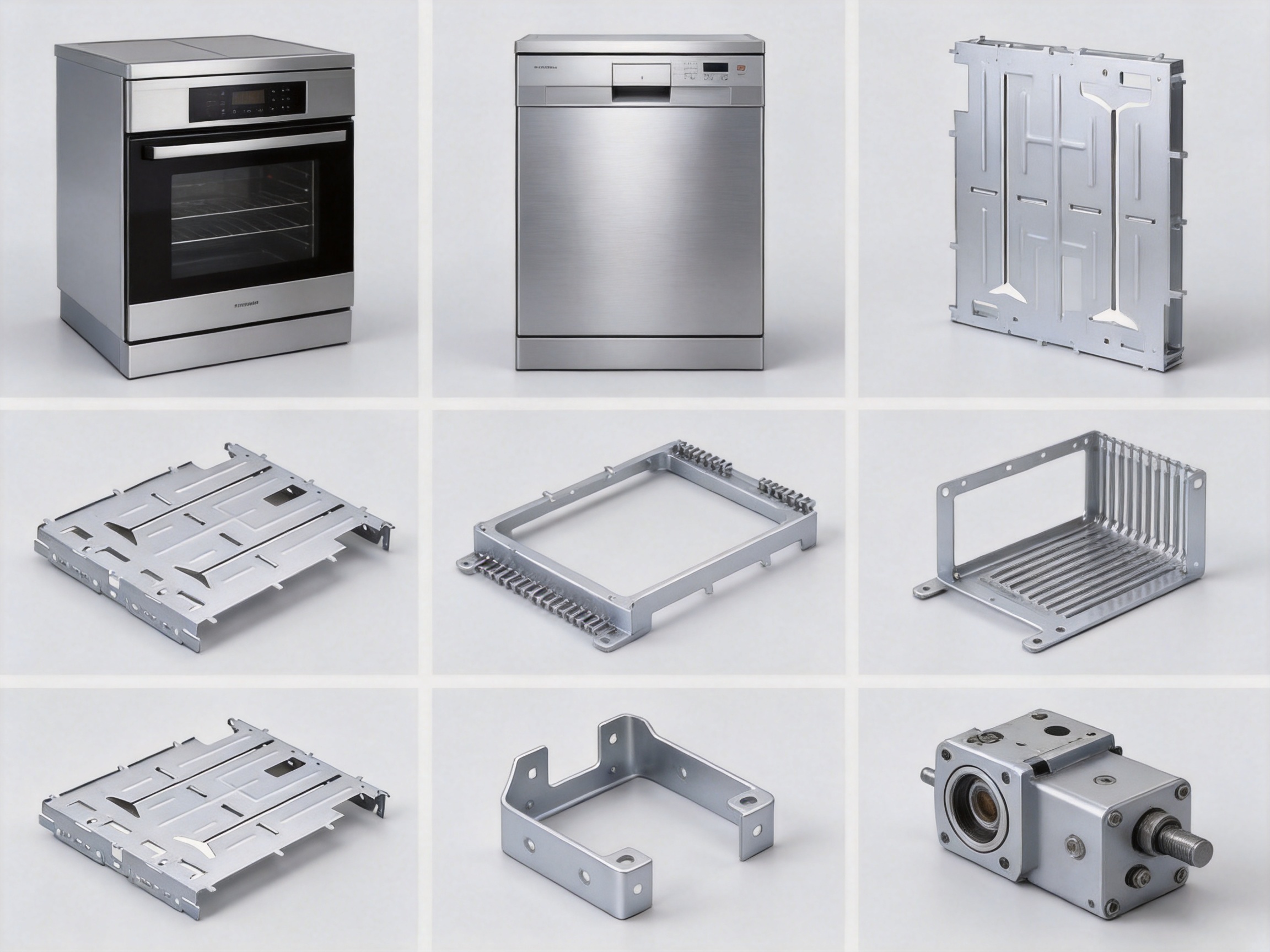
Q&A Section
What are stamped ultra-thin parts?
Stamped ultra-thin parts are precision metal components produced from very thin sheet metal, typically about 0.1 mm to 1 mm thick. They are made through stamping processes such as blanking, piercing, bending, forming, and related operations. They are used when a product requires lightweight structure, precise fit, durability, and efficient production.
What thickness range is available?
The typical thickness range is approximately 0.1 mm to 1 mm, depending on material, part design, function, and customer requirements. The correct thickness should be selected based on strength, flexibility, space, weight, and operating conditions.
What tolerance can be achieved?
The parts can commonly be controlled within a tight tolerance range, often around ±0.1 mm depending on geometry, material, thickness, and production method. For critical dimensions, the requirement should be reviewed during the design and tooling stage.
Can the shape and surface finish be customized?
Yes. The shape, size, holes, bends, formed features, material, and surface finish can be customized. Customers may provide drawings, samples, or application requirements, and the manufacturing team can develop a suitable solution.
What materials can be used?
Possible materials include stainless steel, carbon steel, aluminum alloy, copper alloy, brass, coated steel, and other suitable sheet metals. Material selection depends on corrosion resistance, heat resistance, conductivity, strength, appearance, and cost requirements.
Are these parts suitable for high-temperature applications?
Yes, they can be suitable for high-temperature applications when the correct material is selected. Stainless steel and other heat-resistant materials are often used for electric heaters, kitchen appliances, and components exposed to elevated temperatures.
How do stamped ultra-thin parts compare with CNC machined parts?
CNC machining is flexible for low-volume or complex solid parts, but stamping is usually more cost-effective for repeated production of thin metal components. Stamping also supports high-speed output and consistent geometry after tooling is completed.
How do they compare with plastic parts?
Metal ultra-thin stamped parts can provide better heat resistance, strength, conductivity, wear resistance, and dimensional stability than many plastic parts. Plastic may be better for insulation or complex molded shapes, but metal is preferred when durability and temperature performance are important.
What industries use stamped ultra-thin parts?
They are widely used in kitchen appliance accessories, automotive stamping parts, household electric heaters, small appliances, optical instruments, educational instruments, hardware products, and general industrial assemblies.
Can prototypes be produced before mass production?
Yes. Rapid prototyping can be supported to help customers test fit, function, appearance, and assembly performance before batch production. After sample approval, the process can be converted efficiently into stable production.
Why is packaging important for ultra-thin parts?
Ultra-thin parts can be sensitive to bending, scratching, moisture, and compression. Secure packaging protects dimensional accuracy and surface quality during transportation and storage.
What information should customers provide for a quotation?
Customers should provide drawings, material requirements, thickness, quantity, tolerance requirements, surface finish, application conditions, packaging needs, and any critical dimensions. If drawings are not available, samples or detailed descriptions can be used.
Conclusion
Stamped ultra-thin parts are small components with major influence on product performance. Their lightweight structure, precise fit, customizable design, durability, corrosion resistance, high-temperature capability, and cost-effective production make them valuable for modern manufacturing. They help engineers create compact, efficient, and reliable products without unnecessary material bulk.
Yuyao Hongli Optoelectronics Co., Ltd. combines more than 20 years of experience, a 5,000-square-meter factory, multiple stamping workshops, skilled employees, strict quality control, OEM and ODM support, rapid prototyping, stable delivery, and comprehensive after-sales service. These strengths allow the company to provide stamped ultra-thin parts that meet the practical needs of customers in appliances, automotive components, optical instruments, educational equipment, electric heaters, hardware products, and other industries.
For customers seeking a dependable partner in precision ultra-thin stamping, the product offers a strong balance of technical performance and commercial value. It is not only a component solution but also a manufacturing solution built around precision, reliability, customization, and long-term cooperation.
References
Kalpakjian, S., and Schmid, S. R. Manufacturing Engineering and Technology. Pearson.
Boljanovic, V. Sheet Metal Forming Processes and Die Design. Industrial Press.
ASM International. ASM Handbook, Volume 14B: Metalworking: Sheet Forming.
Suchy, I. Handbook of Die Design. McGraw-Hill Education.
Lange, K. Handbook of Metal Forming. Society of Manufacturing Engineers.
DIN 6930. Stamped Steel Parts: General Tolerances and Technical Delivery Conditions.
ISO 2768. General Tolerances for Linear and Angular Dimensions Without Individual Tolerance Indications.
Product: Stamped ultra-thin parts
Previous Post
Deep-Drawn Container with Cutouts for Precision Industrial Applications
Next Post
Perforated Kitchen Container for Fresher, Cleaner, and More Organized Storage
News
-
-
When you need a metal component whose depth clearly exceeds its width, such as a one-piece battery enclosure, an air-fryer inner container,...
READ MORE -
What Is Deep Drawing Process and What Are Deep-Drawn Parts The deep drawing process is a sheet metal forming operation in which a flat meta...
READ MORE -
Steel is the backbone of modern manufacturing, yet it is never a single, uniform material. When engineers and buyers ask, "How can you clas...
READ MORE
Get Fresh Updates Via Email
We promise we will never disclose your email address, and you can opt out at any time.
-
Quick Links
Home About Us Products Service News Contact Us -
Product list
Deep-drawn parts Stamped parts Bending parts Kitchen appliance accessories Automotive stamping parts -
About Us
Factory Honour FAQ -
News
Company News Industry News -
Contact Us
Address: South side of Shunke Road, Yangming Science and Technology Industrial Park, Yuyao City, Zhejiang Province, China Tel: +86-13905842349/+86-13738485724 Email: hongli@hl-stamping.com
Copyright © Yuyao Hongli Optoelectronics Co., Ltd. All Rights Reserved.
Custom Precision-Sheet/Sheet Metal Stamping Manufacturers
