


 English
 русский
 Español
 عربى
عربى

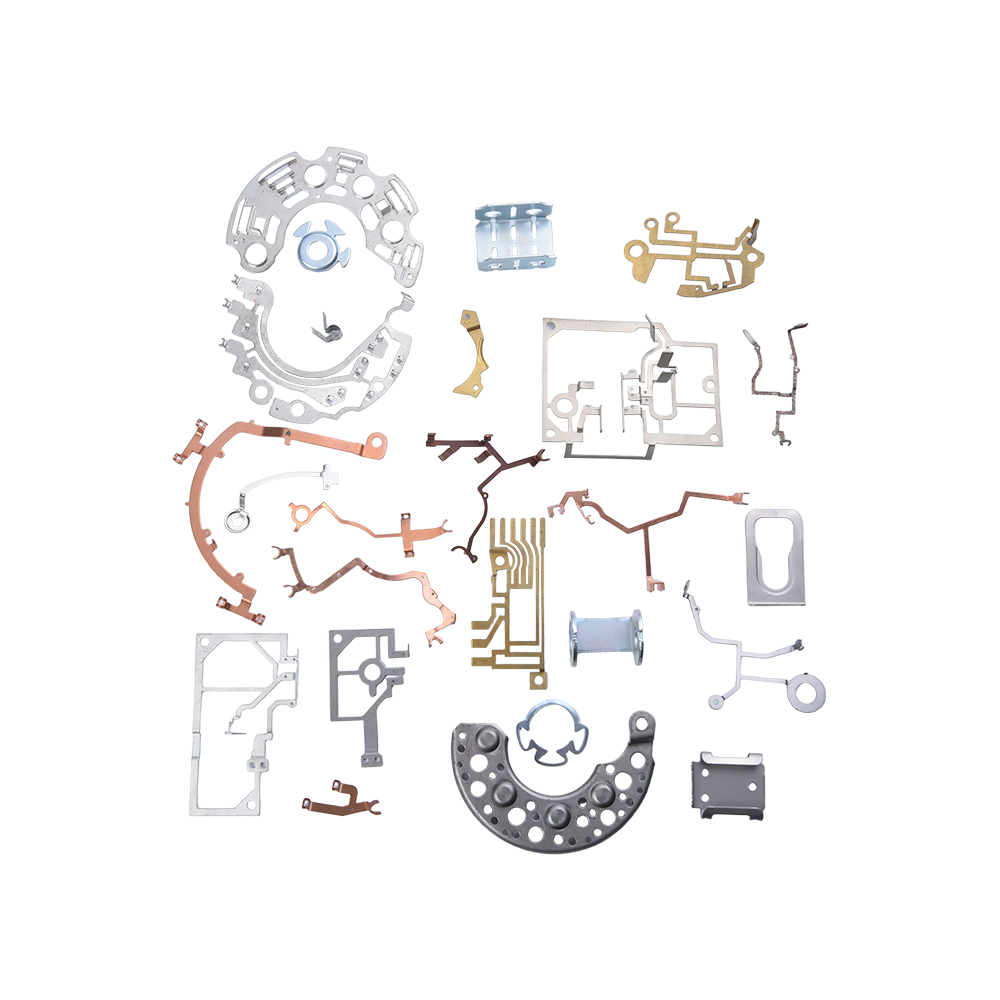
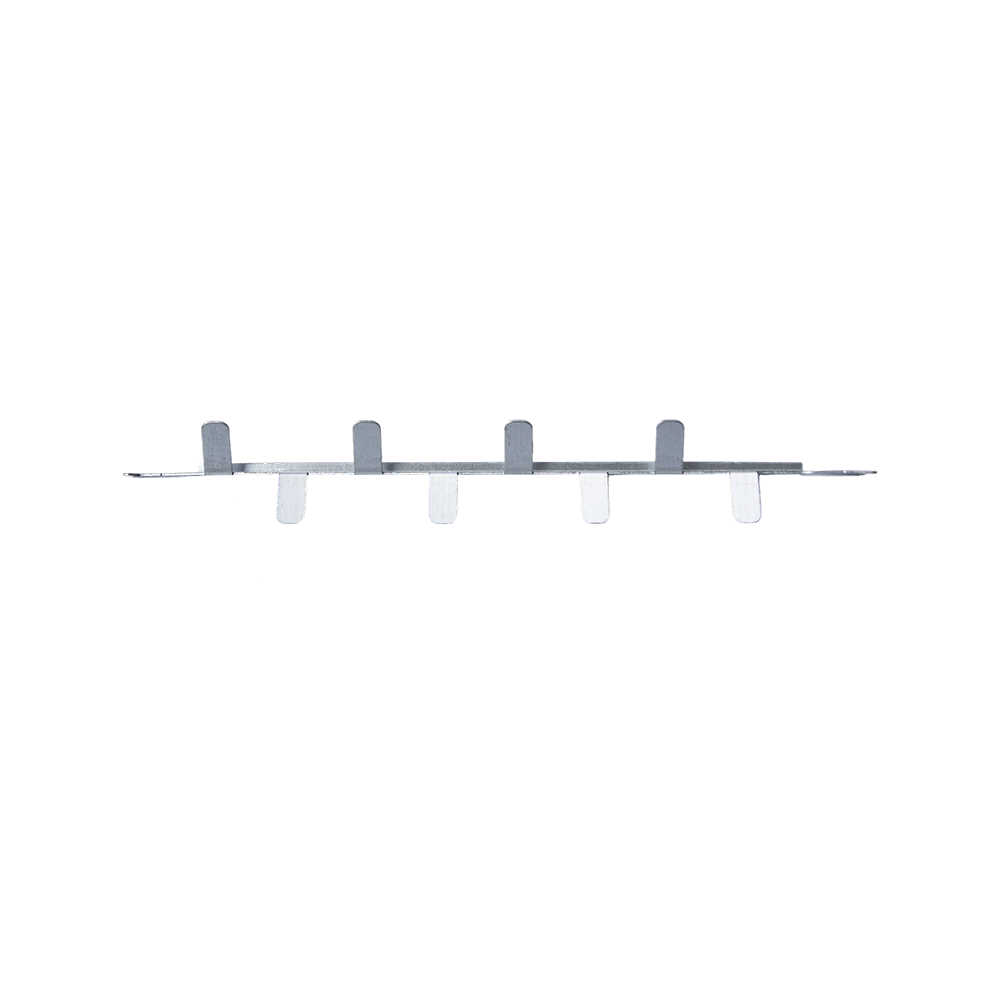
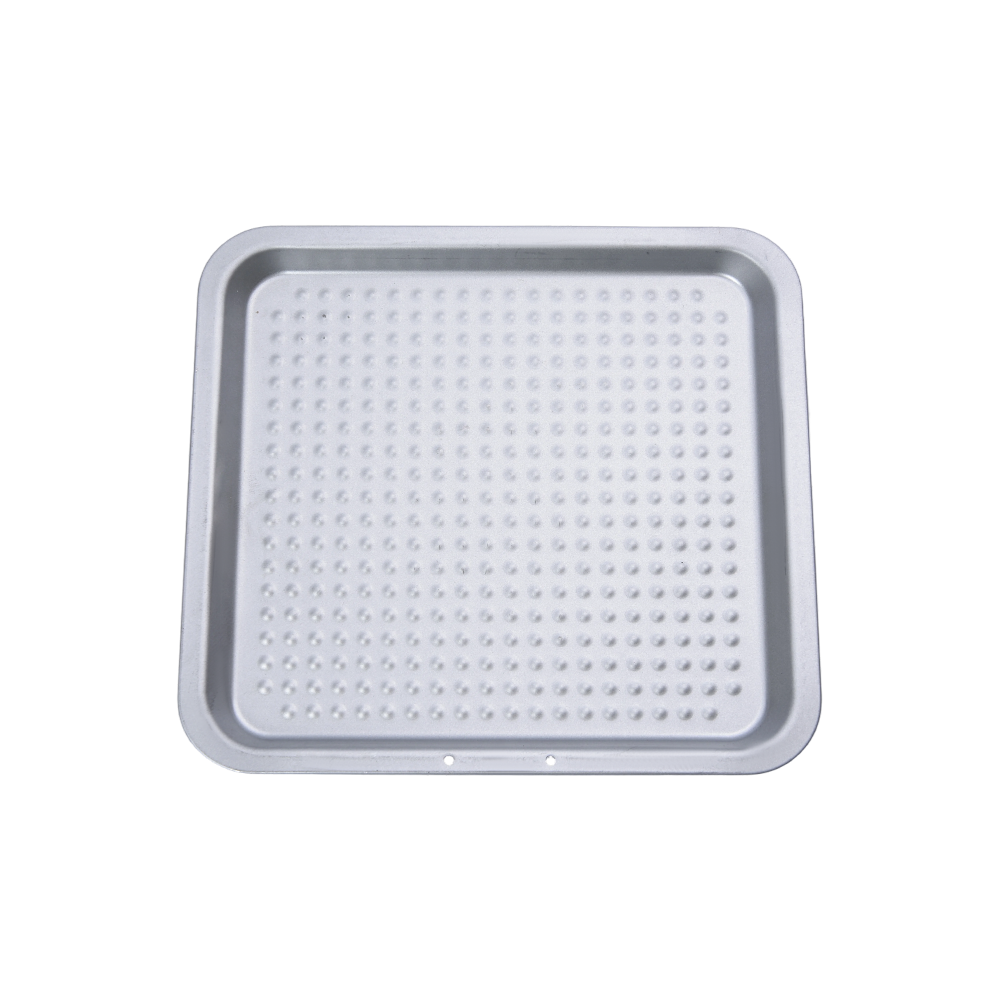
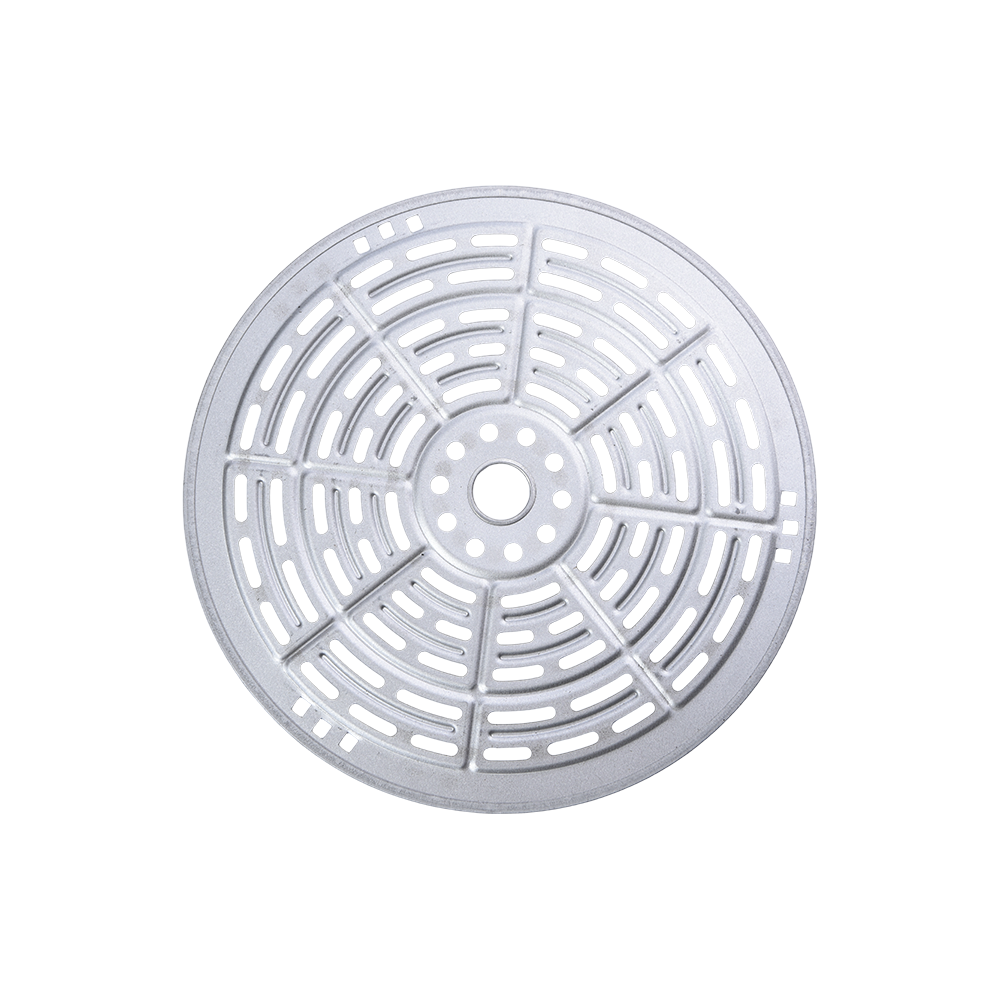
Steel is the backbone of modern manufacturing, yet it is never a single, uniform material. When engineers and buyers ask, "How can you clas...
READ MORE

News
Home / Author / Chen Ruoxi — Overseas Product Sales Manager / Precision Stamped Part Extension Cover for Reliable Industrial Protection
Precision Stamped Part Extension Cover for Reliable Industrial Protection
2026-08-09
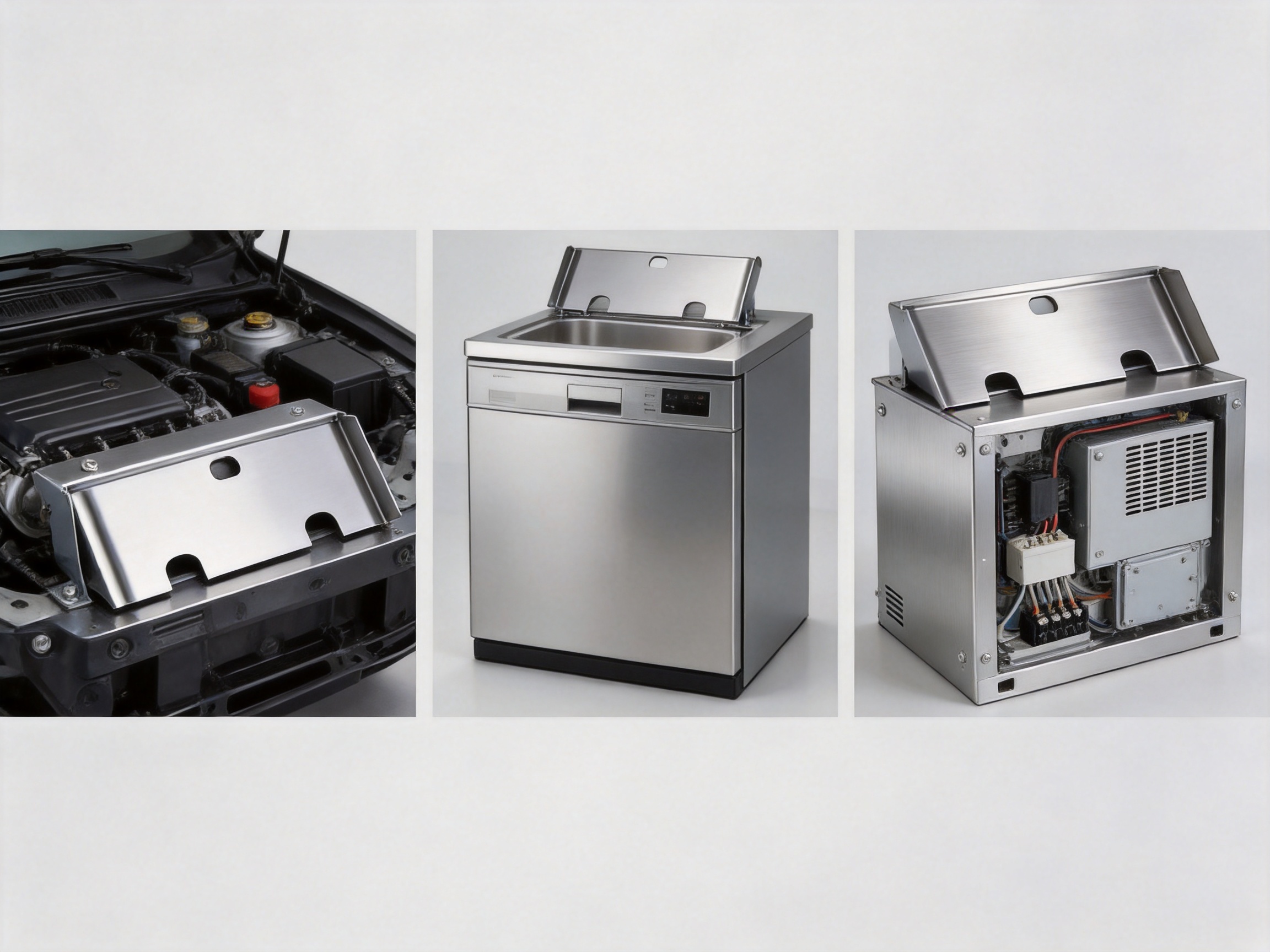
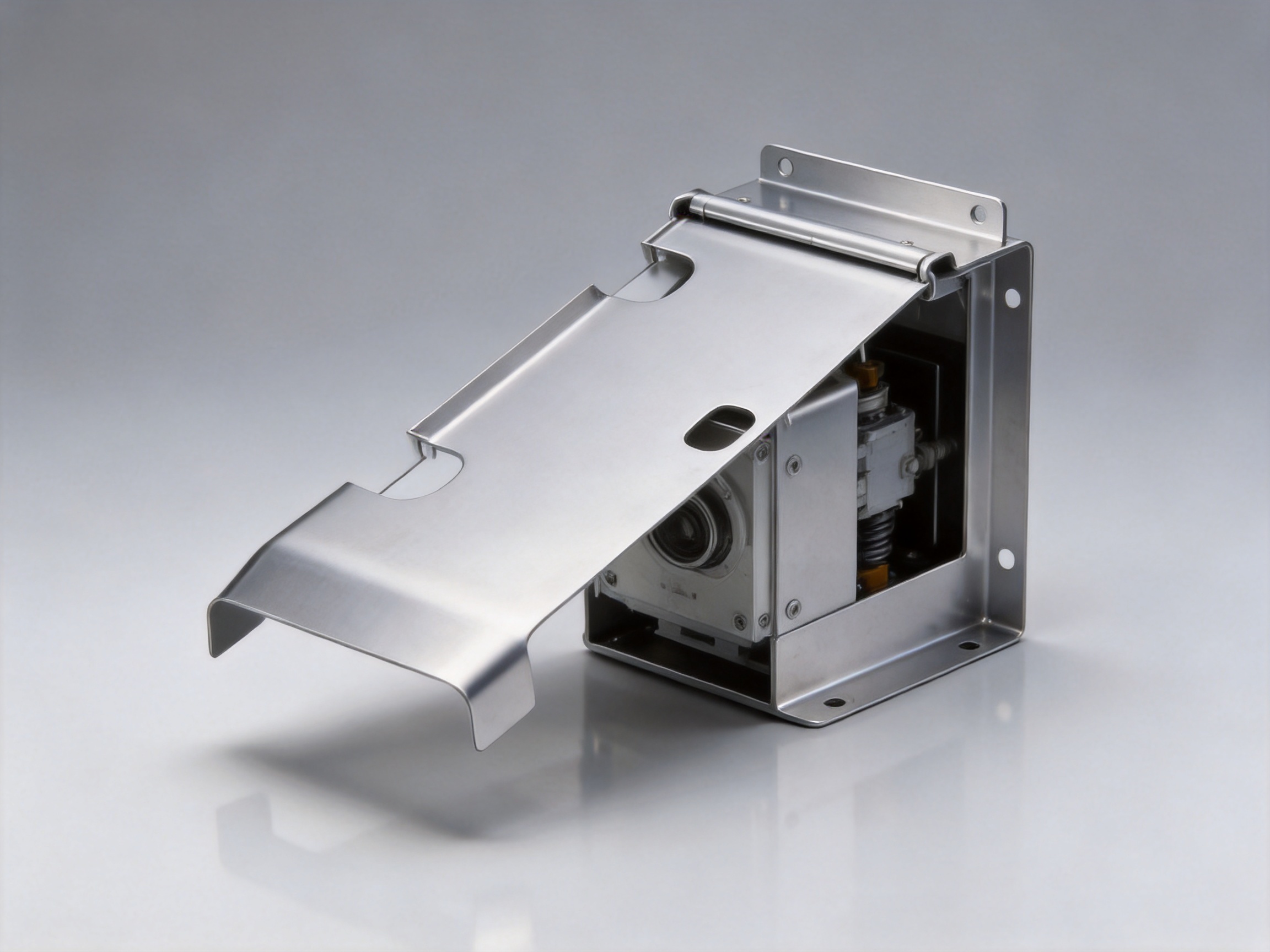
The Stamped Part Extension Cover is a precision-manufactured metal component developed to protect mechanical assemblies, equipment housings, electrical sections, and other enclosed systems from external exposure. Produced through advanced sheet-metal stamping processes, it combines accurate geometry, dependable structural performance, efficient installation, and flexible customization in one practical component.
Although an extension cover may appear simple, its performance can influence the reliability, service life, safety, and appearance of the larger product in which it is installed. A poorly fitted cover can allow dust, moisture, debris, vibration, or accidental contact to reach sensitive parts. It may also create assembly difficulties, sharp edges, weak mounting points, or unnecessary production costs. A properly engineered stamped extension cover addresses these concerns through controlled forming, repeatable dimensions, suitable material selection, and carefully designed openings, bends, flanges, and mounting features.
This product is suitable for applications in automotive components, industrial machinery, small household appliances, kitchen equipment, electronic devices, optical instruments, educational equipment, and general hardware assemblies. It can be supplied in different sizes, shapes, thicknesses, surface treatments, and material specifications according to the requirements of the final application.
The component is manufactured by Yuyao Hongli Optoelectronics Co., Ltd., a metal-processing enterprise with more than 20 years of industry experience. The company operates a modern factory in Yuyao, Zhejiang Province, with multiple stamping workshops, more than 60 employees, and a production area of approximately 5,000 square meters. Its capabilities include stamping, deep drawing, bending, OEM and ODM manufacturing, rapid prototyping, quality control, and export-oriented order fulfillment.
For customers seeking a reliable cover component rather than a generic metal part, the Stamped Part Extension Cover offers a balance of protection, manufacturability, customization, and cost efficiency.
What Is a Stamped Part Extension Cover?
A Stamped Part Extension Cover is a formed metal enclosure or protective extension manufactured from sheet material. It is designed to cover, shield, extend, or reinforce a designated area of a larger assembly. Depending on the application, it may function as an external protective shield, a partial housing, a structural mounting element, a dust barrier, a heat-resistant separator, or a transition cover between two sections of an assembly.
The cover can include flat areas, raised sections, offset surfaces, folded flanges, holes, slots, embossed features, and other formed details. These features are created through stamping dies and secondary forming operations. The result is a repeatable component that can be installed as part of a larger production line or used as a replacement part during maintenance and repair.
Unlike a manually fabricated cover, a stamped cover is produced using controlled tooling and repeatable press movements. This supports consistency across production batches. When the design is properly developed, the component can be made in high quantities with stable dimensions, clean edges, and predictable performance.
The product can be adapted to different assembly requirements. For example, one version may use simple mounting holes for screws or rivets, while another may use folded tabs, spring features, locating points, or interlocking sections. Openings can be added for wiring, ventilation, fasteners, switches, sensors, or access to internal components.
The extension function is also important. In many assemblies, the cover must reach beyond the main body to protect a connection, joint, projecting component, or exposed edge. The extension may be straight, angled, stepped, curved, or offset. By tailoring this geometry, the cover can provide protection without interfering with adjacent components.
Core Product Advantages
Accurate and Repeatable Dimensions
Precision is one of the primary advantages of a stamped cover. The shape is defined by the tooling and production parameters, allowing the manufacturer to produce consistent dimensions from part to part. Stable dimensions are essential when the cover must align with a housing, bracket, panel, appliance frame, or automotive component.
Consistent dimensions reduce assembly variation and help prevent problems such as misaligned holes, uneven gaps, excessive force during installation, or interference with nearby parts. For customers with automated or semi-automated assembly systems, repeatable geometry also supports smoother feeding, positioning, fastening, and inspection.
Reliable Protection Against External Exposure
The cover helps shield internal or adjacent components from moisture, dust, debris, accidental impact, and general environmental exposure. The exact level of protection depends on the complete assembly design, including joints, seals, fasteners, ventilation openings, and installation conditions. Nevertheless, a well-designed metal cover provides an important physical barrier.
In equipment exposed to workshop dust, road contaminants, kitchen residues, or general handling, the cover can help reduce the accumulation of foreign material around sensitive areas. In automotive applications, it may protect selected sections from splash, dirt, and incidental contact. In household appliances, it can help separate internal mechanisms from external contact while contributing to a finished appearance.
Strong Structural Performance
Sheet metal offers a favorable combination of strength, rigidity, and relatively low weight. When the design includes bends, flanges, ribs, or formed edges, the cover can achieve greater stiffness than a completely flat sheet with the same material thickness.
Folded edges can also reduce the likelihood of deformation during handling and installation. They may create useful contact surfaces or mounting areas while improving the overall appearance of the part. Where necessary, the design can be reinforced through additional bends, localized embossing, or a thicker material specification.
Efficient High-Volume Production
Once suitable tooling has been prepared, stamping supports efficient repeat production. This makes the process suitable for customers requiring regular shipments, replacement-part programs, appliance production, automotive supply, or contract manufacturing.
Compared with slow, highly manual fabrication methods, stamping can reduce production time per part and improve consistency. Material utilization can also be evaluated during the design stage to reduce unnecessary scrap. The result is a production method that supports competitive unit pricing, particularly when order quantities are stable and the design is standardized.
Flexible Design and Customization
The Stamped Part Extension Cover is not limited to one fixed shape. Customers can request variations in length, width, height, thickness, hole pattern, bend angle, mounting structure, surface treatment, and material selection. The design can be developed from drawings, samples, technical specifications, or application requirements.
Customization is especially valuable when a standard catalog part cannot provide the required fit. A cover that matches the original assembly geometry can simplify installation and avoid additional brackets, adapters, or modifications at the customer’s facility.
Suitable for Multiple Industries
The broad application range of the product reflects the flexibility of stamped sheet-metal construction. The cover may be used in vehicle assemblies, industrial equipment, heating products, kitchen appliances, electrical devices, optical instruments, educational equipment, and general hardware products.
Each industry may have different priorities. Automotive customers may emphasize dimensional consistency, corrosion resistance, vibration performance, and delivery reliability. Appliance manufacturers may prioritize appearance, clean edges, surface finish, and economical large-batch production. Industrial customers may focus on mechanical strength, access openings, serviceability, and protection from dust or handling damage.
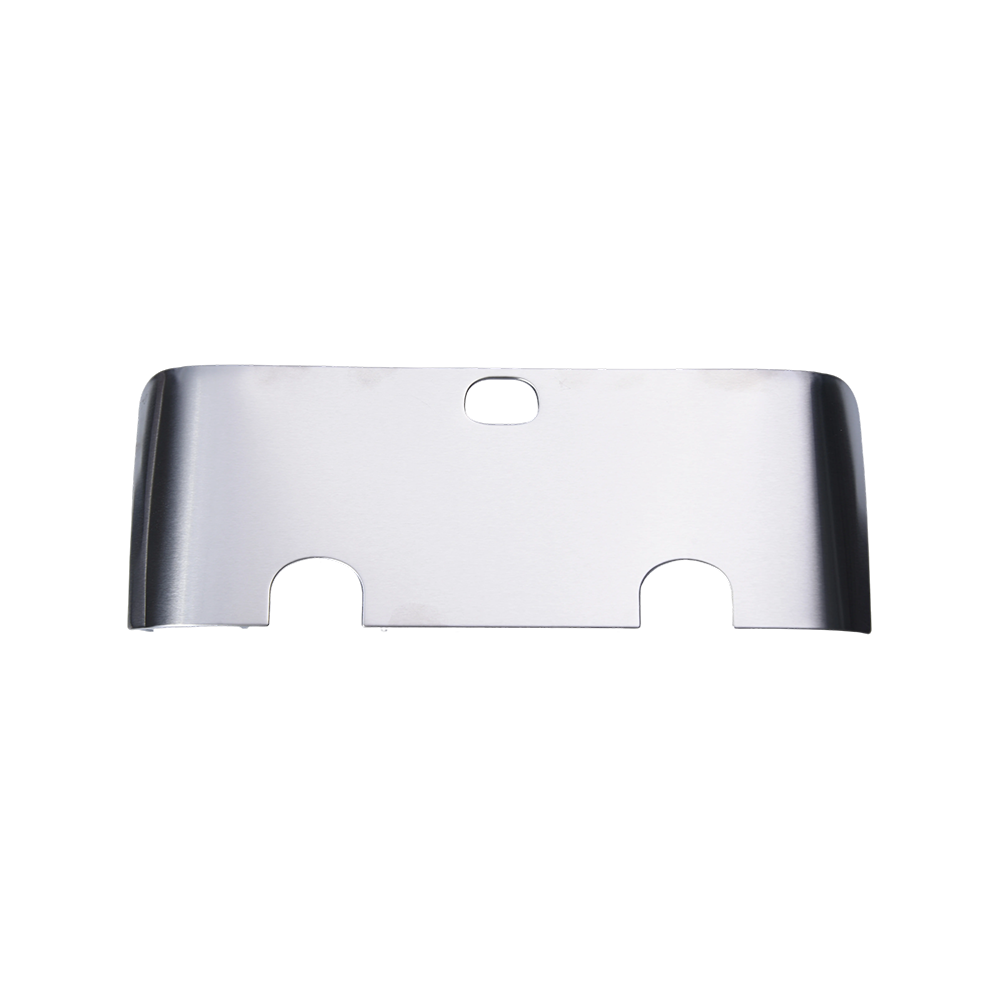
Stamped part extension cover
Engineering Design Features
Material Selection
Material selection should be based on the operating environment, required strength, forming complexity, surface-finish expectations, and production volume. Common sheet-metal options may include carbon steel, stainless steel, aluminum, and other suitable metal grades. The final choice should be confirmed through technical review because each material behaves differently during cutting, bending, drawing, and stamping.
Carbon steel can provide good strength and economical production for general industrial applications. Stainless steel may be considered when corrosion resistance, hygiene, or long-term appearance is important. Aluminum can offer low weight and good corrosion resistance, although its forming behavior and surface characteristics require appropriate process control.
Material thickness must also be selected carefully. A thinner sheet can reduce weight and material cost, but it may require additional formed features to achieve the necessary rigidity. A thicker sheet can improve strength but may increase forming force, tool requirements, weight, and cost.
Formed Edges and Flanges
Edges are important to both performance and user safety. Properly formed edges can eliminate sharp exposed corners, increase rigidity, and create convenient surfaces for fastening or positioning. Flanges may also help the cover overlap the protected component, improving coverage and contributing to a more stable fit.
The bend radius should be matched to the material and thickness. An unsuitable radius may cause cracking, distortion, excessive springback, or premature tool wear. During engineering review, the manufacturer can evaluate the relationship between the material, bend direction, grain orientation, forming sequence, and final dimensional requirements.
Openings, Slots, and Mounting Points
Openings can be incorporated into the design to accommodate screws, rivets, wiring, ventilation, connectors, switches, sensors, or inspection access. Their position and size must be coordinated with the surrounding assembly. Poorly positioned openings may weaken the cover, interfere with fasteners, or create unwanted gaps.
Mounting points should be designed to distribute loads and maintain alignment. Where the cover is subject to vibration or repeated service access, the mounting design may require reinforced areas, suitable hole clearances, locking features, or additional support. The most effective configuration depends on how the cover is installed and how often it will be removed.
Clearances and Assembly Fit
A cover must protect the target area without touching moving, heated, energized, or vibration-sensitive parts unless such contact is intentional. Appropriate clearances should be established during design review. The manufacturer can use customer drawings or samples to evaluate bend positions, overall dimensions, hole locations, and interference risks.
Clearance should also account for manufacturing tolerances, coating thickness, thermal expansion, assembly variation, and the movement of adjacent parts. Early review is usually more efficient than correcting interference after tooling has been completed.
Surface Treatment Options
The product can be supplied with surface treatments selected to improve corrosion resistance, wear resistance, appearance, or compatibility with the final assembly. Possible treatments may include powder coating, plating, anodizing where appropriate for the selected material, and other finishing processes.
Powder coating can provide a durable decorative finish in a range of colors and textures. Plating may be selected for improved corrosion performance, conductivity, appearance, or wear characteristics. Anodizing is generally associated with suitable aluminum components and can improve surface protection and visual consistency.
The correct finish depends on the substrate, working environment, contact conditions, temperature, required appearance, and applicable customer standards. Finish selection should be confirmed before production because coating or plating may affect dimensions, grounding, masking requirements, and assembly clearances.
Advanced Manufacturing Process
Technical Requirement Review
Production begins with an evaluation of the customer’s requirements. These may include two-dimensional drawings, three-dimensional models, physical samples, annual demand, material specifications, surface-treatment requirements, packaging expectations, and inspection standards.
The engineering team reviews the part geometry and identifies the principal forming operations. This stage may also consider blank size, material utilization, bend sequence, hole placement, tooling structure, press capacity, potential deformation, and the need for secondary operations.
A careful requirement review helps identify risks before production tooling is made. It also provides an opportunity to recommend practical modifications that preserve the intended function while improving manufacturability or reducing cost.
Tooling and Die Development
Stamping quality depends heavily on the suitability of the die. The tooling must guide the material accurately, apply controlled forming force, and release the completed part without unnecessary deformation. Depending on the design, the tool may include cutting sections, bending stations, forming surfaces, locating elements, guide components, and ejecting mechanisms.
For relatively simple covers, progressive or single-operation tooling may be suitable. More complex parts may require multiple forming stages or a combination of stamping, bending, piercing, and secondary operations. The appropriate tooling concept is determined by part geometry, material, thickness, quantity, dimensional requirements, and investment considerations.
Good tooling design supports stable production and extends tool service life. It can also reduce burrs, distortion, inconsistent bends, and repeated adjustment. For long-term customers, the tooling may be maintained and refined as part of an ongoing production program.
Material Preparation and Blanking
Before forming, sheet material is prepared and cut into blanks or fed into the stamping process. Blank dimensions and orientation influence material flow, edge quality, and the final shape. Efficient nesting and layout can help improve material utilization and reduce scrap.
Material identification and handling are important at this stage. Correct material grade and thickness must be confirmed before processing. Sheets should be protected from unnecessary damage, contamination, and deformation that could affect appearance or dimensional performance.
Stamping and Forming
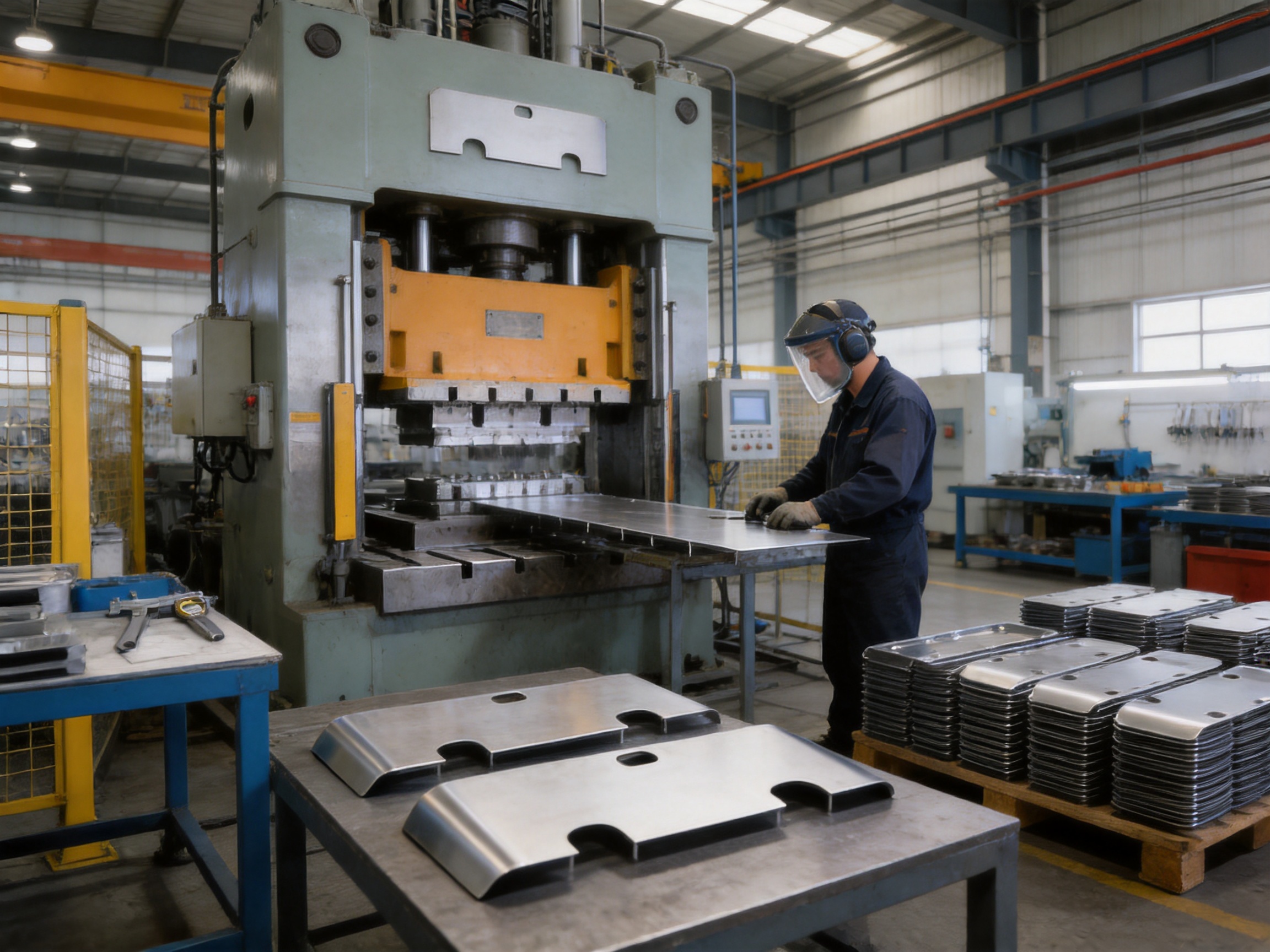
During stamping, a press applies controlled force through the tooling to cut, bend, draw, or form the material. The exact sequence depends on the cover design. A component may require piercing, blanking, bending, flanging, embossing, or other operations.
Press settings must be matched to the material and tooling. Excessive force may damage the tool or deform the part, while insufficient force may result in incomplete forming or unstable dimensions. Production personnel monitor the process and make controlled adjustments when necessary.
For covers with extension sections or multiple bends, forming order is particularly important. A poorly selected sequence can create interference between the workpiece and the tool, distort previously formed areas, or make it difficult to achieve the required final geometry. Process planning therefore has a direct effect on quality.
Secondary Operations
After primary stamping, the part may undergo additional operations such as deburring, trimming, tapping, spot welding, riveting, straightening, or surface preparation. The exact operations depend on the drawing and intended installation method.
Deburring is important when the part will be handled by operators or installed near wiring and other sensitive components. It helps reduce sharp projections and improves the overall finish. Additional straightening may be used when required to achieve a specified flatness or alignment condition.
Surface Finishing
Surface finishing may be completed after forming and inspection of the raw part. Pretreatment is normally important for removing oil, contamination, or oxidation and for preparing the surface to receive the selected finish.
When a decorative or protective coating is required, masking may be used to keep certain holes, contact areas, or threaded features free from coating. Finish thickness and visual consistency should be controlled to avoid interference during assembly.
Inspection and Quality Control
Quality control can include incoming material checks, first-piece approval, in-process inspection, dimensional verification, visual examination, and final sampling. Inspection items may include overall dimensions, bend angles, hole positions, edge condition, surface finish, coating coverage, and fit with a reference component.
Quality control is most effective when it is integrated into the manufacturing process rather than limited to final inspection. Monitoring the first articles and early production pieces allows potential problems to be identified before a large quantity is completed.
For customers with specific quality requirements, inspection methods and acceptance criteria can be discussed in advance. This may include designated measurement points, sample frequency, documentation, packaging inspection, and traceability requirements.
Manufacturing Strengths and Supplier Capability
More Than Two Decades of Experience
Yuyao Hongli Optoelectronics Co., Ltd. was founded in 2000 and has developed from its earlier identity as Yuyao Hongli Optoelectronics Educational Instruments Co., Ltd. into a comprehensive manufacturer serving multiple product sectors. More than 20 years of experience gives the company practical knowledge of metal forming, product conversion, customer communication, and production coordination.
Experience is especially valuable for customized stamped parts because many challenges arise from the interaction between design and production. A supplier familiar with different materials, press operations, tooling concepts, and finishing requirements can help customers move from an initial idea to a stable manufacturing solution.
Modern Factory and Production Organization
The company operates in Yangming Science and Technology Industrial Park in Yuyao, Zhejiang Province, China. Its approximately 5,000-square-meter factory includes multiple stamping workshops and supports a workforce of more than 60 employees.
A dedicated factory environment allows production, inspection, order coordination, and customer-service activities to be organized within a unified manufacturing system. This can simplify communication and support more efficient handling of customized orders.
Broad Product and Process Experience
The company provides products and processing services covering deep-drawn parts, stamped parts, bending parts, kitchen appliance accessories, automotive stamping parts, hardware products, plastic products, educational instruments, optical instruments, household electric heaters, small household appliances, and auto parts.
This broad experience is relevant to the Stamped Part Extension Cover because the product may be used in assemblies that combine several manufacturing technologies. A customer may require a stamped cover together with a bent bracket, deep-drawn shell, plastic housing, or appliance component. A supplier familiar with multiple product categories can better understand how the metal cover must interact with the complete system.
OEM and ODM Support
OEM and ODM services allow the cover to be developed according to the customer’s own design, brand requirements, application specifications, or production plan. Customers may submit drawings, samples, prototypes, or functional descriptions for review.
For OEM production, the supplier manufactures according to approved customer documentation. For ODM cooperation, the manufacturer may contribute to design refinement, material recommendations, tooling planning, and process development. In both cases, clear communication is essential to confirm dimensions, tolerances, finish, packaging, and inspection expectations.
Rapid Prototyping and Production Conversion
Rapid prototyping is useful when a customer needs to confirm fit, appearance, mounting, or protective coverage before committing to full-scale production. Prototype work can reveal whether the extension reaches the intended area, whether holes are correctly positioned, and whether the cover interferes with nearby components.
After prototype approval, production conversion must preserve the validated geometry while adapting it to efficient tooling and repeat manufacturing. The company’s experience in moving from sample development to regular production helps support this transition.
Stable Delivery and After-Sales Service
Delivery reliability is important for customers using stamped parts in scheduled manufacturing. Delays in a small cover component can interrupt the assembly of a much larger product. Production planning, material preparation, tool maintenance, inspection coordination, and packaging all contribute to stable delivery.
Comprehensive after-sales communication is also valuable when customers require replacement parts, design adjustments, new surface treatments, or additional production batches. A long-term supplier relationship can reduce the time needed to repeat orders and clarify technical details.
Advantages Over Generic or Less Specialized Alternatives
Better Consistency Than Manual Fabrication
Manual cutting and bending may be suitable for one-off repairs or temporary prototypes, but it can produce variation in dimensions, angles, hole locations, and edge quality. A production stamped cover offers more consistent geometry, particularly when the same part must be supplied repeatedly.
Consistency helps customers reduce fitting work, rework, and assembly interruptions. It also makes inventory management easier because replacement pieces are more likely to match the original specification.
More Efficient Than Machining a Solid Component
Machining a cover from solid stock can provide precision, but it may involve significant material removal, longer processing time, and higher cost for a component that can be efficiently produced from sheet material. Stamping uses forming rather than extensive material removal, making it more appropriate for many thin-wall protective covers.
Machining may still be useful for special geometries or low-volume parts, but stamped construction generally offers a stronger cost and throughput advantage when the design is suitable and demand is repeated.
More Adaptable Than Standard Purchased Covers
Standard covers may not match a customer’s mounting pattern, extension length, bend profile, or opening arrangement. Using an off-the-shelf part may require additional brackets, drilling, modification, or compromise in protective coverage.
A customized stamped cover can be designed around the actual assembly. This improves fit and may reduce the number of additional components required. It can also preserve the intended appearance of the finished product.
Potentially Lower Weight Than Heavy Fabricated Enclosures
Through appropriate material selection and formed reinforcement, a stamped cover can provide useful rigidity without unnecessary bulk. Lower weight may benefit automotive, portable equipment, appliance, and compact electronic applications.
Weight reduction must not compromise the required strength or protective function. The design should be evaluated according to impact, vibration, mounting load, temperature, and service conditions.
Improved Appearance Through Controlled Finishing
A properly formed and finished cover can contribute to the professional appearance of the final product. Smooth edges, consistent bends, controlled surfaces, and suitable coatings are important where the component is visible to end users.
Compared with rough, manually modified metal, a purpose-designed stamped cover can provide a cleaner and more uniform result. Surface treatment may further improve color consistency, corrosion resistance, and perceived quality.
Applications Across Key Industries
Automotive Components
Automotive stamping parts must often withstand vibration, temperature changes, moisture, road contamination, and repeated assembly operations. An extension cover may be used to shield a localized area, protect a connection, cover a bracket, or separate components within a vehicle assembly.
Automotive customers may require strict dimensional control, corrosion-resistant finishing, controlled burr levels, and repeatable supply. The cover’s shape can be adapted to available space and existing mounting points. Where necessary, the design may include additional bends or reinforcement to maintain its position during vehicle operation.
Industrial Machinery
Industrial equipment frequently contains moving mechanisms, drive systems, electrical sections, and exposed interfaces that benefit from protective covers. The Stamped Part Extension Cover can help reduce contact with dust, chips, oil mist, and incidental handling.
For machinery applications, service access may be important. Openings or removable sections can be incorporated so that maintenance personnel can inspect or reach selected components without removing the entire enclosure. The final design should balance accessibility with protection.
Kitchen Appliances
Kitchen appliance accessories and internal metal components may encounter humidity, heat, cleaning agents, food residues, and frequent handling. A suitable cover can protect internal sections, improve the finished appearance, and help separate functional areas within an appliance.
Material and finish selection are particularly important in this sector. The component should be appropriate for the expected temperature and environmental conditions, and exposed edges should be carefully managed. The company’s experience with household electric heaters and small household appliances supports its understanding of appliance-related production requirements.
Electrical and Electronic Equipment
In electrical and electronic equipment, a metal cover may provide mechanical protection, component separation, or a defined mounting surface. Openings can be designed for cables, connectors, switches, ventilation, and service access.
Where electrical contact or grounding is relevant, the material, coating, and contact areas must be specified carefully. The cover should be integrated into the equipment design by qualified engineers to ensure that insulation, clearance, thermal, and safety requirements are addressed.
Optical and Educational Instruments
Optical instruments and educational equipment often require clean, precise, and visually consistent metal components. A cover may protect internal mechanisms, support an external housing, or provide a finished enclosure around a functional section.
In these applications, appearance and fit can be as important as basic strength. The cover may require a smooth surface, accurately located openings, and a finish compatible with the surrounding product.
General Hardware Products
Hardware manufacturers can use stamped covers in brackets, protective assemblies, equipment accessories, and replacement components. The production method is suitable for both functional and decorative parts when the geometry can be formed efficiently from sheet metal.
Installation and Integration Considerations
Installation begins with confirming the orientation of the cover and the location of all mounting features. The installer should verify that the part is seated correctly before tightening fasteners. Excessive force should not be used to compensate for a dimensional mismatch, since this may deform the cover or damage the surrounding assembly.
Fastener selection should correspond to the material thickness, mounting substrate, expected vibration, and service environment. Screws, rivets, clips, spot welds, or other methods may be used depending on the design. If the cover is intended for repeated removal, a service-friendly fastening method may be preferable.
Clearance should be checked around moving parts, heat sources, wiring, connectors, and access points. If the cover includes ventilation or drainage openings, their position should remain unobstructed after installation.
For coated or plated components, care should be taken to avoid scratching the finish during assembly. Damaged surfaces may require repair or replacement depending on the environmental exposure and appearance requirements.
Where the cover is used in automotive, electrical, heated, or safety-related equipment, installation should follow the final product manufacturer’s engineering instructions and applicable standards.
Quality, Durability, and Service Life
The service life of the Stamped Part Extension Cover depends on material choice, geometry, finish, installation, environmental exposure, and loading. A cover used indoors in a clean environment will experience different conditions from one installed beneath a vehicle or near a heated appliance.
Durability begins with correct design. Bends should not create unnecessary stress concentrations, mounting points should be sufficiently supported, and the extension should not be exposed to loads beyond its intended function. Surface treatment can help reduce corrosion, but it should be selected for the actual operating environment.
During production, consistent forming and controlled handling help prevent scratches, distortion, and edge damage. Inspection of the first articles and regular production samples can confirm that the part continues to meet the approved specification.
Packaging also contributes to quality. Parts should be arranged and protected so that contact between components does not cause unacceptable scratching, bending, or contamination during storage and transport. Packaging requirements can be discussed according to part size, finish, shipment method, and customer handling process.
Cost and Supply Chain Benefits
Stamping can be economically attractive because it supports repeat production with short cycle times after tooling has been established. The cost per part may be reduced as production volume increases, particularly when the design is stable and material utilization is optimized.
Customization can also reduce total system cost. A precisely fitted cover may eliminate secondary modification, extra brackets, manual trimming, or repeated assembly adjustments. It may also reduce service time by making installation and replacement more straightforward.
Working with a supplier that offers both development and production services can simplify the supply chain. Instead of coordinating separate companies for design assistance, stamping, finishing, inspection, and order follow-up, customers may be able to manage the project through one manufacturing partner.
For overseas customers, clear documentation and communication are important. The supplier can coordinate technical confirmation, production scheduling, packaging, export preparation, and after-sales support. Long-term cooperation may also make repeat orders more efficient because approved drawings, tooling information, and finish requirements can be retained for future reference.
How to Request a Customized Cover
Customers should provide as much technical information as possible when requesting a quotation. Useful information includes drawings, three-dimensional files, physical samples, required material, thickness, dimensions, hole locations, bend angles, surface treatment, expected quantity, application environment, and delivery requirements.
If a formal drawing is not available, photographs and sample measurements can provide a starting point. The customer should also explain the function of the cover, the area it must protect, how it will be mounted, and whether it will be exposed to moisture, heat, vibration, chemicals, or frequent service access.
The manufacturer can then review the design for material suitability, forming feasibility, tooling requirements, secondary operations, finishing, inspection, and packaging. A prototype or first sample may be produced for customer evaluation before regular production begins.
Important approval points normally include overall dimensions, mounting-hole pattern, edge condition, finish, color where applicable, and fit with the mating assembly. Confirming these items early helps reduce changes after tooling and production have started.
Q&A
What is the main function of the Stamped Part Extension Cover?
Its main function is to protect and enclose a selected area of a mechanical, electrical, automotive, appliance, or industrial assembly. It may also provide structural support, separation, mounting, or a finished external appearance.
Can the cover be customized?
Yes. The cover can be customized in dimensions, material, thickness, bend profile, extension length, mounting holes, slots, openings, surface treatment, and packaging. Customization is typically based on drawings, samples, three-dimensional models, or application requirements.
Which materials can be used?
Suitable materials may include carbon steel, stainless steel, aluminum, and other sheet metals selected according to the application. The final material should be confirmed after considering strength, corrosion resistance, formability, temperature, appearance, and cost.
What surface treatments are available?
Possible treatments include powder coating, plating, anodizing where suitable, and other protective or decorative finishes. The correct treatment depends on the substrate and the operating environment. Coating thickness and masking requirements should be confirmed before production.
Is the product suitable for automotive applications?
Yes. The cover can be adapted for automotive stamping applications where a formed metal component is needed to shield, extend, separate, or support a localized area. Automotive use requires careful review of vibration, corrosion, temperature, dimensional, and installation requirements.
Can the cover be used in kitchen appliances?
Yes. It may be used as an internal protective component, a housing extension, a mounting cover, or an appearance-related metal accessory. The selected material and finish should be appropriate for heat, humidity, cleaning conditions, and the appliance’s intended use.
How does stamping compare with manual fabrication?
Stamping generally provides better repeatability, faster production, more consistent hole locations, and improved suitability for medium- and high-volume orders. Manual fabrication may still be useful for one-off prototypes, but it can produce greater variation in dimensions and appearance.
Can prototypes be produced before mass production?
Prototype development can be arranged to verify fit, mounting, appearance, and protective coverage before regular production. Prototype evaluation is especially useful when the cover has complex bends, tight clearances, or a new application.
What information is needed for a quotation?
Customers should provide drawings or samples, dimensions, material and thickness requirements, surface treatment, quantity, application information, packaging needs, and target delivery schedule. If some information is unavailable, a functional description and photographs may help begin the technical review.
How is quality controlled?
Quality control may include material verification, first-piece approval, in-process checks, dimensional inspection, visual examination, surface-finish inspection, and final sampling. Specific inspection points and acceptance standards can be established according to the customer’s requirements.
Can the part be supplied with different opening patterns?
Yes. Holes, slots, access openings, ventilation features, and other cutouts can be incorporated when they are compatible with the design and forming process. Their dimensions and locations should be defined carefully to maintain fit, strength, and assembly access.
What makes this product suitable for long-term cooperation?
The product is supported by a manufacturer with more than 20 years of experience, a modern factory, multiple stamping workshops, OEM and ODM capabilities, rapid prototyping support, quality-control procedures, and after-sales service. These capabilities can support both initial development and repeat supply.
Conclusion
The Stamped Part Extension Cover is a practical and adaptable metal component for protecting, enclosing, extending, and supporting assemblies across multiple industries. Its value comes from more than the basic shape of a cover. Accurate stamping, controlled bends, suitable material selection, clean edges, reliable mounting features, and appropriate surface finishing all contribute to final performance.
Compared with generic covers or manually modified sheet metal, a purpose-designed stamped component can provide improved dimensional consistency, more efficient production, cleaner appearance, and better integration with the customer’s assembly. Its geometry can be tailored to the required extension, clearance, opening pattern, fastening method, and environmental conditions.
The manufacturing capabilities of Yuyao Hongli Optoelectronics Co., Ltd. support the product from technical review and tooling development through stamping, secondary processing, finishing, inspection, packaging, and delivery. With more than two decades of industry experience, a 5,000-square-meter factory, multiple workshops, more than 60 employees, and broad experience in metal and related products, the company is positioned to support customized orders for domestic and international customers.
For applications requiring a durable and accurately formed protective component, the Stamped Part Extension Cover provides a strong foundation for reliable product design and efficient production. Proper technical communication at the beginning of the project allows the cover to be optimized for function, manufacturability, cost, and long-term service performance.
References
1. American Society of Mechanical Engineers. General principles of mechanical design, dimensional control, and manufacturing documentation.
2. ASM International. Sheet forming, stamping operations, material selection, and surface engineering practices.
3. Society of Automotive Engineers. Recommended considerations for automotive components, corrosion resistance, vibration, and production quality.
4. International Organization for Standardization. Quality management principles for manufacturing and supplier control.
5. International Organization for Standardization. General guidance on geometrical product specifications and dimensional tolerancing.
6. Metal Forming Handbook. Fundamentals of blanking, bending, drawing, tooling, springback, and process planning.
7. Manufacturing Engineering Reference Materials. Practical methods for sheet-metal inspection, deburring, finishing, packaging, and production improvement.
Product: Stamped part extension cover
Previous Post
Precision Circular Stamped Parts with a Central Hole for Reliable Industrial Assembly
Next Post
Deep-Drawn Rectangular Containers with Lids: Design, Performance, and Manufacturing Excellence
News
-
-
What Are Stamped Parts? Stamped parts are metal components produced by pressing flat sheet metal between a die and a punch to cut, bend, or...
READ MORE -
Sheet metal is one of those materials that quietly holds everyday life together. The tray inside your air fryer, the bracket behind a car b...
READ MORE -
Sheet metal bending is one of the most fundamental processes in metal fabrication. It turns a flat sheet of steel, aluminum, or copper into...
READ MORE
Get Fresh Updates Via Email
We promise we will never disclose your email address, and you can opt out at any time.
-
Quick Links
Home About Us Products Service News Contact Us -
Product list
Deep-drawn parts Stamped parts Bending parts Kitchen appliance accessories Automotive stamping parts -
About Us
Factory Honour FAQ -
News
Company News Industry News -
Contact Us
Address: South side of Shunke Road, Yangming Science and Technology Industrial Park, Yuyao City, Zhejiang Province, China Tel: +86-13905842349/+86-13738485724 Email: hongli@hl-stamping.com
Copyright © Yuyao Hongli Optoelectronics Co., Ltd. All Rights Reserved.
Custom Precision-Sheet/Sheet Metal Stamping Manufacturers
