


 English
 русский
 Español
 عربى


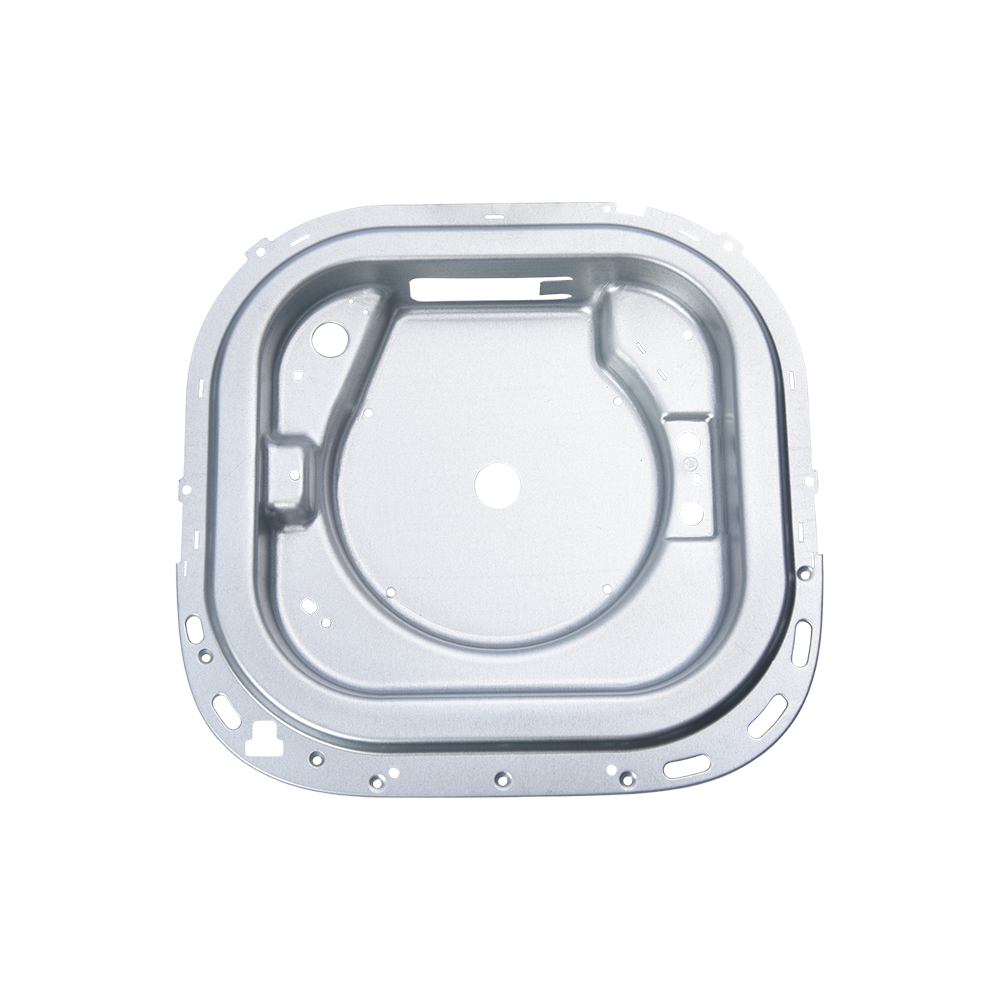
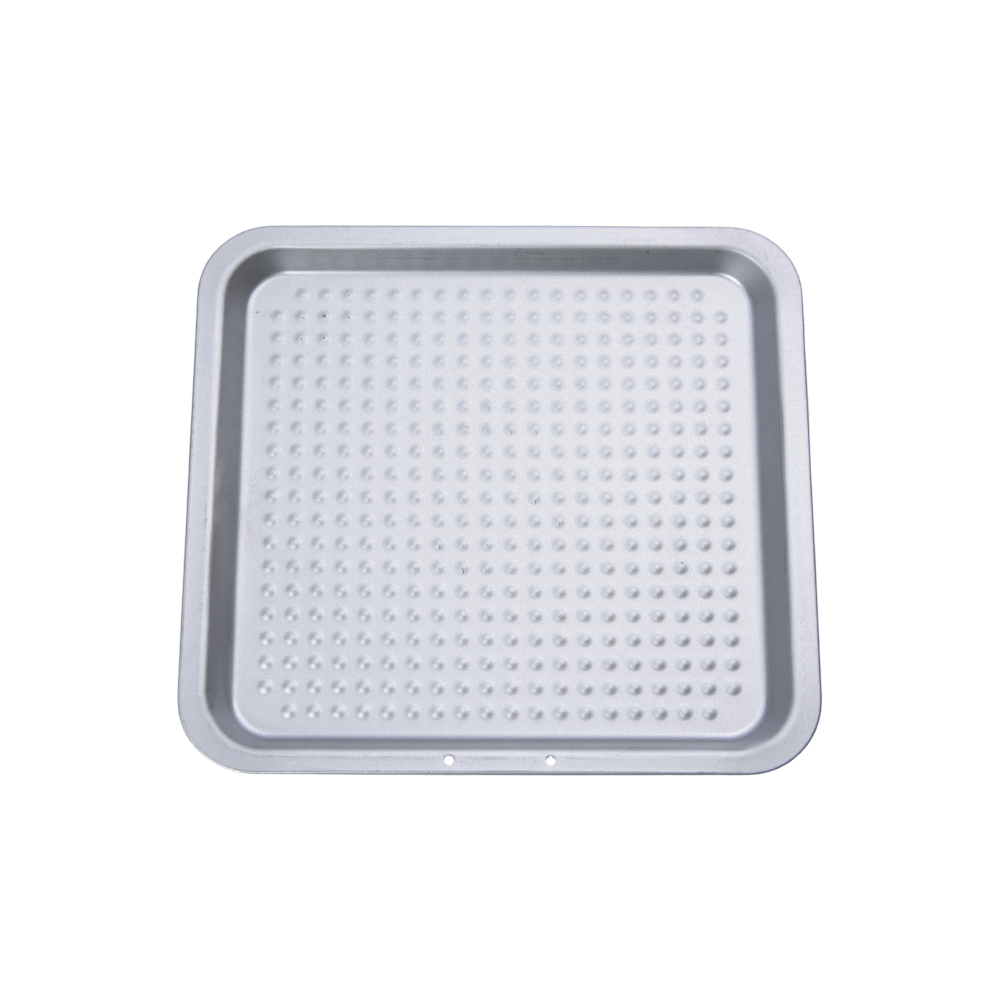
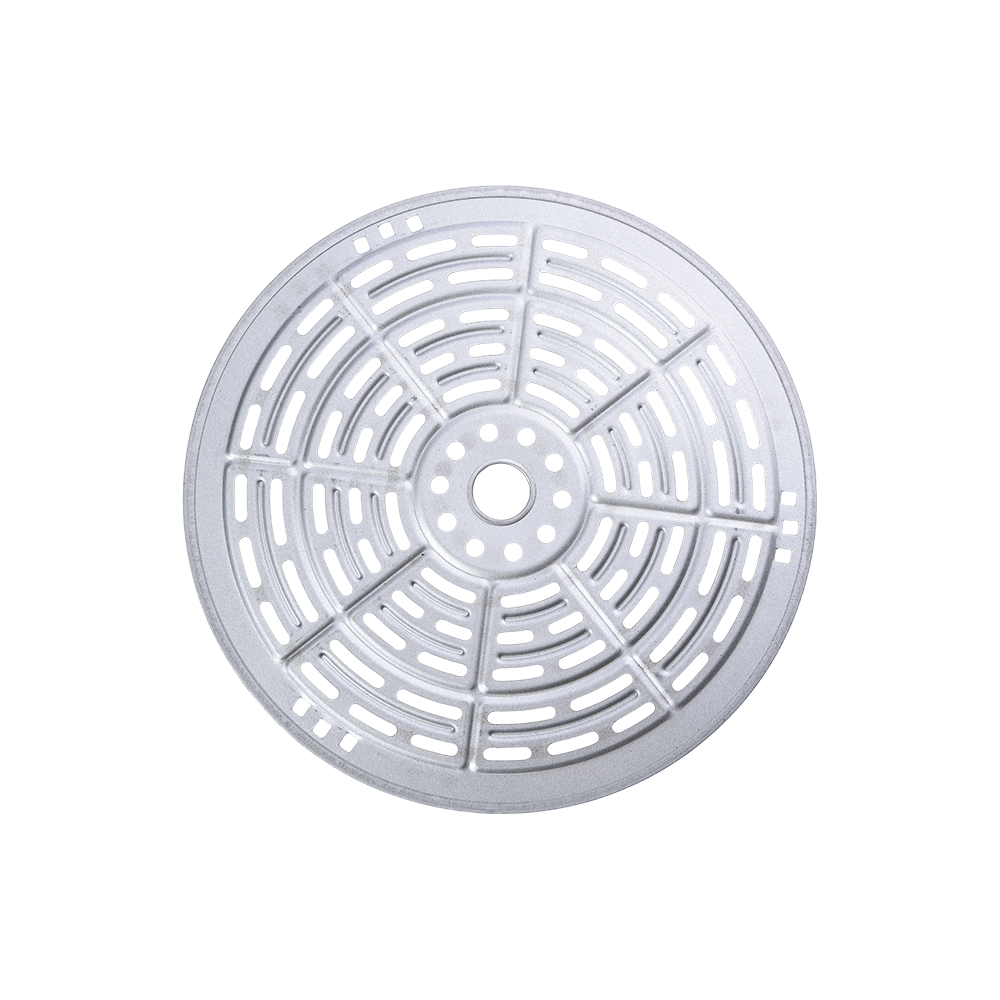
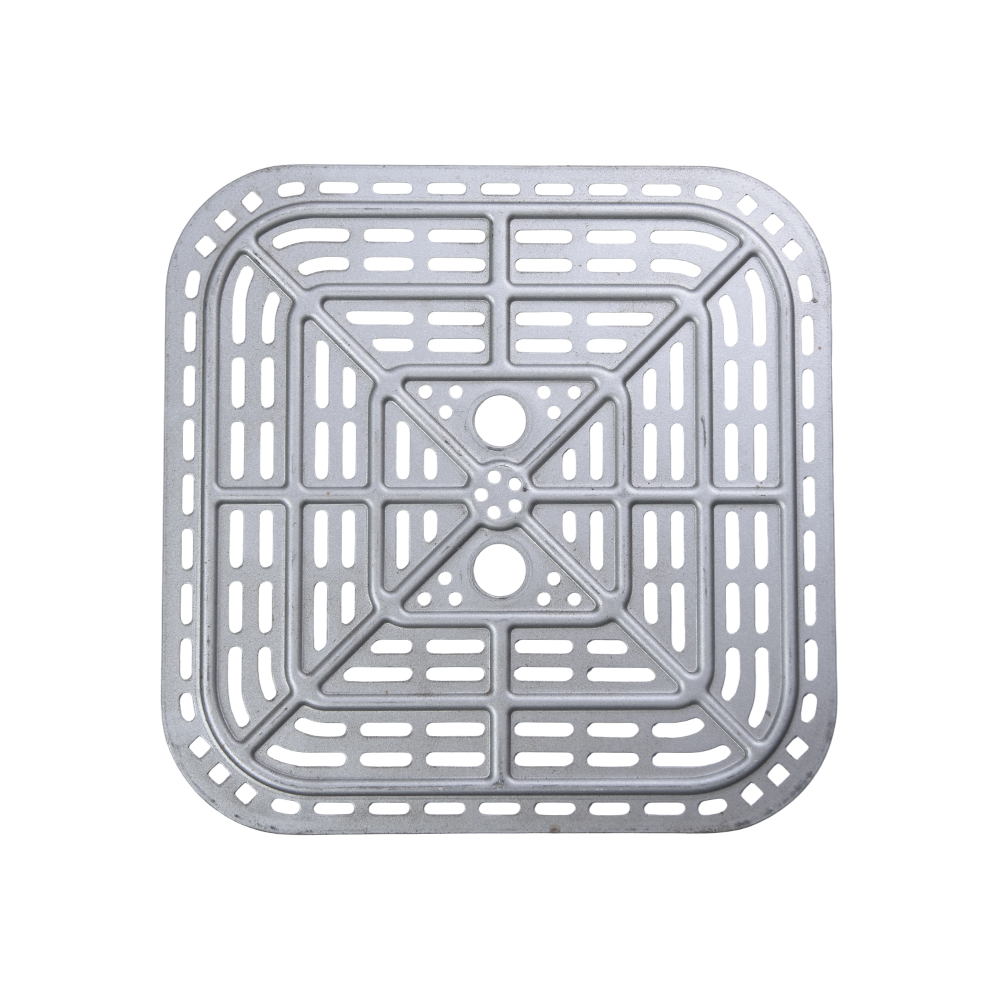
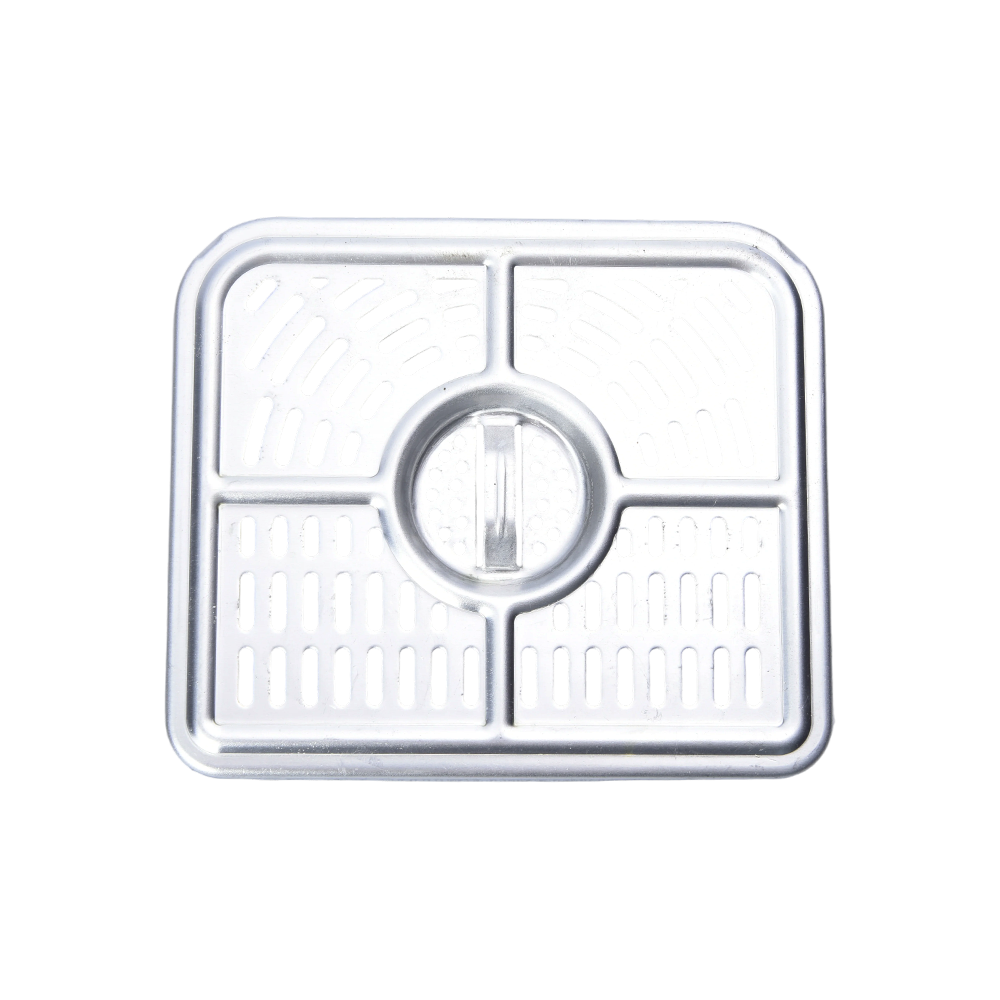
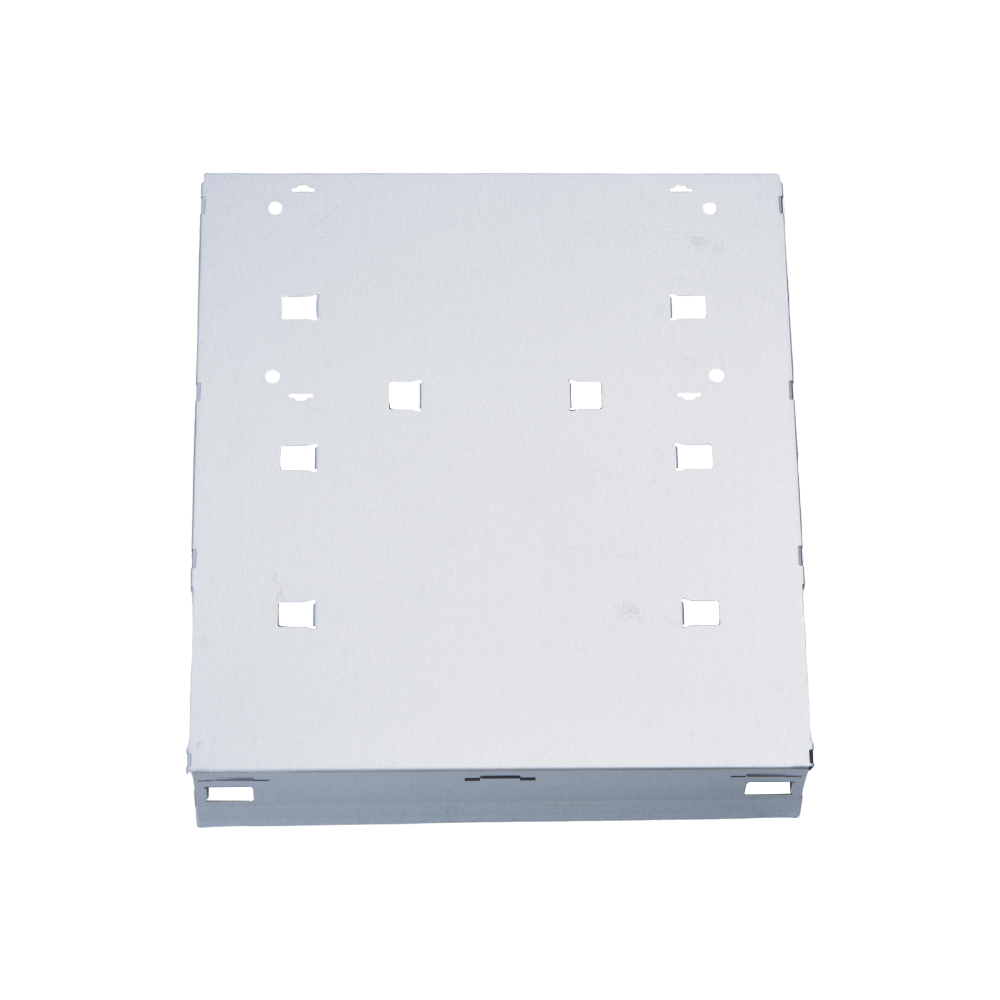
What Are Stamped Parts? Stamped parts are metal components produced by pressing flat sheet metal between a die and a punch to cut, bend, or...
READ MORE

News
Home / Author / Liu Yanan — Product After-Sales Service Specialist / Precision Stamped Parts with a Polka Dot Pattern Base: Design, Performance, and Manufacturing Excellence
Precision Stamped Parts with a Polka Dot Pattern Base: Design, Performance, and Manufacturing Excellence
2026-10-10
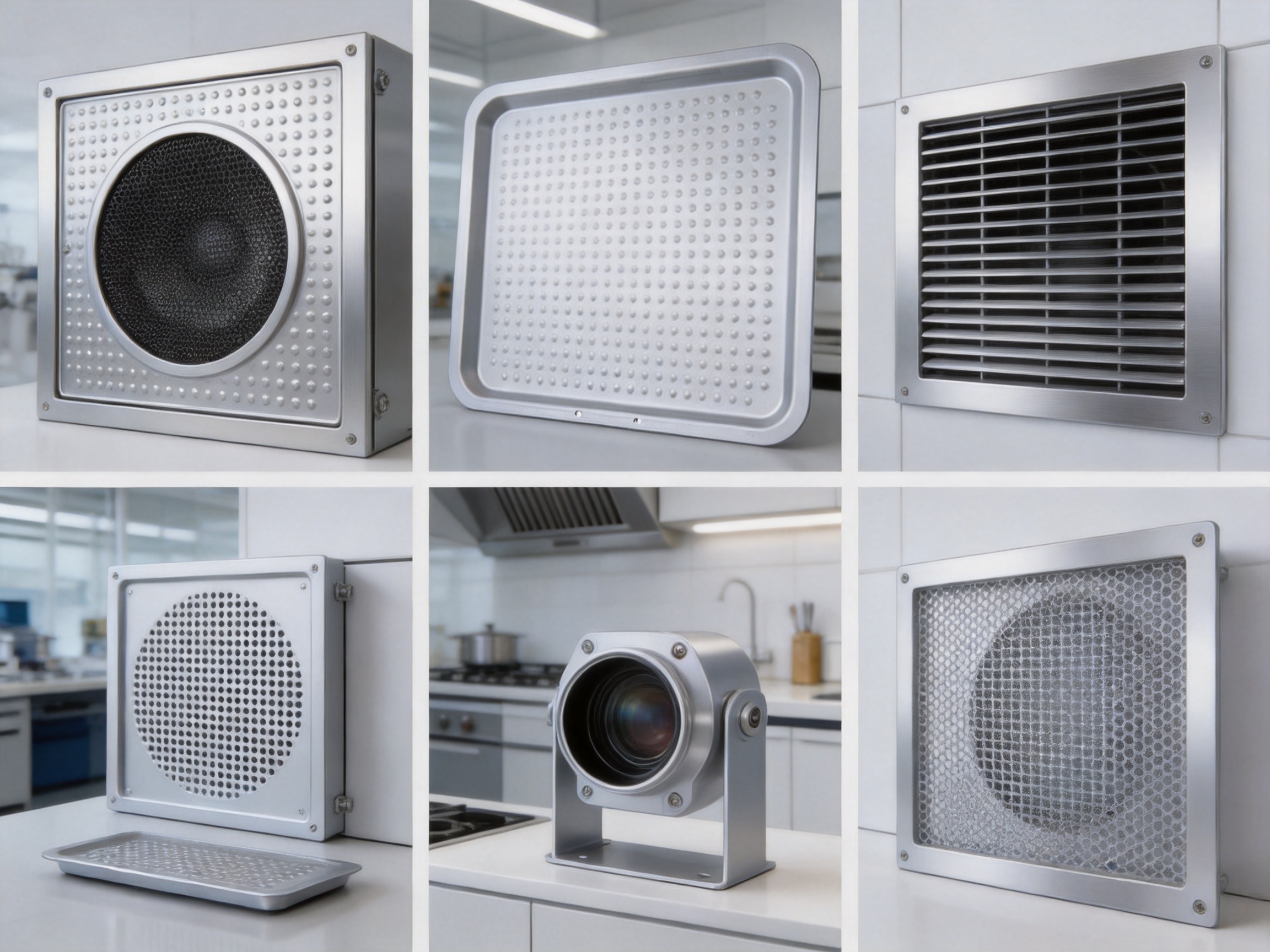

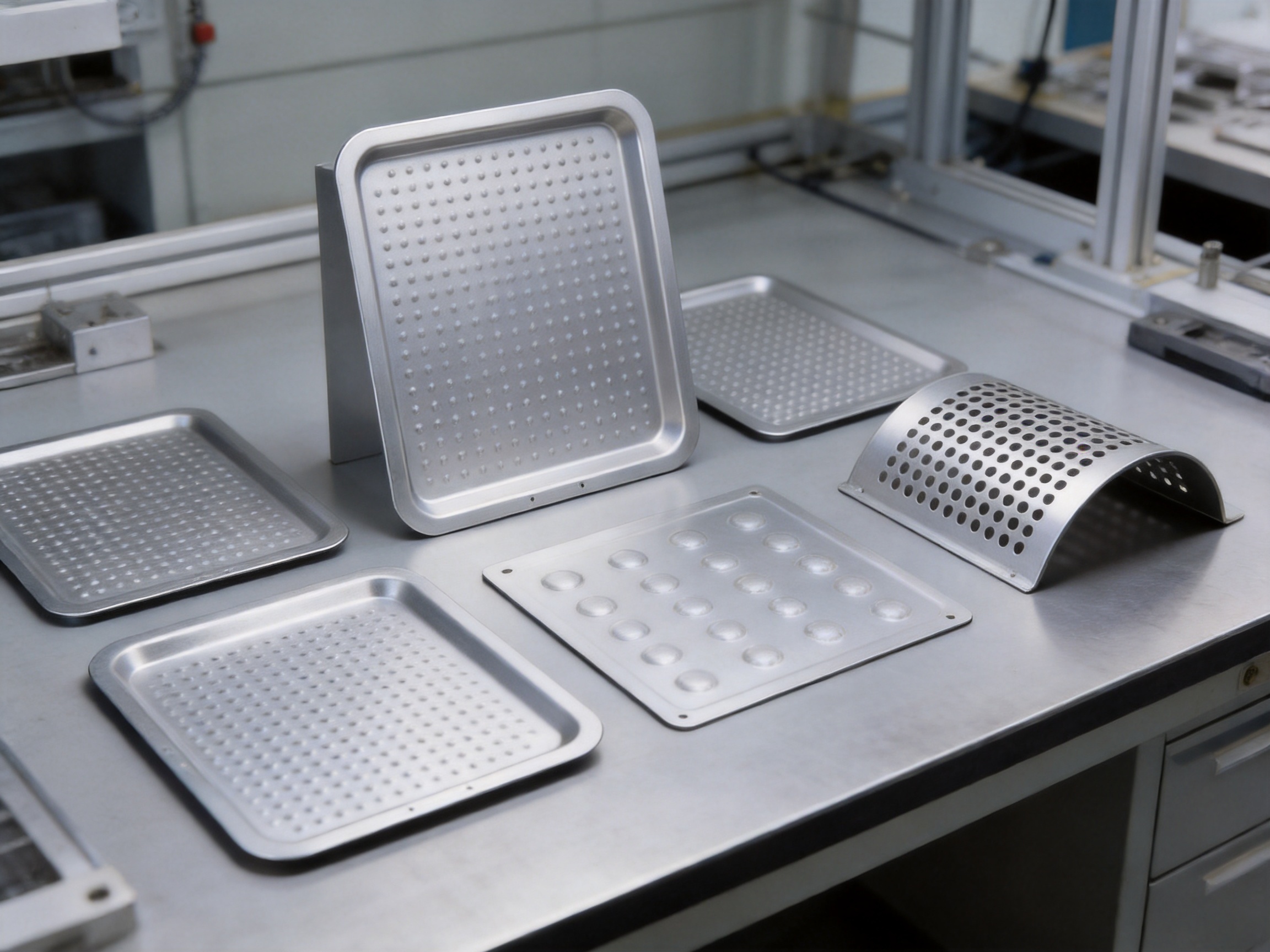
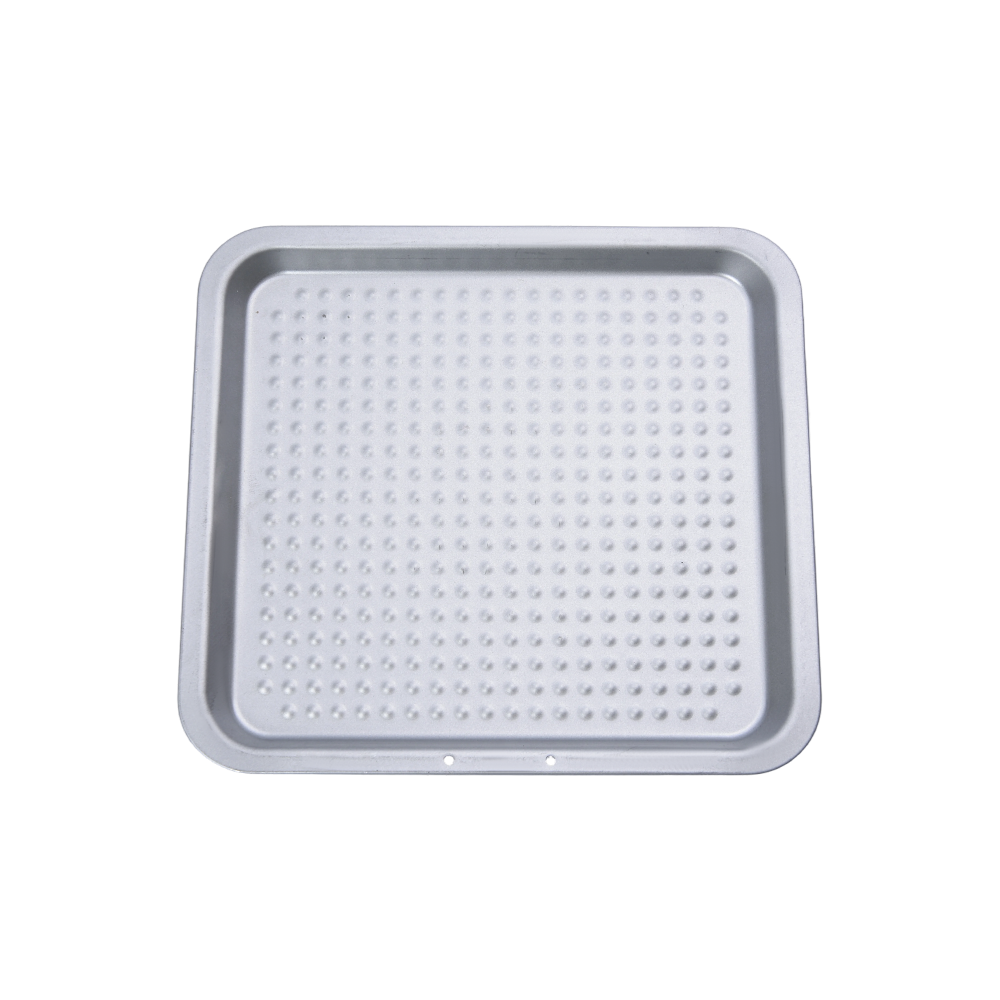
Stamped parts with a polka dot pattern base
Stamped parts with a polka dot pattern base combine practical engineering with a distinctive visual appearance. Produced through controlled sheet-metal forming and precision stamping, these components feature evenly distributed holes, dimples, bumps, or recessed circular marks across the base. The resulting pattern can improve airflow, reduce material weight, scatter light, support acoustic performance, and add visual interest to a finished assembly.
Although the polka dot pattern may appear simple, producing a consistent and reliable part requires careful attention to material selection, tooling design, press operation, dimensional control, surface treatment, and inspection. Small variations in hole size, pattern spacing, flatness, or edge quality can affect the performance and appearance of the final component. For this reason, high-quality stamped parts must be manufactured through a coordinated process rather than by stamping alone.
Yuyao Hongli Optoelectronics Co., Ltd. provides customized stamped parts for decorative panels, speaker grilles, vent covers, filters, household appliances, automotive applications, optical instruments, educational equipment, and general hardware assemblies. With more than 20 years of industry experience, a modern 5,000-square-meter factory, multiple stamping workshops, and a workforce of more than 60 employees, the company supports product development from initial concept through production and delivery.
The company’s manufacturing capabilities include deep drawing, sheet-metal stamping, bending, forming, and related processing. This combination is valuable for customers who need more than a flat perforated sheet. A component may require a shaped base, formed edges, mounting flanges, reinforcing features, or a curved profile in addition to its polka dot pattern. Integrating these operations helps simplify supply chains and supports the production of finished or semi-finished components according to customer specifications.
Understanding the Polka Dot Pattern Base
A polka dot pattern base is a stamped metal surface containing a regular arrangement of circular or rounded features. Depending on the design, the dots may be open apertures, shallow dimples, raised embossments, or recessed impressions. Each variation produces a different combination of appearance, mechanical behavior, airflow, acoustic response, and light transmission.
Open-hole patterns are commonly used where air, sound, or light must pass through the part. They are suitable for vent covers, filter supports, speaker grilles, protective screens, and decorative panels. A raised or recessed dot pattern, by contrast, may retain a continuous metal surface while adding texture, stiffness, or visual depth. Embossed dots can also improve the rigidity of a thin sheet by introducing formed geometry into an otherwise flat surface.
The pattern can be arranged in aligned rows, staggered rows, radial layouts, or custom decorative configurations. Dot diameter, pitch, spacing, depth, edge radius, and overall coverage can all be adjusted. A fine pattern may create a refined appearance and controlled airflow, while a coarse pattern may provide greater open area, stronger visual contrast, or easier cleaning.
In many applications, the pattern is not merely decorative. The openings can reduce pressure resistance in ventilation systems, allow heat to dissipate from an appliance, and reduce the total weight of a panel. The pattern may also help diffuse or scatter light in optical and lighting-related applications. When designed correctly, the part can provide multiple functions without requiring additional components.
Primary Product Advantages
Distinctive Appearance
The evenly distributed dot pattern gives the component a clean, modern, and technically precise appearance. Compared with a plain stamped plate, the patterned base can create visual depth and a recognizable design language. It can be used as a visible exterior surface or as an internal component where appearance still contributes to perceived product quality.
Customers can specify the pattern density, dot dimensions, and layout to match the style of a finished product. A small, closely spaced pattern may be appropriate for compact consumer appliances or refined decorative panels. Larger openings and wider spacing may be better suited to industrial ventilation covers, equipment guards, or automotive components.
Improved Airflow and Ventilation
Open polka dot patterns create controlled passages through the sheet. This makes the parts useful for air circulation, cooling, pressure equalization, and ventilation. In household appliances, the patterned component can support heat dissipation around motors, heating elements, or electronic assemblies. In automotive applications, it may be used as a protective vent, grille, or air-guiding cover.
Airflow performance depends on the open-area ratio, hole geometry, material thickness, edge condition, and pattern arrangement. A carefully selected pattern can balance ventilation with protection against accidental contact, contamination, or the entry of larger particles. Because the design is customizable, customers can select a pattern that meets the functional requirements of a specific assembly rather than relying on a standard off-the-shelf panel.
Weight Reduction
Removing controlled areas of material can reduce the weight of a component while preserving the overall outline and mounting structure. Weight reduction is especially valuable in automotive, portable equipment, household appliances, and products that are handled frequently.
A lighter component can support lower shipping costs, easier assembly, and reduced material consumption. However, weight reduction must be balanced against strength, stiffness, edge stability, and resistance to deformation. The use of an appropriate dot diameter, spacing, and forming depth helps maintain the performance of the part while reducing unnecessary mass.
Light Scattering and Visual Diffusion
Polka dot patterns can influence how light passes through, reflects from, or scatters across a metal surface. This makes patterned stamped parts suitable for certain optical instrument housings, light-control panels, decorative covers, and equipment interfaces. The arrangement of openings or embossed areas can soften visual glare and create a more uniform appearance when combined with a light source or reflective surface.
Surface finishing also affects optical performance. Polishing can increase reflectivity and create a bright appearance, while coating or anodizing can provide a colored, matte, or controlled-reflection finish. The appropriate treatment depends on the application, material, environmental exposure, and desired appearance.
Enhanced Surface Texture
A raised or recessed dot pattern can add tactile and visual texture. Textured parts may be easier to distinguish by touch and can help create a premium or technical appearance. In some assemblies, the pattern may also reduce the visibility of minor surface reflections or provide a more consistent appearance after finishing.
Potential Structural Benefits
Embossing changes the geometry of a sheet and can increase resistance to local deformation. A flat sheet may flex under pressure, while a formed pattern can distribute loads across a wider area. The actual improvement depends on the material, feature depth, spacing, sheet size, and load direction, so engineering validation remains important.
Patterned components are not automatically stronger than plain sheets in every direction. Excessively large openings, closely spaced features, or sharp transitions can reduce strength or create stress concentrations. Professional tooling design and application-specific testing are therefore essential to achieving the desired balance between appearance, weight, and mechanical performance.
Applications Across Multiple Industries
Decorative Panels
Stamped parts with a polka dot pattern base are suitable for decorative panels on appliances, cabinets, instruments, control systems, and furniture-related equipment. The pattern can provide a recognizable visual detail while also allowing ventilation or reducing panel weight.
Decorative panels may require a clean front surface, accurately formed edges, concealed mounting features, and a consistent finish. The part can be supplied as a flat panel, a shallow formed cover, or a more complex component with bends and flanges. Custom production allows the pattern to be positioned away from screw holes, bends, logos, and other functional areas.
Speaker Grilles and Acoustic Covers
Open stamped patterns are frequently used for speaker grilles and protective acoustic covers. The openings allow sound to pass while shielding the internal speaker from accidental contact and larger debris. The balance between open area, hole size, spacing, and material thickness influences acoustic transmission and visual appearance.
For speaker-related applications, the pattern should be designed with attention to burrs, sharp edges, vibration, and resonance. A well-controlled stamping process produces clean openings and stable geometry. Surface finishing can further improve appearance and resistance to handling marks, oxidation, and environmental exposure.
Vent Covers and Airflow Components
Vent covers in household appliances, electrical enclosures, heating equipment, and industrial devices often require a combination of open area, protection, and appearance. A polka dot pattern provides a repeatable opening arrangement that can be adapted to different airflow requirements.
The component may include bends or return flanges to improve rigidity and provide secure attachment. The edge design can also help prevent accidental contact with sharp sheet-metal boundaries. When used near heat sources, the material and surface treatment should be selected for the operating temperature and expected service environment.
Filters and Protective Screens
Patterned stamped components can serve as filter supports, pre-filter screens, protective barriers, or retaining structures. In these applications, consistent opening dimensions are important because variation can affect flow resistance and particle passage.
Stamped screens are often selected when the design requires repeatable production, a defined opening pattern, and a formed shape. They may be combined with mesh, nonwoven filter media, foam, or other filtration materials. The stamped component can provide support and protection while allowing the filtration media to perform its primary function.
Kitchen Appliance Accessories
Kitchen appliances commonly require small metal components with ventilation, heat resistance, appearance, and corrosion resistance. Patterned stamped parts may be used in protective covers, heating-area shields, decorative inserts, air outlets, filter supports, and structural brackets.
For kitchen environments, surface cleanliness and resistance to moisture, grease, and repeated handling are important. Appropriate material selection and finishing can help the component maintain its appearance and function. Dimensions must remain stable during assembly so that the part fits securely and does not rattle during use.
Automotive Stamping Parts
Automotive applications may require patterned components for vents, covers, interior trim, protective screens, sensor surrounds, brackets, and other functional or decorative assemblies. The parts may be exposed to vibration, temperature changes, humidity, dust, cleaning agents, and repeated mechanical stress.
Automotive components benefit from controlled geometry and repeatable production. A properly designed stamped part can reduce the number of separate pieces in an assembly, support efficient installation, and contribute to weight management. Depending on the application, additional forming, deburring, coating, or corrosion-protection operations may be required.
Optical and Educational Instruments
The company’s experience with optical instruments and educational equipment supports the production of small, precise metal components where appearance and dimensional accuracy are important. Patterned bases can be used in equipment covers, light-control elements, protective panels, instrument housings, and teaching apparatus.
These products may require small dimensions, clean edges, consistent hole placement, and a carefully controlled finish. The ability to customize tooling and production parameters is valuable when a component must fit into a compact or visually sensitive assembly.
Customization Options
Every application has different requirements, so customization is central to the value of a precision stamped part. Customers can provide drawings, samples, three-dimensional models, or functional descriptions. The manufacturing team can then review the proposed design and identify suitable forming methods, material options, tooling approaches, and inspection requirements.
Size and Overall Geometry
The overall length, width, diameter, height, contour, and edge profile can be customized. A part may be flat, curved, cylindrical, conical, rectangular, or irregularly shaped. When the base includes bends or drawn sections, the design must account for material flow, bend radius, springback, and forming sequence.
Material Thickness
Material thickness affects strength, weight, forming behavior, edge quality, and the appearance of the finished pattern. Thinner sheet may support weight reduction and fine details, while thicker sheet may be required for rigidity, impact resistance, or structural support.
The appropriate thickness should be selected together with the dot diameter, pitch, opening ratio, and forming depth. A very fine pattern in a thick sheet may require greater forming force or specialized tooling. Conversely, a very large pattern in a thin sheet may reduce stiffness. Engineering review helps establish a practical combination.
Dot Diameter and Aperture
The diameter of each opening or embossed feature can be adjusted according to airflow, appearance, acoustic transmission, filtration, and protection requirements. Smaller apertures provide a finer visual texture and may restrict the passage of larger particles. Larger apertures can increase the open area and reduce airflow resistance.
Where precise performance is required, the aperture should be evaluated with the surrounding pitch and material thickness rather than considered independently. The edge shape and burr condition may also affect actual flow and assembly safety.
Pattern Pitch and Arrangement
Pattern pitch refers to the distance between repeated features. A closer pitch creates a denser appearance, while a wider pitch increases the amount of solid material between openings. Aligned patterns are straightforward and highly regular. Staggered patterns can provide a different appearance and may distribute features more efficiently across the surface.
Customers may also request custom borders, partial patterns, feature-free mounting zones, or transitions between different pattern densities. These details are especially useful when the component must combine decorative requirements with fastener locations, bends, or structural areas.
Embossing Depth and Feature Shape
When the dots are formed rather than fully pierced, the depth and profile can be customized. Shallow embossments may provide subtle texture, while deeper features can create more pronounced relief and potentially improve stiffness. Rounded transitions are generally preferable to sharp corners because they reduce stress concentration and support smoother material flow.
Surface Treatment
Surface treatment can enhance appearance, corrosion resistance, durability, and ease of cleaning. Available options may include polishing, anodizing, coating, or other treatments appropriate to the selected material and application.
Polishing can create a bright, smooth appearance and reduce the visual impact of minor surface irregularities. Anodizing is commonly associated with suitable aluminum alloys and can improve surface hardness and corrosion resistance while allowing color variation. Coatings can provide decorative color, additional protection, or a specified texture.
The final treatment should be considered during design because it can affect dimensions, fit, masking requirements, and the appearance of edges and openings. A complete manufacturing plan coordinates stamping and finishing to achieve consistent results.
| Customization item | Typical design considerations | Potential application benefit |
| Overall size and shape | Length, width, diameter, contour, bends, and mounting zones | Accurate fit and efficient assembly |
| Sheet thickness | Strength, weight, forming force, and edge stability | Balanced durability and material use |
| Aperture or dot diameter | Opening size, protection, airflow, sound, and appearance | Controlled functional performance |
| Pattern pitch | Spacing, density, open-area ratio, and visual texture | Customized ventilation and design style |
| Embossing depth | Feature height, material flow, stiffness, and tactile effect | Improved texture or structural response |
| Surface treatment | Polishing, anodizing, coating, color, and corrosion resistance | Enhanced appearance and service life |
Advanced Manufacturing Process
Design and Technical Review
Manufacturing begins with a review of the customer’s drawings, samples, specifications, and intended use. The technical team considers the material, thickness, pattern dimensions, tolerances, forming sequence, surface requirements, and inspection points.
This review is especially important for components that combine a polka dot pattern with deep drawing or bending. The order of operations can influence deformation, alignment, flatness, and feature quality. A pattern may need to be stamped before forming, after forming, or through a staged process, depending on the shape and material.
Potential production risks include excessive thinning, cracking, wrinkling, distortion, springback, tool interference, and inaccessible inspection areas. Identifying these issues before tooling construction can reduce development time and improve production stability.
Material Preparation
Material selection depends on the component’s mechanical, thermal, visual, and environmental requirements. Suitable sheet materials may be chosen for formability, corrosion resistance, surface quality, conductivity, strength, or compatibility with finishing processes.
Incoming material should be checked for thickness, surface condition, flatness, and consistency. Material variation can influence stamping force and forming behavior. Proper storage and handling also help protect the surface before processing.
Tooling Development
Tooling determines the accuracy, repeatability, and efficiency of the stamping operation. A tool for a polka dot pattern must control the location and geometry of each feature across the working area. Punches, dies, guides, strippers, and support surfaces must be designed to work together.
Tool clearances are selected according to material type and thickness. Incorrect clearance can produce excessive burrs, premature tool wear, distorted holes, or poor edge quality. For embossed features, the punch and die geometry must support smooth material flow without creating cracks or unacceptable thinning.
Where the product requires a complex outline or multiple formed features, progressive or compound tooling may be considered. The appropriate tool structure depends on production volume, part size, feature arrangement, tolerance requirements, and the desired balance between tooling investment and unit cost.
Precision Stamping
During stamping, the sheet is positioned and formed under controlled press force and stroke conditions. The process may include blanking, piercing, embossing, bending, drawing, or a combination of these operations. Stable feeding and accurate positioning are essential for maintaining pattern alignment.
Consistent press operation helps ensure that the dot pattern remains uniform from part to part. Production parameters such as speed, pressure, lubrication, feed length, and die alignment are monitored and adjusted as required. Proper maintenance prevents gradual degradation of pattern quality as tools are used over time.
Deep Drawing and Forming
Some patterned parts require a three-dimensional shape rather than a flat base. Deep drawing can transform a flat blank into a cup, shell, housing, or other formed profile. Bending can add flanges, mounting surfaces, stiffening edges, or protective returns.
Combining pattern stamping with deep drawing requires careful sequencing. If open holes are formed too early, subsequent drawing may distort them. If the pattern is added too late, access or positioning may be difficult. The production method is selected according to the part geometry and the required dimensional stability.
Deburring and Edge Control
After piercing or blanking, the part may have small burrs along the edges of openings or the external profile. Deburring and edge control are important for safe handling, reliable assembly, and improved appearance. The chosen method depends on material, part geometry, burr size, and surface requirements.
For components used as speaker grilles, appliance covers, or consumer-facing parts, sharp edges are especially undesirable. A controlled edge condition contributes to product quality and reduces the risk of damage to adjacent components or users.
Surface Finishing
Surface finishing is performed according to the material and customer requirements. Cleaning may be required before polishing, anodizing, coating, or other treatment. The surface must be free from excessive oil, debris, and contaminants that could interfere with adhesion or appearance.
Finishing quality includes more than color consistency. It also involves coverage, adhesion, gloss or texture, resistance to handling, and the appearance of holes, bends, and edges. Samples or approved standards can be used to establish the expected visual result.
Inspection and Quality Control
Quality control is integrated throughout manufacturing rather than reserved for the final shipment. Operators and inspectors can check dimensions, pattern alignment, aperture size, flatness, forming height, edge condition, and surface quality.
For precision applications, measurements may be taken with calipers, gauges, height-measuring equipment, optical tools, or other suitable instruments. Critical dimensions are compared with customer drawings and agreed tolerances. The stated typical tolerance of approximately ±0.1 mm may be applicable to selected dimensions depending on part geometry, material, tooling, and process capability.
Inspection requirements should be defined according to function. For a decorative panel, appearance and pattern alignment may be critical. For a filter support, opening size and flatness may be more important. For an automotive bracket, mounting dimensions and resistance to vibration may receive greater emphasis.
Why Precision Matters
Uniformity is one of the most important differences between a professionally manufactured stamped component and a poorly controlled alternative. If the dots vary in size or spacing, the part may appear uneven and may not provide consistent airflow or light transmission. If the formed base is not flat or the mounting edges are inconsistent, assembly may become difficult.
Precision also affects the performance of downstream processes. A part with uncontrolled burrs can damage protective films, interfere with coatings, or create assembly hazards. A part with excessive springback may not fit the mating component. A part with a distorted pattern may produce noise, vibration, or uneven visual diffusion.
Stable tooling, experienced operators, proper material preparation, and documented inspection procedures work together to maintain consistency. This integrated approach is one of the principal advantages of working with an experienced stamping manufacturer.
Advantages Over Basic or Generic Alternatives
More Than a Standard Perforated Sheet
Generic perforated sheets are often available in limited materials, hole sizes, patterns, and thicknesses. They may require additional cutting, bending, drilling, or finishing before they can be used. A customized stamped part can be designed around the complete assembly, reducing the need for secondary processing.
The result may include the precise outer contour, formed edges, mounting holes, bends, and surface treatment required by the customer. This can reduce labor, simplify inventory, and improve dimensional consistency.
Integrated Forming Capability
Some suppliers specialize only in flat punching, while others focus on deep drawing or bending. A manufacturer with multiple related capabilities can coordinate these processes for a more complete solution. This is useful when the polka dot base must be combined with drawn sections, curved walls, brackets, or structural flanges.
Integrated production can also improve accountability. Instead of coordinating multiple suppliers for stamping, forming, and finishing, the customer can work with one manufacturing partner for a broader portion of the project.
Design Flexibility
Custom tooling allows the pattern to be adapted to a product’s functional and visual requirements. Customers are not limited to the nearest standard size or common hole arrangement. Pattern-free zones, special borders, mixed densities, and custom outlines can be included where practical.
This flexibility is valuable for original equipment manufacturers, product designers, and engineering teams seeking a distinctive appearance or a precise fit. It also supports product revisions and the development of new models.
Production Consistency
Repeatable stamping processes provide consistent results across production batches. This is important for brands and equipment manufacturers that need every assembled product to have the same appearance and functional behavior.
Production consistency can reduce rejection rates, rework, assembly delays, and customer complaints. It also makes it easier to maintain a stable bill of materials and predictable manufacturing schedule.
Support for OEM and ODM Projects
OEM and ODM customers often require confidentiality, drawing-based production, prototype support, and the ability to transition efficiently into volume manufacturing. A manufacturer with experience in custom metal parts can help translate a concept into a practical production design.
Rapid prototyping may be used to verify pattern appearance, fit, airflow, assembly, and surface treatment before full production. Feedback from prototype evaluation can then be incorporated into tooling or process adjustments.
Company Manufacturing Strengths
Yuyao Hongli Optoelectronics Co., Ltd. was founded in 2000 and has developed from its former educational-instrument business into a comprehensive manufacturing enterprise specializing in metal stamping parts and related products. Its experience covers educational instruments, optical instruments, household electric heaters, small household appliances, automotive parts, hardware products, plastic products, deep-drawn parts, stamped parts, bending parts, kitchen appliance accessories, and automotive stamping parts.
The company operates from a modern factory of approximately 5,000 square meters and maintains multiple stamping workshops. More than 60 employees support manufacturing, processing, quality control, production coordination, and customer service. This scale provides a practical combination of production capacity and customization capability.
A broad product range strengthens technical understanding across industries. Experience with household appliances can support heat and corrosion considerations. Automotive projects can reinforce attention to dimensional consistency and durability. Optical and educational products can encourage careful attention to appearance and precision. These cross-industry capabilities are valuable when developing a specialized patterned stamping component.
The company supports manufacturing, processing, wholesale, retail, import, and export services. Customers can seek assistance with custom development, rapid prototyping, production conversion, and ongoing supply. Stable delivery and after-sales service are also important parts of a reliable manufacturing relationship.
The company’s stated business philosophy emphasizes integrity, excellence, innovation, and sharing. In practical terms, these principles can be reflected in transparent communication, careful review of technical details, continuous improvement of manufacturing methods, and long-term cooperation with customers.
Production Planning for New Projects
A successful project begins with clear technical information. Customers should provide the part drawing or three-dimensional model, material preference, sheet thickness, pattern dimensions, tolerance requirements, surface treatment, annual volume, packaging needs, and application environment whenever possible.
It is also useful to describe the function of the pattern. A part intended primarily for decoration may have different priorities from one intended for ventilation, filtration, acoustics, or structural reinforcement. Understanding the final application helps the manufacturer recommend practical dimensions and processing methods.
Prototype Evaluation
Prototype parts can be used to verify the overall shape, assembly fit, pattern appearance, edge condition, and surface treatment. Functional checks may include airflow, acoustic transmission, light diffusion, temperature exposure, or vibration depending on the application.
Prototype evaluation can reveal issues that are difficult to identify from a drawing alone. For example, a pattern may look correct in a digital model but appear too dense after finishing. A bend may fit dimensionally but interfere with an adjacent component. Early testing gives the project team an opportunity to make changes before final tooling or high-volume production.
Tooling and Volume Considerations
Production volume influences the most suitable tooling approach. Lower-volume projects may favor flexible tooling or a simpler process, while higher-volume projects may justify dedicated progressive or compound dies. Part complexity, tolerance, material, and cycle-time requirements also affect the decision.
A tooling plan should consider expected service life, maintenance access, spare components, inspection frequency, and future product revisions. A well-maintained tool supports stable production and helps protect the customer’s investment.
Packaging and Delivery
Patterned components can be vulnerable to scratching, denting, deformation, and contamination if they are not packaged correctly. Packaging should protect finished surfaces and maintain the shape of formed features during handling and transport.
Depending on the part, protective film, separators, trays, cartons, or custom supports may be used. Export shipments may require additional consideration for moisture control, stacking, and long-distance handling. Delivery planning should align production schedules with the customer’s assembly requirements.
Environmental and Cost Considerations
Material efficiency is an important advantage of a carefully designed stamped part. The polka dot pattern can reduce material mass, while high-speed stamping can support efficient production when the design and tooling are suitable. Reduced weight may lower shipping requirements and contribute to more efficient product design.
However, the lowest initial material usage does not always produce the lowest total cost. A pattern that causes excessive scrap, complicated tooling, high rejection rates, or difficult finishing may increase overall expenses. Cost-effective design considers material utilization, tool life, production cycle, inspection, packaging, and assembly labor together.
Scrap generated during stamping should be managed responsibly through appropriate collection and recycling practices where available. Designing parts for efficient nesting can reduce waste from the sheet layout. Early engineering review can identify opportunities to improve material use without compromising the part’s performance.
Maintenance and Long-Term Performance
The service life of a patterned stamped component depends on material, surface treatment, operating conditions, mechanical loads, and maintenance. Parts exposed to moisture, salt, heat, chemicals, or repeated contact require suitable material and protection from the beginning.
For appliance and automotive applications, cleaning agents and environmental exposure should be considered during surface-treatment selection. For ventilation components, accumulated dust or grease may reduce open area and should be addressed through an appropriate cleaning plan. For speaker grilles and decorative panels, gentle handling can help preserve the finish.
Good manufacturing quality supports long-term performance, but correct application remains essential. The part should not be loaded beyond its intended function, and mounting points should be designed to avoid excessive stress or distortion. If the component is structural, engineering validation should confirm its load-bearing capability.
Quality and Customer Communication
Clear communication reduces misunderstandings about appearance, tolerances, and acceptance criteria. Technical drawings should identify critical dimensions and reference surfaces. If the surface finish has a visual standard, approved samples or clear specifications can help align expectations.
Customers should also communicate any restrictions on burrs, scratches, discoloration, flatness, or pattern variation. Not every dimension requires the same level of control, so identifying critical-to-function features allows resources to be focused where they have the greatest value.
A reliable supplier should communicate about manufacturability, tooling, lead time, material availability, production status, inspection, and delivery. This transparency supports better planning and helps prevent avoidable delays during product launch or replenishment.
Frequently Asked Questions
What are stamped parts with a polka dot pattern base?
They are metal components manufactured through stamping, piercing, embossing, or related forming operations to create a regular arrangement of circular holes, dimples, raised dots, or recessed features on the base. The pattern may be decorative or may provide airflow, weight reduction, light scattering, acoustic transmission, or structural texture.
Can the pattern contain holes instead of raised dots?
Yes. The design can use open apertures, raised embossments, recessed impressions, or a combination depending on the application. Open holes are suitable when air, sound, or light must pass through the component. Embossed patterns are useful when a continuous surface or additional texture is required.
What dimensions can be customized?
Customers can generally customize the overall size, material thickness, aperture or dot diameter, pitch, pattern density, feature depth, outline, bends, mounting areas, and surface treatment. The practical range depends on the material, geometry, tooling, tolerance, and production volume.
What materials can be used?
The material should be selected according to strength, formability, corrosion resistance, surface appearance, thermal exposure, and finishing requirements. The manufacturing team can review the application and recommend a suitable sheet material. The final choice should be confirmed through technical evaluation and, when necessary, prototype testing.
Are the parts suitable for deep-drawn or bent shapes?
Yes. The company provides deep-drawn parts and bending parts in addition to flat stamped components. A polka dot base can be integrated into a shaped component, although the forming sequence must be designed carefully to prevent pattern distortion, cracking, wrinkling, or dimensional instability.
What tolerance can be achieved?
The provided product information indicates typical tolerances of approximately ±0.1 mm for suitable dimensions. Actual capability depends on part size, material, feature geometry, tooling, forming method, and measurement location. Critical tolerances should be reviewed during the design and quotation stages.
Can the parts be used outdoors or in corrosive environments?
They may be suitable when the material and surface treatment are selected for the environmental conditions. Polishing, anodizing, coating, or other protective treatments can improve corrosion resistance, but the correct choice depends on humidity, salt exposure, chemicals, temperature, and expected service life.
Can the pattern be placed only on part of the base?
In many designs, yes. A partial pattern can leave solid areas for mounting holes, bends, logos, seals, structural supports, or other features. The pattern boundary should be reviewed to ensure that material flow, tool access, and appearance remain acceptable.
Are prototypes available before mass production?
The company supports rapid prototyping and production conversion. Prototype parts can help verify fit, function, pattern appearance, surface treatment, and assembly requirements before volume production begins. The exact prototype method depends on the product design and required level of similarity to the final production part.
What industries use these components?
Applications include decorative panels, speaker grilles, vent covers, filters, household electric heaters, small appliances, kitchen appliance accessories, automotive components, optical instruments, educational equipment, hardware products, and other assemblies requiring custom stamped metal parts.
How should a customer begin a project?
The customer should provide a drawing, sample, three-dimensional model, or detailed description of the required part. Information about material, thickness, pattern size, tolerance, surface treatment, quantity, application, and delivery expectations will help the manufacturer evaluate the project and recommend a suitable process.
Conclusion
Stamped parts with a polka dot pattern base offer a versatile combination of visual appeal, controlled airflow, light scattering, weight reduction, acoustic transmission, and potential structural improvement. Their value comes from the relationship between pattern geometry, material, forming method, surface treatment, and final application.
Compared with generic perforated sheets or basic stamped plates, customized patterned components can provide a more accurate fit, more complete forming, greater design flexibility, and better integration with the customer’s assembly. Features such as apertures, embossments, bends, drawn sections, mounting zones, and finished surfaces can be planned as one coordinated product.
Yuyao Hongli Optoelectronics Co., Ltd. combines more than two decades of industry experience with a 5,000-square-meter factory, multiple stamping workshops, a workforce of more than 60 employees, and capabilities in stamping, deep drawing, bending, processing, prototyping, and customized OEM/ODM manufacturing. Its broad industry experience supports the production of components for appliances, automotive products, optical instruments, educational equipment, kitchen accessories, and general hardware applications.
For customers seeking dependable patterned metal components, the most effective approach is to define the intended function early, review the geometry with an experienced manufacturer, validate the design through prototypes, and establish clear quality requirements before production. With appropriate engineering and process control, a polka dot pattern base can become more than a decorative detail: it can be an efficient, durable, and precisely manufactured element of a complete product.
References
1. General principles of sheet-metal stamping, piercing, bending, embossing, and deep drawing.
2. Standard engineering practices for dimensional inspection and tolerance control in precision metal components.
3. Manufacturing guidelines for material selection, tool clearance, burr control, and forming quality in stamped sheet-metal parts.
4. Design considerations for perforated panels, ventilation covers, acoustic grilles, and protective screens.
5. Technical principles of surface preparation, polishing, anodizing, coating, and corrosion protection for metal products.
6. Product and manufacturing information supplied for customized stamped parts with a polka dot pattern base.
Product: Stamped parts with a polka dot pattern base
Previous Post
Precision Stamped Parts with a Polka Dot Pattern Base: Design, Performance, and Manufacturing Advantages
Next Post
Round Kitchen Container: Durable Deep-Drawn Metal Storage for Modern Kitchens
News
-
-
When you need a metal component whose depth clearly exceeds its width, such as a one-piece battery enclosure, an air-fryer inner container,...
READ MORE -
What Is Deep Drawing Process and What Are Deep-Drawn Parts The deep drawing process is a sheet metal forming operation in which a flat meta...
READ MORE -
Steel is the backbone of modern manufacturing, yet it is never a single, uniform material. When engineers and buyers ask, "How can you clas...
READ MORE
Get Fresh Updates Via Email
We promise we will never disclose your email address, and you can opt out at any time.
-
Quick Links
Home About Us Products Service News Contact Us -
Product list
Deep-drawn parts Stamped parts Bending parts Kitchen appliance accessories Automotive stamping parts -
About Us
Factory Honour FAQ -
News
Company News Industry News -
Contact Us
Address: South side of Shunke Road, Yangming Science and Technology Industrial Park, Yuyao City, Zhejiang Province, China Tel: +86-13905842349/+86-13738485724 Email: hongli@hl-stamping.com
Copyright © Yuyao Hongli Optoelectronics Co., Ltd. All Rights Reserved.
Custom Precision-Sheet/Sheet Metal Stamping Manufacturers
