


 English
 русский
 Español
 عربى


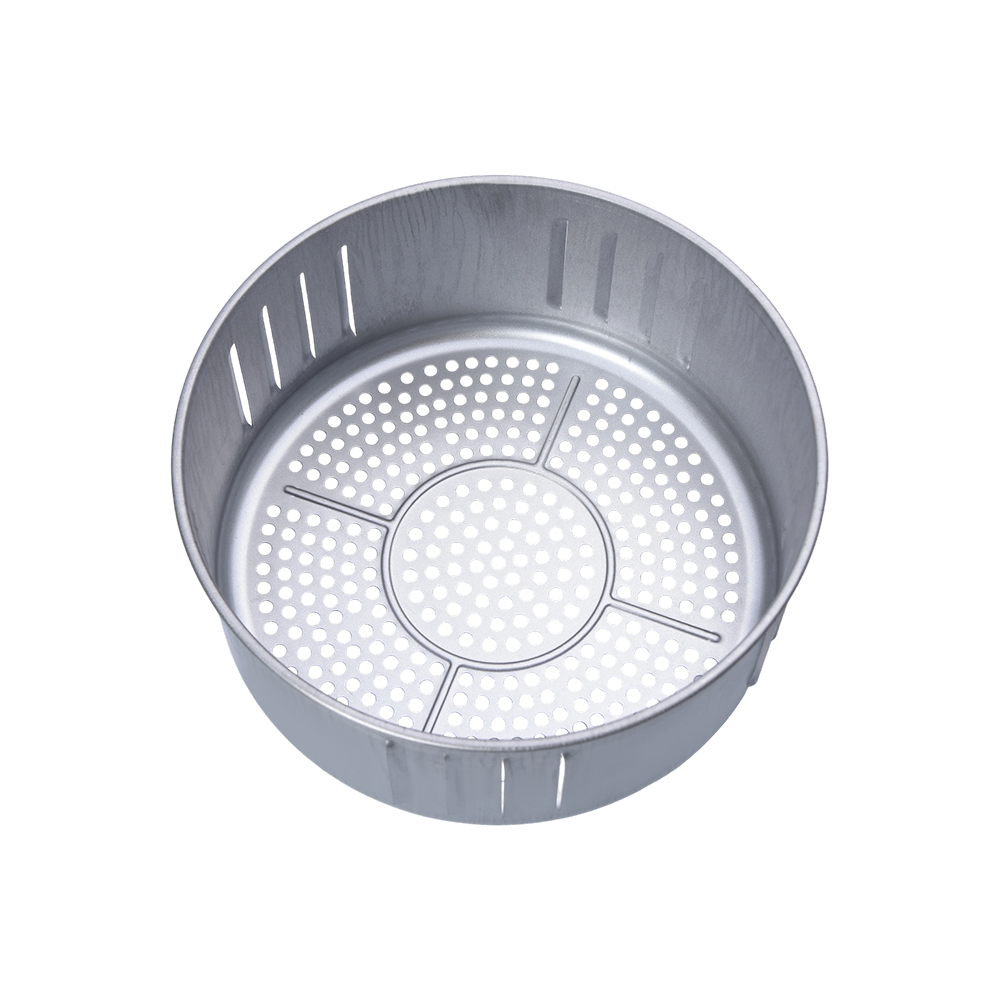
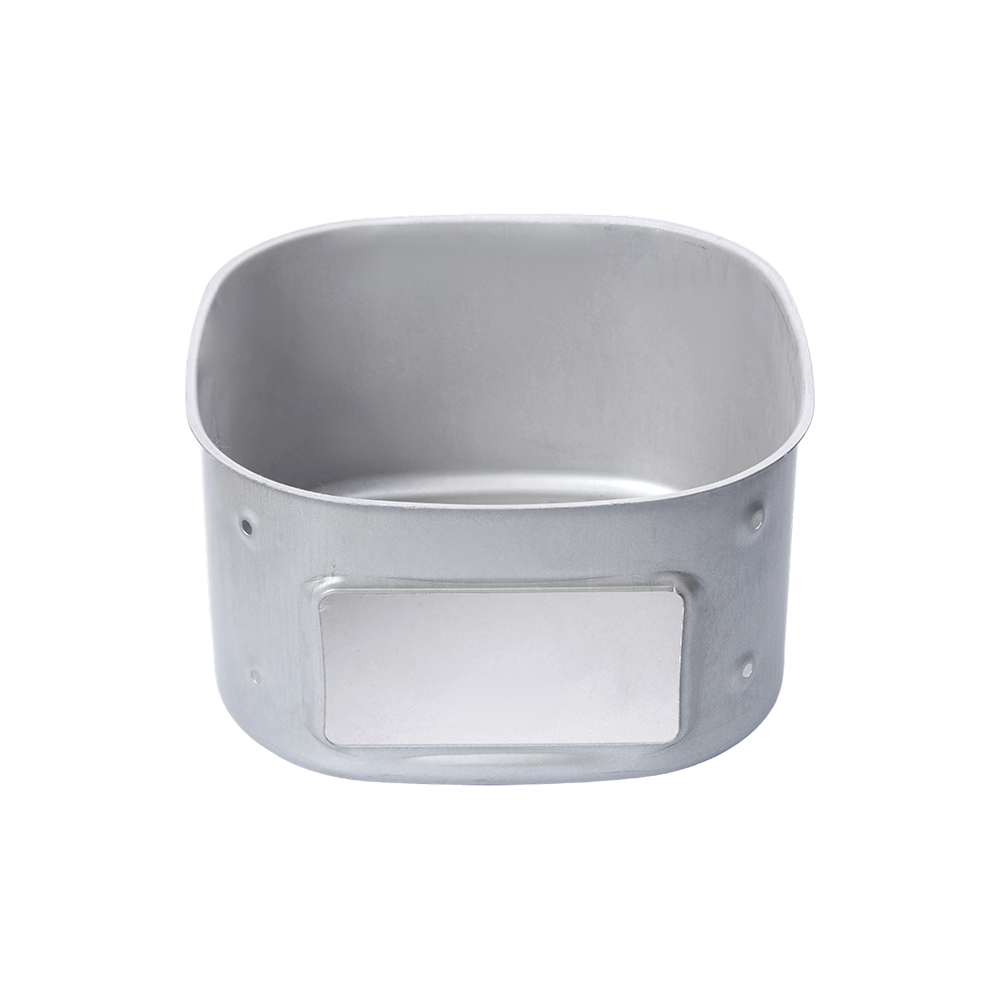
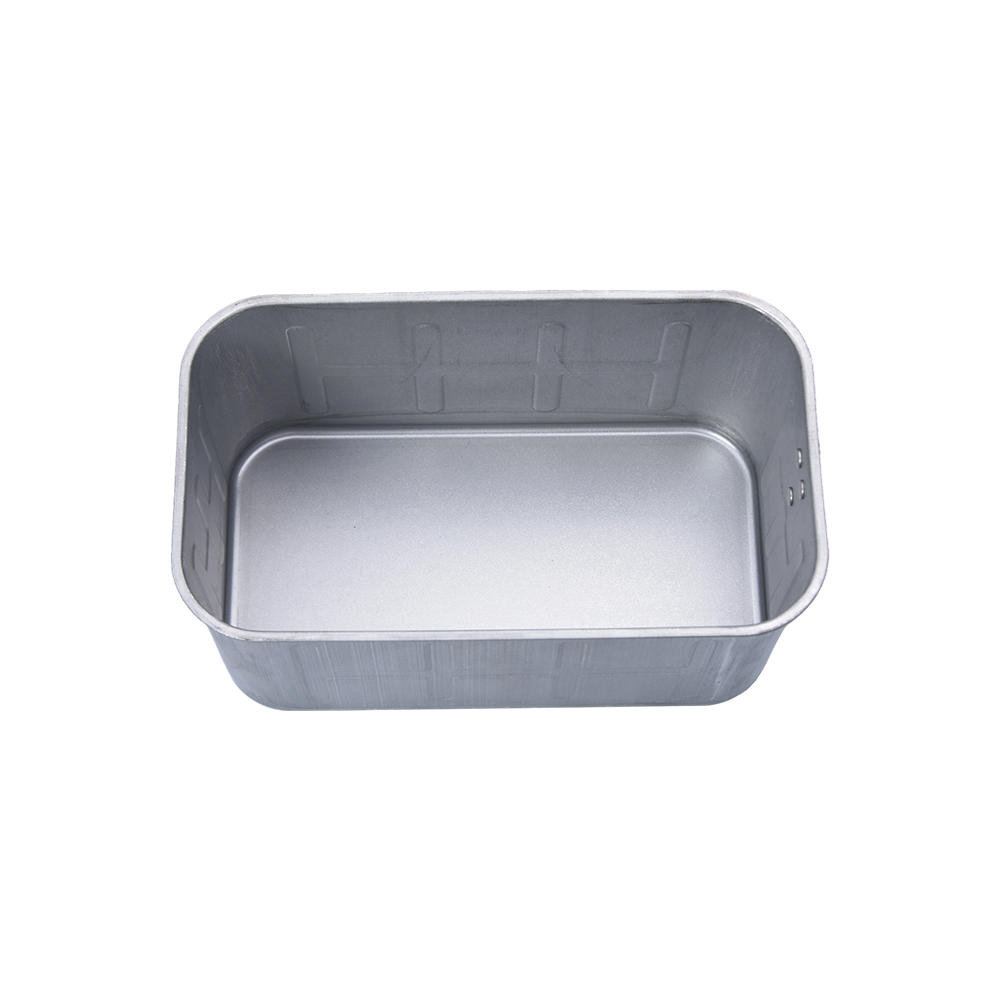
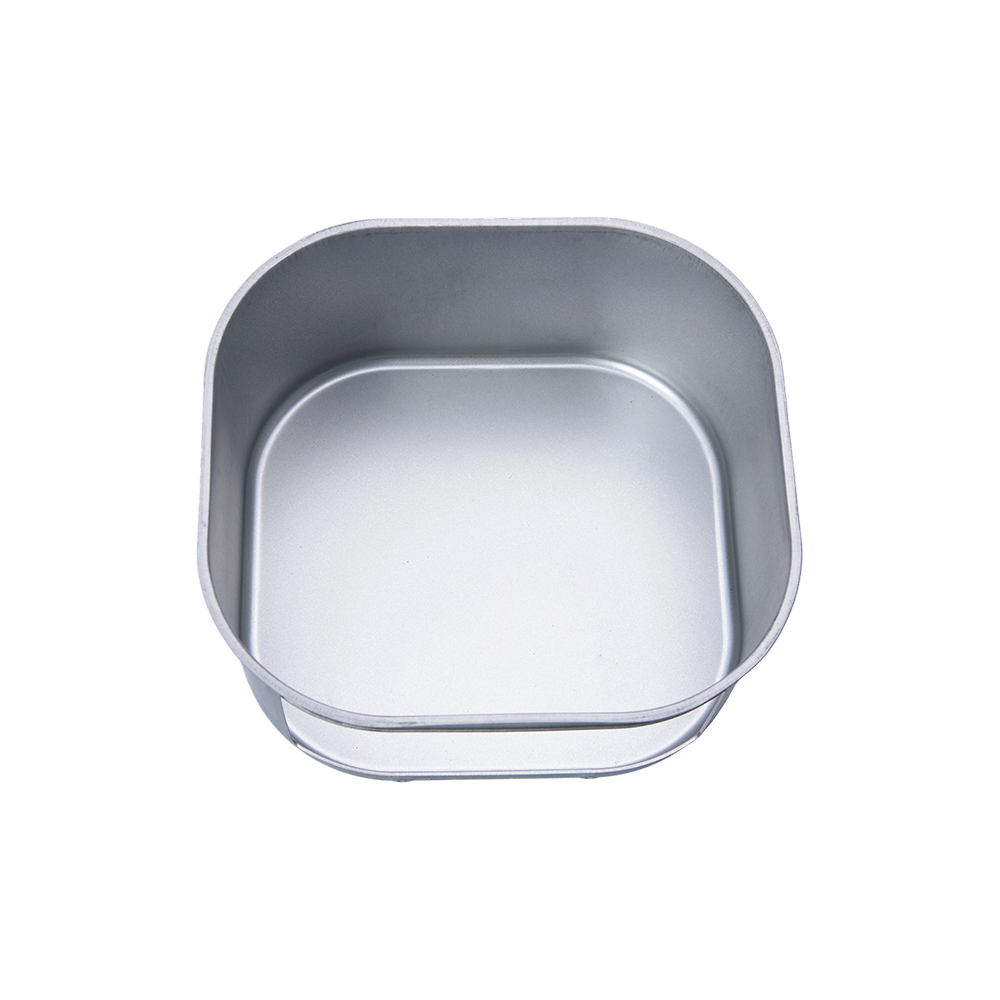
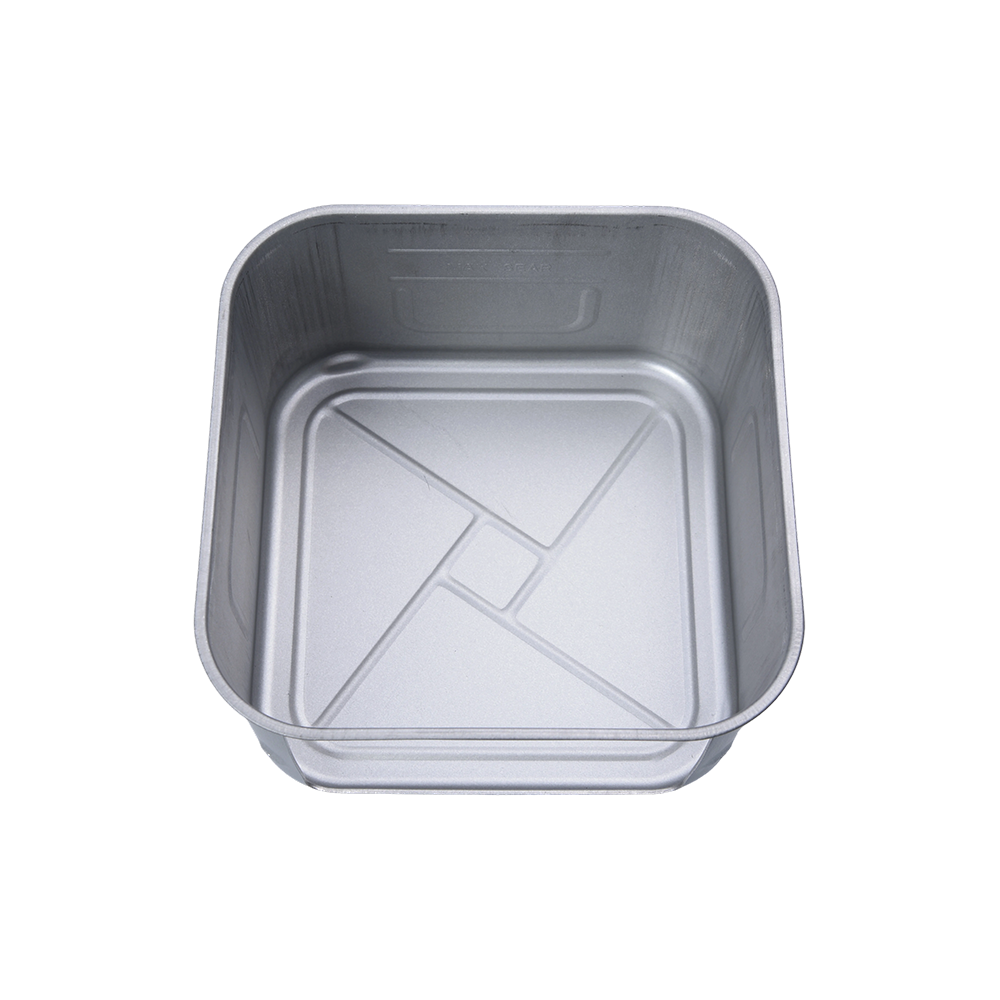
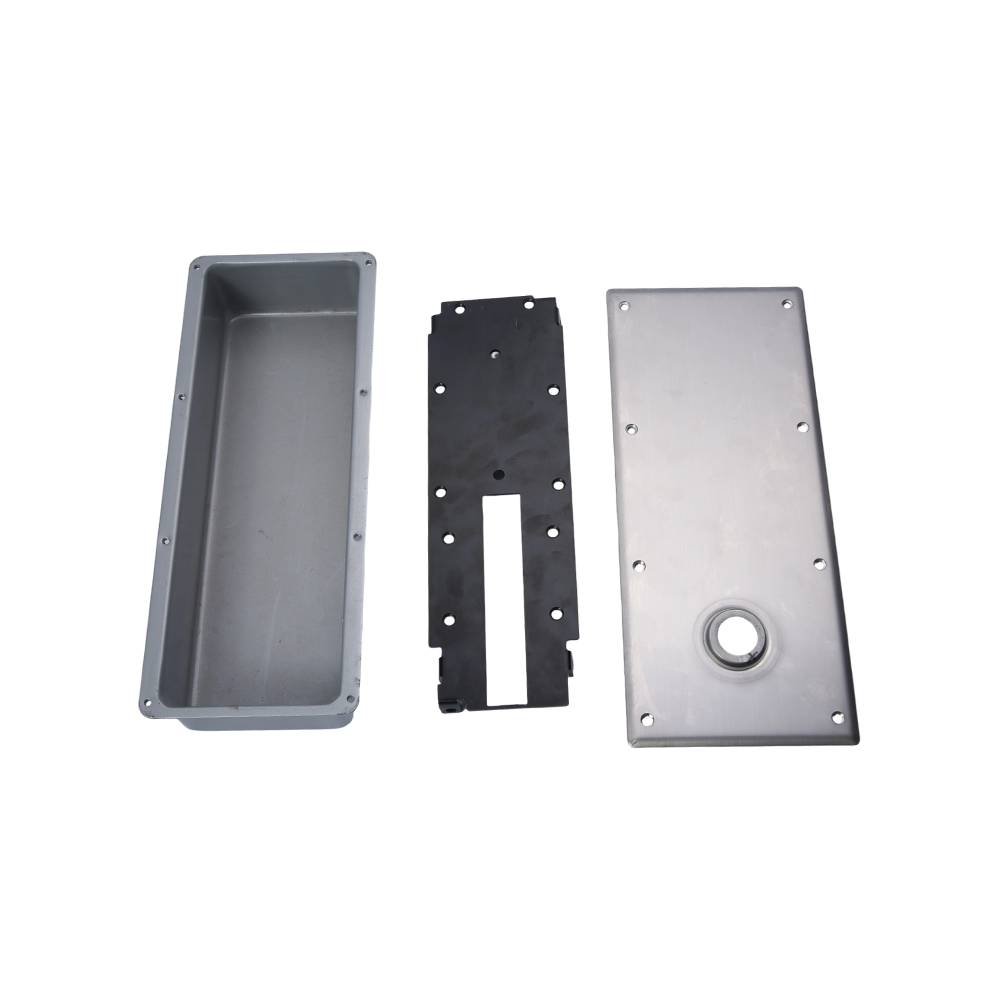
What Is Deep Drawing Process and What Are Deep-Drawn Parts The deep drawing process is a sheet metal forming operation in which a flat meta...
READ MORE

News
Home / Author / Liu Yanan — Product After-Sales Service Specialist / Round Kitchen Container: Durable Deep-Drawn Metal Storage for Modern Kitchens
Round Kitchen Container: Durable Deep-Drawn Metal Storage for Modern Kitchens
2026-10-06
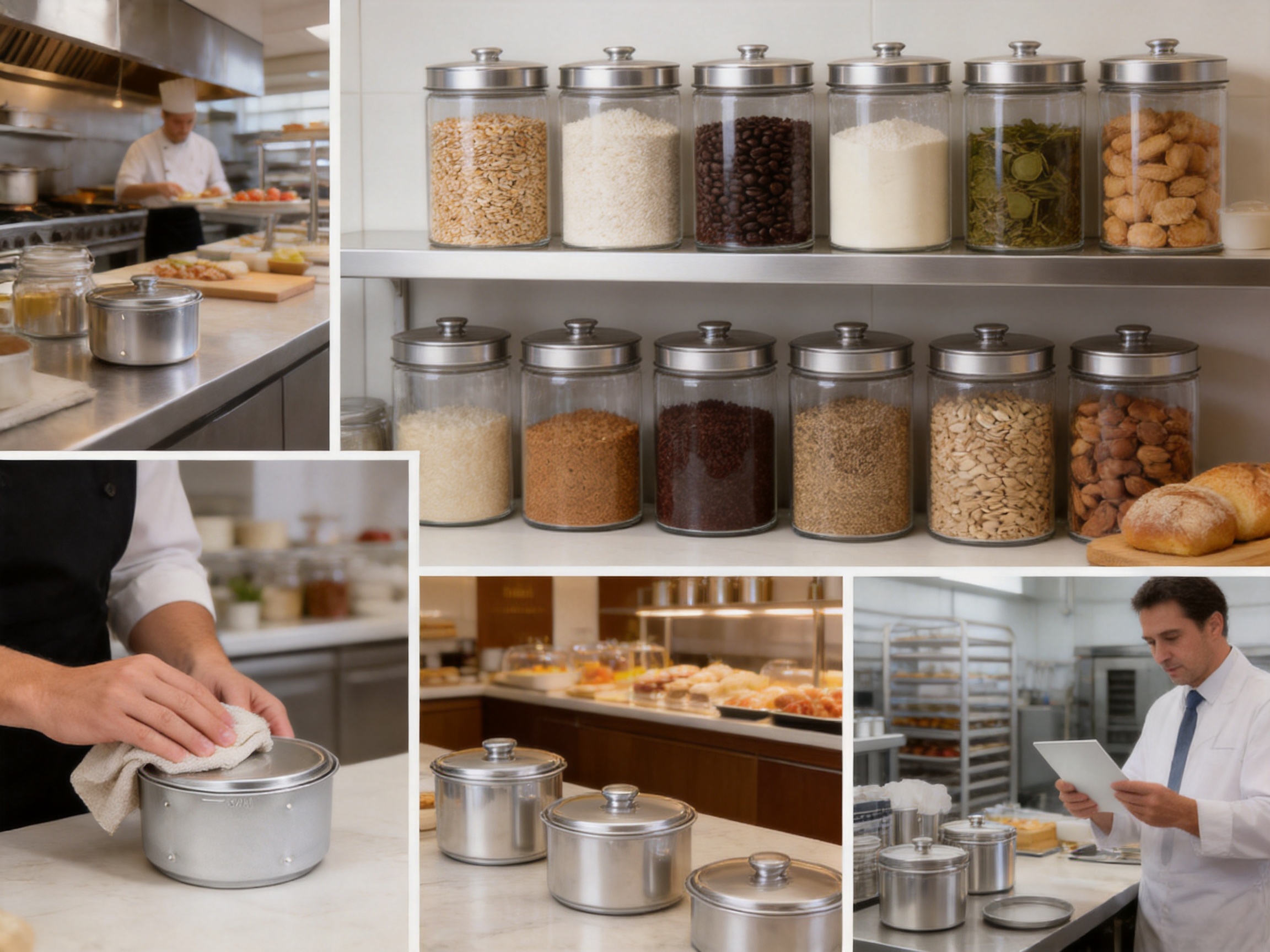
The round kitchen container is a practical storage solution designed for households, catering facilities, food preparation areas, and small appliance applications that require durability, hygiene, and reliable everyday performance. Combining a strong metal body with a secure airtight lid, this container provides a dependable way to store dry goods, spices, grains, leftovers, and many other kitchen essentials. Its smooth polished surface gives it a clean, modern appearance, while its resistance to rust, stains, corrosion, grease, and food residue helps maintain long-term usability.
Unlike lightweight plastic containers that may absorb odors, discolor over time, or become brittle after repeated use, this metal container is engineered for a more demanding service life. Its robust construction supports repeated handling, routine cleaning, and frequent opening and closing. The round shape also provides a balanced combination of strength, capacity, and easy handling, making the product suitable for both domestic and professional environments.
Behind the finished product is a manufacturing process based on precision sheet-metal forming, deep drawing, stamping, trimming, polishing, inspection, and controlled assembly. These processes allow the manufacturer to produce consistent shapes and smooth edges while supporting OEM and ODM requirements. The result is not simply a storage vessel, but a carefully manufactured kitchen accessory that reflects more than two decades of experience in metal forming and related products.
Product Overview
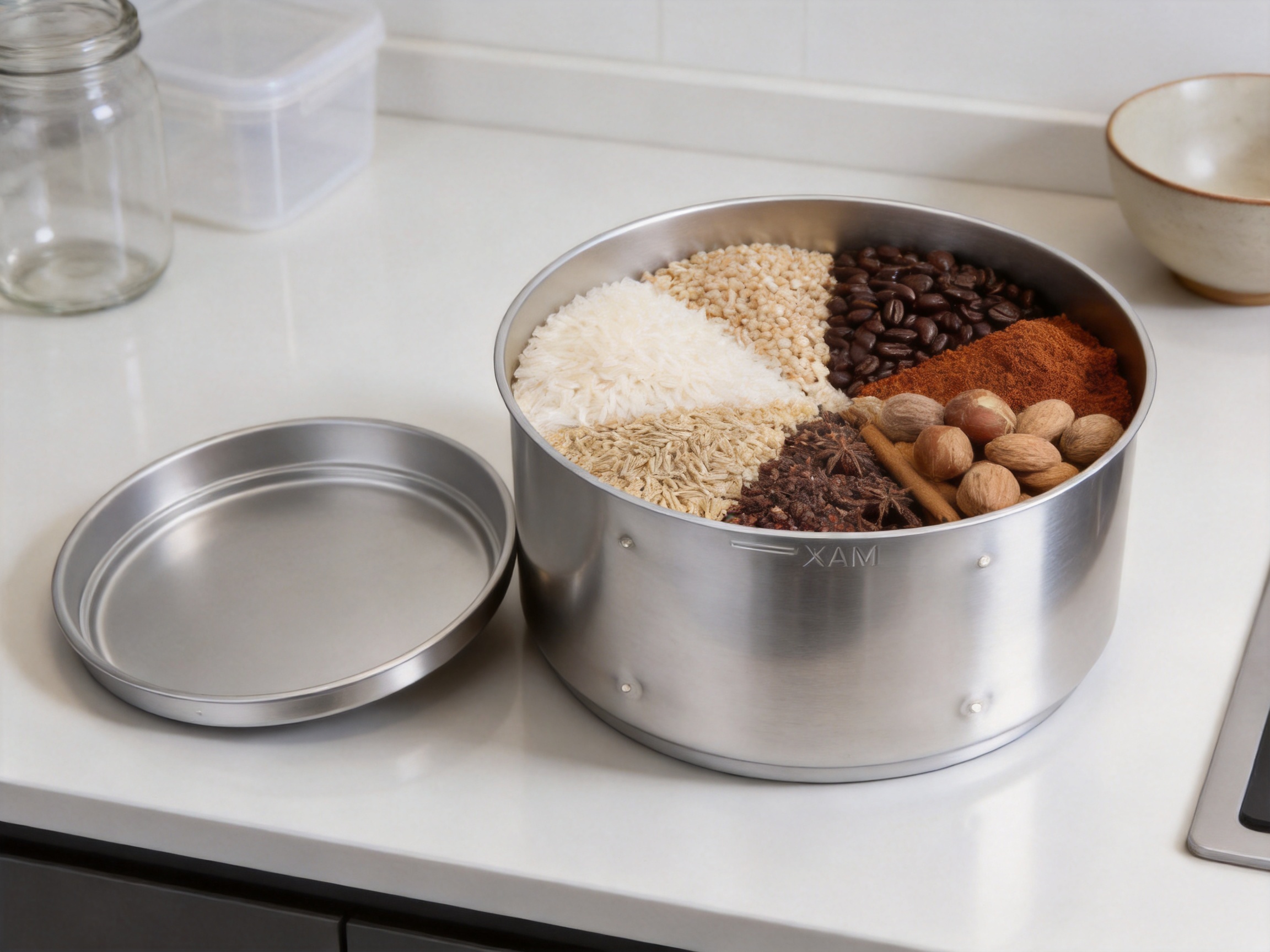
The round kitchen container is made for users who want secure, hygienic, and attractive storage in a compact format. The circular body offers a clean visual profile and avoids sharp corners that can collect residue. Its interior can be wiped or washed efficiently, helping users maintain a neat storage environment. The exterior is also easy to clean, which is important when the container is used around cooking oils, sauces, flour, spices, and other ingredients.
The container is particularly suitable for dry foods and pantry materials. Rice, beans, cereals, sugar, salt, coffee, tea, flour, nuts, spices, and similar products can be stored in an organized manner. It can also hold leftovers when the lid is properly secured. The airtight design helps limit exposure to external air, moisture, dust, and accidental contamination, although users should select the appropriate storage conditions for each type of food.
The product’s principal value comes from the combination of its material properties and its formed structure. A strong metal body offers better resistance to impact and deformation than many thin plastic alternatives. The formed surface is smooth and polished, providing a refined appearance while making it more difficult for grease and food residue to remain attached. The lid creates a protected internal space, helping preserve freshness and reduce the risk of spills during normal handling.
Key Product Advantages
Rust, Stain, and Corrosion Resistance
Kitchen products are exposed to moisture, steam, salt, acids, oils, and frequent cleaning. These conditions can quickly affect inferior materials. The round kitchen container is designed to resist rust, staining, and corrosion, supporting dependable service in a demanding kitchen environment. This feature is especially valuable in regions with high humidity or in professional kitchens where cleaning is performed many times each day.
Corrosion resistance also contributes to product appearance. A container that maintains a clean surface after repeated use is more likely to remain attractive on a countertop, in a pantry, or inside a cabinet. The stable surface helps reduce the appearance of discoloration and makes routine maintenance simpler. For distributors and retailers, this translates into a product with strong practical appeal and a lower likelihood of customer dissatisfaction caused by premature surface deterioration.
Strong and Durable Construction
The container is manufactured from formed sheet material rather than being treated as a disposable storage item. Deep drawing and related stamping techniques shape the metal into a stable round body with consistent walls and a firm base. This construction helps the container withstand ordinary impacts, stacking, transportation, and repeated use.
Durability is important not only for consumers but also for commercial buyers. Restaurants, food processors, hotels, bakeries, and catering businesses need accessories that can tolerate frequent movement and cleaning. A strong container can provide better value over its service life because it does not need to be replaced as often as fragile alternatives. Its solid body also gives users confidence when storing heavier ingredients such as grains, beans, or bulk pantry materials.
Easy Cleaning and Low Maintenance
Food storage products should be easy to clean because accumulated grease, flour, sugar, and food particles can create hygiene concerns. The smooth polished surface of this container helps reduce the places where residue can become trapped. Users can wash or wipe the body efficiently, and the simple round geometry supports convenient access to the interior.
Unlike porous materials, polished metal is less likely to retain odors from strongly flavored foods. This makes the container suitable for a wide range of ingredients. A container used for coffee, spices, or cooked food can be cleaned and prepared for another use without the persistent smell that may occur with some plastic products. Proper cleaning and drying will further support long-term appearance and performance.
Odor-Resistant Storage Environment
Odor absorption is a common concern in kitchen storage. Some materials may retain the smell of garlic, onions, spices, sauces, or other ingredients long after the original contents have been removed. The smooth metal body helps reduce this problem and supports a fresher storage environment.
This advantage is useful in homes where one container may be used for different ingredients over time. It is also valuable in commercial settings, where multiple containers may be stored close together. By helping limit odor retention, the product supports cleaner organization and a more pleasant working environment.
Airtight Lid and Spill Protection
The airtight lid is an essential part of the product design. When properly closed, it helps isolate the contents from external dust and air while reducing the risk of accidental spills. This is especially useful when containers are moved from a pantry to a preparation area or transported within a commercial kitchen.
A secure lid can also improve storage organization. Users can place multiple containers in cabinets or on shelves without worrying as much about open contents, loose packaging, or ingredients being exposed. For leftover food, the lid provides an added layer of protection against contamination and helps preserve the contents during short-term storage.
Modern Appearance and Flexible Placement
The round profile and polished finish create a simple, contemporary look that fits a wide range of kitchen styles. The container can be displayed on open shelving, kept on a countertop, or stored inside a cabinet. Its appearance is functional without looking industrial, which helps it appeal to both household consumers and professional buyers.
The circular shape also offers ergonomic benefits. It is comfortable to hold, easy to rotate while cleaning, and free from sharp external corners. When arranged with other round containers, it can create a coordinated storage system. Its visual simplicity allows it to complement modern, traditional, minimalist, and commercial kitchen environments.
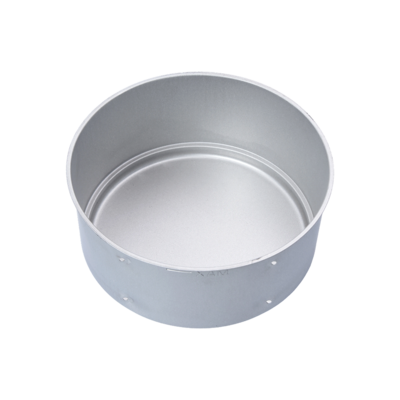
Round kitchen container
Comparison with Common Kitchen Storage Alternatives
Consumers have many choices when selecting food storage products, including plastic containers, glass jars, ceramic vessels, and ordinary thin metal cans. Each material has advantages, but the round kitchen container is designed to balance durability, hygiene, appearance, and handling in a particularly practical way.
| Storage Option | Typical Strength | Common Limitation | Advantages of the Round Metal Container |
|---|---|---|---|
| Thin plastic container | Light weight and low initial cost | May absorb odors, stain, deform, or become brittle | Greater structural durability, improved odor resistance, and a more stable surface |
| Glass container | Good visibility and odor resistance | Heavy and vulnerable to breakage | Strong construction with easier handling and lower breakage risk |
| Ceramic container | Decorative appearance and weight | Can chip or crack and may be difficult to transport | More practical for repeated handling, shipping, and commercial use |
| Ordinary thin metal can | Basic metal protection | May have rough edges, limited finish quality, or weaker sealing | Precision forming, polished surfaces, secure closure, and controlled quality |
| Open bowl or uncovered vessel | Quick access to contents | Exposes contents to air, dust, moisture, and spills | Airtight protection and improved storage hygiene |
The comparison does not mean that every alternative is unsuitable. Instead, it demonstrates the product’s balanced position. Plastic may be convenient for temporary storage, and glass may be preferred when visual inspection is essential. However, users who prioritize long service life, resistance to odor absorption, structural strength, and easy maintenance may find the metal container a more dependable choice.
For buyers responsible for procurement, product reliability can be as important as purchase price. A stronger container that retains its appearance and function over a longer period may deliver better total value. Lower replacement frequency, easier cleaning, fewer damaged units during transport, and broader usage possibilities all contribute to the product’s commercial advantages.
Deep-Drawn Manufacturing and Product Quality
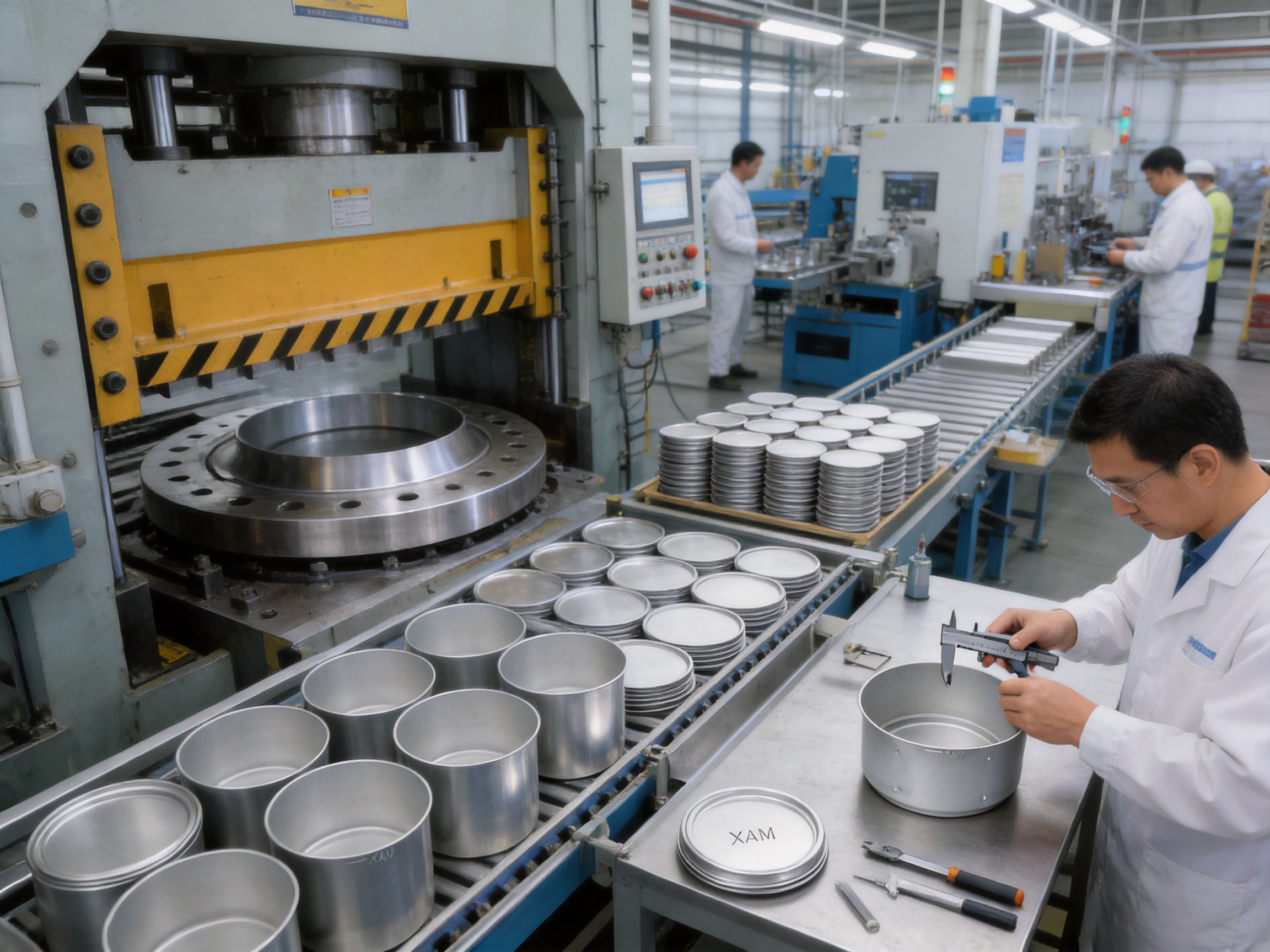
The shape of a round metal container is well suited to deep-drawing technology. In this process, a flat sheet-metal blank is pressed into a die to create a deeper three-dimensional form. The operation can produce a seamless or highly integrated body with a consistent circular profile. Compared with assembling several separate pieces, deep drawing can reduce the number of joints and improve structural continuity.
Deep drawing requires careful control of material behavior, tooling, press force, blank-holder pressure, lubrication, and forming speed. If these factors are not properly balanced, the material may wrinkle, tear, thin unevenly, or develop surface defects. An experienced manufacturer uses suitable process parameters and tooling design to obtain a stable body shape and consistent dimensions.
For a kitchen container, dimensional consistency is especially important around the opening and lid interface. If the rim is not formed accurately, the lid may fit too loosely or too tightly. Controlled drawing, trimming, flanging, and edge finishing help create a reliable closure area. These steps contribute directly to the airtight performance and user experience of the finished product.
Precision Stamping
Stamping technology supports the production of various metal components associated with the container. Press equipment can cut, pierce, form, emboss, bend, or shape sheet material according to a specific tooling design. Precision stamping improves repeatability, which is essential when producing large quantities for distributors, retailers, or OEM customers.
Accurate stamping reduces variation between units. Consistent dimensions help ensure that components assemble correctly and that the final product has a uniform appearance. Stable production also makes it easier to plan packaging, inventory, and quality inspection. For customers ordering customized products, stamping provides a practical way to move from prototypes to efficient mass production.
Trimming and Edge Treatment
After the initial forming operation, excess material may need to be trimmed from the body. Trimming creates a controlled opening and removes irregular edges. Additional edge treatment can improve safety, appearance, and lid compatibility. A carefully finished rim is more comfortable for users and less likely to interfere with cleaning or handling.
Edge quality is an important difference between professionally manufactured products and low-cost items made without adequate process control. Rough, sharp, or uneven edges can damage packaging, create handling risks, and reduce customer confidence. Controlled trimming and finishing help ensure that the container presents a smooth, refined result.
Surface Polishing and Finishing
The polished surface contributes to both aesthetics and function. A smooth finish is easier to wipe, less likely to hold food residue, and more resistant to an untidy appearance caused by small scratches or stains. Surface finishing may include cleaning, polishing, deburring, and other treatments selected according to the required material and product specification.
Finishing operations must be performed consistently. Uneven polishing, visible tool marks, discoloration, or contamination can reduce the perceived quality of the product even when its structure is sound. A controlled finishing process helps maintain a professional appearance across production batches and supports the quality expectations of international customers.
Manufacturing Capabilities
The manufacturer behind this product is a comprehensive metal-processing enterprise with more than 20 years of industry experience. Established in 2000, the company has developed from its earlier identity as an educational-instrument manufacturer into a professional supplier of metal stamping parts and related products. This long history provides practical knowledge in tooling, material forming, production organization, and customer-specific manufacturing.
The company operates a modern factory of approximately 5,000 square meters and employs more than 60 people. Multiple stamping workshops support the production of deep-drawn parts, stamped parts, bending parts, kitchen appliance accessories, automotive stamping parts, and other metal components. This manufacturing base allows the company to manage product development and production with a high degree of coordination.
Its capabilities extend beyond a single product category. The company serves applications involving educational instruments, optical instruments, household electric heaters, small household appliances, automobile parts, hardware products, plastic products, and custom metal components. This diverse experience is valuable because it exposes the production team to different material requirements, tolerance expectations, functional designs, and inspection standards.
OEM and ODM Support
OEM customers may require a product manufactured according to their own drawings, dimensions, branding instructions, packaging specifications, or market requirements. ODM customers may need assistance developing a concept into a manufacturable product. The company supports both approaches, helping customers adapt the round container or related components to their intended application.
Customization may include body diameter, height, capacity, lid configuration, surface treatment, edge design, packaging, and other project details. The feasibility of each modification depends on material selection, tooling requirements, production volume, and performance objectives. Early communication between the customer and engineering team helps identify the most efficient solution before production begins.
Rapid Prototyping and Production Conversion
Product development often begins with a drawing, sample, or basic concept. Rapid prototyping helps verify dimensions, fit, appearance, and handling before a project enters full production. This reduces the risk of investing in large quantities before important design questions have been resolved.
After prototype approval, the manufacturer can convert the validated design into a repeatable production process. This conversion involves tooling preparation, process parameter confirmation, material planning, inspection standards, and production scheduling. Efficient conversion is especially important for customers who must respond quickly to market demand or launch a new product within a limited timeframe.
Integrated Production Management
Managing several operations within one manufacturing organization can improve communication and scheduling. Deep drawing, stamping, bending, trimming, finishing, assembly, and inspection can be coordinated according to the project’s requirements. Integrated management helps reduce unnecessary transfers between unrelated suppliers and provides customers with a clearer point of contact.
For buyers, this may simplify project administration. Instead of separately coordinating body production, formed components, finishing, and final assembly, the customer can work with one experienced manufacturing partner. This approach can also support more consistent quality because the production team has a unified understanding of the product specification.
Quality Control from Material to Finished Product
Quality control begins before forming. Suitable sheet material must be selected according to the required strength, corrosion resistance, surface condition, thickness, and forming behavior. Material consistency affects drawing performance and the appearance of the finished container. Proper incoming inspection helps prevent defects from entering the production process.
During deep drawing and stamping, operators and quality personnel monitor dimensions, shape, surface condition, and signs of tearing or wrinkling. Process checks can identify problems early, reducing waste and preventing a large number of nonconforming units from reaching later operations. The exact inspection plan can be adjusted according to the product design and customer requirements.
After forming, the container body may be checked for roundness, height, wall condition, rim quality, and base stability. The lid and body interface should be evaluated to confirm that the closure functions properly. Surface inspection is also important because scratches, dents, stains, burrs, and polishing inconsistencies can affect both appearance and usability.
Final inspection may include visual checks, dimensional verification, assembly evaluation, closure checks, and packaging review. When required by the project, customers may establish additional inspection criteria or approve reference samples. Clear standards help align the manufacturer and buyer before mass production begins.
Dimensional Consistency
Dimensional consistency ensures that products from different batches remain interchangeable and visually uniform. It is particularly important for lids, stacking systems, retail packaging, and customized kitchen accessories. A container that varies significantly in height or diameter may be difficult to organize or may not fit the customer’s intended package.
Precision tooling, properly maintained stamping equipment, and controlled process parameters all contribute to dimensional stability. Experienced production personnel can identify changes in forming behavior and make appropriate adjustments. This practical knowledge is one of the benefits of working with a manufacturer that has long-term experience in metal forming.
Surface and Appearance Inspection
Consumers often judge kitchen products by their appearance before they use them. A polished, clean, and uniform surface communicates quality and hygiene. Appearance inspection therefore plays a significant role in protecting a customer’s retail image and market reputation.
Inspection personnel look for visible defects such as deep scratches, dents, sharp edges, uneven polishing, discoloration, stains, or contamination. Packaging is also checked to reduce the possibility of damage during storage and transport. These controls help the product arrive in a condition suitable for direct sale or integration into a customer’s product line.
Functional Evaluation
Function is more important than appearance alone. The container must provide a stable body, a usable opening, and a lid that can be fitted and removed in a practical manner. A closure that is too loose may not protect the contents adequately, while one that is too tight may be frustrating for the user.
Functional evaluation can also consider stability on a flat surface, ease of cleaning, resistance to ordinary handling, and compatibility with the intended contents. The specific tests used depend on the design and customer application. A professional quality system connects these checks to the product’s actual use rather than relying only on visual inspection.
Applications in Household and Commercial Environments
Home Kitchens
In a home kitchen, the container can organize pantry supplies and reduce dependence on disposable packaging. Dry goods can be transferred from bags into a consistent storage system, helping users keep shelves cleaner and contents easier to manage. The polished appearance also makes the product suitable for open display.
The container can store frequently used ingredients such as rice, flour, sugar, coffee, tea, cereals, nuts, beans, and spices. It may also be used for biscuits, snacks, or leftovers when the contents and storage conditions are appropriate. The secure lid helps protect food during routine household use and reduces the chance of spills when containers are moved.
Restaurants and Catering Operations
Professional kitchens require storage products that can withstand repeated handling. Containers may be moved between preparation areas, dry stores, service counters, and cleaning stations. A strong metal body and easy-clean surface are useful in these conditions.
Restaurants and catering businesses may use the container for portioned ingredients, garnish materials, dry seasonings, and prepared foods. Consistent container dimensions can also contribute to better shelf organization. The product’s corrosion and stain resistance support its use in environments where exposure to moisture and food residue is common.
Hotels, Bakeries, and Food Preparation Facilities
Hotels and bakeries often need orderly ingredient storage and equipment that presents a professional appearance. The round kitchen container can support the storage of baking ingredients, toppings, dry mixes, tea supplies, and small food-service items. Its smooth body is practical for cleaning, while its polished appearance can complement visible preparation areas.
In food preparation facilities, storage products must be selected according to internal hygiene procedures and applicable regulations. The container can serve as part of a broader storage system when its material, cleaning method, and intended use are approved by the facility’s management.
Retail and Promotional Product Programs
Retailers may offer the container as a standalone kitchen accessory or as part of a coordinated home-storage collection. Its broad use range makes it suitable for different customer groups, from apartment residents to professional cooks. Custom packaging and product specifications can help distributors position it for specific markets.
The product can also be incorporated into promotional programs, appliance accessory sets, hospitality packages, or kitchen organization collections. OEM and ODM support allows buyers to develop a version aligned with their own product strategy, provided that the design and packaging requirements are confirmed in advance.
Design Considerations for Custom Projects
Customers considering a customized round kitchen container should define the intended capacity, external dimensions, material requirements, surface finish, lid design, and packaging method. The manufacturer can then evaluate the forming process and recommend appropriate tooling and production arrangements.
Capacity is influenced by diameter, height, wall thickness, and the usable space below the lid. A taller body may offer efficient storage but could be less convenient for short shelves. A wider body may improve access to contents but require more countertop space. Selecting the right proportion helps ensure that the product matches its target market.
The lid design should be considered together with the container opening. The closure must be convenient for the intended user while providing an appropriate level of protection. If the product will be used for dry foods, frequent access may be a priority. If it will be used for leftovers or transport, secure closure and spill resistance may receive greater emphasis.
Surface finish affects both appearance and maintenance. A highly polished finish may be selected for a premium visual effect, while another finish may be chosen to reduce visible fingerprints or support a particular brand style. The selected treatment should be compatible with the material and expected cleaning conditions.
Packaging is another important factor. Individual protection may be required to prevent scratches during transport, while bulk packaging may be preferred for warehouse efficiency. Export customers should communicate carton dimensions, labeling, palletization, and destination requirements early in the project.
Why Manufacturing Experience Matters
A kitchen container may appear simple, but consistent production requires expertise in material behavior, tooling, forming, finishing, and inspection. Small variations in the drawing process can affect the body’s roundness, wall condition, rim shape, and lid fit. A manufacturer with extensive experience can anticipate these issues and develop suitable process controls.
More than two decades of industrial experience provide a foundation for understanding both standard and custom requirements. The company’s background in optical instruments, educational equipment, household appliances, automotive parts, and hardware products indicates experience with products that require different combinations of precision, durability, and surface quality.
This cross-industry knowledge can benefit kitchen accessory projects. Lessons learned from automotive stamping may support dimensional control and tooling discipline. Experience with optical or educational instruments may contribute to attention to detail and appearance. Household appliance projects can provide useful understanding of consumer product expectations and assembly requirements.
The company’s production scale, with multiple stamping workshops and a workforce of more than 60 employees, supports organized manufacturing while maintaining the flexibility needed for customized orders. A 5,000-square-meter facility provides room for production equipment, tooling, material handling, inspection, and finished-goods management.
Business Value for International Buyers
International buyers need more than a technically acceptable product. They also need stable communication, predictable delivery, clear specifications, and responsive after-sales support. A manufacturing partner that offers manufacturing, processing, wholesale, retail, import, and export services can help simplify cooperation across different project stages.
OEM and ODM flexibility allows buyers to choose the most suitable level of involvement. Some customers may already have complete engineering drawings and need production capacity. Others may need assistance refining a design. The ability to support both situations makes the supplier suitable for distributors, product developers, appliance companies, kitchenware brands, and industrial procurement teams.
Stable delivery depends on more than production capacity. It also requires material planning, tooling readiness, process scheduling, inspection organization, and packaging coordination. An experienced factory can identify these factors early and create a more reliable production plan. This is particularly important when customers are preparing seasonal sales, promotional campaigns, or scheduled product launches.
After-sales service is equally important. If a buyer identifies a specification issue, packaging concern, or future customization need, the manufacturer should be able to review the situation and communicate practical solutions. Long-term cooperation is strengthened when both parties treat quality, delivery, and technical communication as continuing responsibilities rather than one-time transactions.
Practical Use and Care Recommendations
To maintain the appearance and performance of the container, users should clean it according to the material and finish requirements supplied with the product. Mild cleaning agents and soft cloths are generally appropriate for polished surfaces, while abrasive tools may create visible marks. The container should be dried after washing, particularly when it will be used to store dry goods.
Users should avoid storing contents that are incompatible with the container’s material or finish. Extremely hot products, highly acidic foods, or aggressive chemicals should only be placed inside when the product specification confirms suitability. Proper use helps preserve the surface and supports the intended service life.
The lid should be aligned before closing, and users should avoid forcing it if the contents are overfilled. Leaving adequate space below the lid allows the closure to function correctly and reduces the possibility of spills. When transporting the container, keeping it upright can provide additional protection for liquid or semi-liquid contents.
For commercial use, facilities should establish cleaning and inspection procedures consistent with their internal hygiene policies. Containers should be checked periodically for dents, damage, closure problems, or surface changes. Regular maintenance helps identify issues before they affect storage performance.
Product Selection Checklist
Before ordering, buyers should confirm the intended application. A container designed for dry pantry goods may have different requirements from one intended for leftovers, catering transport, or integration with a small household appliance. Defining the use case helps determine the appropriate body dimensions, lid structure, finish, and inspection criteria.
Buyers should also confirm the required order quantity and production schedule. Tooling investment, prototype development, material procurement, and packaging design may influence the overall timeline. Early technical communication makes it easier to identify the most efficient route from concept to finished goods.
It is useful to review samples before approving mass production. Samples allow buyers to evaluate the actual surface, shape, closure, capacity, handling, and packaging. Any changes should be documented clearly so that the approved sample becomes a reliable reference for production and inspection.
For export orders, buyers should provide destination-market requirements, labeling information, carton specifications, and any applicable documentation expectations. Clear information reduces avoidable delays and supports a smoother shipping process.
Q&A: Round Kitchen Container
What can be stored in the round kitchen container?
The container is suitable for many dry goods, including grains, rice, beans, flour, sugar, coffee, tea, cereals, nuts, and spices. It can also be used for snacks or leftovers when the food type, temperature, and storage conditions are appropriate.
Does the container help prevent odor absorption?
Yes. Its smooth metal body is designed to resist odor absorption better than many porous or lower-quality plastic alternatives. Proper cleaning and drying will further reduce the possibility of lingering smells.
Is the container easy to clean?
Yes. The polished surface and rounded body make it convenient to wipe or wash. The absence of complicated corners helps reduce areas where grease and food residue can accumulate.
What is the benefit of the airtight lid?
The airtight lid helps protect the contents from external air, dust, moisture, and accidental contamination. It also reduces the risk of spills when the container is moved. The exact level of sealing should be confirmed according to the final product configuration.
Why is deep drawing suitable for this product?
Deep drawing efficiently forms a flat metal sheet into a stable round body. It supports repeatable dimensions, a clean profile, and strong structural continuity. The process is especially suitable for cylindrical or rounded containers that require consistent shape and reliable wall formation.
Can the container be customized?
OEM and ODM support allows customers to discuss customized dimensions, capacity, lid arrangements, surface finish, packaging, and other specifications. Feasibility depends on the requested design, materials, tooling, production volume, and performance requirements.
What industries can benefit from this product?
Household kitchenware, food service, catering, hotels, bakeries, small appliance programs, retail storage collections, and promotional product lines can all benefit from the container. It may also be adapted for other applications that require a durable round metal enclosure.
How does the product compare with glass containers?
Glass offers visibility and good odor resistance, but it is heavier and can break if dropped. The round metal container provides a strong, easier-to-handle alternative for users who prioritize durability and reduced breakage risk.
How does the product compare with plastic containers?
Plastic is often lightweight, but some plastic containers can absorb odors, stain, deform, or become brittle. The metal container offers a more durable body, a polished surface, and improved resistance to odor retention and ordinary wear.
What quality checks are important for this product?
Important checks include material condition, body dimensions, roundness, wall appearance, rim quality, edge smoothness, surface finish, lid fit, closure performance, stability, and packaging protection. The final inspection plan can be adjusted according to customer requirements.
Can the manufacturer support prototype development?
Yes. The company supports rapid prototyping and production conversion. Customers can use prototype evaluation to verify design details before proceeding to larger production quantities.
What information should a buyer provide when requesting a quotation?
A buyer should provide drawings or samples when available, desired dimensions, capacity, material expectations, surface finish, lid requirements, estimated quantity, packaging details, destination market, and target delivery schedule. The more complete the information, the more accurately the manufacturer can assess the project.
Conclusion
The round kitchen container is a durable and versatile storage accessory that combines a strong deep-drawn metal body, a smooth polished surface, and an airtight lid. Its resistance to rust, stains, corrosion, grease, food residue, and odor absorption gives it meaningful advantages over many ordinary storage alternatives. The round form is easy to handle and clean, while the secure closure helps protect contents from contamination and spills.
Its value is supported by a manufacturing system built around precision sheet-metal stamping, deep drawing, trimming, bending, polishing, assembly, inspection, and controlled production management. More than 20 years of industry experience, a modern 5,000-square-meter factory, multiple stamping workshops, and a team of more than 60 employees provide the foundation for consistent manufacturing and customized development.
For households, the product offers clean and organized storage. For restaurants, hotels, bakeries, caterers, distributors, and kitchenware brands, it offers a durable product platform that can be adapted to different market requirements. OEM and ODM support, rapid prototyping, efficient production conversion, quality control, stable delivery, and after-sales service make it suitable for long-term business cooperation.
As consumers and professional users place greater importance on hygiene, durability, appearance, and sustainable product value, a reusable metal storage container provides a practical response. It is a reliable kitchen accessory today and a flexible foundation for future customized storage solutions.
References
1. General principles of deep drawing and sheet-metal forming, including tooling design, material flow, blank holding, and dimensional control.
2. Standard manufacturing practices for precision stamping, trimming, bending, deburring, polishing, and formed-metal inspection.
3. General food-storage hygiene principles concerning cleanable surfaces, secure closures, contamination prevention, and proper handling.
4. Product information and manufacturing capabilities supplied for the round kitchen container and related metal-processing services.
5. Industrial quality-control practices for incoming material inspection, in-process monitoring, final inspection, packaging protection, and customer approval samples.
Product: Round kitchen container
Previous Post
Precision Stamped Parts with a Polka Dot Pattern Base: Design, Performance, and Manufacturing Excellence
Next Post
Square-Shaped Precision-Machined Stamped Parts for High-Accuracy Industrial Applications
News
-
-
When you need a metal component whose depth clearly exceeds its width, such as a one-piece battery enclosure, an air-fryer inner container,...
READ MORE -
A flat mounting plate with three punched holes and a rectangular container with a fitted lid can come off presses in the same workshop, yet...
READ MORE -
If you have ever asked yourself, “How do I find a reputable metal fabricator?” you are not alone. As a manufacturer with more than 20 years...
READ MORE
Get Fresh Updates Via Email
We promise we will never disclose your email address, and you can opt out at any time.
-
Quick Links
Home About Us Products Service News Contact Us -
Product list
Deep-drawn parts Stamped parts Bending parts Kitchen appliance accessories Automotive stamping parts -
About Us
Factory Honour FAQ -
News
Company News Industry News -
Contact Us
Address: South side of Shunke Road, Yangming Science and Technology Industrial Park, Yuyao City, Zhejiang Province, China Tel: +86-13905842349/+86-13738485724 Email: hongli@hl-stamping.com
Copyright © Yuyao Hongli Optoelectronics Co., Ltd. All Rights Reserved.
Custom Precision-Sheet/Sheet Metal Stamping Manufacturers
