


 English
 русский
 Español
 عربى


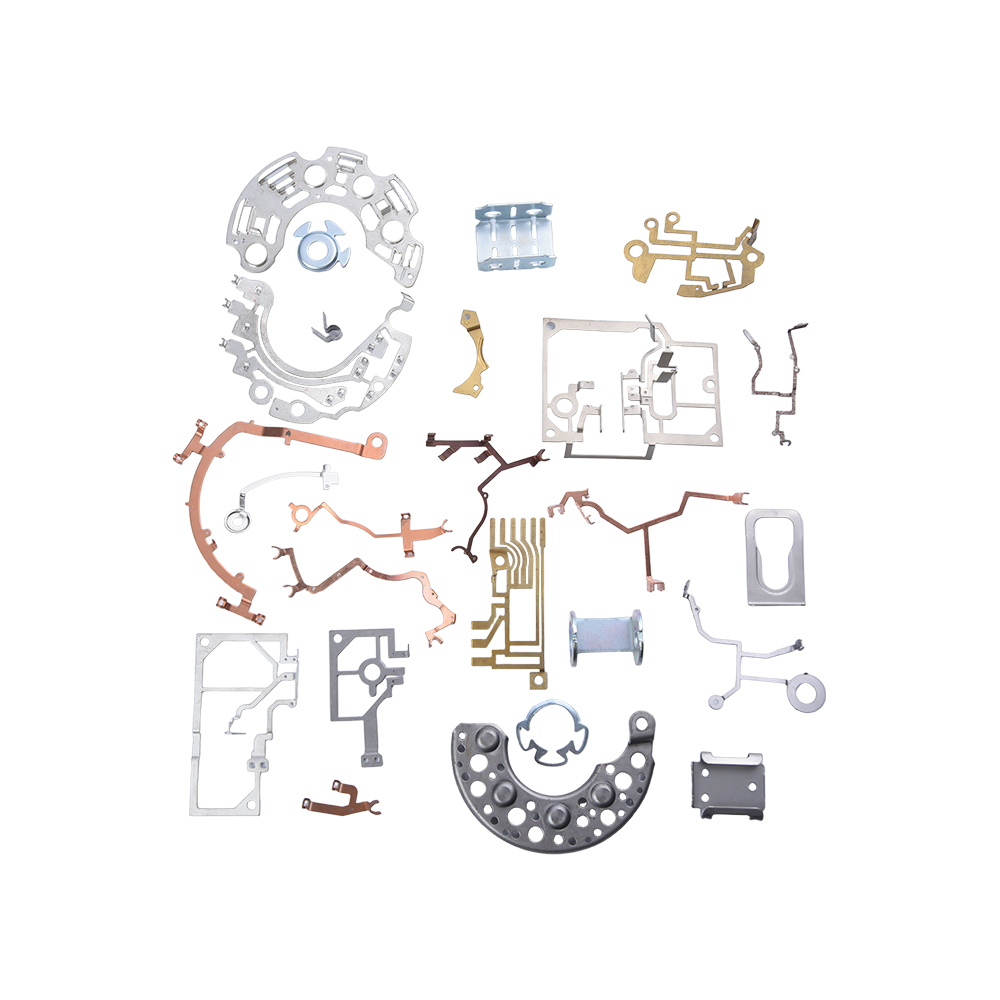
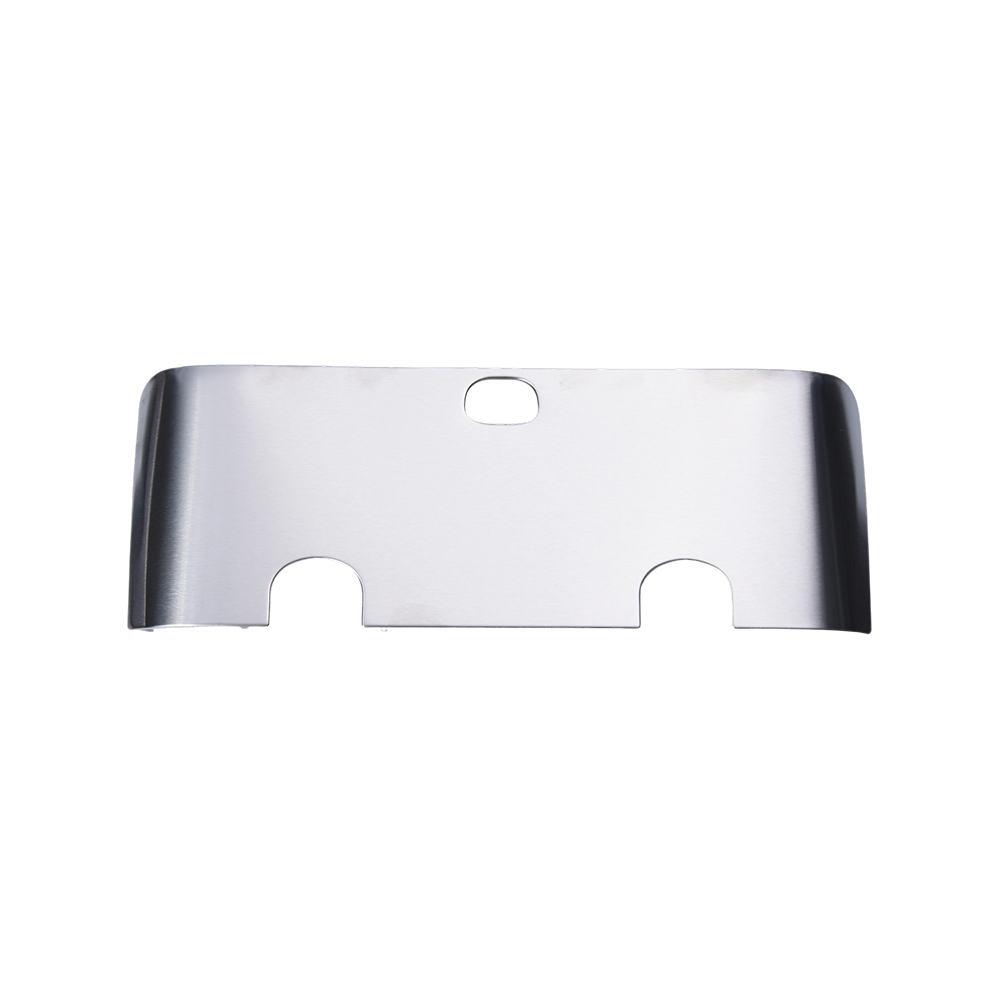
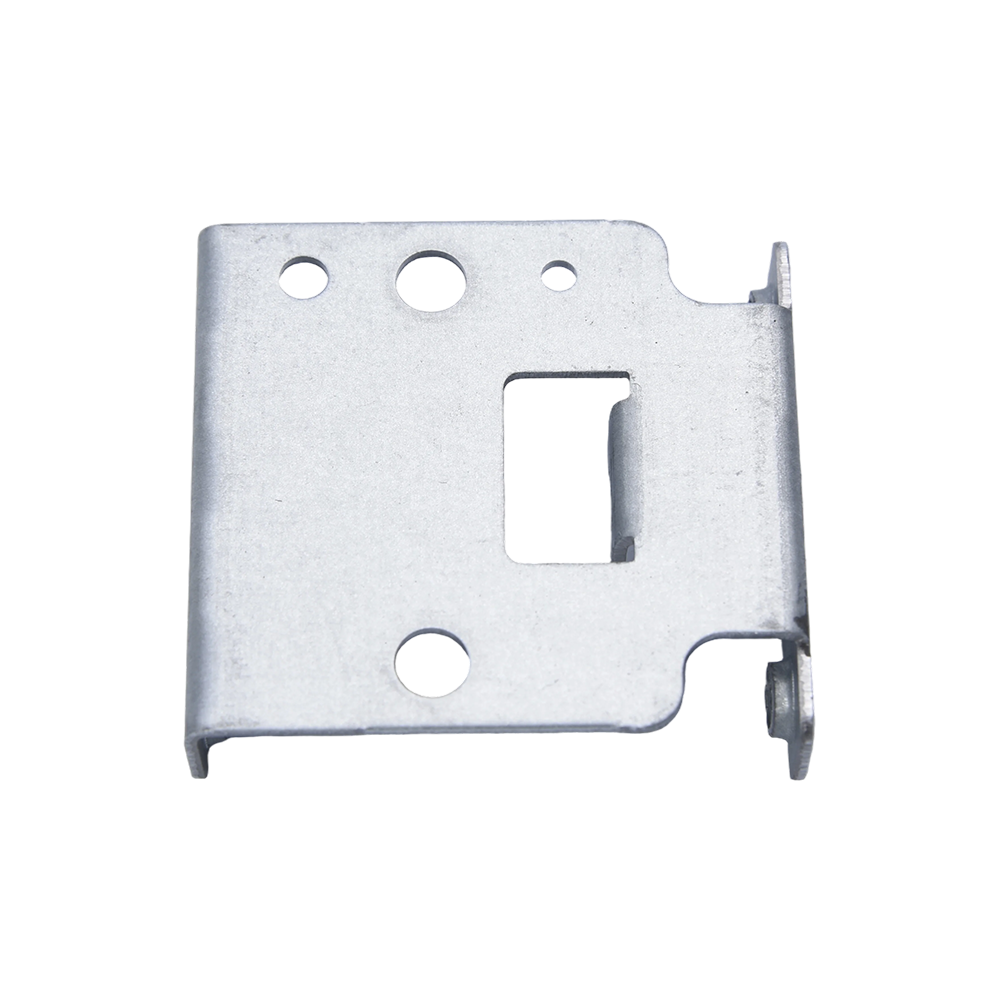
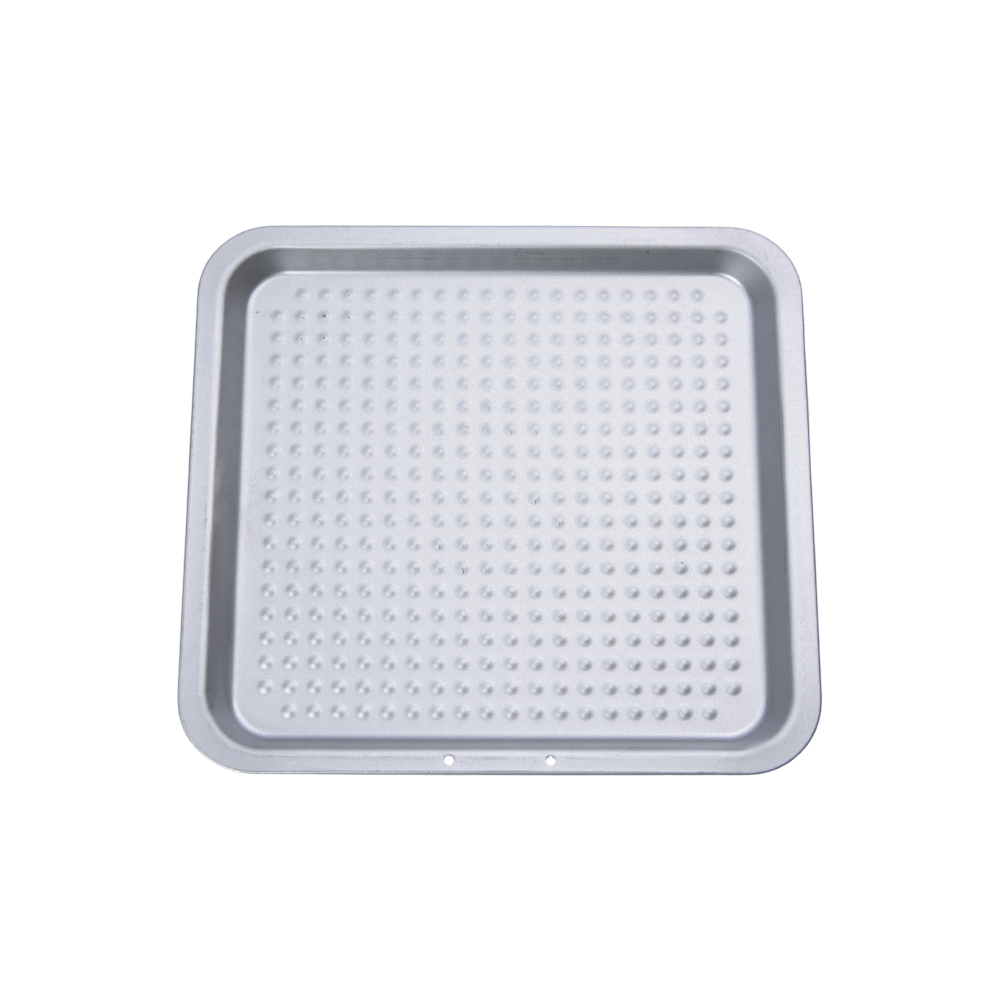
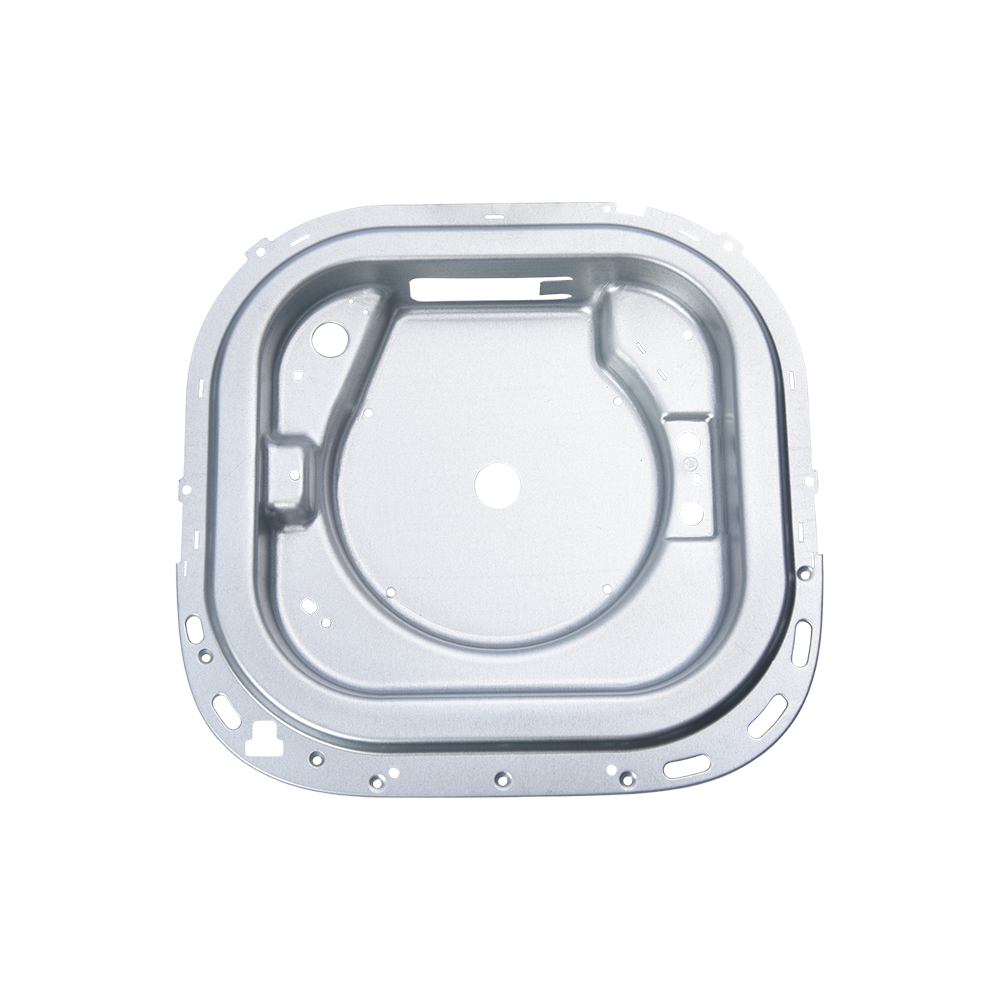
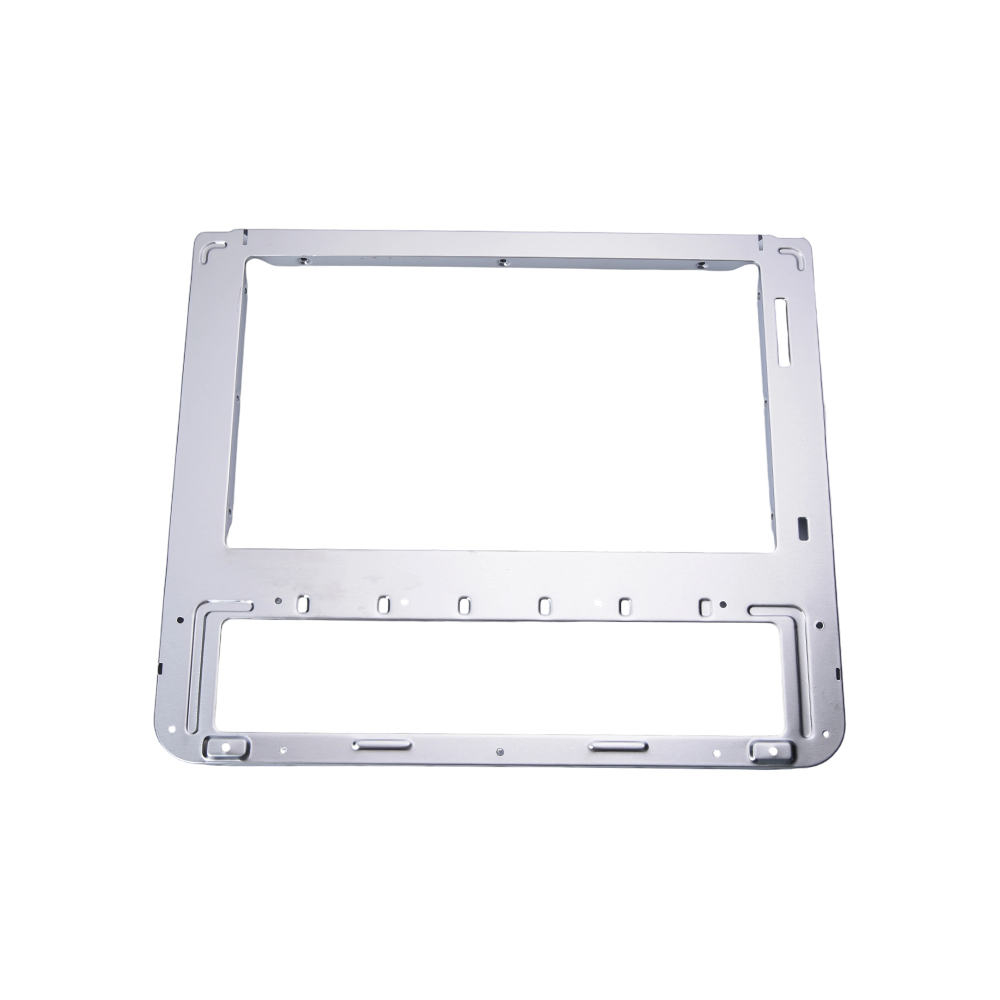
What Are Stamped Parts? Stamped parts are metal components produced by pressing flat sheet metal between a die and a punch to cut, bend, or...
READ MORE

News
Home / Author / Liu Yanan — Product After-Sales Service Specialist / Square-Shaped Precision-Machined Stamped Parts for High-Accuracy Industrial Applications
Square-Shaped Precision-Machined Stamped Parts for High-Accuracy Industrial Applications
2026-10-04
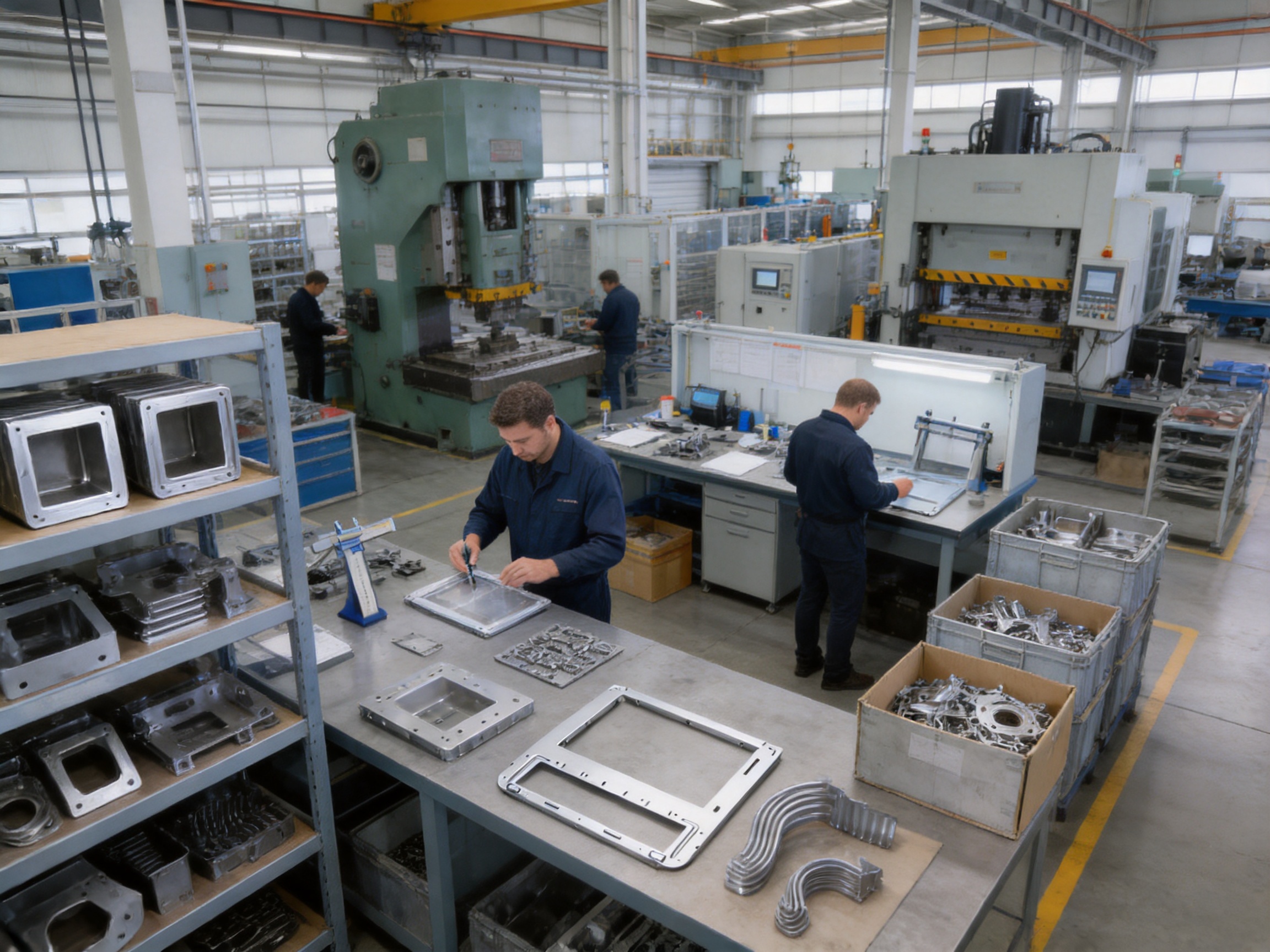
Square-shaped precision-machined stamped parts are engineered metal components developed for applications where dimensional accuracy, structural strength, repeatability, and dependable surface quality are essential. Combining advanced stamping with precision machining, these parts provide a practical solution for manufacturers that need complex geometries, stable tolerances, and consistent production performance in a compact form.
Unlike basic stamped components that may require extensive secondary processing, square-shaped precision-machined stamped parts are designed to integrate forming and machining operations into an efficient manufacturing process. This combination makes it possible to produce multifunctional components with accurately defined edges, openings, mounting points, bends, and finished surfaces. The result is a component that can support demanding assembly requirements in electrical housings, automotive systems, mechanical equipment, household appliances, optical instruments, and other industrial products.
Yuyao Hongli Optoelectronics Co., Ltd. manufactures customized stamped and machined metal parts for customers requiring reliable production, flexible specifications, and stable delivery. With more than 20 years of industry experience, a modern 5,000-square-meter factory, multiple stamping workshops, and a production team of more than 60 employees, the company offers an integrated manufacturing resource for precision sheet metal stamping, deep-drawn metal parts, bending parts, kitchen appliance accessories, and automotive stamping parts.
Understanding Square-Shaped Precision-Machined Stamped Parts
A square-shaped precision-machined stamped part is a metal component formed primarily through stamping and supported by precision machining operations. Its square or rectangular profile may be flat, formed, bent, drawn, recessed, or combined with additional features according to the final application. The component can include holes, slots, steps, channels, flanges, mounting areas, or other functional details.
Stamping uses dies and controlled forming equipment to transform sheet metal into a defined shape. Depending on the design, the manufacturing sequence may include blanking, punching, bending, forming, drawing, piercing, trimming, and other operations. Precision machining can then be used to refine critical dimensions, improve edge accuracy, create accurately positioned holes, or achieve a specified surface condition.
This production approach is especially valuable when a part must fit accurately with other components. Electrical housings, automotive brackets, mechanical covers, support plates, sensor components, and appliance structures often depend on correct alignment. Even a small dimensional variation can affect assembly speed, fastening quality, sealing performance, electrical isolation, or the durability of the finished product.
Square-shaped parts are also useful because their geometry often provides efficient use of space. Compared with irregular shapes, square and rectangular components can be arranged easily inside housings, cabinets, appliances, and equipment frames. Straight edges and defined corners simplify positioning, attachment, and integration with neighboring parts. When produced through a controlled stamping and machining process, these structural benefits can be combined with a professional appearance and reliable repeatability.
Why Precision Matters in Stamped Components
Precision is more than a cosmetic quality. It affects the way a component functions throughout its service life. A stamped part with accurately controlled dimensions can support consistent assembly, minimize adjustment work, and reduce the risk of interference between moving or connected components.
Dimensional accuracy is particularly important for parts used in electrical housings. A housing or internal support must accommodate circuit boards, terminals, fasteners, insulation materials, or other internal components. Correct hole positions and stable external dimensions allow the final product to be assembled with fewer corrections. Accurate edges and formed sections can also help maintain the intended positioning of covers and protective structures.
In automotive applications, stamped parts may be exposed to vibration, repeated loading, temperature changes, and demanding assembly conditions. A precision-machined component can help maintain alignment and support the reliable connection of related parts. The ability to customize thickness, geometry, and surface finish allows the component to be adapted to its specific operating environment.
Mechanical equipment also benefits from precision. Brackets, covers, guides, mounting plates, and structural supports must often connect with shafts, frames, fasteners, or other metal components. A combination of stamping and machining makes it possible to balance efficient high-volume forming with close control of critical areas.
For manufacturers, consistency is as important as the accuracy of one individual part. A component that meets the drawing requirements once but varies considerably between batches creates unnecessary assembly problems. Stable processes help ensure that parts produced at different times maintain comparable dimensions and appearance.
Advantages of Combining Stamping and Precision Machining
Efficient production of complex shapes
Stamping is highly effective for producing repeated metal shapes with consistent profiles. It can form the basic square structure, create bends, produce openings, and develop functional flanges in an efficient sequence. Precision machining can then be applied to areas where stamping alone may not provide the required level of detail or dimensional control.
This combination allows manufacturers to produce parts that would be more difficult or less economical to make through machining alone. Removing an entire component from a solid block can create unnecessary material waste and longer production times. Stamping begins with sheet material and forms it efficiently, while machining is concentrated on the features that genuinely require additional refinement.
Improved dimensional control
Critical areas such as mounting holes, alignment surfaces, edge profiles, and functional openings can be refined through machining. This supports closer control of the features that determine how the finished part connects with other components.
The result is a practical balance between production efficiency and precision. The stamped structure provides speed and repeatability, while machining helps achieve the accuracy required at selected locations. This is particularly valuable for products with several interacting components.
Consistent surface quality
Precision-machined areas can provide a more controlled surface condition than a basic stamped finish. Depending on customer requirements, parts may be supplied with polished, anodized, or coated surfaces. These options can improve appearance, support corrosion resistance, and provide a finish appropriate for the surrounding product.
Surface treatment is not only an aesthetic decision. A suitable finish can help protect the part from environmental exposure, improve cleanability, or support the visual consistency of a finished appliance, instrument, or automotive assembly.
Flexible customization
Square-shaped precision-machined stamped parts can be customized in dimensions, thickness, geometry, and surface finish. This flexibility allows the component to be designed around the customer’s product rather than forcing the product to adapt to a fixed standard part.
Customization may involve the overall length and width, corner configuration, material thickness, hole pattern, formed depth, bend angle, mounting arrangement, or finishing specification. The manufacturing process can also be adjusted according to the required production volume and the functional importance of individual features.
Reliable repeatability
Once the stamping and machining process has been established, the same component can be produced repeatedly with stable characteristics. Consistent tooling, controlled processing, and inspection procedures help reduce variation between production lots.
Repeatability is important for OEM and ODM customers because it supports predictable assembly and simplifies inventory planning. It also reduces the need to sort, modify, or manually correct parts before use.
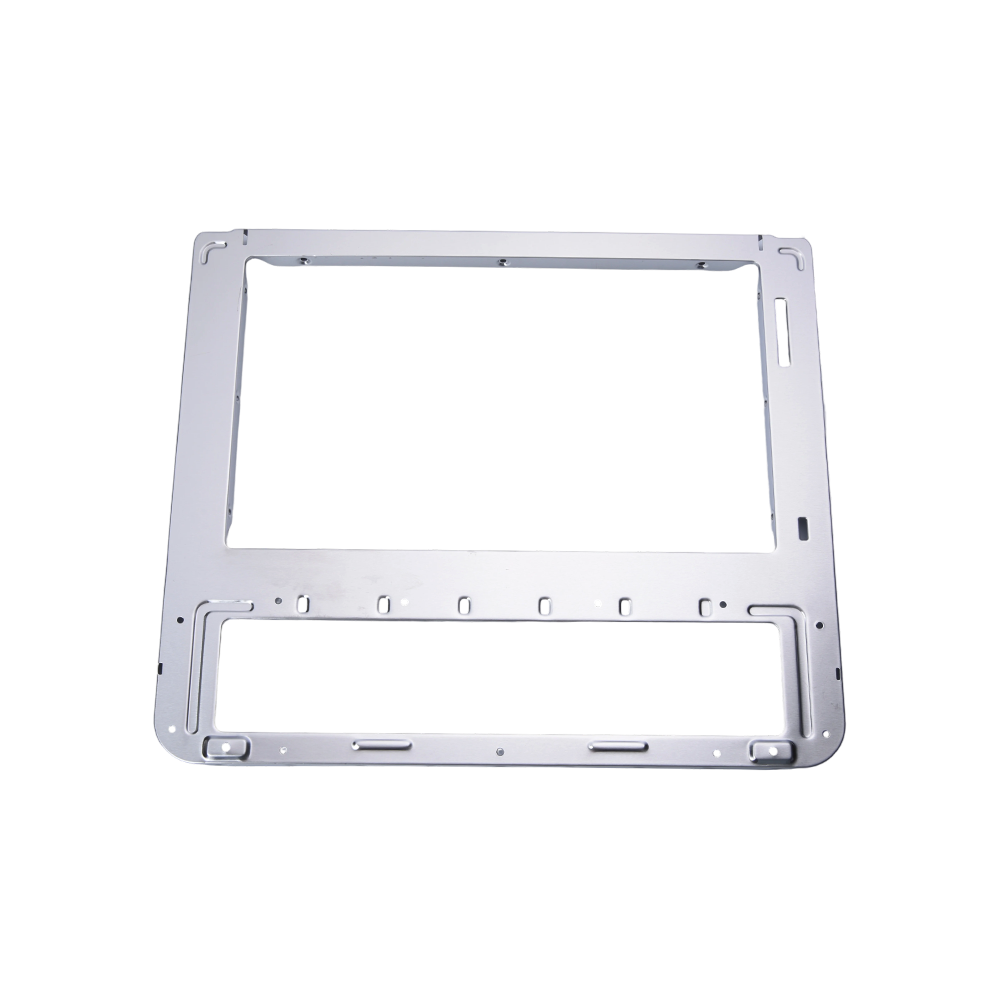
Square-shaped precision machined stamped parts
Applications Across Multiple Industries
Electrical housings and internal supports
Electrical products often require compact metal housings and internal support components that protect sensitive assemblies and provide secure mounting points. Square-shaped stamped parts can be designed as covers, brackets, shields, frames, plates, or structural inserts.
Accurately placed openings and mounting points help accommodate switches, terminals, wiring, circuit boards, and fastening hardware. A suitable surface finish can further support the appearance and durability of the housing. Where electrical requirements are involved, the final design and material selection should be confirmed according to the customer’s technical specifications and application conditions.
Automotive components
Automotive stamping parts must support efficient assembly and reliable operation in a demanding environment. Square and rectangular components may be used in brackets, mounting structures, covers, supports, protective elements, and other vehicle-related assemblies.
The combination of stamping strength and precision-machined features can help create parts that fit accurately within larger assemblies. Custom thickness and forming geometry allow designers to balance weight, rigidity, space limitations, and fastening requirements. Surface treatments can be selected to improve resistance to environmental exposure and maintain the appearance of visible components.
Mechanical equipment
Mechanical products frequently use metal plates, brackets, covers, guides, and supports with several functional features. These parts may need to connect to other machined, stamped, or assembled components. A square-shaped precision-machined part can provide a stable base or protective structure while maintaining accurate mounting and alignment points.
For equipment manufacturers, the ability to consolidate multiple functions into one component can simplify assembly. A single part may combine a mounting face, side wall, opening, bend, and fastening area. This can reduce the number of individual pieces required and help create a more organized final assembly.
Household appliances
Household electric heaters, small household appliances, and kitchen appliances often require stamped metal accessories and internal structures. These may include mounting brackets, support plates, protective covers, panels, clips, frames, and other formed components.
In appliance manufacturing, appearance, fit, and production efficiency are all important. Precision stamping can provide repeatable dimensions for large production quantities, while machining and finishing operations can refine selected areas. Customers can request specific dimensions, thicknesses, and surface finishes to match the appliance design and functional requirements.
Optical and educational instruments
Optical instruments and educational equipment may contain housings, supports, brackets, and adjustment-related structures that depend on accurate positioning. Square-shaped metal components can be integrated into instrument frames or protective enclosures, where stable geometry supports assembly and product reliability.
Because these products may have compact layouts, a customized component can be more effective than a general-purpose part. Correctly designed bends, slots, and mounting points help make efficient use of available internal space.
Product Advantages Compared with Conventional Stamped Parts
More functional features in one component
Conventional stamped parts may be limited to simple flat profiles or basic bends. Precision-machined stamped parts can incorporate a broader combination of features, including accurately finished holes, machined edges, formed channels, recesses, and mounting surfaces.
Integrating several functions into one part can reduce the number of components in an assembly. Fewer components may mean fewer fasteners, fewer handling steps, and lower potential for assembly errors. The exact benefits depend on the product design, but the principle is valuable across electrical, automotive, mechanical, and appliance applications.
Better dimensional matching
When a part is designed to fit within a defined enclosure or connect to several neighboring components, dimensional matching becomes essential. Precision machining provides an additional level of control for critical features that may not be adequately defined by a basic stamping process alone.
This can be particularly useful for square components because their straight edges and corners are often used as reference surfaces. Accurate reference surfaces make positioning more predictable and help maintain a consistent relationship between the component and the surrounding assembly.
Balanced strength and efficiency
Stamping allows the basic component shape to be formed efficiently from sheet metal. Bends, flanges, and formed sections can increase rigidity without requiring a solid block of material. Precision machining can then be limited to necessary areas, helping preserve an efficient production approach.
This balance may provide an advantage over producing the entire part through machining. It can reduce unnecessary material removal while maintaining the accuracy required for functional details.
Improved production consistency
Tool-based stamping supports repeatable production of the main part profile. When supported by controlled machining and inspection, it can provide stable results across a series of parts. Consistency helps customers maintain predictable downstream operations, especially when parts are used in repeat assemblies.
Professional appearance and finish options
Customers may require more than functional performance. For visible components, the surface finish must support the appearance of the finished product. Polished, anodized, or coated options can be considered according to the required design and environmental conditions.
These treatments can help create a clean, professional appearance and may improve corrosion resistance. The final finish should be selected with consideration for the base material, operating environment, contact with other components, and customer specifications.
Manufacturing Process Overview
1. Review of customer requirements
The manufacturing process begins with a review of the customer’s drawings, samples, dimensions, material requirements, tolerance expectations, annual volume, and surface finish needs. This stage is important because square-shaped components can vary considerably in complexity.
The engineering and production teams evaluate the overall shape, thickness, hole pattern, bend locations, formed depth, and areas that may require machining. The purpose is to create a practical production route that supports both product performance and manufacturing efficiency.
2. Process and tooling planning
After reviewing the design, the production route is planned. The process may involve blanking, punching, bending, drawing, forming, trimming, and precision machining. The order of operations is selected according to the geometry of the component and the need to protect important features during production.
Tooling and fixtures must support the repeatable positioning of the workpiece. For square-shaped parts, stable reference surfaces are especially useful because the component may need accurate alignment across several sides. Proper planning helps reduce distortion and supports consistent hole and edge locations.
3. Sheet metal preparation
The selected sheet material is prepared according to the required thickness and component dimensions. Material preparation influences the final quality of the stamped part. The sheet must be suitable for the planned forming operations and compatible with the required surface finish or subsequent treatment.
Material utilization is also considered during planning. Efficient nesting and controlled blank dimensions can help reduce waste while maintaining the required part quality. The appropriate approach depends on the part size, production quantity, and tooling configuration.
4. Stamping and forming
During stamping, the sheet is placed into the tooling and formed into the required profile. Depending on the design, several operations may be used to create the square body, cut openings, form corners, produce bends, or develop recessed sections.
Controlled stamping helps maintain the general dimensions and repeatability of the part. The forming sequence is selected to minimize unwanted deformation and to preserve the areas that will later receive machining or surface treatment.
5. Precision machining
After the main stamped structure has been created, precision machining can refine critical areas. This may include finishing a mounting surface, correcting a hole dimension, improving the accuracy of an opening, refining an edge, or creating a feature that requires closer dimensional control.
Not every area needs the same level of processing. A practical manufacturing plan focuses machining resources on the features that directly affect assembly or performance. This approach helps achieve the required accuracy while preserving the efficiency of the overall production process.
6. Deburring and edge treatment
Stamping and machining can leave edges that require additional attention. Deburring and edge treatment help remove unwanted sharp areas, improve handling safety, and support the fit of the component within the final assembly.
The required level of edge treatment depends on the design and application. Components used inside housings may have different requirements from visible external components or parts handled directly during assembly.
7. Surface finishing
Surface finishing is selected according to the customer’s functional and appearance requirements. Polishing may be used where a smoother visual appearance is required. Anodizing or coating may be considered when improved corrosion resistance or a particular appearance is desired.
The finish must be compatible with the component’s intended environment and with any subsequent assembly operations. Finish specifications should therefore be confirmed before production begins.
8. Inspection and quality control
Inspection verifies that the finished component conforms to the approved requirements. Dimensions, thickness, hole positions, formed geometry, edge condition, and surface quality may all be checked according to the product drawing and customer expectations.
Quality control is integrated into the manufacturing process rather than treated only as a final activity. Monitoring important stages helps identify process variation early and supports stable production. It also provides customers with greater confidence in the repeatability of the delivered parts.
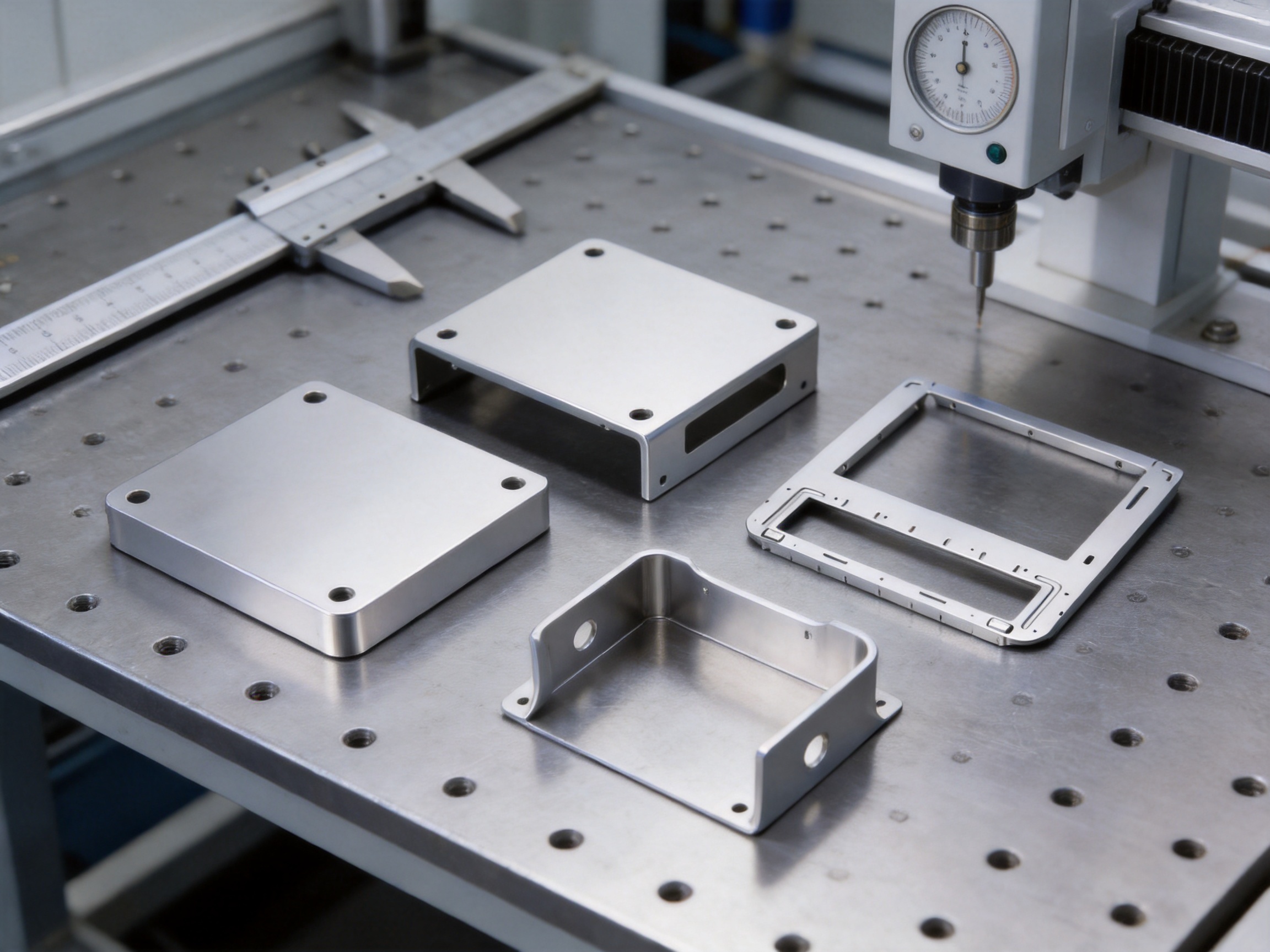
Customization Capabilities
Customization is central to the production of square-shaped precision-machined stamped parts. Different industries and products require different combinations of size, thickness, geometry, tolerance, and finish. A component designed for an electrical enclosure may have very different requirements from an automotive bracket or a kitchen appliance accessory.
Customized dimensions
The overall length, width, height, formed depth, and corner configuration can be developed according to the customer’s drawing or sample. The square profile may be fully flat, partially formed, recessed, or combined with flanges and side walls.
Customized thickness
Material thickness affects strength, rigidity, weight, forming behavior, and installation space. Customers can specify the thickness according to the requirements of the finished product. The selected thickness should be evaluated together with bend geometry and expected operating loads.
Customized openings and mounting features
Holes, slots, cutouts, and mounting points can be arranged to suit the customer’s assembly. Accurate positioning is important when the part must connect with fasteners, terminals, frames, covers, or other components.
Customized surface finish
Polished, anodized, and coated surfaces are available according to the product requirement. Different finishes can provide different combinations of appearance, corrosion resistance, and surface protection. The specification should identify the required visual condition and any relevant performance expectations.
OEM and ODM support
OEM customers may provide an established design for production, while ODM customers may require assistance in developing a component around a product concept. The company supports both forms of cooperation, along with rapid prototyping and efficient conversion from development to production.
Early communication is valuable because it allows the product design and manufacturing process to be considered together. Small changes to bend locations, hole arrangements, edge conditions, or material thickness may improve manufacturability without changing the intended function.
Production Strengths of the Manufacturer
Yuyao Hongli Optoelectronics Co., Ltd. has more than two decades of experience in metal stamping and related manufacturing services. Founded in 2000, the company developed from its former name, Yuyao Hongli Optoelectronics Educational Instruments Co., Ltd., into a comprehensive manufacturer serving several product categories and industrial markets.
The company operates a 5,000-square-meter modern factory with multiple stamping workshops and more than 60 employees. This production foundation supports the manufacture of stamped parts, deep-drawn parts, bending parts, kitchen appliance accessories, automotive stamping parts, and related metal products.
A broad manufacturing scope gives customers access to a supplier capable of handling different forming requirements. A project may involve simple stamped components, deep-drawn structures, bent brackets, precision-machined parts, or a combination of these technologies. The ability to coordinate related processes can simplify supplier management and support more consistent project communication.
The company provides manufacturing, processing, wholesale, retail, import, and export services. It also supports OEM and ODM customization, rapid prototyping, efficient production conversion, quality control, stable delivery, and after-sales service.
Its stated business philosophy is based on integrity, excellence, innovation, and sharing. For customers sourcing precision metal components, these principles are reflected in the importance of communication, product consistency, production responsiveness, and long-term cooperation.
Quality, Delivery, and Customer Support
Quality control
Precision parts require a quality system that considers both appearance and function. Dimensional inspection confirms whether the component matches the required drawing. Visual inspection evaluates surface condition, edge quality, forming appearance, and finish consistency. Process monitoring helps maintain stable production throughout the order.
Customers should provide the relevant quality criteria before production, including critical dimensions, acceptable tolerances, surface requirements, packaging expectations, and inspection documentation. Clear requirements support a more effective manufacturing and approval process.
Stable delivery
Delivery performance depends on tooling preparation, material availability, production scheduling, inspection, and packaging. A manufacturer with established workshops and production experience can coordinate these stages more effectively.
Efficient production conversion is particularly important when a project moves from prototype quantities to repeat orders. The process must be capable of maintaining the approved product characteristics while meeting the customer’s delivery schedule.
After-sales service
After-sales support helps resolve questions related to dimensions, finish, packaging, application, and future orders. Long-term cooperation benefits from a clear feedback process, especially when the customer plans design improvements or production expansion.
Global cooperation
As a manufacturer serving customers worldwide, the company provides import and export support in addition to production. International customers benefit from clear communication regarding drawings, samples, specifications, order quantities, inspection, packaging, and shipment arrangements.
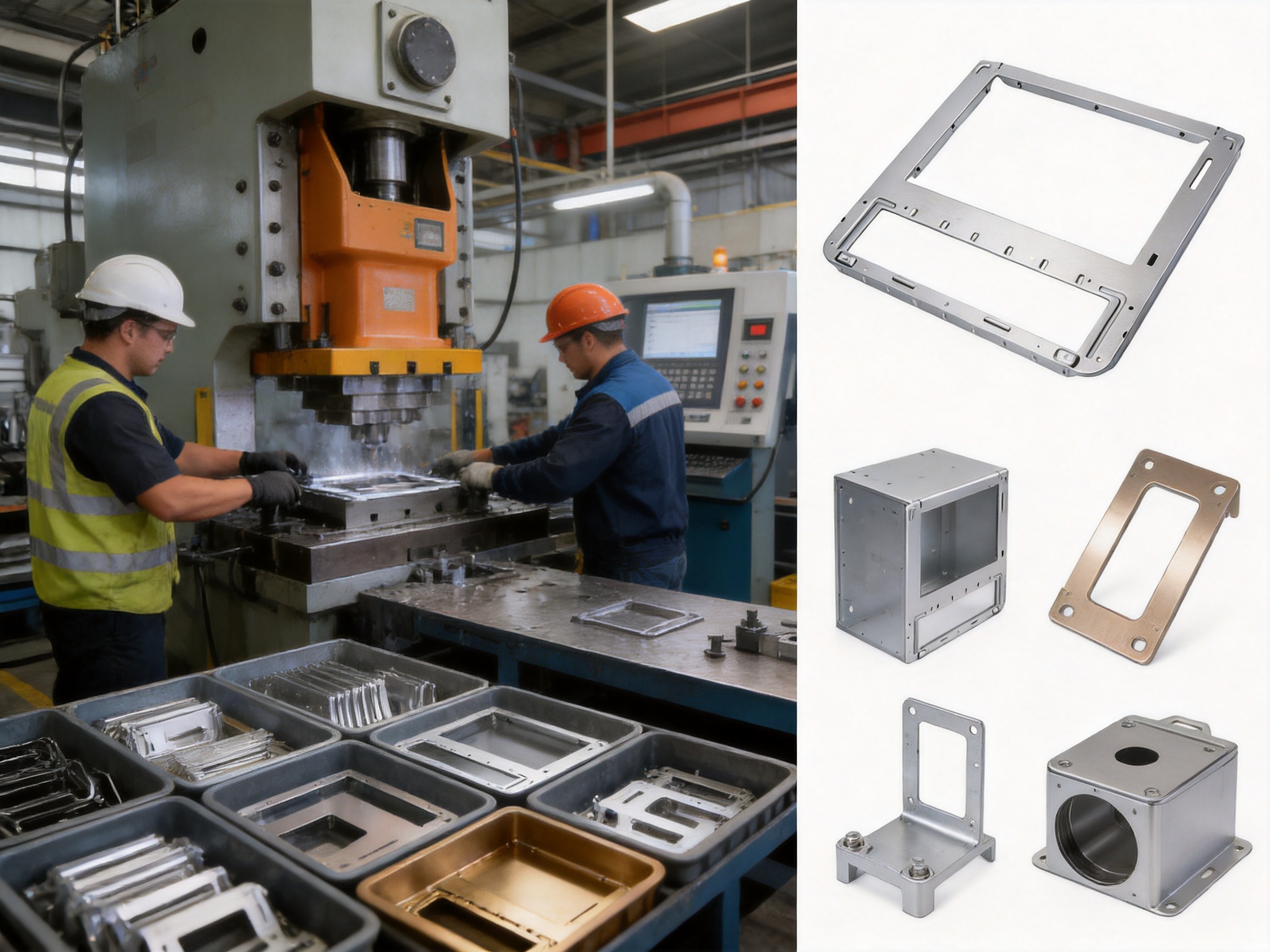
How to Select the Right Precision-Machined Stamped Part
Selecting the correct component begins with a clear understanding of the application. The customer should identify how the part will be installed, what components it will contact, what loads or environmental conditions it may encounter, and whether it will be visible in the finished product.
Define the part function
Is the component intended to provide structural support, protection, alignment, fastening, electrical enclosure, heat-related support, or a combination of functions? Defining the function helps determine the appropriate geometry and manufacturing sequence.
Identify critical dimensions
Not all dimensions have the same importance. The customer should identify critical mounting holes, reference edges, formed heights, openings, and surfaces that must match other components. This information helps focus precision machining and inspection on the features that matter most.
Confirm material thickness
Thickness influences strength, forming, weight, and fit. A thicker material may provide greater rigidity, while a thinner material may support weight reduction or compact installation. The final decision should consider the complete design rather than one dimension alone.
Specify the surface finish
The customer should state whether the part requires a raw stamped finish, polished surface, anodized treatment, coating, or another specified finish. Appearance, corrosion resistance, handling, and installation conditions should all be considered.
Provide drawings or samples
Technical drawings provide the clearest basis for quotation and production planning. If drawings are not available, a physical sample, sketch, photographs, or dimensional notes may help begin the development process. Additional information may be needed before final approval.
Design Considerations for Better Manufacturability
Designing with the manufacturing process in mind can improve quality and reduce unnecessary cost. A well-planned square-shaped component should consider bend locations, corner radii, hole positions, material flow, machining access, and surface treatment.
Holes positioned too close to an edge or bend may create forming or deformation challenges. Similarly, extremely narrow features may be difficult to stamp consistently. Appropriate spacing and practical geometry help maintain stable production.
Machining areas should also be accessible to the selected equipment and fixtures. If a feature is difficult to position or support, it may require additional operations. Discussing these details during development can lead to a more efficient production route.
Reference surfaces are useful for inspection and assembly. Straight edges or clearly defined datums can help control the relationship between holes, bends, and formed sections. This is particularly beneficial for square-shaped parts that must fit into a rectangular housing or align with a frame.
Surface finish requirements should be considered at the beginning rather than added at the final stage. Some finishes may affect dimensions, masking, handling, or the appearance of edges and corners. Early confirmation reduces the possibility of rework.
Comparison of Manufacturing Approaches
| Manufacturing approach | Main strength | Potential limitation | Suitable application |
|---|---|---|---|
| Basic stamping | Efficient production of repeated sheet metal profiles | May require additional processing for highly critical features | Simple brackets, plates, covers, and formed components |
| Precision machining from solid material | High control over many detailed dimensions | May require more material removal and longer processing time | Complex solid components and low-volume detailed parts |
| Stamping combined with precision machining | Balances forming efficiency with accurate functional features | Requires coordinated process planning | Square housings, brackets, supports, automotive parts, and mechanical components |
| Deep drawing | Efficient production of hollow or cup-shaped structures | Requires careful control of drawing and material flow | Deep-drawn housings, containers, and formed enclosures |
| Bending and fabrication | Flexible for prototypes and lower-volume customized structures | May involve more individual operations | Panels, frames, brackets, and custom sheet metal assemblies |
The appropriate method depends on the component’s geometry, quantity, tolerance, material, and intended use. For square-shaped precision-machined stamped parts, the combined approach is attractive because it uses stamping for the primary structure and machining for critical features.
Prototype Development and Production Conversion
Rapid prototyping allows customers to evaluate a new component before committing to larger production quantities. A prototype can reveal whether the part fits the intended assembly, whether the mounting points are correctly positioned, and whether the surface finish meets expectations.
Prototype review may also identify opportunities to improve manufacturability. A bend may be adjusted, a hole position may be refined, or a thickness may be reconsidered before tooling and production arrangements are finalized.
The transition from prototype to production requires process stability. The approved prototype must be converted into a repeatable production route with appropriate tooling, inspection methods, and documentation. Efficient production conversion reduces the risk of changes in dimensions or appearance when order quantities increase.
For OEM and ODM projects, communication during this stage is especially important. Customers should confirm the latest revision of drawings and specifications, while the manufacturer should clarify any manufacturing limitations or recommended design adjustments.
Packaging and Handling Considerations
Precision-machined stamped parts should be packaged in a way that protects the finished surfaces, edges, and formed features. The packaging method depends on part size, quantity, surface finish, and the possibility of contact damage during transportation.
Parts with polished, anodized, or coated surfaces may require separation materials to reduce scratching or surface contact. Small components may be packed in organized quantities to support efficient customer handling and assembly. Larger parts may require protective layers or structured cartons.
Packaging requirements should be agreed before shipment. Customers may specify labeling, batch identification, quantity per package, pallet arrangements, or other logistics details. Good packaging supports product quality after inspection and helps maintain traceability during delivery.
Frequently Asked Questions
What are square-shaped precision-machined stamped parts?
They are metal components produced mainly through stamping and supplemented by precision machining. Their square or rectangular form may include bends, openings, recesses, mounting features, or machined surfaces designed for accurate assembly and reliable performance.
What industries use these parts?
They can be used in electrical housings, automotive components, mechanical equipment, household appliances, kitchen appliance accessories, optical instruments, educational instruments, and other products requiring customized metal parts.
What is the advantage of combining stamping and machining?
Stamping efficiently creates the primary sheet metal structure, while machining refines critical dimensions and functional features. The combination supports complex designs, stable repeatability, efficient material usage, and accurate dimensional matching.
Can the dimensions and thickness be customized?
Yes. The overall dimensions, thickness, geometry, openings, mounting points, and other features can be developed according to customer drawings, samples, or technical requirements.
What surface finishes are available?
Depending on the product requirements, polished, anodized, and coated surfaces can be considered. The appropriate finish should be selected according to appearance, corrosion resistance, operating environment, and assembly needs.
Can the manufacturer support prototypes?
Yes. The company supports rapid prototyping and efficient conversion from product development to repeat production. Prototyping allows customers to check fit, dimensions, appearance, and functionality before larger quantities are produced.
Can the parts be used for automotive applications?
Yes. Customized automotive stamping parts and precision-machined components can be developed for brackets, supports, covers, mounting structures, and other vehicle-related assemblies. The design should be confirmed according to the specific application, loads, environment, and automotive requirements.
What information should be provided for a quotation?
Useful information includes technical drawings, three-dimensional files if available, material or thickness requirements, annual quantity, critical tolerances, surface finish, packaging requirements, prototype needs, and intended application.
How does precision machining improve a stamped part?
Precision machining can improve the accuracy of selected holes, edges, mounting surfaces, openings, and other critical features. It helps ensure that the part matches related components more consistently during assembly.
What is the company’s production capacity?
Yuyao Hongli Optoelectronics operates a 5,000-square-meter modern factory with multiple stamping workshops and more than 60 employees. The company has over 20 years of industry experience and serves several metal product categories.
Does the company offer OEM and ODM services?
Yes. OEM customers can provide their established designs for production, while ODM customers can work with the manufacturer on customized product development and manufacturing solutions.
Can one supplier handle stamping, deep drawing, and bending?
The company provides manufacturing services for stamped parts, deep-drawn parts, bending parts, kitchen appliance accessories, automotive stamping parts, and related products. This broader capability can help customers coordinate projects involving multiple sheet metal processes.
Why Choose a Specialized Manufacturing Partner
Choosing a specialized manufacturing partner can reduce the complexity of sourcing precision metal components. Instead of coordinating separate suppliers for stamping, machining, finishing, and related products, customers can work with a manufacturer that understands the relationship between these operations.
Experience is valuable when a part includes several interacting features. A supplier familiar with stamping, deep drawing, bending, machining, and finishing can identify potential production concerns earlier. This may help reduce development delays and improve the transition from prototype to production.
Production infrastructure is also important. Multiple stamping workshops and a modern factory provide a foundation for handling different product categories and order requirements. A dedicated production team can coordinate manufacturing, inspection, packaging, and delivery more efficiently.
Long-term cooperation depends on more than machinery. Communication, responsiveness, quality control, technical understanding, stable delivery, and after-sales service all contribute to a dependable supply relationship.
Conclusion
Square-shaped precision-machined stamped parts provide an effective solution for applications requiring accurate dimensions, reliable strength, repeatable production, and customized surface quality. By combining stamping with precision machining, these components can deliver the efficiency of formed sheet metal production together with the dimensional control required for critical assembly features.
Their advantages include flexible customization, efficient production of complex shapes, improved dimensional matching, consistent quality, professional surface finishes, and suitability for a wide range of industries. Electrical housings, automotive components, mechanical equipment, household appliances, kitchen accessories, optical instruments, and educational products can all benefit from properly designed square-shaped metal components.
Yuyao Hongli Optoelectronics Co., Ltd. supports this product category with more than 20 years of manufacturing experience, a 5,000-square-meter factory, multiple stamping workshops, a team of more than 60 employees, OEM and ODM capabilities, rapid prototyping, and related services for deep-drawn, stamped, bent, and automotive metal parts.
For customers seeking a dependable source for customized precision sheet metal stamping, the most effective approach is to provide complete technical information at the beginning of the project. Clear drawings, critical dimensions, material and thickness requirements, surface finish expectations, production quantities, and application details allow the manufacturing process to be planned accurately. With appropriate process design and quality control, square-shaped precision-machined stamped parts can become reliable, efficient, and long-lasting elements of finished industrial products.
References
1. Product information supplied for square-shaped precision-machined stamped parts, including dimensions, thickness, surface finish, stamping, and machining capabilities.
2. Company information supplied for Yuyao Hongli Optoelectronics Co., Ltd., including manufacturing history, factory area, workforce, product categories, OEM and ODM services, and production capabilities.
3. General manufacturing principles for sheet metal stamping, precision machining, bending, deep drawing, deburring, surface finishing, and dimensional inspection.
4. General engineering considerations for automotive stamping parts, electrical housings, mechanical supports, household appliance accessories, and customized sheet metal components.
5. General industrial quality-control practices for precision components, including drawing review, process monitoring, dimensional inspection, surface inspection, packaging, and production traceability.
Product: Square-shaped precision machined stamped parts
Previous Post
Round Kitchen Container: Durable Deep-Drawn Metal Storage for Modern Kitchens
Next Post
Deep-Drawn Containers with Cutouts: Precision, Durability, and Custom Manufacturing for Demanding Applications
News
-
-
When you need a metal component whose depth clearly exceeds its width, such as a one-piece battery enclosure, an air-fryer inner container,...
READ MORE -
Steel is the backbone of modern manufacturing, yet it is never a single, uniform material. When engineers and buyers ask, "How can you clas...
READ MORE -
Sheet metal is one of those materials that quietly holds everyday life together. The tray inside your air fryer, the bracket behind a car b...
READ MORE
Get Fresh Updates Via Email
We promise we will never disclose your email address, and you can opt out at any time.
-
Quick Links
Home About Us Products Service News Contact Us -
Product list
Deep-drawn parts Stamped parts Bending parts Kitchen appliance accessories Automotive stamping parts -
About Us
Factory Honour FAQ -
News
Company News Industry News -
Contact Us
Address: South side of Shunke Road, Yangming Science and Technology Industrial Park, Yuyao City, Zhejiang Province, China Tel: +86-13905842349/+86-13738485724 Email: hongli@hl-stamping.com
Copyright © Yuyao Hongli Optoelectronics Co., Ltd. All Rights Reserved.
Custom Precision-Sheet/Sheet Metal Stamping Manufacturers
