


 English
 русский
 Español
 عربى
عربى

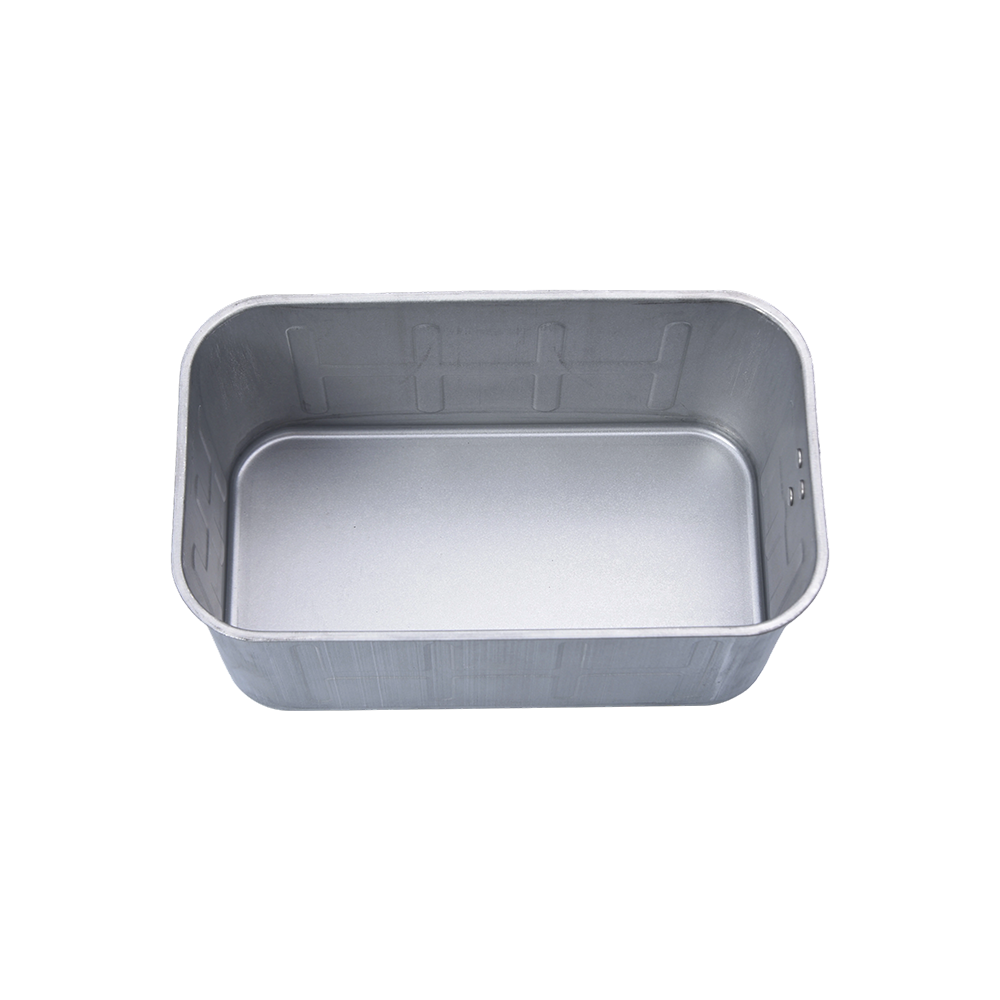
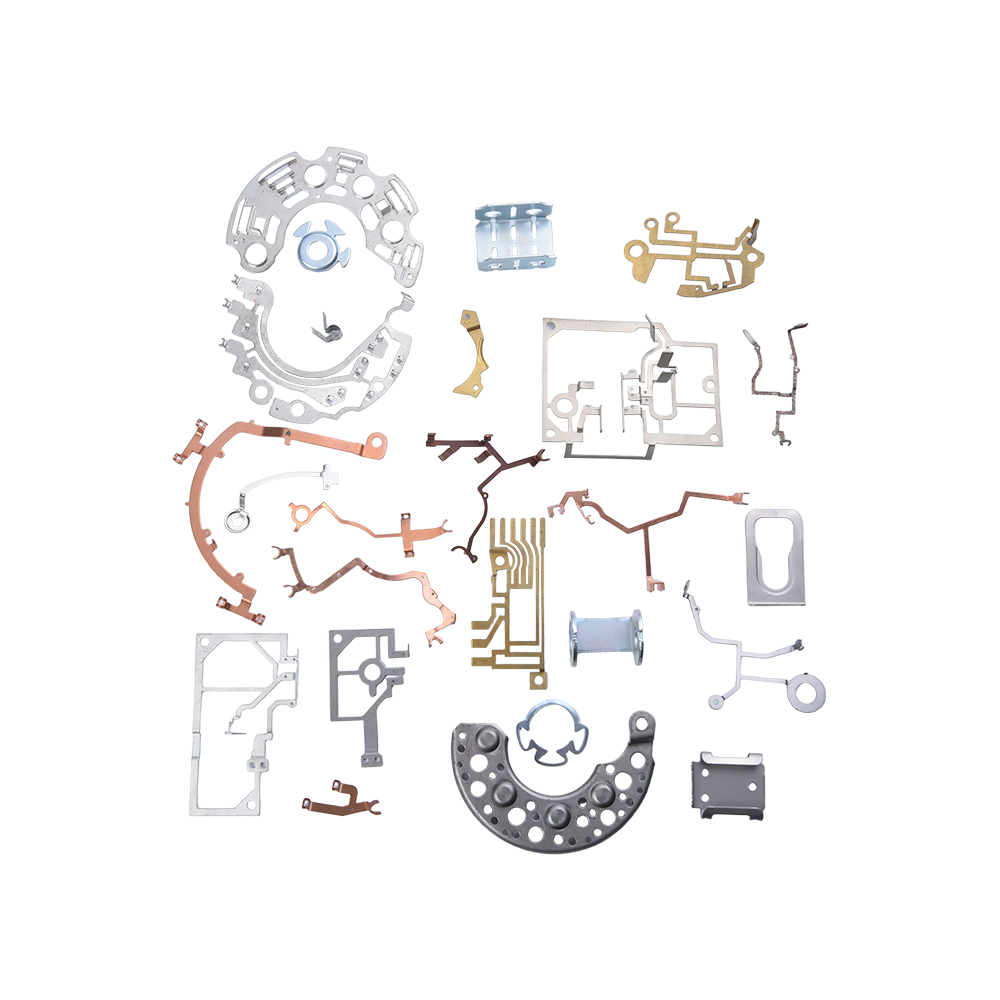
What Are Stamped Parts? Stamped parts are metal components produced by pressing flat sheet metal between a die and a punch to cut, bend, or...
READ MORE

News
Home / Author / Wang Xinyi — Senior After-Sales Coordinator / High-Performance Air Fryer Parts for Reliable, Hygienic, and Efficient Cooking
High-Performance Air Fryer Parts for Reliable, Hygienic, and Efficient Cooking
2026-08-19
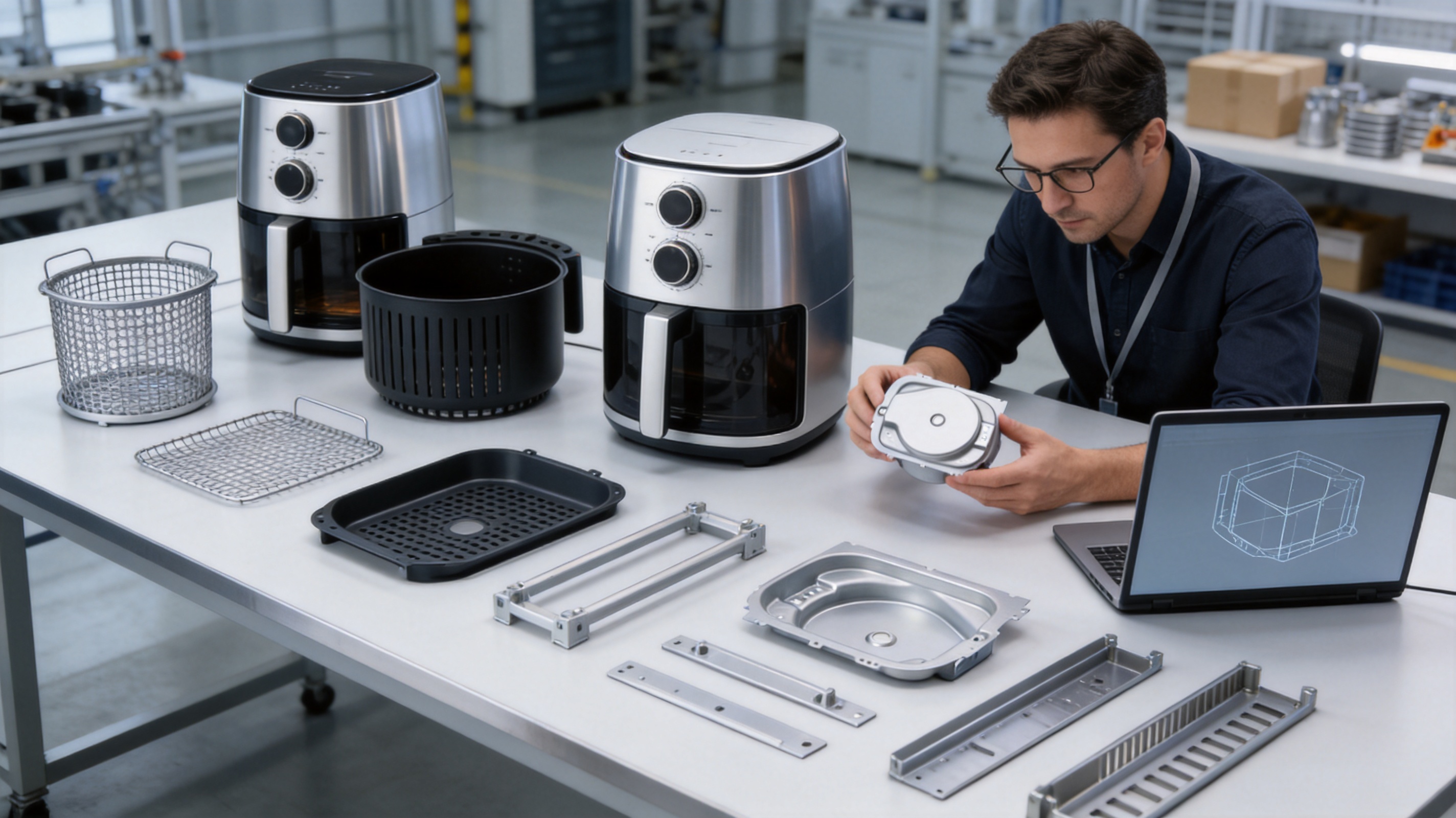
Air fryer parts play a decisive role in the performance, safety, cleanliness, and service life of an air fryer. Although many consumers focus primarily on the appliance’s heating system or digital controls, the quality of the metal components inside the cooking chamber directly affects cooking consistency and everyday convenience. A properly designed mesh basket, drip tray, heat-resistant tray handle, and other stamped or formed components help an air fryer circulate hot air efficiently, drain excess grease, withstand repeated heating cycles, and remain easy to clean.
For appliance manufacturers, distributors, and product developers, selecting dependable air fryer parts is equally important. The right components can improve the user experience, reduce warranty risks, support attractive product design, and simplify assembly. They must meet demanding requirements for dimensional accuracy, corrosion resistance, mechanical strength, heat resistance, surface quality, and production consistency. At the same time, they should be suitable for efficient mass production and adaptable to different air fryer models.
Air fryer parts supplied by Yuyao Hongli Optoelectronics Co., Ltd. are developed within a manufacturing system specializing in metal stamping parts, deep-drawn parts, bending parts, kitchen appliance accessories, and automotive stamping parts. With more than 20 years of industry experience, a modern factory, multiple stamping workshops, experienced employees, and OEM/ODM capabilities, the company provides practical solutions for customers seeking stable quality and flexible customization.
This article examines the construction, advantages, manufacturing processes, quality considerations, and application value of air fryer parts. It also explains why well-engineered stamped and formed metal components can provide an advantage over lower-quality alternatives in demanding kitchen appliance applications.
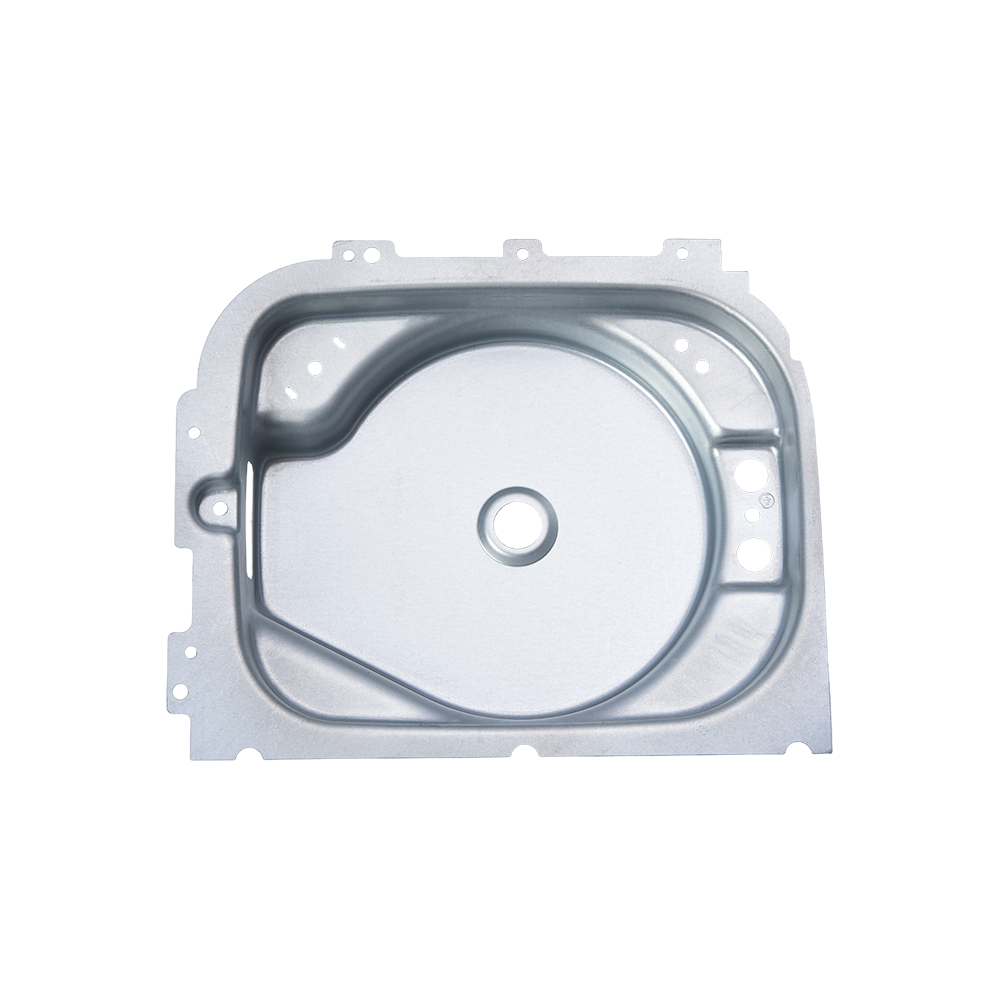
Air fryer parts
1. The Role of Air Fryer Parts in Modern Kitchen Appliances
An air fryer depends on the controlled movement of hot air to cook food quickly and evenly. While the heating element and fan generate the thermal environment, the internal metal parts guide the food, collect grease, support safe handling, and protect the appliance from unnecessary contamination. Their design has a direct relationship with cooking results and user satisfaction.
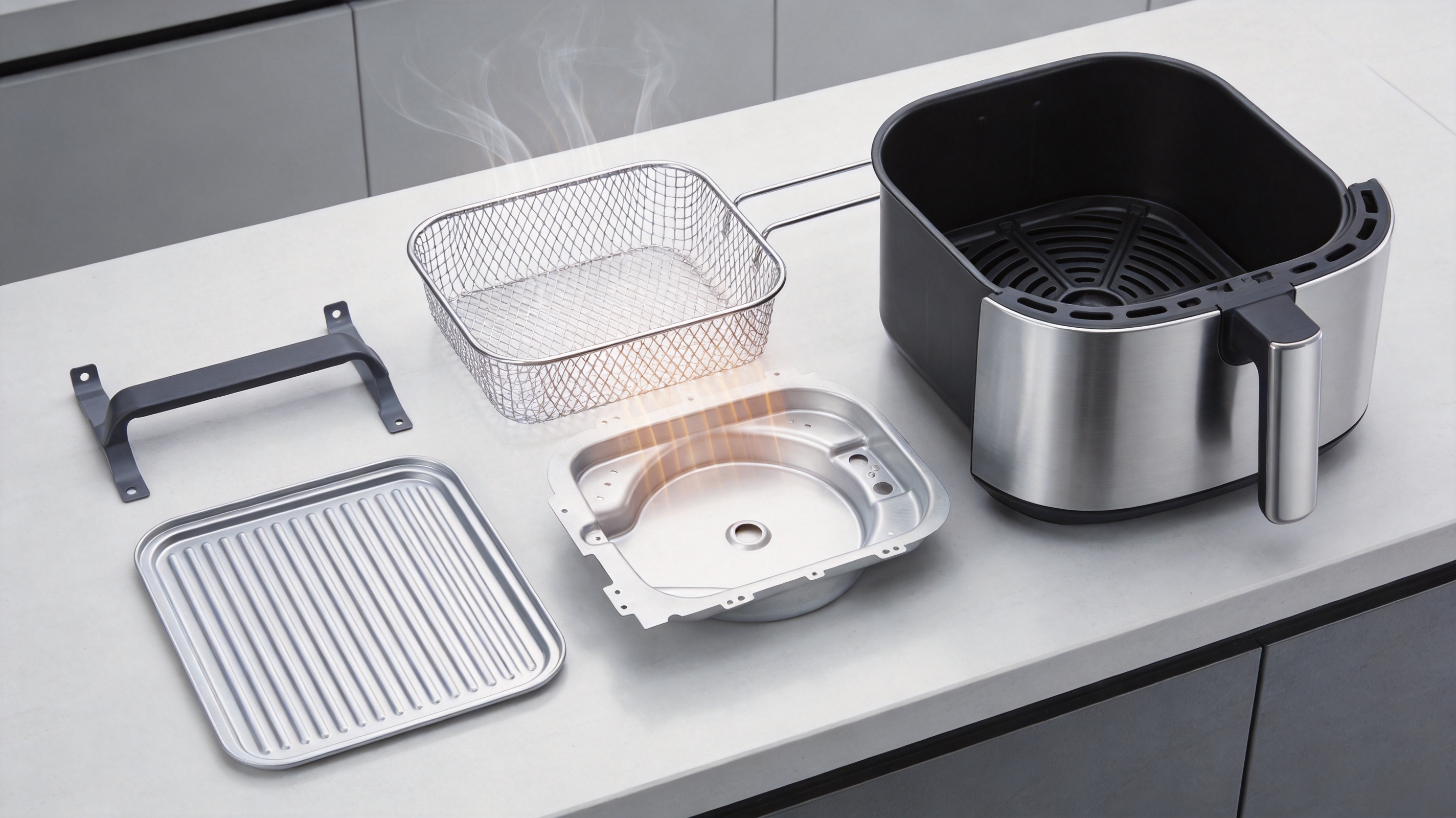
The mesh basket is responsible for holding food while allowing heated air to pass around it. Openings in the basket support ventilation and provide a path for oil and moisture to move away from the food. If the mesh or perforated structure is poorly designed, airflow may become restricted, food may cook unevenly, and grease may remain trapped beneath the food. A well-formed basket provides a practical balance between ventilation, strength, food support, and ease of cleaning.
The drip tray collects excess grease, crumbs, moisture, and food residue. It helps protect the lower area of the appliance and reduces the amount of contamination that could otherwise reach the heating chamber or internal housing. A properly shaped drip tray can also improve cleaning efficiency because residue is concentrated in a removable component rather than spread across multiple internal surfaces.
The heat-resistant tray handle allows users to remove or reposition a hot basket or tray more safely. It should provide a secure grip, resist deformation during repeated use, and remain compatible with the appliance’s structure. The handle must also be manufactured and assembled with sufficient precision so that it does not loosen, interfere with insertion, or create unnecessary contact with adjacent components.
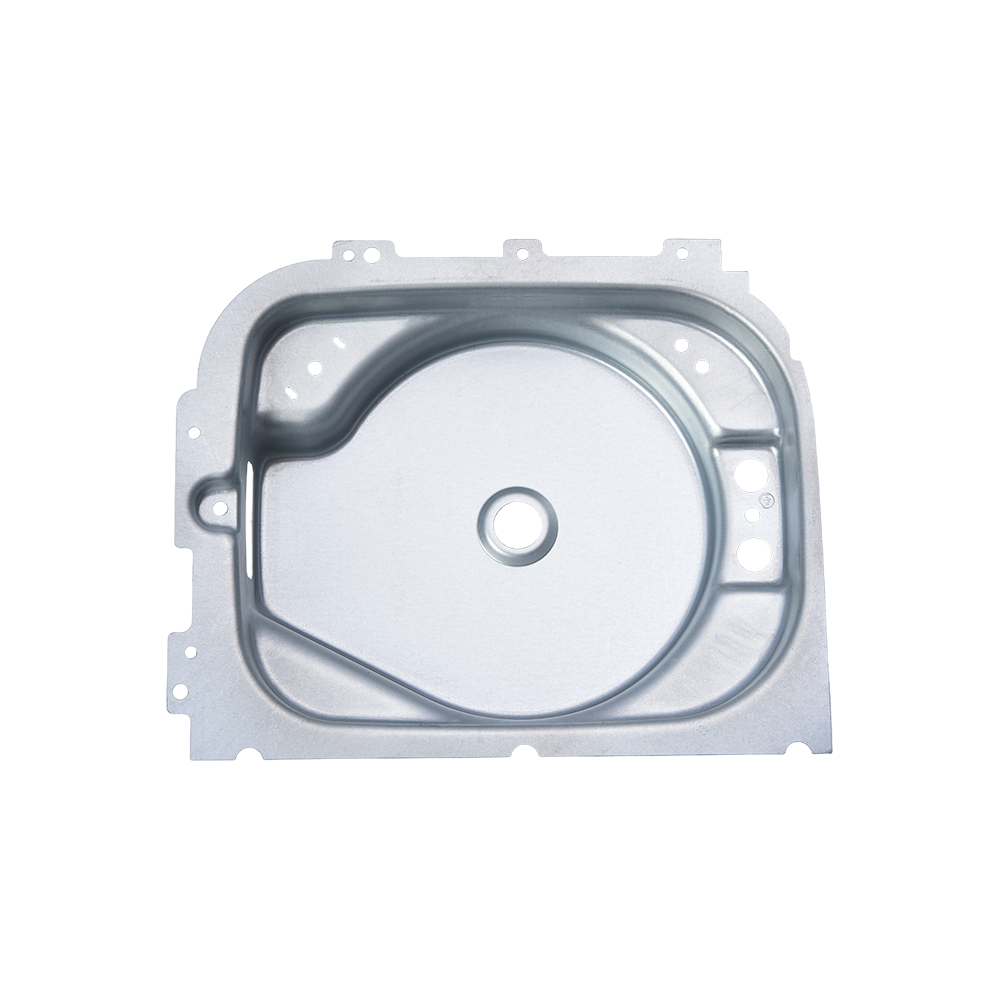
Other possible air fryer parts include support brackets, inner liners, guide rails, fastening plates, protective shields, mounting components, and custom metal housings. Each part may be manufactured through stamping, bending, deep drawing, spot welding, assembly, or a combination of these processes. Even small components can have an important effect on the overall reliability of the appliance.
2. Product Overview: Mesh Baskets, Drip Trays, and Tray Handles
2.1 Mesh Baskets for Efficient Air Circulation
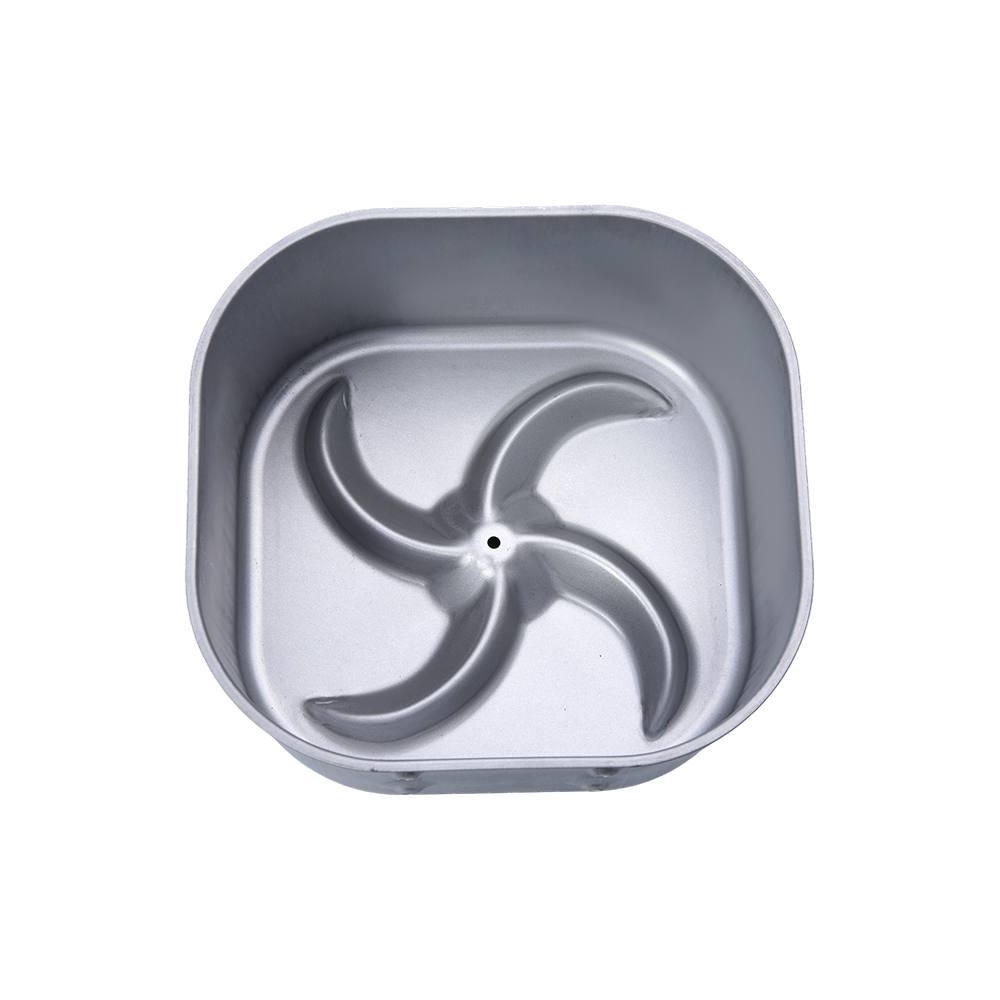
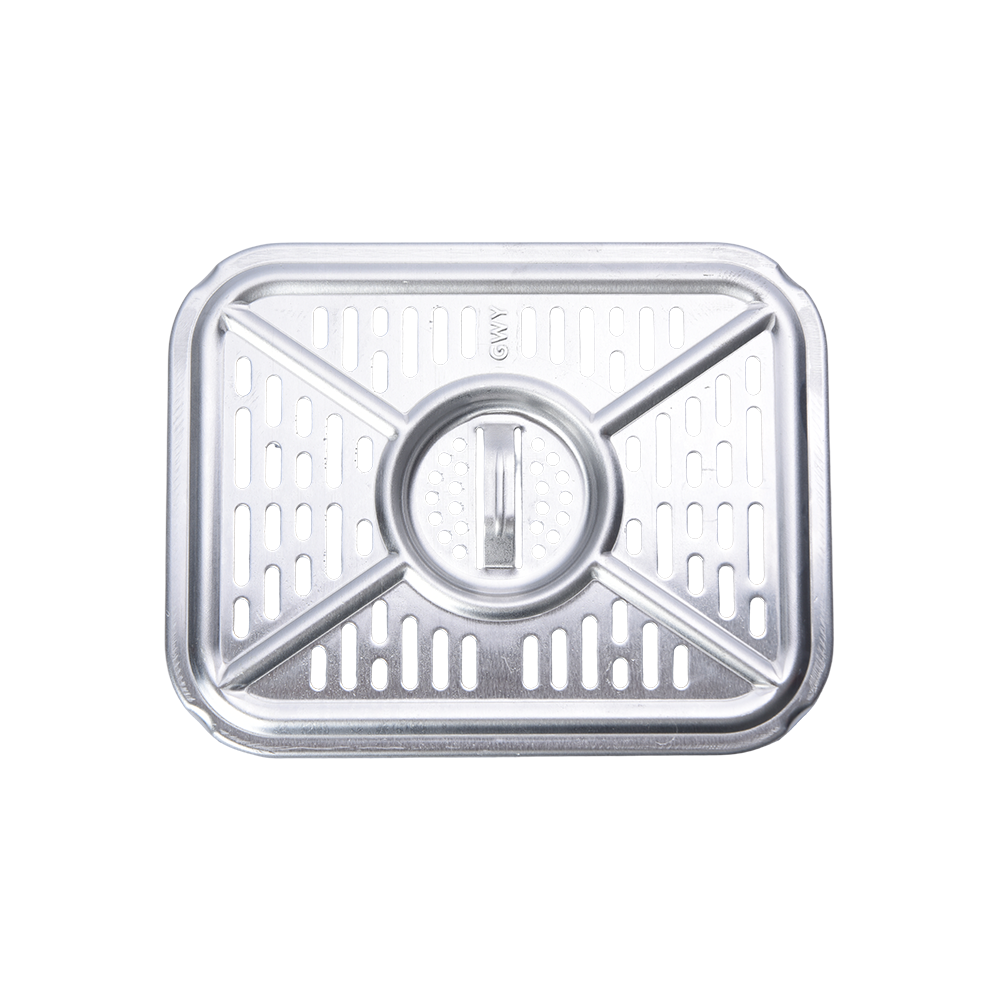
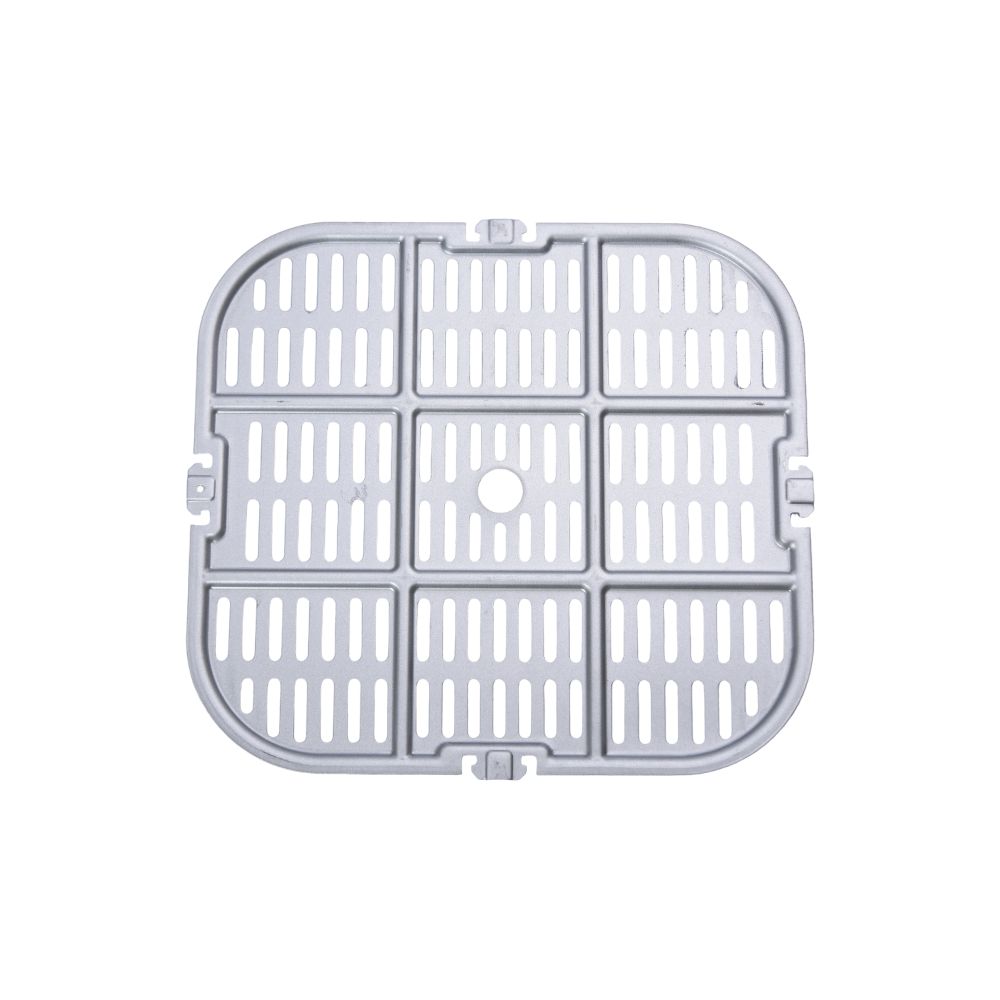
The mesh basket is one of the most visible and functionally important air fryer parts. It supports food while maintaining openings for hot air circulation and grease drainage. The basket must have enough structural strength to carry food and withstand repeated insertion and removal, yet it should not be unnecessarily heavy or difficult to clean.
Precision metal forming helps create a basket with stable dimensions and consistent geometry. This is important because the basket must fit correctly inside the appliance cavity. Excessive dimensional variation can cause friction, poor alignment, difficult removal, or reduced clearance from the heating element. Consistent forming also improves the appearance of the finished appliance and supports efficient assembly during production.
Mesh or perforated surfaces can be designed according to the intended application. Opening size, spacing, edge configuration, and support structure may be adjusted to meet airflow, food support, strength, and cleaning requirements. Depending on the customer’s design, the basket may include formed edges, reinforcing ribs, folded sections, mounting points, or additional support structures.
A well-designed basket also reduces the buildup of food residue. Smooth and properly finished surfaces provide fewer areas where grease and particles can accumulate. This contributes to a more hygienic cooking environment and makes routine maintenance less time-consuming.
2.2 Drip Trays for Cleaner Operation
The drip tray is designed to collect excess grease and food residue during cooking. Its shape may include shallow or deep-drawn sections, sloped surfaces, recessed areas, raised edges, or integrated reinforcement. These features help control liquid movement and reduce the risk of spills inside the appliance.
Deep-drawing is particularly useful when a tray requires a continuous bowl-like form without unnecessary seams. A properly controlled deep-drawing process can produce a smooth, durable component with suitable depth and structural stability. The process also supports efficient material use and repeatable production when the tooling and forming parameters are correctly managed.
Tray dimensions must correspond closely to the appliance housing, basket position, heating system, and cleaning access. A tray that is too shallow may not collect sufficient residue, while a tray that is too deep may interfere with airflow or reduce the usable cooking volume. Accurate forming and inspection help maintain the required relationship among these components.
Corrosion resistance is also important. The tray may be exposed to hot grease, moisture, salt, acidic food residue, and repeated washing. Materials and surface treatments should therefore be selected according to the customer’s performance requirements and intended use conditions. A corrosion-resistant component supports longer service life and maintains a cleaner appearance over time.
2.3 Heat-Resistant Tray Handles
A tray handle must combine usability, mechanical stability, and resistance to heat exposure. Users expect to grip the handle comfortably while the internal tray or basket remains hot. The handle should provide a secure connection and maintain its shape during repeated heating and cooling cycles.
Metal stamping and bending processes can be used to manufacture supporting brackets, connection plates, reinforcement pieces, and other handle-related components. These components can be designed for reliable assembly with the tray or basket. Depending on the product structure, the final handle may include a heat-resistant non-metal grip combined with a stamped or bent metal support.
Dimensional accuracy is especially important for handle components because misalignment may affect the balance of the tray. A correctly positioned handle reduces unnecessary stress during removal and helps prevent accidental contact with hot surfaces. Consistent production also makes the component easier to install in high-volume assembly operations.
3. Core Advantages of High-Quality Air Fryer Parts
3.1 High-Temperature Performance
Air fryer parts operate in a hot and demanding environment. The components are repeatedly exposed to elevated temperatures, rapid heating, cooling, grease, moisture, and mechanical handling. Low-quality materials or poorly controlled forming processes may result in warping, cracking, discoloration, loose connections, or premature surface deterioration.
High-quality parts are designed with the intended operating environment in mind. Material selection, thickness, geometry, edge treatment, and surface finish all contribute to thermal stability. Properly formed metal components maintain their shape more effectively and support reliable operation over repeated cooking cycles.
Thermal performance is not limited to the material itself. The part’s shape also influences heat distribution and airflow. A basket with consistent openings supports predictable air movement, while a tray with a stable base helps maintain the correct distance from other components. Accurate geometry therefore contributes to both durability and cooking consistency.
3.2 Rust and Corrosion Resistance
Kitchen appliances are exposed to moisture and food substances that can accelerate corrosion. Grease, salt, sauces, acidic ingredients, and cleaning agents may all affect a metal surface. Rust or corrosion can reduce appearance, weaken the component, create rough areas that trap residue, and shorten the service life of the appliance.
Air fryer parts should therefore be manufactured from suitable materials or provided with appropriate surface protection. The correct approach depends on the customer’s design, performance expectations, cost target, and applicable food-contact requirements. Corrosion-resistant construction helps preserve the component’s appearance and function through repeated use.
Manufacturing discipline is also important for corrosion resistance. Scratches, sharp burrs, incomplete surface coverage, or contamination introduced during processing can become weak points. Careful handling, suitable tooling, edge control, and inspection help reduce these risks.
3.3 Wear Resistance and Mechanical Strength
Air fryer baskets and trays are removed, washed, inserted, and repositioned frequently. Their edges and contact areas experience repeated friction. The components must tolerate this handling without excessive deformation or loss of fit.
Stamping and bending processes can create reinforcing ribs, folded edges, flanges, and other structural features that increase rigidity without adding excessive material. These features help the basket or tray resist bending under load. They can also improve the user’s perception of quality because the component feels solid and stable during operation.
Wear resistance is particularly valuable for commercial or high-frequency household applications. A durable part reduces replacement requirements and helps maintain the original fit of the appliance. For manufacturers, this can contribute to fewer complaints and a stronger product reputation.
3.4 Improved Airflow and Even Cooking
One of the main benefits of an air fryer is its ability to cook food through circulating hot air. Internal components must support this function rather than obstruct it. A precisely made mesh basket permits airflow around the food, while a correctly formed tray collects residue without unnecessarily disturbing the lower circulation path.
Uniform openings and consistent dimensions help create more predictable air movement. Although the final cooking performance depends on the complete appliance system, high-quality metal parts provide a reliable foundation for the heating and ventilation design.
Even cooking is also influenced by how food is supported. A basket that remains level and stable helps distribute food more consistently. A tray that fits correctly prevents unwanted movement and maintains the intended relationship among the food, basket, heating element, and airflow path.
3.5 Easier Cleaning and Better Hygiene
Cleaning convenience is a major consideration for consumers. Food residue and grease should be easy to remove from the basket and tray. Smooth surfaces, rounded or controlled edges, appropriate openings, and reduced residue traps all contribute to easier maintenance.
When parts are easy to clean, users are more likely to maintain them regularly. This supports a more hygienic cooking environment and helps prevent the accumulation of old grease or burnt residue. For appliance brands, cleaning-friendly components can become an important product feature in a competitive market.
In addition, removable trays and baskets allow users to separate food-contact areas from the main electrical housing. This improves practical usability and reduces the need to clean sensitive appliance sections directly.
4. Advantages Over Lower-Quality Alternatives
Not all air fryer parts provide the same level of performance. Lower-cost alternatives may appear attractive at the purchasing stage, but hidden issues can emerge during assembly, testing, shipping, or actual use. Inconsistent dimensions, weak edges, poor surface condition, and insufficient corrosion resistance can create long-term costs for appliance manufacturers.
4.1 More Consistent Dimensions
Precision tooling and controlled stamping help maintain repeatable dimensions from one production batch to the next. This consistency is essential for parts that must fit a specific appliance housing. It reduces assembly adjustments and makes automated or semi-automated production more practical.
By contrast, uncontrolled forming may lead to variation in height, width, angle, hole position, or edge alignment. These differences can cause difficult installation, uneven clearances, noise, or poor user experience. Stable dimensional control is therefore a meaningful advantage over less disciplined production.
4.2 Better Surface and Edge Quality
Air fryer parts should have clean surfaces and controlled edges. Excessive burrs can create safety concerns, interfere with assembly, or trap food residue. Uneven surfaces can affect cleaning and may reduce the visual quality of the appliance.
Professional stamping and finishing practices help reduce these problems. Proper die maintenance, suitable forming conditions, deburring, inspection, and careful packaging all contribute to a better finished part. These details are especially important for components that users handle directly.
4.3 Improved Service Life
Durable parts reduce the likelihood of deformation, rust, cracking, or premature replacement. This benefits both end users and appliance manufacturers. A longer-lasting basket or tray helps preserve the intended performance of the air fryer and reduces the need for spare-part support.
Service life is influenced by the complete manufacturing chain, including material choice, tooling accuracy, forming control, surface treatment, assembly quality, and packaging. A supplier with experience in multiple metal-processing methods can evaluate these factors together rather than treating each component as an isolated item.
4.4 Greater Design Flexibility
Standard low-cost components may not fit a specialized appliance design. OEM and ODM customers often require unique sizes, shapes, hole patterns, handles, mounting points, or surface treatments. Flexible manufacturing allows the supplier to adapt the part to the customer’s product instead of forcing the product to use a generic component.
Customized air fryer parts can help a brand achieve a distinctive appearance, improve internal space utilization, support different capacity options, or simplify assembly. The ability to move from prototype to production efficiently is particularly valuable when product development schedules are tight.
5. Advanced Manufacturing Processes
5.1 Engineering Review and Product Development
Manufacturing begins with an understanding of the part’s function and the customer’s design requirements. Engineering review may consider the appliance’s internal dimensions, expected load, operating temperature, assembly method, cleaning conditions, material requirements, surface expectations, and production volume.
At this stage, the supplier can identify potential forming difficulties, excessive sharp corners, unsuitable material thickness, insufficient reinforcement, or tolerance conflicts. Early design communication helps prevent expensive changes after tooling has been completed.
For customized air fryer parts, drawings, samples, specifications, and performance requirements can be reviewed together. This supports a practical design-for-manufacturing approach in which the component is optimized not only for appearance but also for stable production and reliable use.
5.2 Precision Stamping
Stamping is a highly efficient method for producing repeatable metal components in medium- and high-volume applications. It can be used to create brackets, support plates, clips, reinforcing pieces, perforated structures, and other air fryer components.
During stamping, sheet metal is shaped through controlled pressure using dedicated dies. The process can include blanking, piercing, forming, embossing, bending, and other operations. When correctly designed, stamping provides high repeatability, efficient production speed, and good material utilization.
For air fryer parts, stamping can help maintain accurate hole locations, consistent profiles, and stable edges. It is also suitable for creating reinforcement features that increase rigidity without significantly increasing weight.
5.3 Deep Drawing
Deep drawing is useful for tray-like components that require depth and a continuous formed structure. A flat metal blank is drawn into a die to create the required shape. The process can produce smooth surfaces and reduce the need for multiple joined sections.
Deep-drawn drip trays can be designed with controlled corners, sloped areas, raised rims, and structural features. The exact forming method depends on the material, depth-to-diameter ratio, thickness, shape complexity, and production volume.
Successful deep drawing requires careful control of material flow. If the process is not properly managed, defects such as wrinkles, tearing, thinning, or uneven walls may occur. Experienced production teams can address these issues through tooling design, process adjustment, and inspection.
5.4 Bending and Forming
Bending operations are used to create angles, flanges, folded edges, supports, and connecting structures. These features are common in air fryer baskets, tray frames, mounting brackets, and handle assemblies.
Accurate bending is important because even a small angle variation can affect assembly fit. Controlled bending also improves structural performance by creating stronger profiles and reducing unwanted movement during use.
In many cases, stamping, bending, and deep drawing are combined. A tray may first be blanked, then drawn, followed by edge forming or additional bending. A handle bracket may be stamped from sheet metal and then bent into its final support shape. Combining processes allows the design to balance function, strength, cost, and production efficiency.
5.5 Surface Treatment and Finishing
Surface treatment is selected according to the intended application and customer requirements. It may support corrosion resistance, appearance, cleaning performance, or compatibility with assembly. Surface finishing can also improve the feel and visual quality of parts that are visible to the user.
Finishing requirements should be defined clearly before production. Important considerations include surface color, texture, coating consistency, edge condition, food-contact expectations, and resistance to heat and cleaning. The selected treatment should be compatible with the material and forming process.
After forming and finishing, components should be protected from scratches, contamination, and deformation during handling and shipment. Appropriate packaging is part of product quality because a well-made part can still arrive damaged if it is not adequately protected.
5.6 Inspection and Quality Control
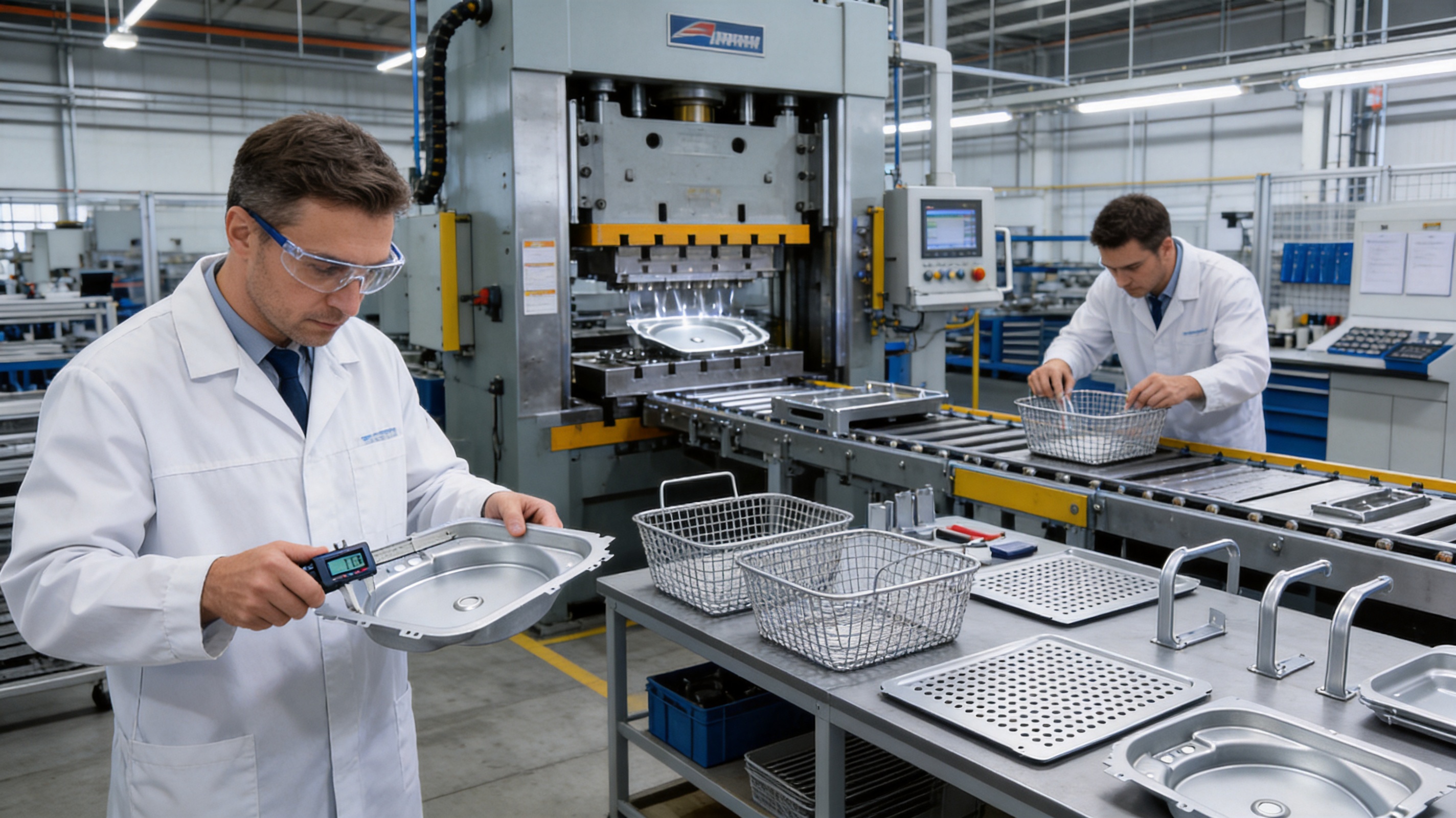
Quality control should cover raw materials, tooling, in-process production, finished dimensions, surface condition, assembly, and packaging. Inspection methods may include visual checks, dimensional measurement, fit testing, sampling, and functional evaluation.
For air fryer parts, important checkpoints may include tray depth, basket width, opening pattern, handle position, flatness, edge quality, hole location, coating condition, and compatibility with the customer’s appliance structure. The exact inspection plan can be adapted to the product’s risk level and production volume.
Stable quality control helps reduce variation and supports predictable delivery. It also provides customers with greater confidence when integrating components into their own assembly lines.
6. Manufacturing Strengths and Service Capabilities
Yuyao Hongli Optoelectronics Co., Ltd. has more than 20 years of experience in manufacturing and processing. Founded in 2000, the company developed from its former name, Yuyao Hongli Optoelectronics Educational Instruments Co., Ltd., into a comprehensive manufacturer serving several industrial sectors.
The company operates a modern factory of approximately 5,000 square meters and has multiple stamping workshops. With more than 60 employees, it provides production capacity for metal stamping parts, deep-drawn parts, bending parts, kitchen appliance accessories, automotive stamping parts, and related hardware products.
This broad manufacturing background is valuable for air fryer component production. Experience with automotive stamping parts, for example, encourages attention to dimensional stability, repeatability, and production discipline. Experience with educational and optical instruments supports careful fabrication of smaller precision components. Experience with household appliances helps the company understand the practical requirements of heat, cleaning, assembly, and user handling.
6.1 OEM and ODM Customization
OEM and ODM services allow customers to request parts that match specific appliance designs. Customization may include dimensions, metal grade, thickness, opening arrangement, handle structure, mounting points, surface treatment, packaging, and production quantity.
OEM production is suitable when the customer already has a complete design and requires a reliable manufacturing partner. ODM cooperation may be valuable when the customer needs assistance developing or refining a component. In both cases, early communication can improve manufacturability and shorten the transition from design to production.
6.2 Rapid Prototyping and Production Conversion
Product development often requires samples before mass production. Prototype parts help customers evaluate fit, appearance, usability, assembly, and cooking performance. A supplier with experience in forming processes can identify practical adjustments before the final tooling is established.
Efficient production conversion is another important strength. Once a design is approved, the supplier must transfer it into stable production while maintaining the sample’s key characteristics. This requires coordination among engineering, tooling, production, inspection, and packaging teams.
6.3 Integrated Manufacturing Support
A comprehensive manufacturer can support more than one operation. Air fryer components may require blanking, stamping, deep drawing, bending, finishing, inspection, and assembly. Coordinating these stages through one experienced supplier can simplify communication and reduce delays caused by multiple handoffs.
Integrated support also makes it easier to solve technical problems. If a tray has a forming issue, the engineering and production teams can review the material, die, process sequence, and final function together. This approach is often more effective than assigning different stages to unrelated suppliers.
6.4 Stable Delivery and After-Sales Service
Reliable delivery is essential for appliance manufacturers because component delays can affect assembly schedules and product launches. Stable production planning, material coordination, quality control, and packaging management all contribute to dependable delivery performance.
After-sales service is also important. Customers may need technical clarification, replacement samples, production updates, or assistance with future design changes. A long-term manufacturing relationship is built through consistent communication, responsible problem solving, and transparent cooperation.
7. Material and Design Considerations for Air Fryer Parts
Material selection should reflect the part’s function and operating environment. The basket may require a combination of strength, light weight, airflow, corrosion resistance, and surface cleanliness. The drip tray may require dimensional stability, resistance to grease and moisture, and a surface that can be cleaned repeatedly.
Material thickness must be balanced carefully. A thicker material may improve strength but increase weight, cost, and forming difficulty. A thinner material may reduce cost and weight but could be more vulnerable to deformation. The correct choice depends on the part geometry, expected load, operating temperature, assembly method, and target service life.
Designers should also consider corners and transitions. Extremely sharp internal corners may create stress concentration or make forming more difficult. Controlled radii can improve manufacturability and reduce the risk of tearing during deep drawing. Folded edges and flanges can improve rigidity while also reducing exposure to sharp sheet-metal edges.
Drainage and cleaning should be considered at the design stage. Areas that collect grease or moisture should be easy to access and should not create unnecessary residue traps. A well-planned part can improve hygiene without requiring complex or expensive construction.
Compatibility with the appliance assembly is equally important. Holes, slots, rails, tabs, and locating points must be positioned accurately. If the part includes a handle, the connection should be secure and balanced. If it slides into a housing, clearances must be sufficient for smooth operation without excessive movement.
8. Applications Across Air Fryer Product Lines
Air fryer parts can be used in compact household models, family-capacity appliances, countertop ovens with air-frying functions, multifunction cooking equipment, and replacement-part programs. Each application may require a different combination of dimensions, materials, surface finishes, and structural features.
Compact air fryers often prioritize low weight and efficient use of internal space. Their baskets and trays may require carefully designed forms that provide sufficient capacity without interfering with airflow. Larger models may require reinforced baskets, stronger handles, and deeper trays to support greater food loads.
Multifunction appliances may use interchangeable trays, racks, baskets, and accessories. In these products, dimensional compatibility and smooth insertion are particularly important. A component may need to perform correctly in several cooking modes, making structural strength and heat resistance essential.
Replacement-part programs require consistent repeatability over an extended period. Customers may need the same basket or tray design months or years after the original production run. Good documentation, stable tooling, and organized production records can support future orders more effectively.
9. Comparison of Key Performance Factors
| Performance Factor | High-Quality Air Fryer Parts | Lower-Quality Alternatives | Customer Benefit |
|---|---|---|---|
| Dimensional accuracy | Stable dimensions and repeatable fit | Greater variation between batches | Smoother assembly and dependable appliance operation |
| Air circulation | Consistent mesh or perforation design | Irregular openings or restricted airflow | More uniform cooking performance |
| Corrosion resistance | Suitable material and controlled surface condition | Higher risk of rust, staining, or surface deterioration | Longer service life and easier maintenance |
| Mechanical strength | Reinforced geometry and controlled forming | Greater risk of bending or deformation | Reliable use and fewer replacements |
| Edge quality | Controlled edges with reduced burrs | Sharp or uneven edges may remain | Safer handling and improved cleanliness |
| Customization | OEM/ODM support for size and structure | Limited to standard designs | Better integration with unique appliances |
| Production support | Engineering, stamping, forming, inspection, and delivery coordination | Fragmented or less responsive supply chain | Reduced communication and scheduling risks |
10. Benefits for Appliance Manufacturers and Distributors
For appliance manufacturers, the value of air fryer parts extends beyond the individual component price. A dependable basket or tray can reduce assembly problems, improve finished-product quality, and support customer satisfaction. When components fit consistently, production lines can operate with fewer interruptions and less manual correction.
Reliable parts can also reduce warranty and service costs. Problems such as tray deformation, loose handles, rust, or difficult removal may lead to consumer complaints and replacement requests. Investing in controlled manufacturing helps lower the likelihood of these issues.
Distributors and wholesalers benefit from products that are easier to position in the market. Air fryer accessories with durable construction, corrosion resistance, heat resistance, and easy-clean features can be offered to appliance brands, repair businesses, kitchen-equipment dealers, and replacement-part sellers.
Customized components can support brand differentiation. A manufacturer may use a special basket profile, a distinctive handle structure, or a customized tray configuration to create a more recognizable product. This flexibility is useful in markets where many appliances have similar basic functions.
Efficient supply also supports inventory management. When a supplier can provide stable production and communicate clearly about specifications and lead times, customers can plan purchasing more effectively. This is especially important when multiple appliance models use related but not identical components.
11. Quality, Safety, and Maintenance Considerations
Air fryer components should be designed and manufactured with their intended food preparation environment in mind. Materials, coatings, and surface treatments must be selected appropriately, and customers should confirm all requirements related to food contact, temperature exposure, cleaning methods, and regulatory compliance for their target market.
Users should inspect baskets, trays, and handles regularly. If a component becomes severely warped, cracked, loose, or heavily corroded, it should be evaluated and replaced as appropriate. Routine cleaning after use helps prevent grease accumulation and supports better hygiene.
Manufacturers can improve maintenance by designing components with accessible surfaces, controlled edges, removable structures, and limited residue traps. These features may seem simple, but they can strongly influence the user’s long-term perception of the appliance.
Packaging should protect finished parts from impact, scratching, and deformation during storage and transportation. Mesh baskets and formed trays can be nested or separated according to their geometry, but packaging must prevent excessive movement and contact damage. Proper labeling and batch management also support traceability and efficient warehouse handling.
12. Why Experience Matters in Metal Component Production
Metal forming appears straightforward from the outside, but reliable production requires practical knowledge of materials, tooling, machine settings, tolerances, and process sequence. A design that looks acceptable in a drawing may present difficulties during stamping or deep drawing. Experience helps identify these issues early and develop workable solutions.
More than 20 years of industry experience gives Yuyao Hongli Optoelectronics a broad understanding of component manufacturing for household appliances, educational instruments, optical instruments, auto parts, hardware products, plastic products, and other applications. This background supports a disciplined approach to product development and production control.
The company’s multiple stamping workshops and modern factory provide a foundation for handling different component types and production requirements. Its workforce of more than 60 employees supports coordination among manufacturing, engineering, quality, and customer-service functions.
Experience also supports long-term improvement. As customers introduce new air fryer models or modify existing designs, the supplier can apply lessons from previous projects to improve forming methods, simplify assembly, strengthen weak areas, and reduce unnecessary production costs.
13. A Practical Customization Workflow
13.1 Requirement Confirmation
The process begins with the customer’s drawings, samples, specifications, target quantity, and application requirements. Important information includes appliance dimensions, part function, material expectations, surface treatment, operating temperature, assembly method, and packaging needs.
13.2 Manufacturability Assessment
The supplier reviews the design to identify forming limitations, tolerance concerns, material issues, and opportunities for improvement. At this stage, the geometry may be adjusted to improve strength, reduce residue accumulation, simplify tooling, or improve production stability.
13.3 Prototype and Sample Evaluation
Prototype or sample parts allow the customer to confirm fit, appearance, operation, and assembly. Testing may include inserting the basket into the appliance, checking handle balance, evaluating tray clearance, and reviewing cleaning access.
13.4 Tooling and Process Preparation
After sample approval, production tooling and process arrangements are prepared. The sequence may include blanking, piercing, stamping, deep drawing, bending, finishing, inspection, and packaging. Process planning should consider production volume and the required level of repeatability.
13.5 Mass Production and Inspection
During production, components are monitored against approved specifications. Dimensional checks, visual inspection, functional fitting, and surface evaluation help verify that the batch remains consistent.
13.6 Delivery and Continued Support
Finished components are packaged and delivered according to the customer’s schedule. Continued support may include repeat orders, design updates, replacement samples, technical communication, and assistance with future product development.
14. Frequently Asked Questions
Q1: What types of air fryer parts can be customized?
Customers may request customized mesh baskets, drip trays, tray handles, support brackets, inner liners, mounting plates, guide components, and other stamped or formed kitchen appliance accessories. Dimensions, material, thickness, opening pattern, edge structure, surface treatment, and packaging can be discussed according to the product design.
Q2: Why are stamping and deep drawing suitable for air fryer parts?
Stamping is suitable for repeatable components such as brackets, plates, clips, reinforcing pieces, and perforated structures. Deep drawing is useful for tray-shaped parts that require depth and a continuous formed structure. Both processes support efficient production and stable geometry when tooling and process parameters are properly controlled.
Q3: How do mesh baskets support even cooking?
The openings in a mesh basket allow hot air to circulate around the food and provide a path for grease and moisture to drain. Consistent opening design and accurate basket dimensions help maintain predictable airflow, although overall cooking performance also depends on the appliance’s heating and fan system.
Q4: What makes a drip tray easy to clean?
A suitable shape, smooth surface, controlled edges, accessible areas, and limited residue traps can make a drip tray easier to clean. The tray should also fit correctly so that it can be removed conveniently without spilling collected grease or food residue.
Q5: Why is corrosion resistance important?
Air fryer parts may contact moisture, grease, salt, acidic food residue, and cleaning agents. Corrosion-resistant materials or suitable surface treatments help prevent rust and deterioration, supporting longer service life, better appearance, and a more hygienic cooking environment.
Q6: Can the company support OEM and ODM projects?
Yes. The company supports OEM/ODM customization, rapid prototyping, and production conversion. Customers can provide drawings, samples, or design requirements for review and development.
Q7: What information should customers provide when requesting a quotation?
Useful information includes part drawings or samples, dimensions, material requirements, thickness, surface treatment, estimated order quantity, application details, packaging expectations, and delivery requirements. Clear information helps the supplier evaluate tooling, process feasibility, and production cost more accurately.
Q8: How can customers confirm the quality of a new component?
Customers can evaluate prototype samples for fit, appearance, edge quality, handle stability, tray clearance, basket alignment, and cleaning convenience. They may also define dimensional inspection points and functional tests before mass production begins.
Q9: Are these components suitable for different air fryer models?
Components can be customized for different models, but compatibility depends on the appliance’s internal dimensions, capacity, assembly structure, airflow design, and operating requirements. Each new model should be reviewed to confirm fit and function.
Q10: What is the advantage of working with a comprehensive manufacturer?
A comprehensive manufacturer can coordinate engineering, stamping, deep drawing, bending, finishing, inspection, packaging, and delivery. This reduces communication gaps and may help customers achieve more stable quality and efficient production scheduling.
15. Conclusion
Air fryer parts are essential to the performance and usability of modern kitchen appliances. Mesh baskets support airflow and grease drainage, drip trays improve cleanliness and residue control, and heat-resistant tray handles provide safer and more convenient handling. When these components are manufactured with suitable materials, accurate forming, controlled surfaces, and reliable inspection, they can improve cooking consistency, durability, hygiene, and customer satisfaction.
Compared with lower-quality alternatives, precision-made air fryer parts offer more stable dimensions, better edge quality, greater resistance to corrosion and wear, stronger mechanical performance, and more reliable compatibility with appliance assemblies. These benefits can reduce production problems, service costs, and replacement requirements while supporting a stronger finished product.
Yuyao Hongli Optoelectronics Co., Ltd. combines more than 20 years of manufacturing experience with a 5,000-square-meter factory, multiple stamping workshops, a workforce of more than 60 employees, OEM/ODM services, rapid prototyping, and production conversion capabilities. Its experience in stamping, deep drawing, bending, household appliances, hardware, automotive parts, and related products provides a strong foundation for customized air fryer component production.
For appliance brands, wholesalers, distributors, and product developers, selecting a capable manufacturing partner is an important step toward building dependable air fryer products. By combining practical design support, controlled metal-forming processes, quality management, stable delivery, and long-term cooperation, high-quality air fryer parts can provide lasting value throughout the product life cycle.
References
1. General principles of sheet-metal stamping, blanking, piercing, and forming for appliance components.
2. General engineering practices for deep-drawn trays, formed containers, and corrosion-resistant kitchen hardware.
3. General design considerations for hot-air circulation, grease drainage, and removable cooking accessories.
4. General quality-control principles for dimensional inspection, surface evaluation, deburring, and production consistency.
5. General product-development practices for OEM/ODM metal components, prototyping, tooling preparation, and mass-production conversion.
6. Company-provided information regarding Yuyao Hongli Optoelectronics Co., Ltd., its manufacturing capabilities, product categories, factory scale, experience, and service commitments.
Product: Air fryer parts
Previous Post
Precision Stamped Miniature Parts for Demanding Industrial Applications
Next Post
Air Fryer Base: Durable, Stable, and Efficient Metal Support for Modern Kitchen Appliances
News
-
-
What Is Deep Drawing Process and What Are Deep-Drawn Parts The deep drawing process is a sheet metal forming operation in which a flat meta...
READ MORE -
When you need a metal component whose depth clearly exceeds its width, such as a one-piece battery enclosure, an air-fryer inner container,...
READ MORE -
Steel is the backbone of modern manufacturing, yet it is never a single, uniform material. When engineers and buyers ask, "How can you clas...
READ MORE
Get Fresh Updates Via Email
We promise we will never disclose your email address, and you can opt out at any time.
-
Quick Links
Home About Us Products Service News Contact Us -
Product list
Deep-drawn parts Stamped parts Bending parts Kitchen appliance accessories Automotive stamping parts -
About Us
Factory Honour FAQ -
News
Company News Industry News -
Contact Us
Address: South side of Shunke Road, Yangming Science and Technology Industrial Park, Yuyao City, Zhejiang Province, China Tel: +86-13905842349/+86-13738485724 Email: hongli@hl-stamping.com
Copyright © Yuyao Hongli Optoelectronics Co., Ltd. All Rights Reserved.
Custom Precision-Sheet/Sheet Metal Stamping Manufacturers
