


 English
 русский
 Español
 عربى


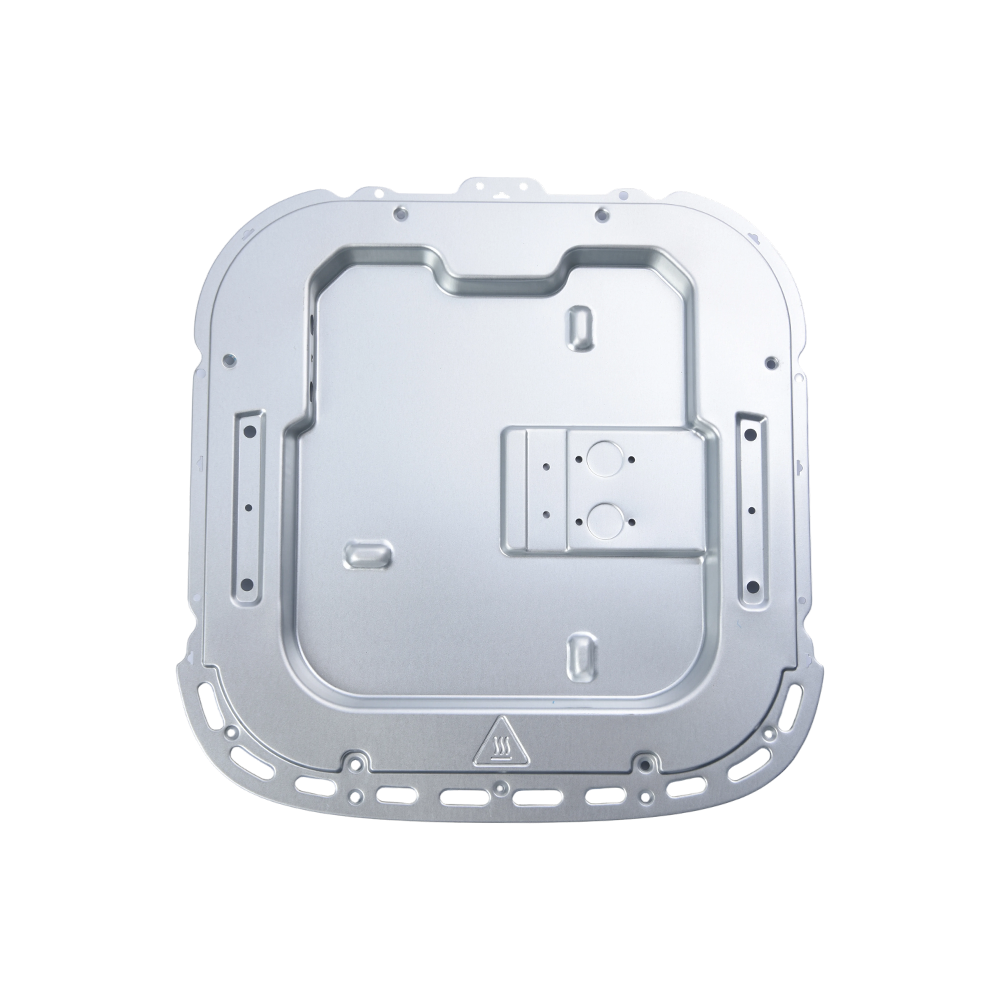
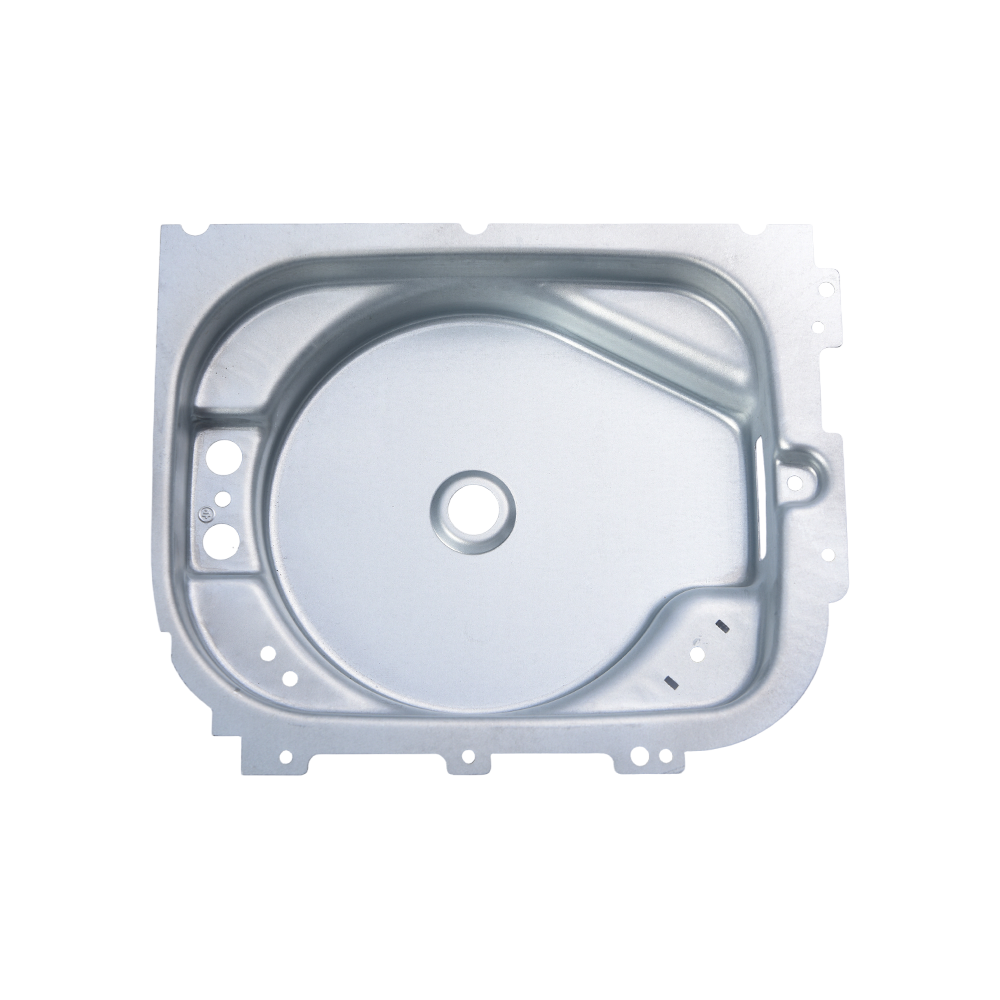
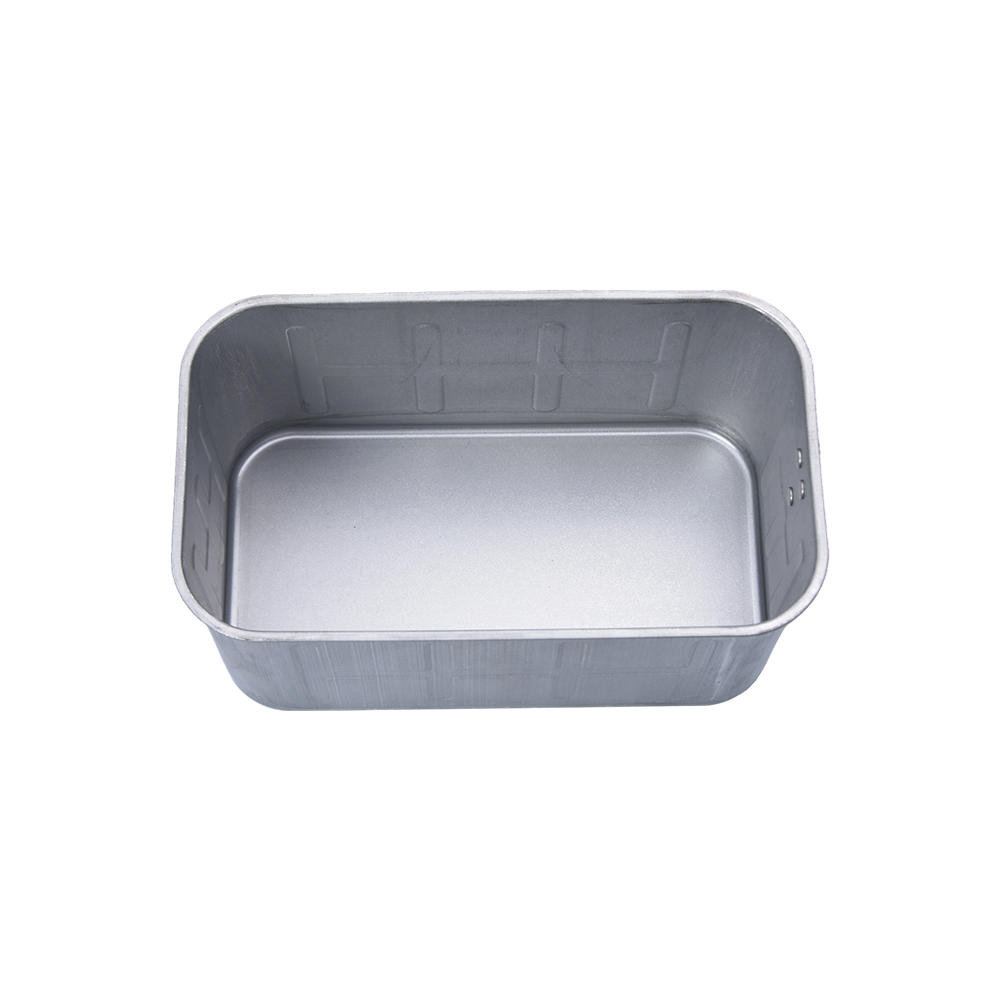
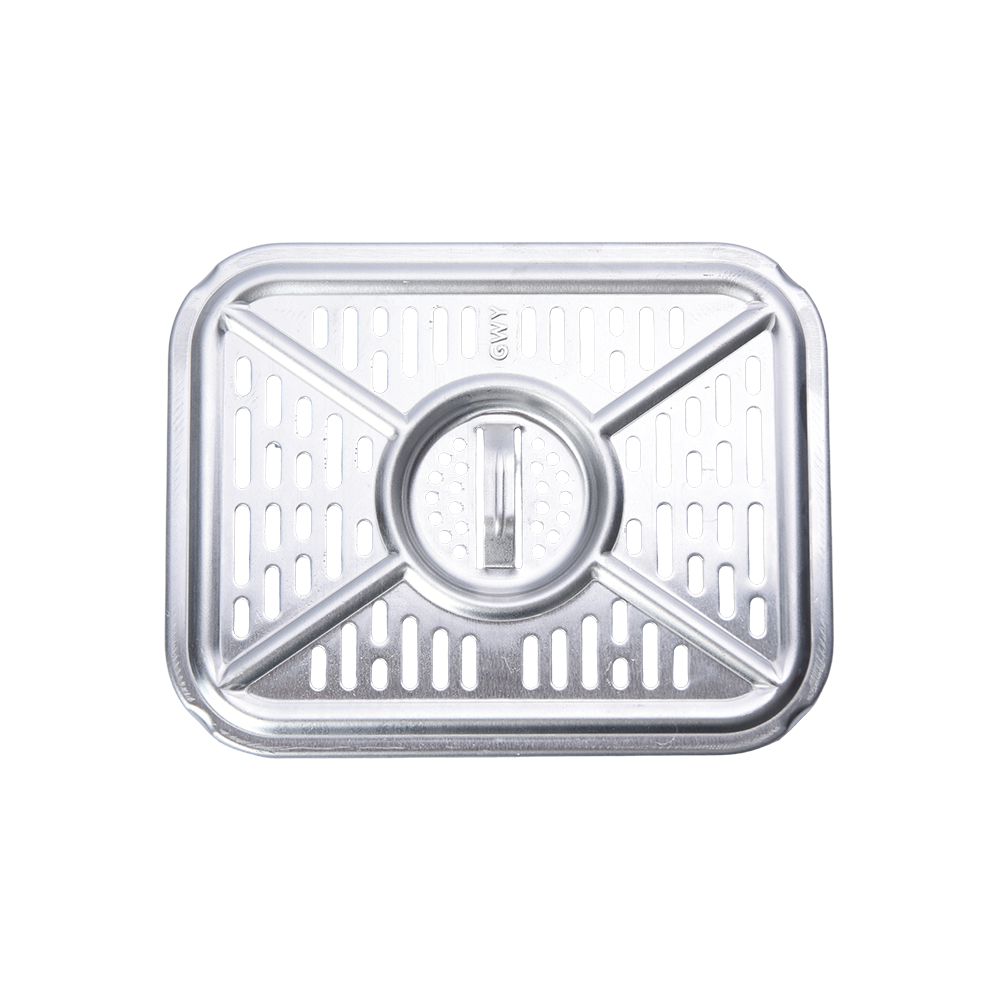
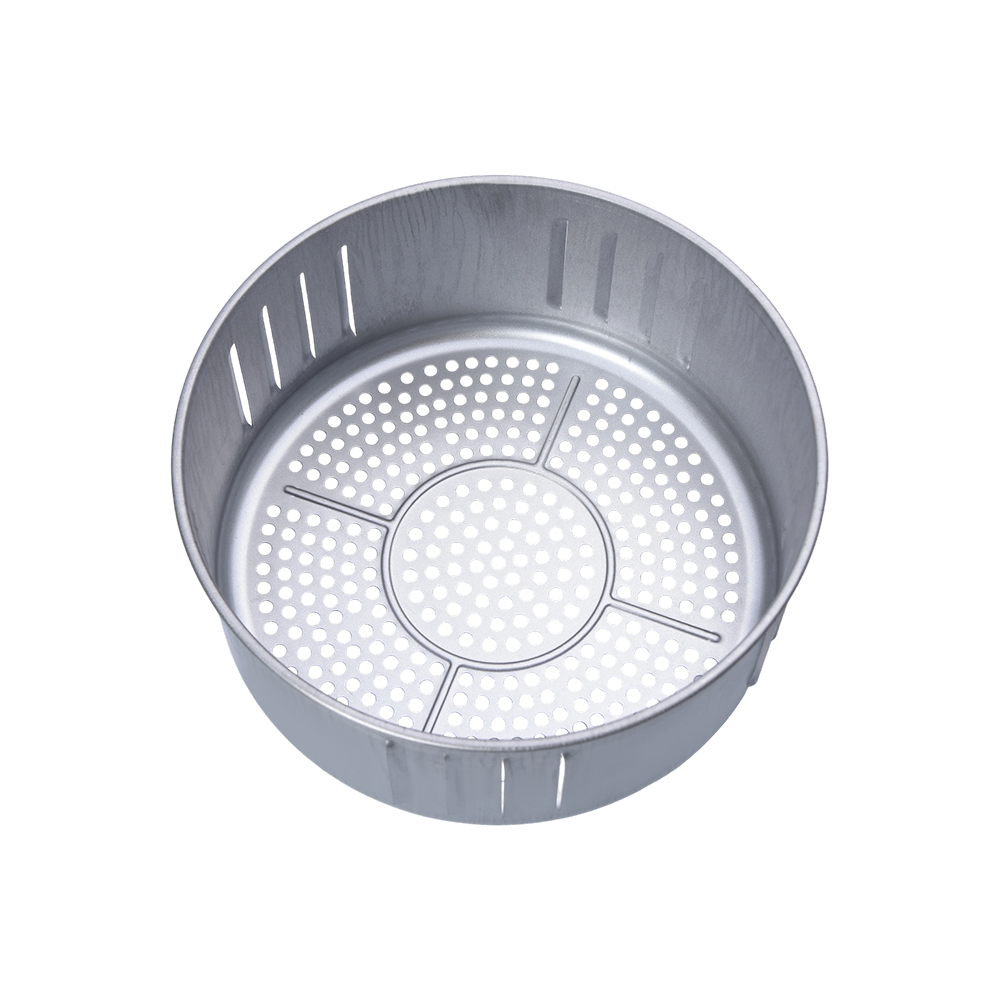
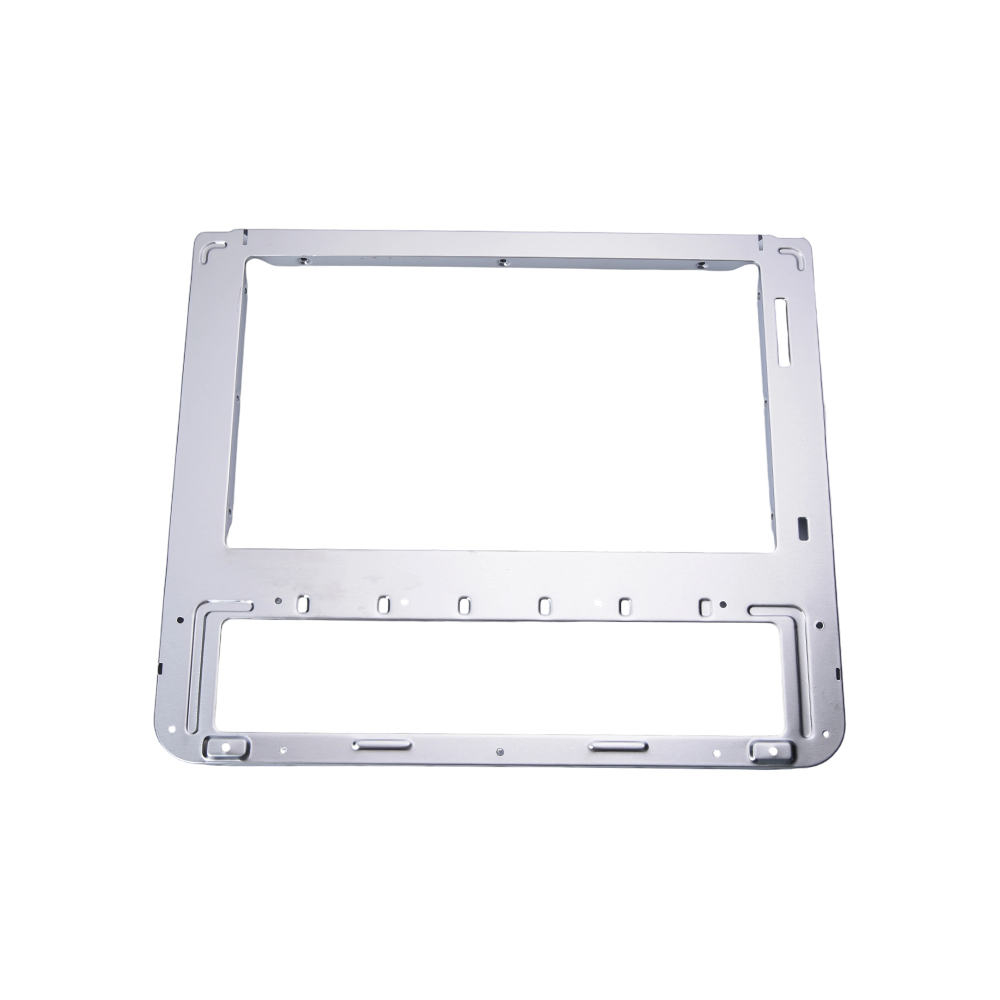
What Are Stamped Parts? Stamped parts are metal components produced by pressing flat sheet metal between a die and a punch to cut, bend, or...
READ MORE

News
Home / Author / Wang Xinyi — Senior After-Sales Coordinator / Kitchen Utensil Base: Durable, Hygienic, and Precision-Formed Countertop Storage
Kitchen Utensil Base: Durable, Hygienic, and Precision-Formed Countertop Storage
2026-10-14
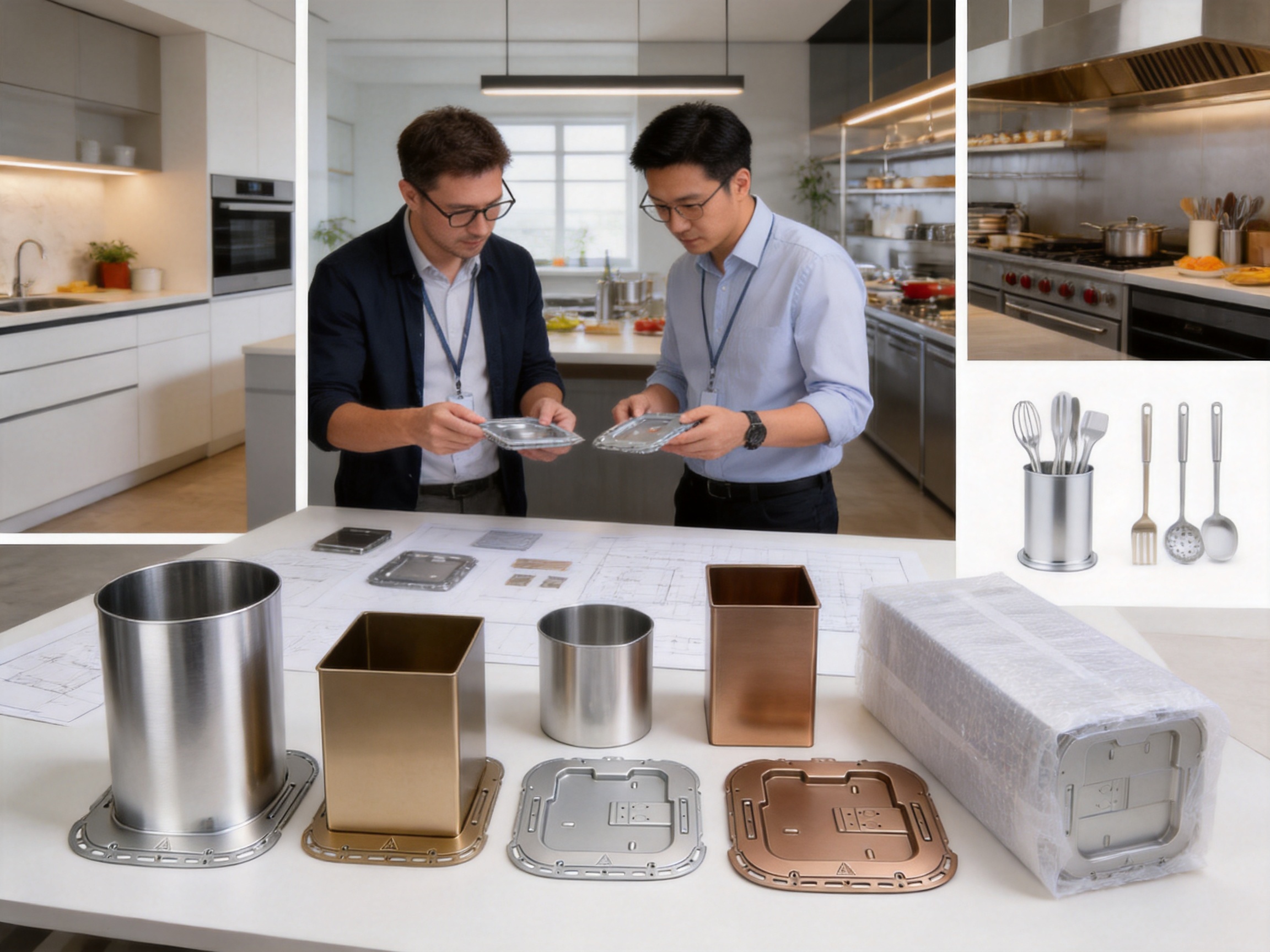
A well-designed kitchen utensil base is more than a simple container. It is a practical countertop accessory that keeps frequently used tools organized, accessible, and visually coordinated with the surrounding kitchen. When manufactured from properly selected materials and formed with accurate metalworking processes, a utensil base can provide reliable stability, corrosion resistance, easy cleaning, and long service life in demanding household environments.
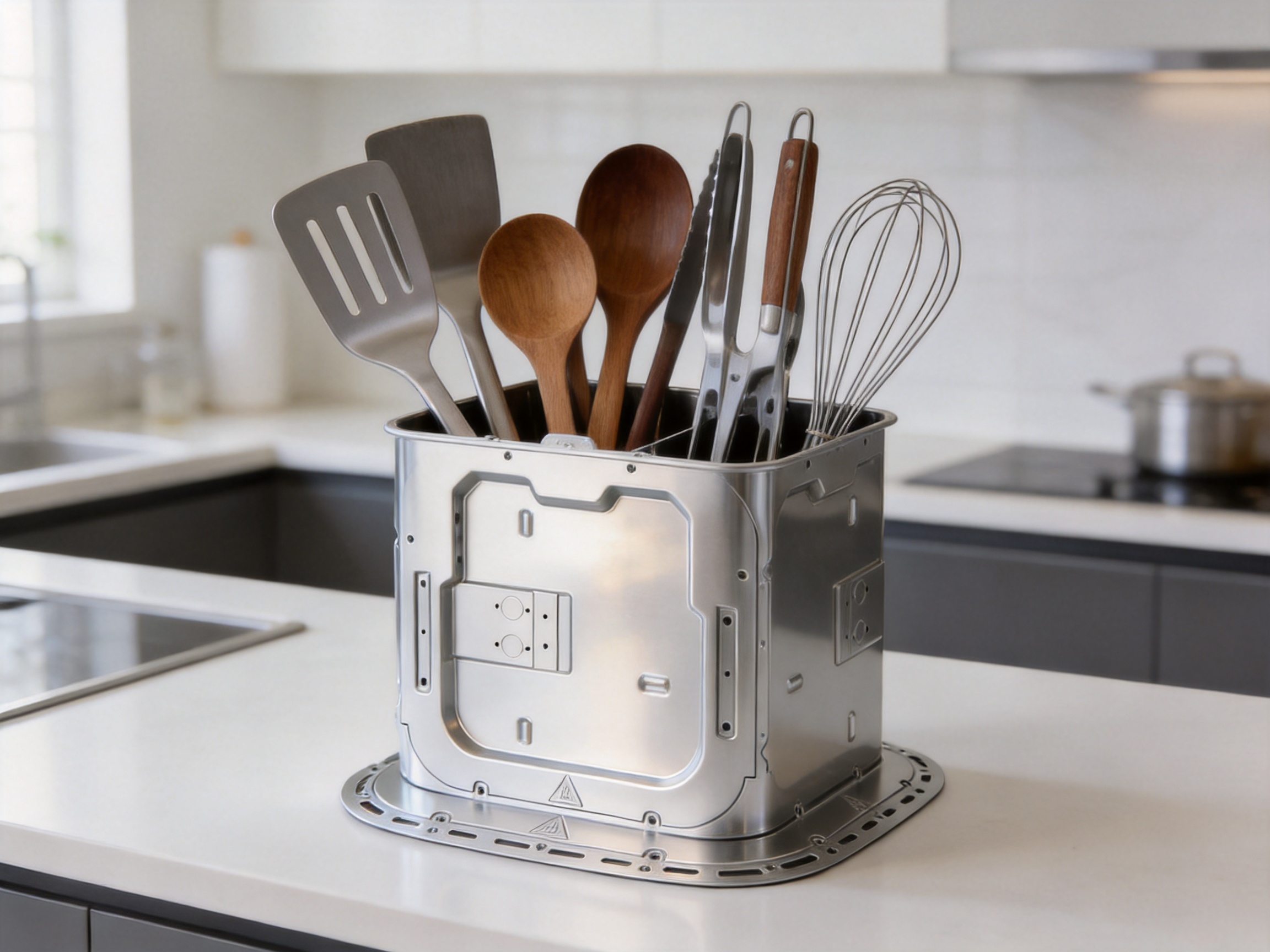
The Kitchen Utensil Base is designed for customers seeking a combination of functional storage, attractive appearance, and dependable manufacturing quality. It can accommodate common cooking tools such as spatulas, spoons, ladles, tongs, whisks, and other long-handled utensils. Its open structure allows users to select tools quickly while cooking, reducing clutter around the work area and improving countertop organization.
Behind the visible product is an important manufacturing process. A high-quality utensil base depends on precise sheet metal preparation, deep drawing or stamping where required, controlled bending, accurate trimming, surface finishing, and consistent inspection. These processes determine whether the finished product remains stable, resists deformation, maintains a clean appearance, and performs reliably after repeated daily use.
What Is a Kitchen Utensil Base?
A kitchen utensil base is a countertop storage component intended to hold cooking tools in an upright or organized position. Depending on the design, it may have a cylindrical, square, rectangular, tiered, or customized form. It may also include a reinforced bottom, folded edges, drainage openings, decorative details, mounting features, or other functional structures.
The product is generally placed near a cooking area, food preparation station, kitchen island, or appliance zone. Its primary purpose is to keep utensils within convenient reach. At the same time, the base can contribute to the overall appearance of the kitchen by presenting a clean, coordinated, and orderly storage solution.
Unlike temporary plastic containers or improvised household storage items, a precision-manufactured metal utensil base is intended for long-term use. Its construction can be engineered to support the weight of multiple tools, remain steady when utensils are inserted or removed, and withstand exposure to normal kitchen conditions such as moisture, heat, splashes, stains, and frequent cleaning.
The base can be developed as a standalone product or as a component of a larger kitchen accessory system. It may be supplied to kitchenware brands, appliance manufacturers, household goods distributors, wholesalers, retailers, and OEM customers. Its dimensions, material selection, appearance, and packaging can be adapted to different markets and product positioning requirements.
Functional Design for Everyday Kitchen Use
The most important advantage of a utensil base is practical accessibility. Cooking tools are often used repeatedly throughout meal preparation. When spatulas, ladles, whisks, and tongs are placed loosely in drawers or on a work surface, they can create clutter and make it difficult to find the correct tool. An upright utensil base keeps these items together and allows the user to identify and retrieve them quickly.
The open upper structure supports easy access. Users do not need to open a cabinet or handle a complicated lid while working near a hot pan or stove. The design also allows utensils to be returned to the same location after use, helping maintain a more organized preparation area.
Stability is another essential design consideration. A utensil base must remain upright when it contains several tools of different sizes and weights. A properly proportioned base, reinforced bottom, and suitable center of gravity help prevent tipping. Accurate forming and controlled dimensions ensure that the base sits evenly on a countertop rather than rocking or leaning.
Internal space can be designed to hold a wide range of utensils without excessive crowding. A carefully selected opening diameter or internal width allows long-handled tools to stand naturally while leaving enough room for users to separate them. For larger kitchen collections, a square, rectangular, or tiered format may provide more efficient capacity than a narrow cylindrical format.
Surface design also affects usability. Smooth edges reduce the risk of snagging cloths or damaging hands during normal handling. Folded or rolled edges can add rigidity while creating a more comfortable contact area. The absence of unnecessary sharp corners makes the product more suitable for a busy household environment.
Material Advantages in a Kitchen Environment
Kitchen storage products operate in an environment that can be more demanding than it first appears. Steam, water droplets, cooking oils, food particles, cleaning products, and temperature changes may repeatedly affect the surface. For this reason, the material and surface treatment must be selected according to the intended use and product positioning.
Metal provides several advantages for this application. It can offer a strong structure with relatively thin walls, allowing the product to maintain a refined appearance without becoming excessively heavy. Properly selected sheet metal can be formed into consistent shapes while preserving dimensional accuracy and structural integrity.
When stainless steel is selected, the product can benefit from natural corrosion resistance, a clean appearance, and compatibility with common kitchen cleaning routines. Stainless steel may be particularly suitable for premium products or designs that emphasize a modern metallic finish. Different grades and surface finishes can be evaluated according to corrosion requirements, appearance, forming characteristics, and cost objectives.
Coated steel or other treated metal options can also be considered for designs requiring specific colors, textures, or decorative effects. A suitable coating can improve visual consistency and provide an additional protective layer. The coating system must be chosen carefully so that it adheres properly to the formed surface and remains stable during ordinary use.
Metal surfaces are also easy to integrate into a broader household product design. They can be brushed, polished, coated, embossed, perforated, or combined with other components. These options allow a kitchen utensil base to match modern, traditional, industrial, minimalist, or commercial kitchen styles.
Key Product Benefits
Long-Term Structural Durability
A utensil base should maintain its shape after repeated loading, handling, and cleaning. Precision-formed metal provides a durable structure that is less likely to collapse, split, or lose its form compared with thin, poorly supported alternatives. The bottom area can be designed to distribute the weight of the stored tools and reduce localized stress.
Durability is especially important for commercial kitchens, hospitality facilities, cooking schools, and households that use many tools every day. A product that retains its structure over time reduces replacement frequency and supports a better ownership experience.
Resistance to Moisture and Corrosion
Kitchen products are regularly exposed to water and humidity. A suitable metal grade, protective coating, and controlled finishing process can help the utensil base resist rust and surface deterioration. Corrosion resistance improves both service life and appearance, particularly when the product is placed near sinks, dishwashing areas, or cooking stations.
The final performance depends on the selected material, surface treatment, cleaning conditions, and usage environment. For this reason, material recommendations should be confirmed during product development rather than relying only on visual appearance.
Easy Cleaning and Maintenance
The open form of the utensil base allows air circulation and makes the interior easier to inspect. Smooth surfaces can be wiped efficiently, while suitable drainage or ventilation features may help prevent the accumulation of moisture and residue. A simple structure with limited hidden gaps can reduce maintenance effort.
Easy cleaning is a significant advantage over storage solutions that include difficult-to-reach cavities, soft materials that retain moisture, or decorative parts that collect residue. For kitchens where appearance and hygiene are equally important, a carefully finished metal base can provide a practical balance.
Stable Countertop Positioning
Countertop stability depends on the base geometry, bottom construction, weight distribution, and contact surface. A properly manufactured product can stand securely while tools are inserted and removed. The bottom can also be designed to protect the countertop and reduce movement during use.
For specific applications, additional features may be considered, including a wider footprint, a reinforced base, non-slip contact elements, or a separate tray. These options can be evaluated according to the product’s intended market and required cost structure.
Flexible Appearance and Configuration
Kitchen utensil bases are not limited to one shape or finish. Cylindrical models may provide a classic and compact appearance. Square or rectangular designs can use countertop space efficiently and coordinate with modern kitchen layouts. Tiered or divided structures can separate different groups of tools and improve visibility.
Surface finishes may range from polished and brushed metallic effects to colored coatings and textured decorative treatments. Branding, logos, patterns, and other visual details can be incorporated through suitable forming or finishing methods, subject to technical review.
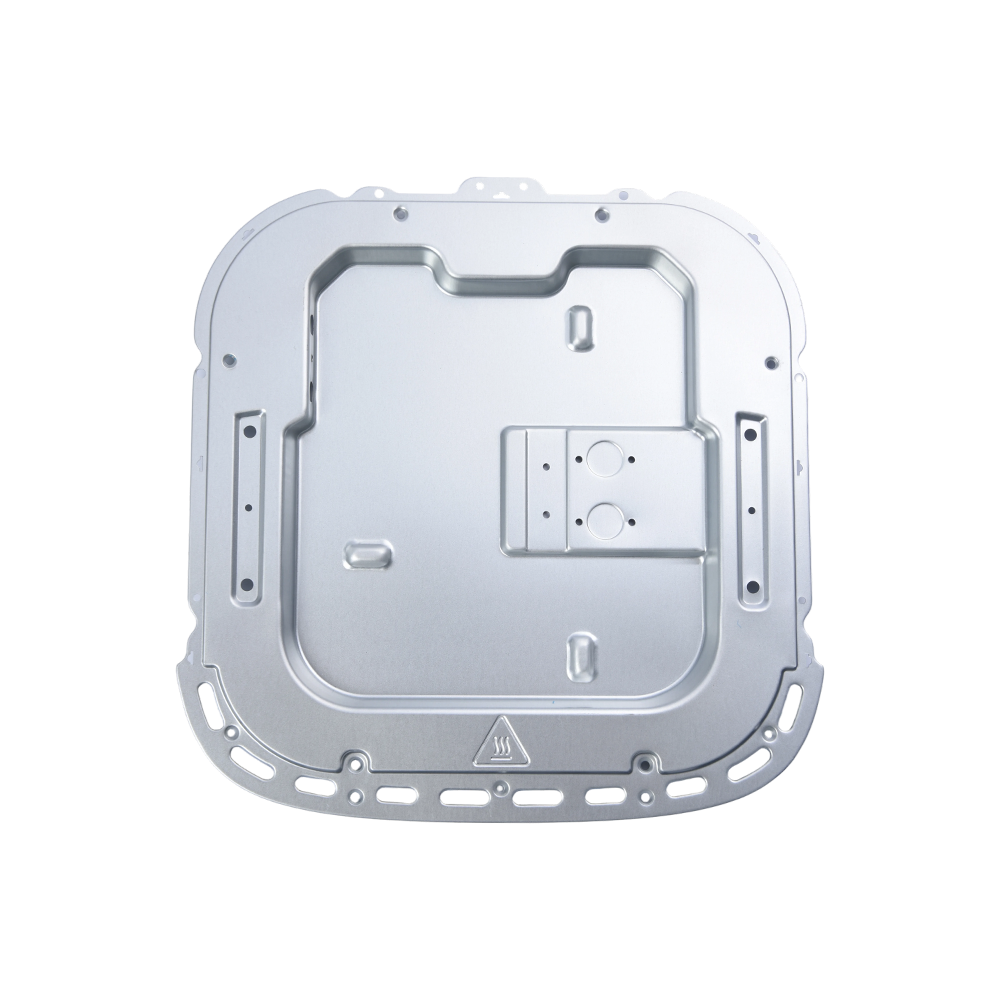
Kitchen Utensil Base
Advantages Compared with Lower-Quality Alternatives
Many utensil holders available in the market are produced with limited attention to material consistency, edge quality, dimensional control, or long-term corrosion performance. These products may appear acceptable when new but can develop problems after repeated use. Common issues include unstable placement, uneven bottoms, sharp edges, coating defects, premature rust, denting, and difficulty with cleaning.
A precision-manufactured metal utensil base can distinguish itself through more controlled production. Accurate tooling helps maintain consistent geometry from one production batch to another. Controlled forming reduces irregularities, while trimming and edge treatment improve safety and appearance. Inspection procedures help identify dimensional or surface defects before shipment.
Compared with thin plastic containers, a metal base may provide a stronger and more premium feel. It is less dependent on thick walls to achieve rigidity and can offer greater resistance to ordinary heat exposure. Compared with low-grade untreated metal, a properly selected and finished material can provide better corrosion resistance and a more stable appearance.
The product can also offer greater customization flexibility than standard mass-market holders. OEM and ODM customers may request specific dimensions, opening shapes, mounting arrangements, finishes, packaging formats, or production quantities. A manufacturer with stamping, deep-drawing, bending, and related processing capabilities can coordinate these requirements within one supply chain.
Precision Sheet Metal Manufacturing
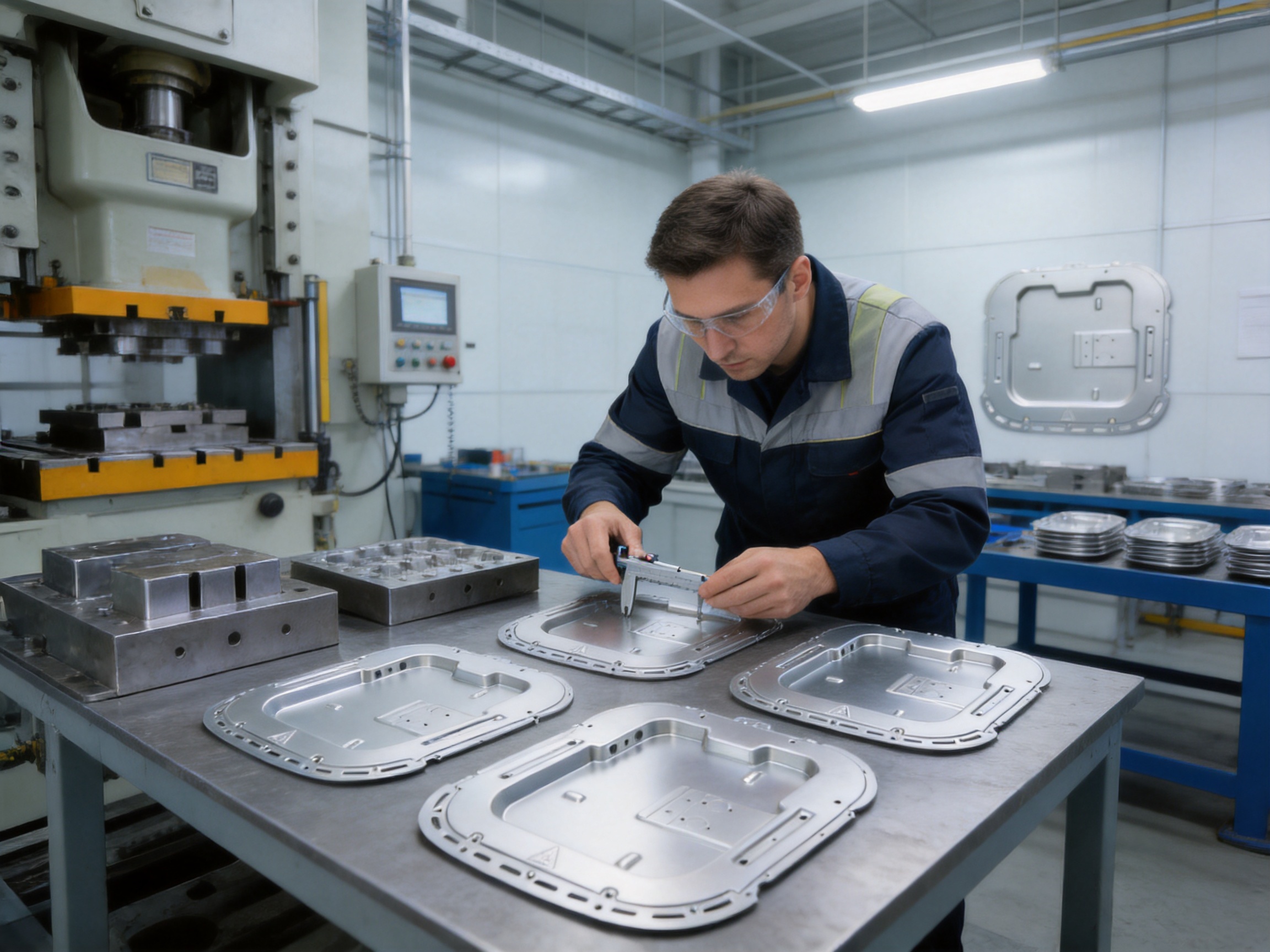
The manufacturing process begins with product requirements and engineering review. Before tooling is produced, the design should be evaluated for material thickness, bend radii, drawing depth, edge conditions, tolerances, surface requirements, assembly needs, and production volume. This early review helps identify potential forming difficulties and supports a more reliable final design.
Sheet metal is then selected according to the intended application. Factors may include corrosion resistance, strength, surface quality, formability, thickness, finish, and cost. The chosen material should be suitable for the required forming operation and compatible with subsequent treatments such as polishing, brushing, coating, or other finishing processes.
Blanking or cutting prepares the material for forming. Accurate cutting is important because the blank dimensions influence the final shape, wall distribution, and edge condition. If the blank is inconsistent, later operations may produce variation in height, diameter, squareness, or bottom flatness.
Stamping may be used to create the initial shape, reinforce selected sections, form openings, or add functional and decorative details. Deep drawing can be applied when the utensil base requires a seamless or relatively continuous formed body. Bending processes can create folded sides, support sections, flanges, reinforcement features, or attachment areas.
Multiple forming stages may be required depending on the depth, geometry, material, and tolerance requirements. A controlled sequence helps reduce excessive stress and limits the risk of wrinkling, cracking, tearing, or distortion. Tool design is particularly important for products with deep walls, narrow corners, or visible exterior surfaces.
Deep-Drawing Capability
Deep drawing is a forming process in which a flat sheet blank is shaped into a deeper three-dimensional component through a die and punch. It is useful for products requiring a continuous body, smooth transitions, and a stable base. The process can reduce the need for multiple joined pieces and may improve appearance when a clean, uninterrupted surface is desired.
Successful deep drawing requires appropriate control of blank-holder pressure, punch geometry, die radius, lubrication, material behavior, and forming speed. If these factors are not properly matched, the material may wrinkle, crack, thin excessively, or become distorted. Experienced production personnel and suitable tooling help maintain consistent results.
For a kitchen utensil base, deep drawing may be used for cylindrical or rounded forms, depending on the approved design. The final process selection should be based on the required shape and volume rather than applying one method to every product.
Stamping and Bending Operations
Stamping can create accurately repeatable features at production scale. It is suitable for cutting, piercing, embossing, flattening, forming, and other operations. When supported by appropriate dies and press equipment, stamping can provide efficient production with consistent dimensions.
Bending forms sheet metal along defined lines or curves. In a utensil base, bending may be used to create a squared body, folded rim, mounting flange, reinforcement section, or protective edge. Proper bend allowance calculations are important because the material stretches and compresses during forming.
Combining stamping and bending allows a manufacturer to develop products that are both structurally effective and visually refined. Functional elements can be integrated into the body instead of being added as unnecessary separate parts. This can reduce assembly complexity and improve product consistency.
Manufacturing Strengths of Yuyao Hongli Optoelectronics
Yuyao Hongli Optoelectronics Co., Ltd. is a comprehensive manufacturing enterprise with more than 20 years of industry experience. Established in 2000, the company has developed from its earlier educational instrument business into a professional manufacturer serving a broad range of metal and related product applications.
The company operates a modern factory of approximately 5,000 square meters and employs more than 60 people. Its production activities include metal stamping parts, deep-drawn parts, bending parts, kitchen appliance accessories, automotive stamping parts, hardware products, plastic products, household appliance components, optical instruments, and educational instruments.
This broad product background is valuable for kitchen utensil base production because it reflects experience with different metal geometries, tooling requirements, tolerances, and application environments. Knowledge gained from automotive and appliance components can support disciplined production control, while experience with household products helps address appearance, handling, and everyday-use requirements.
The company supports OEM and ODM customization. This means customers can present an existing drawing, sample, or concept for evaluation. The manufacturing team can then assist with process selection, tooling development, sample production, production conversion, and repeat manufacturing. Such support is especially useful for customers who need a product adapted to a specific brand style or kitchen accessory system.
Rapid prototyping and efficient production conversion can shorten the path from an initial idea to a manufacturable product. Prototype review may reveal issues involving wall thickness, corner radii, stability, opening size, surface treatment, packaging, or assembly. Addressing these matters before mass production helps reduce avoidable changes later.
Quality control is maintained throughout the production process rather than being limited to final inspection. Material preparation, forming, trimming, finishing, and packing all influence product quality. A process-oriented approach helps improve consistency and supports stable delivery for repeat orders.
The company also provides manufacturing, processing, wholesale, retail, import, and export services. This broad capability allows it to work with different customer types, from product developers and appliance companies to distributors and international buyers.
Production Process for the Kitchen Utensil Base
Although the exact process depends on the final drawing, a typical production route may include the following stages.
| Production Stage | Purpose | Important Quality Considerations |
|---|---|---|
| Design and engineering review | Confirm dimensions, material, shape, tolerances, and production method | Formability, stability, edge safety, tooling feasibility |
| Material preparation | Prepare sheet or coil material for production | Material grade, thickness, surface condition, traceability |
| Blanking and cutting | Create the starting blank or component profile | Cutting accuracy, burr control, dimensional consistency |
| Deep drawing or forming | Produce the main three-dimensional body | Wall condition, shape accuracy, wrinkles, cracks, distortion |
| Stamping and bending | Add flanges, openings, folds, or reinforcement features | Bend angle, feature position, repeatability, edge quality |
| Trimming and deburring | Remove excess material and improve edge safety | Uniform height, smooth edges, no sharp projections |
| Surface finishing | Achieve the requested appearance and protection | Finish consistency, adhesion, cleanliness, scratch control |
| Inspection and packing | Confirm product conformity before delivery | Function, appearance, quantity, packaging protection |
Each operation should be coordinated with the next. For example, a surface finish selected at the beginning may influence how the product is handled after forming. A narrow tolerance for base flatness may require additional attention during forming and inspection. Packaging must also protect visible surfaces from scratches, dents, and contamination during transportation.
Tooling Development
Tooling is one of the most important factors in repeatable metal production. Dies and forming tools determine the basic geometry of the product and influence material flow. A well-designed tool can improve production stability, reduce defects, and support efficient cycle times.
Tooling requirements vary according to the product shape. A cylindrical utensil base may require drawing tools and trimming dies. A square base may involve progressive forming and bending operations. A design with openings, embossed details, or reinforcement features may require additional punches or secondary operations.
Tool life and maintenance also affect long-term production performance. Regular inspection can identify wear before it causes widespread dimensional variation. Proper maintenance supports consistent output across repeat orders and helps protect the customer’s product design.
Edge and Surface Control
Edge treatment is essential for a product that will be handled frequently. After cutting or forming, edges may require trimming, deburring, rounding, folding, or other treatment. The objective is to create a clean edge that is safe to touch and visually consistent.
Surface control is equally important for a visible kitchen accessory. Scratches, dents, stains, uneven brushing, coating marks, and handling damage can reduce perceived value even if the product remains functional. Production workers should use appropriate handling methods and protective materials to preserve the finished appearance.
For coated products, surface preparation is a critical step. Oil, dust, oxidation, and other contaminants can interfere with coating adhesion. Cleaning and preparation should therefore be controlled before the protective or decorative layer is applied.
Design Customization for OEM and ODM Customers
Different customers may require different utensil base dimensions and configurations. A compact design may be suitable for small apartments or limited countertop space. A larger model may be intended for professional kitchens or households with extensive cooking equipment. Custom height, width, diameter, capacity, and opening design can be considered during development.
Customization may also involve internal organization. Dividers can separate tools by function. A tiered structure can improve visibility. A wider opening can accommodate bulky utensils, while a narrower format may be preferred for a compact appearance. These decisions should balance capacity, stability, ease of access, and manufacturing complexity.
Exterior styling can be adapted to match the customer’s product family. Options may include smooth cylindrical walls, geometric corners, decorative perforations, embossed patterns, folded rims, branded details, and different surface finishes. The most suitable solution depends on the customer’s target market and desired retail position.
Packaging can also be customized. Individual protective bags, paper sleeves, cartons, separators, labels, and export packaging may be evaluated according to the distribution channel. Good packaging protects the surface and helps maintain product presentation when the item reaches a retailer or end user.
Customers can provide drawings, three-dimensional files, physical samples, reference photographs, or functional descriptions. The engineering team can review the information and recommend appropriate materials, production methods, tolerances, and finishing requirements. Early communication is particularly important when the product includes deep walls, tight corners, complex bends, or decorative surfaces.
Quality Control and Reliability
Reliable quality begins with clear specifications. A drawing or product specification should identify key dimensions, material requirements, surface expectations, critical tolerances, and inspection standards. Where appearance is important, reference samples or approved limit samples can help define acceptable variation.
Dimensional inspection may include overall height, width, diameter, opening size, wall geometry, base flatness, and feature position. Functional inspection may confirm that the product stands securely, accepts the intended utensils, and does not contain sharp or hazardous edges.
Visual inspection can identify dents, scratches, cracks, wrinkles, discoloration, coating defects, burrs, and other surface issues. The inspection standard should be suitable for the intended market. A premium retail product may require stricter cosmetic control than an internal industrial component.
Packaging inspection is also important. A correctly manufactured product can still arrive damaged if it is not protected against movement, impact, moisture, or abrasion. Appropriate separators and protective materials can help preserve the finish during storage and transportation.
Stable delivery is another part of quality. Customers rely on consistent production schedules for product launches, replenishment, and distribution planning. A manufacturer with established workshops, production personnel, tooling experience, and process coordination can support more predictable repeat orders.
Why Manufacturing Experience Matters
Metal products often appear simple from the outside, but small design decisions can significantly affect production. A corner that is too tight may cause cracking. A wall that is too deep may require multiple drawing stages. A base that is too narrow may reduce stability. A decorative finish may reveal forming marks that would be hidden on an internal component.
Manufacturing experience helps identify these issues earlier. It supports practical recommendations that balance product appearance, performance, tooling cost, production speed, and material utilization. This is one of the main advantages of working with a company that produces multiple categories of stamped, drawn, and bent components rather than only trading finished goods.
Experience across household appliances, automotive parts, hardware products, optical instruments, and educational equipment can also encourage a disciplined approach to tolerances and process control. Although a kitchen utensil base has a different end use, the underlying principles of accurate forming, repeatability, surface protection, and inspection remain important.
Yuyao Hongli Optoelectronics combines manufacturing experience with OEM and ODM service. Its facilities and workforce support product development from initial review through production and shipment. This integrated approach can simplify communication and reduce the need to coordinate separate suppliers for tooling, forming, finishing, and related processing.
Application Scenarios
Residential Kitchens
In a household kitchen, the utensil base can be placed beside the stove, near a food preparation counter, or on a kitchen island. It keeps common tools visible and easy to reach while contributing to a tidy appearance. Its durable construction is suitable for repeated daily use by families, home cooks, and cooking enthusiasts.
Professional and Commercial Kitchens
Restaurants, catering facilities, hotels, and institutional kitchens often require tools to be available without delay. A sturdy utensil base can support organization in preparation areas and help staff keep frequently used equipment together. Material and finish selection should be matched to the cleaning practices and operating conditions of the facility.
Kitchenware Product Lines
Kitchen utensil bases can be offered as part of a coordinated kitchenware collection. Matching finishes, dimensions, and design details can create a consistent visual identity across utensil holders, storage containers, appliance accessories, and other countertop products.
Appliance and Household Accessory Programs
Manufacturers of small household appliances may include a utensil base as a complementary accessory or bundled product. The base can be developed to coordinate with the color, shape, and materials of an existing appliance range. OEM production makes it possible to adapt the accessory to a specific brand program.
Sustainability and Product Life Cycle Considerations
Long service life is an important part of responsible product design. A durable utensil base that remains useful for many years may reduce the need for frequent replacement. Metal products can also be considered within established recycling systems, subject to the material composition and local recycling practices.
Efficient forming can help reduce material waste when the blank size, tooling layout, and production sequence are carefully planned. Scrap generated during cutting and forming should be managed according to applicable factory procedures and material recovery opportunities.
Designers can also consider simplified construction. A product with fewer unnecessary components may require less assembly, fewer fasteners, and fewer packaging materials. A smooth, repair-free structure can improve the user experience while reducing potential failure points.
Sustainability should be evaluated together with durability, hygiene, safety, manufacturing feasibility, and cost. The most appropriate solution is not always the product with the fewest materials, but the one that provides reliable performance throughout its intended life cycle.
How to Select the Right Kitchen Utensil Base
Customers should first define the intended use. A home countertop product may require a different capacity and appearance from a commercial kitchen accessory. The number and type of utensils, available countertop area, cleaning routine, and expected frequency of use should all be considered.
Material selection should reflect the operating environment. Areas exposed to frequent moisture may require stronger corrosion protection. Premium visual positioning may favor a carefully finished stainless steel surface. Color-focused product lines may benefit from a suitable coating system. The final selection should balance function, appearance, production feasibility, and budget.
Dimensions should provide enough internal space without making the base unnecessarily large. A taller base may be suitable for long-handled tools, while a wider footprint may improve stability. The opening should allow convenient access without allowing tools to spread excessively.
Customers should also decide whether they need a standard product or a customized design. Standard designs may support faster purchasing and lower development costs. Customized designs can better match a brand identity, appliance system, or specific user requirement.
Finally, customers should review manufacturing capability, quality control, communication, delivery capacity, and after-sales support. A product supplier should be able to explain the proposed material, forming method, surface treatment, inspection approach, packaging, and production schedule.
Ordering and Product Development Process
The development process generally begins with a product inquiry. The customer provides available drawings, target dimensions, estimated order quantity, material preferences, finish requirements, and application information. If drawings are not available, photographs, samples, sketches, or functional descriptions may be used as a starting point.
The manufacturer reviews the product and discusses manufacturability. This stage may identify recommendations concerning wall thickness, bend radius, drawing depth, opening size, base geometry, tolerances, and finishing. The purpose is to create a design that can be produced consistently rather than merely creating a visually attractive prototype.
Tooling and prototype samples can then be developed according to the approved design. Sample evaluation allows the customer to check appearance, dimensions, stability, capacity, edge quality, and compatibility with the intended utensils. Adjustments can be made before formal mass production.
After approval, production planning addresses material purchasing, tooling preparation, forming sequence, finishing, inspection, packing, and delivery. Clear communication during this stage supports efficient production conversion and helps maintain consistency between the approved sample and subsequent orders.
For repeat customers, production records and approved references can support continued consistency. Changes to materials, dimensions, coatings, packaging, or tooling should be reviewed and approved before implementation.
Frequently Asked Questions
What types of utensils can the base hold?
The product is intended for common kitchen tools such as spatulas, cooking spoons, ladles, tongs, whisks, and similar long-handled utensils. The exact capacity depends on the base dimensions, opening design, internal arrangement, and utensil sizes. Custom dimensions can be discussed for specialized tool collections.
Can the shape be customized?
Yes. Cylindrical, square, rectangular, tiered, and other configurations may be considered. Customization depends on the required appearance, capacity, stability, material, tooling, and production quantity. Customers can provide drawings, samples, or design concepts for engineering review.
Which manufacturing methods are used?
The production method depends on the approved structure. Possible processes include blanking, stamping, deep drawing, bending, trimming, deburring, and surface finishing. A product may require one process or a combination of several operations to achieve the desired shape and performance.
Is the product suitable for wet kitchen environments?
The utensil base can be designed for normal kitchen exposure to moisture when an appropriate material and surface treatment are selected. Corrosion performance depends on the metal grade, finish, cleaning conditions, and use environment. The material should therefore be confirmed according to the customer’s requirements.
Can the product be supplied with different finishes?
Different finishes may be available, including brushed, polished, coated, or other decorative treatments. The practical options depend on the material and design. Surface requirements should be specified early because forming, handling, cleaning, and coating processes can affect the final appearance.
Can logos or branding details be added?
Branding features may be incorporated through suitable stamping, embossing, marking, labeling, or other approved methods. The location and appearance of the branding detail should be reviewed to ensure that it does not weaken the structure or interfere with cleaning and use.
Does the company support OEM and ODM projects?
Yes. Yuyao Hongli Optoelectronics supports OEM and ODM customization, including design review, tooling development, prototyping, production conversion, and repeat manufacturing. Customers can submit an existing design or request assistance in developing a manufacturable product.
What quality points should be checked before shipment?
Important checks may include dimensions, base flatness, stability, opening size, edge safety, surface finish, corrosion protection, coating condition, quantity, and packaging. The final inspection plan should be based on the approved drawing, sample, and customer quality requirements.
Can the product be used in commercial kitchens?
The base may be suitable for commercial kitchen applications when its material, capacity, finish, and cleaning requirements are properly matched to the environment. Commercial customers should communicate expected usage frequency, cleaning methods, tool weight, and relevant hygiene requirements during development.
How can customers begin a quotation or development project?
Customers can provide product drawings, samples, photographs, target specifications, expected order quantities, and packaging requirements. The manufacturer can then evaluate the project, recommend a production process, discuss material and finish options, and prepare a development or quotation plan.
Conclusion
The Kitchen Utensil Base combines everyday practicality with the performance advantages of precision-formed metal. Its open design keeps cooking tools organized and accessible, while its stable structure supports reliable countertop use. With suitable material selection and surface treatment, it can offer resistance to moisture, stains, scratches, and the repeated handling associated with a busy kitchen.
Its advantages over lower-quality alternatives come from more than material choice alone. Accurate tooling, controlled deep drawing, stamping, bending, trimming, edge treatment, finishing, inspection, and packaging all contribute to the final result. These processes help create a product that is safer to handle, more attractive, easier to maintain, and more consistent from batch to batch.
Yuyao Hongli Optoelectronics provides the manufacturing experience, factory resources, product development support, and OEM/ODM capability required for customized kitchen appliance accessories. With more than 20 years of industry experience, a modern 5,000-square-meter factory, multiple stamping workshops, and a skilled workforce, the company can support customers from initial concept through stable production and delivery.
For kitchenware brands, appliance manufacturers, distributors, wholesalers, and other product developers, the utensil base offers a practical opportunity to combine useful storage with dependable metal manufacturing. Through careful engineering and coordinated production, it can be adapted to different shapes, finishes, capacities, and market requirements while maintaining the durability expected from a professionally manufactured kitchen accessory.
References
1. General principles of sheet metal forming, stamping, bending, and deep-drawing process design.
2. General guidance on stainless steel selection, corrosion resistance, surface finishing, and maintenance in household applications.
3. General manufacturing practices for dimensional inspection, burr control, edge safety, and surface quality evaluation.
4. General product development principles for OEM and ODM kitchenware and household appliance accessories.
5. Company-provided manufacturing information regarding Yuyao Hongli Optoelectronics Co., Ltd., its factory capabilities, product categories, customization services, and industry experience.
Product: Kitchen Utensil Base
Previous Post
Air Fryer Baking Tray: Versatile, Durable, and Precision-Made for Modern Cooking
Next Post
Deep-Drawn Square Containers with One-Sided Cutouts: Precision, Functionality, and Custom Manufacturing
News
-
-
What Is Deep Drawing Process and What Are Deep-Drawn Parts The deep drawing process is a sheet metal forming operation in which a flat meta...
READ MORE -
A flat mounting plate with three punched holes and a rectangular container with a fitted lid can come off presses in the same workshop, yet...
READ MORE -
When you need a metal component whose depth clearly exceeds its width, such as a one-piece battery enclosure, an air-fryer inner container,...
READ MORE
Get Fresh Updates Via Email
We promise we will never disclose your email address, and you can opt out at any time.
-
Quick Links
Home About Us Products Service News Contact Us -
Product list
Deep-drawn parts Stamped parts Bending parts Kitchen appliance accessories Automotive stamping parts -
About Us
Factory Honour FAQ -
News
Company News Industry News -
Contact Us
Address: South side of Shunke Road, Yangming Science and Technology Industrial Park, Yuyao City, Zhejiang Province, China Tel: +86-13905842349/+86-13738485724 Email: hongli@hl-stamping.com
Copyright © Yuyao Hongli Optoelectronics Co., Ltd. All Rights Reserved.
Custom Precision-Sheet/Sheet Metal Stamping Manufacturers
