


 English
 русский
 Español
 عربى


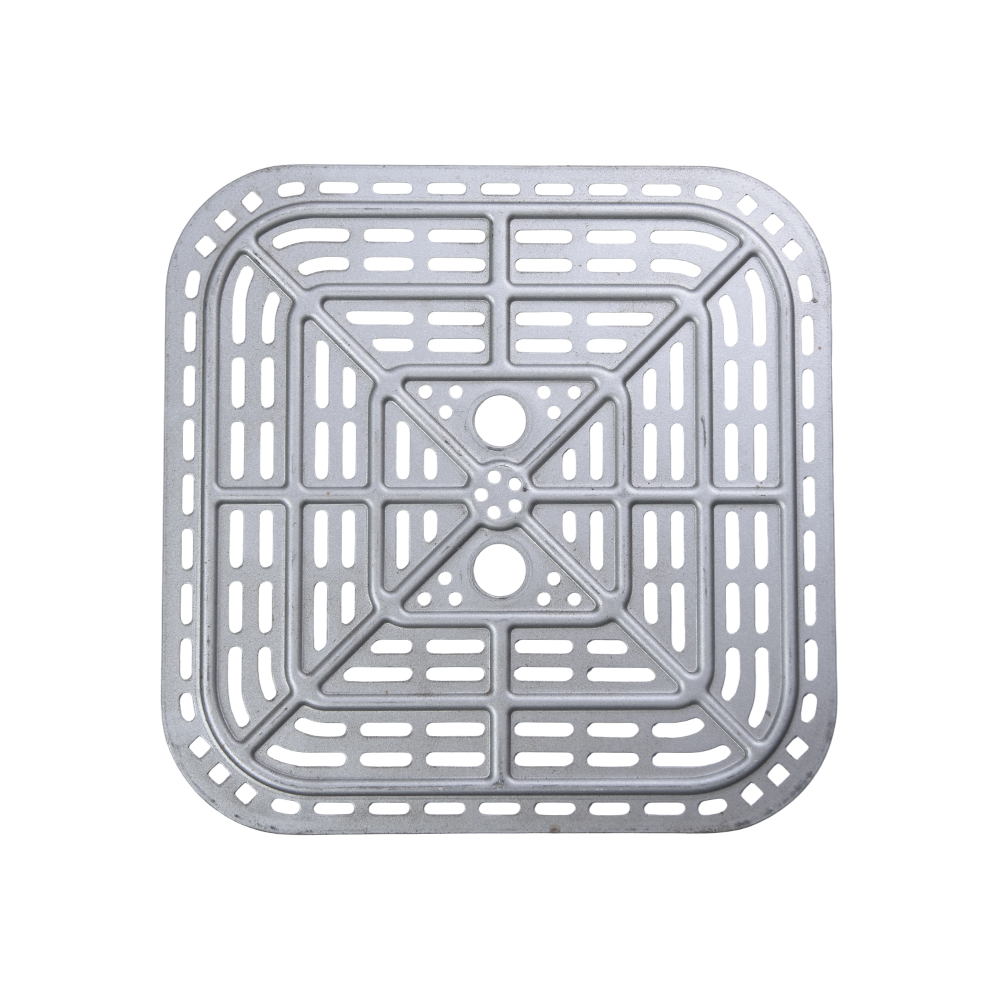
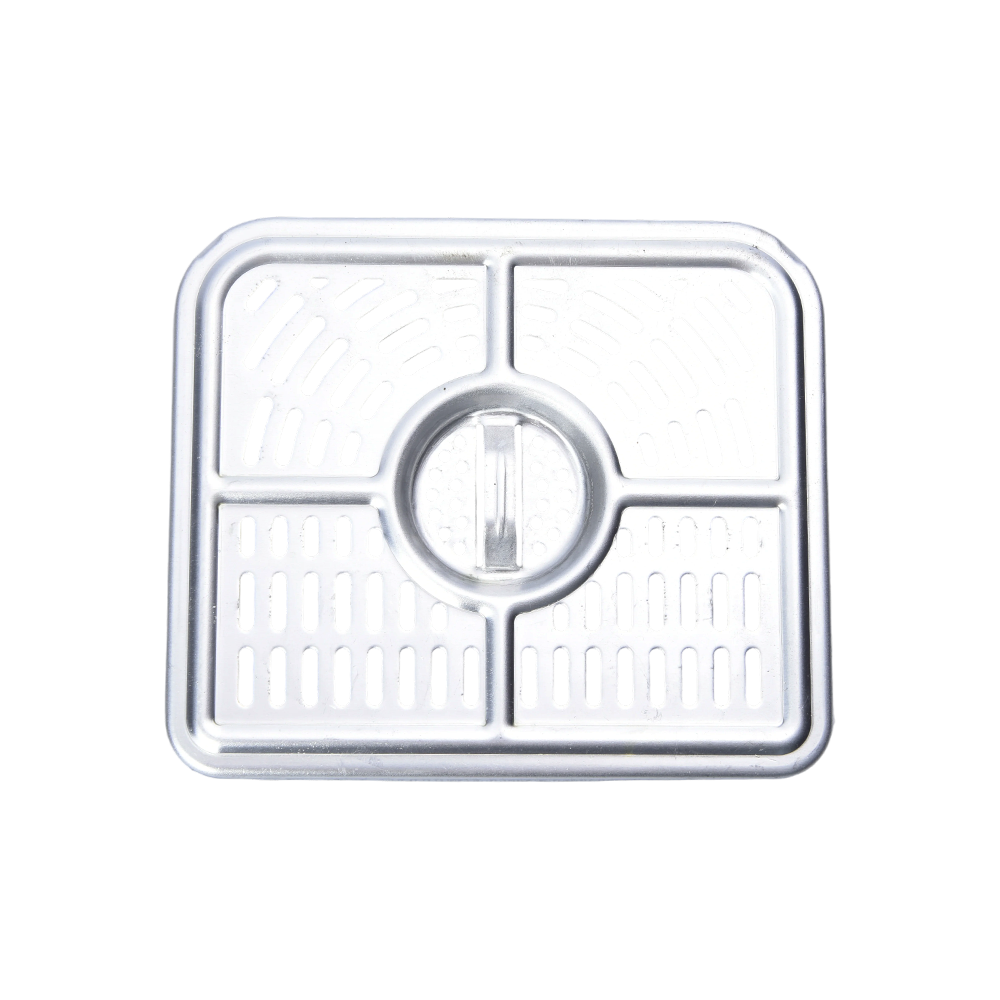
Sheet metal bending is one of the most fundamental processes in metal fabrication. It turns a flat sheet of steel, aluminum, or copper into...
READ MORE

News
Home / Author / Wang Xinyi — Senior After-Sales Coordinator / Precision Stamped Base Plates with Multiple Holes for Reliable Industrial Assembly
Precision Stamped Base Plates with Multiple Holes for Reliable Industrial Assembly
2026-09-16
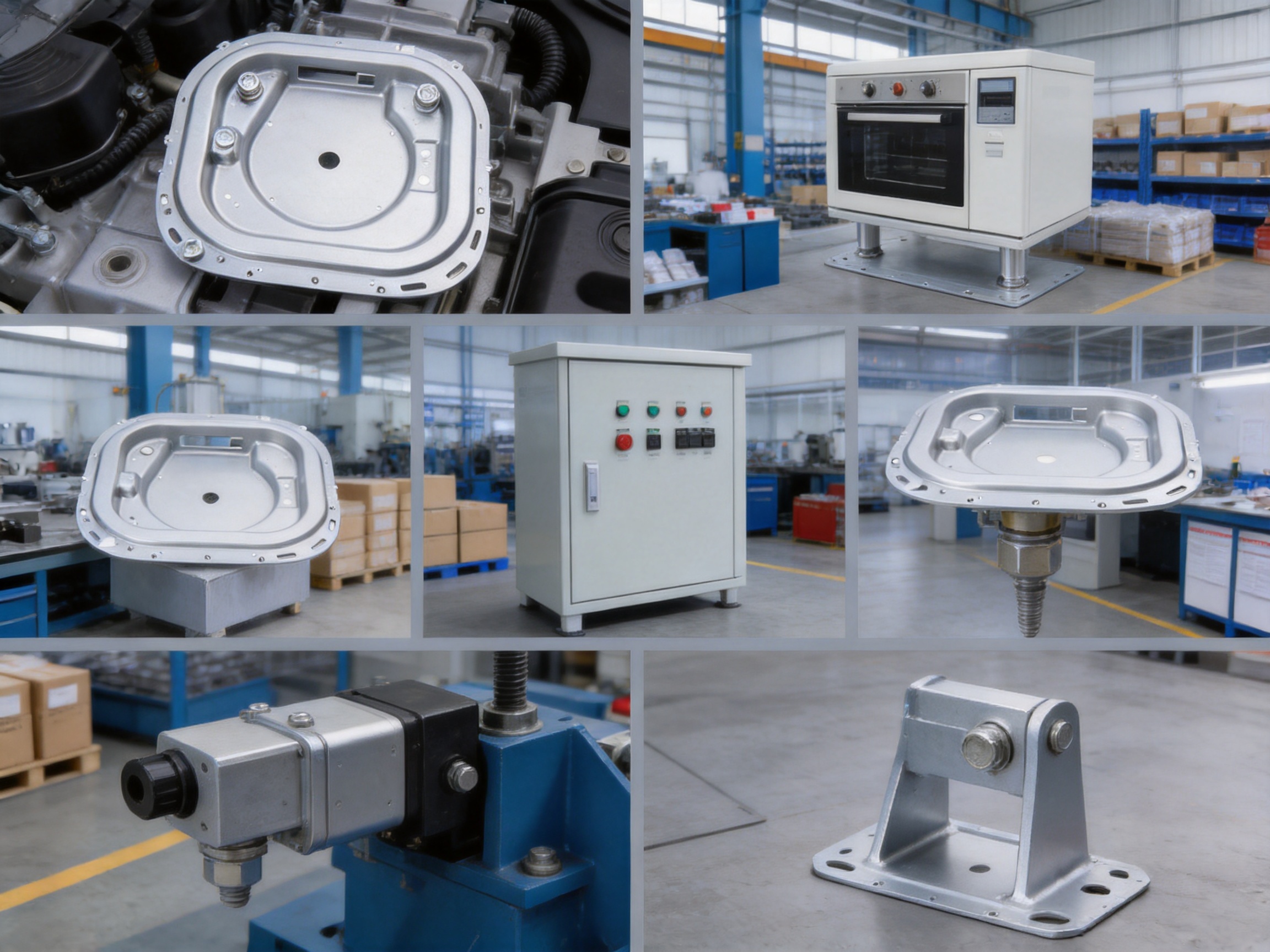
Stamped base plates with multiple holes are essential components in modern manufacturing, construction, transportation, electrical equipment, household appliances, and industrial machinery. Although a base plate may appear to be a simple flat metal part, its dimensional accuracy, hole arrangement, material performance, surface condition, and structural consistency can directly influence the safety, efficiency, and service life of the finished product.
A precision stamped base plate with multiple holes provides a dependable foundation for mounting, fastening, positioning, reinforcement, and load distribution. Manufactured according to customer drawings or application requirements, it can be configured with different outlines, thicknesses, hole diameters, hole patterns, bends, embossments, and surface treatments. This flexibility enables the component to support both standardized production and highly specialized OEM and ODM projects.
Yuyao Hongli Optoelectronics Co., Ltd. manufactures stamped parts, deep-drawn metal parts, bending parts, kitchen appliance accessories, automotive stamping parts, and other customized metal components. With more than 20 years of manufacturing experience, a 5,000-square-meter factory, multiple stamping workshops, more than 60 employees, and strong production capabilities, the company is equipped to support projects from prototype development through stable mass production.
The company combines precision tooling, advanced stamping technology, controlled production procedures, and strict quality management to produce base plates with consistent dimensions and reliable functional performance. Typical dimensional tolerances can reach approximately ±0.1 mm, depending on material, geometry, tooling design, production volume, and inspection requirements.
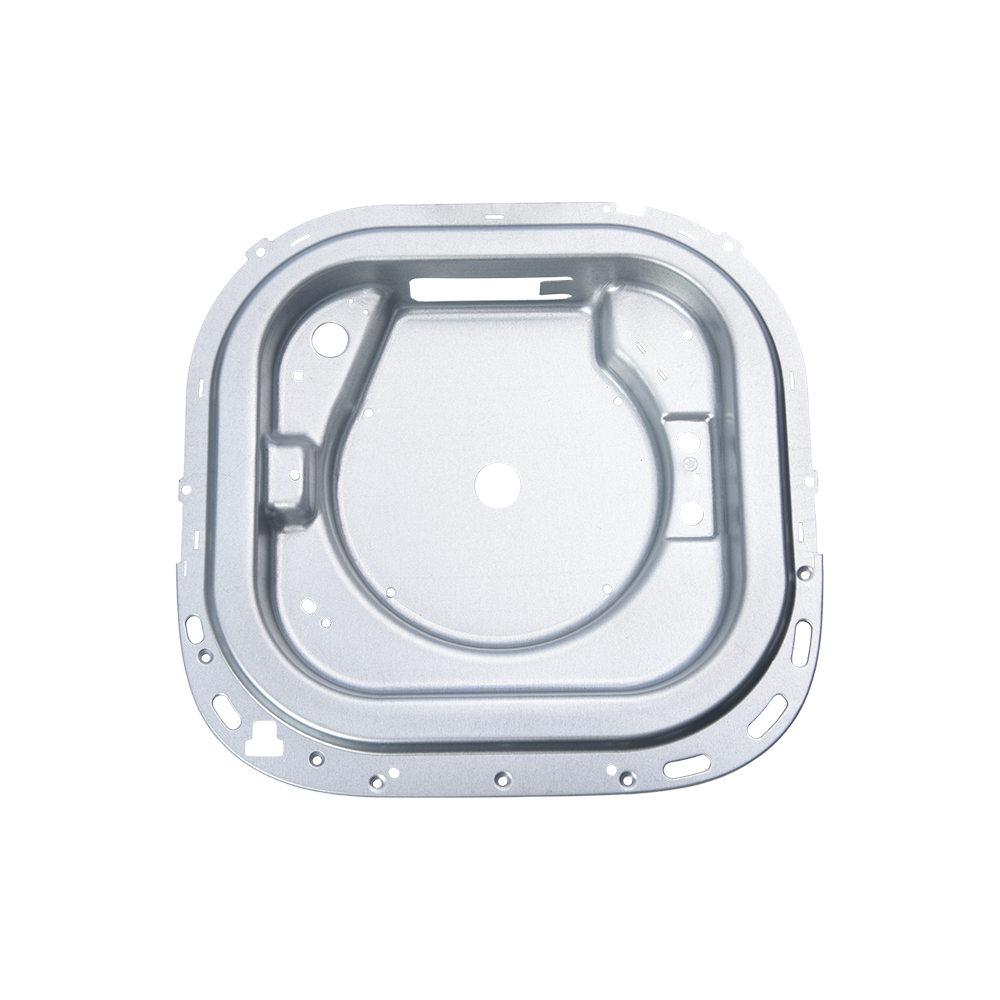
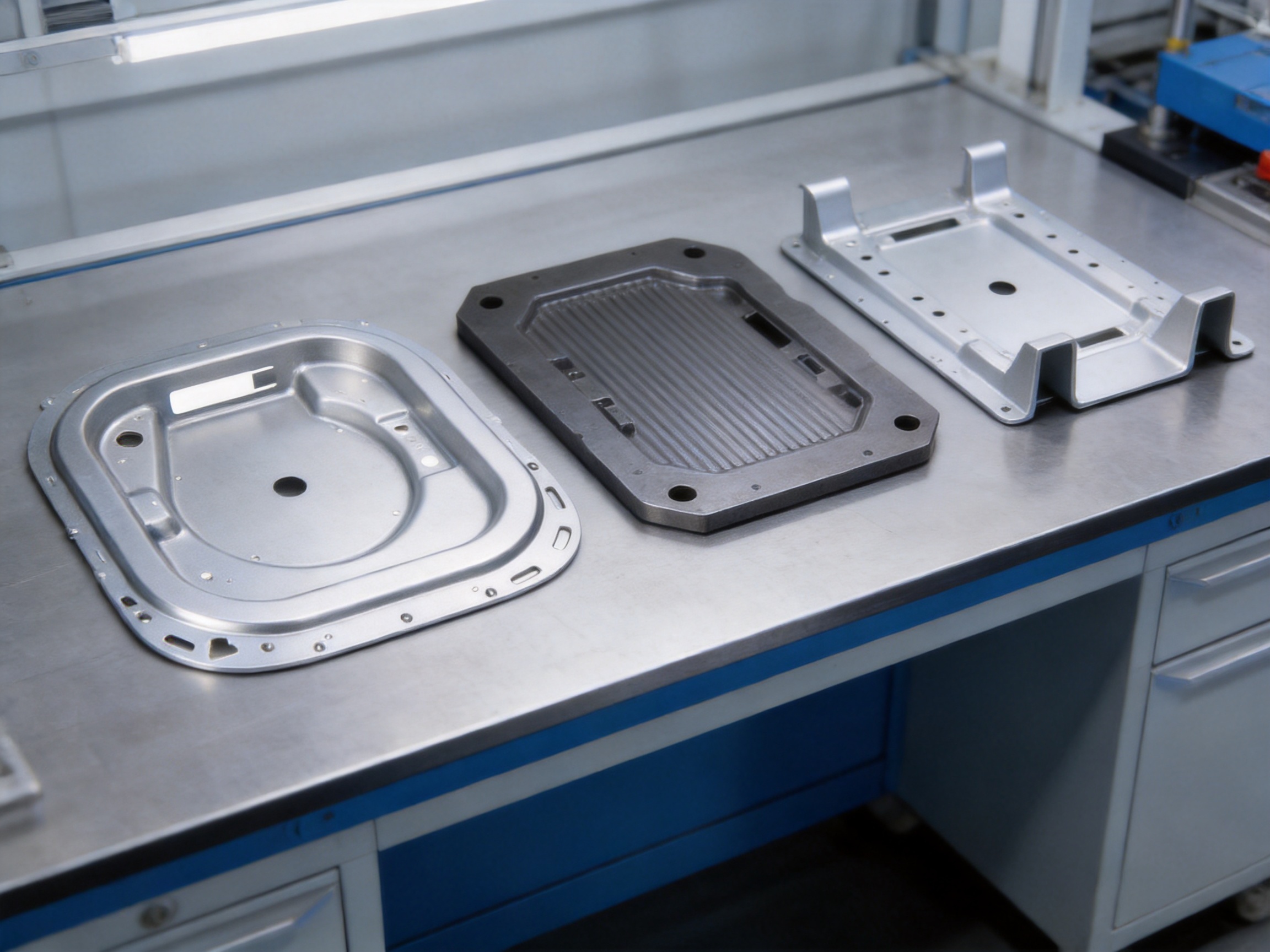
Stamped base plate with multiple holes
What Is a Stamped Base Plate with Multiple Holes?
A stamped base plate with multiple holes is a flat or partially formed metal component produced through a stamping process. A sheet or coil of metal is placed into a stamping die, where a press applies controlled force to cut, pierce, form, emboss, or bend the material into the required configuration.
The base plate normally includes several holes used for screws, bolts, rivets, pins, clips, cable routing, alignment, ventilation, or weight reduction. The hole pattern may be symmetrical or irregular. It can include round holes, slotted holes, countersunk holes, oblong openings, square apertures, or other customized shapes.
The outer profile of the plate may also be customized. Common designs include rectangular, square, circular, oval, polygonal, stepped, notched, and irregular profiles. Additional features such as raised sections, locating tabs, reinforcing ribs, mounting ears, and bent flanges may be incorporated into the same stamping program.
Unlike a general-purpose cut metal sheet, a precision stamped base plate is designed as a functional component. Its hole positions, edge dimensions, flatness, thickness, and surface condition are selected according to the requirements of the final assembly. When properly engineered, the part can improve installation speed, reduce assembly errors, and deliver stable performance over long-term use.
Main Functions of the Base Plate
The primary function of the plate is to provide a stable mounting surface. It distributes loads across a larger area and creates a reliable interface between a component and its supporting structure. This is particularly important where direct fastening to a thin panel, frame, housing, or enclosure would not provide sufficient strength.
The multiple holes allow the plate to accommodate several fastening points. Multiple fastening points can increase resistance to vibration, rotation, movement, and uneven loading. They also enable the same plate design to connect several adjacent components or to provide alternative mounting positions.
In electrical and appliance applications, the holes may be used for securing switches, motors, heating elements, control modules, brackets, wiring supports, or protective covers. In automotive applications, they may support interior fittings, electrical modules, body components, brackets, or underbody assemblies.
In industrial equipment, a stamped base plate may serve as a support for sensors, control units, small motors, guards, hinges, mechanical guides, or instrumentation. In construction-related products, it can be used for brackets, fastening interfaces, support hardware, and modular assemblies.
Core Advantages of Precision Stamping
Consistent Dimensional Accuracy
One of the most important advantages of precision stamping is repeatability. Once the die, press settings, material specification, and process parameters have been properly validated, large quantities of parts can be produced with highly consistent dimensions.
For a base plate with multiple holes, consistency is especially important because even a small positional deviation can complicate assembly. If the holes do not align correctly with mating parts, workers may need to modify the component manually, enlarge openings, or apply excessive force during installation. Such corrections increase labor costs and may weaken the final assembly.
Controlled stamping processes help maintain the relationship between the outer profile and the hole pattern. Typical tolerances may reach approximately ±0.1 mm in suitable applications, although the achievable value depends on the material, thickness, geometry, die construction, equipment, and inspection method.
High Production Efficiency
Stamping is well suited to medium-volume and high-volume production. A properly designed die can complete one or several operations within a short press cycle. Compared with individually machining every hole and contour, stamping can substantially reduce production time when the quantity justifies tooling investment.
The process is also compatible with coil-fed or sheet-fed production. This allows manufacturers to optimize material handling, reduce repeated setup work, and maintain a stable production rhythm. For customers with regular demand, the resulting efficiency can support shorter lead times and more competitive unit costs.
Reliable Hole Positioning
The hole layout is a critical design feature of the product. Precision punching tools and carefully controlled dies ensure that each opening is formed in the intended location. This makes the plate easier to install and reduces the risk of misalignment with bolts, screws, pins, or threaded components.
Hole diameter, spacing, edge distance, and geometric relationship can all be engineered according to the application. Where necessary, the design can include different hole sizes in one plate. For example, larger openings may be used for structural bolts, smaller holes for positioning pins, and slots for adjustable installation.
Efficient Material Utilization
Modern stamping production can be planned with material nesting and strip-layout optimization. Efficient layouts help reduce scrap, especially when the product is manufactured in large quantities. Material utilization depends on the shape and spacing of the parts, but careful die engineering can improve the overall economics of production.
Reduced material waste can provide both cost and sustainability benefits. It lowers raw material consumption, reduces the amount of scrap requiring recycling, and supports more efficient use of production resources.
Strong and Stable Components
Stamped metal parts retain the inherent strength of the selected sheet material while allowing the geometry to be optimized for the intended load. Bends, flanges, embossments, and reinforcing features can be integrated into the design to increase rigidity without requiring excessive thickness.
A flat base plate may be sufficient for light-duty mounting, while a plate with formed edges or ribs may be more appropriate where vibration, impact, or bending forces are present. This design flexibility allows customers to balance strength, weight, manufacturability, and cost.
Flexible Customization
The size, shape, thickness, material, hole number, hole location, hole diameter, edge treatment, and surface finish can be customized. This makes the product suitable for applications with unique space limitations or specialized assembly requirements.
Customization also allows the plate to be developed as part of a complete component system. The design can include mounting tabs, bend lines, clearance areas, notches, slots, locating features, or interfaces for other stamped and bent parts.
Product Design Options
Material Selection
The appropriate material depends on the mechanical, environmental, electrical, thermal, and appearance requirements of the application. Common sheet-metal options may include carbon steel, stainless steel, galvanized steel, aluminum, copper, brass, and other suitable alloys.
Carbon steel is often selected for general structural support because it offers a useful balance of strength, formability, availability, and cost. Stainless steel may be preferred where corrosion resistance, cleanliness, or long-term surface stability is important. Aluminum can reduce weight and provide good corrosion resistance, while copper and brass may be used where electrical or thermal conductivity is required.
Material thickness must be selected according to the expected load, fastening method, required rigidity, hole size, forming conditions, and available space. A thinner material may reduce weight and cost, but it must still provide adequate resistance to deformation. A thicker material may offer greater strength but could require higher press capacity and more complex tooling.
Hole Pattern and Fastening Requirements
The hole pattern should be developed in conjunction with the mating component. Engineers should consider the type of fastener, installation direction, required clearance, edge distance, torque, load distribution, and accessibility for tools.
Round holes are suitable for fixed fastening locations. Slotted holes provide adjustment during installation and can compensate for minor variation in the surrounding structure. Countersunk or counterbored holes may be used where the fastener head must remain flush with the plate surface.
Hole-to-edge distance is also important. If an opening is positioned too close to the edge, the surrounding material may become weak or distort during punching. Proper spacing helps maintain structural integrity and supports reliable production.
Flatness and Edge Quality
Flatness can influence both assembly accuracy and contact stability. A plate that is excessively warped may not sit correctly against its supporting surface, causing uneven stress or difficulty during fastening. Tool design, material condition, blanking sequence, and post-stamping handling all affect flatness.
Edge quality is also significant. Properly maintained tooling helps control burrs and sharp edges. Depending on the application, additional deburring, tumbling, brushing, or edge-finishing operations may be applied to improve handling safety and assembly performance.
Additional Formed Features
The product can be designed as more than a flat blank. Formed features may include ninety-degree bends, shallow offsets, raised bosses, embossed ribs, louvered sections, positioning tabs, and retaining clips.
These features can improve rigidity, create spacing between components, provide accurate locating references, or eliminate the need for separate hardware. Combining several functions in one stamped component may reduce the overall part count and simplify assembly.
Advanced Manufacturing Process
1. Technical Review and Requirement Confirmation
Every successful stamping project begins with a clear understanding of the customer’s requirements. Technical information may include two-dimensional drawings, three-dimensional models, material specifications, annual volume, prototype quantity, tolerance requirements, surface finish, packaging needs, and inspection standards.
The manufacturing team reviews the design to identify critical dimensions, functional holes, forming areas, potential interference, material limitations, and production risks. If the design can be improved for manufacturability, recommendations may be made before tooling begins.
This early review helps prevent avoidable problems such as excessive material deformation, insufficient hole-to-edge distance, difficult die access, unnecessary secondary operations, or tolerance combinations that are difficult to maintain in mass production.
2. Material Preparation
Materials are selected according to the confirmed specification and prepared for production. Material thickness, width, surface condition, hardness, and mechanical properties affect stamping behavior and must be controlled.
Proper storage and handling help prevent corrosion, scratches, contamination, and deformation before processing. For products requiring a particularly clean or attractive surface, additional precautions may be taken during material movement and packaging.
3. Tooling and Die Development
Stamping dies determine the final shape and quality of the part. Depending on the product, the tooling may include blanking dies, piercing dies, compound dies, progressive dies, bending dies, or combination tooling.
A compound die can perform multiple cutting operations in a coordinated manner, while a progressive die can move strip material through several stations. Each station may complete a particular function, such as piercing a hole, forming an embossment, trimming an edge, or bending a flange.
Tooling design must consider clearance, punch strength, die wear, material flow, stripping, alignment, press capacity, and maintenance access. Precision die construction supports stable production and helps maintain the relationship between the holes and the outer profile.
4. Stamping and Forming
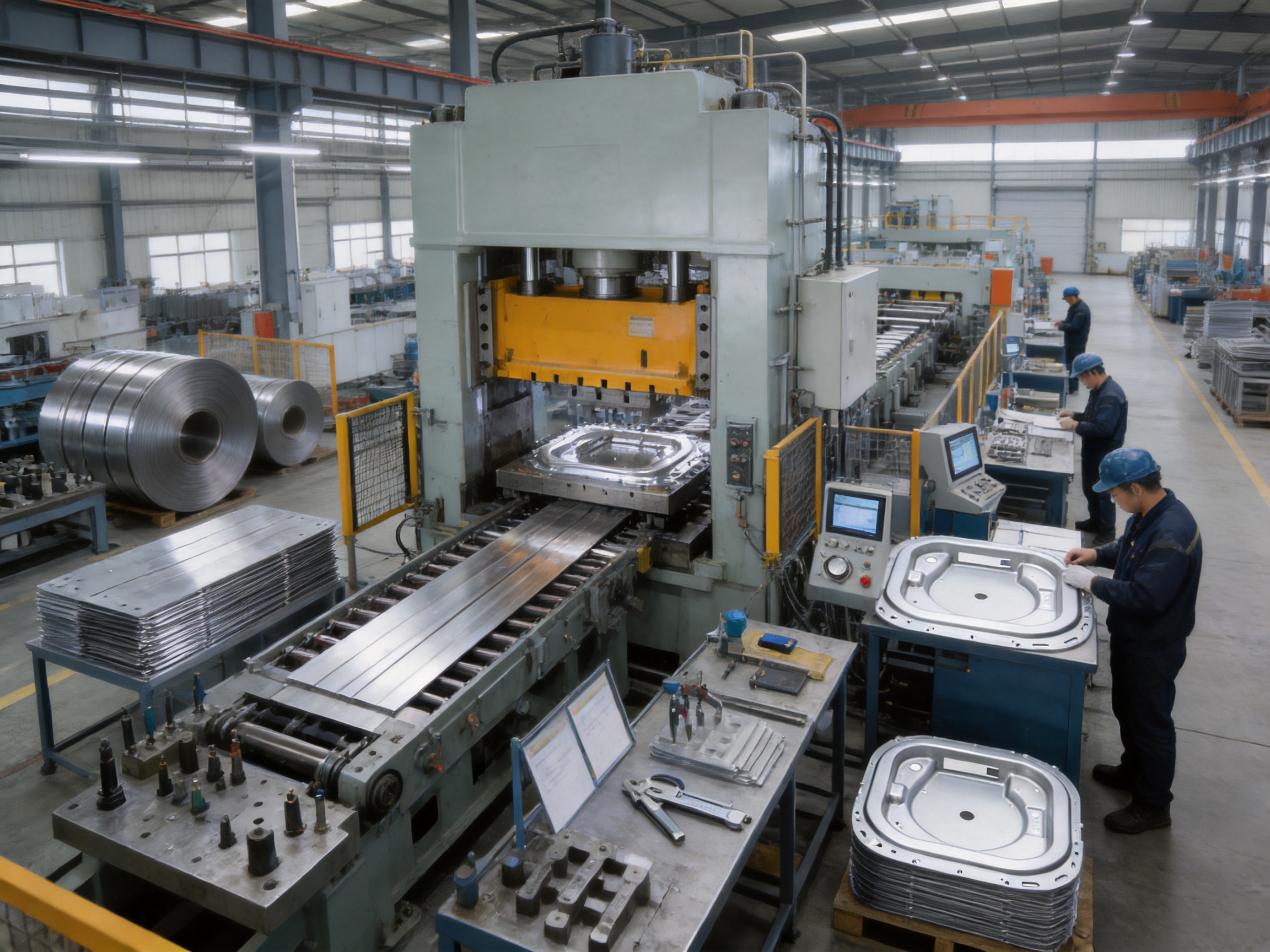
During production, the metal sheet or strip is positioned in the die and processed under controlled press conditions. The press applies force through the punch and die, creating the required openings and profile. If the part includes forming operations, the material is bent or shaped in carefully controlled stages.
Press speed, feed length, tonnage, lubrication, die alignment, and material support all affect the finished result. Operators and production personnel monitor the process to identify abnormalities such as material shifting, burr growth, incomplete forming, cracking, distortion, or surface damage.
For larger production runs, a stable process is particularly valuable. Once the process has been validated, the same tooling and parameters can be used to produce consistent batches with reduced variation.
5. Secondary Operations
Some base plates can be completed directly in the primary stamping process, while others require additional operations. These may include deburring, tapping, riveting, welding, bending, flattening, cleaning, polishing, or surface treatment.
Secondary operations are selected according to the product function. If the plate needs an internal thread, tapping may be added. If it must connect permanently to another component, spot welding, riveting, or other joining methods may be considered. If the plate is exposed to a corrosive environment, plating, coating, passivation, or another protective treatment may be suitable.
6. Inspection and Process Verification
Inspection confirms that the product meets the approved drawing and quality requirements. Typical checks may include overall length and width, thickness, hole diameter, hole position, flatness, bend angle, burr condition, surface appearance, and material verification.
Inspection equipment may include calipers, micrometers, gauges, height gauges, optical measuring tools, templates, and other appropriate devices. Critical dimensions are monitored according to the product’s functional importance and the agreed inspection plan.
Quality control is not limited to final inspection. Monitoring at incoming material, first-piece approval, in-process production, and final packing stages helps identify problems earlier and reduces the risk of delivering nonconforming parts.
Why This Product Can Outperform General Metal Plates
Purpose-Built Geometry
A general metal plate may require additional drilling, cutting, or modification before it can be installed. A customized stamped base plate is produced with its functional features already integrated. This reduces preparation work and makes the component more compatible with the final assembly.
The customer does not need to purchase a plain plate and arrange several separate machining operations. The hole pattern, mounting profile, and forming details can be created as part of one coordinated manufacturing project.
Lower Assembly Labor
Predefined holes and locating features can shorten installation time. Workers can position the plate and use the intended fasteners without measuring and marking each location manually. This is especially beneficial in repetitive assembly environments where even a small time saving per unit can produce substantial productivity gains.
Better Repeatability Than Manually Modified Parts
Manually drilled or cut plates may vary from one unit to another. Variation in hole position, hole diameter, edge quality, and overall shape can complicate assembly and create quality concerns. Stamped production uses dedicated tooling to repeat the same geometry with much greater consistency.
Reduced Total Production Cost at Suitable Volumes
Tooling represents an initial investment, but the cost per piece can become highly competitive as production volume increases. Short press cycles, repeatable operations, reduced manual work, and efficient material utilization can lower the total manufacturing cost over the life of the project.
Integrated Structural Features
Stamped and formed features can provide rigidity and positioning functions without adding separate brackets or reinforcements. This can simplify the bill of materials, lower assembly complexity, and reduce the number of potential failure points.
Flexible Supply for Different Industries
The same core manufacturing capabilities can support products for automotive, electrical, aerospace-related equipment, industrial machinery, construction, household appliances, and other sectors. This broad experience helps the manufacturer understand different requirements for strength, appearance, corrosion resistance, traceability, packaging, and delivery.
Manufacturing Strengths and Company Capabilities
Yuyao Hongli Optoelectronics Co., Ltd. is a comprehensive manufacturing enterprise founded in 2000. Located in Yangming Science and Technology Industrial Park in Yuyao, Zhejiang Province, China, the company has developed from its former name, Yuyao Hongli Optoelectronics Educational Instruments Co., Ltd., into a professional supplier of metal stamping parts and related products.
With more than 20 years of industry experience, the company has established production capabilities covering stamped parts, deep-drawn parts, bending parts, kitchen appliance accessories, automotive stamping parts, hardware products, educational instruments, optical instruments, household electric heater components, small household appliances, auto parts, plastic products, and other customized products.
The 5,000-square-meter modern factory provides space for multiple stamping workshops, tooling activities, material preparation, inspection, production management, and packaging. More than 60 employees contribute to the company’s manufacturing, engineering, quality, sales, logistics, and customer service functions.
This organizational structure supports both standard production and customized projects. Customers can work with a manufacturer that understands the complete product cycle rather than relying on disconnected suppliers for design assistance, stamping, secondary processing, inspection, and export preparation.
OEM and ODM Support
OEM and ODM services allow customers to obtain components developed for their own products and brands. The manufacturer can work from customer drawings, samples, specifications, or functional requirements. This is useful for companies that need a unique base plate rather than an off-the-shelf component.
During the project, the design can be reviewed for stamping feasibility, tooling requirements, material behavior, and production efficiency. Prototype development and rapid production conversion help customers move from an early concept to a repeatable manufacturing process.
Rapid Prototyping and Production Conversion
Prototype parts are useful for checking fit, hole alignment, assembly sequence, clearances, and appearance before mass production. A practical prototype review can reveal issues that are not obvious in a digital model, particularly where several components must be fastened together.
After the prototype is approved, the process can be converted into a stable production program. This transition requires attention to tooling durability, cycle time, inspection points, material supply, packaging, and production scheduling. Experience in both prototype and volume work helps reduce disruption during this stage.
Quality Control and Stable Delivery
Quality control supports consistent product dimensions, reliable material use, and dependable delivery. Production planning can be coordinated with customer demand, order quantities, packaging requirements, and shipment schedules.
Stable delivery is particularly important for customers operating assembly lines. A delayed or inconsistent supply of base plates can interrupt production and create additional logistics costs. A manufacturer with established workshops, personnel, and process controls is better positioned to support recurring orders.
International Manufacturing Services
The company provides manufacturing, processing, wholesale, retail, import, and export services. This experience supports customers in different regions and industries that require customized metal parts for domestic or international supply chains.
Export-oriented production also requires attention to packaging, labeling, documentation, protection against transit damage, and communication across different technical and commercial environments. These capabilities can simplify the purchasing process for overseas customers.
Application Areas
Automotive Industry
Automotive stamping parts must generally meet demanding requirements for dimensional consistency, durability, vibration resistance, and efficient assembly. A multi-hole base plate may support a bracket, electronic module, interior part, protective cover, or structural interface.
Hole position accuracy is essential because automotive assemblies often involve multiple mating components installed within limited spaces. Properly formed plates can also reduce weight while maintaining the necessary support and fastening performance.
Electrical Equipment
Electrical products frequently use metal plates to mount switches, transformers, control units, wiring supports, terminal blocks, protective components, and enclosures. The hole pattern can be designed to support installation, cable access, grounding, ventilation, or component adjustment.
Material and surface treatment should be selected according to the electrical environment. In some applications, corrosion resistance and insulation requirements may influence the choice of coating or the use of insulating separators.
Household Appliances and Kitchen Equipment
Kitchen appliances and small household appliances often contain compact assemblies with motors, heating elements, control boards, fans, brackets, covers, and wiring systems. A stamped base plate can provide an accurate and economical mounting interface inside the appliance.
Because appliance production is usually highly repetitive, consistent stamping quality can support efficient assembly. The plate can be designed with locating holes and mounting features that help workers or automated equipment position components quickly.
Industrial Machinery
Industrial machinery requires reliable parts that can withstand continuous operation, vibration, temperature changes, and repeated maintenance. Multi-hole plates may be used for sensor mounts, guards, control boxes, cable supports, guides, and equipment brackets.
Customization allows the component to match the machine frame and existing fastening system. Additional bends or ribs can improve stiffness without creating a large or heavy part.
Construction and Hardware Products
Construction-related hardware often depends on accurate holes and reliable load distribution. Stamped base plates can be used in brackets, supports, fixtures, mounting systems, and modular structures.
The specific material, thickness, coating, and hole design should be selected according to the expected environment. Outdoor or humid applications may require corrosion-resistant materials or protective surface treatments.
Optical and Educational Instruments
Optical instruments and educational equipment may require small, accurate metal mounting parts. A precision plate can hold optical modules, adjustment mechanisms, housings, or demonstration components in a stable position.
In these applications, flatness, hole alignment, clean edges, and surface appearance may be especially important. The product can be manufactured to suit compact assemblies where space and positioning accuracy are limited.
Quality Factors Customers Should Evaluate
| Evaluation Item | Why It Matters | Typical Considerations |
| Material | Determines strength, weight, corrosion resistance, conductivity, and formability. | Steel, stainless steel, aluminum, copper, brass, or another specified alloy. |
| Thickness | Affects rigidity, load capacity, tooling requirements, and product weight. | Selected according to the application and forming design. |
| Hole Position | Controls alignment with screws, bolts, pins, and mating components. | Defined by drawing tolerances and assembly requirements. |
| Hole Quality | Influences fastening reliability and installation efficiency. | Diameter, burr condition, roundness, edge distance, and slot geometry. |
| Flatness | Supports stable contact and prevents assembly interference. | Verified according to the functional surface and application. |
| Surface Finish | Protects the part and affects appearance or subsequent processing. | Cleaning, plating, coating, polishing, passivation, or untreated finish. |
| Production Repeatability | Reduces variation between batches and supports reliable assembly. | Controlled tooling, press settings, inspection, and process records. |
| Packaging | Prevents scratches, deformation, corrosion, and mixed-part problems during delivery. | Protective separators, bags, cartons, pallets, labels, and quantity control. |
How to Develop a Customized Base Plate
Step One: Define the Application
The customer should first identify what the plate must support, where it will be installed, how it will be fastened, and what forces or environmental conditions it will experience. Information about vibration, temperature, moisture, chemicals, electrical contact, and maintenance access is useful.
Step Two: Provide Drawings or Samples
A two-dimensional drawing or three-dimensional model is the most efficient starting point. It should include the material, thickness, overall dimensions, hole sizes, hole locations, tolerances, bend angles, surface treatment, and inspection requirements.
If a drawing is not available, a physical sample, sketch, photographs, or functional description may help the engineering team understand the intended design. The more complete the technical information, the more accurately the production plan can be prepared.
Step Three: Review Manufacturability
The design should be reviewed before tooling begins. Important topics include minimum hole diameter, hole-to-edge distance, material thickness, bend radius, part orientation, flatness, die access, press capacity, and material utilization.
Some features may be technically possible but inefficient or unnecessarily expensive. A manufacturability review can identify opportunities to combine operations, simplify the die, reduce scrap, improve durability, or create a more stable production process.
Step Four: Confirm Samples and Approval Standards
Prototype or first-off samples allow the customer to verify physical fit and function. The approval process should define which dimensions are critical, how they will be measured, what appearance is acceptable, and how packaging will be handled.
Clear approval standards reduce uncertainty during mass production. They also establish a common reference for future batches and quality discussions.
Step Five: Begin Mass Production
After approval, the manufacturer can arrange material purchasing, tooling preparation, production scheduling, inspection, packaging, and shipment. For recurring orders, forecasts and delivery schedules can be coordinated to support inventory planning.
Cost and Production Considerations
The total cost of a stamped base plate depends on more than the metal price. Important factors include material type and thickness, part size, production quantity, tooling complexity, number of stamping operations, secondary processing, surface treatment, inspection requirements, packaging, and shipping.
For small quantities, a simple tool or alternative production method may be more economical. For larger quantities, dedicated stamping tooling can reduce the unit cost by increasing production speed and repeatability.
Design decisions also influence cost. A plate with many small holes, complex contours, tight tolerances, or multiple formed features may require more sophisticated tooling and additional inspection. However, a carefully optimized design may still provide lower total cost by reducing assembly work and eliminating separate parts.
Customers should evaluate total installed cost rather than comparing only the purchase price of the metal component. A slightly more engineered plate may reduce labor, rework, fastener usage, installation time, and field failures.
Environmental and Operational Benefits
Efficient stamping can support responsible resource use through optimized material layouts, repeatable production, and reduced processing time. Metal scrap generated during stamping can generally be collected and recycled according to applicable procedures.
A durable base plate may also extend the service life of the finished equipment by maintaining stable mounting and reducing looseness or vibration-related damage. When the component is designed correctly, fewer replacement parts and repair operations may be required over the product life cycle.
Combining multiple functions in one stamped part can reduce the number of separate components in an assembly. Fewer parts may mean less packaging, fewer transport movements, and a simpler manufacturing sequence.
Maintenance, Storage, and Handling
Proper handling is important after production. Parts should be protected from impact, moisture, contamination, and excessive stacking pressure. For untreated steel, suitable packaging and storage conditions can help reduce the risk of corrosion.
When plates include sharp edges, tabs, or formed features, protective separators may prevent contact damage. Packaging should also keep different part numbers clearly identified to avoid mixing components during assembly.
Before installation, customers should check that the plate is free from unacceptable burrs, deformation, oil contamination, or corrosion. Fasteners should be selected according to the hole design and the load requirements of the application.
Common Questions and Answers
What industries use stamped base plates with multiple holes?
They are used in automotive, electrical, aerospace-related equipment, industrial machinery, construction, household appliances, kitchen equipment, optical instruments, educational instruments, and many hardware applications. The exact use depends on the material, geometry, and required performance.
Can the hole number and location be customized?
Yes. The number, diameter, shape, spacing, and location of the holes can be customized according to a drawing, sample, or application requirement. Different hole types, including round and slotted openings, may be combined in one plate.
What tolerance can be achieved?
Typical dimensional tolerances can reach approximately ±0.1 mm in suitable designs. The actual tolerance depends on the material, thickness, part size, hole geometry, tooling, press conditions, and measurement method. Critical dimensions should be confirmed during the engineering review.
Can the plate include bends or raised features?
Yes. The product may include bent flanges, embossments, reinforcing ribs, tabs, offsets, or other formed details. These features can improve rigidity, create clearance, or support accurate positioning in the final assembly.
Which materials are available?
Material availability depends on the design and intended use. Common options include carbon steel, stainless steel, aluminum, copper, brass, galvanized steel, and other suitable sheet metals. The correct selection should consider strength, corrosion resistance, conductivity, weight, and formability.
Is prototyping available before mass production?
Prototype development and rapid production conversion are supported. Samples can be used to verify fit, hole alignment, shape, surface condition, and assembly performance before the production process is finalized.
Can additional operations be included?
Depending on the project, additional operations may include deburring, bending, tapping, riveting, welding, cleaning, polishing, coating, plating, or other finishing processes. The required operations should be defined during the quotation and technical review stages.
How should customers request a quotation?
Customers should provide drawings or samples whenever possible, together with material, thickness, quantity, tolerance, surface treatment, packaging, and delivery requirements. If some information is not available, a description of the intended application can help the engineering team recommend a practical solution.
What makes a customized stamped plate better than a plain metal sheet?
A customized stamped plate includes the required holes, profile, and formed features from the beginning. It can reduce drilling, cutting, manual measuring, assembly labor, and variation between parts. The result is often a more efficient and reliable component for repetitive industrial production.
Why Choose an Experienced Stamping Manufacturer?
An experienced manufacturer contributes more than press capacity. It provides knowledge of material behavior, die design, tolerance control, production planning, quality inspection, packaging, and customer communication. These capabilities are important when a base plate is a functional part of a larger product.
Yuyao Hongli Optoelectronics has more than two decades of experience in metal stamping and related manufacturing. Its product range covers deep-drawn metal parts, precision sheet-metal stamping, bending parts, kitchen appliance accessories, automotive stamping parts, and other customized components.
The company’s broad production background allows it to support different product geometries and industries. Its factory infrastructure, multiple stamping workshops, workforce, OEM and ODM services, prototype support, and export experience provide a complete manufacturing foundation for customers seeking reliable supply.
Its business philosophy emphasizes integrity, excellence, innovation, and sharing. These principles support a customer-oriented approach focused on product quality, customized solutions, stable delivery, and long-term cooperation.
Conclusion
A stamped base plate with multiple holes is a practical, adaptable, and cost-effective solution for mounting, fastening, reinforcement, and structural support. Its performance depends on precise hole positioning, suitable material selection, stable flatness, clean edges, reliable tooling, and controlled production.
Compared with a plain metal sheet or manually modified plate, a customized stamped component can provide better repeatability, faster assembly, efficient material use, integrated structural features, and lower total production cost at suitable volumes. The design can be adapted for automotive, electrical, industrial, construction, appliance, optical, and other specialized applications.
Yuyao Hongli Optoelectronics Co., Ltd. combines more than 20 years of industry experience with a 5,000-square-meter factory, multiple stamping workshops, more than 60 employees, OEM and ODM capabilities, rapid prototyping, quality control, and international manufacturing services. These strengths enable the company to produce precision stamped base plates and related metal components according to customer drawings, samples, and functional requirements.
For customers requiring a dependable supplier for precision sheet-metal stamping, deep-drawn metal parts, bending components, kitchen appliance accessories, or automotive stamping parts, a technically reviewed and properly manufactured multi-hole base plate can provide long-term value from prototype development through continuing mass production.
References
1. Manufacturing Engineering and Technology, principles of sheet-metal forming, stamping, blanking, piercing, and bending.
2. ASM Handbook, Volume 14B, Metalworking: Sheet Forming.
3. Standard practices for dimensional inspection and quality control of stamped metal components.
4. General engineering guidance for material selection, hole spacing, edge distance, burr control, and sheet-metal manufacturability.
5. Customer-provided product information for the stamped base plate with multiple holes and related manufacturing capabilities.
Product: Stamped base plate with multiple holes
Previous Post
Precision Stamped Chassis Parts for Structural and Industrial Applications
Next Post
Precision Stamped Part Extension Covers for Reliable Protection and Fit
News
-
-
What Are Stamped Parts? Stamped parts are metal components produced by pressing flat sheet metal between a die and a punch to cut, bend, or...
READ MORE -
Manufacturing & Materials Engineering Why Deep Draw Components Outperform Fabricated Sheet Metal Parts in Leak-Proof Applications Seam...
READ MORE -
Metal stamping is the process of placing flat sheet metal—either in blank or coil form—into a stamping press, where a tool and die surface ...
READ MORE
Get Fresh Updates Via Email
We promise we will never disclose your email address, and you can opt out at any time.
-
Quick Links
Home About Us Products Service News Contact Us -
Product list
Deep-drawn parts Stamped parts Bending parts Kitchen appliance accessories Automotive stamping parts -
About Us
Factory Honour FAQ -
News
Company News Industry News -
Contact Us
Address: South side of Shunke Road, Yangming Science and Technology Industrial Park, Yuyao City, Zhejiang Province, China Tel: +86-13905842349/+86-13738485724 Email: hongli@hl-stamping.com
Copyright © Yuyao Hongli Optoelectronics Co., Ltd. All Rights Reserved.
Custom Precision-Sheet/Sheet Metal Stamping Manufacturers
