


 English
 русский
 Español
 عربى
عربى

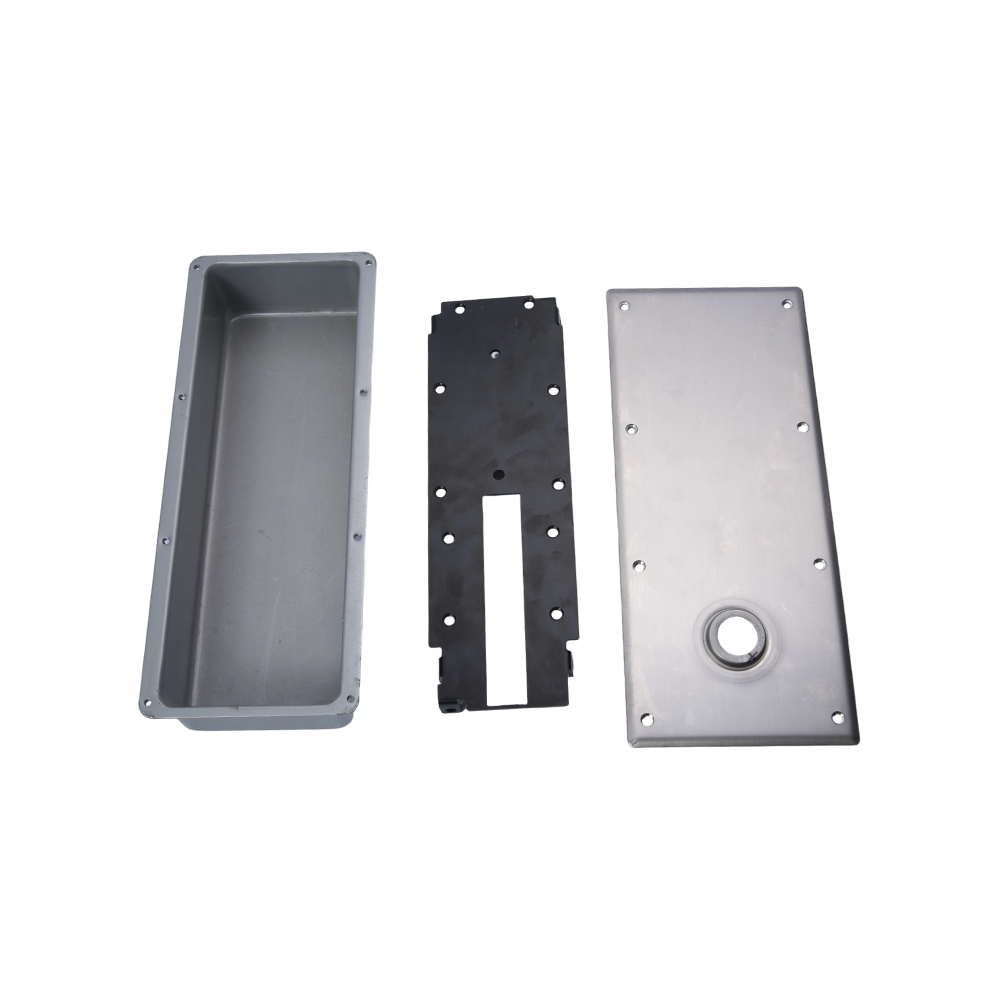
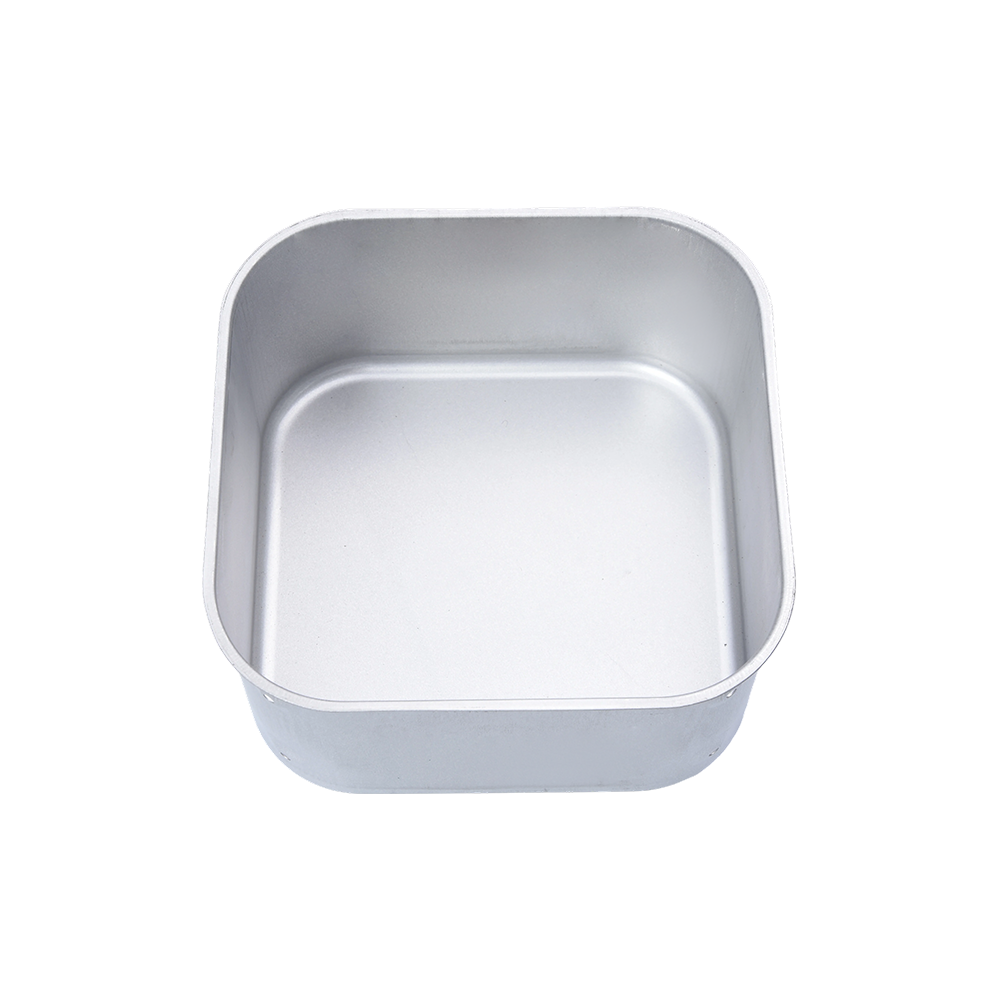
What Is Deep Drawing Process and What Are Deep-Drawn Parts The deep drawing process is a sheet metal forming operation in which a flat meta...
READ MORE

News
Home / Author / Zhang Meilin — Product Sales Consultant / Deep-Drawn Square Containers with Custom Cutouts: Strength, Precision, and Versatile Metal Forming
Deep-Drawn Square Containers with Custom Cutouts: Strength, Precision, and Versatile Metal Forming
2026-08-11
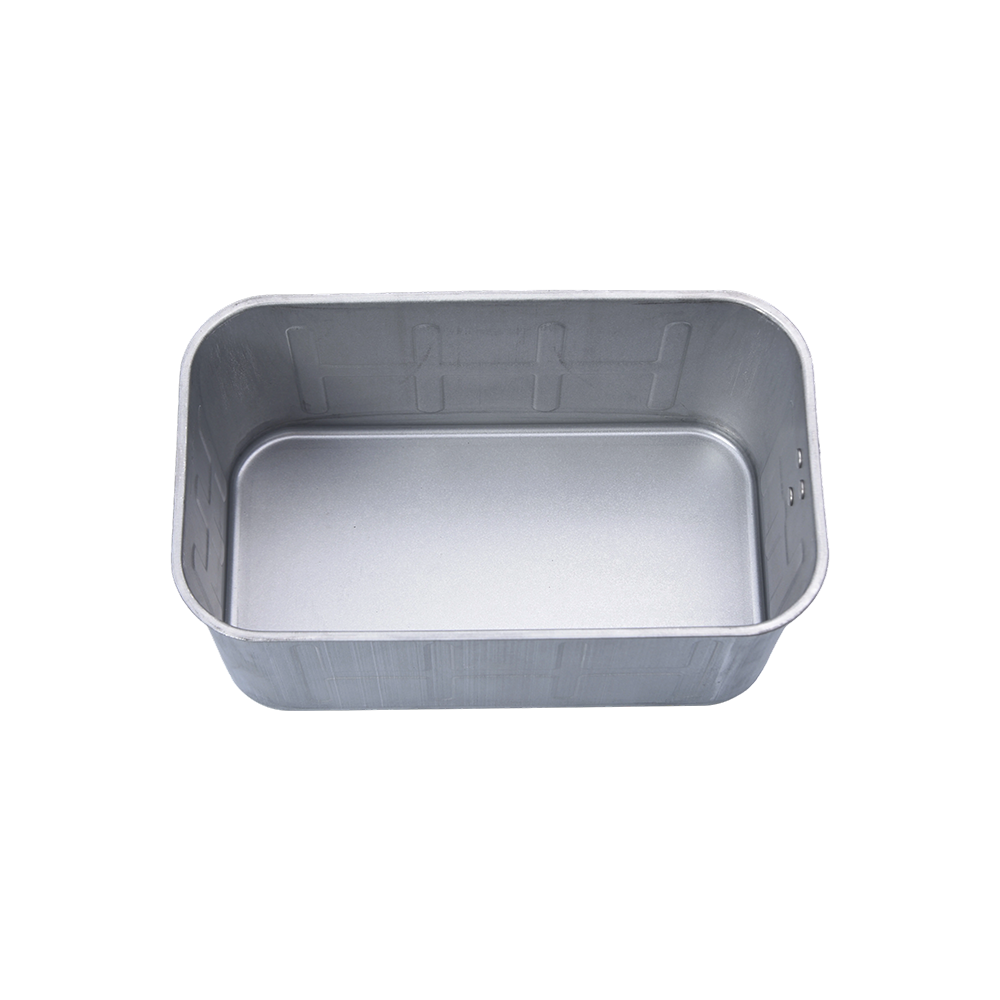
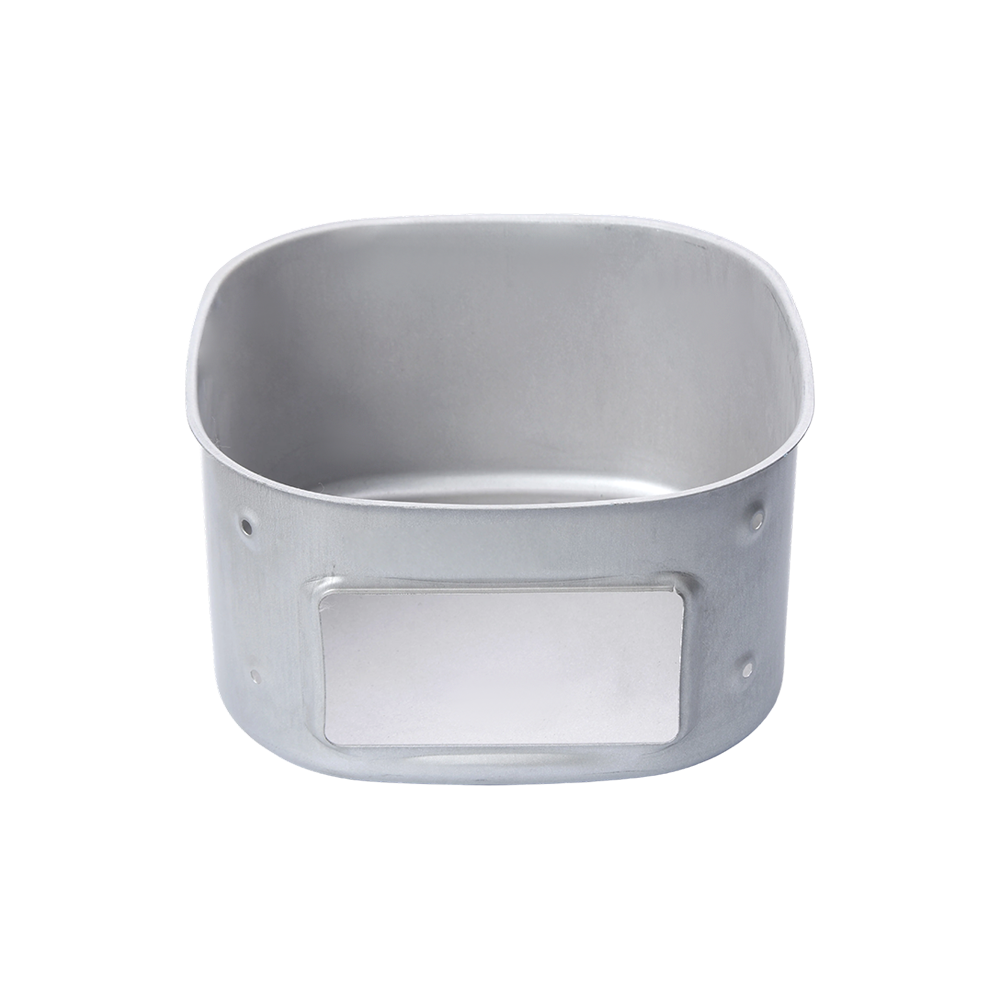
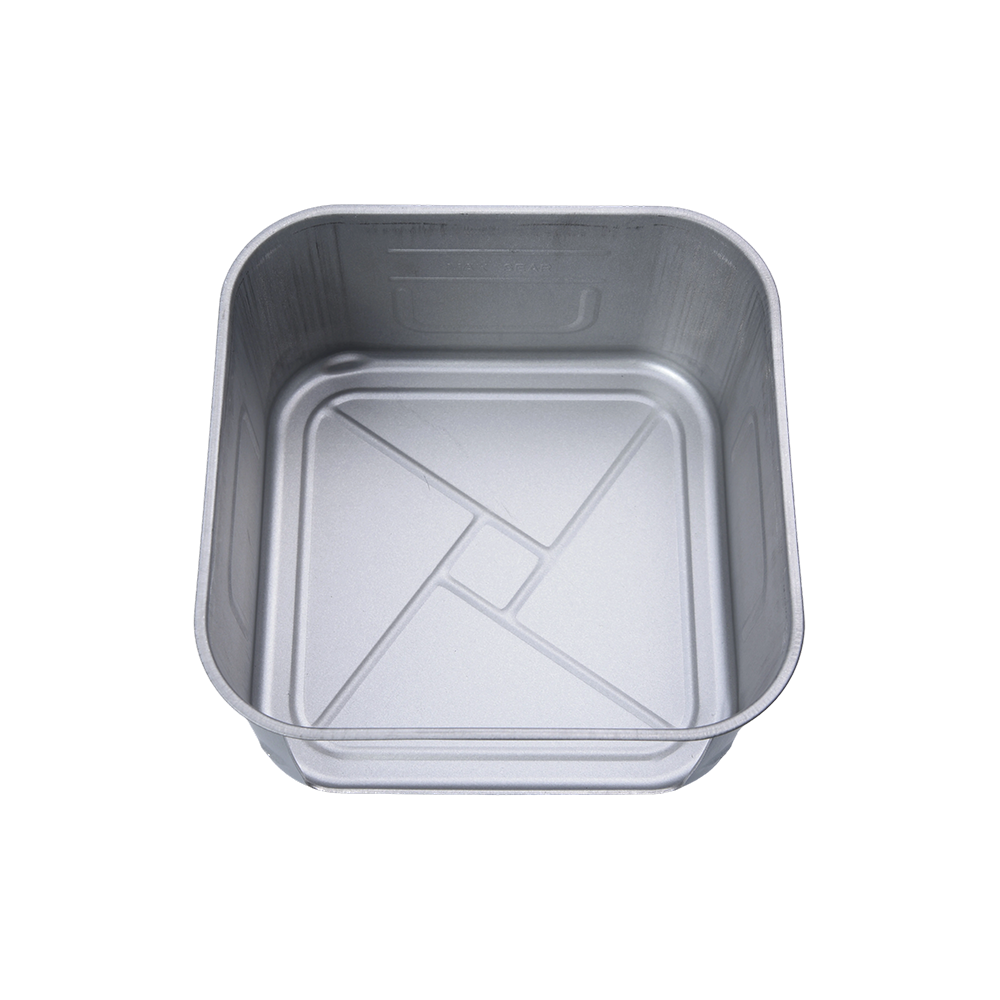
Deep-drawn square containers with cutouts are engineered metal components designed for applications that require structural strength, clean geometry, reliable dimensional control, and flexible integration with other assemblies. Unlike containers manufactured from several separately formed panels, a deep-drawn container can be produced as a seamless one-piece structure. This approach reduces the need for weld joints, improves surface continuity, and creates a robust enclosure capable of operating under demanding conditions.
The product combines the advantages of deep-drawing technology with the practical value of customized openings. Ventilation holes, drainage holes, wiring slots, mounting apertures, inspection openings, and other cutouts can be designed according to the needs of a specific application. As a result, the component is not limited to one standard use. It can serve as a protective housing, a structural tray, an equipment enclosure, a kitchen appliance accessory, an automotive component, or a specialized metal container for industrial assemblies.
Manufactured by Yuyao Hongli Optoelectronics Co., Ltd., this type of component reflects more than two decades of experience in metal stamping, deep-drawn production, bending, and customized parts manufacturing. The company operates a modern factory in Yuyao, Zhejiang Province, with multiple stamping workshops, a workforce of more than 60 employees, and production capabilities serving customers in domestic and international markets. Its experience across household appliances, automotive components, optical instruments, educational instruments, hardware products, and other industries supports the development of practical and application-specific metal parts.
For buyers, the most important value of a deep-drawn square container is not simply its appearance. The real advantages are found in its one-piece construction, rigidity, smooth surface, adaptable configuration, manufacturing efficiency, and ability to be customized in different sizes and thicknesses. When these characteristics are combined with controlled stamping processes, experienced engineering support, and OEM/ODM services, the result is a component that can be integrated into many types of products and equipment.
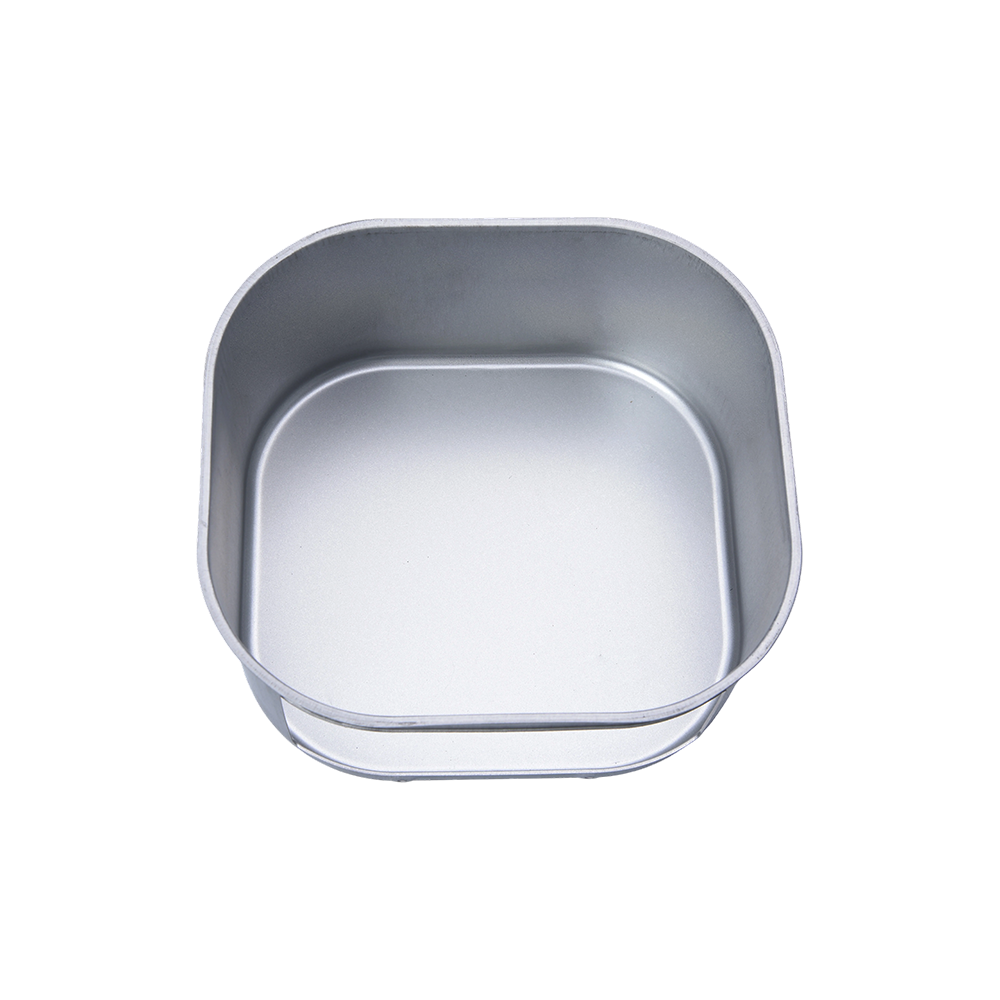
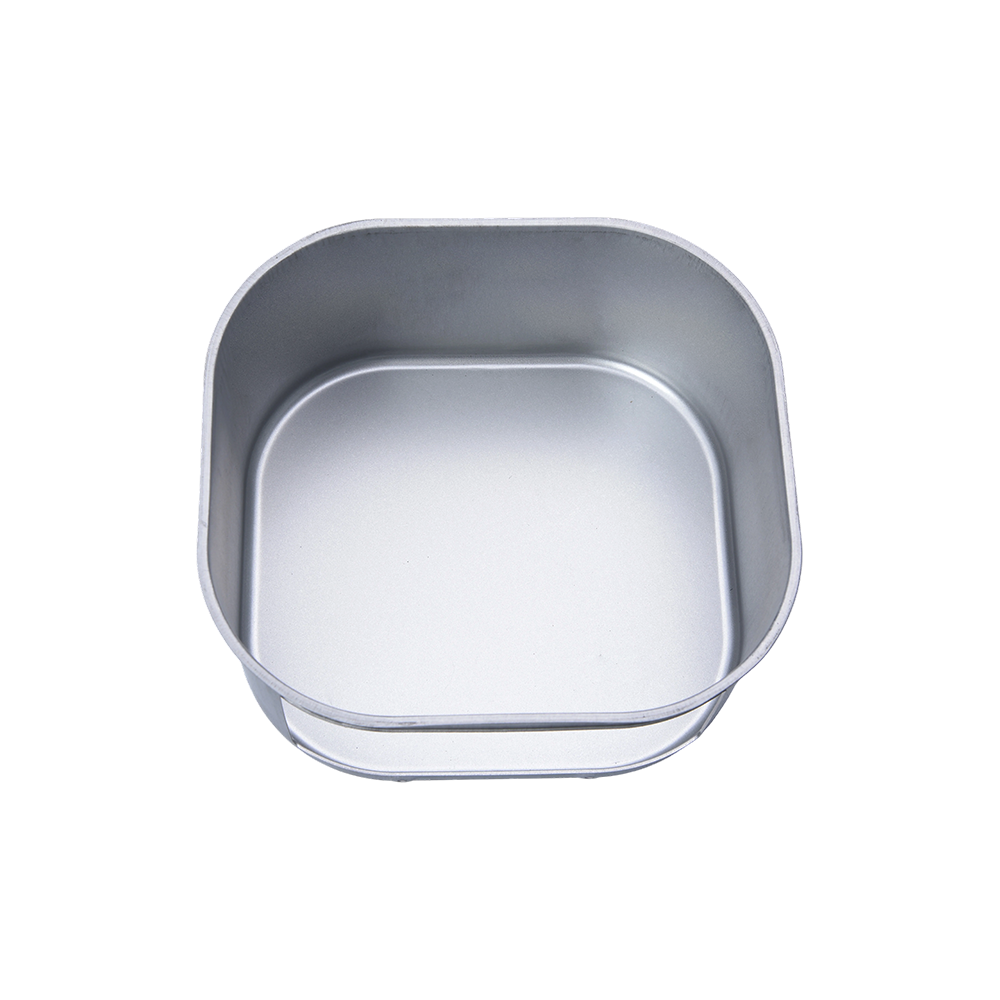
Deep-drawn square container with cutouts
Understanding the Deep-Drawn Square Container
Deep drawing is a metal forming process in which a flat sheet blank is pressed into a die by a punch to create a hollow component. The material flows and stretches into the desired shape while retaining a continuous wall. For a square container, the tooling is designed to form a base, side walls, corners, and upper opening in one coordinated operation or in a sequence of controlled forming operations.
The square configuration provides practical advantages for installation and space utilization. Round containers can be strong and efficient, but square or rectangular containers often fit more naturally into equipment frames, cabinets, appliance bodies, vehicle assemblies, and compact machinery. Flat exterior surfaces make it easier to position mounting features, connect adjacent panels, arrange wiring, and use the available internal volume efficiently.
A deep-drawn square container may be produced in different dimensions and material thicknesses according to the application. A smaller component may be intended for an appliance or electronic assembly, while a larger or heavier version may function as a structural tray, protective shell, or industrial enclosure. The correct combination of dimensions, corner radius, wall height, material, thickness, and opening arrangement depends on the required load, environment, assembly method, and appearance.
The container described in this product range includes customized cutouts. These openings are not merely decorative features. They can perform important functional roles, including allowing air circulation, directing drainage, enabling cable passage, creating access for fasteners, supporting ventilation, reducing weight, or allowing the component to interface with other parts. Because the location and shape of the openings can be developed for a specific assembly, the finished component can reduce the need for additional drilling, cutting, or modification during final production.
One-Piece Construction Without Weld Joints
One of the most significant advantages of deep drawing is the ability to form a container with a seamless or substantially seamless body. A fabricated container made from multiple panels generally requires joining operations such as welding, brazing, riveting, or mechanical fastening. Each joint can introduce additional processing requirements, potential dimensional variation, visible marks, and areas that may require inspection or finishing.
By contrast, a one-piece deep-drawn structure has continuous material through the base and walls. The absence of weld joints can improve visual uniformity and reduce the number of potential weak points. It also creates a smoother internal surface, which is valuable when the container must be cleaned frequently or when dirt and residue must be minimized.
A seamless structure can also support more consistent appearance and easier downstream treatment. Depending on the selected material and finishing requirements, the component may be suitable for cleaning, coating, plating, polishing, or other surface processes. The smooth transition between the base and walls helps create a professional appearance and can simplify the design of products in which the component remains visible.
Eliminating unnecessary joining steps may also improve production efficiency. Fewer secondary operations can mean fewer handling stages, less equipment coordination, and a lower risk of defects caused by inconsistent weld penetration, distortion, spatter, or post-weld cleanup. The precise process plan depends on the design and material, but the basic deep-drawn approach provides a strong foundation for repeatable manufacturing.
Customized Cutouts for Practical Integration
The ability to customize cutouts is central to the usefulness of this product. A standard container may hold an object, but a purpose-designed container can become an active part of a larger system. Cutouts allow air, water, wires, fasteners, connectors, and other components to pass through the metal body in a controlled manner.
Ventilation holes can help release heat or promote air movement in equipment housings and appliance assemblies. Where components generate heat, correctly positioned openings can support the thermal design of the product. The size, number, and pattern of the holes can be adapted to the desired airflow while preserving sufficient material around the edges and corners.
Drainage holes are useful in applications where moisture, condensation, cleaning fluid, or accidental liquid entry may occur. A container that cannot release accumulated liquid may be exposed to corrosion, contamination, or unnecessary weight. Properly planned drainage openings help manage these risks and can contribute to easier maintenance.
Wiring slots and cable openings support electrical and electronic integration. They can be positioned to match the routing requirements of harnesses, connectors, sensors, switches, or control modules. By incorporating these openings into the stamped component, the customer may reduce manual modification at the assembly site and improve the consistency of cable routing.
Mounting holes and assembly slots can be used to attach the container to a frame, bracket, cover, appliance body, vehicle structure, or internal support. The hole shape may be round, oval, rectangular, or another configuration selected for the fastening method and adjustment requirements. The opening layout can be coordinated with the overall assembly so that the final component is easier to install.
Cutouts must be planned carefully because every opening affects the distribution of material. The design should consider edge distance, corner radii, remaining wall width, possible deformation, burr control, and the relationship between openings and formed surfaces. An experienced stamping manufacturer can help determine whether a cutout should be created during the forming sequence, through a subsequent piercing operation, or by another precision process.
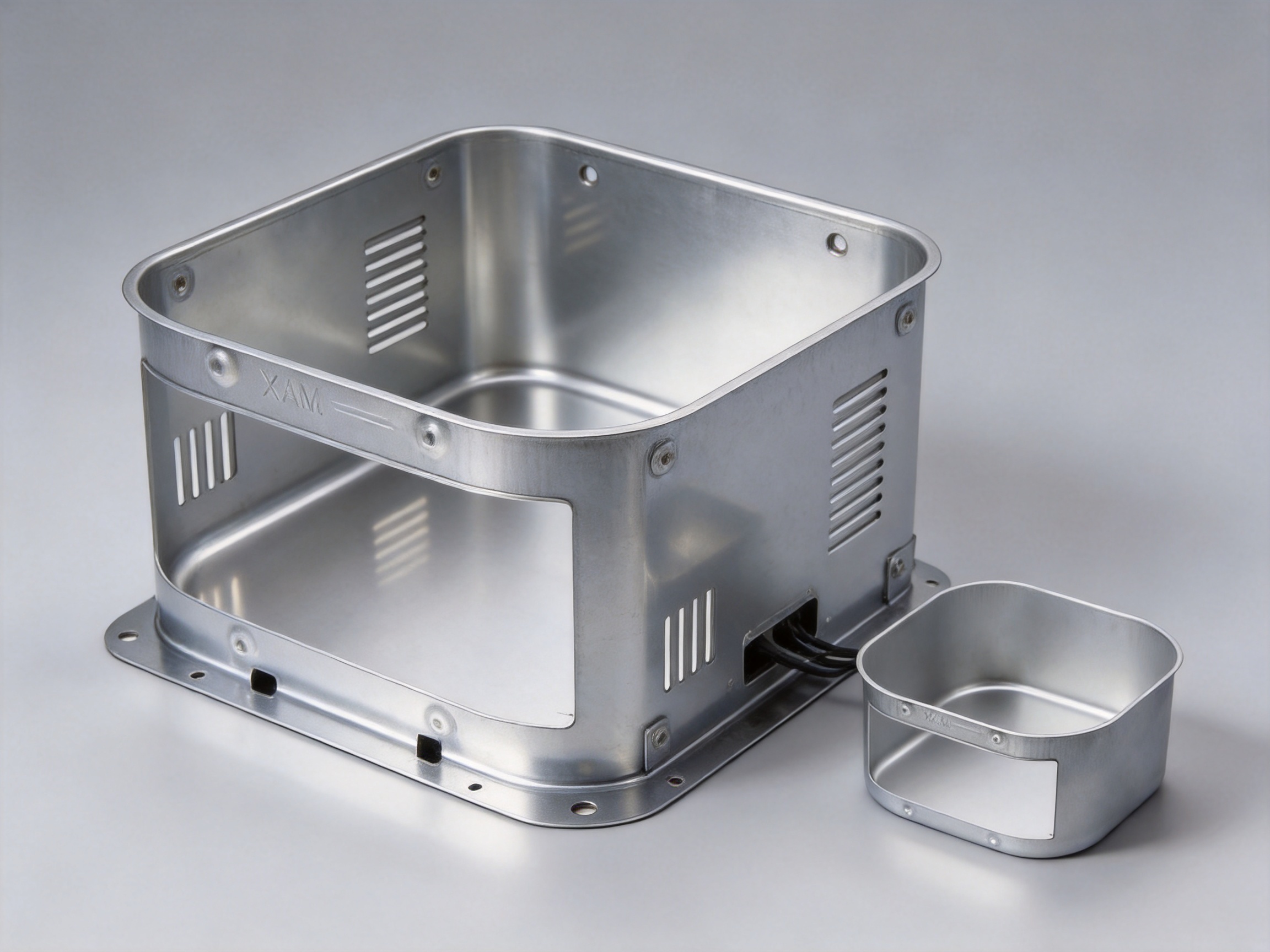
Key Product Advantages
Enhanced Strength and Rigidity
The formed walls and corners give the container greater rigidity than a flat sheet with only simple bends. Deep drawing creates a three-dimensional structure that can resist deformation and support loads more effectively. The base and side walls work together as an integrated body, which is especially valuable when the container must hold components, support a load, or withstand handling during transportation and assembly.
Strength is influenced by material selection, thickness, depth, corner design, forming direction, and the location of openings. The product can be customized in various thicknesses to meet different requirements. A lightweight version may be suitable for compact appliances or interior assemblies, while a heavier version may be selected for more demanding structural or industrial uses.
Smooth and Uniform Surfaces
The deep-drawn process creates a continuous metal surface with fewer visible joints than a multi-piece fabricated container. A smooth surface is easier to wipe, inspect, coat, and maintain. It can also help prevent the accumulation of dirt around internal weld seams or overlapping joints.
Surface uniformity is particularly beneficial for kitchen appliance accessories, consumer products, and visible equipment components. It contributes to a cleaner appearance and supports consistent finishing. In industrial applications, a smooth surface may also simplify routine cleaning and visual inspection.
Efficient Use of Material
Deep drawing can produce a hollow component from a flat blank while minimizing the need for separate panels and overlapping joints. The material is formed into the required geometry rather than assembled from multiple pieces. Proper nesting and blank development can help reduce waste, although the final material yield depends on the design, production volume, sheet size, and cutout arrangement.
Customized openings can also be planned to avoid unnecessary secondary cutting. When the hole pattern is integrated into the manufacturing plan, the customer may save time and labor during final assembly. The result can be a more efficient overall product structure rather than simply a lower unit price for one individual part.
Flexible Dimensions and Thicknesses
The product is available in different sizes and material thicknesses. This flexibility allows the container to be adapted to compact equipment, large assemblies, and applications with different load requirements. Dimensions can include length, width, height, wall depth, flange size, opening size, and mounting position.
Customization is particularly important when the container must fit into an existing product architecture. A few millimeters of difference in wall position or opening location can affect assembly clearance, connector access, or the alignment of neighboring parts. A design developed around the customer’s actual installation requirements can provide better performance than a generic standard component.
Reduced Assembly Complexity
A deep-drawn one-piece component can replace several individual pieces and reduce the number of joining operations required by the customer. This may simplify inventory management, shorten assembly time, and reduce the number of interfaces that must be checked. When mounting and routing features are included in the design, the part can arrive closer to its final installation condition.
Reducing part count can also improve product consistency. Each additional panel, weld, fastener, or adjustment stage creates another opportunity for variation. A purpose-built deep-drawn container consolidates several functions into one component, supporting a more streamlined assembly process.
Adaptability to Harsh Operating Environments
The rigid formed structure can be used in applications exposed to vibration, repeated handling, mechanical loads, and changing operating conditions. The suitability of any material and finish must be evaluated for the actual environment, but the deep-drawn configuration provides a strong basis for durable component design.
Where moisture, heat, dust, or frequent cleaning is expected, the design can include appropriate drainage, ventilation, surface treatment, and access features. The ability to customize the container allows the customer to address environmental conditions during the design stage rather than relying on later modifications.
Comparison with Alternative Manufacturing Approaches
Customers evaluating a square container may consider welded fabrication, multi-step bending, plastic molding, machining, or assembly from several stamped panels. Each method has its own benefits, but deep drawing offers a particularly effective combination of structural continuity, repeatability, and customization for many metal container applications.
| Evaluation Factor | Deep-Drawn Square Container | Multi-Piece Welded Container | Separate Bent Panels | Plastic Molded Housing |
|---|---|---|---|---|
| Structural continuity | One-piece formed body with minimal or no weld joints | Depends on weld quality and joint design | Depends on fasteners or joining methods | Continuous molded body, subject to material limitations |
| Surface appearance | Smooth and uniform formed surfaces | May show weld marks or heat-affected areas | May show seams, overlaps, or fasteners | Consistent when tooling and material are well controlled |
| Customization of openings | Ventilation, drainage, wiring, and mounting cutouts can be integrated | Openings can be added but may require extra operations | Openings may be added before or after bending | Integrated into the mold but less flexible after tooling is made |
| Material flexibility | Suitable for selected metal sheet materials and thicknesses | Suitable for a wide range of metal constructions | Suitable for many sheet metal designs | Dependent on polymer performance and temperature limits |
| Part consolidation | Can replace several panels and reduce assembly steps | May require multiple panels and joining operations | Usually requires assembly of separate panels | Often produced as one piece but may need inserts or reinforcement |
| Maintenance considerations | Smooth surfaces and planned drainage can simplify cleaning | Joints may require additional inspection or finishing | Seams and fasteners may increase cleaning points | Easy to clean in many cases, but may be sensitive to heat or chemicals |
The most appropriate process depends on volume, geometry, material, tolerance, performance requirements, and tooling investment. Deep drawing is not a universal replacement for every manufacturing method, but it is highly competitive when the application needs a rigid hollow metal structure with a clean appearance and repeatable form.
Manufacturing Process and Quality Considerations
Design and Feasibility Review
Production begins with a review of the customer’s requirements. Important information includes the overall dimensions, material type, thickness, depth, corner radius, cutout locations, expected load, surface finish, quantity, and intended operating environment. The manufacturing team can evaluate whether the geometry is suitable for deep drawing and identify areas that may require design refinement.
Deep-drawn designs must account for material flow. If the walls are too deep for a single operation, a multiple-stage forming sequence may be needed. If corners are too sharp, the material may experience excessive stress during forming. If openings are positioned too close to a corner or edge, deformation may occur. Early review helps reduce these risks before tooling is completed.
The engineering discussion may also address how the container will be installed. For example, a mounting flange, a locating feature, or a particular hole pattern may be necessary for alignment. Integrating these requirements into the original design generally produces a more efficient result than adding them after production has begun.
Material and Blank Preparation
The sheet material is selected according to the performance needs of the finished component. Factors may include formability, strength, corrosion resistance, appearance, weight, conductivity, and compatibility with surface treatment. The blank must have sufficient dimensions to form the container while allowing for trimming and any required flange or perimeter feature.
Accurate blank preparation is important because the blank size and shape influence material flow, wall thickness distribution, and the risk of wrinkles or tearing. Controlled preparation also helps maintain repeatability from one production batch to another.
Deep-Drawing Operations
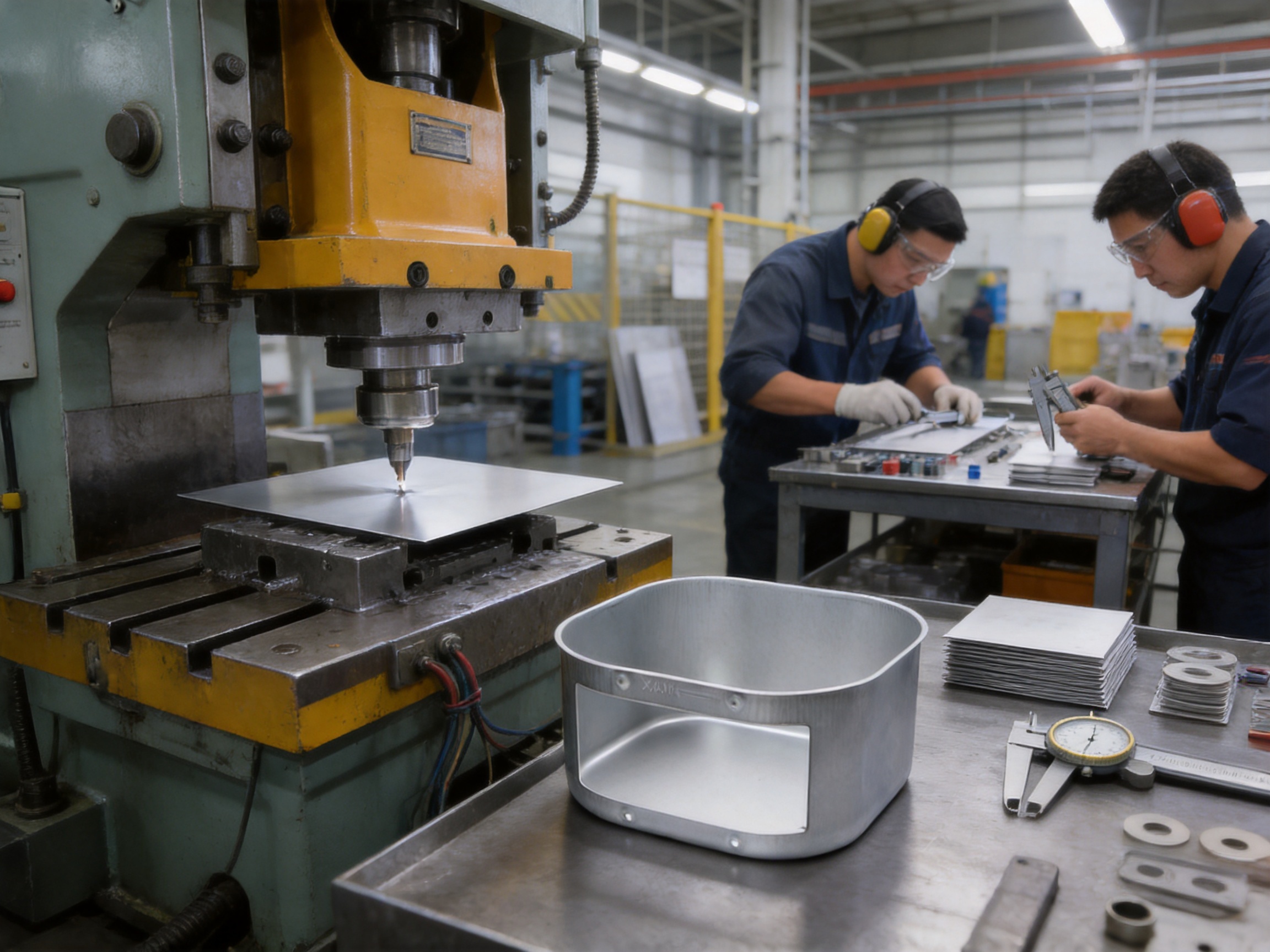
During the forming operation, a punch drives the blank into a die while controlled pressure helps manage the movement of the sheet. The tooling is designed to form the square profile, base, walls, and corners. Depending on the design, additional drawing stages may be used to reach the required depth while protecting the material from excessive stress.
Press settings, tooling condition, material properties, lubrication, and forming speed all influence the result. Consistent process control helps achieve stable dimensions and a uniform surface. Experienced operators and production personnel are important because they can recognize changes in material behavior and respond to process conditions.
Trimming and Cutout Formation
After the primary drawing operation, excess material may be trimmed to achieve the specified outline. Cutouts may be pierced, punched, or otherwise formed at the appropriate stage of production. The correct sequence depends on the geometry. Some openings are best created before forming, while others should be added after the container has reached its final shape.
Cutout production requires attention to edge quality. Burrs, distortion, and dimensional variation can interfere with wiring, fastening, sealing, or final assembly. A controlled stamping process can produce clean, consistent openings and support the customer’s functional requirements.
Inspection and Finishing
Inspection may include checks of length, width, height, wall position, opening size, hole location, corner condition, surface appearance, and burr level. The precise inspection plan is based on the customer’s drawings and application. Where necessary, samples or production pieces can be checked against agreed specifications.
Finishing requirements may include deburring, cleaning, polishing, coating, plating, or other treatments. The selected finish depends on the material and the intended use. Even when no decorative finish is required, proper cleaning and edge treatment can improve handling safety and assembly performance.
Production Strengths of the Manufacturing Partner
Yuyao Hongli Optoelectronics Co., Ltd. has more than 20 years of industry experience. Founded in 2000, the company developed from its former identity as Yuyao Hongli Optoelectronics Educational Instruments Co., Ltd. into a broader manufacturing enterprise specializing in metal stamping parts and related products. This history provides experience across changing product requirements, different industries, and a wide range of customized component designs.
The company operates a 5,000-square-meter modern factory in Yangming Science and Technology Industrial Park, Yuyao, Zhejiang Province, China. Multiple stamping workshops support production activities involving deep-drawn parts, stamped parts, bending parts, kitchen appliance accessories, automotive stamping parts, and other hardware components. This manufacturing environment provides a foundation for handling both individual customized parts and recurring production orders.
More than 60 employees contribute to engineering, production, quality control, administration, and customer service activities. A capable team is especially important for customized deep-drawn components because the work involves more than running a press. It requires communication about drawings, material, tooling, tolerances, cutout locations, production quantities, and delivery schedules.
The company’s product and service experience extends to educational instruments, optical instruments, household electric heaters, small household appliances, auto parts, hardware products, plastic products, and other related categories. Exposure to these fields helps the manufacturer understand the different priorities that customers may have. An appliance customer may emphasize appearance and cleaning, while an automotive customer may focus on repeatability, fit, durability, and supply stability.
OEM and ODM customization are available for customers that need components developed around their own designs or applications. OEM support is useful when the customer already has drawings and specifications. ODM cooperation can be valuable when the customer has a functional concept but needs assistance converting that concept into a manufacturable metal part.
Rapid prototyping and efficient production conversion can help shorten the path from initial concept to repeat production. Prototype work allows design teams to evaluate fit, appearance, cutout position, assembly access, and basic structural behavior before committing to larger quantities. Once the design is confirmed, production can be transferred into a more efficient repeatable process.
Strict quality control, stable delivery, and after-sales service are also important strengths for industrial buyers. A component may be technically correct but still create problems if deliveries are inconsistent or if communication stops after shipment. A reliable supplier should support customers throughout quotation, sampling, production, inspection, delivery, and follow-up stages.
Applications Across Multiple Industries
Kitchen Appliances and Household Equipment
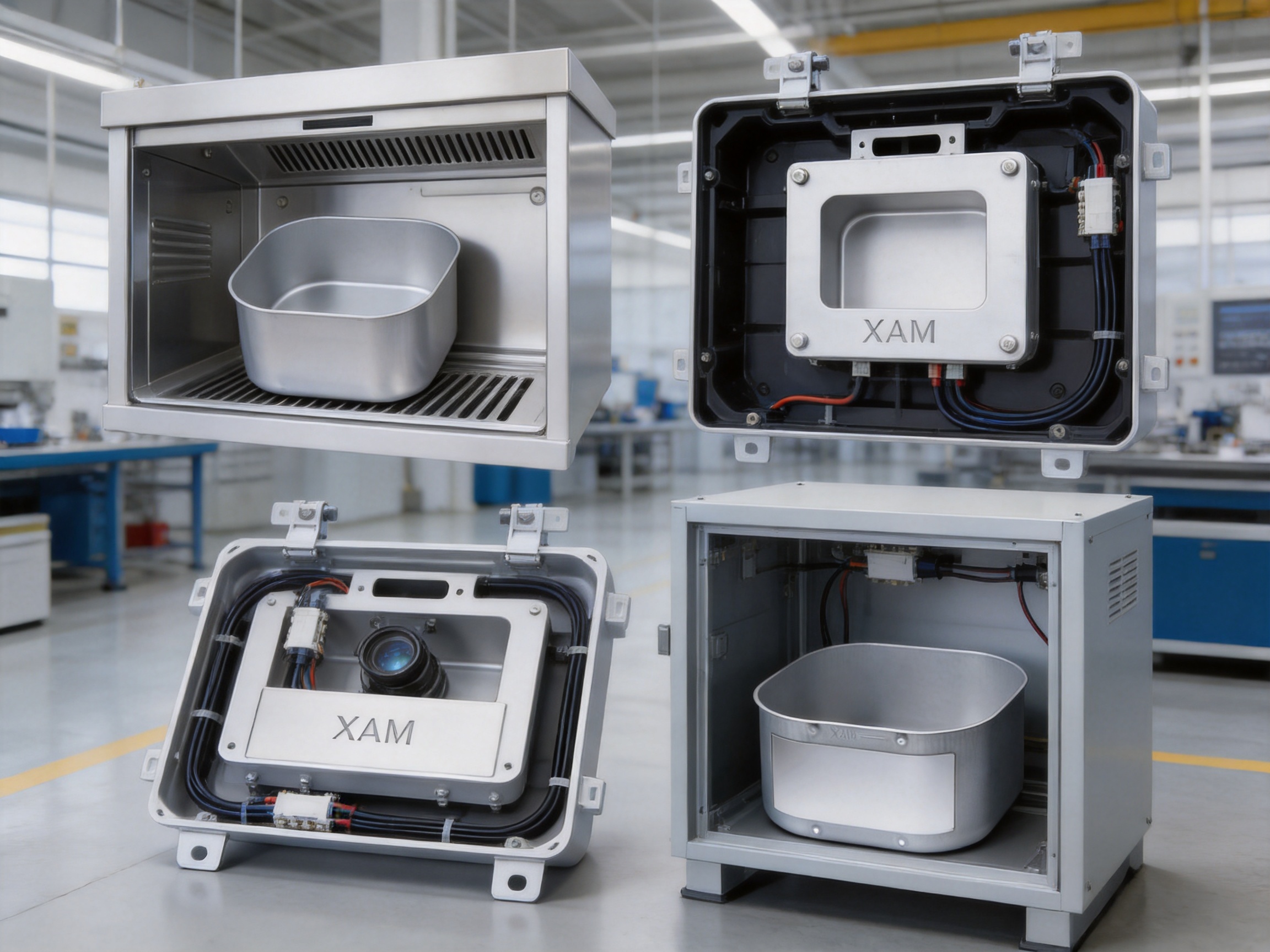
Deep-drawn square containers can be used as internal trays, protective housings, mounting structures, heat-related components, or accessories within kitchen appliances and small household equipment. Their smooth surfaces support cleaning, while ventilation or drainage cutouts can be tailored to the appliance’s operating conditions.
In household products, appearance and user safety are important. A one-piece formed component can reduce exposed seams and provide a neat, integrated appearance. Carefully treated edges and accurately located mounting holes can also simplify assembly and reduce the risk of interference with adjacent parts.
Automotive Components
Automotive stamping parts must often meet demanding requirements for consistency, fit, and durability. A deep-drawn square container may serve as a protective enclosure, structural tray, support component, or specialized housing within a vehicle system. Cutouts can support wiring, drainage, ventilation, or attachment to the vehicle body.
Automotive applications may require close coordination between the stamped component and neighboring parts. Dimensional repeatability, stable production, and clear technical communication are therefore essential. A manufacturer with experience in automotive stamping can help evaluate the relationship between forming operations, tolerances, and assembly requirements.
Optical and Educational Instruments
Optical and educational instruments often require compact metal structures that protect internal elements and maintain organized component placement. A deep-drawn enclosure can provide a rigid base or housing, while customized openings can accommodate controls, cables, optical paths, or mounting hardware.
The smooth and uniform construction may be beneficial for instruments that are handled frequently or used in educational environments. Reduced part count can also simplify equipment assembly and maintenance.
Industrial and Electrical Equipment
Industrial equipment may need containers that support wiring, protect internal assemblies, and withstand regular handling. Cutouts can be used for cable routing, ventilation, drainage, access, and mounting. The square form is often convenient for installation inside cabinets or frames where space is organized around straight edges.
The appropriate material and finish should be selected based on electrical, thermal, mechanical, and environmental conditions. The manufacturer can work with customers to determine the required configuration and production method.
Design Guidance for Better Results
Customers can improve manufacturability by providing complete and accurate design information at the beginning of the project. A two-dimensional drawing, three-dimensional model, sample part, or application description can help the manufacturing team understand the required geometry. Drawings should identify key dimensions, critical tolerances, material, thickness, surface finish, and inspection requirements.
Corner radii should be selected with forming behavior in mind. Extremely sharp corners can increase stress concentration and make drawing more difficult. A suitable radius can support smoother material flow and reduce the risk of tearing or distortion. The required radius also depends on the material and wall depth.
Openings should be positioned with sufficient distance from edges, corners, and formed transitions. A hole that is too close to a corner may deform during drawing or weaken the surrounding area. If a large opening is required, the design may need reinforcing features, a modified shape, or a different production sequence.
Wall depth and thickness should be considered together. A deep container with a very thin wall may be difficult to form and may not provide enough rigidity for the intended load. Increasing thickness may improve strength but can affect material cost, tooling requirements, and forming force. The best design balances performance and manufacturing efficiency.
Functional requirements should be distinguished from optional features. Every cutout, flange, embossment, bead, or mounting detail can affect tooling and production cost. Removing unnecessary features may simplify the part, while retaining important features in the original design can avoid expensive rework later.
Customers should also communicate their expected annual or project quantity. Tooling and process decisions may differ between prototypes, small batches, and large-scale production. A supplier can recommend a suitable balance between tooling investment, unit cost, speed, and flexibility when the expected volume is known.
Quality, Reliability, and Delivery
Quality begins with clear communication. Before production, the customer and supplier should confirm the drawing revision, material, dimensions, cutout pattern, finishing requirements, packaging method, and inspection criteria. This reduces ambiguity and helps ensure that the final part matches the actual application.
Process consistency is especially important for deep-drawn parts because dimensional variation can affect assembly. Stable tooling, controlled press operation, suitable material preparation, and regular inspection all contribute to repeatable results. Production personnel should monitor the condition of the tooling and identify signs of wear that could influence the shape or surface of the component.
Packaging is another consideration for containers with formed walls and cutouts. Parts should be protected against scratching, impact, deformation, and contamination during handling and transport. The appropriate packaging method depends on size, quantity, surface finish, and the sensitivity of the openings or edges.
Stable delivery helps customers maintain their own production schedules. Yuyao Hongli Optoelectronics supports manufacturing, processing, wholesale, retail, import, and export activities. This broad service capability allows the company to work with different customer types, from product developers seeking prototypes to established manufacturers requiring recurring supply.
After-sales support provides an additional layer of cooperation. If an assembly issue, drawing change, or future customization arises, continued communication can help identify the cause and develop an appropriate solution. Long-term cooperation is strengthened when the supplier treats each order as part of an ongoing manufacturing relationship rather than as an isolated transaction.
Why Choose a Customized Deep-Drawn Solution?
A standard container can be suitable when the application is simple and the available dimensions match the product. However, many modern assemblies have limited space, complex wiring, specific drainage requirements, or nonstandard mounting positions. In these situations, a customized deep-drawn solution can provide better integration and reduce compromise.
Customization can improve the total value of the part in several ways. It may reduce the number of additional brackets, eliminate manual drilling, shorten assembly time, improve airflow, provide more reliable drainage, or make maintenance access easier. These benefits may be more important than the initial price difference between a standard part and a purpose-designed component.
The one-piece structure also makes the container suitable for applications in which cleanliness, appearance, and rigidity matter at the same time. A welded or multi-panel alternative may require extra finishing, while a plastic alternative may not provide the required temperature or mechanical performance. Deep drawing occupies a useful position between these options.
For companies developing new products, early collaboration with the manufacturer can also prevent design problems. A component that is reviewed for manufacturability from the beginning is more likely to move smoothly from prototype to production. This can reduce delays, tooling changes, and unexpected secondary operations.
Q&A
What is a deep-drawn square container?
It is a hollow metal component formed from sheet material through a deep-drawing process. The sheet is shaped into a square or rectangular container with a base and side walls. The component can be produced as a one-piece structure with minimal or no weld joints.
What types of cutouts can be customized?
Ventilation holes, drainage holes, wiring slots, mounting holes, inspection openings, connector apertures, and other functional openings can be customized. Their shape, size, number, and position should be defined according to the application and reviewed for manufacturability.
Can the container be made in different sizes?
Yes. The product can be customized in different lengths, widths, heights, depths, and wall thicknesses. The available configuration depends on the required application, material, forming process, tooling, and production quantity.
What are the main benefits of a one-piece design?
A one-piece design can provide continuous material through the base and walls, improved rigidity, fewer potential weak points, smoother surfaces, reduced assembly work, and a cleaner appearance. It may also reduce the need for welding, post-weld finishing, and inspection of multiple joints.
Is this product suitable for kitchen appliances?
Yes. Its smooth surface, customizable drainage and ventilation openings, structural strength, and adaptable dimensions make it suitable for selected kitchen appliance accessories and household equipment components. The final material and finish should be selected according to temperature, moisture, cleaning, and appearance requirements.
Can it be used in automotive applications?
It can be developed for automotive stamping applications such as protective housings, trays, supports, and specialized enclosures. Automotive use requires careful review of dimensional requirements, material specifications, vibration conditions, assembly interfaces, and production consistency.
How are the cutouts produced?
Cutouts may be formed through piercing, punching, trimming, or related stamping operations. The best sequence depends on the container geometry. Some openings may be created before drawing, while others are more accurately produced after the container has been formed.
How should a customer begin a customization project?
The customer should provide drawings, a three-dimensional model, a sample, or a clear description of the required dimensions and application. Information about material, thickness, cutouts, tolerances, surface finish, quantity, and installation conditions will help the manufacturer prepare a more accurate proposal.
Can the manufacturer support prototypes?
Yes. The company supports rapid prototyping and efficient production conversion. Prototype development allows the customer to verify fit, appearance, openings, and assembly relationships before moving into repeat production.
What industries does the manufacturer serve?
The company serves customers involved in educational instruments, optical instruments, household electric heaters, small household appliances, automotive parts, hardware products, plastic products, deep-drawn parts, stamped parts, bending parts, kitchen appliance accessories, and automotive stamping parts.
What makes the supplier suitable for long-term cooperation?
The company combines more than 20 years of industry experience with a 5,000-square-meter factory, multiple stamping workshops, more than 60 employees, OEM/ODM support, quality control, stable delivery, and after-sales service. These capabilities support both customized development and continuing production supply.
Can the product be cleaned easily?
The smooth, uniform surface of a deep-drawn one-piece container can make cleaning and maintenance easier than a construction with multiple seams or overlapping joints. The final cleaning performance also depends on the selected finish, the cutout design, and the operating environment.
Conclusion
The deep-drawn square container with cutouts is a practical and adaptable metal component for customers who require strength, clean construction, and application-specific integration. Its one-piece structure minimizes weld joints, supports a smooth surface, and provides a rigid body for use in appliances, automotive assemblies, industrial equipment, optical instruments, and other products.
Customized ventilation holes, drainage holes, wiring slots, and mounting openings allow the container to perform more functions without requiring extensive modification during final assembly. Different sizes and thicknesses provide flexibility for applications ranging from compact household equipment to more demanding structural assemblies.
The product’s competitive value comes from the combination of design flexibility, material efficiency, structural integrity, surface uniformity, and reduced assembly complexity. These advantages are strengthened by the manufacturing experience of Yuyao Hongli Optoelectronics Co., Ltd., which has more than two decades of experience in stamping and related metal product manufacturing.
With a modern factory, multiple stamping workshops, a skilled workforce, OEM/ODM capabilities, rapid prototyping, quality control, stable delivery, and after-sales service, the company can support customers from initial design review through production and long-term supply. For buyers seeking a reliable customized metal container, deep drawing offers an efficient path to a durable, precise, and application-ready component.
References
1. ASM International, ASM Handbook: Forming and Forging.
2. American Society of Mechanical Engineers, General Principles of Sheet Metal Forming.
3. Society of Manufacturing Engineers, Sheet Metal Forming: Processes, Materials, and Tooling.
4. International Organization for Standardization, Quality Management Systems—Fundamentals and Vocabulary.
5. International Organization for Standardization, Geometrical Product Specifications and Tolerancing Principles.
6. Product information supplied for the deep-drawn square container with cutouts.
7. Company information supplied for Yuyao Hongli Optoelectronics Co., Ltd.
Product: Deep-drawn square container with cutouts
Previous Post
Kitchen Utensil Base: Durable, Practical, and Precisely Manufactured Storage for Modern Kitchens
Next Post
Stamped Square Lid with Holes: Precision, Durability, and Customized Metal Protection
News
-
-
When you need a metal component whose depth clearly exceeds its width, such as a one-piece battery enclosure, an air-fryer inner container,...
READ MORE -
A flat mounting plate with three punched holes and a rectangular container with a fitted lid can come off presses in the same workshop, yet...
READ MORE -
Sheet metal bending is one of the most fundamental processes in metal fabrication. It turns a flat sheet of steel, aluminum, or copper into...
READ MORE
Get Fresh Updates Via Email
We promise we will never disclose your email address, and you can opt out at any time.
-
Quick Links
Home About Us Products Service News Contact Us -
Product list
Deep-drawn parts Stamped parts Bending parts Kitchen appliance accessories Automotive stamping parts -
About Us
Factory Honour FAQ -
News
Company News Industry News -
Contact Us
Address: South side of Shunke Road, Yangming Science and Technology Industrial Park, Yuyao City, Zhejiang Province, China Tel: +86-13905842349/+86-13738485724 Email: hongli@hl-stamping.com
Copyright © Yuyao Hongli Optoelectronics Co., Ltd. All Rights Reserved.
Custom Precision-Sheet/Sheet Metal Stamping Manufacturers
