


 English
 русский
 Español
 عربى
عربى

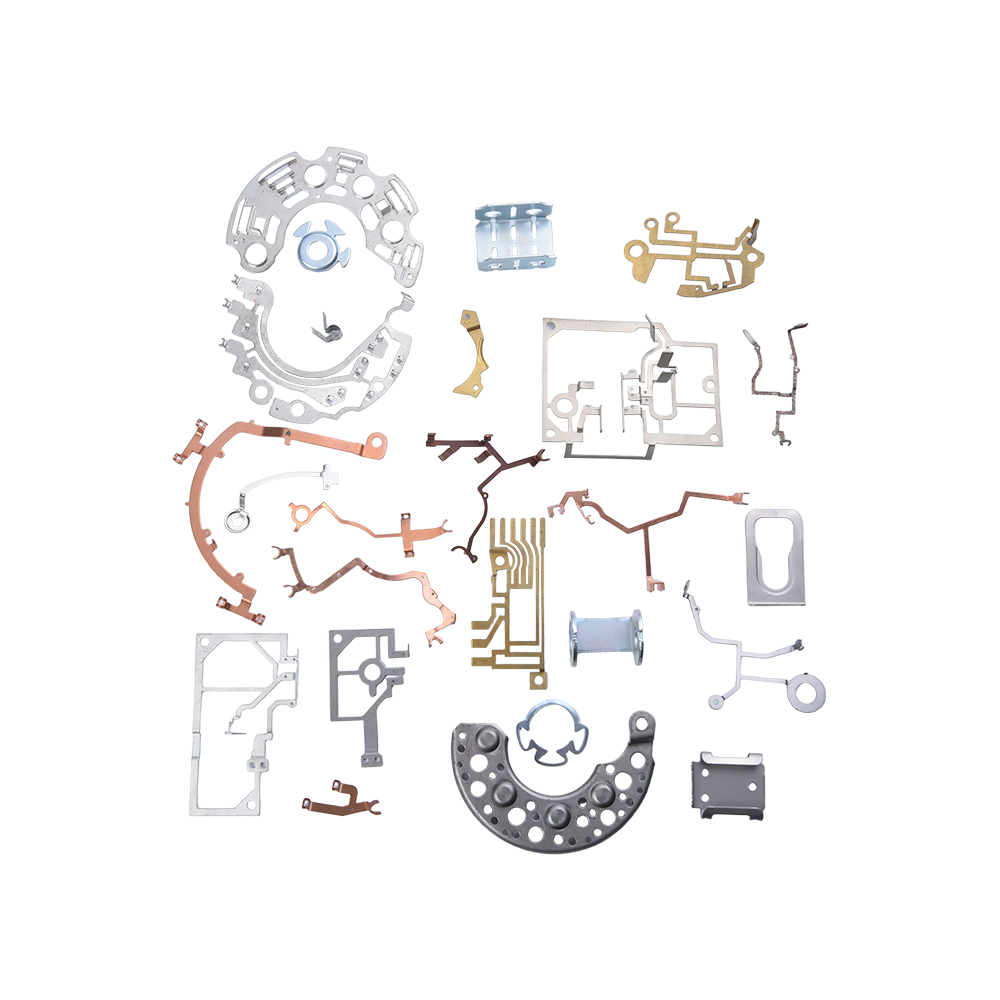
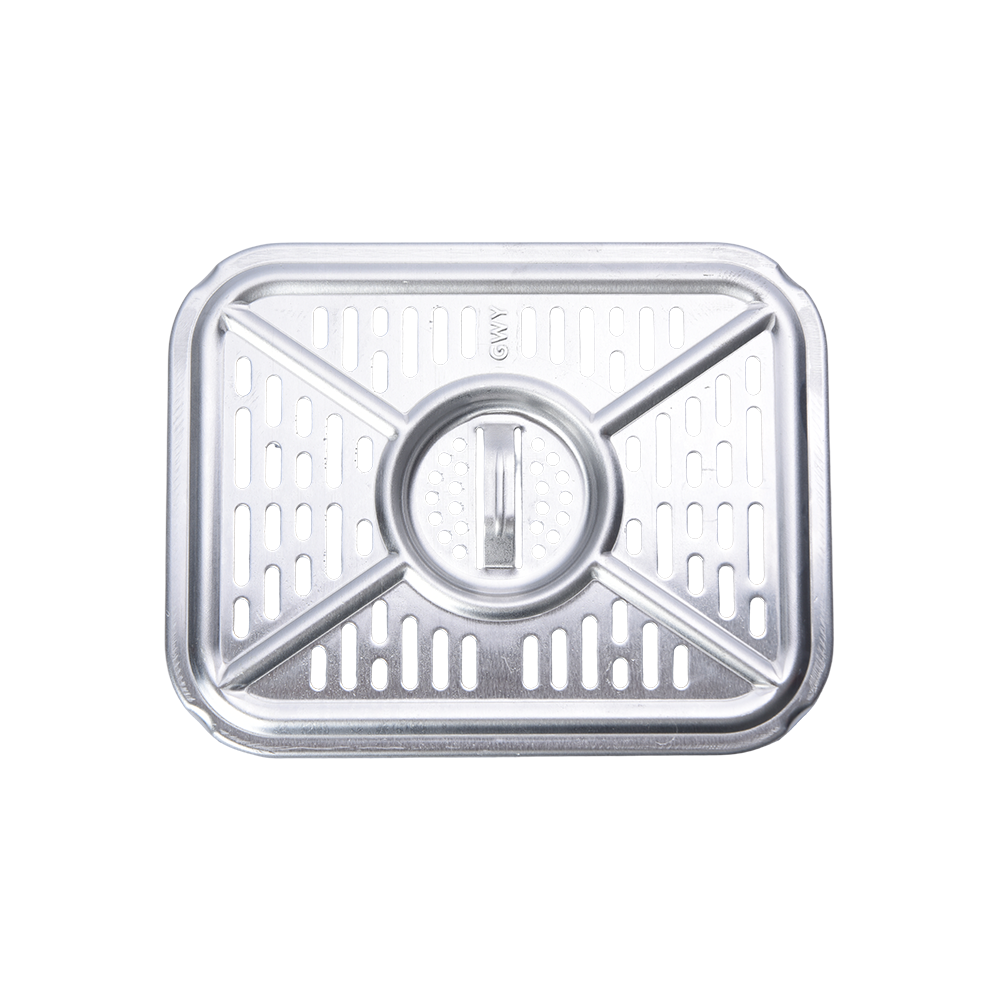
Steel is the backbone of modern manufacturing, yet it is never a single, uniform material. When engineers and buyers ask, "How can you clas...
READ MORE

News
Home / Author / Zhang Meilin — Product Sales Consultant / Kitchen Utensil Base: Durable, Practical, and Precisely Manufactured Storage for Modern Kitchens
Kitchen Utensil Base: Durable, Practical, and Precisely Manufactured Storage for Modern Kitchens
2026-08-23
A kitchen utensil base is a practical countertop accessory designed to keep frequently used cooking tools organized, accessible, and securely stored. Although its appearance may seem simple, a well-designed utensil base must combine structural stability, corrosion resistance, attractive surface quality, easy cleaning, and reliable performance under repeated daily use. It must also provide enough internal capacity for common tools such as spatulas, spoons, ladles, tongs, whisks, and other kitchen accessories.
The Kitchen Utensil Base described in this article is manufactured for demanding household and commercial kitchen environments. Its design reflects the advantages of precision sheet metal processing, deep drawing, stamping, bending, and controlled finishing. These manufacturing methods allow the product to achieve consistent dimensions, smooth edges, dependable strength, and a clean appearance suitable for contemporary kitchens.
Beyond storage, the base contributes to better kitchen organization. It reduces clutter around cooking areas, keeps utensils upright, and allows users to locate tools quickly. The open or accessible structure also supports convenient placement and removal while cooking. For kitchenware brands, distributors, and equipment manufacturers, the product can be customized to meet specific requirements for dimensions, shape, material, finish, packaging, and application.
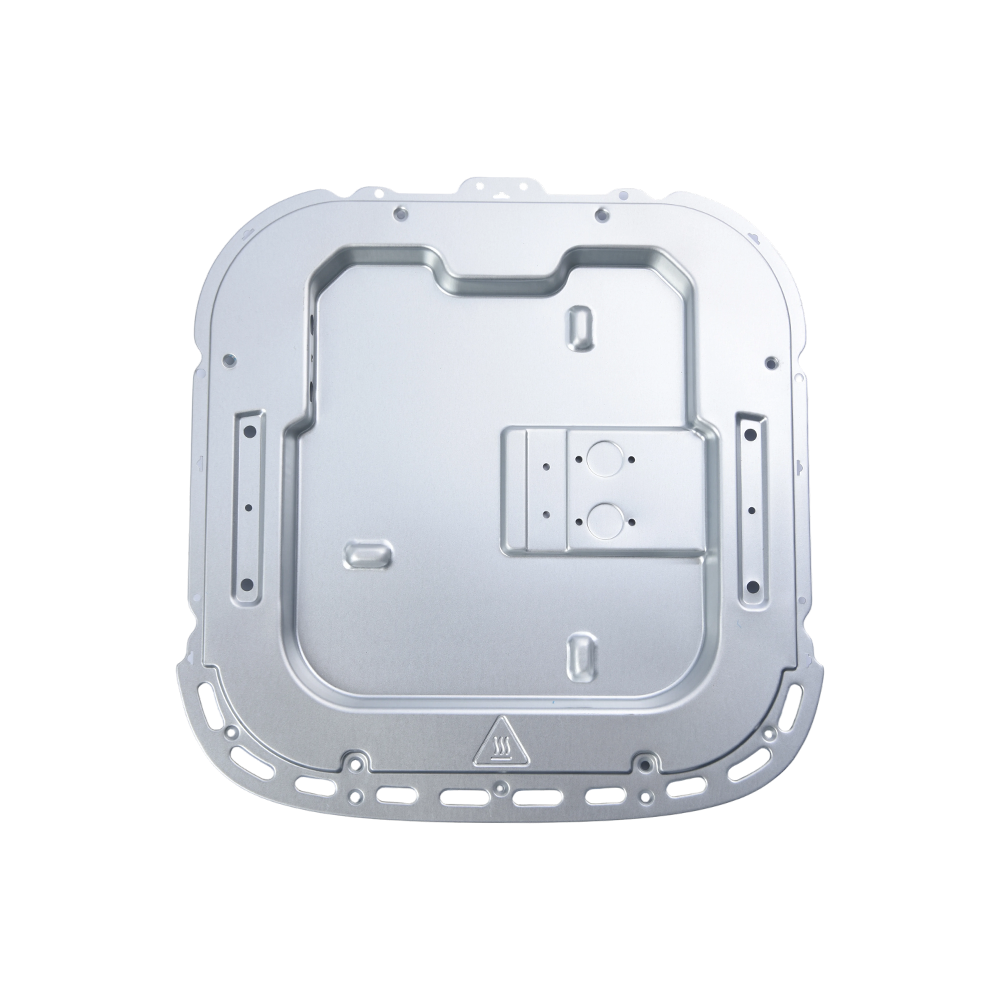
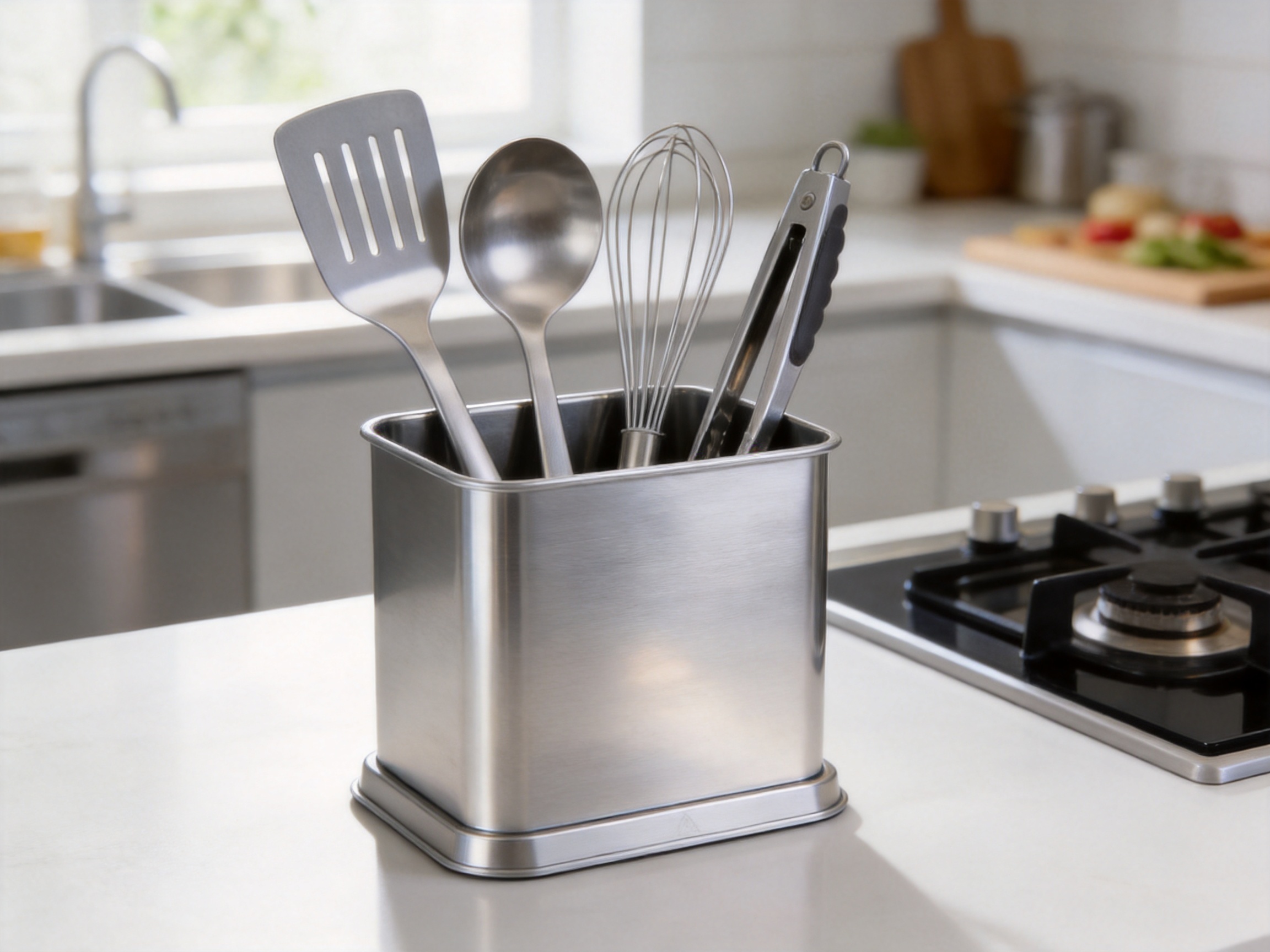
Kitchen Utensil Base
Understanding the Kitchen Utensil Base
A kitchen utensil base is generally a container, holder, support, or organized storage structure that keeps cooking tools in a stable position. Depending on the intended application, it may have a cylindrical, square, rectangular, tiered, or specially formed profile. Its structure can be adapted to accommodate a specific selection of utensils or a broad assortment of cooking tools.
The base is typically positioned on a countertop, worktable, kitchen island, food preparation station, or commercial cooking surface. It must remain stable when utensils are inserted or removed. A weak or poorly balanced holder can tip easily, especially when loaded with long-handled tools. For this reason, the base needs a reliable combination of bottom support, sidewall strength, weight distribution, and dimensional accuracy.
The product may also serve as an integrated support component within a larger kitchen appliance or storage system. In such applications, accurate forming and repeatable production are especially important. The component may need to fit a bracket, housing, tray, frame, or mounting structure. Even a small dimensional deviation can affect assembly efficiency, appearance, or long-term performance.
Manufacturing technology plays a major role in determining the quality of the finished product. Sheet metal stamping can create precise outlines and openings, bending can form stable edges and supports, and deep drawing can produce seamless or strongly integrated shapes. When these operations are planned correctly, the product can achieve a professional appearance while maintaining cost-effective production for both small and large orders.
Core Product Advantages
Stable Support for Daily Kitchen Use
One of the most important advantages of a quality utensil base is stability. Kitchen tools are often wet, oily, heavy, or handled quickly. The base must support them without sliding, tipping, or deforming. A properly engineered bottom profile distributes weight across the countertop, while formed sidewalls help keep utensils centered within the storage area.
Compared with lightweight plastic holders that may become unstable when filled, a precisely formed metal base can provide a stronger and more dependable support structure. Metal construction also allows the product to maintain its shape when exposed to repeated loading, transportation, cleaning, and temperature changes.
Stability is especially valuable in busy kitchens. Users should be able to remove one tool without causing the entire group to fall over. A firm base also helps reduce accidental spills, countertop mess, and damage to nearby objects. These practical benefits improve the user experience and increase the perceived value of the kitchen accessory.
Efficient Organization and Easy Access
The open design of a utensil base allows cooking tools to remain visible and within reach. Instead of placing tools in drawers or leaving them scattered across a work surface, users can organize them vertically in one dedicated location. This arrangement saves time during meal preparation and contributes to a cleaner and more efficient kitchen workflow.
A well-proportioned base can accommodate utensils with different handle lengths and shapes. Spoons, spatulas, whisks, tongs, and ladles can be grouped together while remaining easy to identify. Depending on the customer’s requirements, the structure may be developed with different heights, widths, internal divisions, or tiered sections to improve organization further.
For professional kitchens, organization is directly connected to productivity. Staff can access frequently used tools more quickly, and supervisors can inspect whether equipment has been returned to its proper location. For household users, the same organization reduces visual clutter and supports a more orderly cooking environment.
Rust Resistance and Long-Term Durability
Kitchen accessories are regularly exposed to water, steam, food residues, cleaning agents, and changes in temperature. If the material or finish is unsuitable, the product may develop rust, stains, discoloration, or surface deterioration. A durable utensil base must therefore be designed with environmental exposure in mind.
Appropriate metal selection and surface treatment can improve resistance to corrosion and staining. The final specification may vary according to the customer’s target market, price range, appearance requirements, and use conditions. A suitable finish can also make the surface easier to wipe clean and less likely to retain food residue.
Compared with untreated low-quality metal products, a carefully manufactured base offers more dependable service life. Its surface can remain attractive through repeated cleaning, while its structural body continues to support utensils without excessive bending or distortion. This durability can reduce replacement frequency and provide better value over the product’s operating life.
Resistance to Scratches and Everyday Wear
Kitchen accessories are exposed to constant contact with metal, wood, silicone, ceramic, and plastic utensils. Tools may be inserted quickly, removed at an angle, or dropped into the holder. A product with poor surface quality can become scratched and unattractive after a short period.
Controlled forming and finishing help improve the visual consistency of the base. Smooth surfaces, carefully managed edges, and suitable finishing processes can reduce the risk of sharp burrs and visible processing marks. Where a decorative finish is specified, the production process can be adjusted to preserve the desired texture and appearance.
Scratch resistance is not only an aesthetic consideration. A damaged surface may become more difficult to clean and can create areas where moisture or residue accumulates. Maintaining a smooth, stable finish supports both product appearance and practical hygiene.
High-Temperature Performance
Kitchen products are often used near ovens, stovetops, hot cookware, steam, and heated utensils. A metal utensil base can provide better resistance to normal kitchen temperature exposure than many low-grade plastic alternatives. The exact performance depends on the selected material, surface treatment, product design, and intended operating conditions.
For customers who require higher temperature resistance, material and finish specifications can be reviewed during product development. The structure can also be evaluated for potential thermal expansion, surface stability, and proximity to heat sources. This process helps ensure that the final product is appropriate for the intended kitchen environment rather than relying on a one-size-fits-all design.
Design Characteristics That Improve Functionality
Shape and Capacity
The shape of a utensil base affects both appearance and usability. Cylindrical designs provide a familiar and versatile storage format, while square or rectangular designs may use countertop space more efficiently when positioned against a wall or beside other appliances. Tiered or compartmentalized formats can separate different categories of utensils.
Capacity must be selected according to the expected number and size of tools. A holder that is too small may become crowded, while one that is too large may occupy unnecessary space and allow utensils to lean excessively. Product development should consider the diameter and length of common utensils, the desired clearance between tools, and the amount of countertop space available.
For private-label and OEM projects, dimensions can be adjusted to match a customer’s product family. A compact version may suit apartments, dormitories, or small kitchens. A larger version may be appropriate for family kitchens, restaurants, hotels, catering facilities, or commercial food preparation areas.
Edge Safety and User Comfort
Kitchen accessories are handled frequently, so edge safety is essential. Poorly processed sheet metal can produce sharp edges, burrs, or uneven corners. These defects may cause injury, damage utensils, or reduce the perceived quality of the product.
Precision stamping and controlled bending help create more consistent edges. Additional deburring, edge treatment, or finishing operations can be applied when required by the design. Rounded corners and smoothly formed openings can improve user comfort while also contributing to a more refined appearance.
Edge quality should be checked during production rather than treated as an afterthought. This is particularly important for products that will be sold directly to consumers, used by children or elderly people, or handled by kitchen staff throughout the day.
Open Access and Ventilation
An open utensil base allows users to see and reach their tools without opening a drawer or lifting a cover. This accessibility is valuable during cooking, when speed and convenience are important. Open structures can also promote air circulation around damp utensils, helping moisture evaporate more easily.
Ventilation is especially useful after washing. When water remains trapped inside a closed holder, it may contribute to unpleasant odors, stains, or corrosion over time. A well-designed open or partially ventilated form can support better drying while maintaining sufficient structural support.
The balance between openness and containment depends on the intended use. A design for dry countertop storage may prioritize visibility and access. A design intended for wet environments may require drainage features, raised supports, or additional ventilation openings.
Countertop Compatibility
A utensil base should sit securely on common countertop materials such as stone, ceramic, stainless steel, laminate, wood, or composite surfaces. The bottom should be sufficiently flat and stable to reduce rocking. Where necessary, protective pads or compatible bottom features may be incorporated into the design.
Product dimensions should also account for surrounding objects. Users may place the base beside a stove, sink, cutting board, appliance, or wall. A compact footprint can help preserve workspace, while a wider base can improve stability for heavy or numerous utensils.
During development, the customer can specify the preferred footprint, total height, center of gravity, and bottom structure. These requirements can then be translated into tooling and production parameters that support repeatable results.
Advanced Metal Manufacturing Processes
The Kitchen Utensil Base benefits from manufacturing processes commonly used for high-quality metal components. These include sheet metal stamping, deep drawing, bending, trimming, forming, deburring, surface treatment, inspection, and assembly where necessary. Combining these processes allows the manufacturer to produce both simple and complex shapes with consistent quality.
Material Preparation
Production begins with material selection and preparation. The material must meet the required specifications for thickness, formability, strength, surface condition, and corrosion resistance. The best choice depends on the design, use environment, appearance requirements, and target cost.
Before forming, sheet material is checked for visible defects, dimensional consistency, and suitability for the planned operation. Proper preparation reduces the risk of cracking, wrinkles, uneven forming, and surface damage during stamping or drawing.
Material utilization is also considered during planning. Efficient nesting and blank design can reduce waste and support more competitive pricing. For larger production runs, improvements in material utilization can have a significant effect on total manufacturing cost without compromising product performance.
Precision Sheet Metal Stamping
Sheet metal stamping uses dedicated dies and controlled press operations to cut, shape, and form metal parts. It is suitable for producing repeatable outlines, openings, mounting features, and structural details. When the tooling is properly designed, each production cycle can deliver consistent dimensions and a stable appearance.
For the utensil base, stamping may be used to create blanks, openings, support features, drainage areas, or reinforcement details. The process can be adapted according to the product’s geometry and production volume. It is especially effective when a customer requires a large number of identical components.
Compared with manual fabrication, precision stamping offers better repeatability and faster production. It can also reduce variation between batches, which is important for brands that need consistent product quality across different shipments or sales regions.
Deep Drawing
Deep drawing forms a flat metal blank into a hollow shape by pressing it into a die with a punch. This process is valuable for producing cylindrical, rectangular, or other container-like structures. It can create a strong integrated body while reducing the need for multiple separately joined pieces.
A deep-drawn structure can provide advantages in strength, appearance, and cleanliness. Fewer joints may mean fewer areas where residue or moisture can collect. The continuous formed body can also create a more unified appearance that suits modern kitchen products.
Successful deep drawing requires careful control of blank dimensions, tooling geometry, material behavior, press parameters, lubrication, and forming stages. If the design is too deep or the material is not suited to the operation, defects such as cracking, wrinkling, thinning, or uneven walls may occur. Experienced process planning helps prevent these issues before mass production.
For more demanding geometries, multiple drawing stages may be considered. Intermediate operations can gradually form the material and maintain better control over wall thickness and surface quality. The appropriate process depends on the final shape, material, dimensions, and required production quantity.
Bending and Secondary Forming
Bending operations create flanges, supports, reinforcing edges, mounting sections, or other functional features. Accurate bending is necessary when the base must fit with another component or maintain a specific external profile.
During bending, factors such as material thickness, bend radius, springback, grain direction, and tooling accuracy must be considered. Process control helps ensure that the finished part achieves the required angle and alignment. This is particularly important when several bends interact to create a stable base or protective rim.
Secondary forming may also be used to improve stiffness or produce specialized shapes. Reinforcing beads, rolled edges, and formed ribs can increase rigidity without requiring excessive material thickness. Such features can help the product remain lightweight while maintaining reliable performance.
Trimming, Deburring, and Edge Treatment
After drawing or stamping, excess material may need to be removed through trimming. This operation establishes the final height, profile, or opening of the base. Precise trimming improves dimensional consistency and supports a clean finished appearance.
Deburring removes sharp projections and loose fragments created during cutting or forming. It is an important step for both safety and appearance. Depending on the product specification, edge treatment may include mechanical deburring, polishing, tumbling, brushing, or other suitable methods.
Consistent edge treatment also helps downstream finishing operations. A smooth edge is less likely to damage packaging, scratch nearby components, or create an uneven coating. For a consumer-facing kitchen product, these details can have a substantial impact on customer satisfaction.
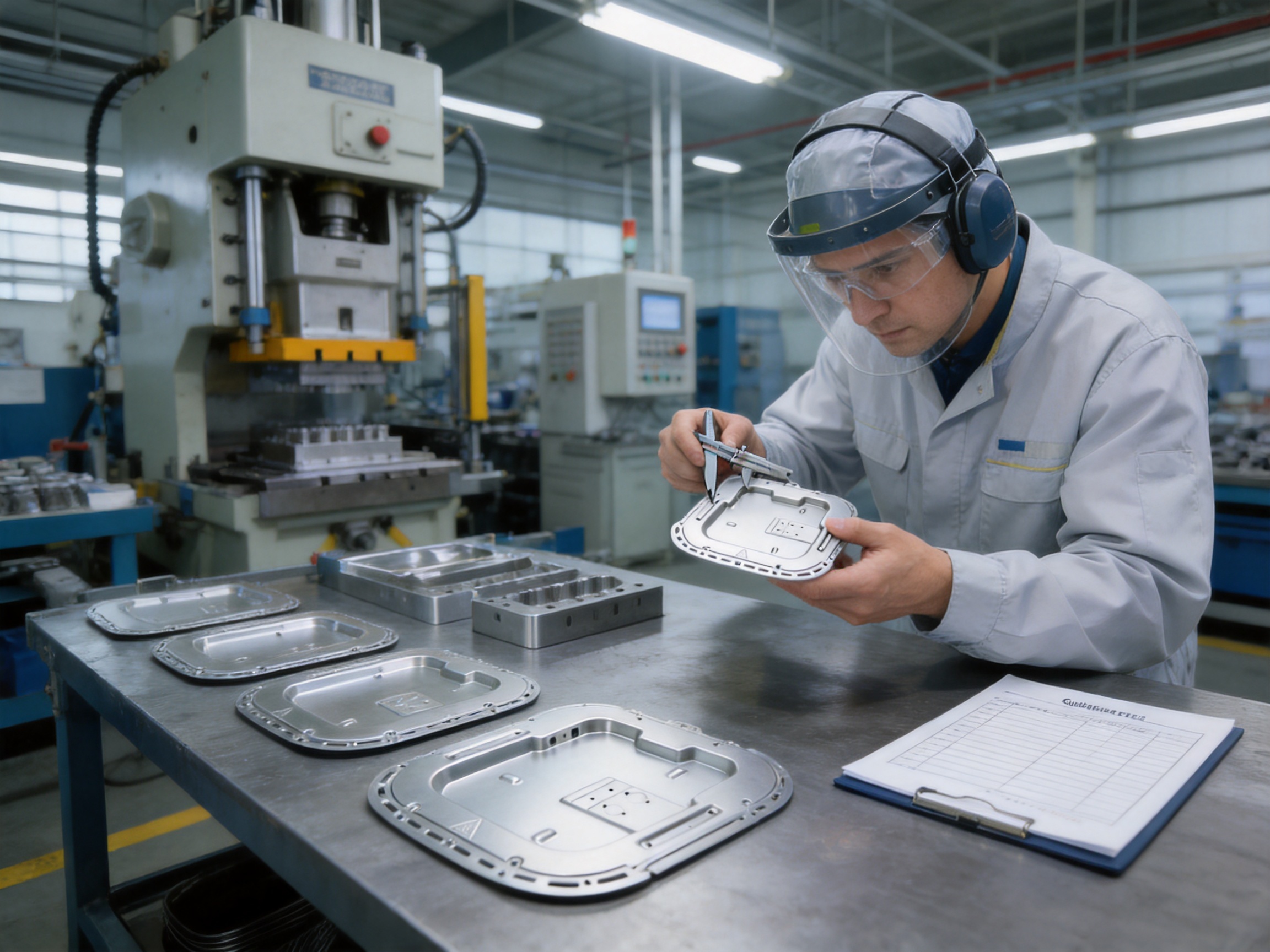
Quality Control from Prototype to Mass Production
Reliable product quality depends on control at every stage, not only on final inspection. A structured quality system begins with design review and continues through material purchasing, tooling, forming, finishing, packaging, and delivery.
Design and Tooling Review
Before production begins, the design should be reviewed for manufacturability. Engineers and production personnel can evaluate wall thickness, draft angles, bend radii, corner geometry, openings, tolerances, and potential forming risks. Early review helps identify problems before tooling costs are committed.
Tooling design has a direct effect on product accuracy and service life. Dies must be designed to support the selected material and production volume. Proper clearance, forming radii, guide systems, and wear-resistant components can improve repeatability and reduce maintenance requirements.
For customized orders, the customer’s drawings, samples, specifications, and application requirements should be examined together. This ensures that the product is not only visually correct but also suitable for its intended assembly, packaging, and use conditions.
First Article and Prototype Evaluation
A first article or prototype provides an opportunity to verify the product before mass production. Important checks may include overall dimensions, height, width, opening size, flatness, edge condition, surface quality, fit, balance, and compatibility with representative utensils.
Prototype evaluation can also identify practical issues that may not be obvious on a drawing. For example, users may find that a holder is too narrow for larger handles, that the base is difficult to clean, or that the product requires a wider footprint for improved stability. Addressing these issues early can reduce later changes and avoid unnecessary production costs.
In-Process Inspection
During production, operators and quality personnel can monitor critical dimensions and visual conditions. Checks may include blank size, formed height, wall profile, bend angle, opening shape, burr condition, and surface defects.
In-process inspection is particularly valuable for deep-drawn and stamped parts because tool wear, material variation, and machine conditions can influence results over time. Regular checks help identify trends before they become large-scale defects.
Production records can support traceability and continuous improvement. Information about material batches, tooling adjustments, inspection results, and rejected parts can be reviewed to improve future orders and maintain consistent manufacturing standards.
Final Inspection and Packaging
Final inspection confirms that finished bases meet the agreed requirements. Products can be checked for dimensional compliance, structural stability, edge safety, appearance, cleanliness, and packaging condition. If the product is part of a larger assembly, functional fit may also be verified.
Packaging should protect the surface and edges during storage and transport. Suitable separators, protective films, cartons, and pallet arrangements can reduce the risk of dents, scratches, and deformation. Packaging requirements can be adapted for domestic distribution, export shipments, retail presentation, or bulk industrial delivery.
Manufacturing Strengths of the Supplier
Yuyao Hongli Optoelectronics Co., Ltd. is a comprehensive manufacturing enterprise with more than 20 years of industry experience. Established in 2000, the company has developed from its former identity as Yuyao Hongli Optoelectronics Educational Instruments Co., Ltd. into a professional manufacturer of metal stamping parts and related products.
The company operates a modern factory of approximately 5,000 square meters and employs more than 60 people. Its production capabilities cover stamping, deep drawing, bending, and related processing for a wide variety of applications. This manufacturing foundation supports the development of kitchen appliance accessories such as the Kitchen Utensil Base, as well as deep-drawn parts, stamped parts, automotive stamping parts, hardware products, and components for household appliances.
A broad product and process background can be valuable for customers because it exposes the manufacturing team to different material behaviors, tolerance requirements, forming challenges, and quality expectations. Experience in automotive and appliance-related components can also support disciplined production planning for kitchen accessories.
The company provides OEM and ODM customization, rapid prototyping, production conversion, wholesale, retail, import, and export services. These capabilities allow customers to engage with one supplier for multiple stages of product development, from initial concept and sample production through repeat manufacturing and delivery.
OEM and ODM Customization
OEM customers may require a utensil base manufactured according to their existing drawings, specifications, or brand standards. ODM customers may prefer support with product structure, dimensions, materials, tooling, and production recommendations. Both approaches can be supported through communication between the customer and the manufacturing team.
Customization may involve the external shape, height, capacity, wall thickness, openings, bottom structure, surface finish, color, logo treatment, packaging, or accessory configuration. The product can also be adapted to suit different market segments, from compact household kitchenware to larger commercial storage systems.
Customization is most successful when requirements are defined clearly at the beginning. Information about intended use, estimated order volume, target price, delivery schedule, packaging, and required certifications should be discussed during the quotation and design stages.
Rapid Prototyping and Efficient Production Conversion
Rapid prototyping helps customers evaluate an idea before investing in full-scale production. A prototype can be used to review appearance, dimensions, usability, balance, capacity, and compatibility with utensils or other kitchen equipment.
After prototype approval, efficient production conversion is essential. Tooling, press operations, inspection plans, and packaging methods must be translated from a development concept into a stable manufacturing process. A supplier with experience in stamping and forming can help reduce unnecessary delays during this transition.
Production conversion also includes process optimization. The manufacturer may review the number of operations, material utilization, forming sequence, tooling design, inspection points, and finishing requirements. These efforts can improve consistency and reduce avoidable costs as order volume increases.
Stable Delivery and After-Sales Support
For importers, distributors, and brands, reliable delivery is nearly as important as product quality. Delays can affect retail launches, customer commitments, inventory levels, and production schedules. A supplier with established workshops, personnel, and production planning procedures can provide a stronger foundation for stable delivery.
After-sales support is also important when a customer requires technical clarification, replacement parts, packaging adjustments, or process improvements. Clear communication helps resolve issues efficiently and supports long-term cooperation rather than one-time transactions.
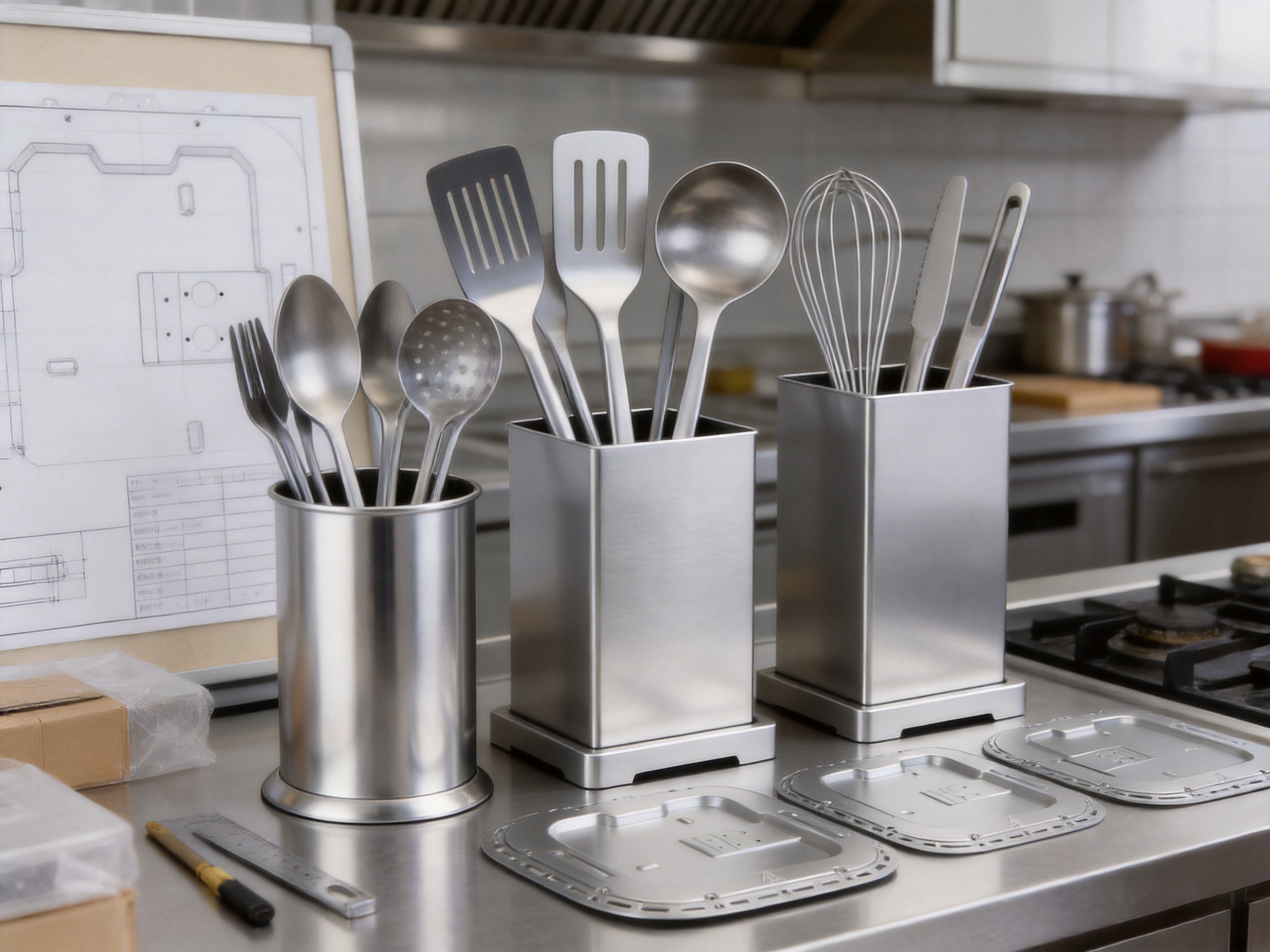
Comparison with Common Alternative Products
The Kitchen Utensil Base has several advantages when compared with basic plastic holders, lightweight wire racks, and poorly finished metal containers. Each alternative may be suitable for a specific situation, but the best choice depends on the required balance of durability, appearance, stability, maintenance, and price.
| Product Type | Typical Advantages | Common Limitations | Value of a Precisely Formed Metal Base |
|---|---|---|---|
| Basic Plastic Holder | Lightweight, low initial cost, and available in many colors | May tip when heavily loaded, scratch easily, soften near heat, or discolor over time | Improved structural stability, temperature resistance, surface durability, and long-term appearance |
| Wire Utensil Rack | Open structure, low weight, and strong ventilation | May provide limited containment, have exposed joints, or be difficult to clean around intersections | More integrated construction, smoother surfaces, and better containment for mixed utensils |
| Thin Untreated Metal Container | Inexpensive and moderately rigid | May rust, dent, develop sharp edges, or show inconsistent finishing | Better control of material, forming, deburring, surface treatment, and quality inspection |
| Custom Precision Metal Base | Stable, durable, adaptable, and suitable for brand-specific requirements | May require tooling and development planning | Combines product performance with repeatable manufacturing and OEM/ODM flexibility |
The main competitive advantage is not simply that the product is made of metal. The advantage comes from the combination of suitable material, controlled forming, accurate dimensions, safe edges, stable geometry, and consistent quality control. A low-quality metal holder may not provide these benefits, while a well-manufactured base can deliver a more dependable user experience.
Applications in Different Kitchen Environments
Household Kitchens
In household kitchens, the utensil base can be placed near the cooking area for immediate access to frequently used tools. Its organized format helps keep countertops clean and reduces the need to search through drawers during meal preparation.
The product can suit small apartments, family homes, renovated kitchens, and modern open-plan living spaces. Customers may select a compact design for limited countertops or a larger design for families that use a wide range of utensils every day.
Restaurants and Catering Facilities
Commercial kitchens require fast access to equipment and efficient use of workspace. A durable utensil base can help cooks keep essential tools in a designated position. Its stable construction is useful in environments where utensils are used continuously and returned quickly between tasks.
Restaurants and catering operations may also require products that can withstand frequent cleaning, transportation, and handling. Material and surface requirements should be reviewed according to the specific environment, cleaning routine, and food-service standards applicable to the customer.
Hotels, Cafeterias, and Institutional Kitchens
Hotels, schools, hospitals, and institutional kitchens often purchase kitchen accessories in larger quantities. Consistency between units is important because products may be distributed across multiple preparation stations or facilities.
A manufacturer capable of repeatable stamping and forming can provide consistent dimensions and appearance across production batches. Custom packaging, labeling, and shipment arrangements may also support the logistical needs of institutional buyers.
Kitchen Appliance and Homeware Brands
Kitchen appliance brands may use the utensil base as a standalone accessory, a bundled product, or part of a coordinated kitchen storage collection. The design can be adjusted to match the visual language of other products, including finish, profile, color, and logo placement.
Homeware brands may also use OEM or ODM services to develop exclusive versions for different retail channels. A custom design can help distinguish the brand from generic products and create a more consistent product family.
How the Product Supports Better Kitchen Hygiene
Organization and hygiene are closely connected. When utensils are scattered across counters or stored in unsuitable spaces, they may come into contact with spills, dirt, and other objects. A dedicated base provides a defined storage location and helps users maintain a cleaner preparation area.
The open structure allows users to identify whether utensils are clean, wet, or contaminated. After washing, tools can be placed upright to encourage drainage and air circulation. The base itself can be wiped regularly as part of the kitchen cleaning routine.
Surface smoothness is also important. Fewer irregularities and properly treated edges make it easier to remove residue. While the product does not replace normal cleaning and sanitation procedures, its design can support more practical daily maintenance.
Customization Options for Buyers
Customers can discuss a broad range of customization requirements with the manufacturer. The most important options normally include the following:
Shape and dimensions can be adjusted to match the customer’s intended utensils, available countertop space, and product positioning. Cylindrical, square, rectangular, and specialized profiles may be evaluated according to tooling feasibility and production volume.
Capacity can be modified by changing the width, height, internal arrangement, or number of compartments. A single open cavity may be suitable for general storage, while several sections may help separate spatulas, spoons, tongs, and smaller tools.
Material and thickness can be selected according to strength, corrosion resistance, forming requirements, appearance, weight, and cost. The final recommendation should consider the complete operating environment rather than one isolated property.
Surface finish can be developed to achieve a particular visual effect or maintenance characteristic. Options may include a smooth, brushed, polished, matte, or otherwise specified finish, subject to material suitability and production capability.
Logo and branding treatments may be discussed for private-label products. The location and method should be selected so that the branding remains attractive without affecting cleaning, safety, or structural performance.
Packaging can be designed for individual retail sales, bulk shipping, export transportation, or inclusion in a larger kitchenware set. Protective materials should be chosen to reduce scratches, dents, and movement during transit.
Recommended Product Development Process
Step One: Define the Application
The customer should first describe where and how the utensil base will be used. Important details include the type of kitchen, expected number of utensils, exposure to water or heat, cleaning conditions, preferred appearance, and target market.
Step Two: Confirm the Design Direction
Drawings, sketches, samples, or reference products can be used to establish the desired shape and function. At this stage, the customer and manufacturer can discuss capacity, footprint, height, edge treatment, drainage, stability, and finish.
Step Three: Review Manufacturability
The manufacturing team evaluates whether the proposed structure is suitable for stamping, deep drawing, bending, and finishing. Design modifications may be recommended to improve forming quality, reduce material waste, simplify tooling, or control production cost.
Step Four: Develop Tooling and Prototype Samples
Tooling is prepared according to the approved design. Prototype or first samples are then produced for inspection. The customer can review the physical product and request reasonable adjustments before mass production.
Step Five: Approve Specifications
Once the design is confirmed, key specifications should be documented. These may include material, thickness, dimensions, tolerances, surface treatment, logo requirements, packaging, inspection standards, and delivery expectations.
Step Six: Begin Controlled Mass Production
Mass production proceeds through the established forming, finishing, inspection, and packaging operations. In-process checks help ensure that the approved sample is reflected in every production batch.
Step Seven: Review Feedback and Improve
After delivery, customer feedback can support future improvements. Adjustments may involve packaging strength, surface appearance, storage capacity, tooling refinements, or new versions for different markets.
Why Manufacturing Experience Matters
A kitchen accessory may appear straightforward, but dependable production requires coordination between design, tooling, materials, machinery, operators, quality personnel, and logistics. A supplier with experience across deep-drawn parts, stamped parts, bending parts, household appliance components, and automotive stamping parts can apply a broad range of manufacturing knowledge to the product.
More than two decades of industry experience also supports process learning. Over time, manufacturers develop practical methods for reducing forming defects, improving tool life, controlling dimensions, and responding to customer requirements. This experience can make the difference between a product that merely looks acceptable in a sample and one that performs consistently in long-term production.
The supplier’s capabilities in manufacturing, processing, wholesale, retail, import, and export provide flexibility for different business models. Customers may be purchasing components for assembly, finished products for resale, or customized accessories for a branded kitchenware line.
The company’s stated business philosophy emphasizes integrity, excellence, innovation, and sharing. These principles are relevant to custom manufacturing because successful cooperation depends on accurate communication, transparent technical discussion, attention to detail, and a willingness to improve the product and process together.
Purchasing Considerations for Distributors and Brands
When evaluating a kitchen utensil base, buyers should look beyond the initial unit price. Total value includes product durability, rejection rates, packaging protection, delivery reliability, customization support, and expected service life.
Buyers should ask whether the supplier can maintain consistent dimensions across batches, whether the product has safe and smooth edges, whether the selected material is appropriate for the application, and whether the surface can withstand normal cleaning and handling.
Tooling costs and minimum order quantities should also be clarified early. A custom design may require dedicated dies, fixtures, or inspection equipment. Understanding these requirements helps the buyer create a realistic development schedule and cost plan.
Communication about samples is equally important. The approved sample should become the reference for mass production, with agreed tolerances and appearance standards documented clearly. This reduces the possibility of misunderstanding between development and delivery stages.
For export customers, packaging, carton dimensions, loading efficiency, labeling, and shipping protection should be reviewed before production. Proper planning can reduce transportation damage and improve warehouse handling.
Q&A About the Kitchen Utensil Base
What is the primary purpose of a kitchen utensil base?
The primary purpose is to store kitchen tools upright, organized, and within easy reach. It helps users keep spatulas, spoons, ladles, tongs, whisks, and similar utensils in one stable location.
Why choose a formed metal utensil base instead of a basic plastic holder?
A formed metal base can provide improved stability, durability, surface resistance, and temperature performance. It is also suitable for customized shapes and repeatable production through stamping, deep drawing, and bending.
Can the utensil base be customized?
Yes. Customers can discuss customized dimensions, shapes, capacity, material, thickness, surface finish, openings, branding, and packaging. OEM and ODM development can be considered according to the project requirements.
What kitchen tools can it hold?
The base can be designed to hold common tools such as spatulas, cooking spoons, ladles, tongs, whisks, and other utensils. The actual capacity depends on the selected dimensions and internal arrangement.
Is the product suitable for commercial kitchens?
It can be suitable for restaurants, catering operations, hotels, cafeterias, and other commercial environments when the material, finish, size, and cleaning requirements are selected appropriately for the application.
How does deep drawing benefit the product?
Deep drawing can create a hollow, integrated form with strong sidewalls and a consistent profile. It may reduce the need for multiple joined pieces and support a cleaner appearance and easier maintenance.
What quality checks are important for this product?
Important checks include material condition, overall dimensions, height, opening size, flatness, stability, wall profile, edge safety, surface appearance, corrosion protection, and packaging condition.
Can different shapes be produced?
Different shapes may be developed, including cylindrical, square, rectangular, tiered, or other customized profiles. Feasibility depends on the dimensions, material, tooling, forming sequence, and production volume.
What information should a buyer provide when requesting a quotation?
The buyer should provide drawings or sketches, target dimensions, estimated order quantity, preferred material or finish, application environment, packaging requirements, branding needs, and expected delivery schedule.
Does the supplier support prototypes?
The supplier supports rapid prototyping and production conversion. Prototype development allows the customer to evaluate the design before mass production and make adjustments where necessary.
How can the product be maintained?
Users should follow the cleaning instructions appropriate for the selected material and finish. Regular wiping, removal of food residue, and adequate drying can help preserve appearance and service life.
What makes this product competitive?
Its competitive value comes from the combination of organized storage, stable construction, rust resistance, scratch resistance, high-temperature suitability, customization flexibility, and precision manufacturing support.
Conclusion
The Kitchen Utensil Base is a practical kitchen accessory that combines organization, accessibility, durability, and visual appeal. Its open structure helps users locate tools quickly, while its stable construction supports reliable countertop use. Resistance to rust, stains, scratches, and normal kitchen heat exposure contributes to a longer service life than many basic alternatives.
The product’s performance is closely connected to its manufacturing process. Precision sheet metal stamping, deep drawing, bending, trimming, deburring, finishing, and inspection work together to create a consistent and dependable component. These processes also provide the flexibility needed for customized dimensions, shapes, capacities, and surface treatments.
With more than 20 years of industry experience, a modern 5,000-square-meter factory, more than 60 employees, and capabilities covering multiple metal processing fields, Yuyao Hongli Optoelectronics Co., Ltd. offers a suitable manufacturing foundation for kitchen appliance accessories and related metal products. Its OEM/ODM services, rapid prototyping, efficient production conversion, quality control, stable delivery, and after-sales support can help customers develop reliable products for household, commercial, and branded kitchenware applications.
For buyers seeking a kitchen utensil holder that is stronger, more durable, more customizable, and more consistently manufactured than generic alternatives, the Kitchen Utensil Base provides a practical solution supported by professional metal forming expertise.
References
1. General principles of sheet metal stamping, forming, trimming, and dimensional inspection in industrial manufacturing.
2. General design considerations for deep-drawn metal components, including material formability, drawing depth, wall control, tooling geometry, and defect prevention.
3. Common kitchenware product design practices relating to stability, countertop organization, cleaning access, ventilation, and user safety.
4. General quality management practices for OEM and ODM production, including prototype approval, in-process inspection, final inspection, traceability, and packaging control.
5. General material and surface-finishing considerations for metal accessories exposed to moisture, food residue, cleaning agents, and normal kitchen temperatures.
Product: Kitchen Utensil Base
Previous Post
Precision Steel Stamped Parts with Three Small Holes for Reliable Industrial Assembly
Next Post
Deep-Drawn Square Containers with Custom Cutouts: Strength, Precision, and Versatile Metal Forming
News
-
-
If you have ever asked yourself, “How do I find a reputable metal fabricator?” you are not alone. As a manufacturer with more than 20 years...
READ MORE -
Sheet metal bending is one of the most fundamental processes in metal fabrication. It turns a flat sheet of steel, aluminum, or copper into...
READ MORE -
What Are Stamped Parts? Stamped parts are metal components produced by pressing flat sheet metal between a die and a punch to cut, bend, or...
READ MORE
Get Fresh Updates Via Email
We promise we will never disclose your email address, and you can opt out at any time.
-
Quick Links
Home About Us Products Service News Contact Us -
Product list
Deep-drawn parts Stamped parts Bending parts Kitchen appliance accessories Automotive stamping parts -
About Us
Factory Honour FAQ -
News
Company News Industry News -
Contact Us
Address: South side of Shunke Road, Yangming Science and Technology Industrial Park, Yuyao City, Zhejiang Province, China Tel: +86-13905842349/+86-13738485724 Email: hongli@hl-stamping.com
Copyright © Yuyao Hongli Optoelectronics Co., Ltd. All Rights Reserved.
Custom Precision-Sheet/Sheet Metal Stamping Manufacturers
