


 English
 русский
 Español
 عربى
عربى

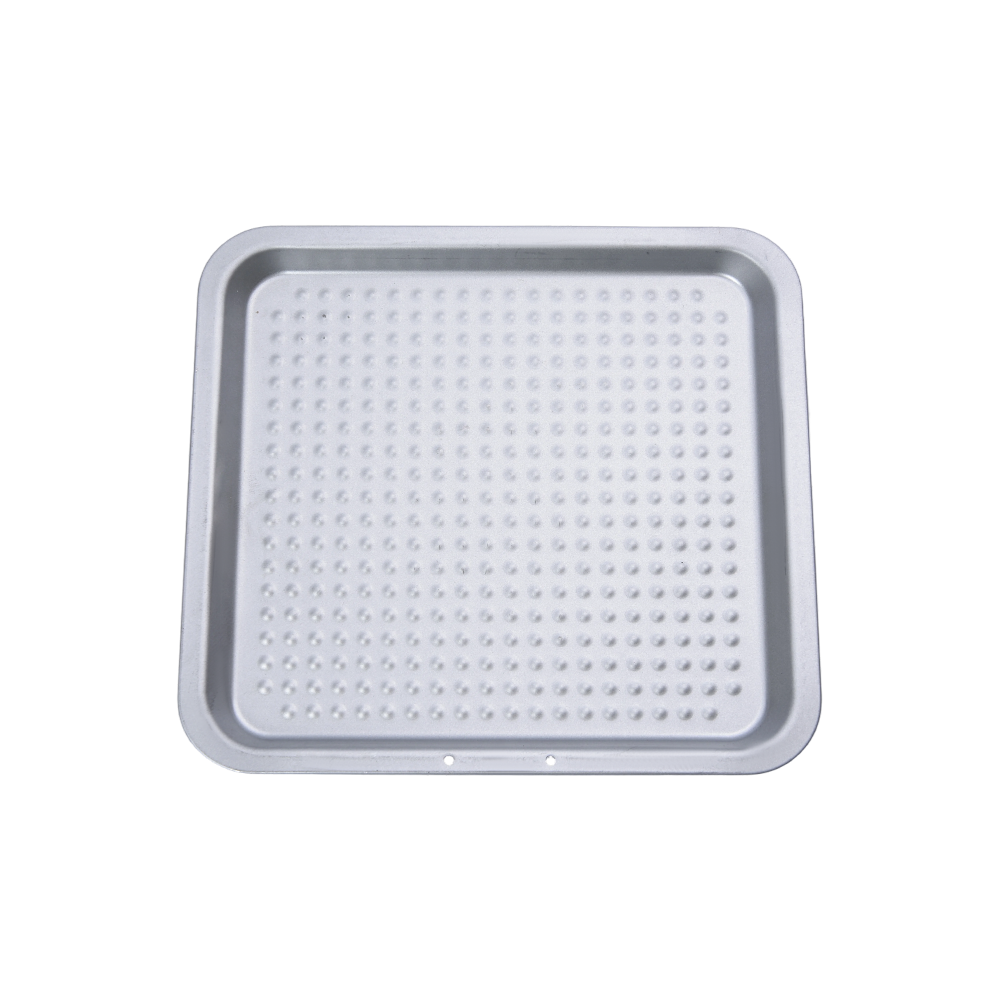
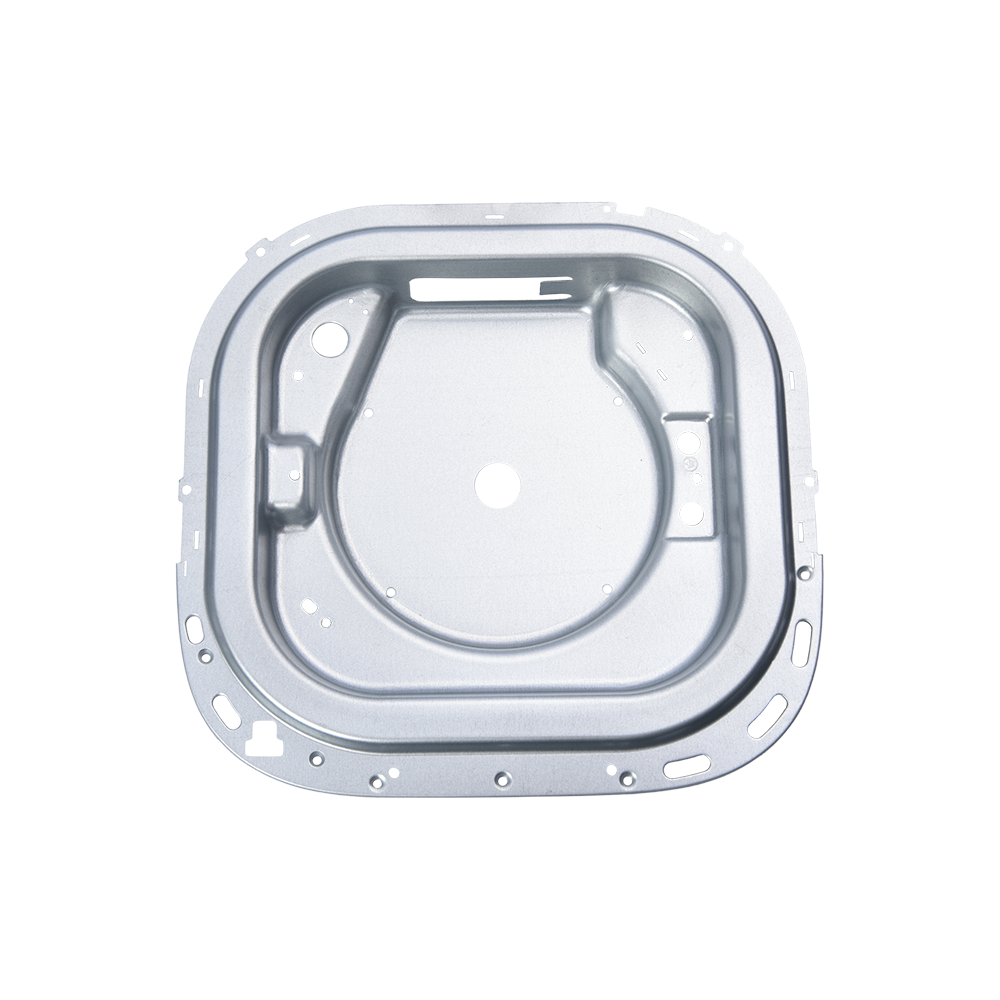
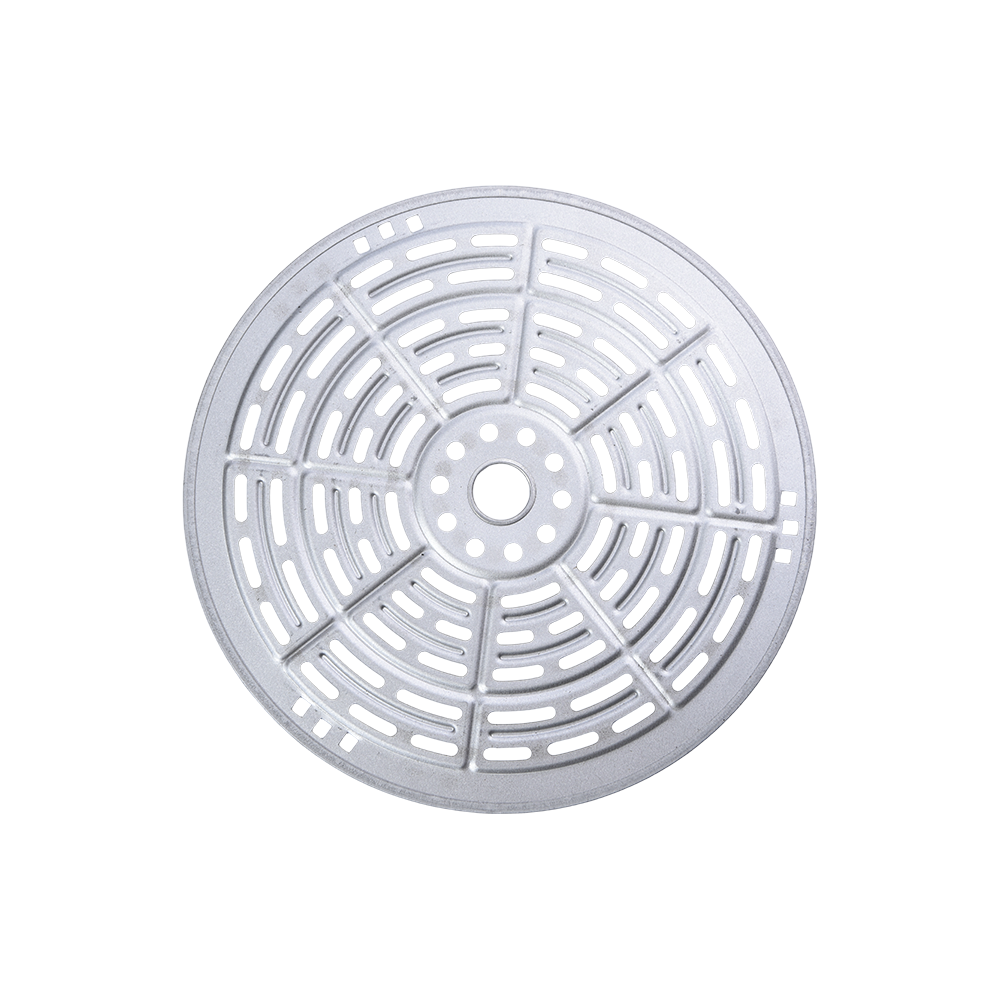
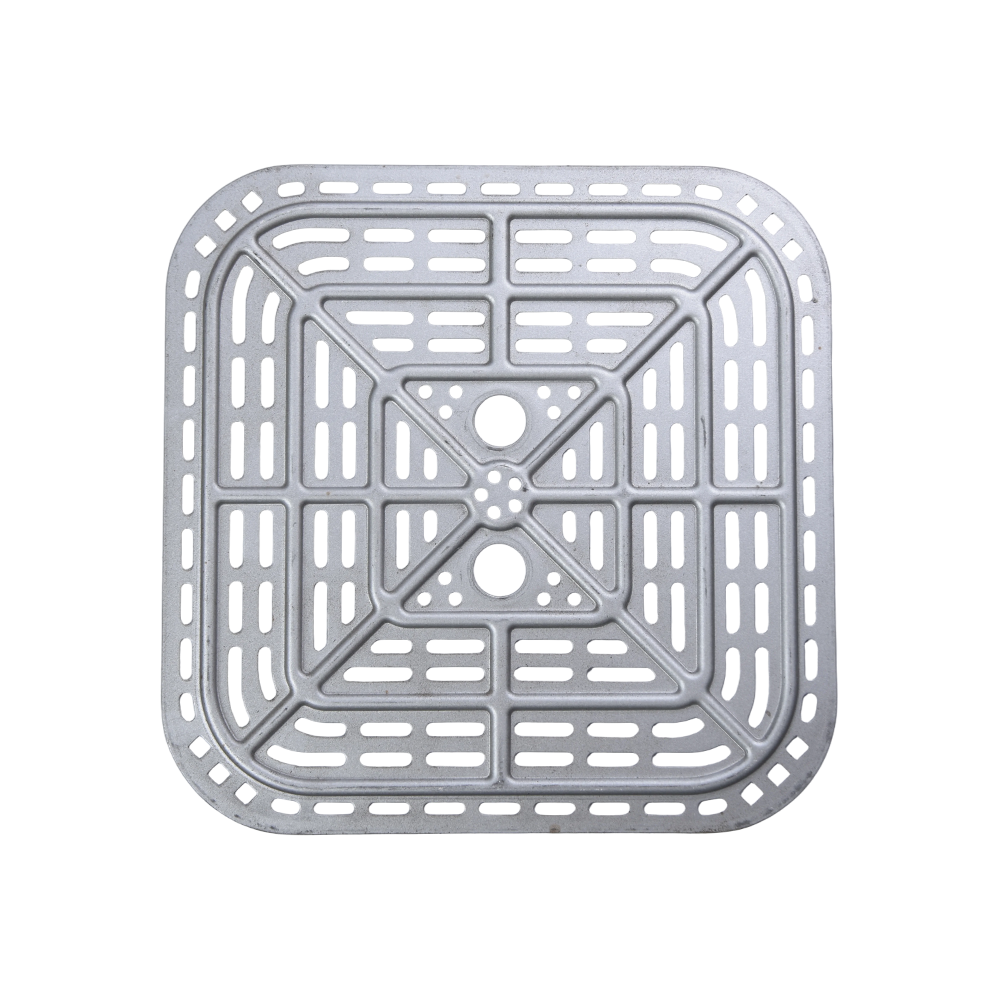
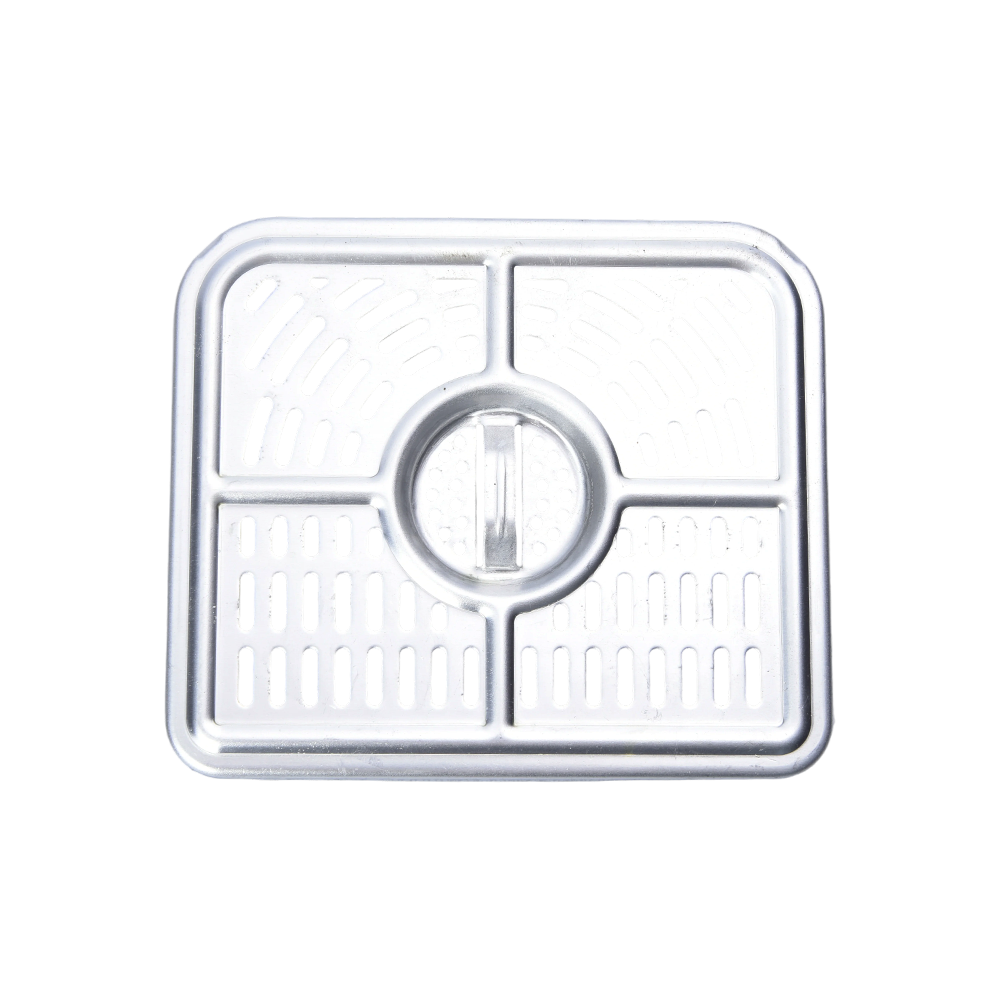
What Are Stamped Parts? Stamped parts are metal components produced by pressing flat sheet metal between a die and a punch to cut, bend, or...
READ MORE

News
Home / Author / Zhang Meilin — Product Sales Consultant / Stamped Square Lid with Holes: Precision, Durability, and Customized Metal Protection
Stamped Square Lid with Holes: Precision, Durability, and Customized Metal Protection
2026-08-05
A stamped square lid with holes is a practical metal component designed to cover, protect, separate, or reinforce openings in industrial, automotive, electrical, household, and mechanical equipment. Although its geometry may appear simple, a well-designed square lid must meet several demanding requirements at the same time. It must have accurate dimensions, a stable shape, clean openings, sufficient mechanical strength, reliable corrosion resistance, and a surface finish suitable for its intended environment. It must also be economical to produce in both standard and customized quantities.
The Stamped Square Lid with Holes supplied by Yuyao Hongli Optoelectronics Co., Ltd. is developed for applications that require a dependable formed-metal cover with a configurable hole pattern. The product can be adapted in terms of size, thickness, material selection, hole quantity, hole diameter, hole location, edge design, and surface treatment. This flexibility allows the same basic product concept to serve a wide range of equipment and assemblies while meeting the specific installation requirements of different customers.
As a stamped component, the lid is manufactured through controlled metal-forming operations rather than being produced only through machining or manual fabrication. Stamping enables repeatable production, efficient material utilization, and consistent results across batches. When supported by accurate tooling, careful process control, and systematic inspection, it provides a strong balance between quality and cost.
This article examines the product’s construction, performance advantages, customization possibilities, manufacturing process, quality considerations, application value, and the production capabilities of its manufacturer. It also explains why a customized stamped square lid with holes can offer important advantages over generic covers, manually fabricated plates, and fully machined alternatives.
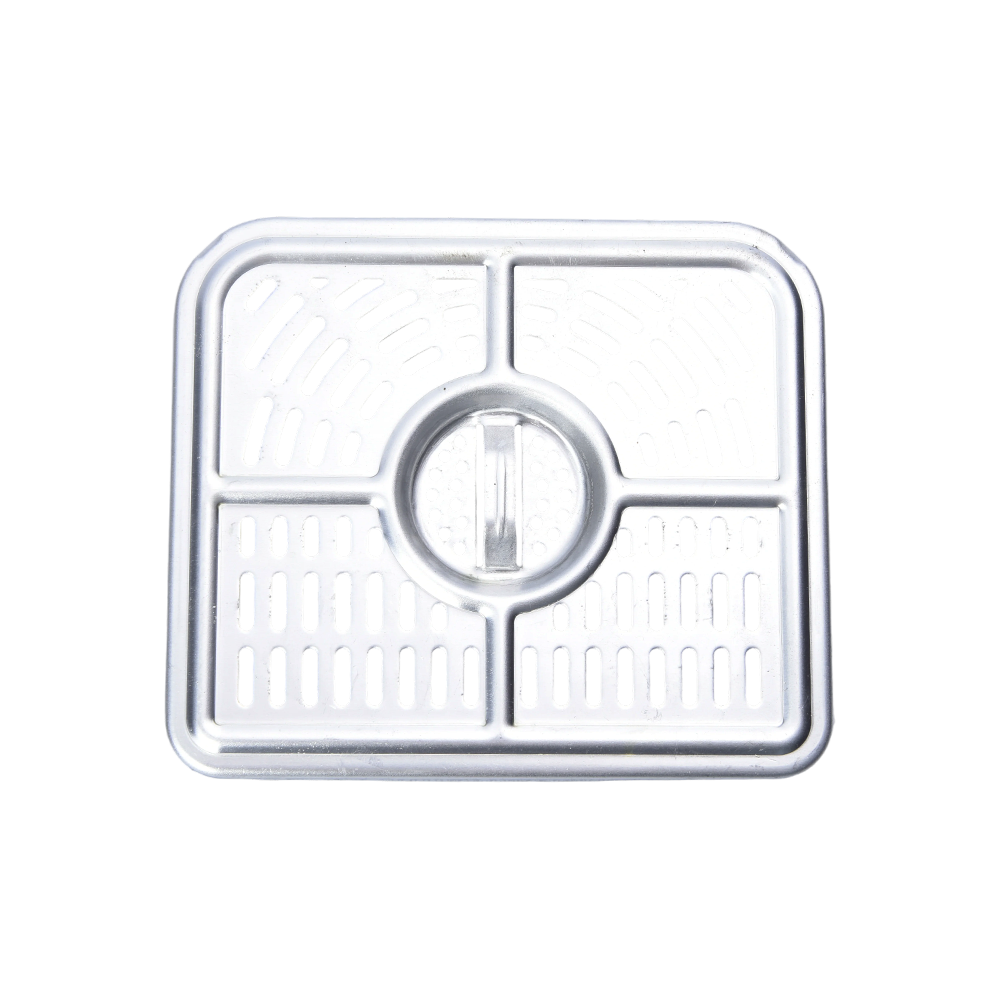
Stamped square lid with holes
1. Product Overview
The stamped square lid with holes is a formed sheet-metal cover with a square or substantially square outline. Its primary purpose is to close or shield an opening while allowing selected components, fasteners, cables, ventilation paths, fluid passages, or other functional elements to pass through designated holes. Depending on the application, it may be installed as a protective cover, access plate, mounting plate, enclosure component, support panel, or interface part.
The product is manufactured from high-quality metal materials selected according to the required mechanical, environmental, and visual performance. The material may be chosen to provide resistance to rust, heat, humidity, chemicals, abrasion, or repeated handling. The final choice depends on the customer’s operating conditions, budget, production quantity, and surface-treatment requirements.
Multiple holes are incorporated into the lid according to the functional requirements of the assembly. These holes may be arranged symmetrically or asymmetrically. They may serve as mounting points, ventilation openings, cable routes, drainage paths, inspection windows, alignment features, or clearance openings for mechanical parts. Their diameter, shape, spacing, and position can be adjusted during product development.
The square configuration provides several practical benefits. Straight edges are convenient for positioning within rectangular housings, cabinets, frames, trays, and appliance structures. A square lid can also make efficient use of available panel space and can be aligned easily with adjacent components. Where a gasket, seal, bracket, or fastening system is required, the regular outline simplifies layout and assembly.
The lid may be produced as a flat stamped panel or as a formed part with shallow flanges, recessed areas, raised sections, stiffening features, or other three-dimensional details. These features can improve rigidity, create clearance, control contact with neighboring parts, and support reliable installation.
2. Main Product Advantages
2.1 Durable Metal Construction
A stamped metal lid provides a level of structural reliability that is difficult to achieve with thin plastic covers or low-quality manually cut sheets. The formed metal body can withstand installation forces, vibration, moderate impact, and contact with neighboring components. Its strength also helps it retain its shape during transportation, assembly, and long-term service.
The appropriate material and thickness can be selected for the intended load and environment. A light-gauge material may be suitable for an internal appliance cover, while a thicker or stronger material may be more appropriate for automotive, industrial machinery, or exposed equipment. This ability to balance weight and strength allows the product to be engineered for its actual use rather than produced as a one-size-fits-all component.
2.2 Corrosion Resistance
Corrosion resistance is essential for covers and plates used in humid, outdoor, kitchen, automotive, and industrial environments. Rust or surface deterioration can weaken a component, affect appearance, interfere with fastening, and contaminate nearby parts. The stamped square lid with holes can be manufactured from materials with suitable natural corrosion resistance or receive a protective surface treatment after forming.
Available finishing options may include polishing, anodizing, coating, plating, or other treatments selected according to the substrate and application. These processes can improve resistance to moisture, oxidation, chemicals, and abrasion. They may also provide a specific color, texture, gloss level, or visual consistency with the surrounding equipment.
Surface treatment is not merely a cosmetic decision. The selected finish should be evaluated in relation to operating temperature, exposure to cleaning agents, contact with dissimilar metals, humidity, salt, friction, and expected service life. The manufacturer can discuss the intended environment with the customer and recommend a suitable finishing approach.
2.3 Accurate Hole Configuration
The holes in a cover often determine whether the component can be installed successfully. A hole that is incorrectly positioned, undersized, oversized, or poorly finished may create assembly delays or require additional modification. Stamping tools can be designed to produce repeatable hole locations and consistent dimensions across a production run.
Hole patterns can be configured for screws, rivets, clips, pins, cable glands, ventilation, drainage, or component access. The design may include round holes, slots, rectangular openings, or other profiles, subject to material thickness and forming requirements. If the assembly requires close alignment with another component, hole locations can be incorporated into the tooling and verified during inspection.
Clean hole edges are also important. Excessive burrs can damage cables, interfere with fasteners, injure operators, or reduce the quality of the finished assembly. Proper die clearance, tool maintenance, process sequencing, and deburring controls help create safer and more functional openings.
2.4 Customizable Dimensions
Industrial equipment rarely uses identical panel dimensions across every model. A lid that fits one housing may be unsuitable for another because of differences in width, height, corner radius, hole spacing, mounting method, or clearance requirements. Customized production solves this problem by adapting the part to the customer’s drawing, sample, or technical specification.
The square lid can be adjusted to suit the available installation space. Customization may include overall length and width, material thickness, corner geometry, edge height, flange dimensions, recess depth, hole pattern, and surface finish. The manufacturer can also support modifications intended to improve assembly efficiency or reduce material consumption.
2.5 Repeatable Stamping Production
Compared with one-off manual fabrication, stamping is well suited to repeat orders and medium- to high-volume production. Once the die and process have been validated, each production cycle can create parts with consistent geometry. Repeatability helps customers maintain stable assembly conditions, reduce adjustment work, and simplify quality management.
Stamping also supports efficient production when the same component is required in large quantities. The automated or semi-automated sequence can include blanking, piercing, forming, bending, and other operations. This reduces the number of separate handling steps and can provide a more predictable cost structure than machining every feature individually.
3. Manufacturing Process
3.1 Technical Review and Product Development
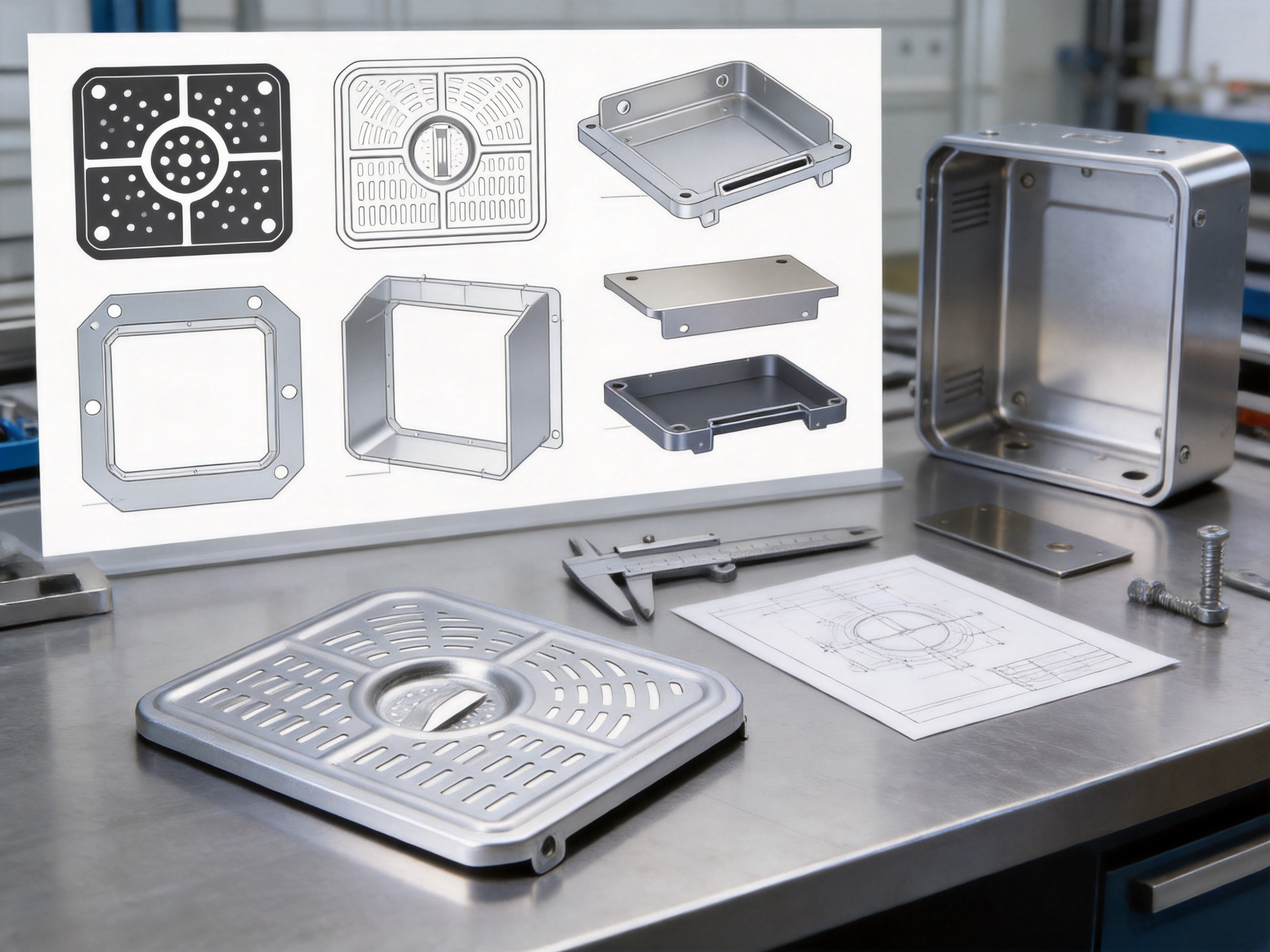
Manufacturing begins with a technical review of the customer’s drawing, sample, three-dimensional model, or written requirements. The review considers the part’s dimensions, material, thickness, hole pattern, tolerances, forming direction, surface treatment, packaging needs, and expected quantity.
At this stage, manufacturability is particularly important. A design that looks simple on paper may create problems during forming if the hole is too close to an edge, a bend radius is too small, or the material cannot withstand the required deformation. Early review can identify these risks before tooling is completed.
The production team may recommend changes to corner radii, hole spacing, bend reliefs, edge geometry, or tolerances. These recommendations are intended to preserve the customer’s functional requirements while improving tool life, part stability, production efficiency, and overall cost.
3.2 Material Preparation
Material is selected and prepared according to the technical requirements of the lid. Important considerations include strength, hardness, ductility, corrosion resistance, thermal behavior, surface condition, and compatibility with the final treatment.
Before production, sheet material should be checked for thickness consistency, visible defects, contamination, and suitability for stamping. Proper material preparation reduces the risk of cracks, wrinkles, uneven edges, excessive springback, and inconsistent hole quality.
Material utilization is also considered during layout. Efficient nesting of square blanks can reduce scrap and improve production economics. The final arrangement depends on the material width, part dimensions, grain direction where relevant, hole pattern, and forming requirements.
3.3 Tool and Die Design
Stamping quality depends heavily on the design and condition of the tooling. Dies must be developed for the part’s geometry, material characteristics, required production volume, and operation sequence. The tooling may include cutting sections, piercing punches, forming elements, guides, supports, and ejection features.
For a square lid with holes, tool design must maintain the relationship between the external profile and the internal openings. If the part includes bends or shallow drawn features, the die must also control material flow and prevent distortion. Proper support around the hole areas helps maintain dimensional stability.
Tool clearance is another important consideration. Incorrect clearance can cause rough edges, large burrs, premature tool wear, or excessive deformation. The correct values depend on material type and thickness. Tool surfaces should be maintained carefully because worn punches and die edges can gradually affect hole size and edge condition.
3.4 Blanking and Piercing
Blanking creates the basic square or rectangular outline of the component. Piercing creates the holes and other internal openings. Depending on the part design, these operations may be performed separately or integrated into a progressive, compound, or multi-operation die.
Accurate blanking establishes the reference geometry for later forming. Piercing must be coordinated with the outer profile so that the hole pattern remains centered and correctly aligned. The production sequence is selected to minimize distortion and to maintain consistent positioning during each operation.
When a part has a large number of holes, the sequence may be designed to distribute cutting forces and avoid unwanted movement of the sheet. The condition of the punch and die is monitored because hole quality can change as cutting edges wear.
3.5 Forming and Bending
If the lid includes raised sections, recessed areas, side flanges, or bent edges, forming and bending operations are added after or during the cutting process. These features can increase stiffness without requiring a much thicker material. They can also create a more secure fit inside a housing.
Forming must account for springback, which is the tendency of metal to recover partially after being bent. Tool geometry, material properties, bend radius, and forming pressure all influence the final angle and shape. Process development may include trial production and measurement to establish the correct compensation.
Careful forming also protects the hole pattern. If a hole is too close to a bend, the surrounding material may stretch or distort. Design review and proper operation sequencing help ensure that the holes remain functional after forming.
3.6 Deburring and Edge Control
After stamping, the component may have small burrs along cut edges or holes. Deburring is used to reduce sharp projections and improve safety, handling, appearance, and assembly performance. Depending on the material and customer requirements, deburring may be carried out through mechanical, vibratory, brushing, tumbling, or other suitable methods.
Edge control is particularly important when the lid is installed near wiring, seals, painted surfaces, or moving components. A controlled edge reduces the possibility of cutting cables, damaging gaskets, or creating unwanted contact points.
3.7 Surface Treatment
Surface treatment is selected according to the required performance and visual standard. Polishing can create a smoother and more attractive surface. Anodizing may improve surface hardness and corrosion resistance for compatible materials. Coating can provide protection, color, and additional resistance to abrasion or chemicals.
The treatment process should be compatible with the stamped geometry. Small holes, corners, recessed areas, and flange interfaces must be considered because they may affect cleaning, coating coverage, drainage, and appearance. If the lid is used in an assembly requiring electrical contact or grounding, treatment around selected contact areas may need special control.
3.8 Inspection and Packaging
Finished parts are inspected according to the agreed quality requirements. Typical checks include overall dimensions, thickness, hole diameter, hole position, flatness, bend angle, edge condition, surface appearance, and treatment consistency.
Inspection methods may include measuring tools, gauges, calipers, coordinate measurement, visual examination, and functional checking with a customer-provided fixture or mating sample. The inspection approach should reflect the importance of each feature rather than applying identical controls to every dimension.
Packaging protects the lids from scratching, bending, contamination, and moisture during storage and transportation. Parts may be separated with protective material, stacked in suitable quantities, or packed in cartons, trays, or other containers. Packaging can be customized when the surface finish is especially sensitive or when the customer requires direct line-side delivery.
4. Manufacturing Strengths of the Supplier
Yuyao Hongli Optoelectronics Co., Ltd. has more than 20 years of industry experience. Founded in 2000, the company has developed from its former identity as Yuyao Hongli Optoelectronics Educational Instruments Co., Ltd. into a comprehensive manufacturing enterprise specializing in metal stamping parts and related products.
The company operates a modern factory covering approximately 5,000 square meters and has more than 60 employees. Its production scope includes educational instruments, optical instruments, household electric heaters, small household appliances, automotive parts, hardware products, plastic products, deep-drawn parts, stamped parts, bending parts, kitchen appliance accessories, and automotive stamping parts.
This broad manufacturing background is valuable when producing a stamped square lid with holes. Experience across multiple product categories exposes the engineering and production teams to different material behaviors, tolerance requirements, assembly methods, and surface expectations. A component intended for an appliance may require a different approach from one used in an automotive or industrial environment, and cross-sector experience supports more informed process planning.
The company provides manufacturing, processing, wholesale, retail, import, and export services. It also supports OEM and ODM customization, rapid prototyping, production conversion, quality control, delivery coordination, and after-sales service. These capabilities allow customers to work with one supplier from initial concept through repeat production.
OEM support is useful when the customer already has a finalized design and needs the part manufactured according to drawings or samples. ODM support is beneficial when the customer has a functional requirement but needs assistance with design refinement, tooling, material selection, or production optimization. In both cases, early communication helps prevent misunderstandings about dimensions, finish, packaging, and inspection criteria.

5. Advantages Over Generic and Alternative Products
5.1 Compared with Generic Off-the-Shelf Covers
Generic covers are convenient when their dimensions and hole arrangements happen to match the installation. However, they often require compromise. A generic lid may have unnecessary holes, insufficient openings, incorrect mounting distances, an unsuitable finish, or an edge configuration that does not fit the housing.
A customized stamped square lid avoids these limitations by being developed around the customer’s actual assembly. The hole layout can be aligned with existing fasteners and internal components. The external dimensions can fit the available panel space more accurately. The material and surface treatment can be selected for the actual operating environment.
Customization can also reduce secondary modification. Cutting, drilling, filing, or repainting a generic part at the customer’s facility introduces extra labor and may create inconsistent quality. A production-ready customized lid arrives with the required features already incorporated.
5.2 Compared with Manually Fabricated Sheet Metal
Manual cutting and drilling may be acceptable for prototypes or emergency repairs, but it becomes less attractive for repeat production. Manual methods are more dependent on operator skill and may produce variation in hole position, edge quality, flatness, and overall appearance.
Stamped production provides a more controlled process. Once the tooling has been validated, the same geometry can be reproduced with greater consistency. This supports stable assembly and reduces the need for individual fitting or adjustment.
Manual fabrication can also generate more scrap when every part is marked and cut separately. Stamping layouts can be optimized for material utilization, helping improve production efficiency and cost control over larger quantities.
5.3 Compared with Fully Machined Plates
Machining is capable of producing precise metal plates, but it may require substantial cutting time, especially when the product is made from a solid block or thick plate. For a sheet-metal cover with repeated holes and formed features, stamping can be more efficient once the tooling is established.
The choice between stamping and machining depends on material, tolerance, volume, thickness, and geometry. For many repeated square-lid applications, stamping offers a practical balance between dimensional consistency and production speed. Machining may remain appropriate for very low quantities, unusually complex three-dimensional forms, or extremely tight tolerances, but it is not always the most economical solution for a formed sheet-metal cover.
5.4 Compared with Plastic Covers
Plastic covers can be lightweight and economical, but they may not offer the same resistance to heat, impact, fastening pressure, or long-term deformation as a properly selected metal lid. Metal is often preferred where the cover must support a fastener, resist vibration, provide mechanical shielding, or remain stable near a heat source.
A metal lid may also provide a more suitable appearance for equipment that requires a durable industrial finish. With polishing, anodizing, coating, or other treatments, the component can be coordinated with the surrounding product while retaining its structural benefits.
5.5 Compared with Welded Assemblies
A welded cover may be useful when several thick pieces must be joined, but welding adds heat, process steps, and potential distortion. Weld lines may require grinding or additional finishing, and the assembly may be heavier than necessary.
A stamped lid can often integrate its required shape into one piece. Fewer joints can mean fewer potential corrosion points, a cleaner appearance, and a more streamlined production process. This advantage is most relevant when the product geometry can be formed from sheet material without compromising strength.
6. Application Areas
6.1 Automotive Components
Automotive equipment often requires compact metal covers that resist vibration, temperature changes, moisture, and contact with oils or cleaning agents. A stamped square lid with holes can be used as an access cover, mounting plate, protective shield, bracket-related panel, or enclosure component.
The automotive environment places strong emphasis on repeatability and traceability. Hole locations must remain stable so that fasteners and adjacent parts align correctly. The material and finish must also be considered in relation to corrosion exposure and the vehicle’s service conditions.
6.2 Electrical Equipment
Electrical cabinets, control equipment, power units, and wiring assemblies may require covers with holes for cable routing, ventilation, mounting, or inspection. A square stamped lid can help protect internal components from accidental contact while providing controlled access points.
Where grounding or electrical continuity is relevant, the customer should specify the required contact surfaces and finish limitations. Hole edges, mounting points, and coating thickness may affect electrical contact, so these requirements should be incorporated during product development.
6.3 Industrial Machinery
Industrial machines frequently contain moving parts, heat-generating components, sensors, motors, or transmission elements that require protective covers. A metal lid can prevent accidental contact, reduce exposure to dust or debris, and provide a neat interface between machine sections.
In machinery applications, the design may require additional rigidity, reinforced edges, vibration-resistant fastening, or a surface treatment that withstands repeated cleaning. The hole pattern can be adapted to accommodate inspection points, mounting hardware, or ventilation requirements.
6.4 Kitchen Appliances
Kitchen appliance accessories must often tolerate heat, humidity, grease, cleaning products, and frequent handling. A stamped lid may be used as an internal cover, support plate, ventilation panel, or protective component in small household appliances and heating equipment.
For these applications, surface condition and edge safety are especially important. The finish should be suitable for the expected environment, and the component should be free from harmful sharp edges, excessive burrs, and contamination.
6.5 Optical and Educational Instruments
Optical instruments and educational equipment may require precise, attractive, and lightweight metal panels. The square lid can protect internal mechanisms or provide mounting and adjustment access. Its hole configuration may be designed for fasteners, cables, knobs, sensors, or other instrument elements.
A clean surface finish is often important in these products because the component may be visible to users. Consistent dimensions also help simplify assembly and maintain the professional appearance of the finished instrument.
6.6 General Hardware and Equipment
The product can also serve in general hardware, cabinets, fixtures, frames, enclosures, and custom equipment. Its adaptability makes it suitable for projects where a simple but reliable cover is needed and where standard catalog parts do not provide the correct dimensions or hole layout.
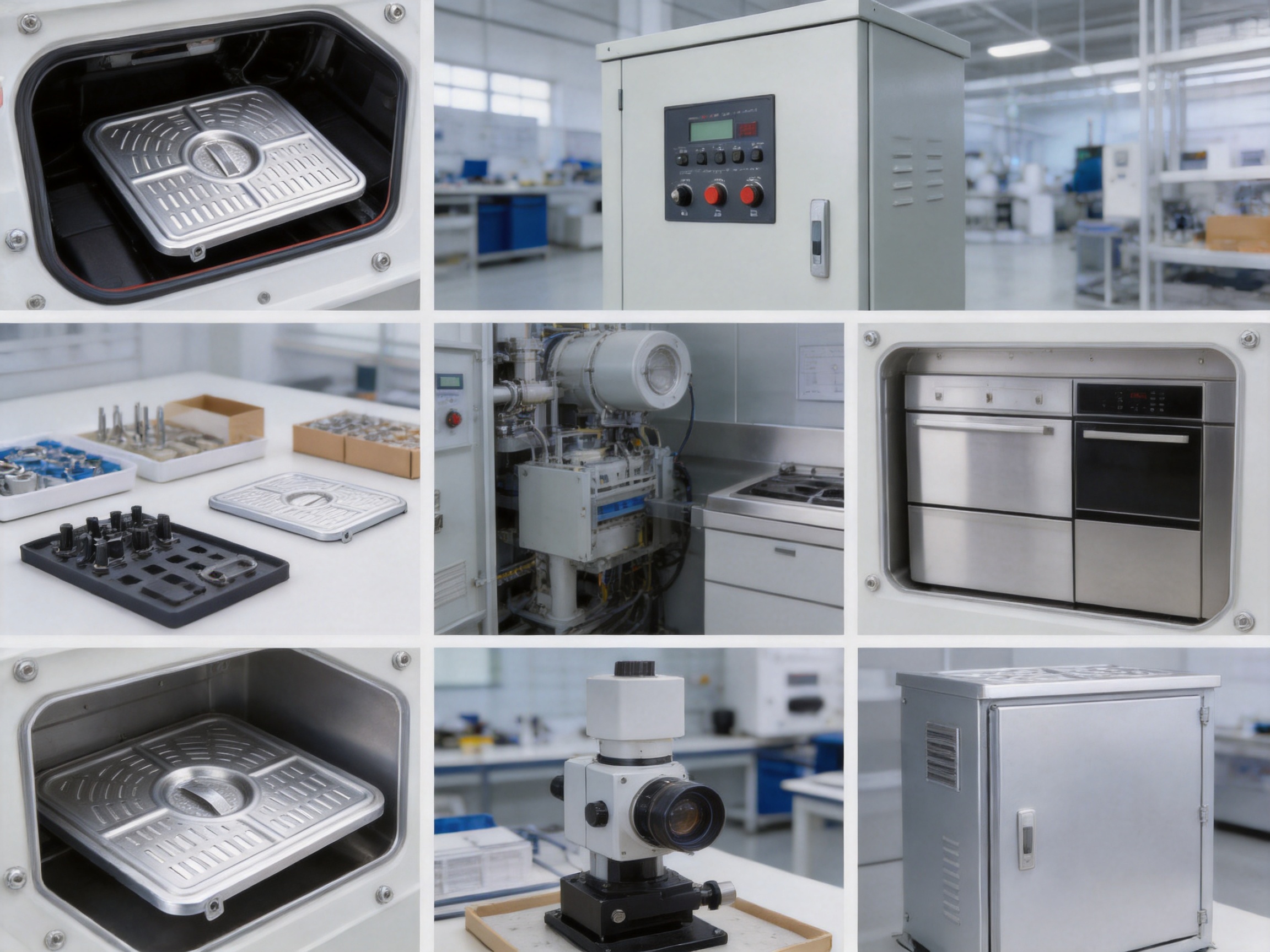
7. Customization Options
7.1 Size and Thickness
Customers can specify the external length and width according to the installation opening. Thickness is selected based on strength, weight, forming behavior, fastening requirements, and cost. A correct thickness prevents unnecessary weight while providing adequate resistance to bending and deformation.
7.2 Hole Quantity and Shape
The number of holes can be adjusted to match the assembly. Hole shapes may include round openings, elongated slots, square openings, or other profiles when supported by the material and tooling. The customer should provide the function of each opening so that the geometry can be reviewed for manufacturability.
7.3 Hole Position and Tolerance
Hole positions can be coordinated with mating parts, fasteners, cable routes, and internal clearances. Tolerances should be defined according to actual assembly needs. Extremely tight tolerances may increase tooling and inspection requirements, while overly loose tolerances may create alignment problems.
7.4 Formed Features
Raised ribs, shallow recesses, flanges, bends, and other formed features can be added when they provide functional value. These features may improve stiffness, create clearance, assist positioning, or provide a more secure fit.
7.5 Surface Appearance
Surface treatments can be selected to meet functional and aesthetic requirements. Polished surfaces may be suitable when a smooth appearance is needed. Anodized or coated surfaces may be preferred when enhanced corrosion resistance, color, or abrasion resistance is important.
7.6 Packaging and Delivery
Packaging can be adapted to part size, finish sensitivity, order volume, and customer handling procedures. Proper packaging helps preserve the product’s condition from the factory to the customer’s assembly line.
8. Quality and Performance Considerations
A reliable stamped square lid is more than a piece of cut sheet metal. Its performance depends on the relationship between material, tooling, forming sequence, hole quality, finishing, inspection, and packaging. Each stage contributes to the final result.
Dimensional control ensures that the lid fits the designated opening and aligns with its fasteners. Flatness control prevents rocking, gaps, and uneven contact. Hole inspection confirms that the component can be assembled without rework. Edge inspection supports safe handling and protects adjacent parts.
Surface inspection is also important. Scratches, stains, discoloration, incomplete coating, or uneven polishing may affect appearance and corrosion resistance. The acceptable level of visual variation should be established before mass production, especially when the lid is visible on the finished product.
Functional testing may be appropriate for certain applications. A sample can be installed in a customer-provided housing or checking fixture to verify fit, clearance, fastening, and alignment. This type of validation often reveals practical issues that cannot be identified through dimensional inspection alone.
Quality control should be proportional to the application. A simple internal cover may require standard dimensional and visual checks, while an automotive or safety-related component may require more detailed documentation, sampling, traceability, and process control. The manufacturer can coordinate inspection requirements with the customer during the quotation and technical review stages.
9. Prototype to Mass Production
Rapid prototyping helps customers evaluate the square lid before committing to full-scale production. Prototype quantities can be used to confirm dimensions, hole locations, installation method, surface appearance, and interaction with surrounding components.
Prototype production may use preliminary tooling, modified tooling, laser cutting, bending, or other suitable methods depending on the design and quantity. The purpose is to identify functional improvements and confirm the production concept. When the design is approved, the process can be transferred to more efficient stamping tooling for repeat orders.
Efficient production conversion is especially useful when a customer is moving from a manually fabricated sample to a standardized product. The company can review the sample, reproduce the essential geometry, recommend manufacturability improvements, and establish a repeatable production process.
Clear documentation supports this transition. Drawings should identify critical dimensions, material, thickness, finish, hole tolerances, inspection points, and revision information. When a physical sample is the primary reference, the customer and supplier should agree on which features are critical and which may be optimized for manufacturing.
10. Selecting the Right Product Specification
Before requesting a quotation, customers should define the intended operating environment. Relevant information includes temperature, humidity, exposure to water or chemicals, vibration, expected mechanical load, installation method, visibility, cleaning conditions, and service life.
The customer should also identify whether the lid is structural, protective, decorative, or primarily used for access and closure. A protective cover near moving parts may need greater stiffness than a lightweight internal panel. A visible appliance component may require a more demanding finish than a hidden machinery cover.
Hole functions should be described clearly. A mounting hole may need a specific clearance for a screw or rivet. A cable opening may require a slot, rounded edge, or additional protection. A ventilation hole may need a defined open area. A drainage hole may need to be positioned at a low point in the installed orientation.
Customers should distinguish between critical and noncritical tolerances. Overly strict tolerances can increase cost without improving function, while insufficiently controlled dimensions can lead to assembly problems. A practical tolerance strategy supports both performance and production efficiency.
11. Why Partner with an Experienced Manufacturer?
Working with an experienced stamped-parts manufacturer provides more than access to production equipment. It provides process knowledge that can improve the design before tooling begins. Experienced teams understand how material thickness, hole placement, bend radius, die clearance, surface treatment, and packaging affect the final component.
Yuyao Hongli Optoelectronics Co., Ltd. combines long-term industry experience with a broad product portfolio and an established factory organization. Its more than 20 years of development provide a foundation for handling customized metal components for different industries. Its workforce and workshop resources support production planning, processing, inspection, and order coordination.
The company’s experience with deep-drawn parts, stamped parts, bending parts, kitchen appliance accessories, and automotive stamping parts is particularly relevant to the stamped square lid. These categories require an understanding of sheet-metal deformation, dimensional control, tooling, edge quality, and application-specific finishing.
The company’s OEM and ODM capabilities also allow it to serve customers with different levels of design readiness. Some customers may provide complete engineering drawings, while others may need assistance transforming a concept or sample into a manufacturable product. A supplier capable of supporting both situations can shorten communication cycles and reduce the risk of transferring the project between multiple vendors.
Reliable delivery is supported by efficient production conversion, process planning, and quality control. While delivery times depend on design complexity, tooling requirements, order quantity, and finish, a structured manufacturing process gives customers a clearer path from inquiry to production.
12. Practical Design Recommendations
12.1 Avoid Unnecessary Hole Concentration
When many holes are placed close together, the remaining metal may become weak or distort during stamping. Hole spacing should preserve sufficient material between openings and between holes and the outer edge. If a dense pattern is required, the design should be reviewed carefully for strength and forming stability.
12.2 Use Suitable Corner and Bend Radii
Sharp corners can increase stress concentration and make forming more difficult. Appropriate corner radii can improve part strength, reduce cracking risk, and extend tool life. Bend radii should be selected in relation to material type and thickness.
12.3 Define the Installation Method Early
The fastening method affects hole size, edge distance, countersinking, embossing, and flange design. Screws, rivets, clips, pins, and welding interfaces may require different details. Defining the installation method at the design stage prevents later modification.
12.4 Consider Surface Treatment During Design
Coating, anodizing, polishing, and other finishes may alter dimensions slightly or require specific handling. Contact areas, drainage points, recessed regions, and concealed surfaces should be considered before the process is finalized.
12.5 Provide a Functional Sample When Possible
A physical sample or mating housing can help the manufacturer understand practical requirements such as clearance, orientation, fastening sequence, and visible surfaces. A sample is particularly useful when the original drawing does not show all assembly conditions.
13. Customer Benefits
The customer benefits from receiving a component that is designed for the intended assembly rather than adapted afterward. Correct hole placement can reduce installation time. Stable dimensions can reduce rework. Appropriate material and finishing can extend service life. Consistent production can simplify purchasing and inventory planning.
A customized lid may also reduce the total cost of ownership. Even if a generic cover has a lower unit price, additional drilling, trimming, sorting, fitting, or replacement can increase the actual cost. A component that arrives ready for installation often provides greater value across the complete production process.
For product developers, the ability to order a customized stamped part supports more freedom in equipment design. The cover does not have to dictate the layout of the housing. Instead, the lid can be developed around the required functions and integrated with the rest of the product.
For purchasing teams, a supplier that offers prototyping, OEM/ODM support, stamping, bending, finishing, inspection, and delivery coordination can reduce supplier fragmentation. Fewer handoffs may improve communication and simplify responsibility for quality issues.
14. Frequently Asked Questions
Q1: What is a stamped square lid with holes used for?
It is used to cover or protect an opening while providing selected holes for fastening, mounting, cable routing, ventilation, drainage, inspection, or component clearance. Typical applications include automotive parts, electrical equipment, industrial machinery, kitchen appliances, optical instruments, and general hardware.
Q2: Can the dimensions be customized?
Yes. The overall length, width, thickness, edge shape, corner radius, flange, recess, and other dimensions can be customized according to drawings, samples, or technical requirements.
Q3: Can the hole pattern be changed?
Yes. Customers can specify the number, diameter, shape, spacing, and position of the holes. The final pattern should be reviewed for assembly function and stamping feasibility.
Q4: Which materials are available?
Material selection depends on strength, corrosion resistance, temperature, appearance, forming behavior, and cost requirements. The manufacturer can evaluate suitable high-quality metal materials based on the application and requested finish.
Q5: What surface treatments are available?
Possible treatments include polishing, anodizing, coating, and other suitable protective or decorative finishes. The appropriate process depends on the base material and the operating environment.
Q6: Are the edges safe to handle?
Stamped edges can be deburred and controlled according to the customer’s requirements. Edge quality should be specified when the lid is installed near cables, seals, moving parts, or operators.
Q7: Is the product suitable for high-temperature applications?
It can be designed for suitable temperature conditions when the material and surface treatment are selected correctly. Customers should provide the expected temperature range and exposure time so that the specification can be evaluated properly.
Q8: Can the product be used outdoors?
It may be suitable for outdoor use when the material and protective finish provide adequate resistance to moisture, oxidation, ultraviolet exposure, and other environmental factors. Outdoor requirements should be discussed before production.
Q9: Does the manufacturer support prototypes?
Yes. The company supports rapid prototyping and production conversion. Prototype methods depend on the design, quantity, tooling status, and required accuracy.
Q10: Does the manufacturer provide OEM and ODM services?
Yes. OEM production can follow customer drawings or samples, while ODM cooperation can include assistance with design refinement, material selection, tooling, and manufacturing optimization.
Q11: Can the lid include formed or bent features?
Yes. Depending on the design, the lid can include bends, flanges, raised areas, recessed areas, ribs, or other formed features that improve rigidity, fit, or clearance.
Q12: What information should be provided for a quotation?
Useful information includes drawings or samples, dimensions, material preference, thickness, hole details, surface treatment, order quantity, application environment, inspection requirements, packaging expectations, and target delivery schedule.
Q13: How does stamping compare with machining?
Stamping is often more efficient for repeated sheet-metal parts with consistent profiles and holes. Machining may be more suitable for thick materials, low quantities, or complex solid geometries. The best method depends on the specific product design and production volume.
Q14: Can the product be supplied in different finishes?
Yes. Finish options can be discussed according to appearance, corrosion resistance, abrasion resistance, electrical requirements, and the compatibility of the treatment with the selected material.
Q15: Can the product be inspected using a mating fixture?
Yes. Functional inspection with a customer-provided housing, sample, or checking fixture can be considered when fit and alignment are critical.
15. Conclusion
The stamped square lid with holes is a versatile and dependable sheet-metal component for applications that require protection, access, mounting, ventilation, or controlled passage through a panel. Its value comes from the combination of a durable metal structure, accurate hole configuration, adaptable dimensions, corrosion-resistant finishing options, and repeatable stamping production.
Compared with generic covers, manually fabricated plates, fully machined components, plastic alternatives, and welded assemblies, a customized stamped lid can provide a practical balance of performance, consistency, appearance, and production efficiency. Its design can be adapted to the customer’s actual housing, fastening system, environmental conditions, and assembly process.
Yuyao Hongli Optoelectronics Co., Ltd. supports this product with more than 20 years of manufacturing experience, a 5,000-square-meter factory, more than 60 employees, broad stamping and forming capabilities, OEM/ODM services, rapid prototyping, efficient production conversion, quality control, and after-sales support. Its experience across automotive, appliance, hardware, optical, educational, electrical, and industrial product categories strengthens its ability to develop customized metal solutions.
By combining careful design review, appropriate material selection, precision tooling, controlled stamping, deburring, surface treatment, inspection, and protective packaging, the company can supply square lids that are prepared for reliable integration into a wide range of products. For customers seeking a durable and configurable cover with holes, this product offers a strong foundation for both prototype development and ongoing production.
References
1. ASM International, ASM Handbook: Sheet Metal Forming.
2. Society of Manufacturing Engineers, Fundamentals of Metal Stamping and Pressworking.
3. International Organization for Standardization, Geometrical Product Specifications and Dimensional Tolerancing Principles.
4. International Organization for Standardization, Quality Management Systems: Requirements.
5. American Society for Testing and Materials, Standard Practices for Sheet-Metal Materials, Surface Preparation, and Protective Coatings.
6. Metal Forming Institute, Guidelines for Tool Design, Piercing, Blanking, and Bending Operations.
7. Manufacturing Engineering Reference, Principles of Pressworking, Die Maintenance, and Production Inspection.
8. Yuyao Hongli Optoelectronics Co., Ltd., Product and Company Manufacturing Information for Customized Stamped Parts.
Product: Stamped square lid with holes
Previous Post
Deep-Drawn Square Containers with Custom Cutouts: Strength, Precision, and Versatile Metal Forming
Next Post
Air Fryer Containers: Performance, Manufacturing Excellence, and Reliable OEM Solutions
News
-
-
Sheet metal is one of those materials that quietly holds everyday life together. The tray inside your air fryer, the bracket behind a car b...
READ MORE -
Sheet metal bending is one of the most fundamental processes in metal fabrication. It turns a flat sheet of steel, aluminum, or copper into...
READ MORE -
What Is Deep Drawing Process and What Are Deep-Drawn Parts The deep drawing process is a sheet metal forming operation in which a flat meta...
READ MORE
Get Fresh Updates Via Email
We promise we will never disclose your email address, and you can opt out at any time.
-
Quick Links
Home About Us Products Service News Contact Us -
Product list
Deep-drawn parts Stamped parts Bending parts Kitchen appliance accessories Automotive stamping parts -
About Us
Factory Honour FAQ -
News
Company News Industry News -
Contact Us
Address: South side of Shunke Road, Yangming Science and Technology Industrial Park, Yuyao City, Zhejiang Province, China Tel: +86-13905842349/+86-13738485724 Email: hongli@hl-stamping.com
Copyright © Yuyao Hongli Optoelectronics Co., Ltd. All Rights Reserved.
Custom Precision-Sheet/Sheet Metal Stamping Manufacturers
